16 Horror Movies Frequently Criticized For Their Screenwriting
Jump scares help, but a weak screenplay shows every time. Murky plotting and clunky lines can shrink a great horror idea fast.
Plenty of films had the right ingredients, yet the writing kept them stuck in the middle.
Disclaimer: This article summarizes commonly reported critical reactions to the screenplays of certain horror films, focusing on writing-related feedback such as plotting clarity, dialogue, pacing, and narrative payoff.
Horror is highly subjective, and a movie that frustrates some viewers may still be enjoyable to others depending on taste, tolerance for ambiguity, and familiarity with the subgenre.
16. The Bye Bye Man (2017)
What happens when a horror premise can’t quite find its footing?
A supernatural thriller like this aimed for eerie urban legend energy but instead served up a story many critics struggled to piece together. Disconnected plot turns pile up without clear links, leaving viewers puzzled rather than frightened.
Curious audiences hoped to grasp the rules behind the villain’s curse, yet the script never fully spells them out. Once basic logic slips away, even the loudest jump scares lose their impact.
15. Slender Man (2018)
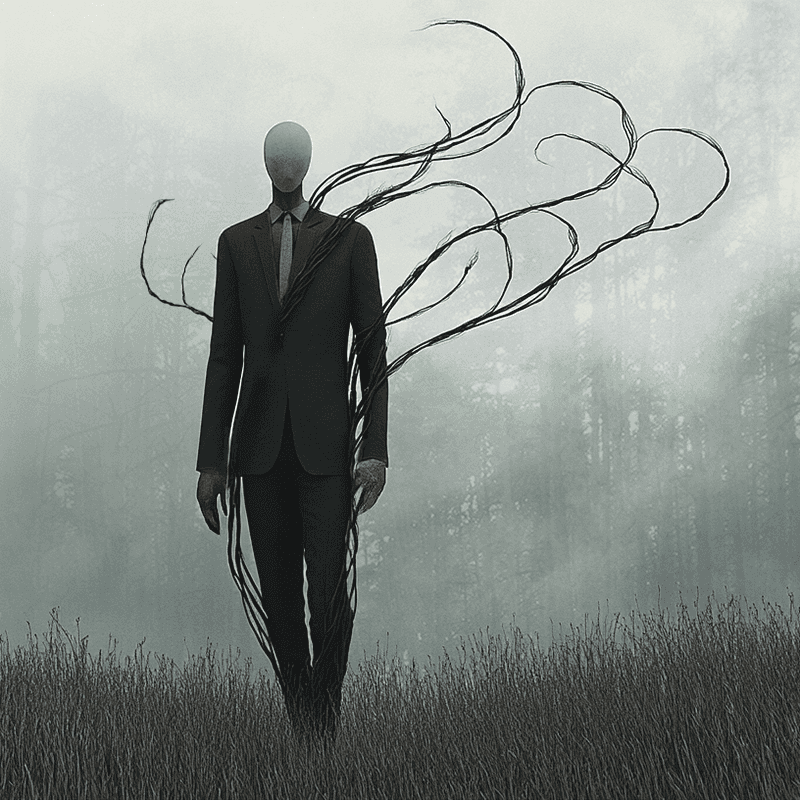
Bringing an internet legend to the big screen seemed like a sure thing. However, the execution fell short with a thin, derivative narrative that borrowed heavily from other horror films without adding anything fresh.
Critics pointed out the weak storytelling that failed to capture what made the online myth so unsettling.
The screenplay relied on predictable beats and offered no real character depth.
Fans of the original creepypasta felt disappointed by how generic the adaptation turned out to be.
14. The Nun (2018)

If you love atmospheric settings but need your story to make sense, this one might frustrate you. The Nun expands the Conjuring universe with gothic visuals and a haunting monastery, but logic gaps plague the screenplay from start to finish.
Critics described the script as clumsy, with character decisions that defy common sense.
Plot points appear and vanish without explanation, making it hard to stay invested. Sometimes a scary face isn’t enough when the story underneath feels like full of gaps.
13. Truth Or Dare (2018)
High-stakes supernatural stakes sound thrilling at first glance. Early promise on the page became frustration on screen, as many critics labeled the screenplay poorly written.
Ultimately, a strong premise never finds the tension or fun it seemed designed to deliver.
Meanwhile, wooden dialogue and constantly changing rules governing the cursed game make the plot feel convenient instead of clever. Instead, viewers expecting sharp twists meet predictable turns and characters who never feel fully developed.
12. One Missed Call (2008)

Maybe remaking a Japanese horror classic isn’t always the best idea?
This American adaptation leaned heavily on formulaic, shopworn shocks that undercut any genuine scares. The screenplay recycled familiar beats from other J-horror remakes without bringing fresh energy or ideas to the table.
Critics found the story predictable and uninspired, hitting every expected note without surprise. When audiences can guess every twist before it happens, the horror loses its bite entirely.
11. Alone In The Dark (2005)

Inspired by a beloved video game, an adaptation turned into a cautionary tale. Across reviews, critics slammed the execution and called the screenplay poorly structured on multiple levels.
Attempting to balance ancient artifacts, supernatural creatures, and government conspiracies, the plot drops every ball.
Clunky dialogue dominates while heavy exposition replaces meaningful character development. Longtime fans of the game struggled to find anything recognizable or enjoyable in the muddled script.
10. House Of The Dead (2003)

Video game adaptations had a rough streak in the early 2000s, and this one led the pack.
The screenplay earned descriptions like “disjointed” and “messy,” often lands in unintentional comedy rather than genuine horror.
Scenes feel randomly stitched together with little coherence.
Critics couldn’t tell if the bad dialogue was serious or satirical, which undercuts the tension.
9. The Open House (2018)
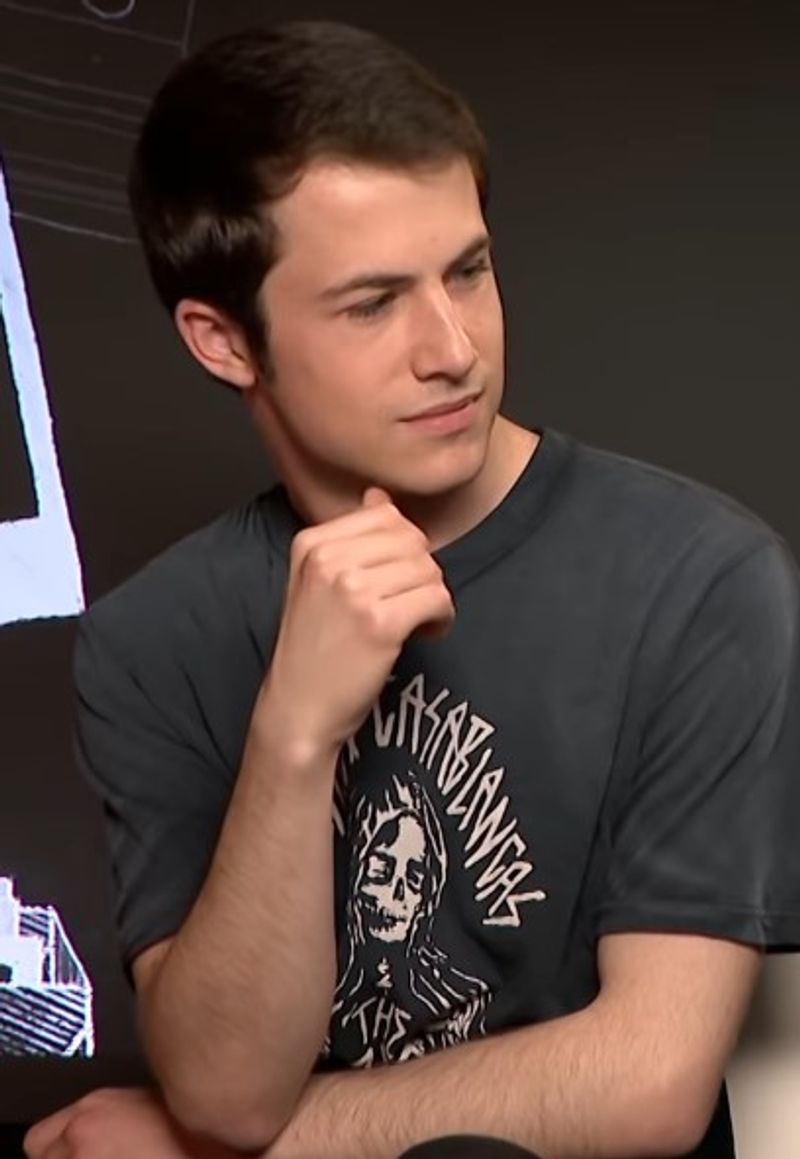
Frankly, atmosphere can only carry a film so far without a solid script underneath.
One Netflix original builds mood effectively with an eerie, empty house and creeping dread, but critics pointed to a much-needed stronger script when the payoff arrives.
Narrative momentum wanders without clear direction, and the ending leaves more questions than answers. Heavy on suspense but light on actual scares or resolution, it frustrates viewers who invest in the slow burn.
8. The Turning (2020)
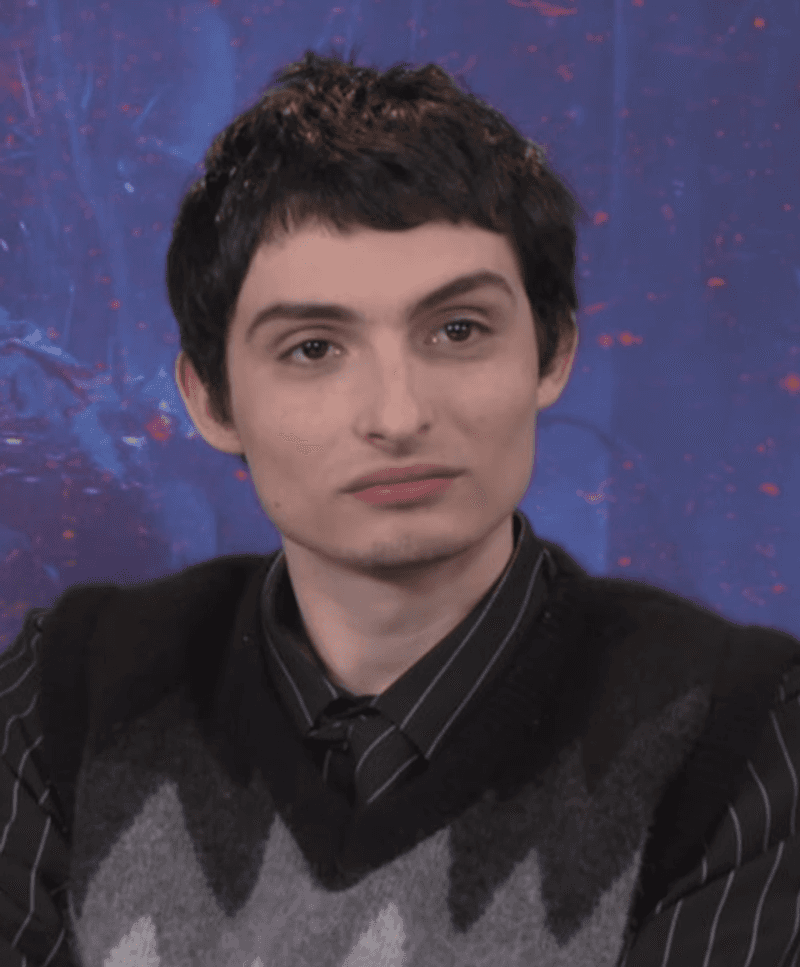
Adapting Henry James’s 1898 ghost story The Turn of the Screw should have been a home run.
Instead, dull dialogue and pacing issues dragged the story down, according to critics. The screenplay struggles to modernize the source material while keeping its gothic atmosphere intact.
Conversations feel stiff, and scenes linger without building tension. The ending proved especially divisive, leaving many viewers confused about what actually happened in the final moments.
7. Winchester (2018)
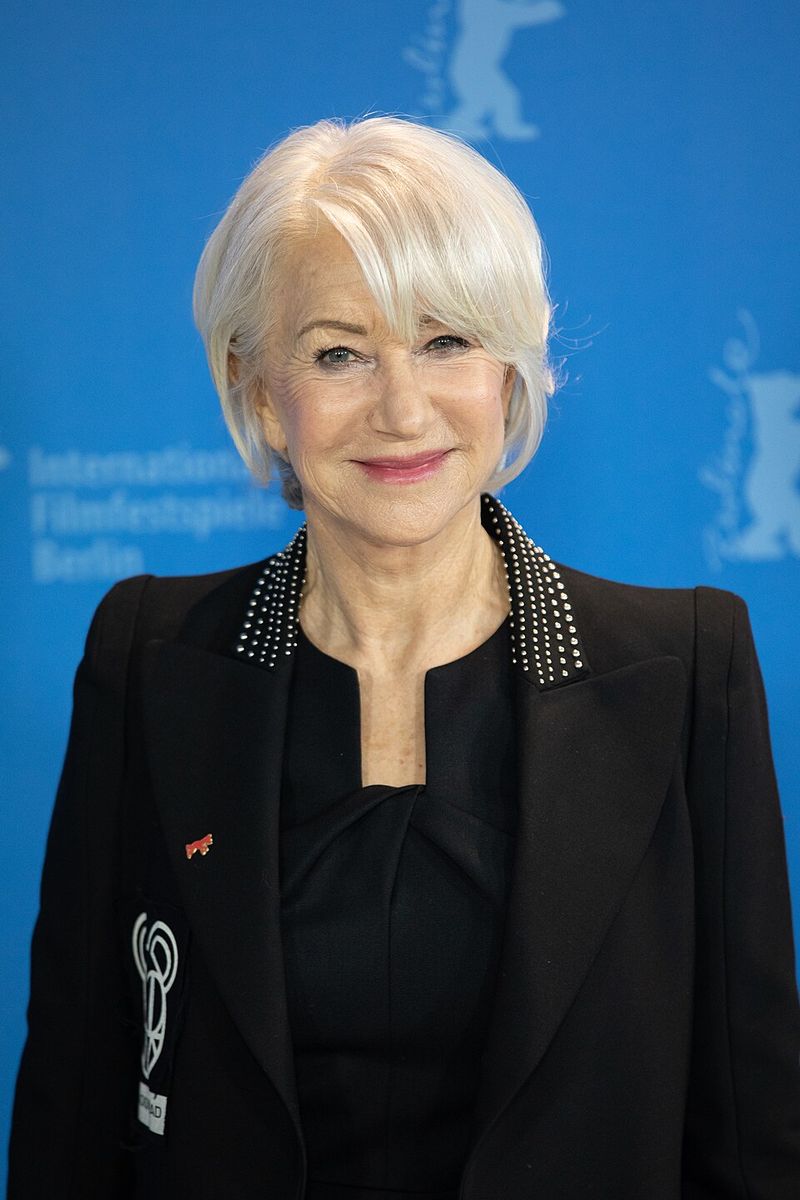
History surrounding the real Winchester Mystery House overflows with oddities and ghost stories.
Unfortunately, the film’s premise seems to build toward something intriguing but ultimately goes nowhere, as critics noted. Compelling ideas about grief and haunting appear in the screenplay but never receive meaningful development.
Forced scares replace earned tension, and the resolution disappoints after all the careful atmospheric setup. At times, the true story proves far scarier than its movie version.
6. The Happening (2008)
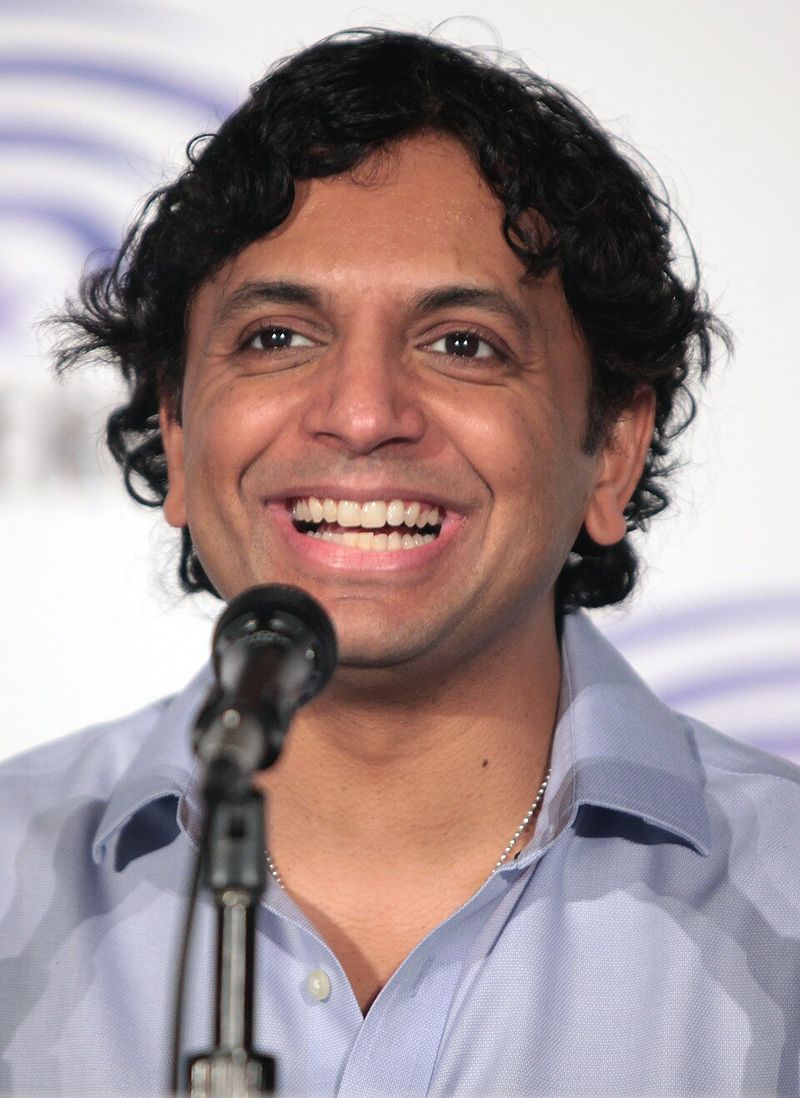
M. Night Shyamalan’s environmental thriller starts with an intriguing premise about nature turning against humanity.
Sadly, it becomes incoherent and unconvincing as it unfolds, with critics pointing to the screenplay as the main culprit. Dialogue feels awkward, and character reactions don’t match the severity of the situation.
What begins as mysterious quickly turns unintentionally funny. Even talented actors couldn’t salvage lines that felt more bizarre than believable or frightening.
5. The Devil Inside (2012)
Found-footage exorcism movies surged in popularity during the early 2010s, yet one entry stumbled badly. Many critics targeted the choppy, unscary construction, while the ending sparked especially strong dislike from audiences.
Attempts to create documentary-style realism fall apart thanks to illogical character decisions that undermine the premise.
An abrupt finish capped by a text card sending viewers to a website felt like a unsatisfying choice instead of a creative choice.
4. The Ring Two (2005)
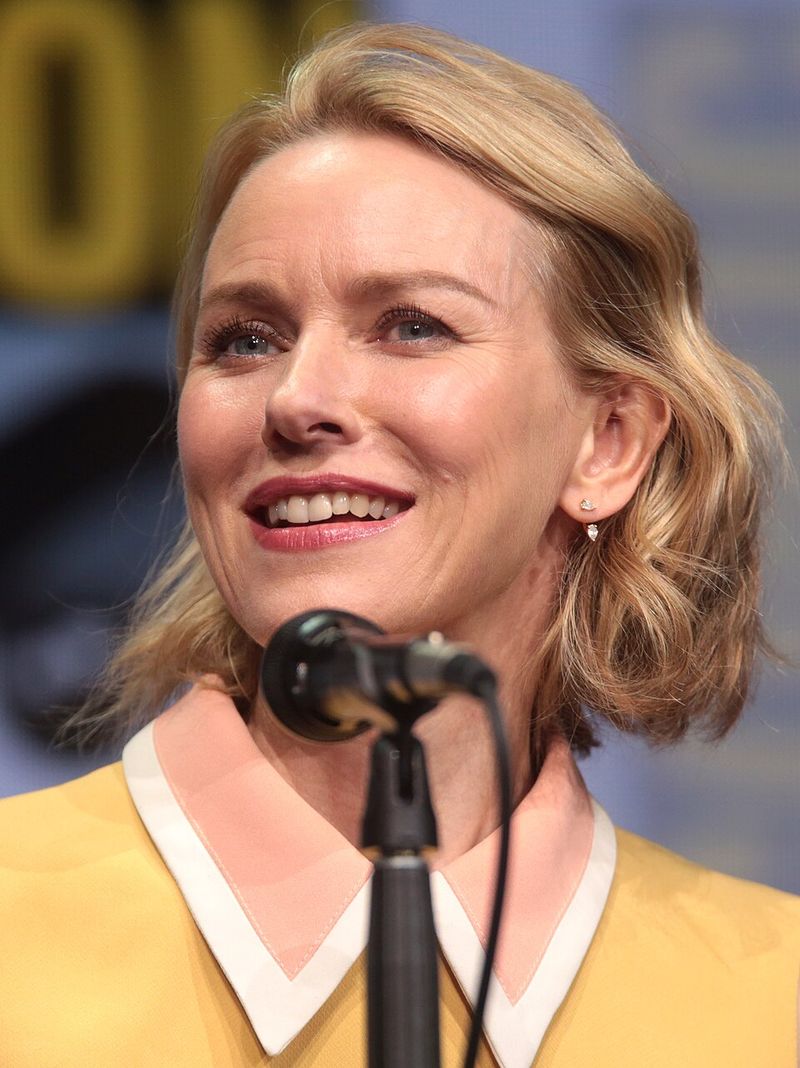
Sequels face tough expectations, especially when following a successful horror reboot.
This follow-up earned the label “dull screenplay” filled with absurdities from critics who expected better. The story moves away from what made the first film work, introducing confusing mythology and bizarre plot developments.
Character motivations feel unclear, and scares become repetitive.
Fans of the original Ring felt let down by a script that seemed to misunderstand what made Samara frightening initially.
3. The Grudge (2020)
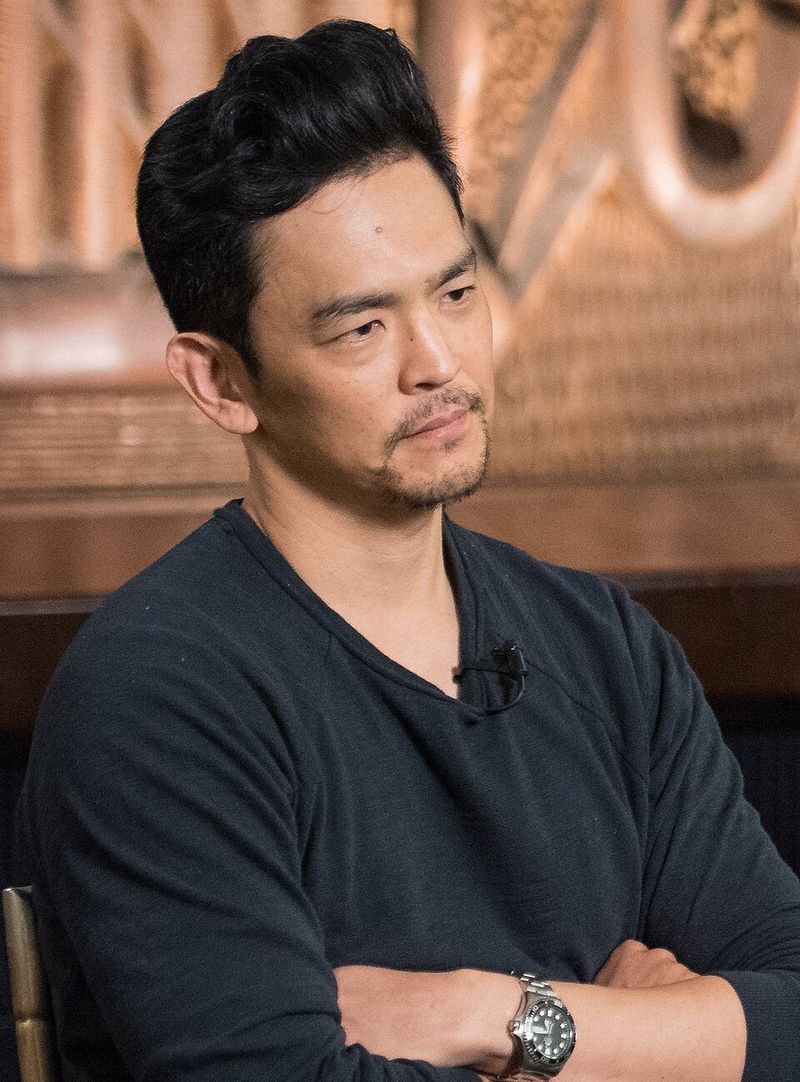
Rebooting a franchise that already had American and Japanese versions proved tricky. Critics labeled the effort dull, derivative, and watered down in its scares, citing writing-adjacent issues throughout.
A screenplay that hops between timelines without clear purpose ends up confusing viewers instead of intriguing them. Familiar Grudge elements show up but feel obligatory rather than terrifying, and a horror reboot lacking fresh ideas quickly loses audience interest.
2. Poltergeist (2015)
Remakes walk a fine line between honoring the original and offering something new.
This Poltergeist update delivered a competent homage that added little of value, implying a too-familiar, remake-by-numbers approach. The screenplay hits the same story beats as the 1982 classic without exploring deeper themes or updating them meaningfully.
Critics felt the script played it too safe, offering nothing to justify revisiting the haunted house tale.
1. Cabin Fever (2016)
Attempting a scene-for-scene redo that many critics questioned of a cult horror film sounds like an interesting experiment on paper.
In reality, critics described the result as an inert remake with little reason to exist, a complaint tied directly to the way the story unfolds. A screenplay that mirrors the 2002 original so closely leaves no room for surprises or fresh perspective.
Lacking new ideas or updated commentary, the movie comes across as redundant. Sometimes the strongest tribute to a beloved horror classic is simply leaving it alone.