
Horror Movies Set In The Victorian Era Worth Revisiting
Good heavens, what strange spectacles these moving pictures have become.
Stories from the respectable Victorian age now show unnerving creatures, strange experiments, and eerie tales that would send proper society reaching for the smelling salts.
One would expect polite dinners and quiet carriage rides, yet these films insist on filling the era with frightful surprises. Most shocking of all, people seem to enjoy the shiver they bring – how very scandalous, and oddly entertaining.
1. From Hell (2001)
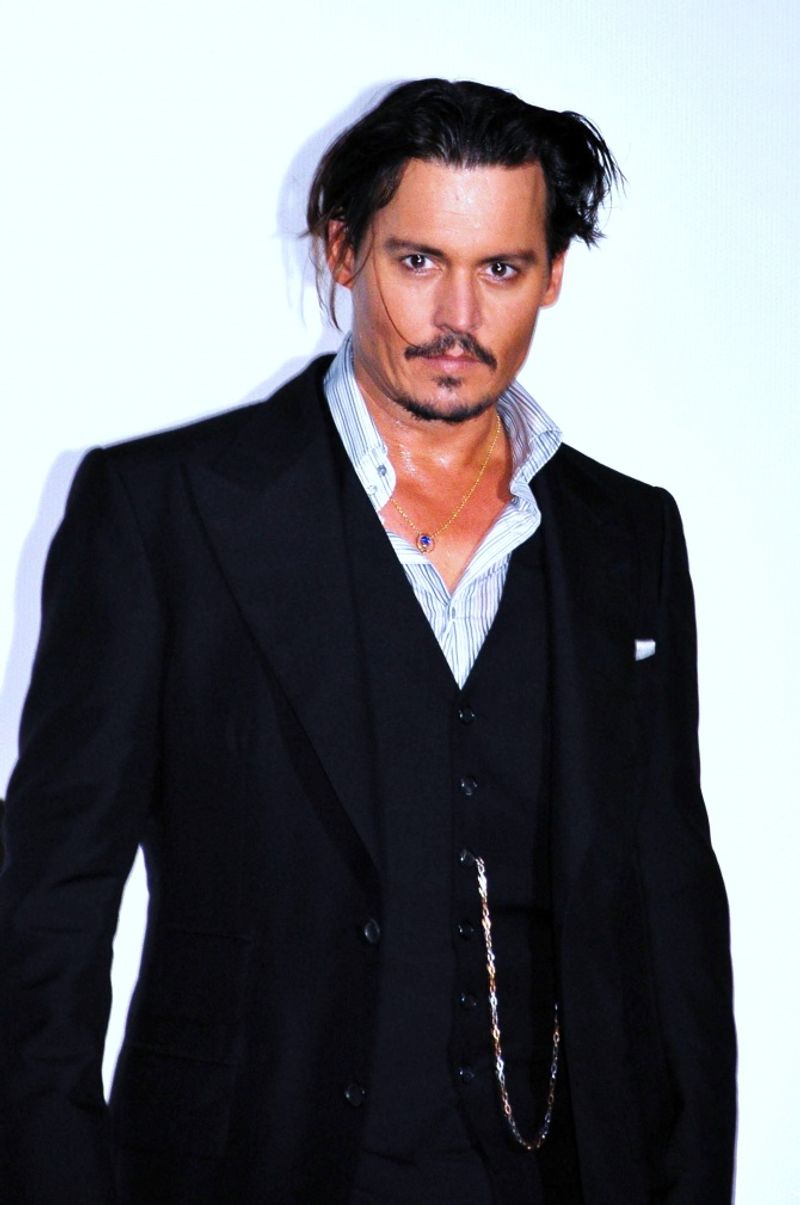
Gaslit streets of Victorian London frame an investigation led by Johnny Depp as Inspector Abberline investigates a notorious Victorian-era case in From Hell.
Hallucination-like episodes blur with grim reality while the case drags viewers deeper into the shadowy corners of Victorian London. Every new clue feels like peeling back another layer of a city that would rather keep its secrets hidden.
Historical mystery slowly transforms into a darker mystery, with violence implied in the background hinting at stories the morning papers never printed and a revelation that unsettles familiar assumptions about the case.
2. Sweeney Todd: The Demon Barber Of Fleet Street (2007)
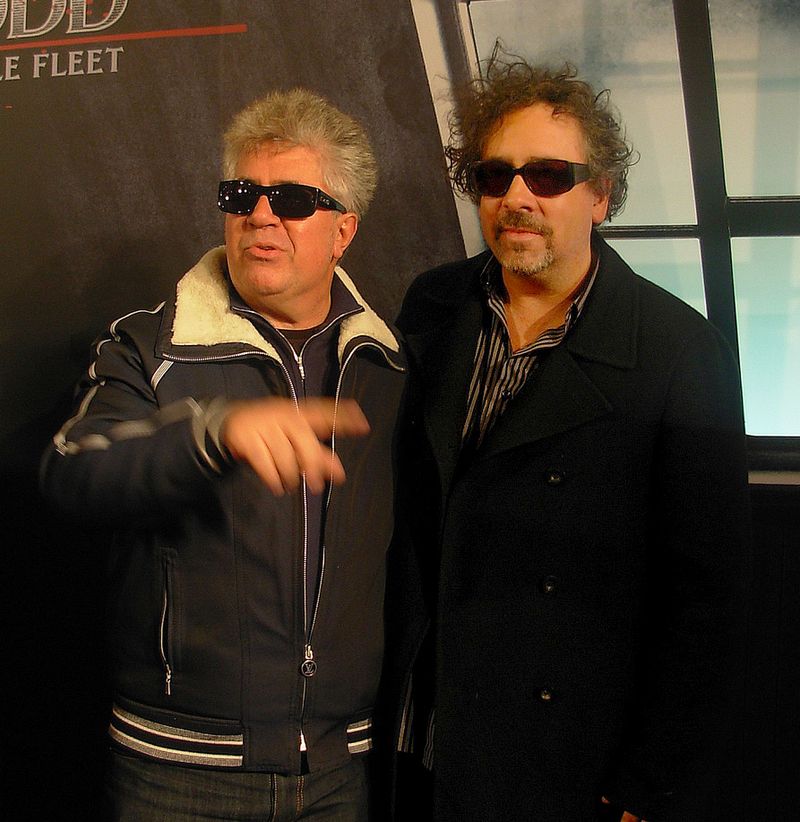
Tim Burton’s razor-sharp musical cuts through Victorian London with songs that stick in your head like blades. Inside Johnny Depp’s barber shop, every customer begins to feel like the next step toward a trapdoor leading somewhere nobody wants to follow.
Soon enough, the partnership between Todd and Mrs. Lovett turns revenge into the world’s worst business model.
The staging leans intentionally over-the-top while the soundtrack makes the violence sound strangely catchy.
Burton’s gothic vision lifts a penny dreadful into operatic horror, suggesting that some threats hide behind respectable storefronts on busy streets.
3. Bram Stoker’s Dracula (1992)

Francis Ford Coppola drapes Stoker’s vampire tale in sumptuous costumes and practical effects that still dazzle. Gary Oldman’s count morphs from ancient menace to tragic romantic, his shadow literally taking on a life of its own.
Victorian London meets Transylvanian Gothic in a visual feast where every frame could hang in a museum.
The film respects its source material while adding layers of doomed romance that make the stakes feel personal. When Dracula walks through sunlit streets wearing blue-tinted glasses, you realize this leans far more operatic than many earlier vampire films.
4. The Innocents (1961)
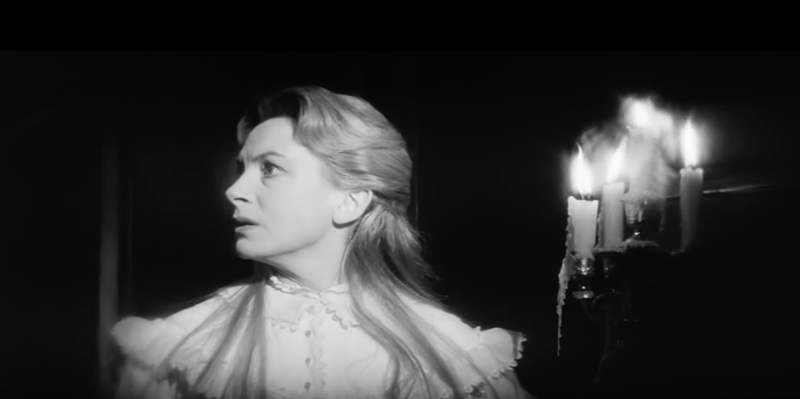
Arrival at a quiet country estate places a young governess in a house where children’s laughter carries an uneasy edge of menace. In Deborah Kerr’s performance, that growing tension becomes central to the story’s slow-burning unease.
Black-and-white cinematography turns every shadow into a possible threat as the camera lingers on windows and doorways.
Uncertainty hangs over everything as the story quietly asks whether ghosts are real or the governess is unraveling under pressure. Rather than leaning on sudden jolts, the film builds fear through creeping psychological dread.
Based on Henry James’s The Turn of the Screw, the adaptation proves that what remains unseen can terrify far more than what appears on screen.
5. Dr. Jekyll And Mr. Hyde (1931)
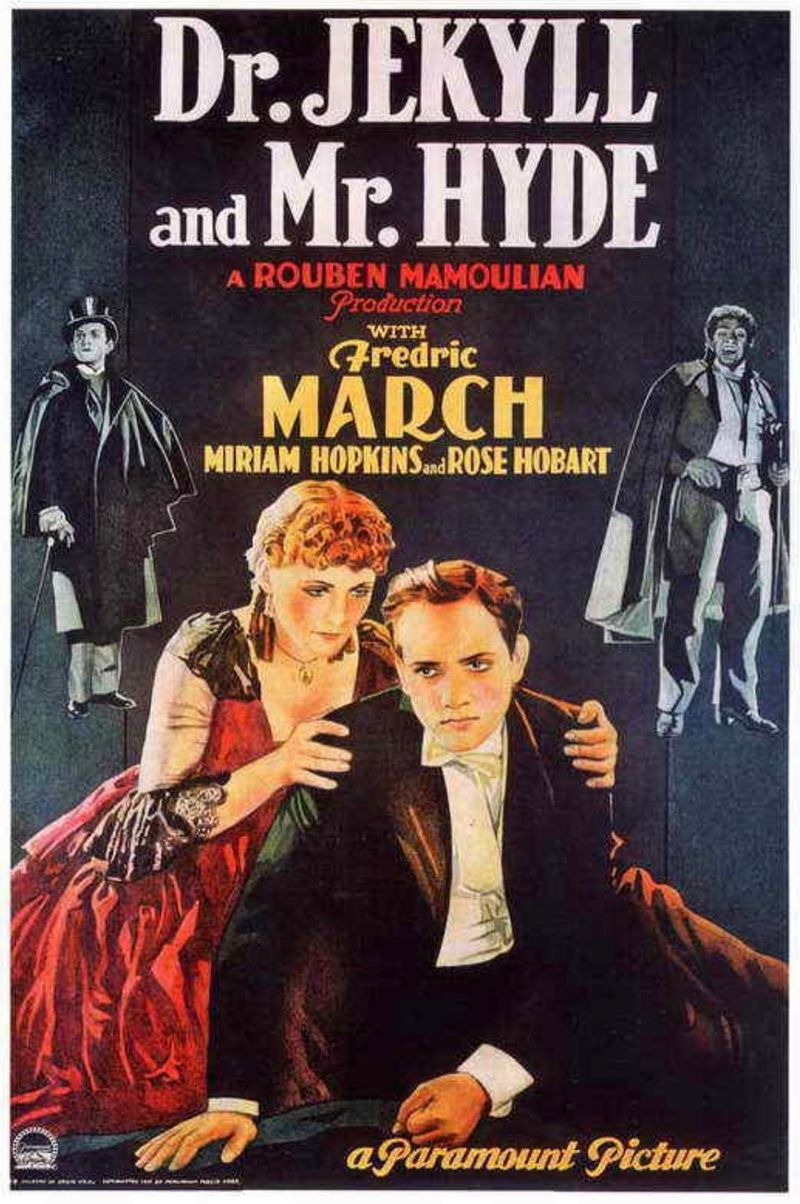
Dual roles brought Fredric March an Academy Award for portraying both the respectable doctor and his frightening alter ego in Dr. Jekyll and Mr. Hyde.
Transformation scenes still impress nearly a century later, achieved through colored filters and makeup rather than digital tricks. Victorian society’s obsession with respectability collides with darker impulses in a story that still feels strikingly modern.
March’s Hyde prowls through London’s seedier districts, embodying every urge Jekyll tried to suppress and proving some experiments belong sealed in a laboratory notebook.
6. The Curse Of Frankenstein (1957)
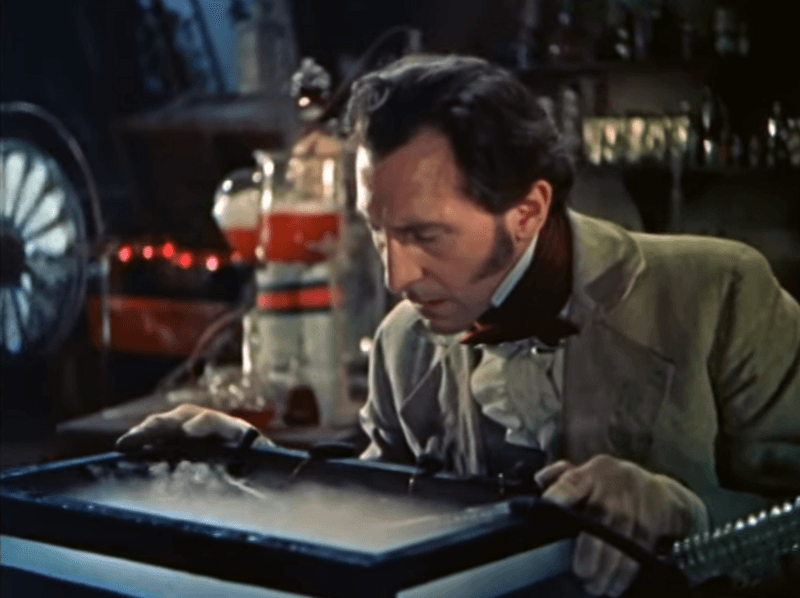
Technicolor Gothic horror bursts to life as Hammer Films launches its monster cycle with a bold retelling of Mary Shelley’s classic. Inside that story, Peter Cushing portrays Victor Frankenstein not as a tragic dreamer but as an obsessed scientist willing to cross unforgivable lines for his work.
Soon afterward, Christopher Lee’s creature lurches through scenes with a bandaged face and a haunting, bandaged look, appearing more pitiable than the familiar monster image.
Shock rippled through 1950s audiences thanks to its unusually graphic approach for the era and unsettling moral ambiguity.
Cold aristocratic calm defines Cushing’s version of Frankenstein, whose experiments matter far more to him than human life, making the scientist feel even more frightening than his own creation.
7. Dracula (1958)
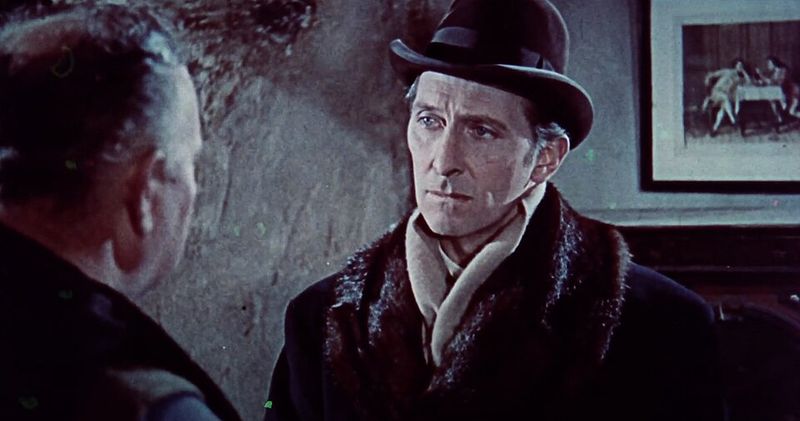
Christopher Lee’s Dracula burst onto screens with fangs bared, revolutionizing vampire cinema forever.
Hammer Films painted Victorian Gothic in lurid reds and deep shadows while Lee brought a sexual menace previous Draculas only hinted at. Peter Cushing’s Van Helsing matches him with intellectual intensity and physical courage.
The film moves at a breakneck pace through staking scenes and castle confrontations. When Lee’s eyes glow red, you understand why this version defined vampires for generations of filmmakers who followed.
8. The Picture Of Dorian Gray (1945)
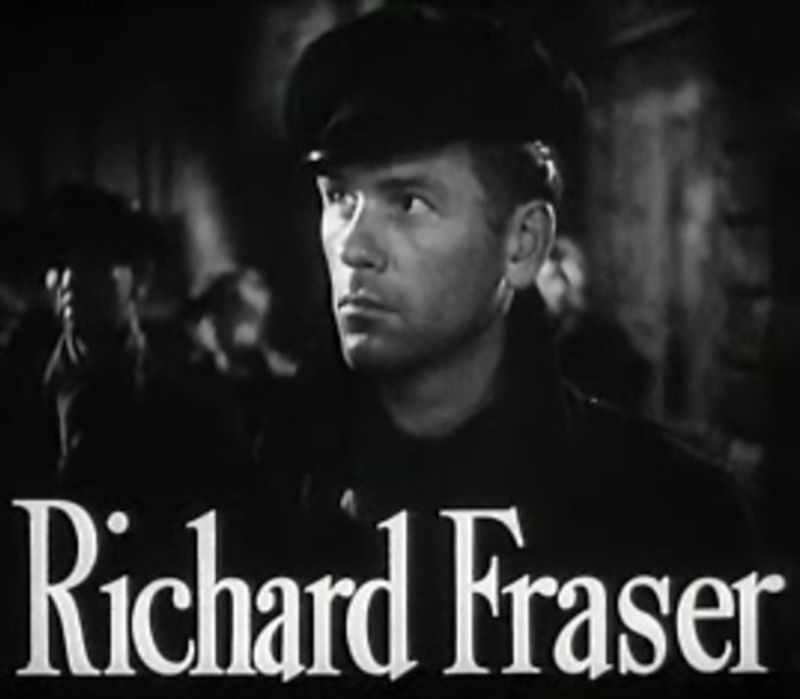
Strangely smooth features of Hurd Hatfield anchor the eerie charm of The Picture of Dorian Gray, bringing Oscar Wilde’s dark fable to life while a hidden portrait decays in an attic.
Cinematography stays mostly in black and white, interrupted only by startling bursts of color showing the corrupting painting. Behind silk cravats and polite conversation, Victorian high society quietly hides layers of moral decay.
Dorian’s slide from naïve youth toward something far darker unfolds with unsettling precision, while George Sanders nearly steals the film as Lord Henry, whose cynical philosophies shape Dorian’s fate more effectively than any supernatural curse.
9. The Lodger: A Story Of The London Fog (1927)
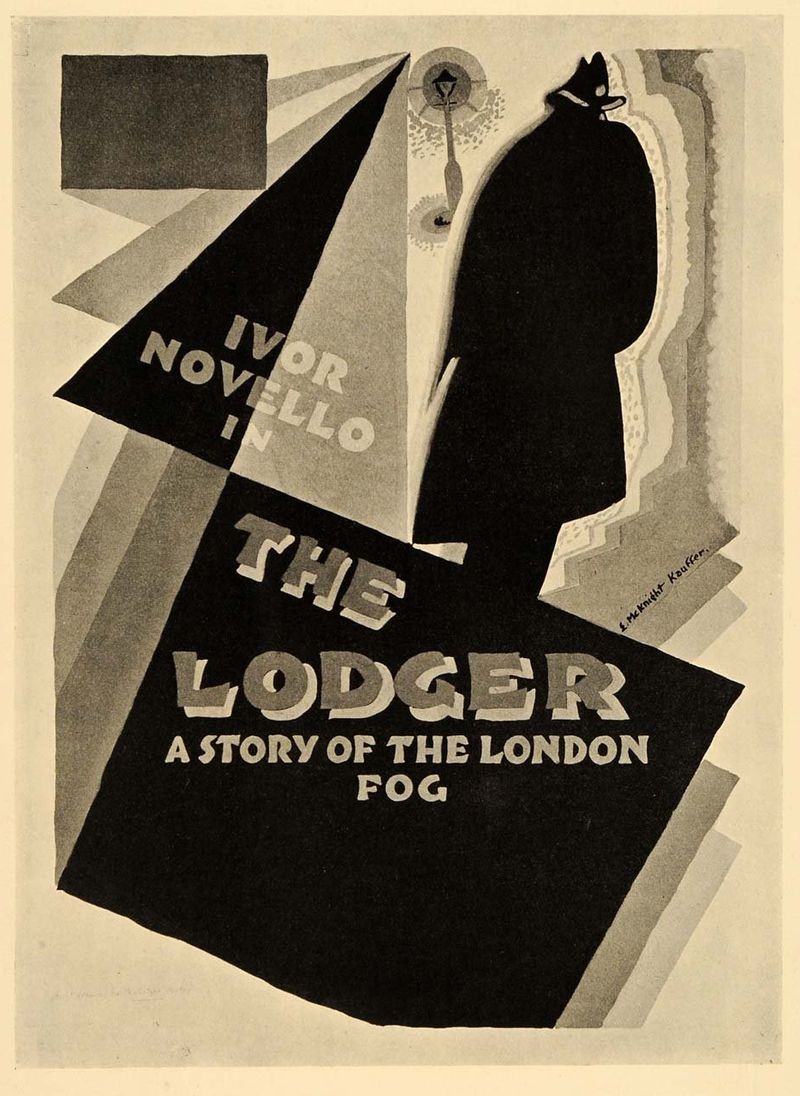
Foggy Victorian London sets the stage as a mysterious stranger rents rooms while a mysterious attacker targets women across the foggy streets. Silent film techniques build paranoia through shadows and uneasy glances instead of spoken dialogue.
Meanwhile, the landlady’s daughter begins to fall for the lodger even as suspicion slowly gathers around him. Innovative camera angles and lighting turn a simple boarding house into a maze of doubt and watchful eyes.
Carefully placed clues and red herrings reveal the precision that would later define Alfred Hitchcock’s best-known thrillers, showing how perfectly that fog-shrouded city suits stories of crime and mystery.
10. The Phantom Of The Opera (1925)
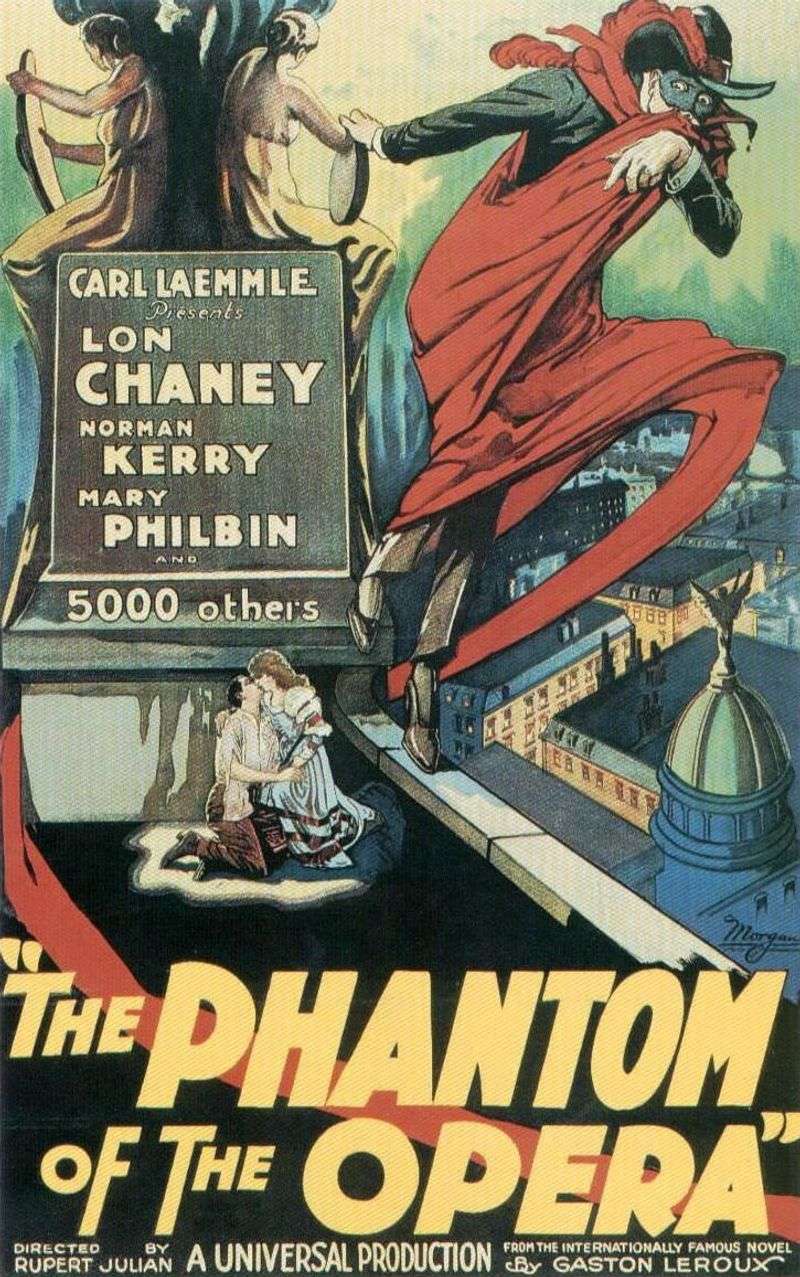
Lon Chaney’s unmasking scene stunned 1920s audiences and still delivers a genuine shock today.
The Phantom lurks beneath the Paris Opera House in a world of underground lakes and candlelit passages. Chaney designed his own grotesque makeup, creating a haunting figure driven by unrequited love.
The Masquerade of the Red Death sequence explodes in hand-tinted color amid the black-and-white film. Victorian opulence contrasts with the Phantom’s subterranean lair, where a genius composer’s talent curdles into obsession and madness.
11. Mary Reilly (1996)

Perspective shifts to the servants’ quarters as Julia Roberts portrays a housemaid in Mary Reilly, a retelling of the classic story centered on life inside Dr. Jekyll’s household.
Downstairs gossip and upstairs secrets collide while Mary grows uneasy about her employer’s increasingly strange behavior. Quiet menace defines the dual performance by John Malkovich, whose portrayal of Jekyll and Hyde leans more on psychological tension than physical change.
Victorian class divisions shape the rising dread as Mary’s painful past begins to intersect with Jekyll’s experiments, adding new layers to a story audiences thought they knew well.
12. The Wolfman (2010)
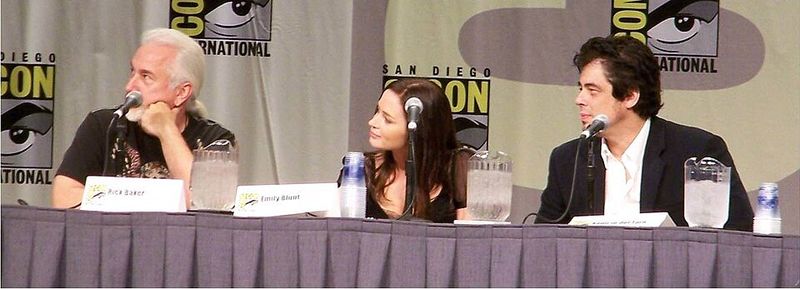
Something f*ral prowls the moors each full moon as a troubled heir returns to his ancestral estate. Benicio del Toro anchors the story as a man drawn back to family grounds that hide more than old memories.
Fog-drenched Victorian landscapes and crumbling mansions create an atmosphere thick enough to feel almost tangible.
Meanwhile, Anthony Hopkins devours the scenery as a troubled father guarding dark secrets of his own.
Transformation scenes combine practical effects with CGI, honoring Lon Chaney Jr.’s original while adding a sharper modern punch. Gothic melodrama drives the film, showing how werewolf stories thrive against the stiff manners and repression of Victorian society.
Note: This article discusses fictional films set in or inspired by the Victorian era and includes brief plot context for entertainment purposes.



_trailer_-_Peter_Cushing_experimenting_1.png)


.jpg)
.jpg)

