
12 Horror Movies That Stand Apart From The Genre
You think you know fear, do you? Many films rely on jump scares or familiar genre tricks and stop there.
The movies on this list linger because they approach horror from unusual angles.
Once you watch these films, many of them stay with you for reasons that go well beyond a quick scare.
1. The Cabinet Of Dr. Caligari (1920)
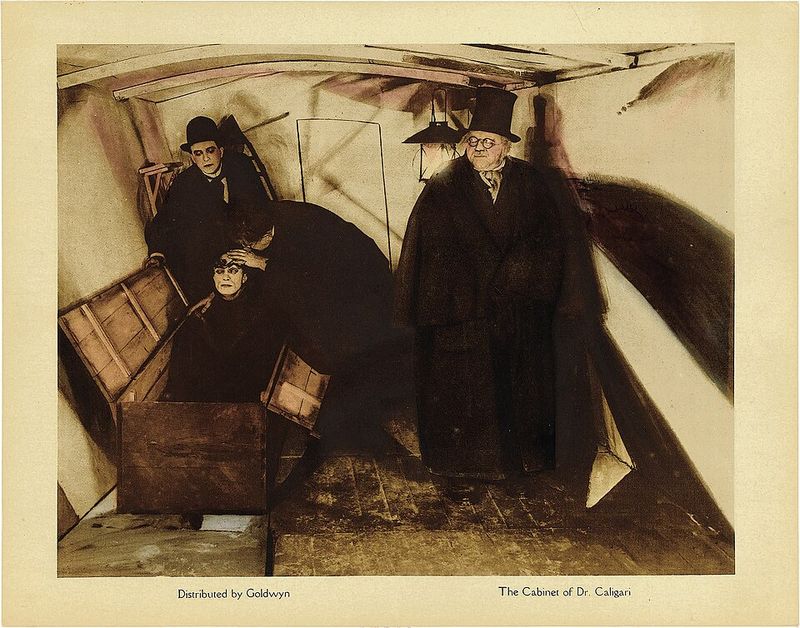
Crooked walls, painted shadows, and dreamlike sets greet viewers from the very first frame.
Release in 1920 turned the German silent film The Cabinet of Dr. Caligari into a landmark where horror and visual art collided.
Every distorted angle feels intentionally wrong, as if the entire world has been tilted just enough to unsettle the audience. Watching it can feel like stepping into a world built to unsettle perception itself.
2. Cat People (1942)
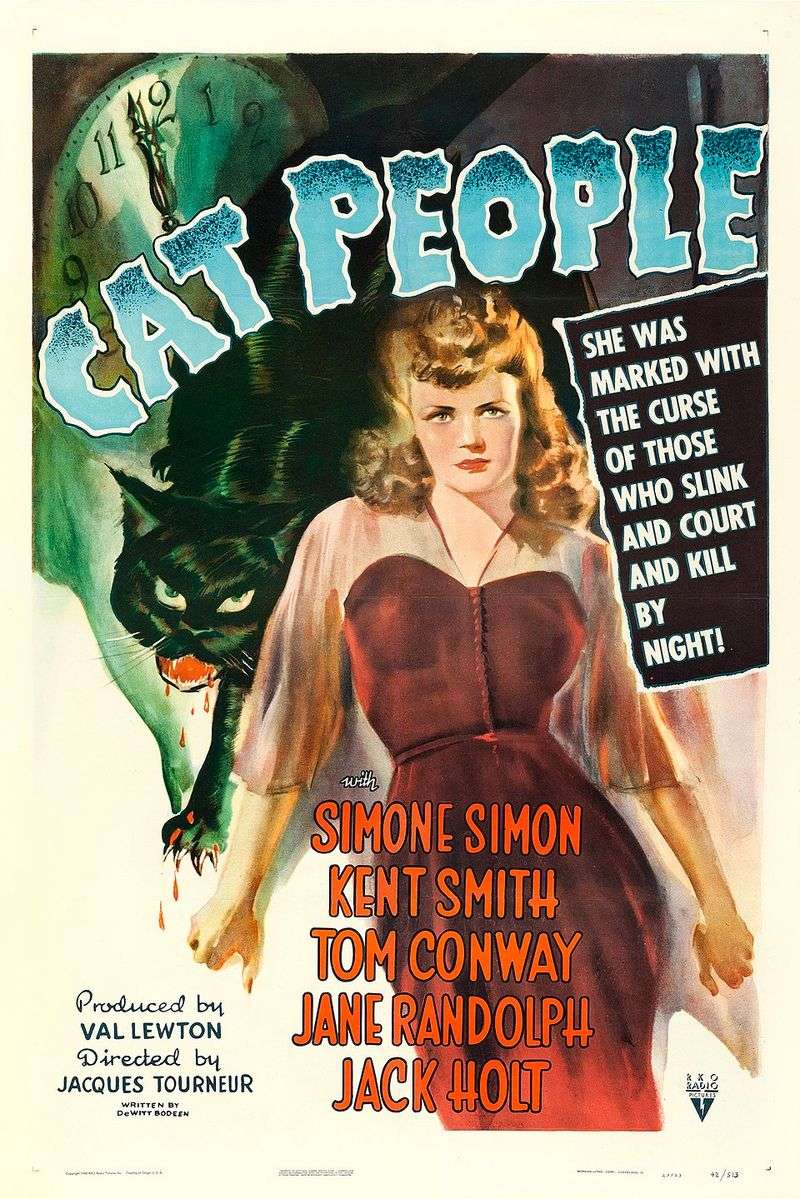
No claws, no creature closeup, no jump scare waiting around the corner. Just shadows, footsteps, and a swimming pool scene that makes your chest tighten.
Producer Val Lewton built much of the film’s tension around what remains unseen. That philosophy turned a low-budget film into something genuinely haunting.
Its restraint is a major part of what still makes it effective.
3. The Night Of The Hunter (1955)
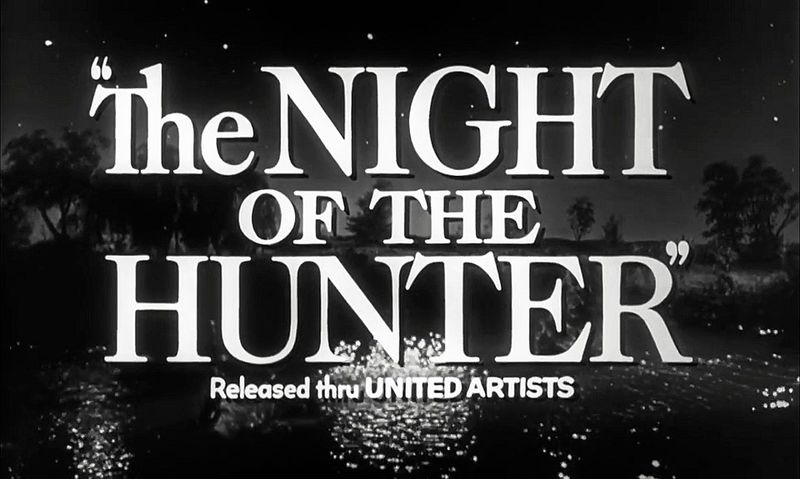
“LOVE” on one hand, “HATE” on the other, and a preacher who feels as frightening as any creature-feature villain of the same decade. Since Charles Laughton only directed this one movie, its reputation has grown even more distinctive over time.
Fairy-tale imagery collides with noir shadows and real menace in ways that remain striking even today.
Even now, its tone and visuals seem out of the ordinary.
4. Peeping Tom (1960)
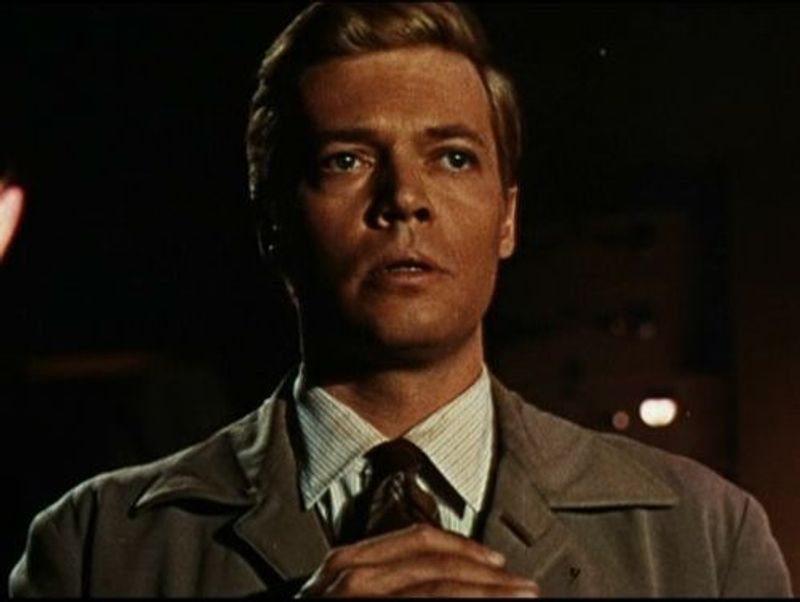
Before slasher films made the attacker’s point of view a cliché, this British film asked a sharper question: what does it mean to watch?
Karlheinz Böhm portrays a cameraman who photographs women while he ass*ults them. The film was so controversial on release that it ended director Michael Powell’s career in Britain.
Watching it now still feels disturbingly modern.
5. Eyes Without A Face (1960)
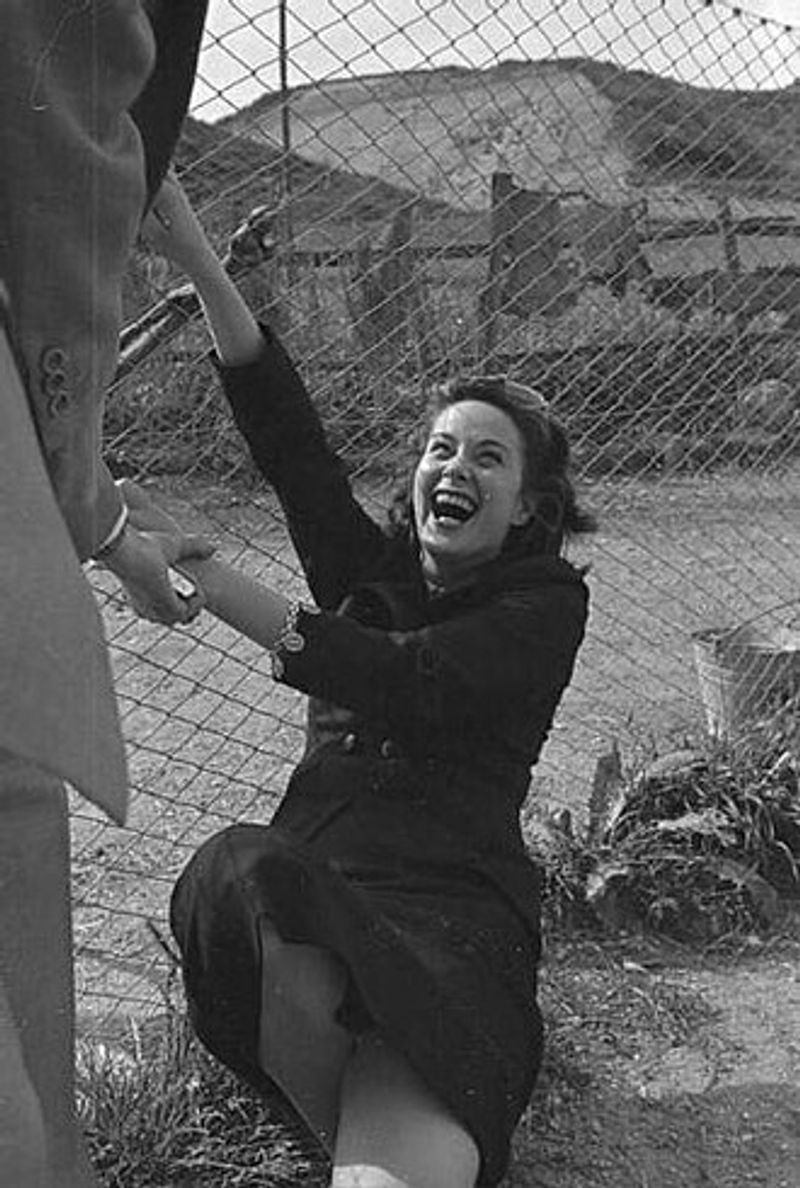
The white mask at the center of the film becomes one of cinema’s most haunting images, worn by a young woman caught in her father’s obsessive surgical experiments. French director Georges Franju crafted a film that hovers between horror and tragedy.
Even still, viewers are unnerved by the surgical scenes’ serene, scientific perfection.
Emotional center of the story beats with unmistakable heartbreak. Poetry and dread end up sharing the same breath.
6. The Innocents (1961)
Central question of the story lingers from the very beginning: is the governess seeing ghosts, or is her mind unraveling under isolation and buried emotion?
Jack Clayton’s adaptation of Henry James refuses to answer it, and that refusal becomes the real source of the film’s tension.
Deborah Kerr delivers one of horror cinema’s most underrated performances, her composure quietly cracking at the edges. Ambiguity, used well, can hit harder than any explicit reveal.
7. Carnival Of Souls (1962)
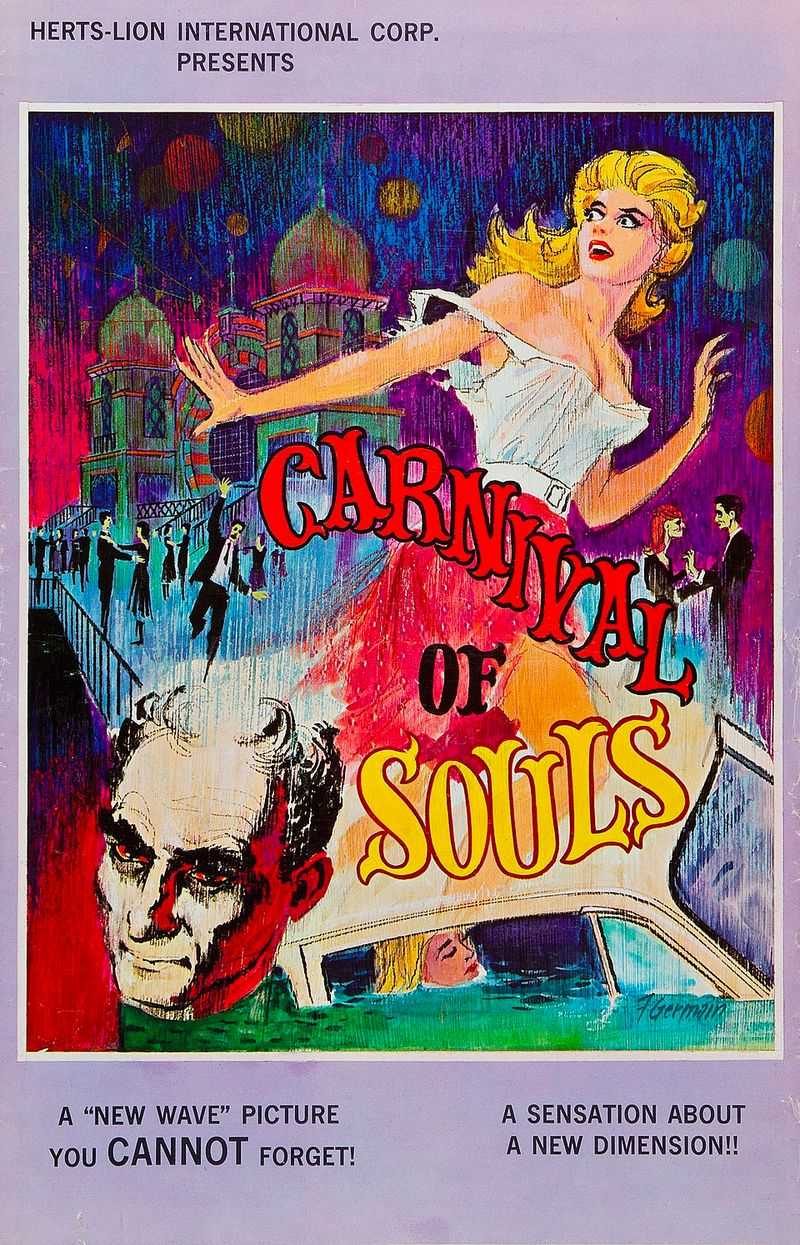
Filming on a shoestring budget in Kansas did not stop this movie from feeling like stepping into someone else’s dream at three in the morning.
Story centers on a woman who survives a car accident and becomes drawn toward an abandoned carnival.
Normal logic rarely applies once she arrives. Strange atmosphere, quiet loneliness, and unexpected beauty linger long after the credits.
Experience sticks with you the way only unusual films can.
8. The Wicker Man (1973)
Sunshine, folk songs, flower crowns, and a creeping sense that absolutely nothing is okay here. Welcome to Summerisle.
In Robin Hardy’s picture, gothic melancholy is replaced with joyous ritual and darkness with brightness, which somehow makes it more unsettling than a dozen midnight-set thrillers. The horror sneaks up on you wearing a smile.
By the ending, that smile has teeth.
9. Eraserhead (1977)
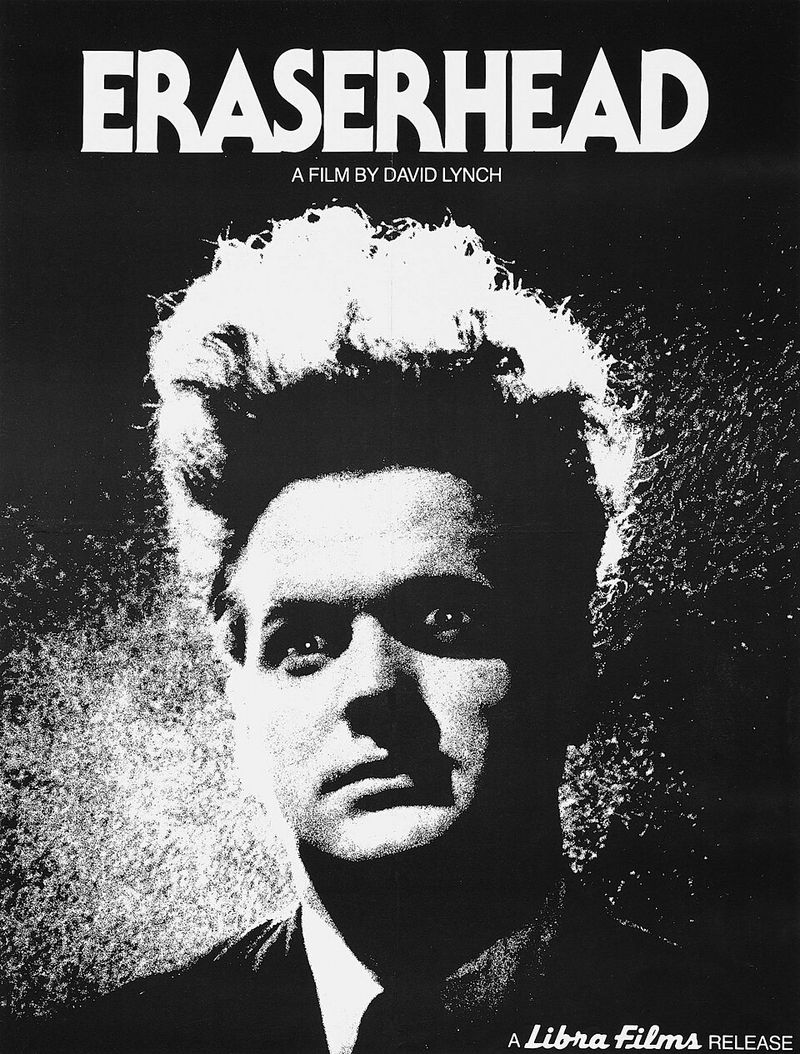
David Lynch spent five years making this film, and every frame feels assembled from anxiety, industrial noise, and late-night dread. In a desolate metropolis, a man tends to a deeply strange infant in a dreamlike, fragmented story.
Calling it a horror film sounds accurate but still wildly insufficient.
It is the kind of movie that lingers long after it ends.
10. Blue Velvet (1986)
Lying in a field, a single detached ear unsettles the calm of small-town life and hints at what lies beneath the surface.
David Lynch constructs a story where every white picket fence seems to hide something deeply disturbing.
One of the most unsettling human adversaries in movies is Dennis Hopper’s Frank Booth.
No supernatural powers are required. Suburbia rarely looked so suspicious afterward.
11. The Babadook (2014)
Grief does not sit quietly in the corner. Sometimes it puts on a tall hat and starts knocking on every door in the house.
Using a dark storybook figure as a metaphor, Jennifer Kent’s debut feature explores a mother’s unprocessed grief after the loss of her husband.
Essie Davis carries the entire film on her shoulders without ever dropping it. Raw, claustrophobic, and surprisingly tender for something so dark.
12. Get Out (2017)
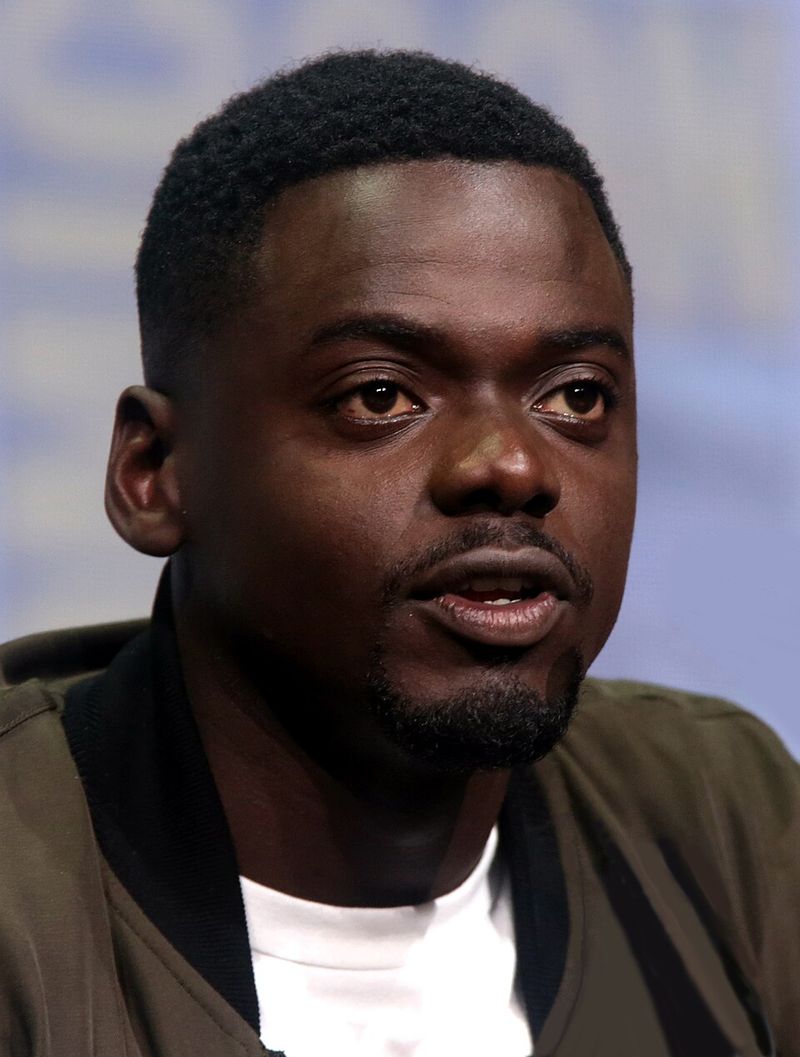
Jordan Peele walked into a genre known for scaring people and quietly changed what it was allowed to say.
Real social dynamics root the horror here, turning every polite handshake and lingering stare into a moment heavy with tension.
In one close-up, Daniel Kaluuya’s face tells more stories than most writers can in two hours.
Note: This article is based on widely documented film history, critical reception, and the lasting reputation of notable horror titles that are often discussed as especially distinctive or genre-defying.
Judgments about which films stand apart from the genre are editorial in nature and reflect interpretation, influence, and critical legacy over time.



.jpg)


.jpg)
_US_trailer_-_Title_1.png)


.jpg)