16 Horror Movies That Deliver Nightmares With Zero Monsters
Sometimes the scariest things lurking in the dark aren’t creatures with fangs or claws.
Real terror comes from twisted minds, human cruelty, and the chilling unknown that makes your skin crawl.
These films prove you don’t need monsters to deliver pure nightmare fuel – just brilliant storytelling and psychological dread that stays with you long after the credits roll.
1. Psycho (1960)
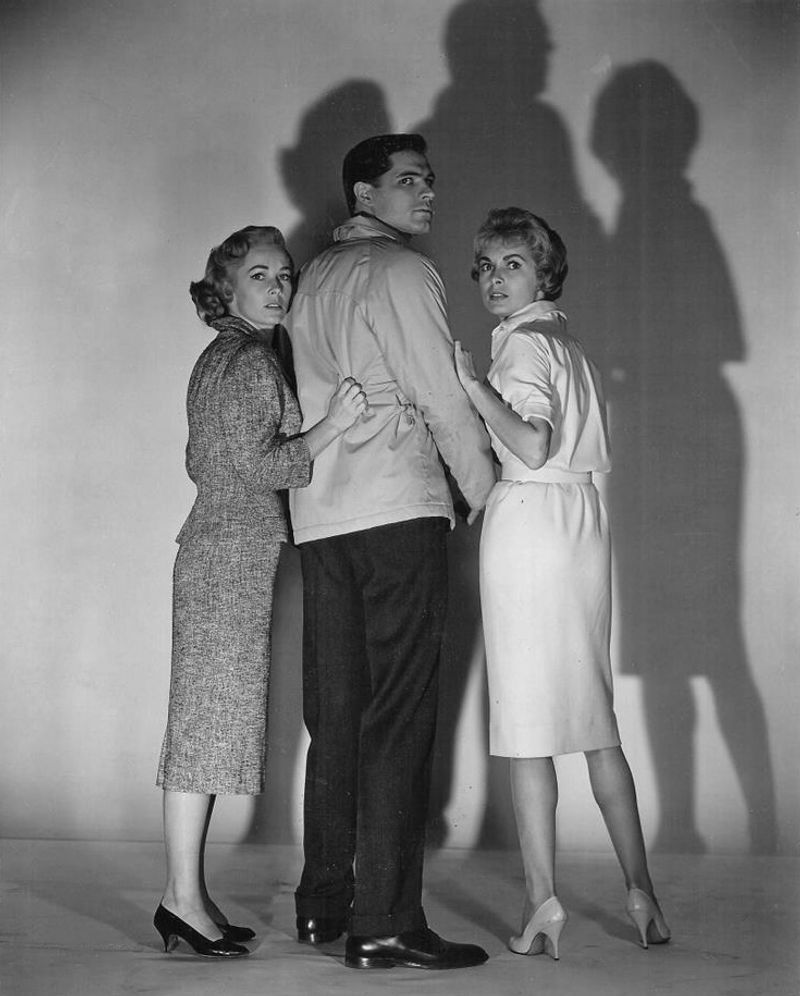
Alfred Hitchcock’s masterpiece shattered expectations by killing off its main character halfway through the movie.
Norman Bates became cinema’s most infamous mama’s boy, proving that the real horror hides behind a nervous smile and stuttering words.
The infamous shower scene still makes people check behind the curtain.
2. Halloween (1978)

With Michael Myers, a murderer who is unsettlingly normal beneath the white mask, John Carpenter invented the formula for slasher movies.
The film’s genius lies in its simplicity – pure evil walking suburban streets on a holiday meant for harmless scares.
That iconic piano theme still sends shivers down spines decades later. Michael doesn’t run or roar; he just keeps coming with mechanical inevitability.
3. Misery (1990)

When Kathy Bates portrayed Annie Wilkes, a superfan who goes to terrible lengths to save her favorite author from a car accident, she received an Oscar.
Stephen King’s nightmare scenario explores the dark side of fandom and helplessness.
The hobbling scene remains one of cinema’s most cringe-inducing moments. Being trapped with someone whose love has twisted into something monstrous creates suffocating dread throughout.
4. Repulsion (1965)
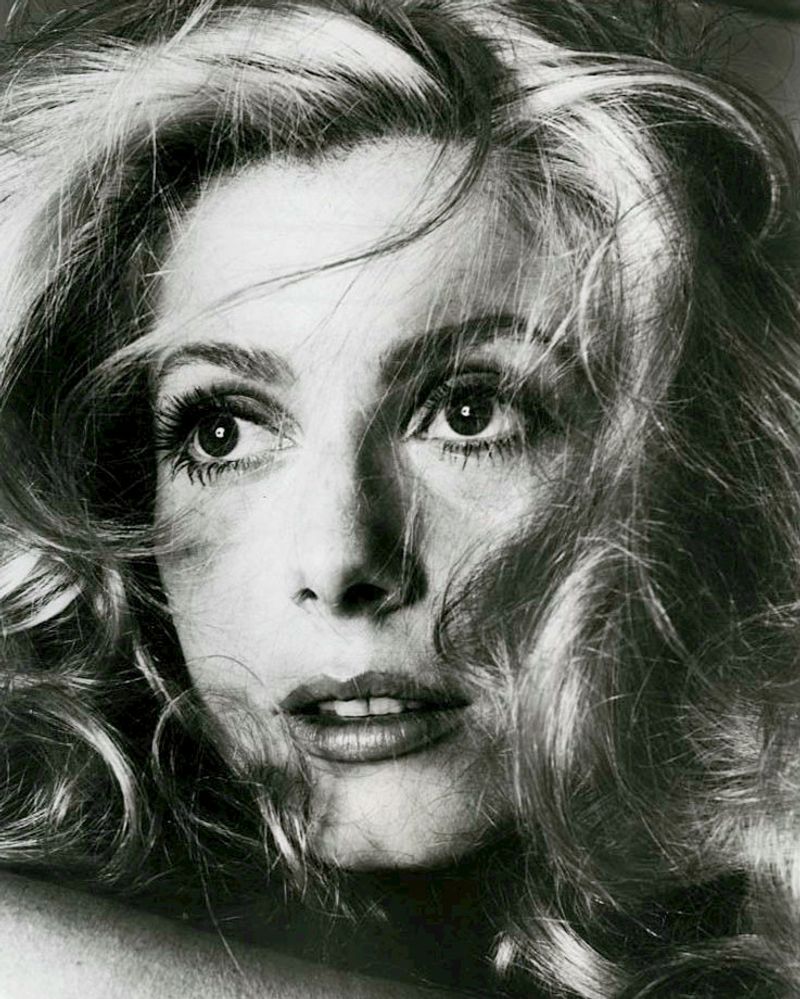
Catherine Deneuve delivers a haunting performance as a woman slowly losing her grip on reality while alone in her apartment.
Roman Polanski crafts psychological terror through isolation, paranoia, and the terrifying landscape of a crumbling mind.
Walls crack and hands reach out from impossible places, but everything stems from inner turmoil. The apartment becomes a prison where sanity evaporates like morning fog, leaving only dread behind.
5. The Silence of the Lambs (1991)

With fewer than 16 minutes of screen time, Anthony Hopkins made Hannibal Lecter famous, demonstrating that educated evil may be more terrible than any beast.
Jodie Foster’s Clarice Starling must navigate mind games with a brilliant cannibal to catch another serial killer.
The psychological chess match between predator and investigator creates unbearable tension. Intelligence becomes the weapon, making every conversation a potential trap.
6. The Blair Witch Project (1999)

Three film students disappear in the Maryland woods, leaving behind only their footage.
This found-footage pioneer created mass hysteria by blurring reality and fiction, making audiences genuinely question what they were watching.
You never see the threat, which makes everything scarier. The final shot in that basement has become legendary, proving sometimes the most terrifying thing is what you don’t show.
7. Rosemary’s Baby (1968)
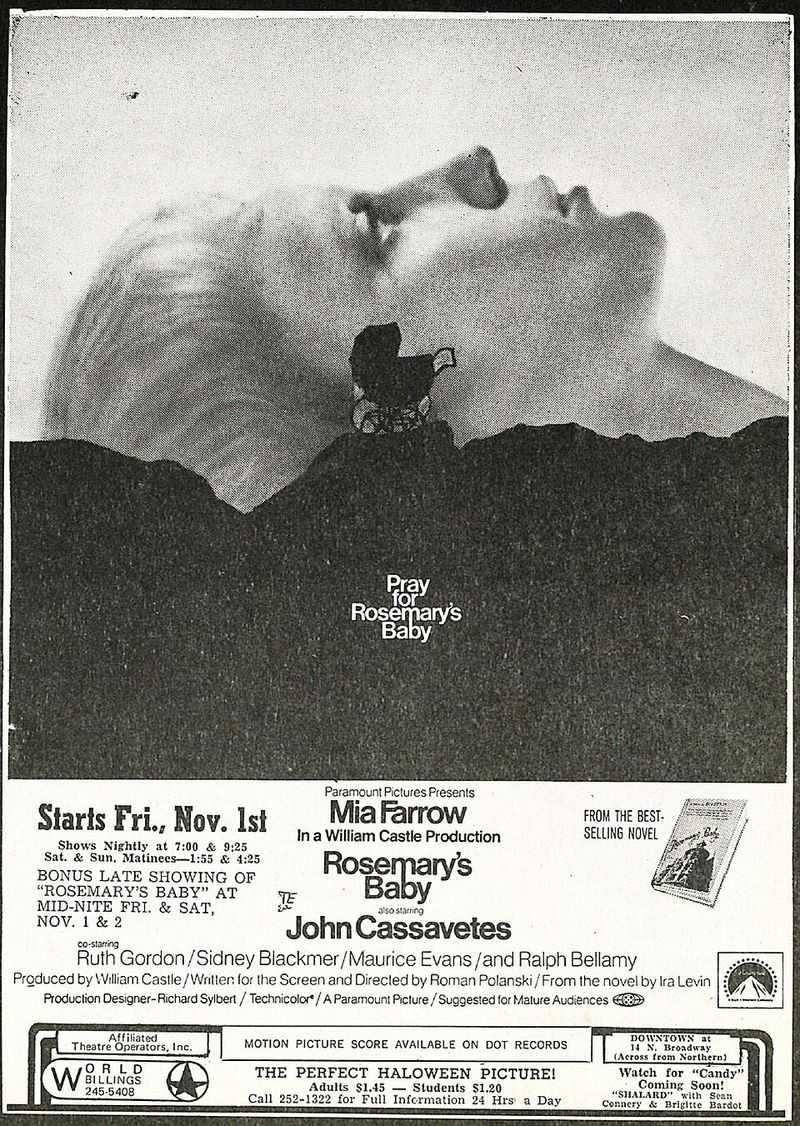
What happens when everyone you trust might be plotting against you?
Mia Farrow’s Rosemary faces the ultimate nightmare as her pregnancy becomes increasingly sinister and her neighbors seem way too interested in her unborn child.
Paranoia builds slowly like pressure in a kettle about to explode. The horror isn’t supernatural creatures but the betrayal of those closest to you, making trust itself terrifying.
8. The Wicker Man (1973)
A police officer investigating a missing girl on a remote Scottish island discovers a pagan community with deeply unsettling traditions.
Christopher Lee delivers one of his finest performances in this folk horror masterpiece that builds dread through cultural clash and isolation.
The sunny daytime setting makes everything more disturbing, not less. When the final revelation arrives, it hits like a freight train of pure horror.
9. Se7en (1995)

David Fincher’s rain-soaked nightmare follows two detectives hunting a serial killer who uses the seven deadly sins as his twisted blueprint.
Brad Pitt and Morgan Freeman navigate a decaying city where evil hides in plain sight behind ordinary doors. The climax delivers one of cinema’s most gut-wrenching reveals.
10. The Texas Chain Saw Massacre (1974)
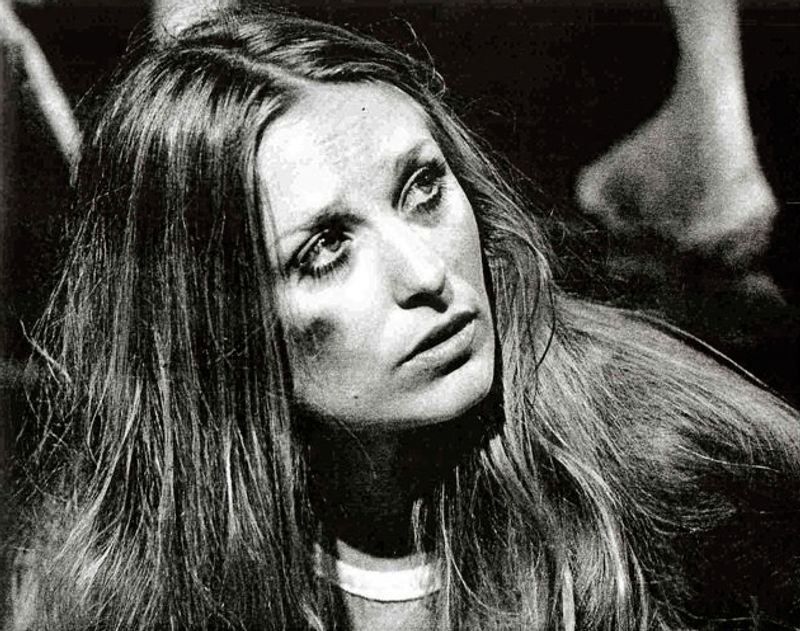
Despite its brutal reputation, this film relies more on suggestion and atmosphere than graphic violence.
A family of cannibals terrorizes unsuspecting travelers in rural Texas, creating visceral horror through sound design and relentless tension.
The grainy documentary-style filming makes everything feel disturbingly real. Leatherface might wear a mask, but he’s terrifyingly human underneath, making this nightmare grounded in horrible possibility.
11. Funny Games (1997)
Two polite young men in white gloves terrorize a family at their vacation home in this meta-horror that directly challenges viewers.
Michael Haneke crafts a brutal examination of violence in media, breaking the fourth wall to implicate the audience.
The film refuses to give viewers the catharsis they expect from horror. Its cold, methodical cruelty feels more disturbing because it acknowledges our presence as entertainment-seeking spectators.
12. The Others (2001)
Nicole Kidman stars as a mother protecting her light-sensitive children in a dark mansion where strange things keep happening.
Alejandro Amenábar crafts a Gothic ghost story with atmosphere so thick you could cut it with a knife.
The twist ending recontextualizes everything you’ve watched in a brilliant narrative flip. Sometimes the real horror is discovering the truth about yourself and your situation.
13. Eden Lake (2008)
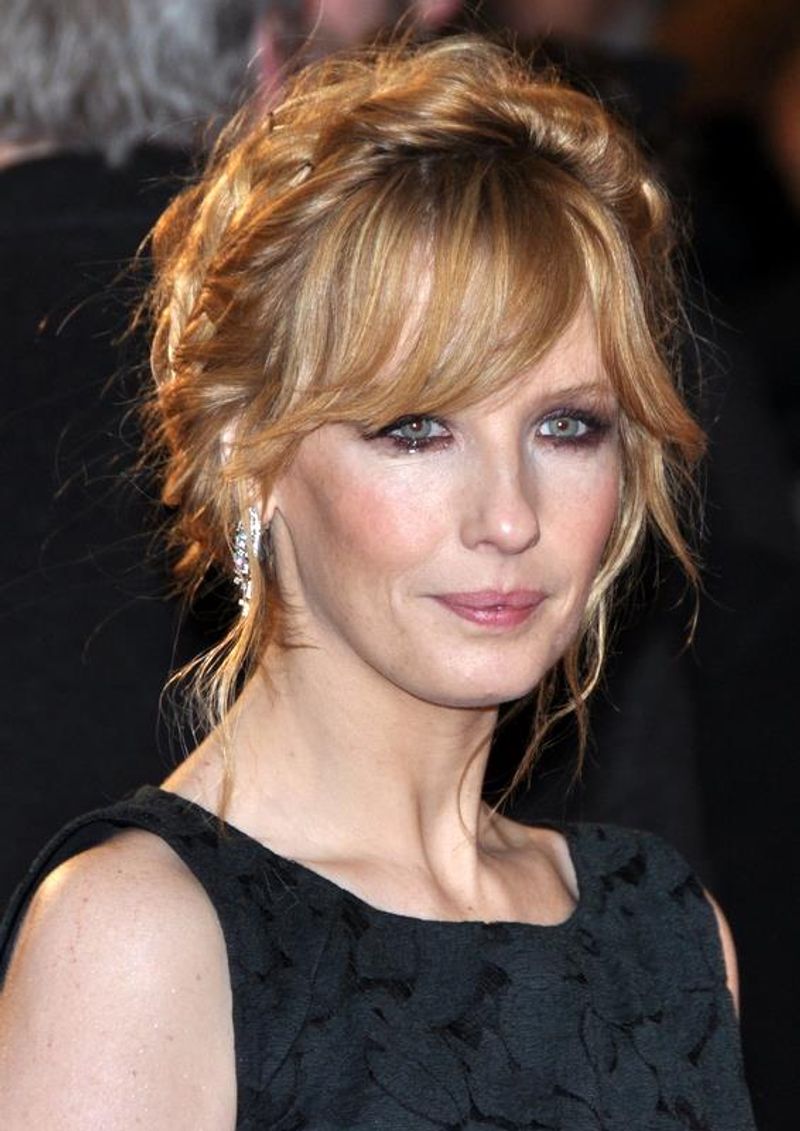
A couple’s romantic getaway turns into a waking nightmare when they clash with a gang of teenagers at a remote quarry.
This British horror pulls no punches, escalating from minor conflicts to brutal survival horror with relentless intensity.
The social commentary about youth violence and class tensions adds disturbing layers. The ending refuses to provide comfort, leaving viewers shaken by its bleak realism and cyclical violence.
14. Saw (2004)
Before it spawned countless sequels, the original Saw was a tight psychological thriller about two men chained in a bathroom, forced to play a killer’s twisted game.
James Wan’s debut introduced Jigsaw, whose philosophy about appreciating life takes a horrifyingly literal turn.
The low budget forced creativity, resulting in claustrophobic tension that later films lost. That final twist still ranks among horror’s greatest gotcha moments.
15. The Strangers (2008)
Three masked intruders terrorize a couple in an isolated vacation home for no reason beyond because you were home.
Bryan Bertino’s home invasion thriller taps into primal fears about safety and randomness of violence.
The masks are simple yet haunting – a burlap sack, a doll face, a pin-up girl. What makes this so effective is the absence of elaborate backstory or motivation; sometimes evil just knocks on your door.
16. Get Out (2017)
Jordan Peele’s directorial debut revolutionized horror by tackling racism through genre filmmaking.
Chris visits his white girlfriend’s family for the weekend, but their overly friendly behavior masks something far more sinister beneath the suburban perfection.
The sunken place became an instant cultural metaphor. Social horror had never felt this sharp, blending comedy, thriller elements, and biting commentary into an unforgettable experience.