18 ’70s Albums That Were Once Household Staples And Now Feel Largely Forgotten
Picture this: a living room in 1977, a turntable spinning, and an album cover propped against the couch like a piece of art.
The ’70s gave us some of the most iconic music ever pressed onto vinyl, and millions of families owned the same records.
But somewhere between streaming playlists and shuffled queues, a whole stack of those beloved albums quietly disappeared from the conversation.
Here are 18 records that once ruled every household and now deserve a serious second listen.
1. Chicago IX: Chicago’s Greatest Hits — Chicago
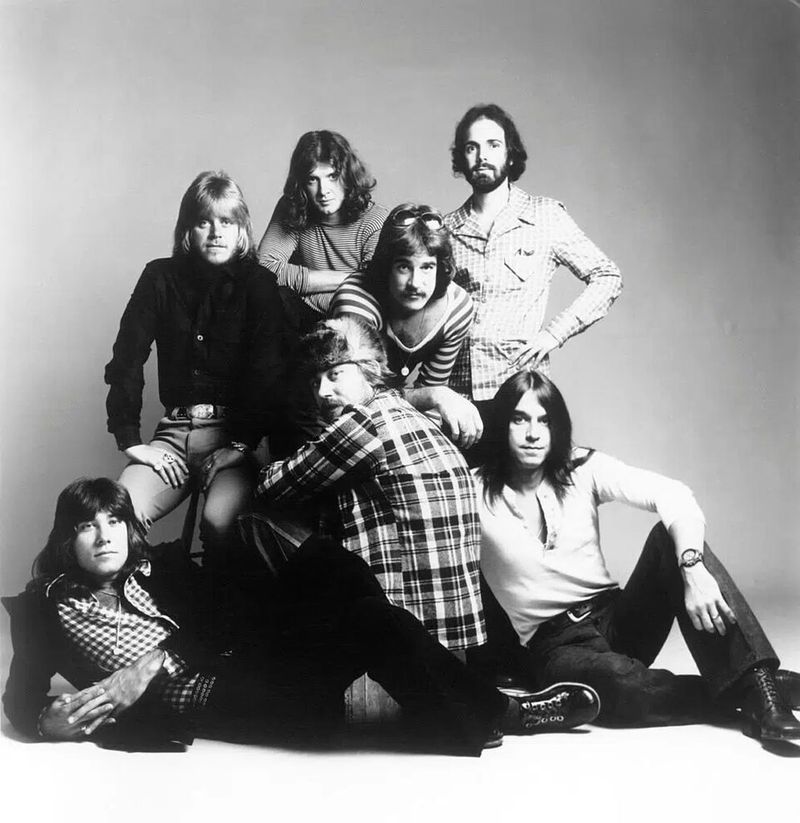
Before there were supergroups, there was Chicago, a band bold enough to put horns front and center in rock music.
Released in 1975, this greatest hits collection sold over five million copies in the US alone, making it one of the best-selling compilations of the decade.
Tracks like 25 or 6 to 4 and Saturday in the Park were everywhere. Every suburb had this LP sitting on a shelf somewhere.
How a band this massive faded from casual conversation is honestly one of music history’s great mysteries.
2. Frampton Comes Alive! — Peter Frampton
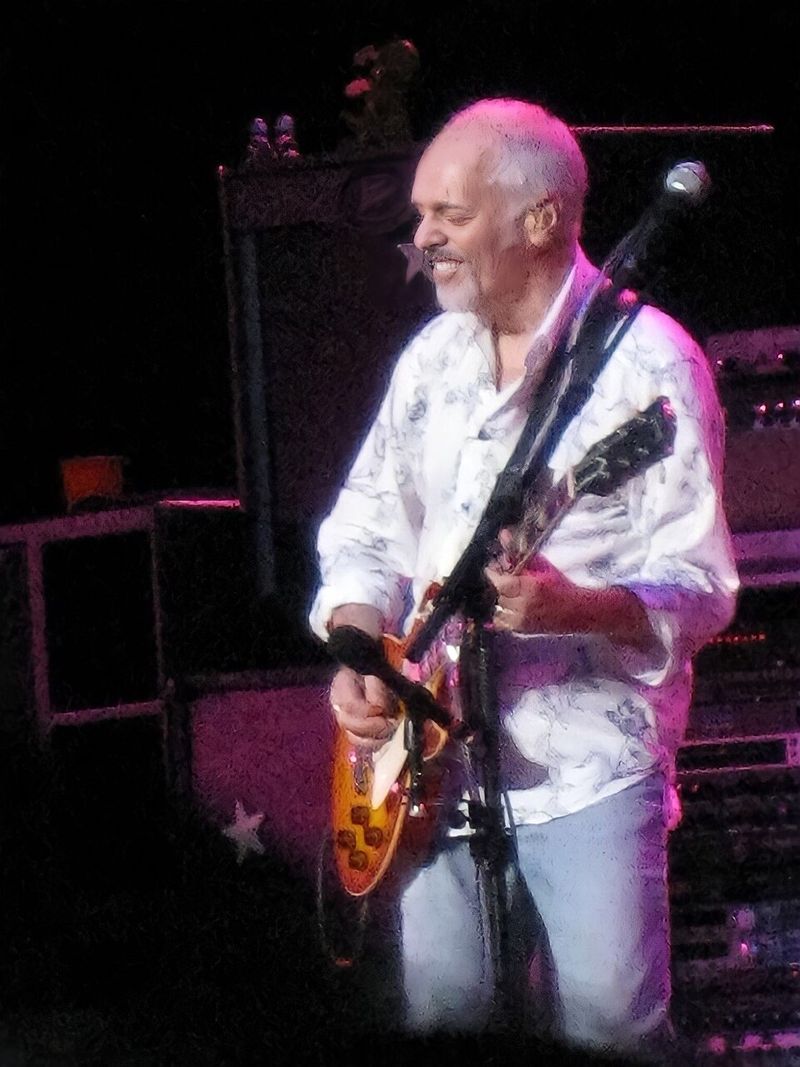
If there was one album playing at every backyard cookout in 1976, it was this one.
Frampton Comes Alive! became the best-selling live album of that year, moving over six million copies in the US by year’s end. That talk-box guitar sound on Do You Feel Like We Do was basically its own language.
Peter Frampton was only 25 when this was recorded, and the energy is absolutely electric.
Though it ruled the charts and lived in millions of homes, younger listeners today might draw a total blank on his name.
3. Feels So Good — Chuck Mangione
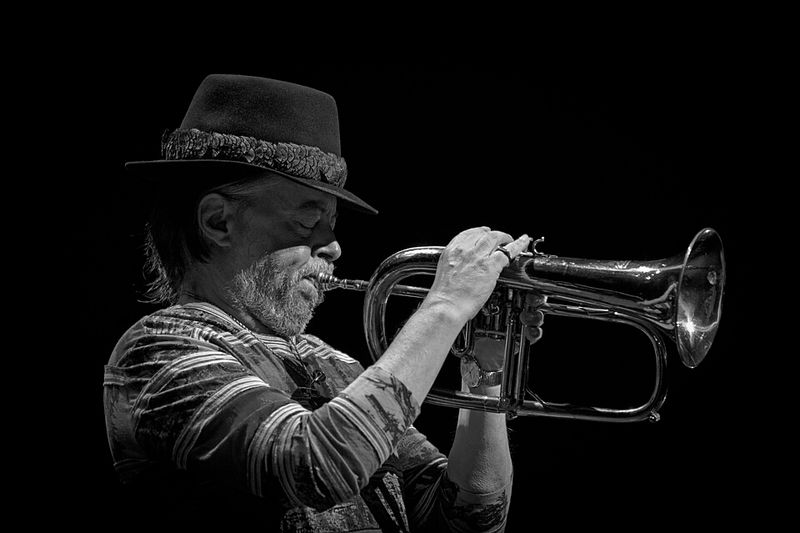
That smooth, warm flugelhorn melody from the title track is so recognizable that most people have heard it without ever knowing Chuck Mangione’s name.
Feels So Good won the Grammy for Best Pop Instrumental Performance in 1979 and spent 272 weeks on the Billboard charts. That is not a typo.
Mangione crafted a sound that somehow felt both breezy and sophisticated, like jazz wearing a comfortable sweater.
If you watched the animated show King of the Hill, you might recognize him from a recurring cameo.
4. Bat Out of Hell — Meat Loaf
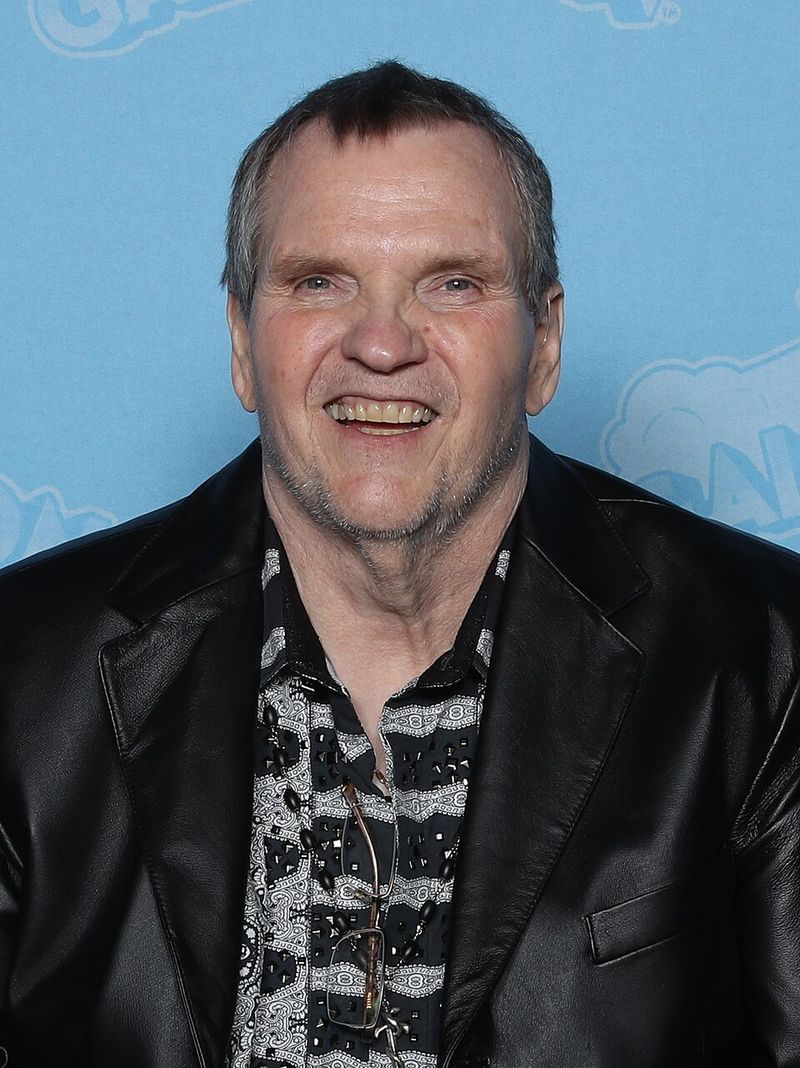
Few debut albums arrive with this much theatrical firepower.
Bat Out of Hell, released in 1977 with Jim Steinman’s cinematic songwriting and Meat Loaf’s powerhouse vocals, is one of the best-selling albums in history, with over 40 million copies sold worldwide.
That opening title track runs nearly ten minutes and somehow feels too short.
It was initially rejected by multiple record labels, which is almost funny in hindsight. Once it caught on, it never really stopped selling.
Yet today, many younger music fans couldn’t name a single track from it.
5. A Star Is Born — Barbra Streisand and Kris Kristofferson
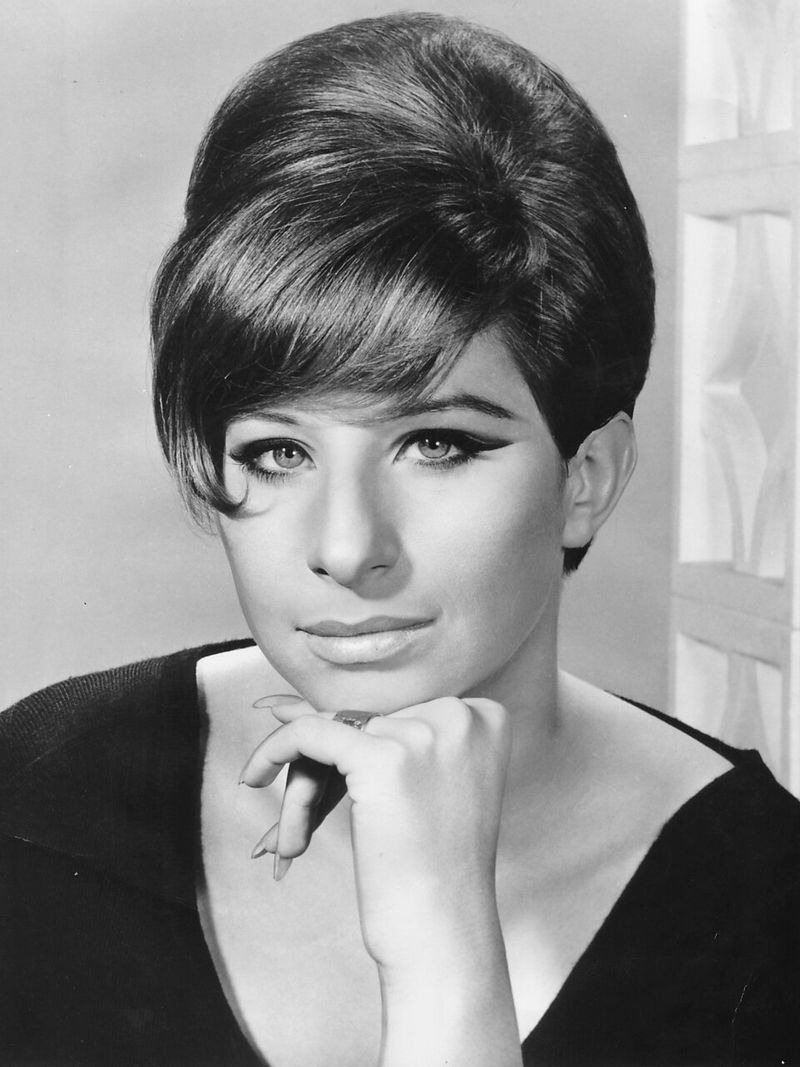
Long before the 2018 remake had everyone reaching for tissues, the 1976 version of A Star Is Born was a cultural earthquake.
Barbra Streisand and Kris Kristofferson starred in the film, and the soundtrack went straight to number one, powered by the Oscar-winning smash Evergreen.
Streisand co-wrote Evergreen, making her one of the first women to win the Academy Award for Best Original Song as a co-writer. The album sat in living rooms across America like a permanent fixture.
6. Grease — Original Motion Picture Soundtrack
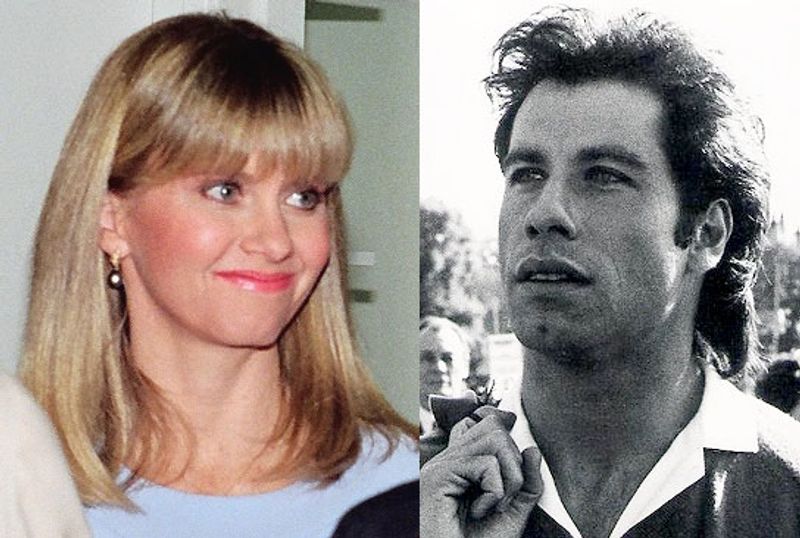
When Grease hit theaters in the summer of 1978, it became an instant pop culture phenomenon.
The soundtrack sold millions of copies and produced multiple hit singles, including You’re the One That I Want and Summer Nights, both sung by John Travolta and Olivia Newton-John.
Almost every household with a record player owned this one. The songs were catchy, fun, and impossible to forget.
Yet somehow, the actual album, as a physical listening experience from front to back, gets skipped over today.
7. Saturday Night Fever — Bee Gees and Various Artists
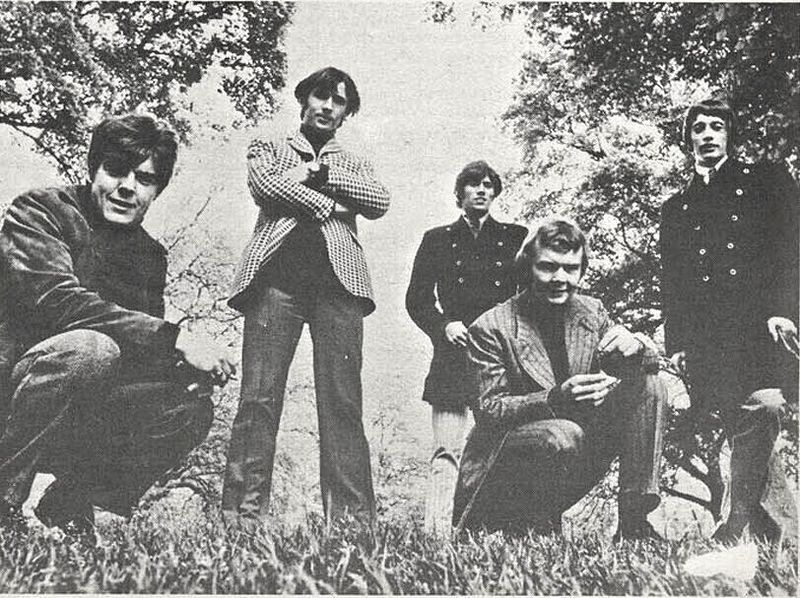
Arguably the most famous soundtrack of the entire decade, Saturday Night Fever defined the disco era with a laser-sharp precision.
Released in 1977 alongside the John Travolta film, it became the best-selling soundtrack album in history at the time, with over 40 million copies sold globally.
The Bee Gees contributed six original songs, including Stayin’ Alive, Night Fever, and How Deep Is Your Love. Though those singles still pop up in playlists, the full double album rarely gets played start to finish today.
8. Tubular Bells — Mike Oldfield

Most people recognize the opening melody of Tubular Bells from the 1973 horror film The Exorcist, but the full album is an entirely different experience.
Recorded almost entirely by a 19-year-old Mike Oldfield, it was the very first release on Richard Branson’s Virgin Records label.
The album runs across two sides of vinyl as one continuous piece of music, layering instruments in ways that felt genuinely futuristic for the time. It reached number one in the UK and stayed on the charts for years.
9. Comes a Time — Neil Young
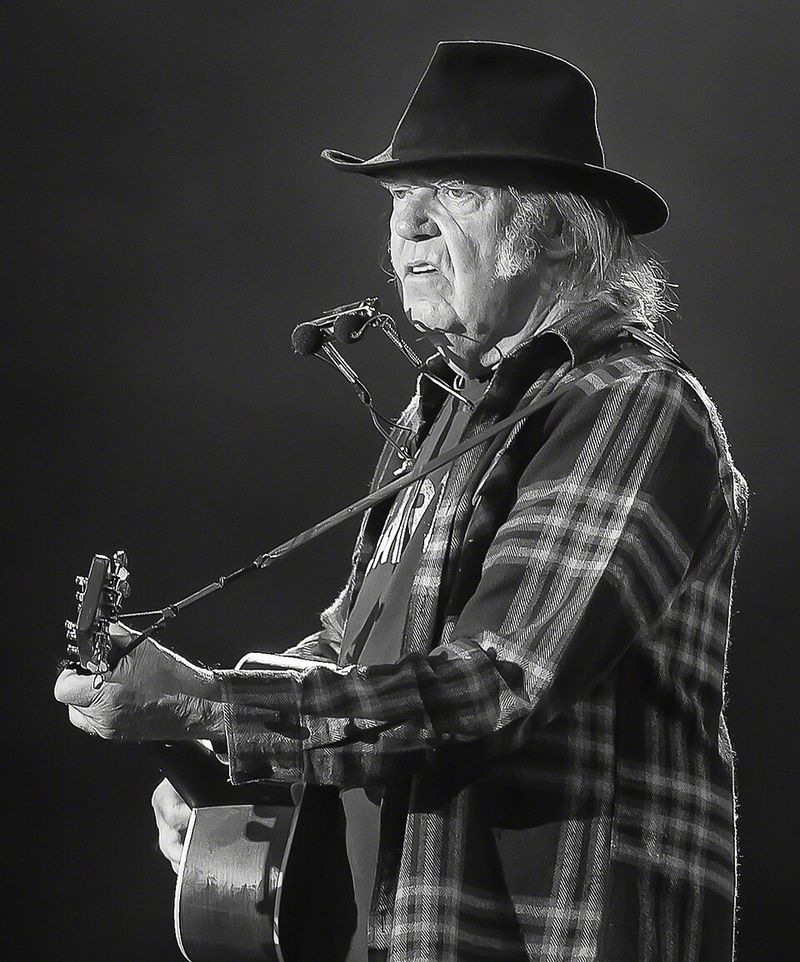
Neil Young released so many great albums in the ’70s that some of them got lost in the shuffle, and Comes a Time from 1978 might be the most underrated of the bunch.
It is a warm, acoustic, country-tinged record that feels like a long drive through open farmland with the windows down.
Emmylou Harris contributed vocals, adding a gorgeous harmony layer throughout. The album reached the top five on the Billboard 200 and was celebrated by critics at the time.
Somehow, though, it rarely comes up when people talk about Young’s best work.
10. Breakfast in America — Supertramp
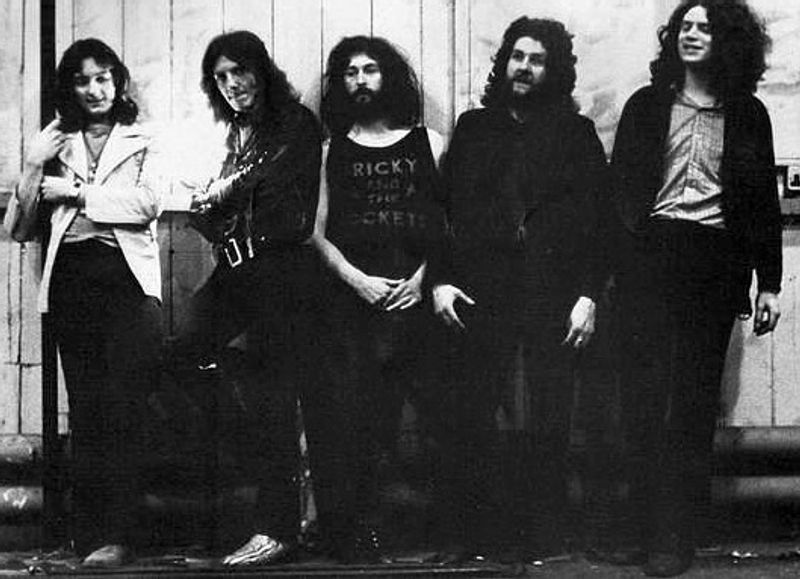
That iconic album cover, featuring a waitress holding a glass of orange juice in front of a skyline made of breakfast items, is one of the most clever designs in rock history.
Breakfast in America came out in 1979 and shot straight to number one in both the US and UK simultaneously.
Hits like The Logical Song and Dreamer were massive radio staples. Supertramp blended art rock with pop hooks in a way that felt both smart and approachable.
Though the album sold over 20 million copies worldwide, the band barely registers in current pop culture discussions.
11. Minute by Minute — The Doobie Brothers
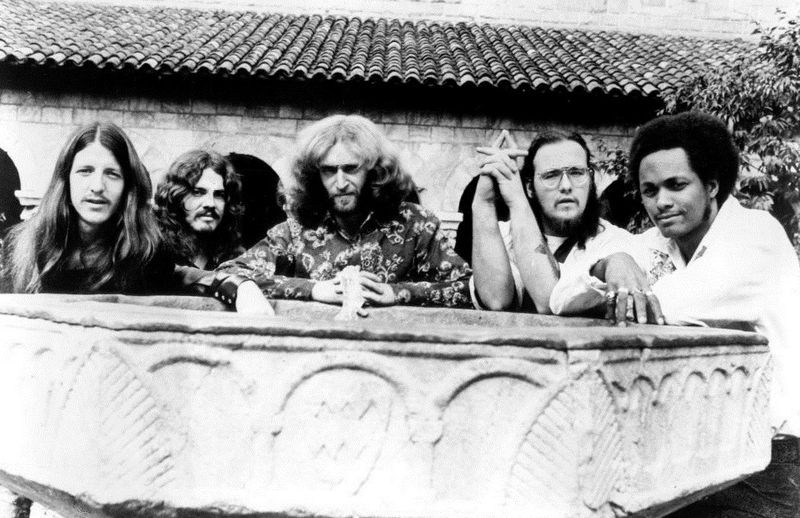
When Michael McDonald joined the Doobie Brothers, the band shifted from hard-driving rock to silky, soulful pop, and Minute by Minute was the peak of that transformation.
Released in 1978, it won the Grammy for Album of the Year in 1980, beating out some seriously stiff competition.
The title track and What a Fool Believes were everywhere on the radio. McDonald’s keyboard-heavy, blue-eyed soul sound was completely fresh at the time.
Yet today, many people know the songs without knowing the band’s name or this album’s title.
12. Even in the Quietest Moments… — Supertramp
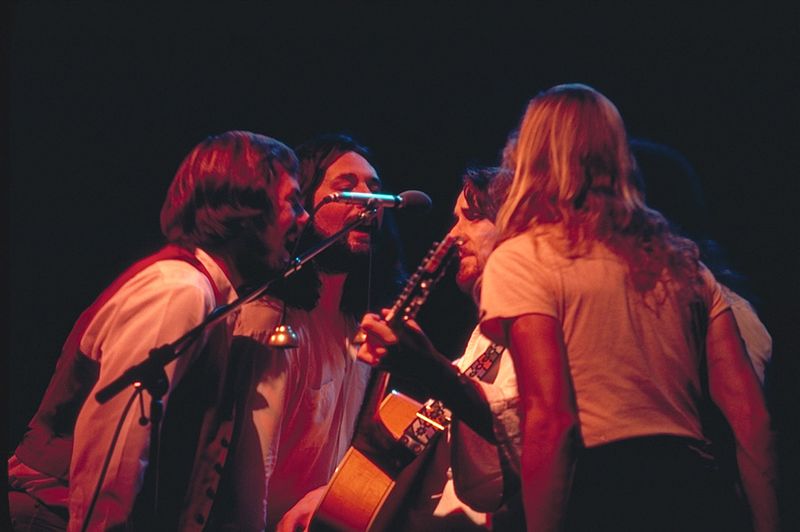
Released in 1977, this album came just before Supertramp’s commercial peak and captures the band in a beautifully restless creative space.
The cover art alone, showing a grand piano half-submerged in snow, is striking enough to stop you in your tracks. It is surreal and poetic and very, very ’70s.
Tracks like Give a Little Bit and From Now On showed the band growing into the polished sound they would perfect on Breakfast in America.
Though it went platinum and earned strong reviews, this album lives almost entirely in the shadow of its successor.
13. Captain Fantastic and the Brown Dirt Cowboy — Elton John
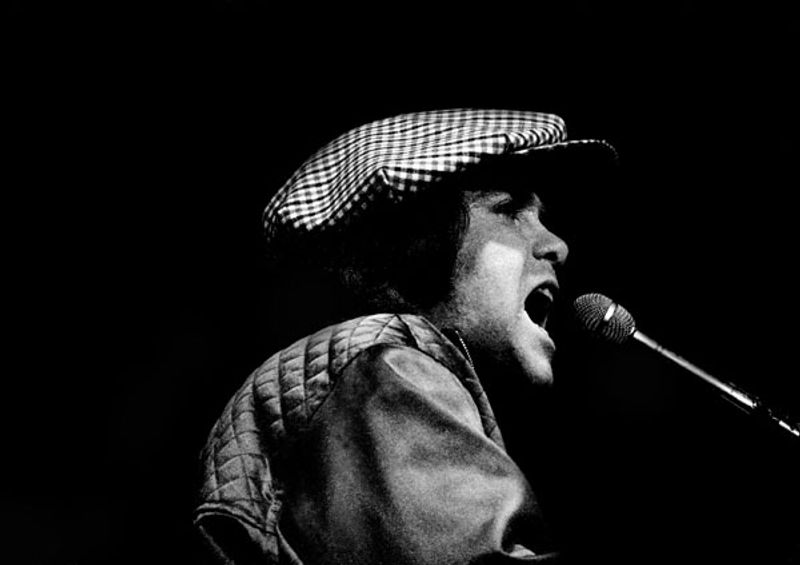
Elton John was basically a one-man hit factory throughout the early and mid ’70s, but Captain Fantastic and the Brown Dirt Cowboy stands out as his most personal record.
Released in 1975, it tells the autobiographical story of his early years struggling to break into the music business alongside lyricist Bernie Taupin.
It became the first album in history to debut at number one on the Billboard 200. The elaborate gatefold artwork and accompanying booklets made it feel like a collector’s event.
Though John’s catalog is enormous, this gem rarely gets the spotlight it earned.
14. Harvest — Neil Young
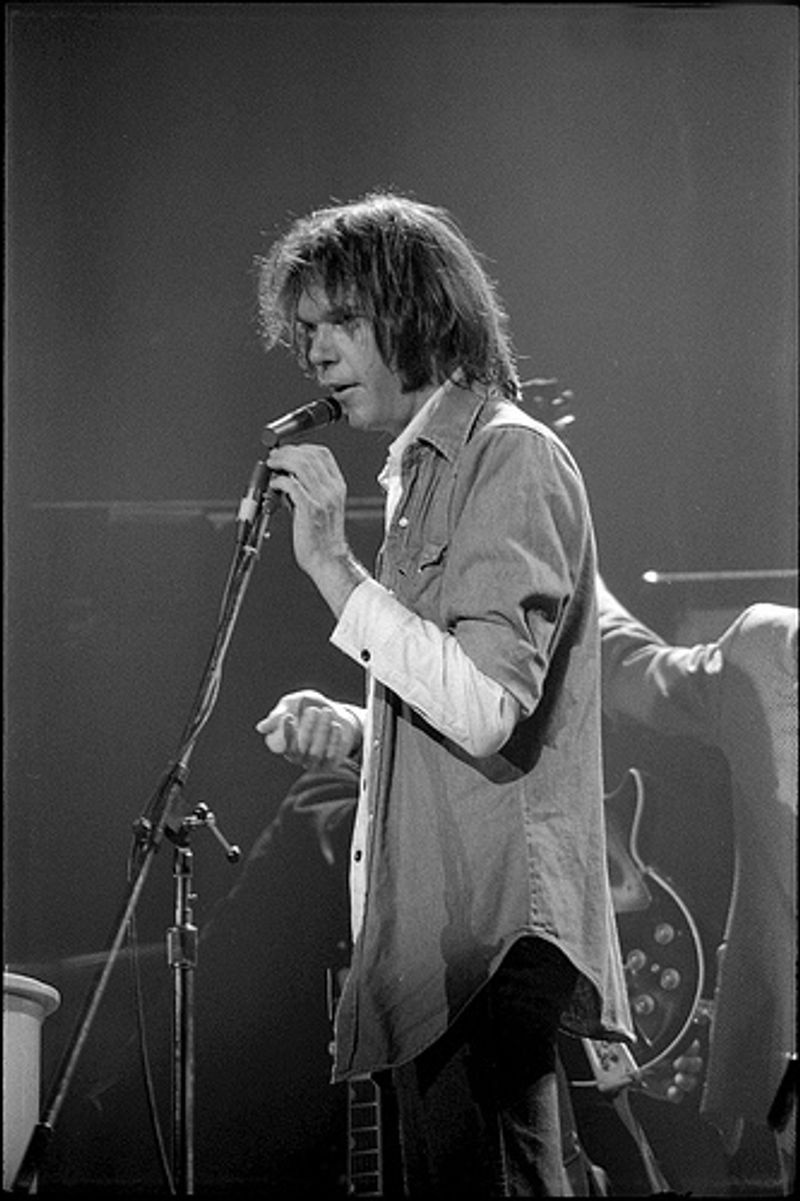
Few albums captured the quiet heartbeat of early-’70s America quite like Harvest.
Released in 1972, it became the best-selling album of that year in the US, driven by the haunting simplicity of Heart of Gold and the aching The Needle and the Damage Done.
Young recorded parts of it in a barn on his ranch in Northern California, which explains the earthy, unpolished warmth that runs through every track.
Though it still surfaces in best-ever lists occasionally, casual listeners today rarely reach for it the way earlier generations did.
15. Band on the Run — Paul McCartney and Wings
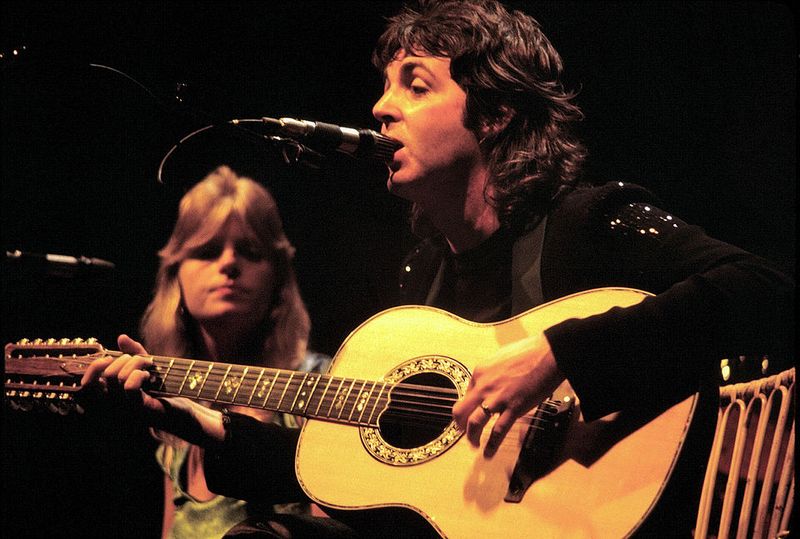
After the Beatles dissolved, critics were watching McCartney’s every move, and many early reviews of his solo work were unkind.
Then Band on the Run arrived in 1973 and silenced every doubter in the room. Recorded under chaotic circumstances in Lagos, Nigeria, after two band members quit before the sessions, it still came out as a masterpiece.
The album topped charts in both the US and UK and produced multiple hit singles. Rolling Stone later ranked it among the greatest albums ever made.
16. Silk Degrees — Boz Scaggs
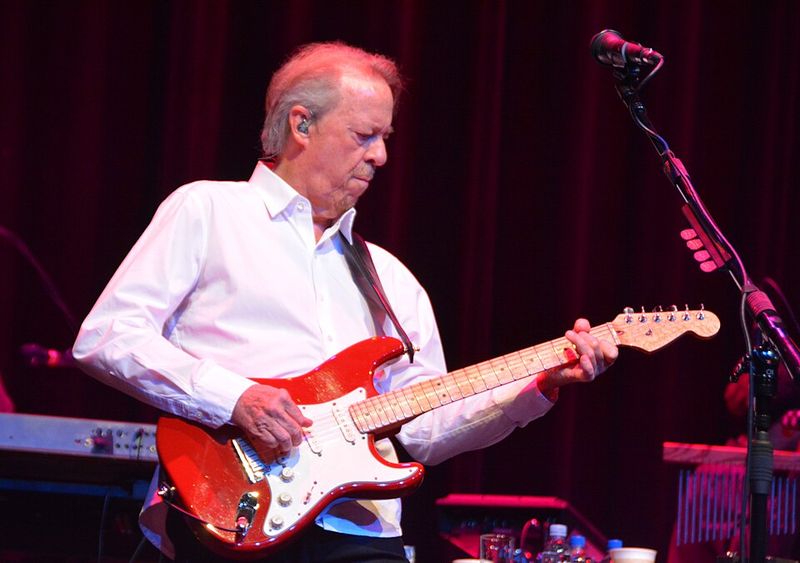
If smooth had a sound in 1976, it sounded exactly like Silk Degrees.
Boz Scaggs delivered a blue-eyed soul masterpiece that sold over five million copies in the US and launched the careers of several session musicians who later formed Toto.
Songs like Lowdown and What Can I Say were all over FM radio. The album spent 115 weeks on the Billboard 200.
Yet today, Scaggs is rarely mentioned in the same breath as other ’70s icons.
17. Breezin’ — George Benson
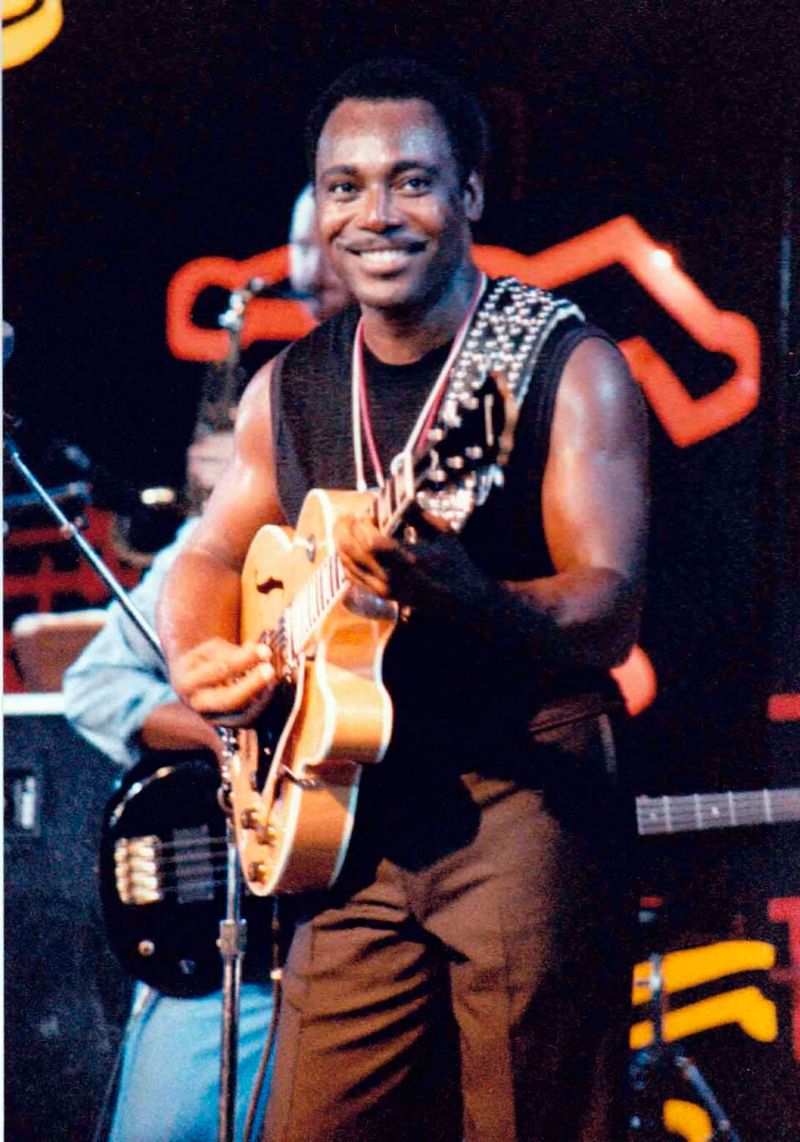
George Benson was already a respected jazz guitarist when Breezin’ came out in 1976, but this album transformed him into a mainstream superstar.
It became the first jazz album to be certified platinum and won the Grammy for Album of the Year in 1977, which was a genuinely historic moment for jazz music.
The title track is pure effortless cool, while This Masquerade showed Benson’s equally impressive vocal skills. His guitar work on this record is deceptively relaxed but technically brilliant.
18. Boston — Boston
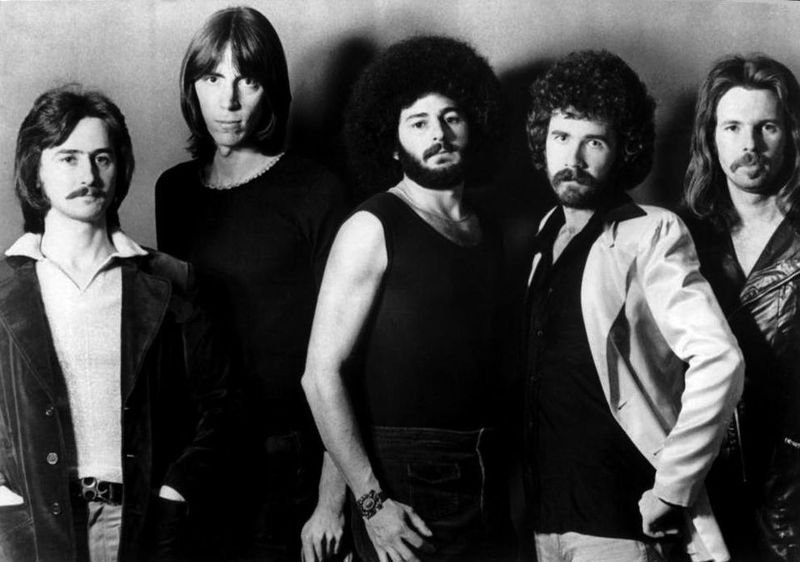
Few debut albums in rock history hit as hard or as immediately as Boston’s self-titled 1976 release.
Guitarist Tom Scholz recorded most of it in his basement studio in Massachusetts, layering guitars with such precision that the result sounded like a million-dollar production.
Tracks like More Than a Feeling and Peace of Mind became FM radio anthems that defined the era. The album’s crisp, layered sound influenced countless rock bands that followed.
Though Scholz was a perfectionist genius, Boston rarely comes up in modern conversations about rock’s greatest debuts.