12 Iconic British Horror Films That Defined The Genre
British horror hits differently, trading jump scares for slow, creeping dread. Haunted landscapes and old legends give these films a style all their own, built on quiet dread.
These twelve classics did more than scare audiences. They helped shape horror history.
Disclaimer: This article highlights notable British horror titles using widely reported release information and commonly discussed critical and cultural impact.
Interpretations of influence, “iconic” status, and what counts as defining the genre can vary by viewer and over time, and some descriptions reflect general critical consensus rather than exhaustive production histories.
12. Dead Of Night (1945)
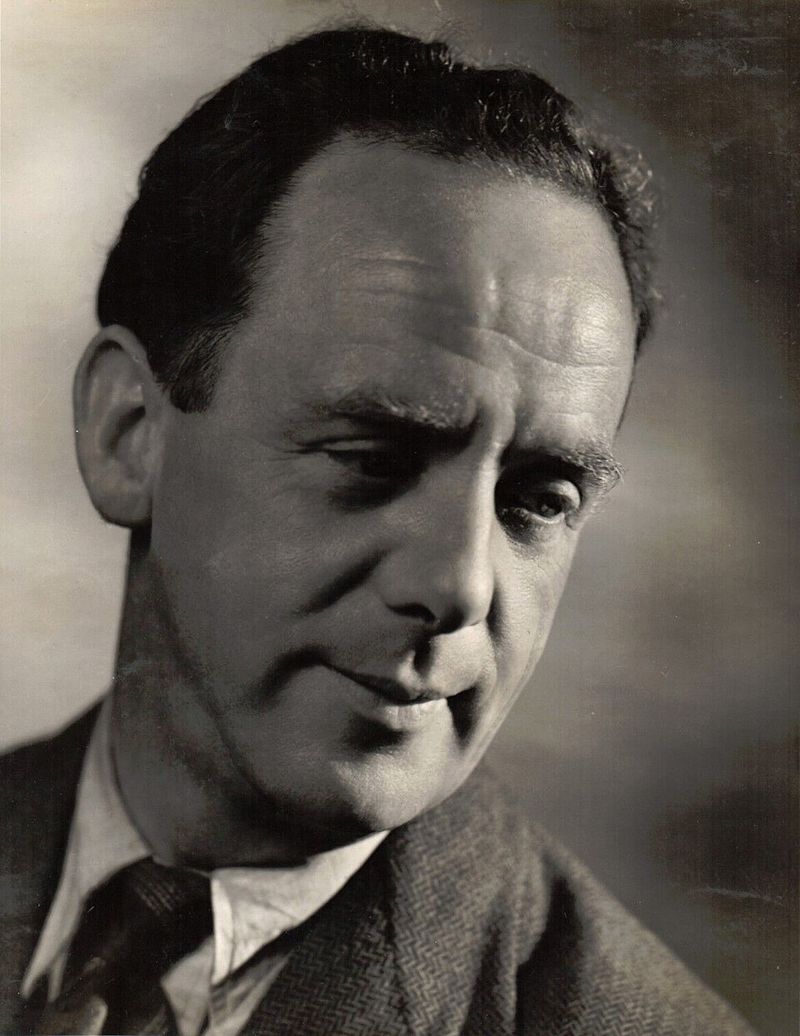
Curious about an early touchstone for anthology horror? A groundbreaking film stitches together several supernatural tales, each delivering its own brand of unease.
Among them, the ventriloquist dummy segment still ranks as one of the creepiest moments in cinema history, showing that a simple puppet can be just as terrifying as any creature.
Perhaps the most brilliant element lies in the way every story links into a looping nightmare that never really ends. Perfect for a rainy evening, it offers classic chills without relying on modern gore.
11. Night Of The Demon (1957)
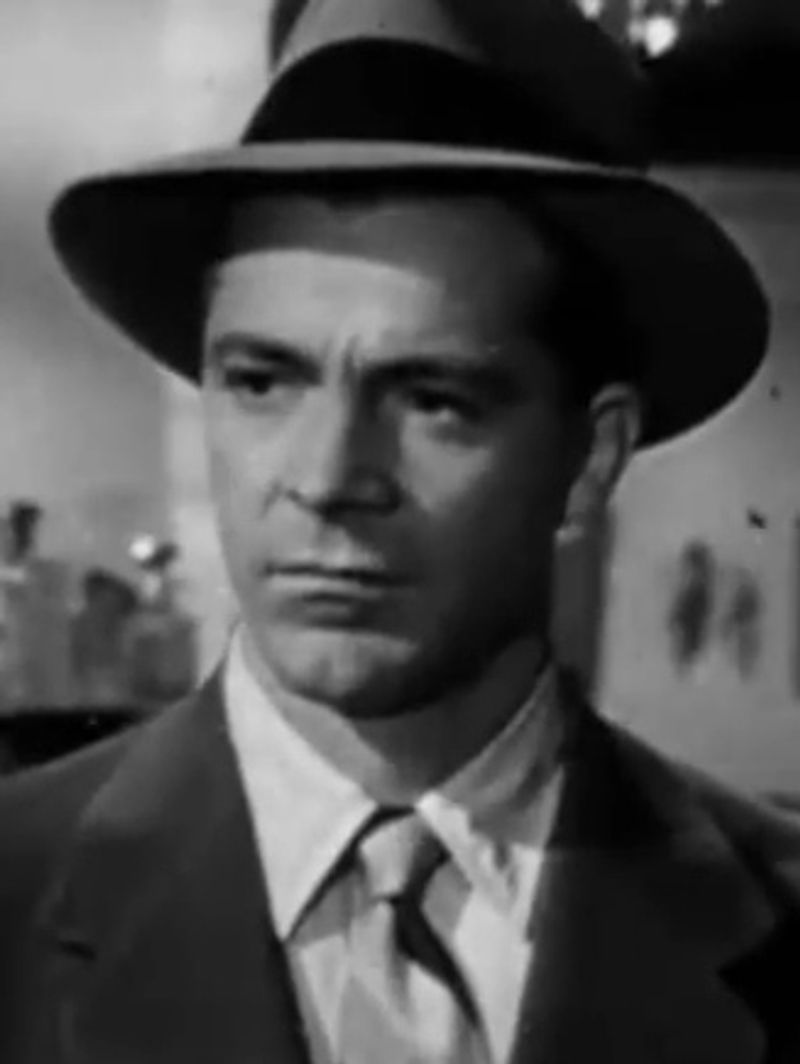
Ancient curses and occult investigations collide in this atmospheric masterpiece. The story follows a skeptical psychologist who finds himself racing against time to break a deadly curse before it claims his life.
Shadows loom large, and every corner hides potential doom.
What makes this film special is how it blends rational thinking with supernatural dread, creating tension that builds with every passing minute. The demon itself became iconic, influencing countless creature designs that followed.
10. The Curse Of Frankenstein (1957)
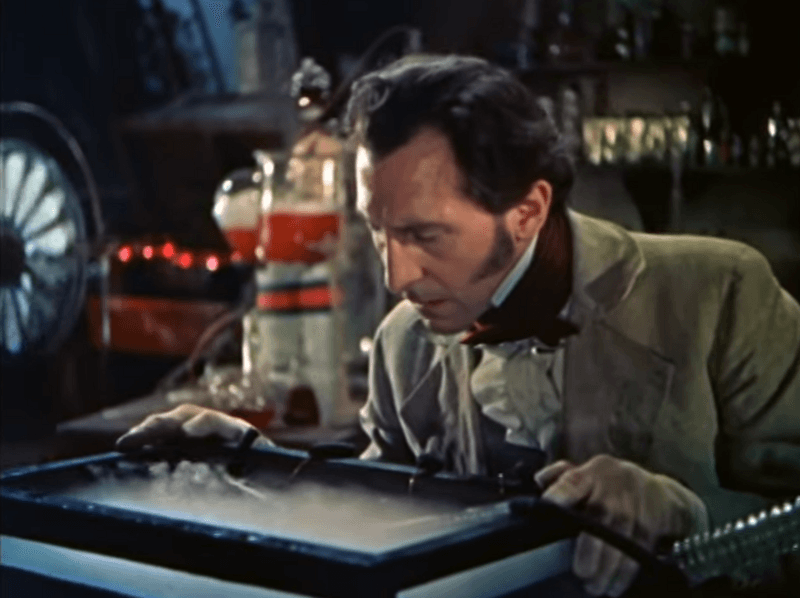
Hammer Films burst onto the scene with vivid color and gothic grandeur. Peter Cushing delivers a chilling performance as the obsessed scientist who creates life – and unleashes horror.
The film’s color presentation and more graphic moments startled audiences at the time, shocking viewers and critics alike. The lush sets and dramatic lighting transformed horror from shadowy whispers into bold, unforgettable spectacle.
Suddenly, monster movies felt dangerous again.
9. Dracula (1958)
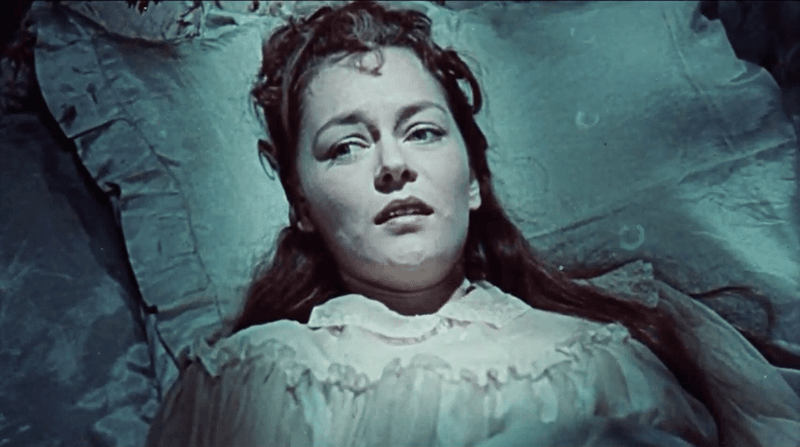
With a piercing stare and blood red fangs, Christopher Lee reshaped vampire cinema for generations.
That Hammer production infused the Dracula legend with a charged, more provocative tone and striking violence. Against shadowy castles, vivid Technicolor blood created a dramatic visual contrast that thrilled audiences around the world.
Opposite him, Peter Cushing’s Van Helsing stood as a determined hunter, matching intelligence and bravery against pure evil.
For many fans, it remains the vampire film that all others are judged against.
8. Peeping Tom (1960)
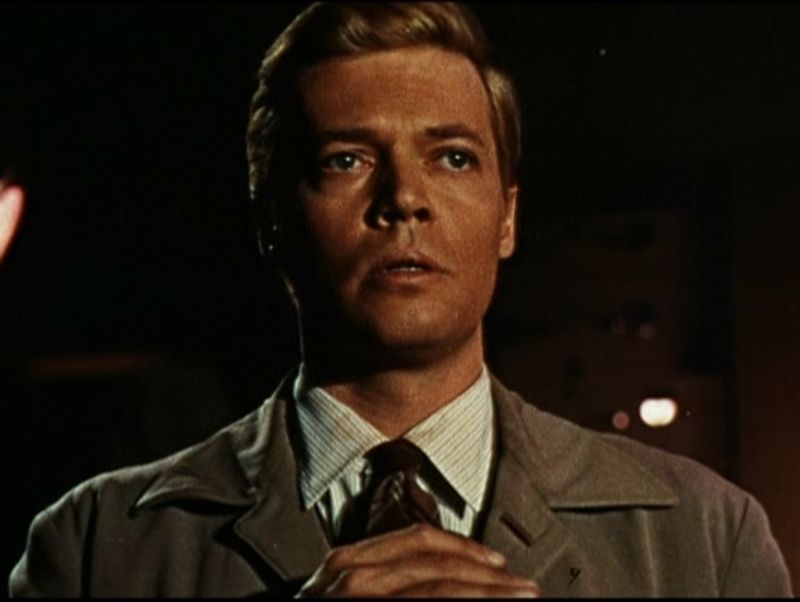
What happens when the camera becomes the weapon?
Michael Powell’s controversial masterpiece follows a disturbed cameraman who films the terror of his victims as he murders them. The film’s point-of-view perspective puts audiences uncomfortably close to the killer’s mind, a technique that would inspire slasher films for decades.
Critics initially despised it, nearly destroying Powell’s career. However, time has revealed its brilliance as a psychological study of voyeurism and violence.
7. The Innocents (1961)
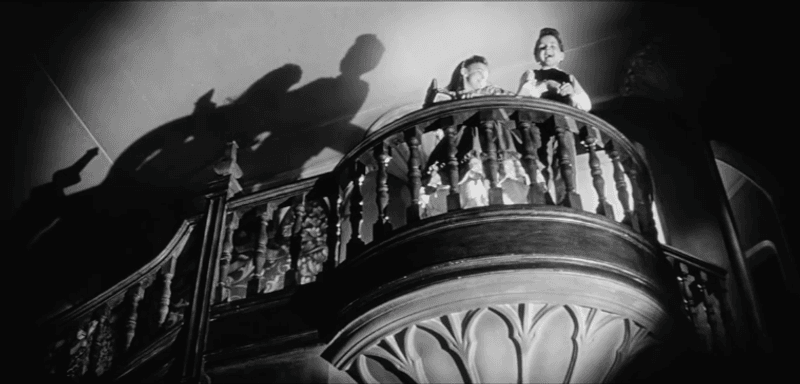
Could the ghosts be real, or could a mind be cracking under pressure? As an elegant adaptation of Henry James’s The Turn of the Screw, the film keeps uncertainty alive in every scene.
Upon arriving at a remote estate to care for two children, a governess begins noticing disturbing signs that might be supernatural, or might be slipping paranoia.
Through stark black and white cinematography, each frame becomes quietly beautiful and deeply unsettling. In the end, ambiguity delivers the sharpest fear, proving that unanswered questions can haunt longer than anything shown outright.
6. Quatermass And The Pit (1967)
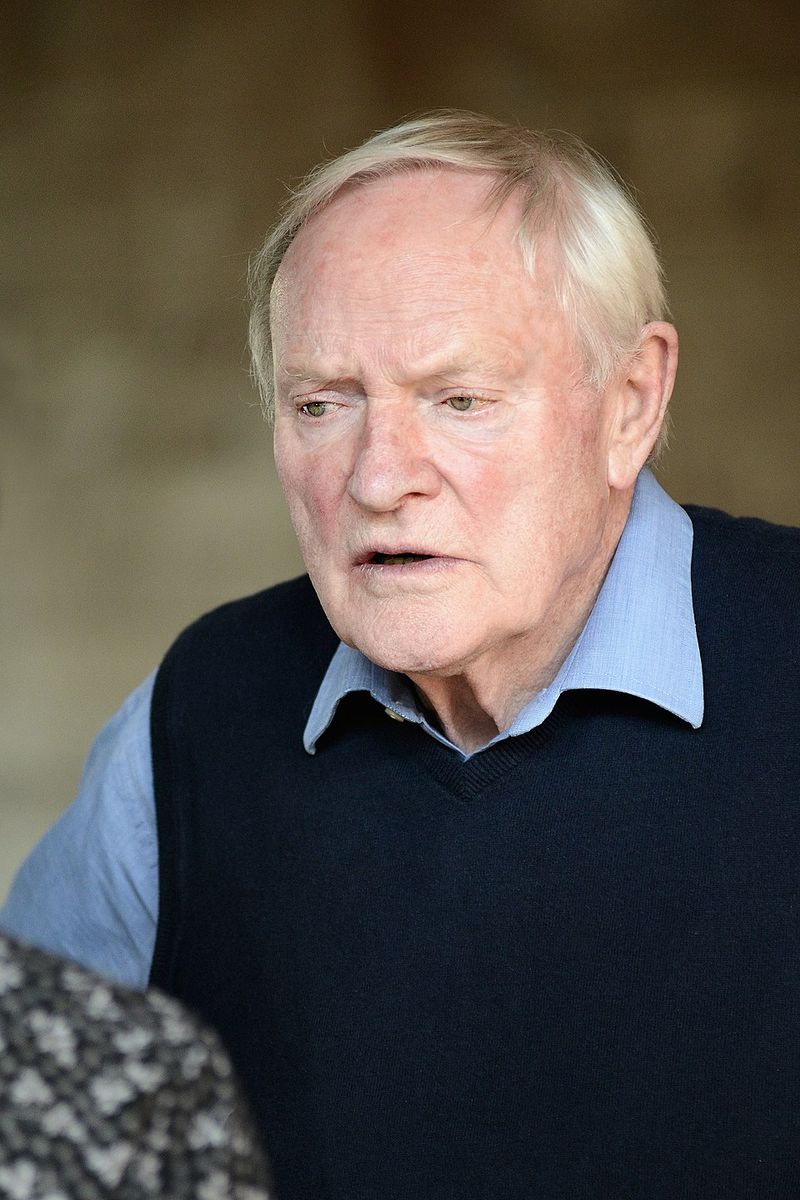
Construction workers uncover something ancient and alien beneath London.
This sci-fi horror hybrid explores how extraterrestrial influence might have shaped human evolution and our darkest impulses. The film brilliantly merges archaeological mystery with cosmic dread, expanding horror beyond traditional monsters into philosophical territory.
When the past awakens with terrifying power, no one is safe. It proved that horror could be intellectually challenging while still delivering genuine scares.
5. Witchfinder General (1968)
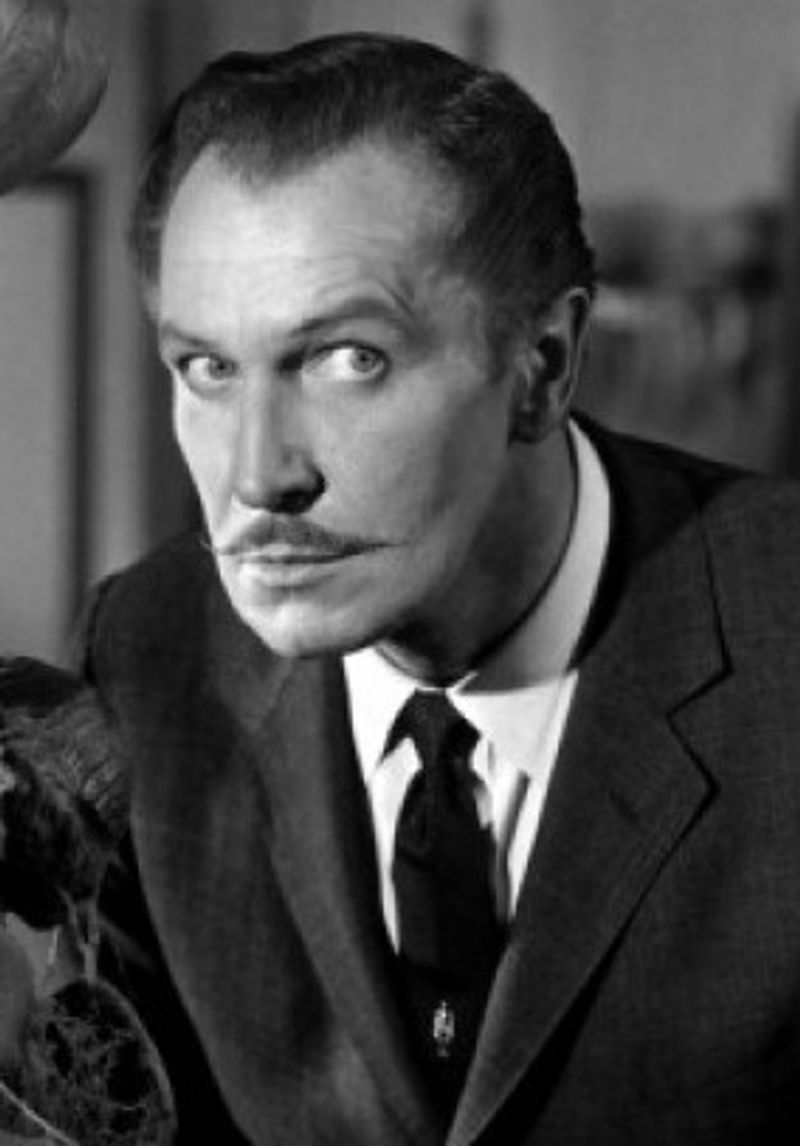
Vincent Price delivers one of his darkest performances as the historical figure Matthew Hopkins, who falsely claimed official authority, who tortured and executed suspected witches during the English Civil War.
Grim historical brutality replaces supernatural scares in this folk-horror cornerstone.
The film’s unflinching depiction of human cruelty shocked audiences and showed that real evil often wears a righteous mask. It’s a bleak journey through a violent period, reminding us that monsters don’t always have fangs or claws.
4. The Wicker Man (1973)
While searching for a missing child, a police officer travels to a remote Scottish island and uncovers a community devoted to ancient pagan rituals.
Bright sunshine and cheerful folk songs clash sharply with the growing sense of unease that creeps into every scene. Behind warm smiles and friendly manners, the islanders conceal darker intentions that slowly build dread.
By the time the shocking finale arrives, the story secures its place as one of cinema’s most unforgettable folk horror landmarks.
3. Hellraiser (1987)

Clive Barker unleashed the Cenobites, grotesque beings who blur the line between pleasure and pain.
Pinhead, with needles embedded in his skull, became an instant icon of body horror and dark fantasy. The film’s exploration of forbidden desires and supernatural punishment created a unique aesthetic that influenced horror for generations.
Chains, hooks, and puzzle boxes opened doorways to nightmares audiences had never imagined. It’s visceral, unforgettable, and disturbingly beautiful.
2. 28 Days Later (2002)

Waking up alone in a deserted London hospital marks only the first step into a spreading nightmare. Danny Boyle’s film reshaped outbreak horror by unleashing fast, rage infected humans who sprint at victims with shocking speed.
Shot on grainy digital cameras, the visuals carry a raw, documentary style urgency that makes societal collapse feel disturbingly believable. Across empty city streets, desperate survival instincts take over and tension rarely has a chance to ease.
Modern infection and apocalypse stories owe a lasting creative debt to the intensity and realism this movie delivered.
1. The Descent (2005)

Six women venture into an unexplored cave system for adventure but find claustrophobic terror instead.
Darkness closes in from every direction as the tunnels collapse and mysterious creatures emerge from the shadows. Director Neil Marshall crafts suffocating dread through tight spaces and minimal lighting, making every breath feel precious.
The creatures are horrifying, but the psychological breakdown among the group cuts even deeper. It’s a masterclass in survival horror intensity.