15 Iconic Photos That Capture 1960s Fashion
Fashion in the 1960s wasn’t just about clothes – it was a revolution wrapped in fabric and stitched with attitude.
Photographers captured these groundbreaking moments, freezing in time the models, designers, and everyday people who dared to dress differently.
Get ready to explore snapshots that prove fashion can change the world, one hemline at a time.
Disclaimer:
This article highlights historically significant photographs and fashion moments from the 1960s.
All descriptions are based on widely documented public information and recognized cultural records.
While care has been taken to ensure accuracy and avoid sensitive or inappropriate content, fashion history can vary by source and interpretation.
15. Twiggy Outside Her North London Home, 1966
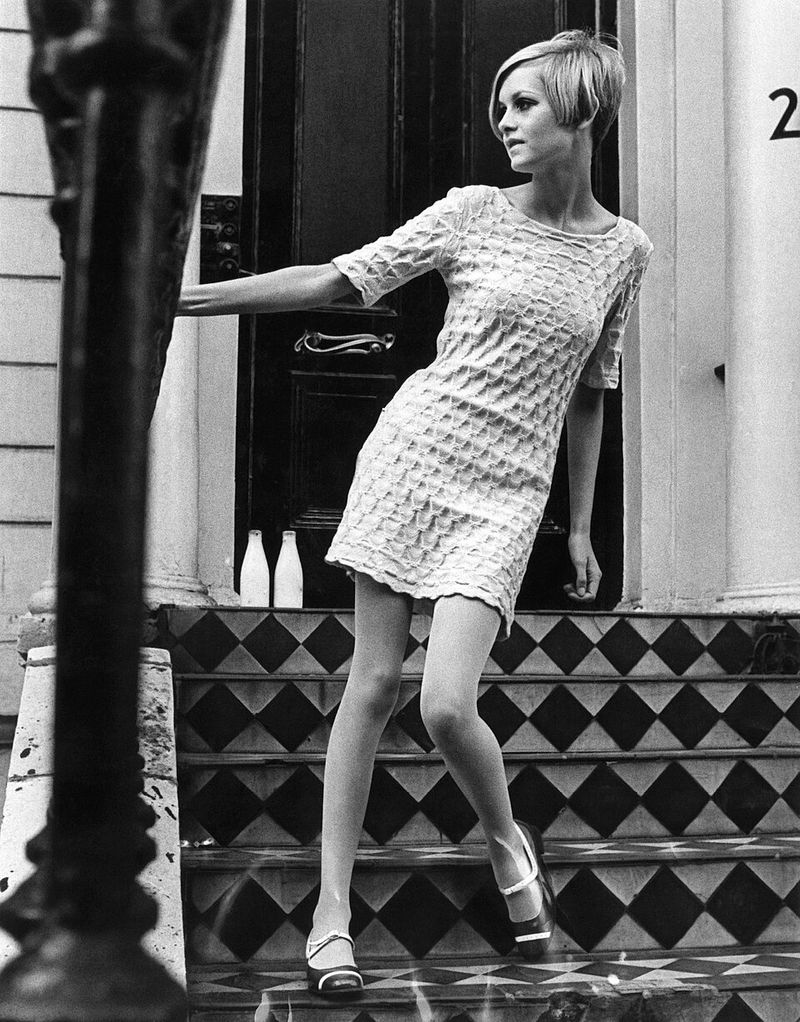
Before Instagram influencers existed, there was Twiggy, a 17-year-old girl who became the face of an entire generation.
Her pixie haircut and doe eyes painted with layers of mascara made her instantly recognizable around the globe.
Captured outside her modest London home, this photo shows the girl-next-door charm that made her relatable despite superstar status.
She became famous for her slim frame and wide-eyed mod look, a combination that reshaped global beauty standards overnight.
14. Mary Quant In A Minidress, 1966
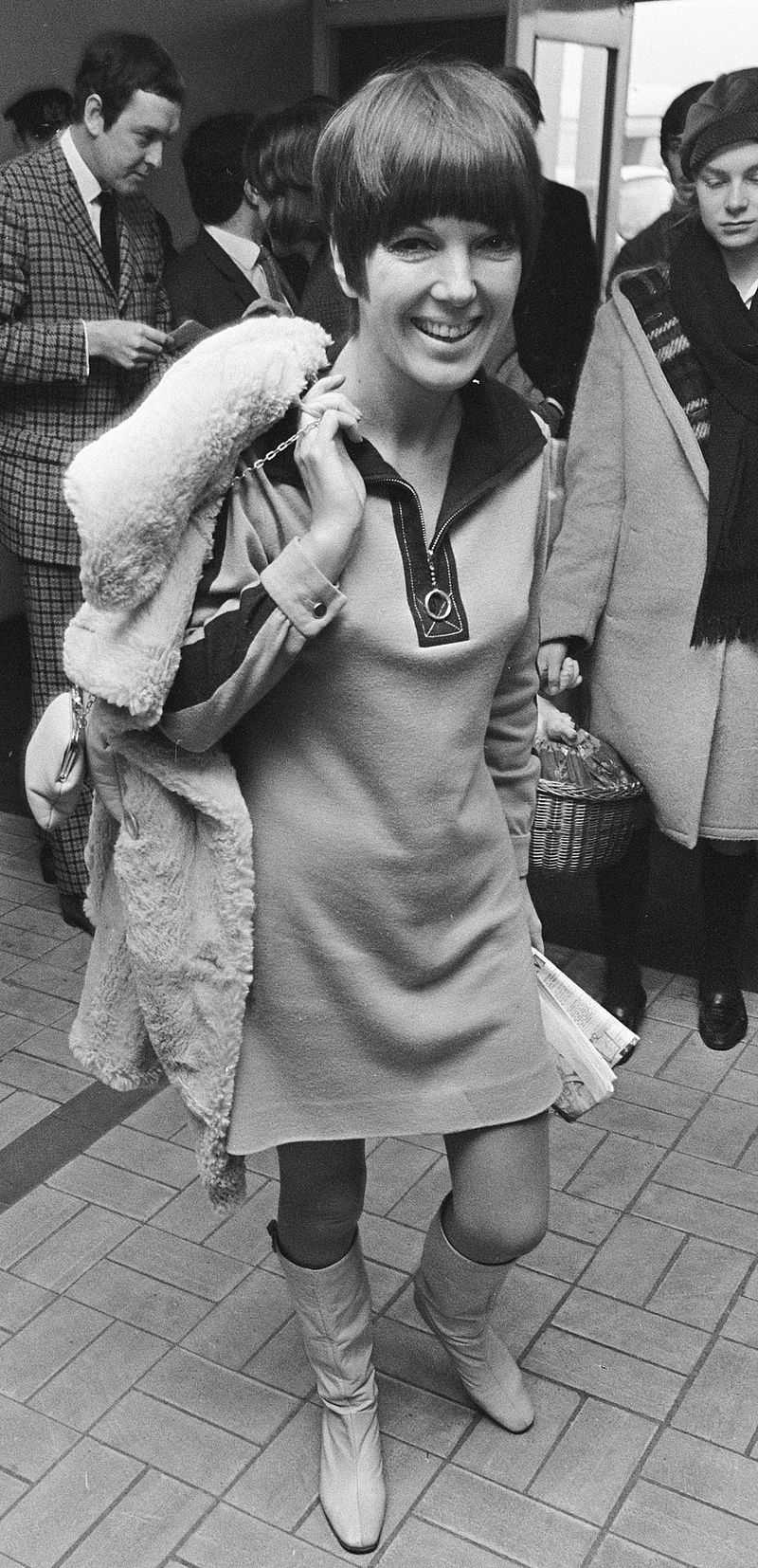
Legend has it that Mary Quant named the miniskirt after her favorite car, the Mini Cooper – both compact, fun, and totally revolutionary.
This snapshot catches the designer herself modeling one of her scandalous creations that sat several inches above the knee.
Parents everywhere clutched their pearls while young women rushed to boutiques demanding shorter hemlines.
Her geometric bob haircut became as iconic as her designs, proving she understood complete style transformation.
13. Diabolo Micro-Mini Dress At Mary Quant Fashion Show, Utrecht, 1969
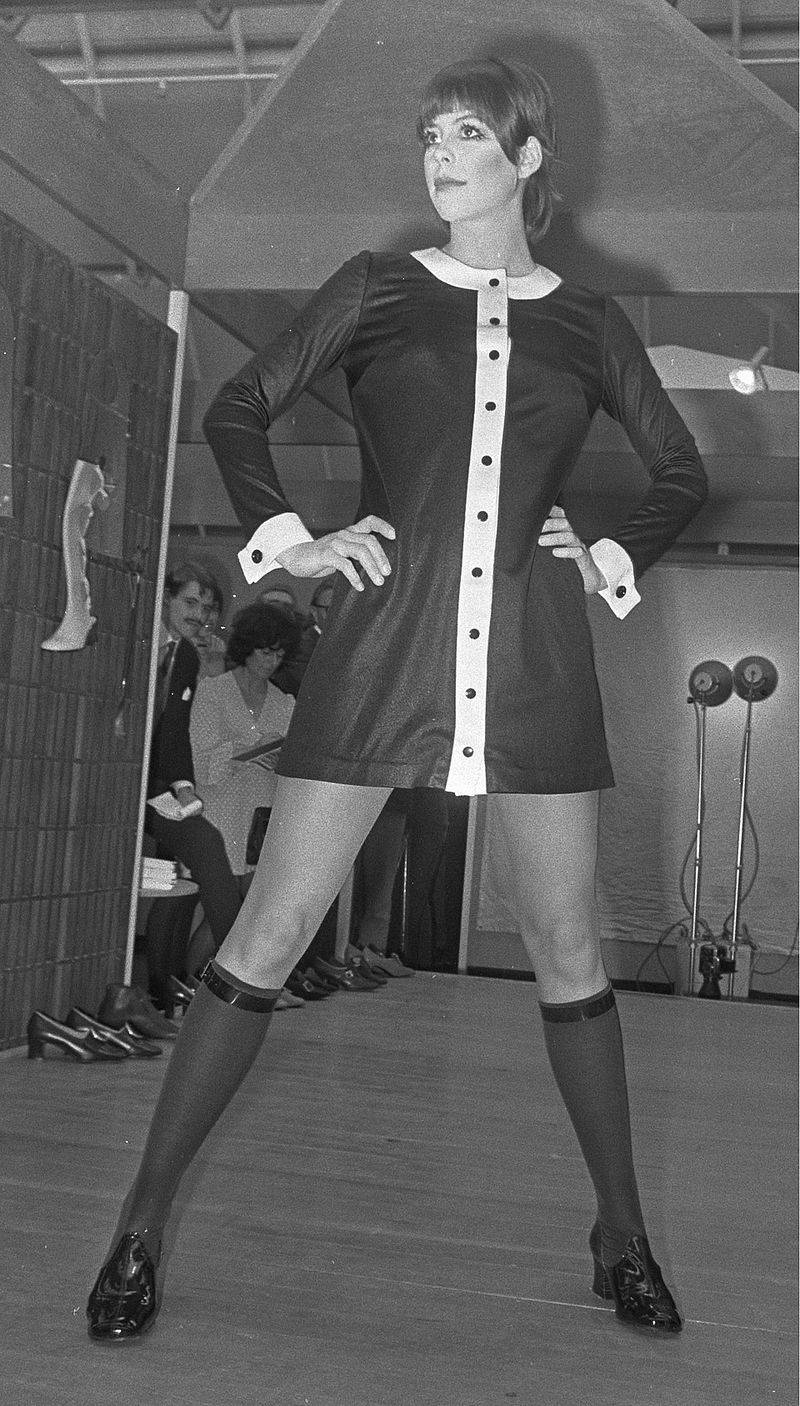
Just when everyone thought skirts couldn’t get any shorter, Mary Quant said “hold my teacup” and unveiled the micro-mini.
This Utrecht fashion show moment captures a model strutting in the diabolo design, a dress so brief it made the regular miniskirt look conservative.
The geometric pattern and A-line shape created an optical illusion that was pure 1960s psychedelic magic.
Audiences gasped, cameras flashed, and fashion magazines scrambled to document this bold new frontier.
12. Go-Go Boots By André Courrèges, 1965
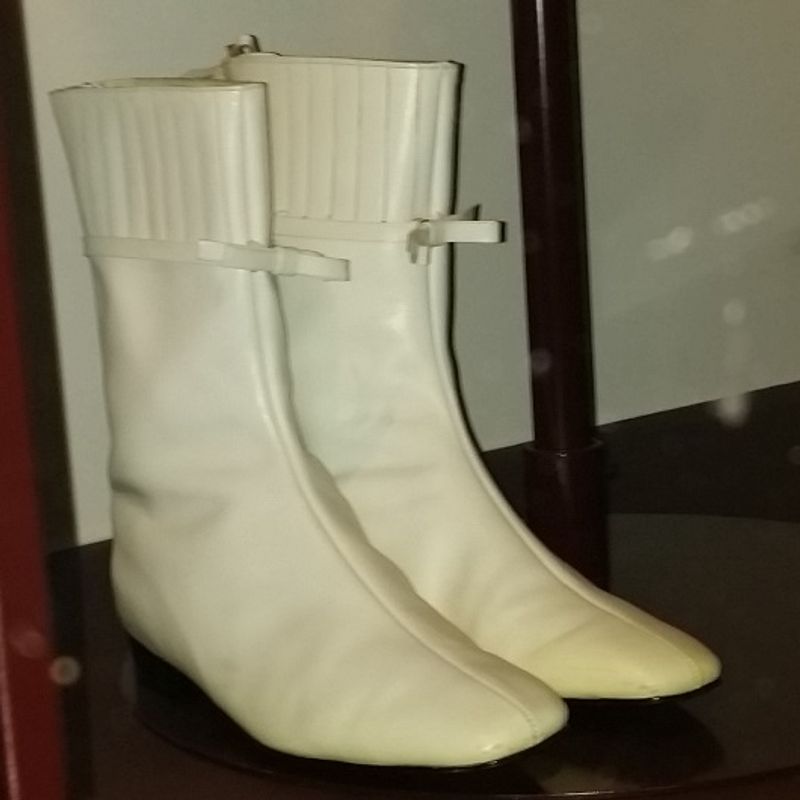
Imagine Neil Armstrong’s moon boots had a fashionable cousin – that’s basically what Courrèges created with his go-go boots.
These white, mid-calf wonders were designed for the woman who wanted to look like she just stepped off a spacecraft.
The flat sole was revolutionary too, freeing dancers to twist and shout without wobbling on heels.
Paired with miniskirts, they became the uniform of mod clubs across London and Paris.
Go-go boots quickly entered pop culture, appearing in films, TV shows, and fashion magazines throughout the decade, reinforcing their iconic status in the mod era.
11. Yves Saint Laurent Mondrian Dress, 1965
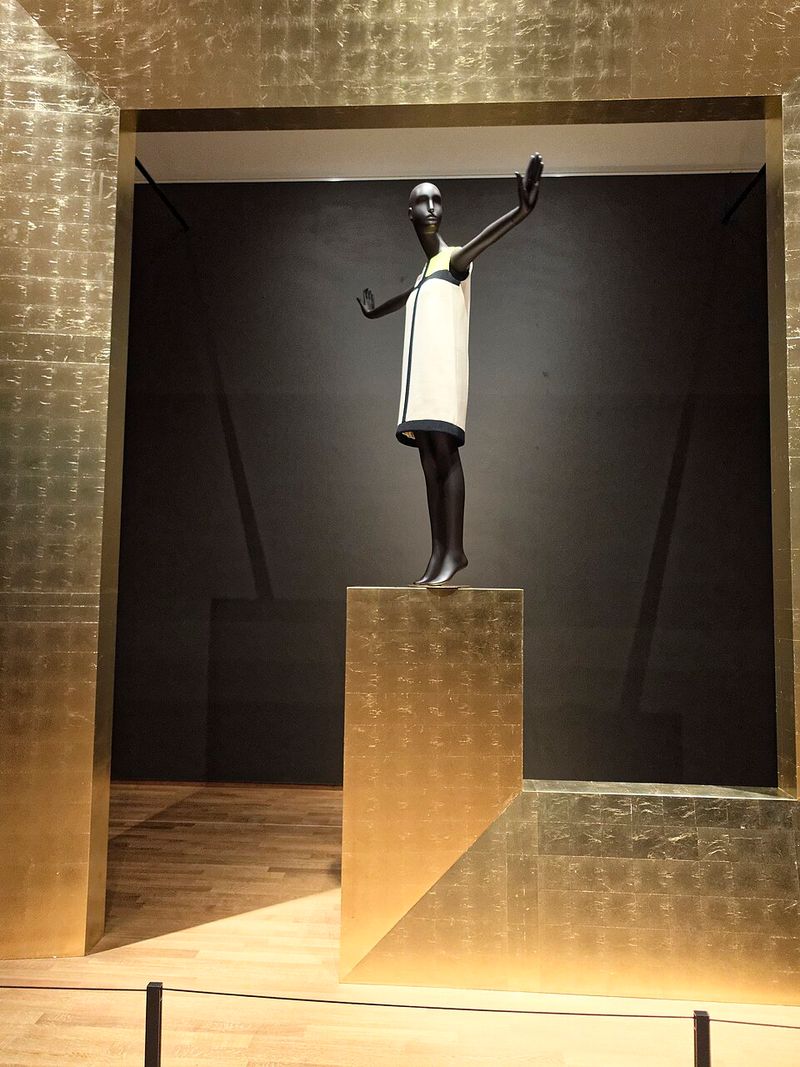
What happens when high fashion meets modern art? You get a dress that belongs in a museum, literally.
Saint Laurent transformed Piet Mondrian’s abstract paintings into wearable art with bold blocks of red, blue, and yellow divided by thick black lines.
The simple shift silhouette let the artistic design take center stage without competing frills or fuss.
Fashionistas could finally say they were wearing a masterpiece and actually mean it.
10. John Bates For Jean Varon Minidress, 1965

If you wanted to look like a secret agent who could defeat villains before lunch, this was your outfit.
Designer John Bates created costumes for Emma Peel on The Avengers TV show, and suddenly everyone wanted “Avengerswear.”
This particular minidress combines sleek lines with a futuristic vibe that screamed confident, capable woman.
The dress proved that fashion could be both practical and stunning – perfect for high kicks or high society.
Bates understood that modern women needed clothes that matched their increasingly active, adventurous lifestyles.
9. Bride In A Miniskirt Wedding Dress, 1968
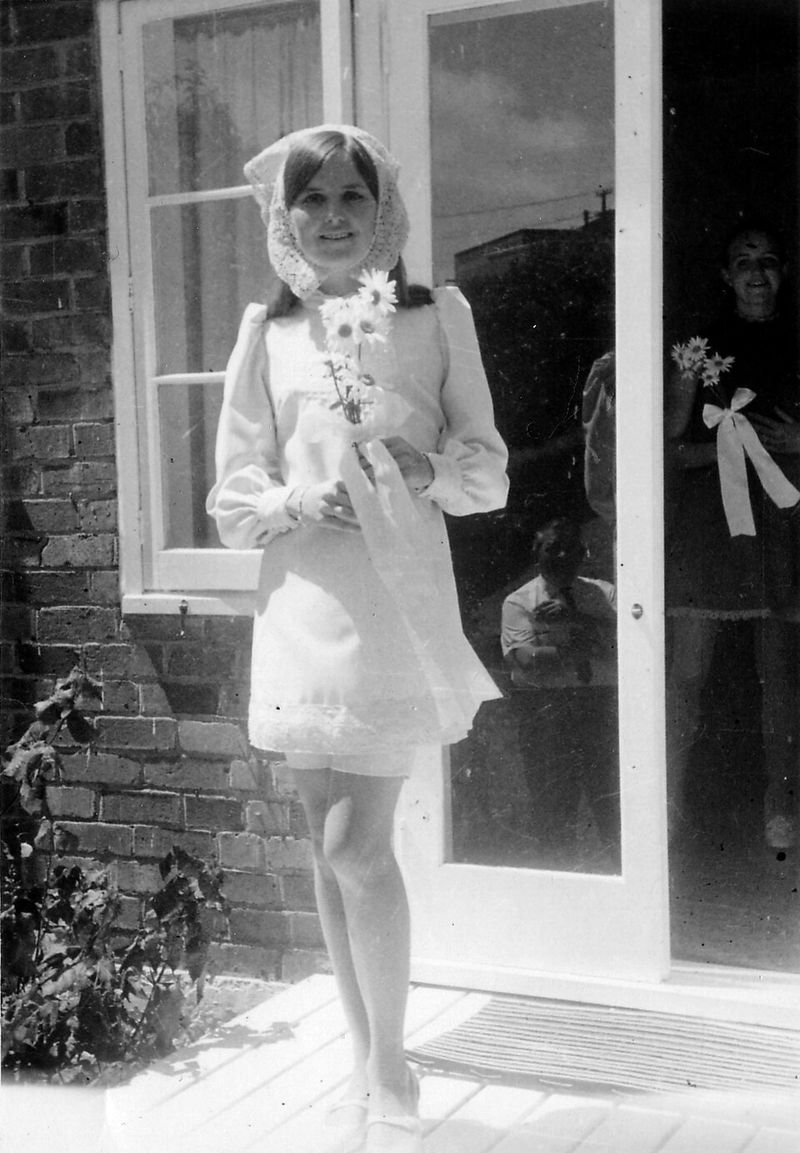
Nothing says “I’m breaking tradition” quite like saying your vows in a hemline that shows your knees.
This 1968 bride shocked relatives and delighted photographers by choosing a mini wedding dress over the expected floor-length gown.
Her bold choice reflected the decade’s youth rebellion against stuffy conventions and outdated rules.
Why should the biggest day of your life force you into uncomfortable, impractical clothing?
8. Pink Evening Gown By Hubert De Givenchy, 1960s
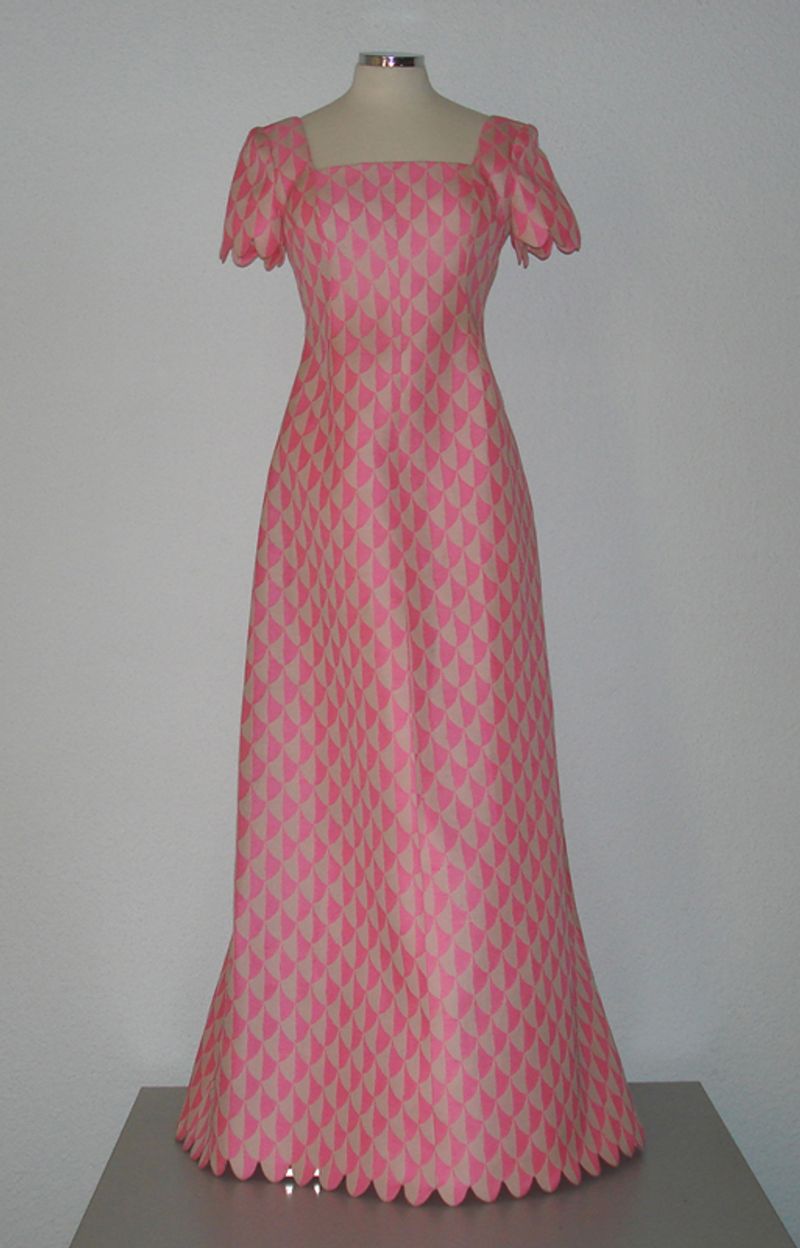
Not every 1960s fashion moment was about shocking hemlines, some designers still celebrated timeless elegance.
Givenchy, Audrey Hepburn’s favorite designer, created this dreamy pink gown that could make anyone feel like Hollywood royalty.
The flowing fabric and sophisticated cut proved that grace and glamour never go out of style, even during revolutionary times.
While minis dominated daytime fashion, evening wear often maintained traditional lengths with modern twists in color and construction.
7. Yellow Wool Dress By André Courrèges, 1967
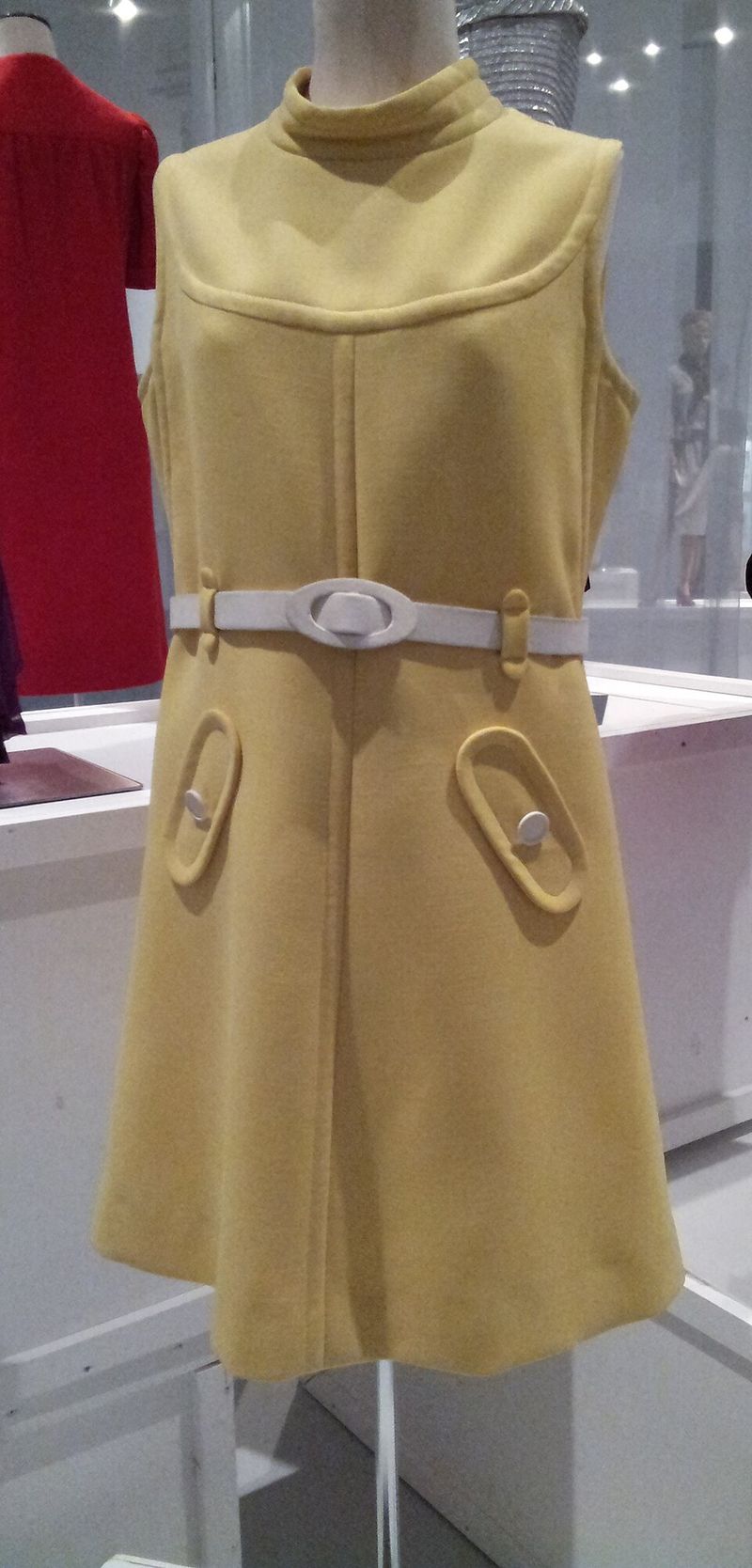
Courrèges strikes again with a dress that looks like sunshine decided to become clothing.
This 1967 yellow wool creation features the designer’s signature architectural approach, clean lines, precise cuts, and a silhouette that defies gravity.
The vibrant color choice was deliberate; Courrèges believed fashion should be optimistic and forward-looking.
His space-age aesthetic influenced everything from airline uniforms to science fiction movie costumes.
6. Pierre Cardin Silk, Plastic, And Strass Dress, 1960
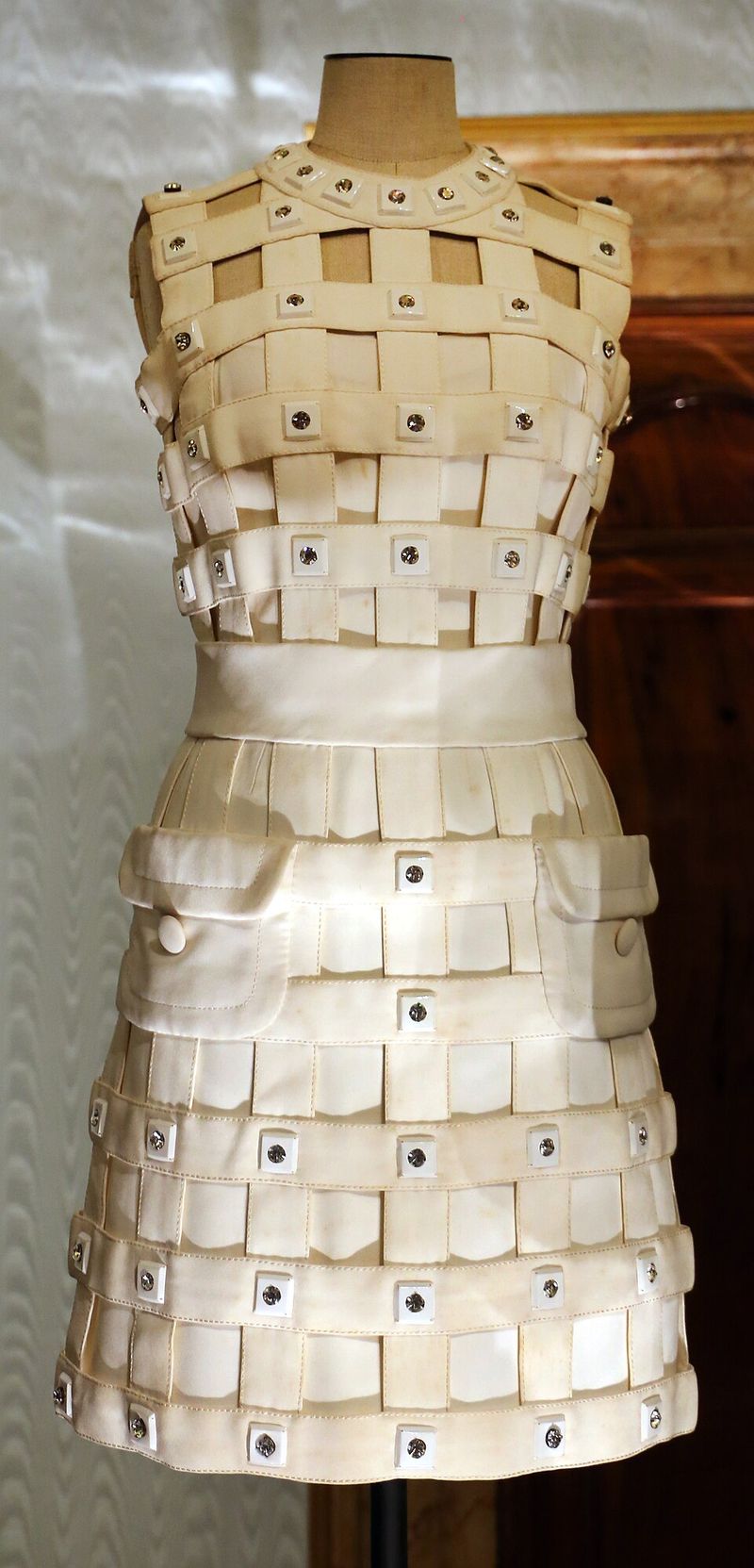
Who said dresses had to be made from traditional fabrics? Pierre Cardin certainly didn’t get that memo.
This 1960 creation mixed silk with plastic and sparkly strass embellishments, creating something that looked plucked from a sci-fi novel.
Cardin was obsessed with geometry and the future, often designing clothes that seemed meant for space colonies rather than Earth.
His experimental approach pushed fashion into uncharted territory, proving that innovation requires risk-taking.
5. Paco Rabanne Metal Disc Dress, Late 1960s
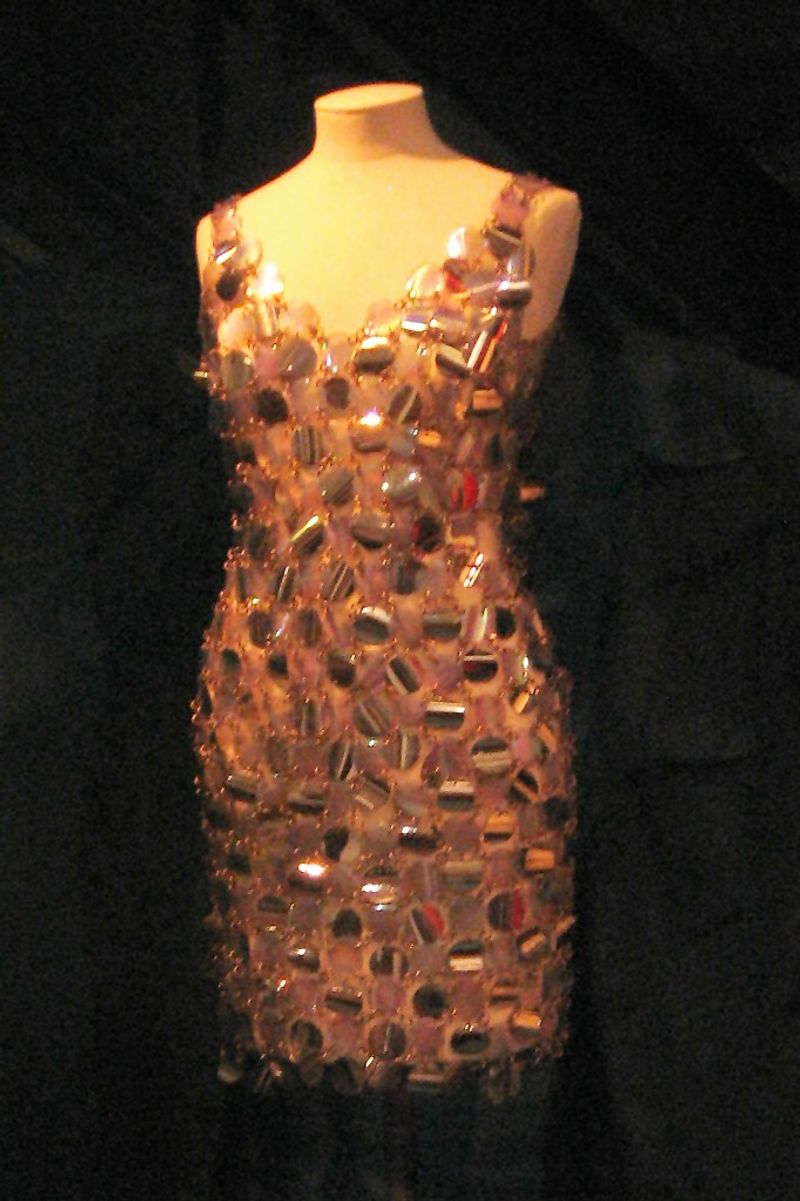
Forget fabric – Paco Rabanne decided metal discs linked together made perfect party attire.
This late-1960s creation looks like armor designed by a fashion-forward knight who loved disco balls.
The dress actually moves and sounds as you walk, creating a shimmering, clinking symphony of style.
Rabanne trained as an architect, which explains his structural approach to clothing that prioritized engineering over traditional dressmaking.
Though uncomfortable by modern standards, these metal dresses represented the decade’s willingness to completely reimagine what fashion could be.
4. London Carnaby Street, 1968, With Lady Jane Boutique
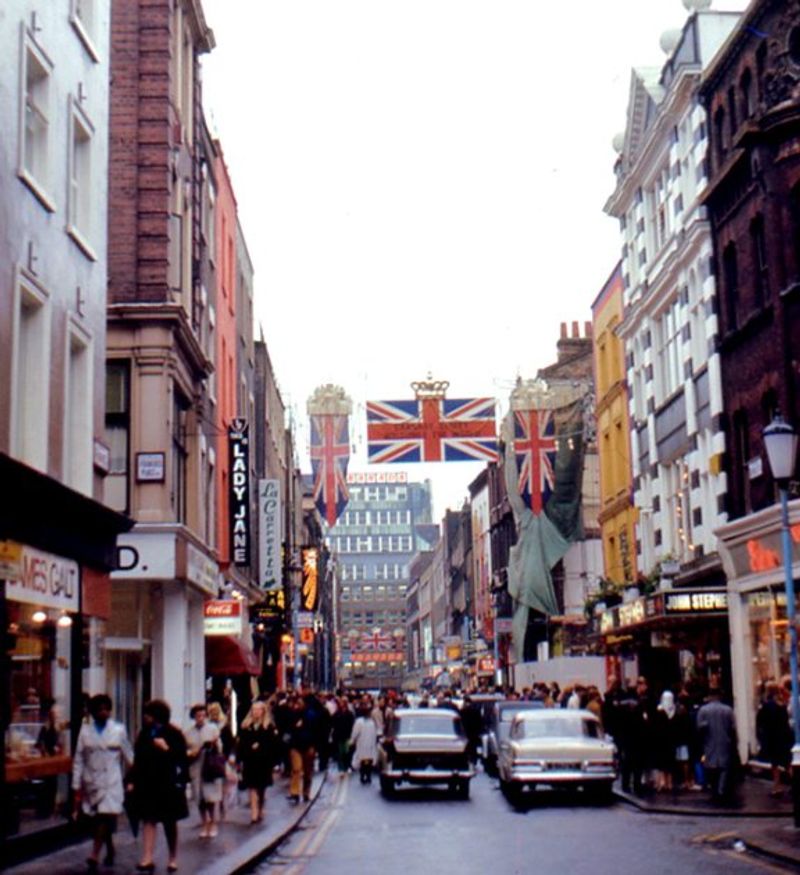
Carnaby Street wasn’t just a location – it was the beating heart of Swinging London’s fashion revolution.
This 1968 snapshot captures the Lady Jane boutique among colorful storefronts where teenagers flocked to buy the latest mod styles.
The street became so famous that tourists visited it like a museum, hoping to spot trendsetters in their natural habitat.
Small independent shops replaced stuffy department stores, giving young designers platforms to showcase radical ideas.
Walking down Carnaby meant stepping into the future, where youth culture finally controlled the fashion conversation instead of just following orders.
3. Girl In 1968 Wearing Go-Go Boots
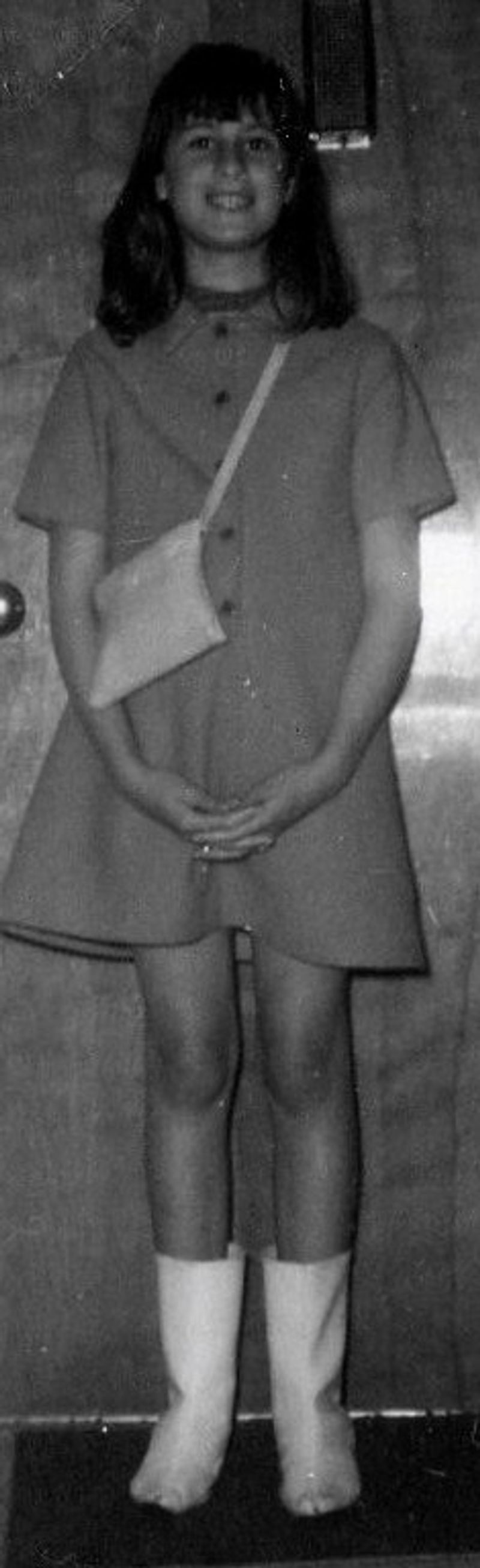
Sometimes the most powerful fashion statements happen on ordinary streets, not fancy runways.
This 1968 photo catches a regular girl rocking go-go boots like she owns the sidewalk, because she does.
Her confident stance proves these boots weren’t just trendy accessories but symbols of female empowerment and independence.
The boots’ practicality meant women could actually move through their day without sacrificing style for comfort.
Everyday fashion photos like this one reveal how revolutionary designs filtered from haute couture into real women’s wardrobes across the world.
2. Woodstock Couple And Crowd, 1969, Hippie Festival Style
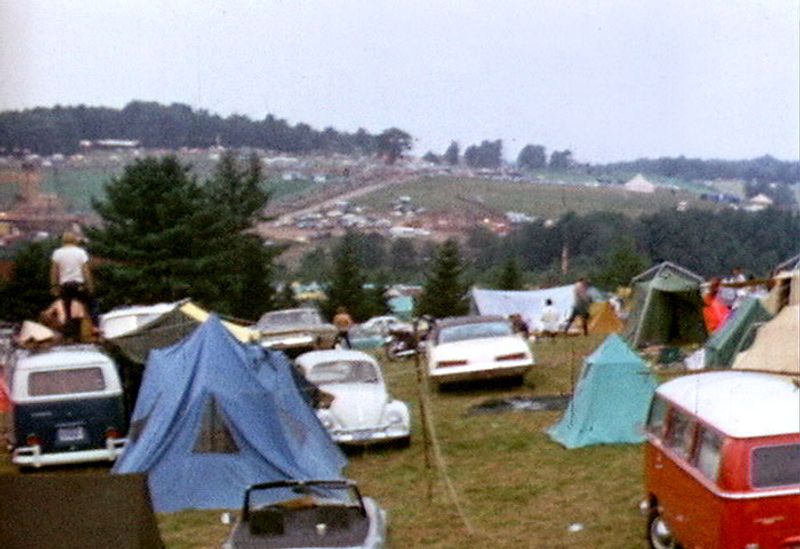
By 1969, fashion had split into two camps: the sleek space-age look and the earthy hippie vibe.
This Woodstock photo captures festival-goers embracing bohemian style – flowing fabrics, natural materials, and hair that hadn’t seen scissors in months.
Peace signs, tie-dye, and bare feet replaced structured suits and polished pumps for the counterculture generation.
Fashion became political, with clothing choices signaling beliefs about war, love, and societal change.
1. The Beatles 1963 Publicity Photo In Matching Suits

Before they grew mustaches and embraced psychedelic colors, The Beatles wore matching suits that drove parents slightly less crazy.
This 1963 publicity shot shows the Fab Four in their clean-cut phase, narrow ties, fitted jackets, and those controversial mop-top haircuts.
Though tame by later standards, their look was rebellious enough to spark moral panic among conservative adults.
The slim-cut suits influenced menswear globally, proving guys cared about fashion too.
Their style evolution throughout the decade mirrored society’s journey from buttoned-up conformity to experimental self-expression and creative freedom.