17 Iconic Film Scores That Shaped The Way Movies Sound
Film scores have a unique power to shape emotion, elevate storytelling, and turn ordinary scenes into unforgettable moments.
A single melody can signal danger, capture wonder, or break a heart without a single word being spoken.
Over the decades, certain composers created soundscapes so distinctive they set the standard for everything that followed.
Disclaimer: All selections and assessments are subjective and meant to highlight perspective, not establish absolute rankings.
1. Star Wars – John Williams (1977)

When those opening trumpets blare, everyone knows exactly what movie they’re watching.
Williams created a sound so powerful that it launched an entire galaxy of adventure into our hearts.
His use of leitmotifs – repeating musical themes for characters – became the blueprint for modern blockbuster scoring.
Each hero got their own tune, making the Force feel real through melody alone.
2. Jaws – John Williams (1975)
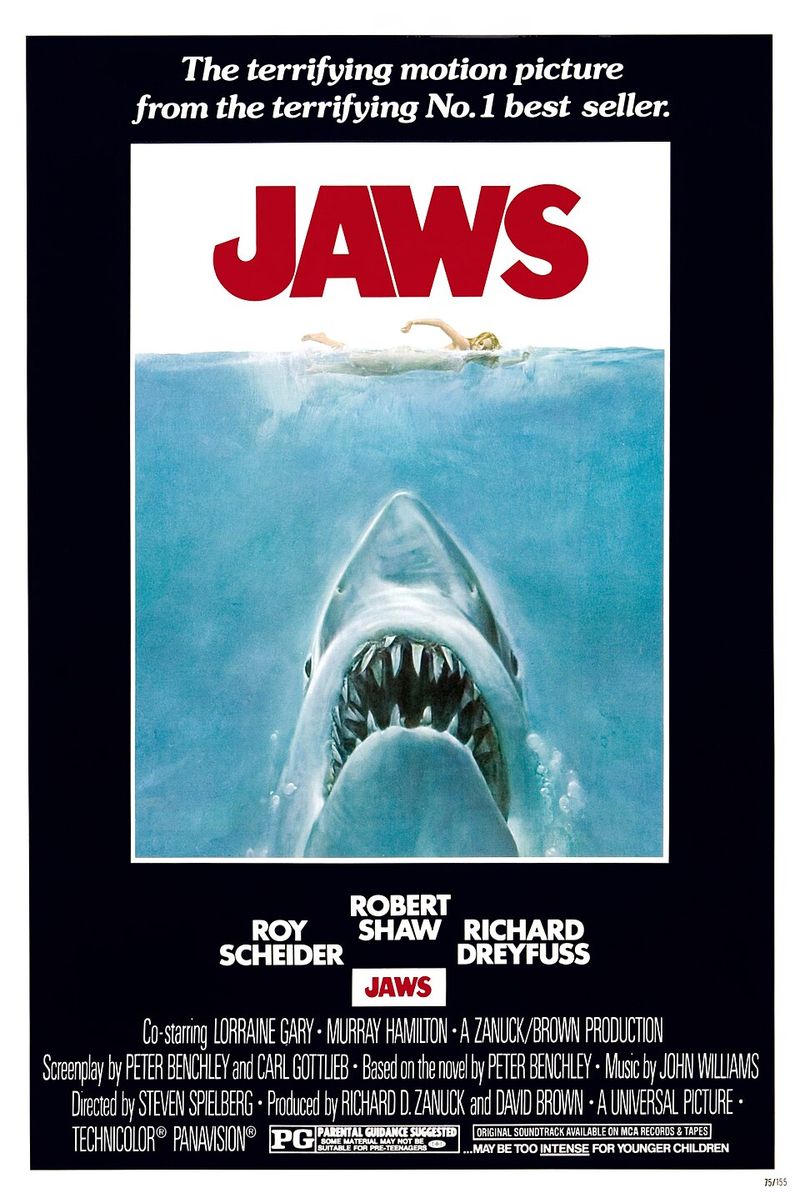
Just two notes made millions of people afraid to go swimming.
Williams proved that simplicity could be absolutely terrifying when done right.
Before this movie, nobody thought a repeated bass pattern could represent danger so effectively.
Now, every thriller composer studies how those notes build tension without showing the monster until the perfect moment.
3. The Godfather – Nino Rota (1972)

Rota blended Italian folk music with haunting melodies to create something unforgettable.
His trumpet theme became synonymous with organized crime stories everywhere.
What makes this score special is how it balances beauty with darkness, just like the Corleone family itself.
Composers learned that ethnic instruments could add authenticity and emotional depth to any story.
4. Psycho – Bernard Herrmann (1960)
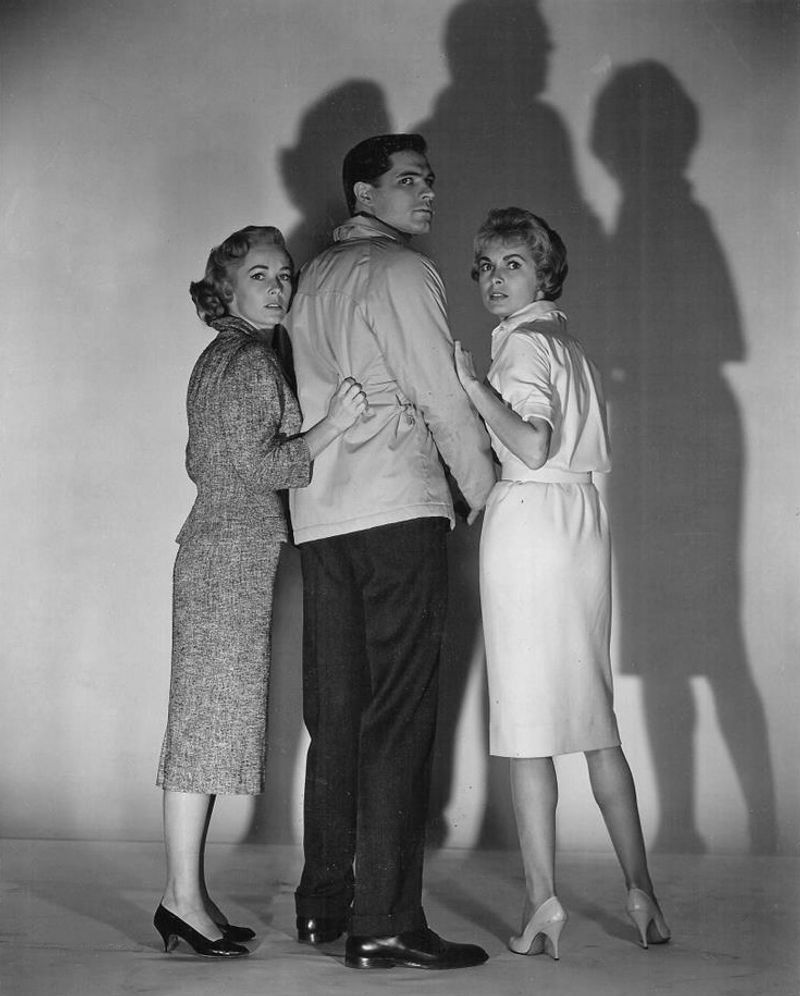
Screeching violins turned a shower scene into cinema’s most famous nightmare.
Herrmann used only string instruments, proving that limitations can spark creativity.
Director Alfred Hitchcock initially wanted no music during the shower scene, but Herrmann composed it anyway.
That risky decision revolutionized how horror movies use sound to amplify fear beyond what visuals alone could achieve.
5. Lord of the Rings: The Fellowship of the Ring – Howard Shore (2001)

Shore spent years crafting themes for every race, location, and emotion in Middle-earth.
His dedication created a musical world as rich as Tolkien’s writing.
By using different instruments for hobbits, elves, and dwarves, he taught modern composers how to build entire universes through sound.
Fantasy films today still follow his roadmap for creating believable magical realms.
6. Jurassic Park – John Williams (1993)

Williams gave dinosaurs a sense of wonder instead of just making them scary monsters.
His soaring brass section made us believe these creatures deserved respect and awe.
The main theme combines adventure with majesty, teaching composers that monster movies could have heart.
Every time those French horns swell, audiences remember the magic of seeing impossible things come alive.
7. The Dark Knight – Hans Zimmer & James Newton Howard (2008)
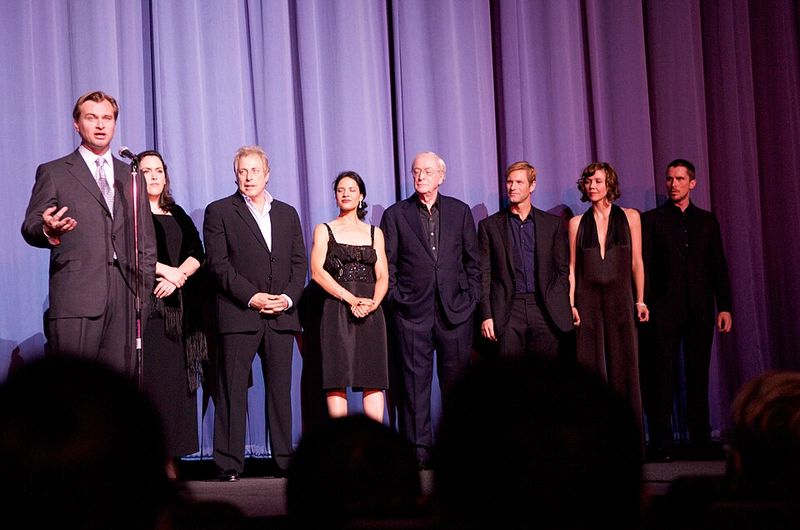
Zimmer’s pulsing electronic drones replaced typical superhero fanfares with something darker and more realistic.
His collaboration with Howard proved two composers could create one unified, groundbreaking vision.
The Joker’s theme used just two notes played on a cello, creating unease through minimalism.
8. The Lion King – Hans Zimmer (1994)

Zimmer fused African rhythms with orchestral grandeur, creating something Disney had never attempted before.
His collaboration with Elton John bridged pop music and film scoring beautifully.
By incorporating authentic African choirs and instruments, he showed Hollywood that cultural music could enhance storytelling without feeling stereotypical.
9. Inception – Hans Zimmer (2010)
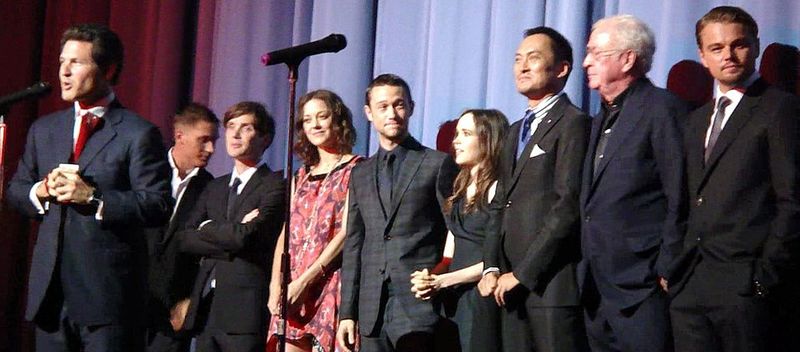
That famous brass blast – BRAAAM – became the most imitated sound in modern trailers.
Zimmer slowed down Edith Piaf’s song to create time-bending audio that matched the movie’s dream logic.
His use of massive, distorted brass changed action scoring forever, inspiring countless imitators.
10. Blade Runner – Vangelis (1982)
Electronic synthesizers replaced traditional orchestras, giving the future a melancholy electronic heartbeat.
Vangelis proved that computers could create emotions as powerful as any violin.
His dreamy, atmospheric approach influenced every sci-fi score that followed, from video games to modern space operas.
11. E.T. the Extra-Terrestrial – John Williams (1982)

Williams created one of cinema’s most emotional scores, making audiences cry over a rubber alien puppet.
His soaring strings during the bicycle flight scene represent pure cinematic magic.
He proved that music could make impossible moments feel absolutely real and emotionally devastating.
12. Titanic – James Horner (1997)
Horner’s haunting flute melody became one of cinema’s most recognizable love themes.
He blended Irish folk music with sweeping romance to mirror Rose and Jack’s tragic journey.
By pairing traditional instruments with a modern orchestra, he created timeless music that felt both historical and contemporary.
13. The Good, the Bad and the Ugly – Ennio Morricone (1966)
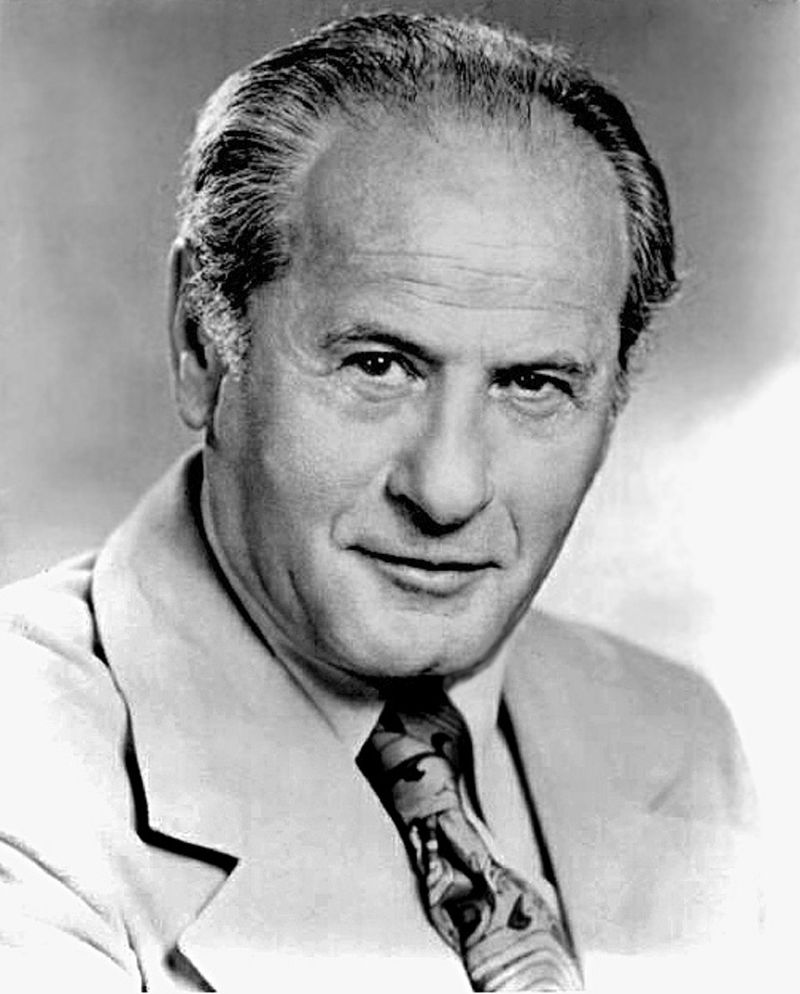
Morricone used whistles, gunshots, and electric guitars to redefine what Western music could sound like.
His unconventional choices made Sergio Leone’s films feel grittier and more modern than traditional Westerns.
That iconic whistle theme became instantly recognizable worldwide, proving that weird instrument choices create memorable moments.
14. Harry Potter and the Sorcerer’s Stone – John Williams (2001)

Williams crafted a magical sound using a celesta – the same instrument from The Nutcracker – to create Hedwig’s Theme.
That twinkling melody instantly transports listeners to the wizarding world.
By giving magic a specific musical identity, he taught composers how to make fantasy feel real through instrumentation.
15. Interstellar – Hans Zimmer (2014)
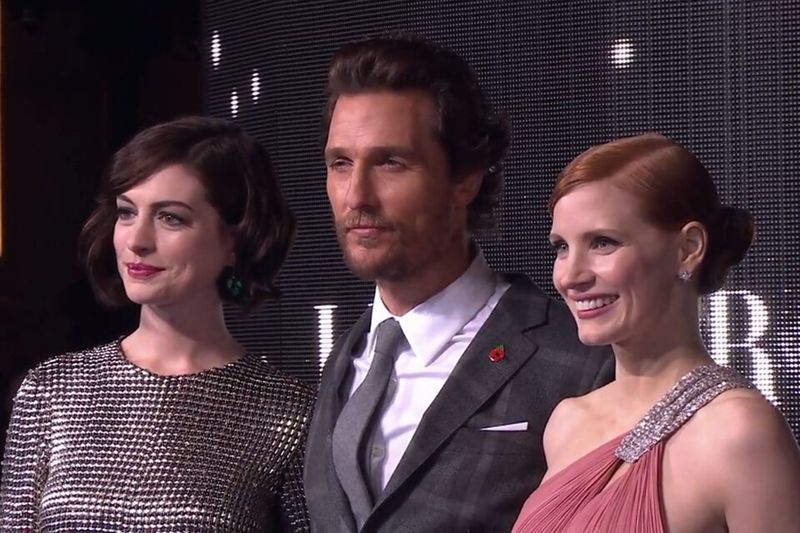
Zimmer built the entire score around a church organ, giving space exploration a spiritual dimension.
His emotional approach prioritized human connection over typical sci-fi grandeur.
By focusing on a father’s love instead of alien encounters, he redefined space movie music as intimate rather than distant.
16. Schindler’s List – John Williams (1993)

Williams chose a single violin to represent unimaginable tragedy with heartbreaking simplicity.
Violinist Itzhak Perlman’s performance became one of film music’s most powerful moments.
By stripping away the orchestra for key scenes, he showed that restraint communicates pain more effectively than bombast.
Historical dramas learned that less music, played with raw emotion, honors real suffering better than grand statements.
17. Gladiator – Hans Zimmer & Lisa Gerrard (2000)

Gerrard’s haunting vocals in an invented language gave ancient Rome an otherworldly emotional depth.
Zimmer paired her voice with aggressive percussion to balance intimacy with epic scale.
Epic historical films discovered that combining ethnic elements with modern production creates timeless, emotionally resonant soundscapes.