7 Iconic Movies From 1977 That Shaped Cinema
Few years in Hollywood history hit as hard as 1977. A perfect storm of bold directors, fearless storytelling, and jaw-dropping visuals collided, producing films people still quote, rewatch, and obsess over decades later.
Some movies redefined audience expectations at the cinema, setting new standards for pacing, character, and spectacle. Others quietly cultivated cult followings, with devoted fans returning again and again.
A select few launched franchises so massive, merchandise and references appear in stores and pop culture even today. These films shaped cinema in ways extending beyond the screen, influencing fashion, music, and visual effects.
Each of the seven titles below left a distinct fingerprint on Hollywood, inspiring filmmakers and captivating viewers for generations. By revolutionizing techniques, delivering unforgettable performances, and capturing the spirit of a decade, 1977 produced work that continues to resonate, proving a single year can hold cinematic magic capable of lasting impact.
1. Star Wars
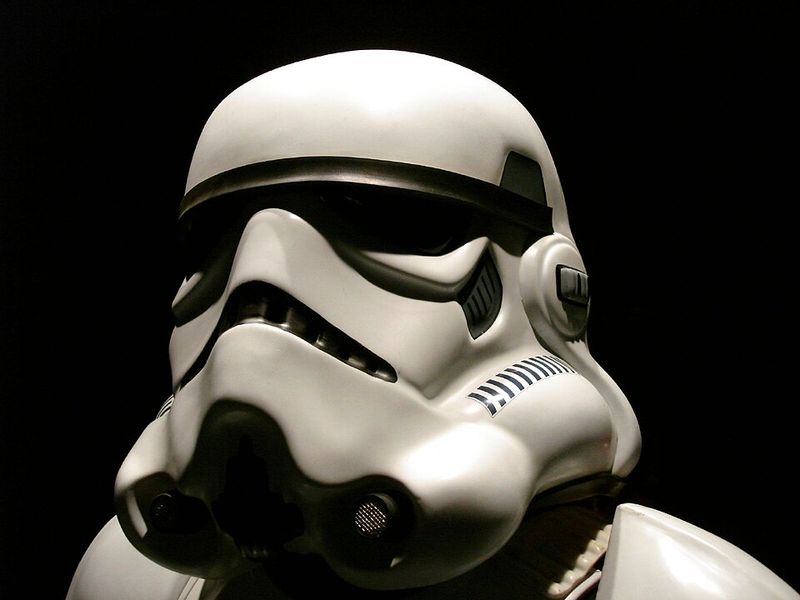
No movie in 1977 hit audiences harder than George Lucas’s space opera. A farm boy, a princess, a scoundrel, and a galaxy-wide rebellion walked into a cinema and never walked out the same.
Star Wars redefined what blockbuster filmmaking could look like, pushing special effects into territory nobody had mapped yet.
John Williams composed one of the most recognizable scores in music history for it. The opening crawl alone gave viewers chills before a single character spoke.
Merchandising, sequels, and fan conventions followed, building an empire as vast as the one the heroes fought against.
Just saying, that is some legacy.
2. Close Encounters of the Third Kind

Steven Spielberg had audiences gripping armrests and holding their breath for nearly two hours straight. Close Encounters of the Third Kind asked a bold question: what if contact arrived not as a threat, but as an invitation?
The film replaced alien invasion panic with wonder, curiosity, and a haunting five-note musical phrase.
Richard Dreyfuss played an everyday man consumed by visions he could not explain, and audiences followed every obsessive step. The finale, shot using revolutionary lighting techniques, remains one of cinema’s most breathtaking sequences.
Spielberg proved that science fiction could carry emotional weight equal to any drama on screen.
3. Saturday Night Fever
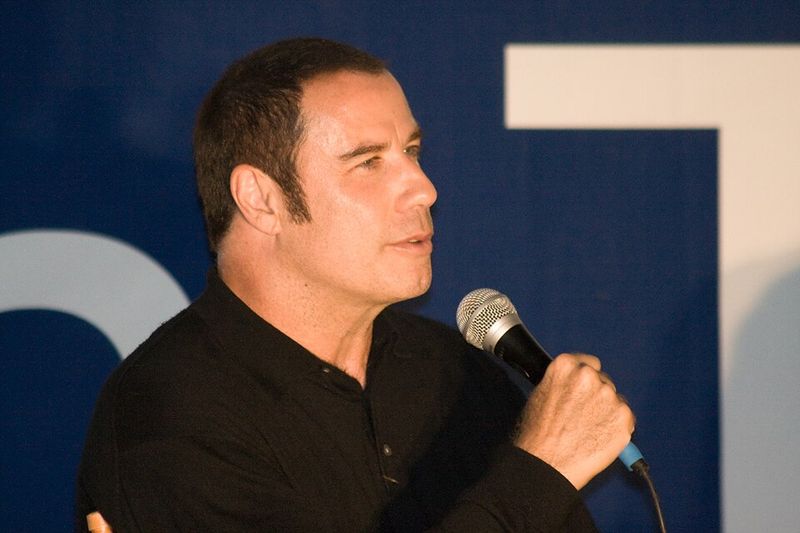
If one film captured the electric pulse of the late 1970s, Saturday Night Fever did it wearing a white suit and platform shoes. John Travolta’s performance as Tony Manero turned a Brooklyn teenager’s weekend dance life into something deeply human and surprisingly emotional.
Critics initially expected a fluffy disco flick and got punched by real drama instead.
The Bee Gees soundtrack became one of the best-selling albums in history, practically impossible to separate from the film itself. Disco fashion exploded globally almost overnight.
Travolta transformed into a superstar, and the film launched serious conversations about class, ambition, and identity.
Not bad for a dance movie.
4. The Spy Who Loved Me
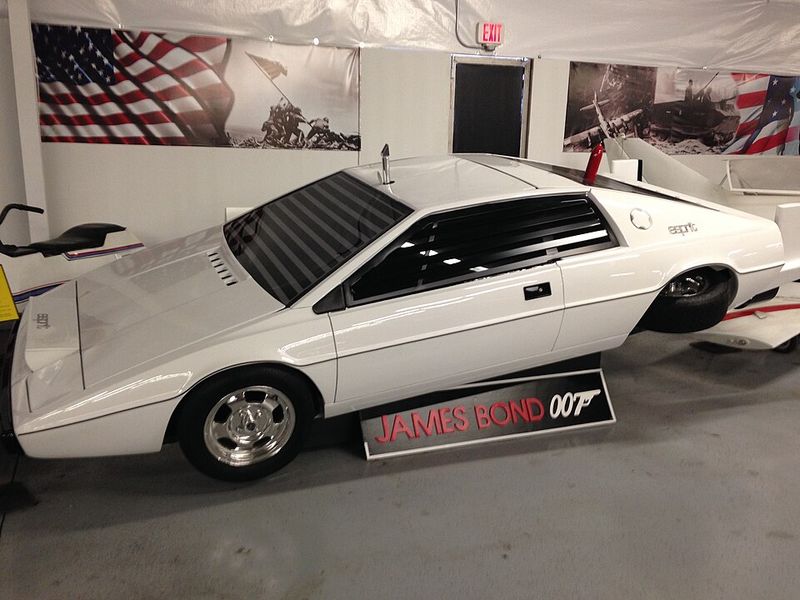
Roger Moore’s third turn as James Bond delivered one of the franchise’s most entertaining and polished adventures. The Spy Who Loved Me sent 007 across Egypt, Sardinia, and deep underwater, pairing him with a Soviet agent who matched his every move.
Audiences were not used to seeing Bond genuinely challenged by an equal.
The villain named Jaws, a towering figure capable of biting through steel, became an instant pop culture icon. The Lotus Esprit that transforms into a submarine remains one of cinema’s most unforgettable gadgets.
Bond films had existed since 1962, but 1977 reminded everyone exactly why the franchise refused to quit.
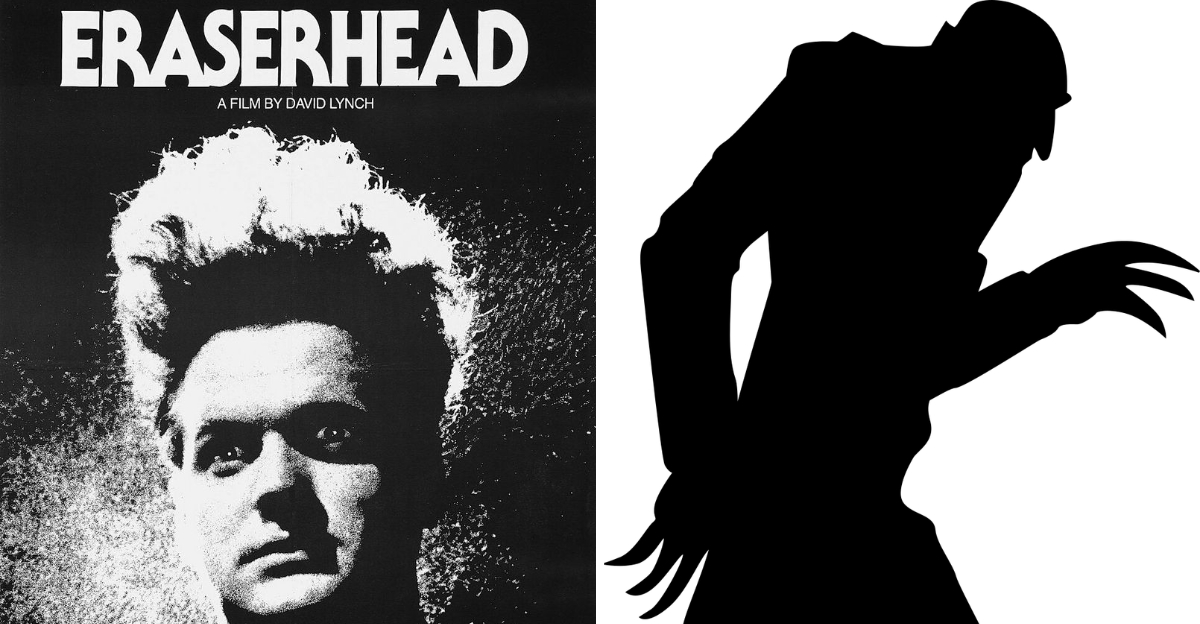
5. Eraserhead
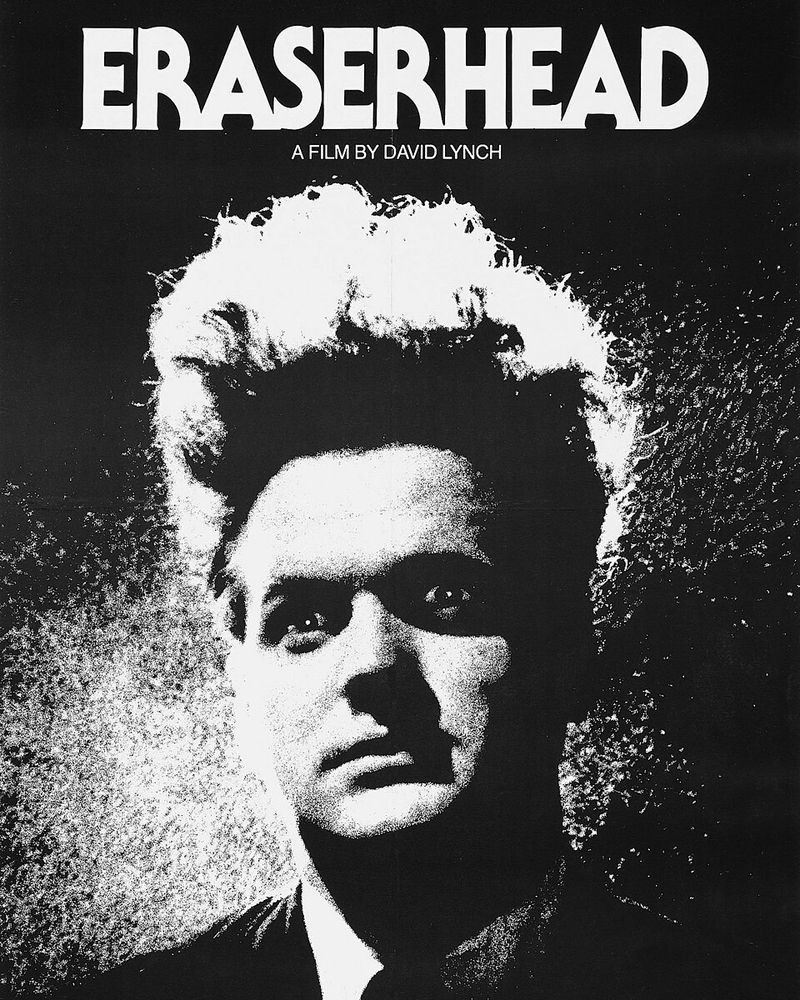
David Lynch arrived in 1977 and immediately made everyone uncomfortable in the most fascinating way possible. Eraserhead was shot over five years on a shoestring budget, largely on the grounds of the American Film Institute.
It created a world so strange and unsettling that audiences genuinely did not know how to process what hit them.
Stanley Kubrick reportedly screened it for his cast and crew before filming The Shining as inspiration. How many debut films can claim that kind of influence?
Lynch never explained the film’s meaning publicly, letting viewers wrestle endlessly.
Eraserhead proved experimental filmmaking could haunt people long after the credits rolled.
6. A Bridge Too Far
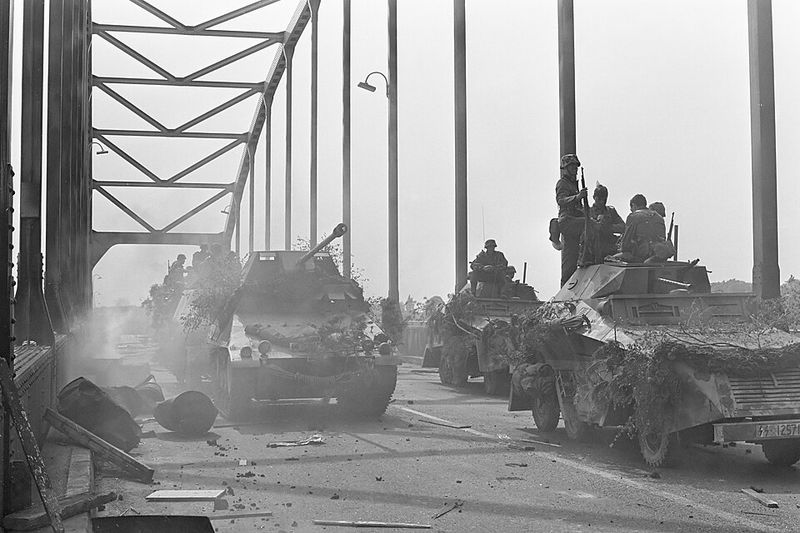
Based on Cornelius Ryan’s nonfiction book, A Bridge Too Far reconstructed one of World War II’s most ambitious and ultimately failed operations. Operation Market Garden in 1944 aimed to end the war by Christmas through a daring airborne assault across Dutch bridges.
Director Richard Attenborough assembled an astonishing ensemble cast to tell the story.
Sean Connery, Michael Caine, Anthony Hopkins, Robert Redford, and Gene Hackman all appeared, making the film feel like a Hollywood reunion crossed with a history lesson. At nearly three hours long, it demanded patience but rewarded viewers handsomely.
War films rarely balanced spectacle and sobering historical accuracy so carefully.
7. Smokey and the Bandit
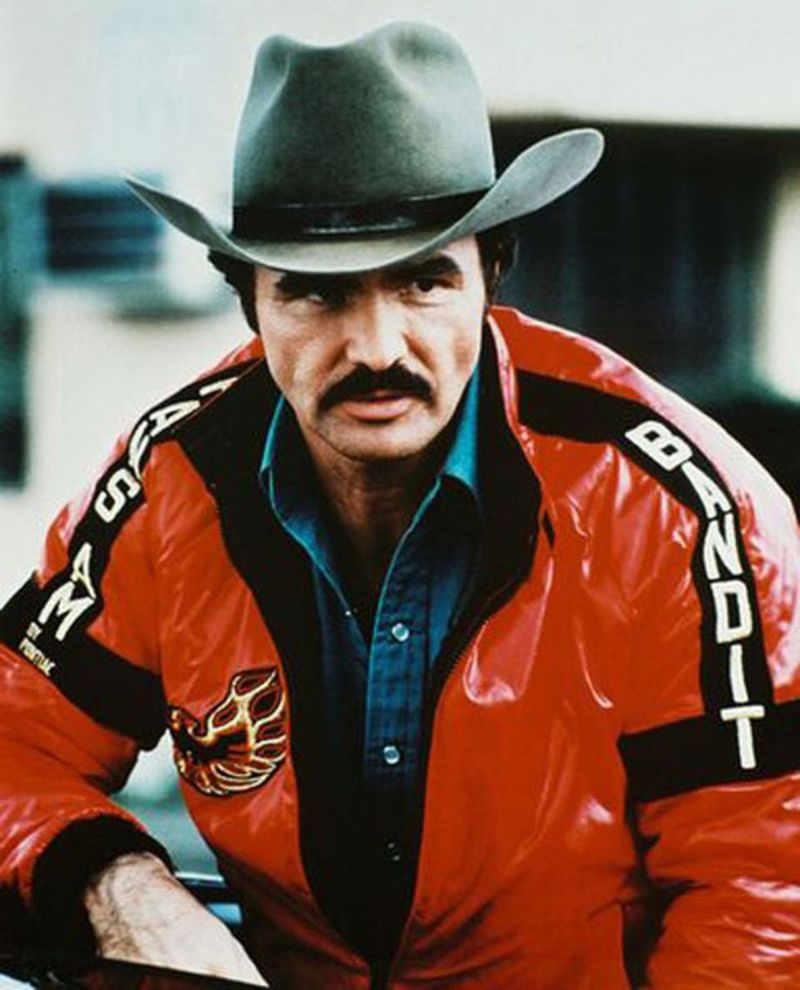
Pure, unfiltered fun arrived in theaters courtesy of Burt Reynolds, a black Pontiac Trans Am, and one very determined sheriff. Smokey and the Bandit followed a bootlegger hired to haul a truckload of beer across state lines while outrunning a hilariously relentless lawman named Buford T.
Justice. Logic was optional.
Entertainment was guaranteed.
Reynolds was at the height of his charisma, flashing that famous grin through every chase sequence. The film actually outgrossed Star Wars in some markets during its opening run, which surprised nearly everyone in Hollywood.
CB radio culture exploded in popularity afterward.
Sometimes a movie does not need to be deep to be genuinely iconic.