15 Iconic Singer-Guitarist Partnerships In Music History
Music’s most unforgettable moments often come from partnerships, when a singer and guitarist lock in and suddenly everything sounds bigger.
On stage, that connection can spark lightning, turning riffs and vocals into performances fans remember for life.
These legendary duos helped shape rock, pop, and alternative music through rare chemistry and songs that changed the sound of their eras.
Disclaimer: Information below is provided for general informational and entertainment purposes and draws on widely reported music history, public songwriting credits, and biographical details.
Selections reflect editorial judgment, so the list is subjective, and credits or timelines can differ across editions and territories, so please confirm key details using official releases or label documentation before publication.
1. Mick Jagger + Keith Richards (The Rolling Stones)
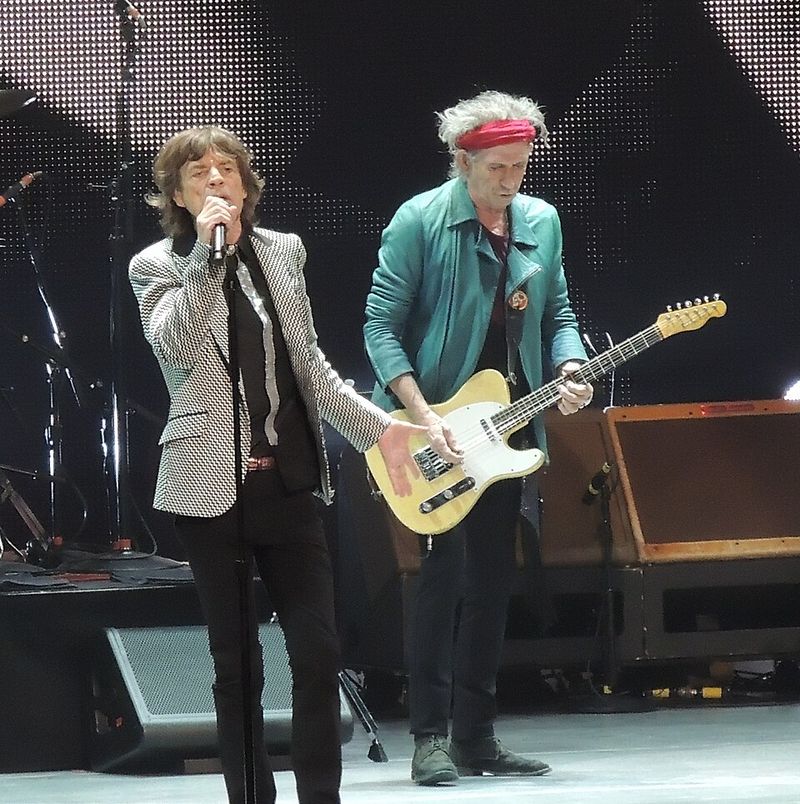
When the Stones first started jamming together in London, nobody could have predicted they would become one of rock’s most enduring singer-guitar partnerships. Jagger’s electrifying stage presence combined with Richards’ gritty guitar riffs created a sound that defined rock and roll rebellion.
Their songwriting chemistry produced timeless hits like “Satisfaction” and “Paint It Black.”
Over six decades later, they’re still touring stadiums and proving that true musical magic never fades.
Honestly, catching one of their shows feels like witnessing rock history come alive right before your eyes.
2. Robert Plant + Jimmy Page (Led Zeppelin)
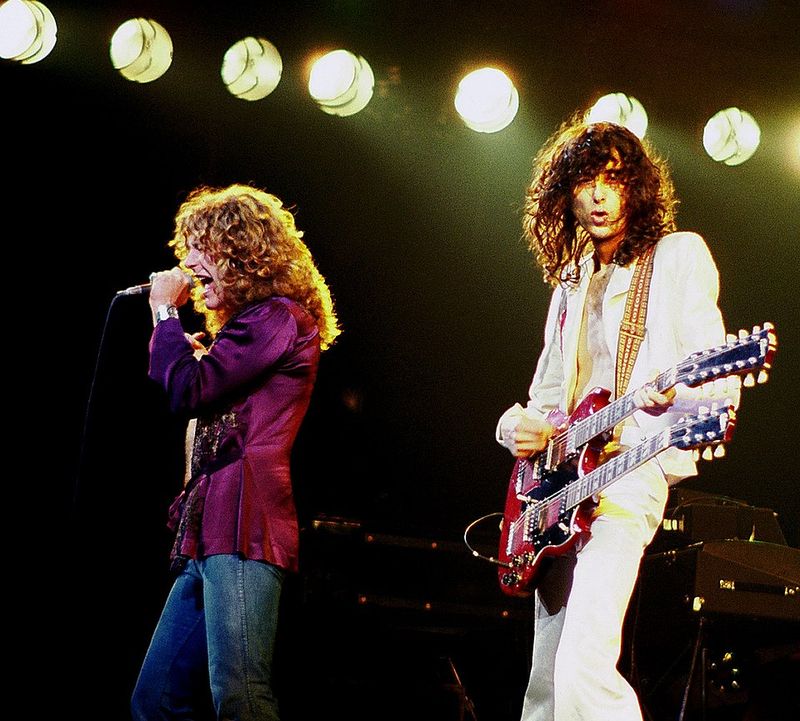
Powerful wails from a man named Robert Plant soar over the intricate guitar work of Jimmy Page to create a sound few voices in rock history can match.
Mystical and heavy transformations of blues rock occurred through this partnership, resulting in anthems that continue to dominate classic rock radio today. Legendary compositions like “Stairway to Heaven” showcase how perfectly these unique vocals complement soaring guitar solos.
Perhaps this enduring legacy explains why every aspiring band still tries to capture that specific epic sound and raw energy.
3. Freddie Mercury + Brian May (Queen)
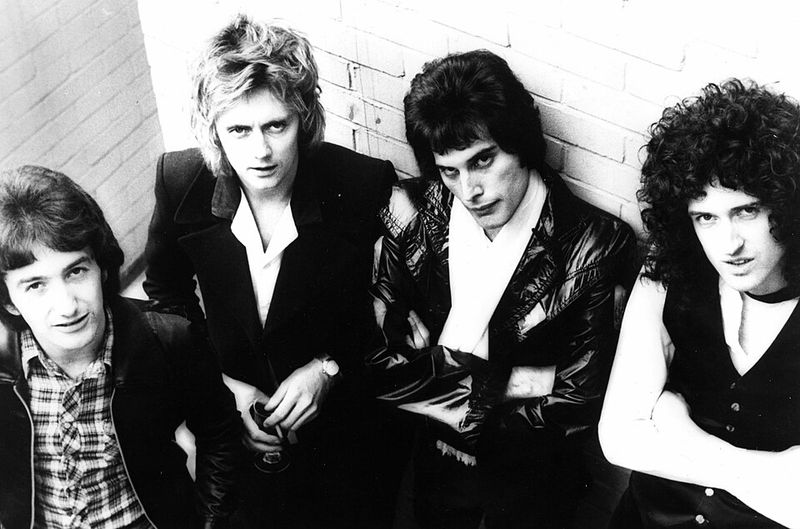
Mercury possessed one of the most versatile voices in music history, capable of everything from operatic highs to rock growls.
May built his own electric guitar from scratch and developed a signature tone that perfectly matched Mercury’s theatrical style.
Together they crafted stadium anthems like “We Will Rock You” and “Bohemian Rhapsody” that continue inspiring new generations. Their live performances at venues like Live Aid became legendary moments in rock history.
Surprisingly, May’s guitar solos often served as conversations with Mercury’s vocal melodies rather than just background noise.
4. Bono + The Edge (U2)
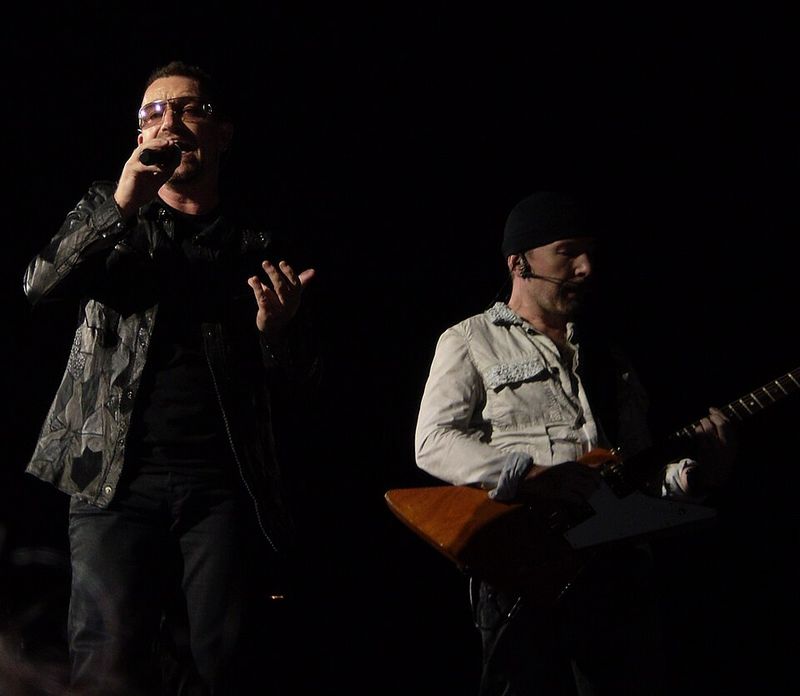
Bono’s passionate vocals and activist spirit merged with The Edge’s innovative guitar effects to create U2’s distinctive sound. The Edge pioneered using delay and echo pedals in ways that made his guitar sing alongside Bono’s voice.
Anthems like “Where the Streets Have No Name” that combine social knowledge with stadium-sized passion are the result of their collaboration.
Decades into their career, they remain one of the biggest touring acts worldwide.
Ideally, their music reminds us that rock can inspire change while still making us want to dance.
5. Steven Tyler + Joe Perry (Aerosmith)
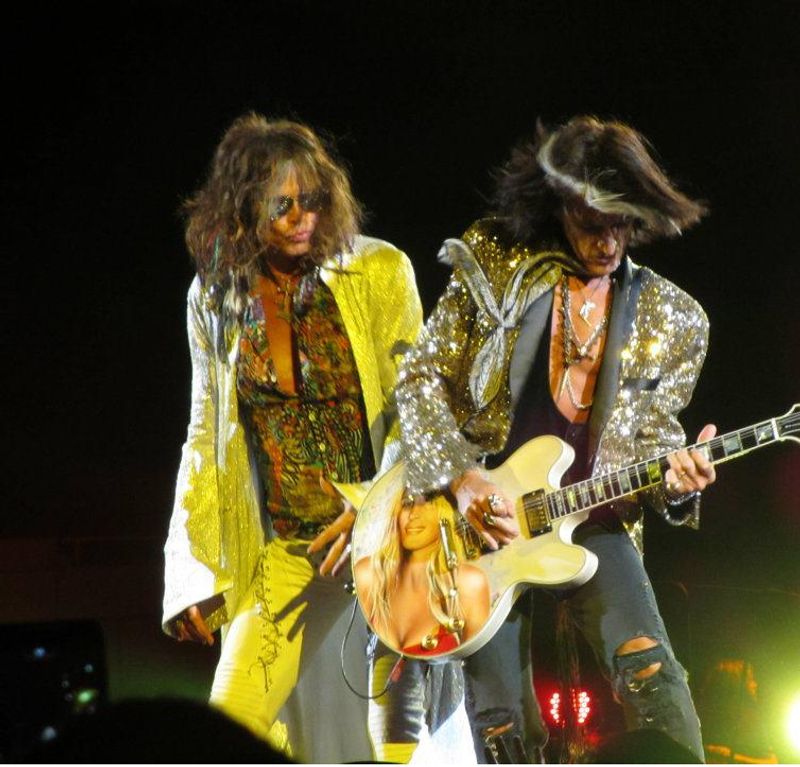
Raspy howls and wild stage antics from a man named Steven Tyler found the perfect match in the bluesy guitar licks of Joe Perry. Known for volatile chemistry and headline-making ups and downs, their music kept finding its way back to center stage.
Collaboration on massive hits like “Dream On” and “Walk This Way” defined the sound of hard rock for multiple generations of listeners.
Gritty riffs provided the perfect foundation for acrobatic vocals and signature harmonica solos throughout their long career.
6. Roger Daltrey + Pete Townshend (The Who)
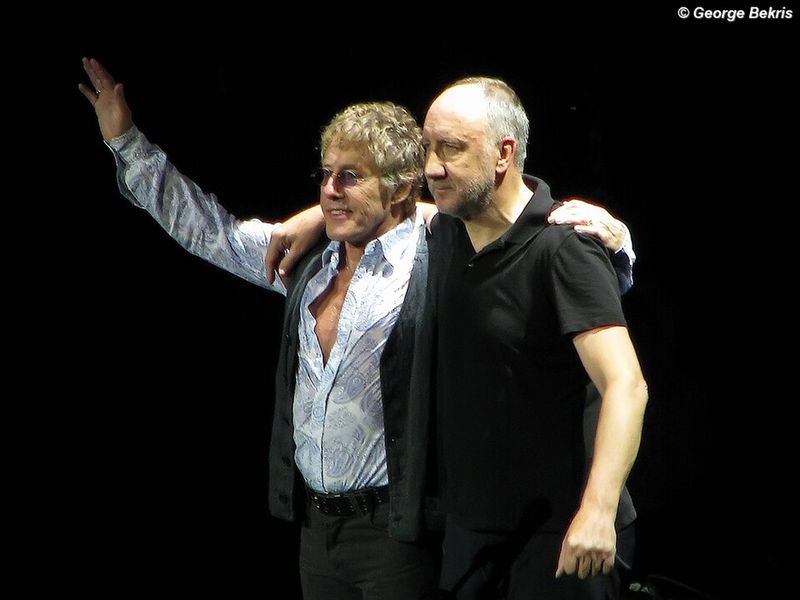
Daltrey’s powerful voice brought Townshend’s complex, rebellious songs to life with raw energy and emotion.
Townshend’s windmill guitar style and aggressive power chords created the blueprint for punk rock decades before it existed.
Their rock opera “Tommy” showed how ambitious a singer-guitarist partnership could be when pushing musical boundaries. Daltrey’s ability to convey Townshend’s introspective lyrics with gut-level intensity made The Who unforgettable.
Actually, their onstage tension and creative disagreements often fueled their most explosive performances.
7. Morrissey + Johnny Marr (The Smiths)
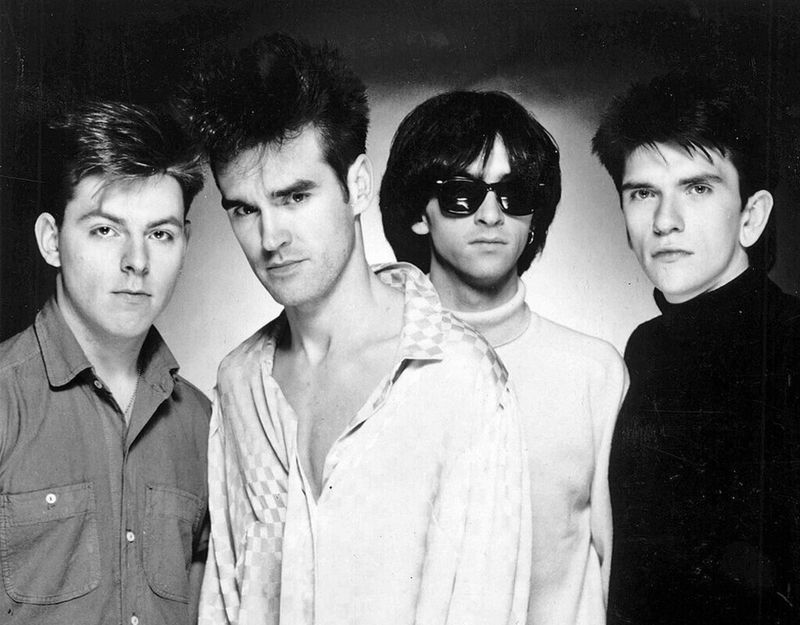
Melancholic lyrics and a distinctive crooning voice from a man named Morrissey paired beautifully with the jangly, melodic guitar work of Johnny Marr. Groundbreaking albums were produced during a partnership that lasted only five years yet influenced countless alternative bands.
Shimmering guitar lines created bright musical landscapes that contrasted perfectly with darkly witty observations about life and love.
Messy breakup details aside, this brief collaboration remains one of the most treasured and influential partnerships in the history of indie rock.
8. David Bowie + Mick Ronson (Spiders From Mars era)
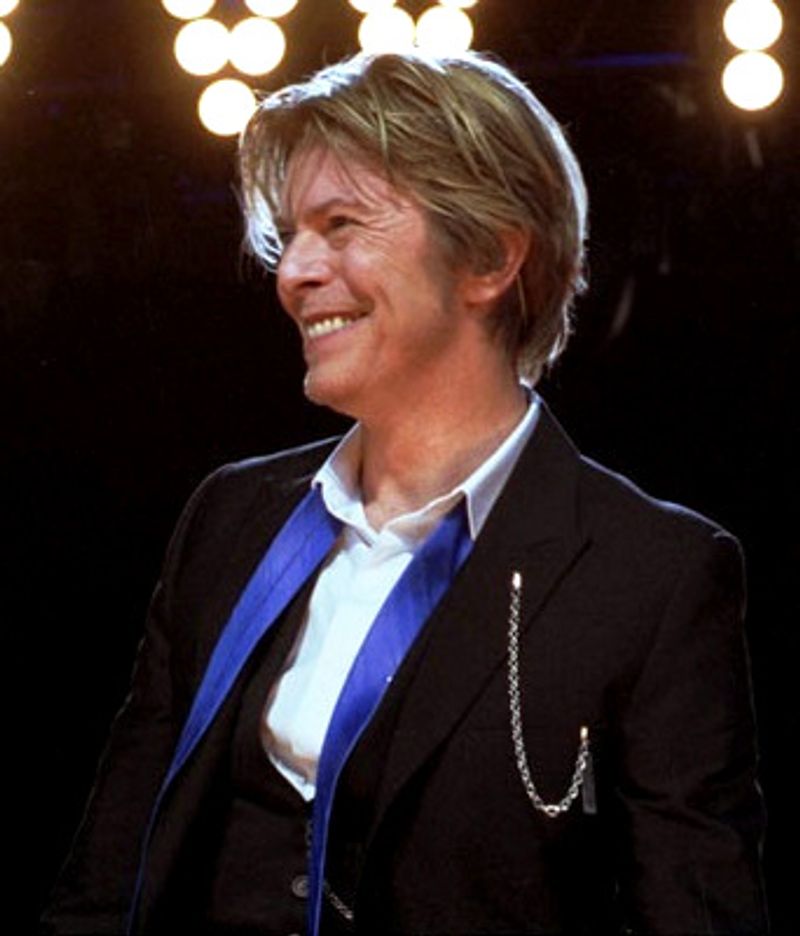
Bowie’s theatrical genius found its musical soulmate in Ronson’s explosive guitar playing during the Ziggy Stardust years.
Ronson’s arrangements and guitar work transformed Bowie’s glam rock vision into sonic reality on classics like “Moonage Daydream.” The guitarist’s ability to shift from delicate acoustic passages to searing electric solos gave Bowie’s chameleonic persona the perfect musical voice.
Their onstage chemistry included moments where Bowie would kneel before Ronson during guitar solos, creating iconic rock imagery.
Essentially, Ronson’s contributions made Bowie’s most famous era possible.
9. Tom Petty + Mike Campbell (Tom Petty And The Heartbreakers)
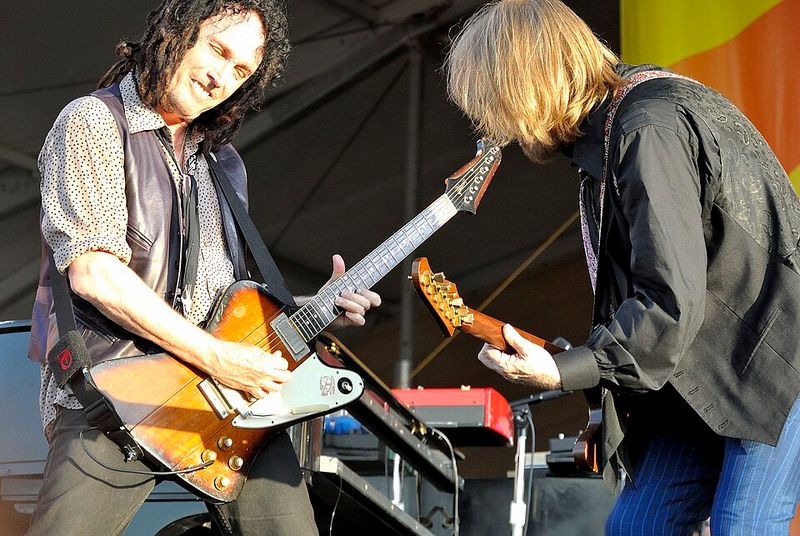
Plainspoken vocals landed cleanly because the guitar work stayed melodic and purposeful throughout every recording session. Collaborative efforts between a man named Tom Petty and his lead guitarist Mike Campbell produced legendary songs including “Refugee” and “Runnin’ Down a Dream.”
Memorable riffs and intricate leads shaped the musical identity of staple tracks like “American Girl” for decades. Partnership strength came from a shared philosophy of serving the song first during every creative collaboration.
Professional bonds built on mutual respect allowed the band to maintain a consistent and high-quality sound that defined American rock.
10. Bob Dylan + Robbie Robertson (The Band era)
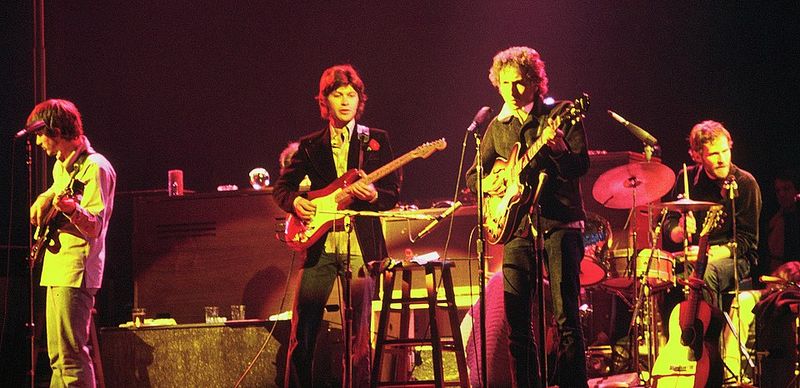
When Dylan went electric and faced booing crowds, Robertson’s guitar stood beside him through the controversy.
Robertson’s versatile guitar work helped Dylan transition from acoustic folk troubadour to electric rock pioneer on groundbreaking tours.
Their collaboration during the 1960s and the 1974 reunion tour created some of the most influential live performances in rock history. Robertson’s ability to match Dylan’s unpredictable vocal phrasing with equally spontaneous guitar lines made their performances electric.
Later, their reunion showed that great partnerships can survive years apart and still create magic.
11. Tina Turner + Ike Turner (Ike & Tina Turner Revue Era)
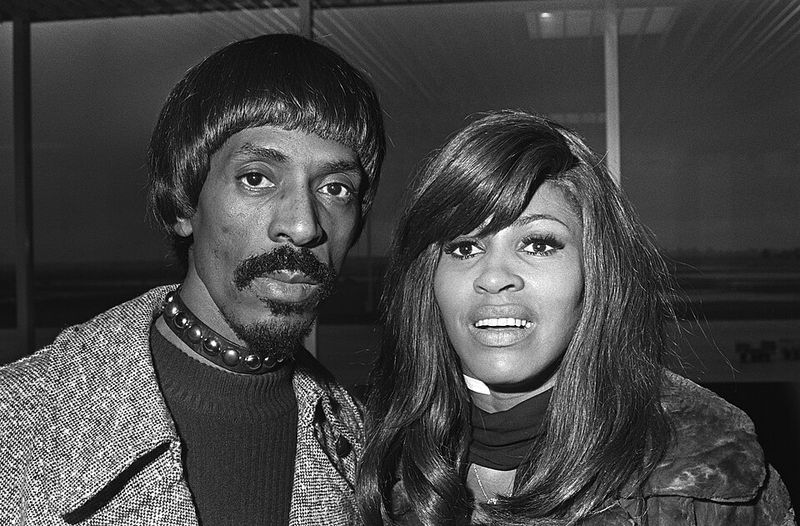
Before Tina became a solo superstar, her powerhouse vocals were matched by Ike’s innovative guitar playing and production skills.
Ike’s guitar work on tracks like “Proud Mary” created the rhythmic foundation for Tina’s explosive vocal performances.
For decades, soul, rock, and R&B were impacted by the thrilling performances that resulted from their musical collaboration. Despite having a difficult personal relationship, their musical synergy produced memorable live and recorded moments.
Tina’s eventual solo success showed her incredible talent, but their musical partnership remains historically significant.
12. Paul McCartney + George Harrison (The Beatles)

While Lennon and McCartney got most of the songwriting credit, Paul’s bass-playing vocals and George’s lead guitar created Beatles magic together.
Harrison’s guitar contributions to McCartney songs like “Drive My Car” and “Paperback Writer” gave Paul’s melodic sensibilities the ideal rock edge. Songs like “Two of Us” included vocal harmonies that revealed a distinct aspect of the Beatles’ camaraderie.
George’s understated guitar style complemented rather than competed with Paul’s bass lines and vocals.
Perhaps their musical conversations taught us that great partnerships don’t always need to be loud.
13. John Lennon + George Harrison (The Beatles)
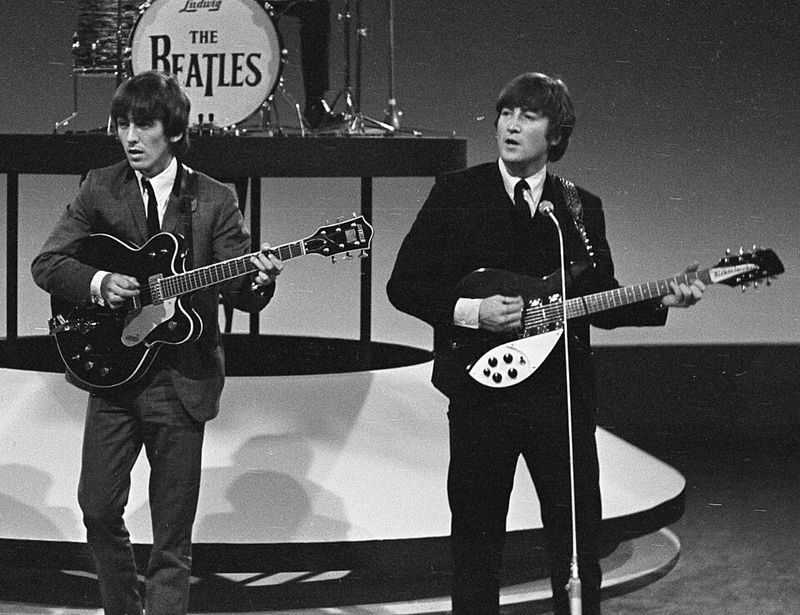
Lennon’s edgy vocals and rhythm guitar combined with Harrison’s evolving lead guitar style to create some of the Beatles’ most innovative sounds.
Harrison’s slide guitar on Lennon compositions like “I Want You (She’s So Heavy)” added psychedelic textures that pushed rock boundaries.
Their friendship and musical respect grew deeper as the Beatles progressed, with George’s guitar becoming more prominent on John’s later Beatles tracks. Harrison’s Indian music influences also inspired Lennon’s own experimental tendencies.
Traditionally, John gave George more solo space than Paul did, recognizing his growing talents.
14. Anthony Kiedis + John Frusciante (Red Hot Chili Peppers)
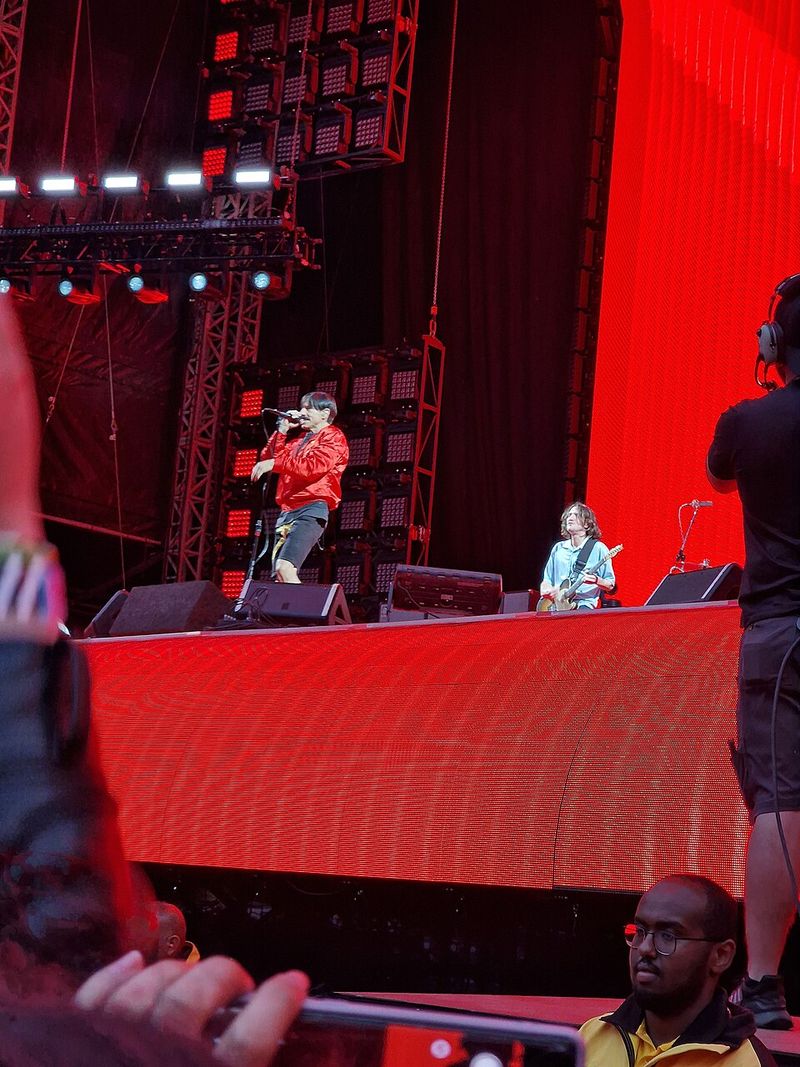
Distinctive vocal cadences locked into guitar parts that could shift from minimal textures to soaring melodies within a single track.
Phrasing from a guitarist named John Frusciante often carried immense emotion in the silent gaps between sung lines. Massive hits worked because rhythm, melody, and dynamics stayed perfectly balanced throughout the entire composition.
Partnership peaks occur when musical restraint turns into a powerful lift at exactly the right moment for the listener. Creative synergy allows these individual elements to blend into a unified sound that defines modern alternative rock.
15. Liam Gallagher + Noel Gallagher (Oasis)
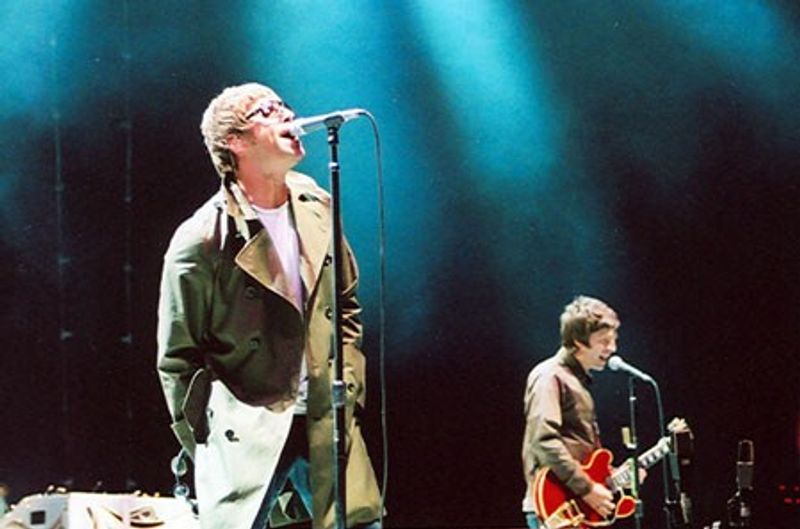
Liam’s sneering, powerful vocals brought his brother Noel’s Beatles-influenced guitar anthems to life with working-class attitude.
Noel wrote the songs and played lead guitar while Liam’s distinctive voice made tracks like “Wonderwall” and “Don’t Look Back in Anger” generational anthems.
Their sibling rivalry became as famous as their music, with onstage and offstage feuds making headlines for decades. Despite constant fighting, their musical chemistry made Oasis the biggest British band of the 1990s.
Absolutely, their eventual breakup proved that some partnerships are too combustible to last forever.