14 Most Iconic Western Villains Ever Put On Screen
Dusty towns, wide-open frontiers, and tense showdowns at high noon set the stage for some of cinema’s most unforgettable bad guys.
Western villains don’t just oppose the hero, they often represent greed, lawlessness, or pure intimidation in its most dramatic form.
Some are ruthless outlaws, others hide behind power or wealth, yet all leave a lasting mark on the genre.
Disclaimer: This list reflects editorial opinion and genre perspective, not definitive fact or universal consensus about the most iconic Western villains.
1. Frank (Once Upon a Time in the West, 1968)
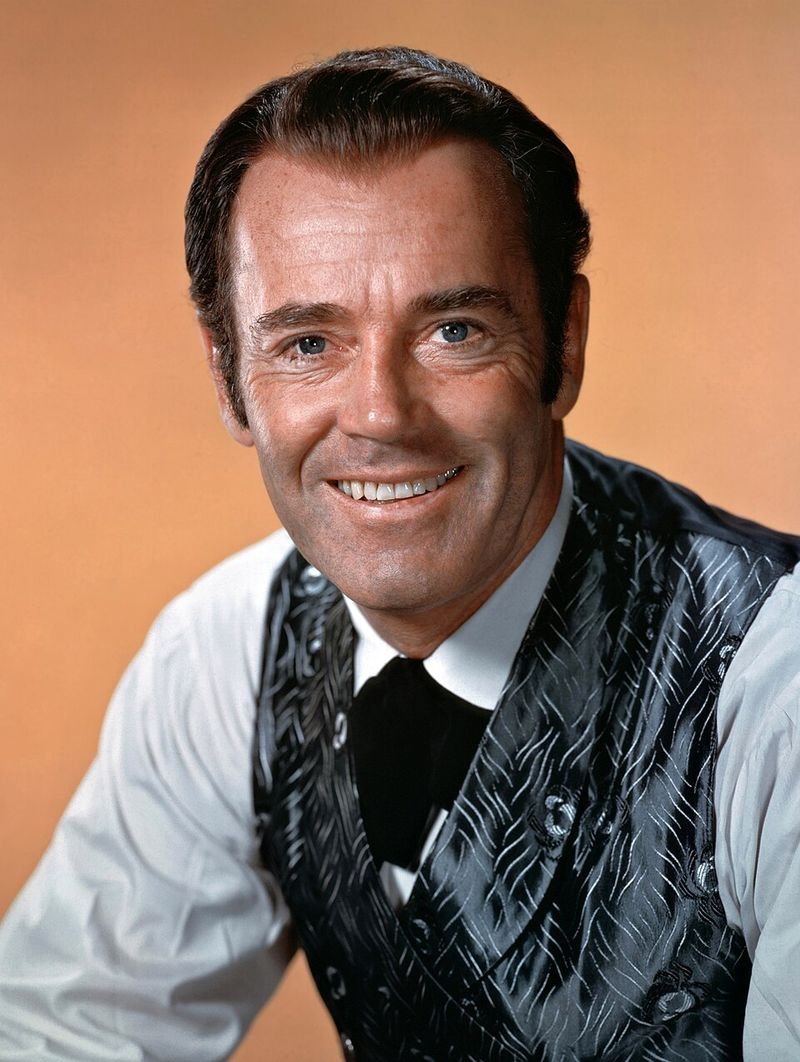
Playing a villain was a total 180 for Henry Fonda, who usually starred as the good guy.
His portrayal of Frank shocked audiences when he gunned down an entire family, including children, just to grab their land for a railroad tycoon.
Cold as ice and twice as deadly, Frank operates without a shred of remorse. His chilling presence and betrayal of expectations made this one of cinema’s most unforgettable heel turns.
2. Angel Eyes, also known as Sentenza (The Good, the Bad and the Ugly, 1966)
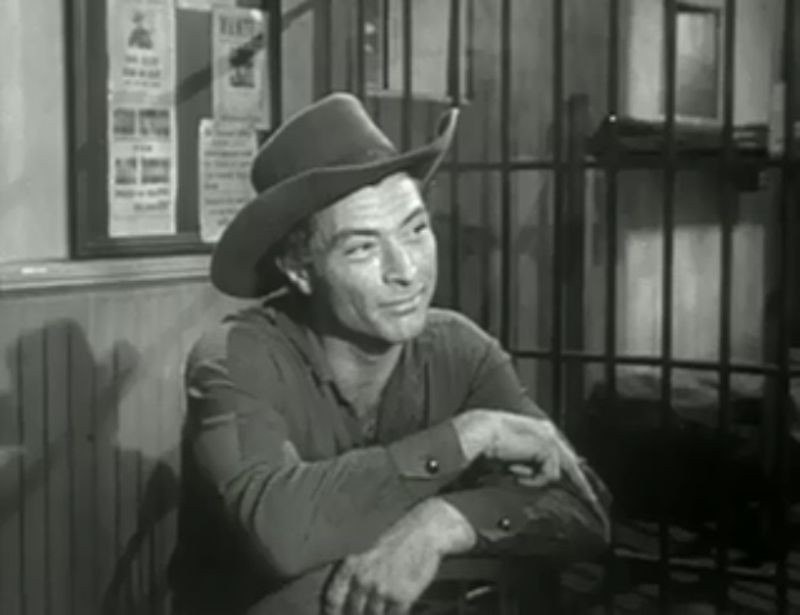
Greed drives this ruthless mercenary through every treacherous decision he makes. Lee Van Cleef brought Angel Eyes to life with a stone-cold stare that could freeze a rattlesnake mid-strike.
Betrayal comes naturally to him, and loyalty means nothing when gold is on the line. His personal code justifies murder and deception, making him one of the most calculating villains ever.
3. Liberty Valance (The Man Who Shot Liberty Valance, 1962)
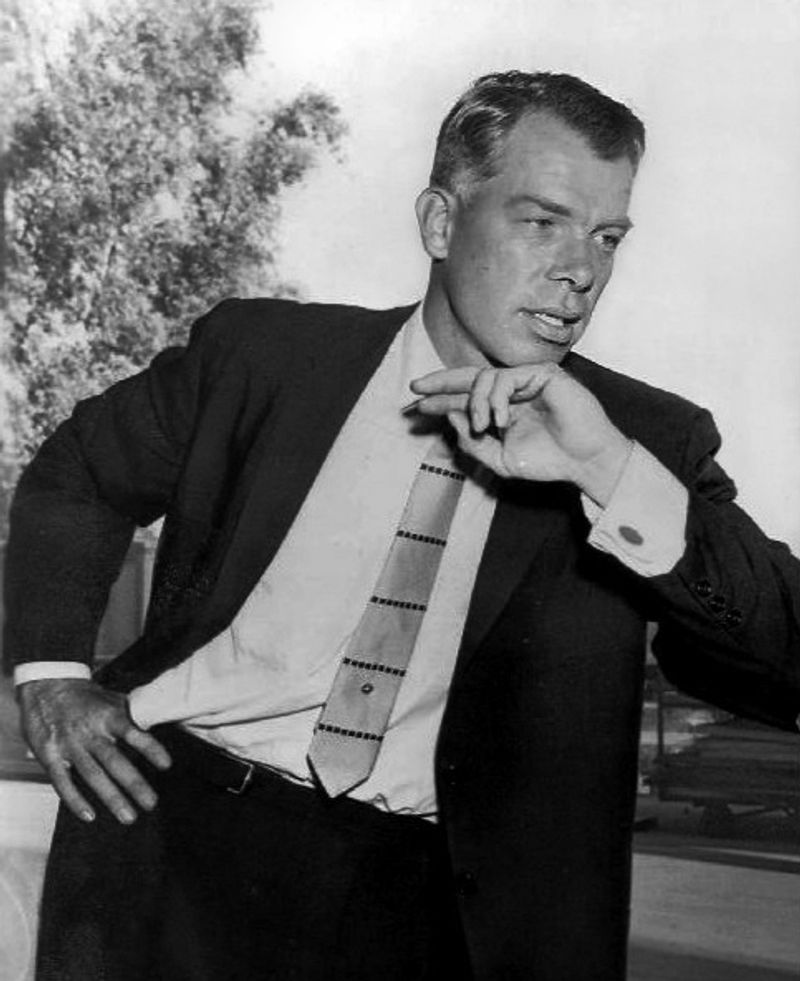
Shinbone’s worst nightmare came in the form of Liberty Valance, a brutal outlaw who terrorized anyone who dared stand up to him.
Lee Marvin played him with such raw violence that you could feel the fear rippling through the town.
Authority meant nothing to this lawless thug who ruled through intimidation and fists. His reign of terror became the catalyst for one of cinema’s greatest moral dilemmas.
4. Jack Wilson (Shane, 1953)
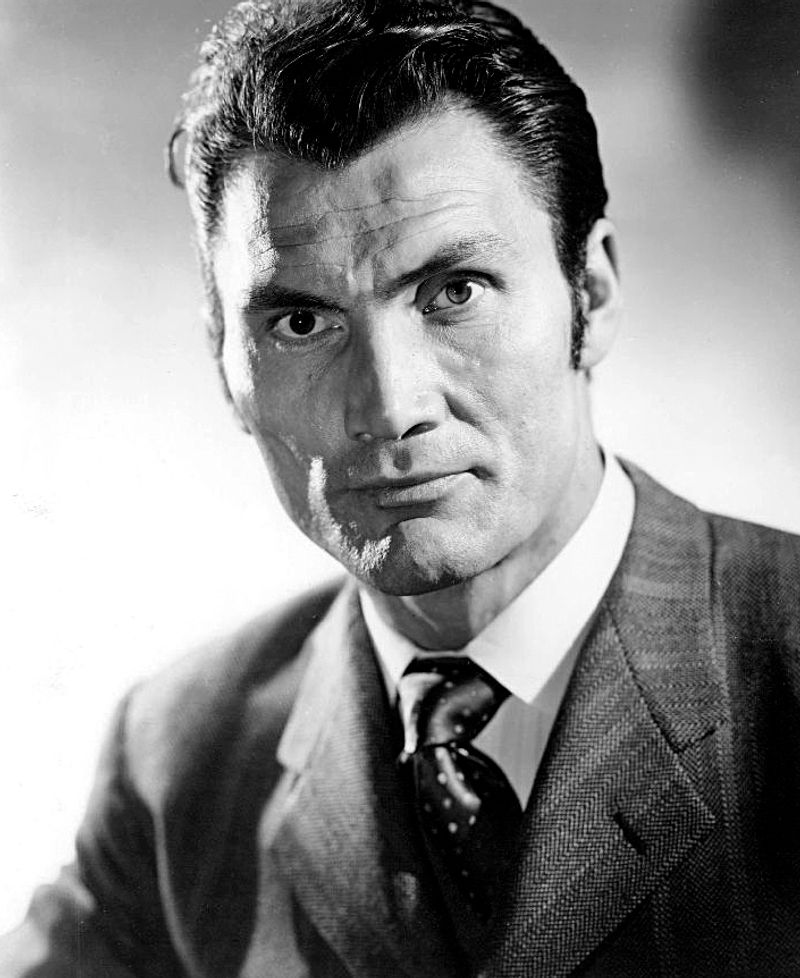
Hired guns don’t get much scarier than Jack Wilson, a professional killer who dresses in black and shoots faster than lightning.
Jack Palance made this character absolutely terrifying with minimal dialogue and maximum menace.
Wilson takes pride in his deadly craft, treating murder like an art form. His showdown with Shane remains one of the most iconic gunfights in Western history, cementing his place among cinema’s elite villains.
5. Calvera (The Magnificent Seven, 1960)
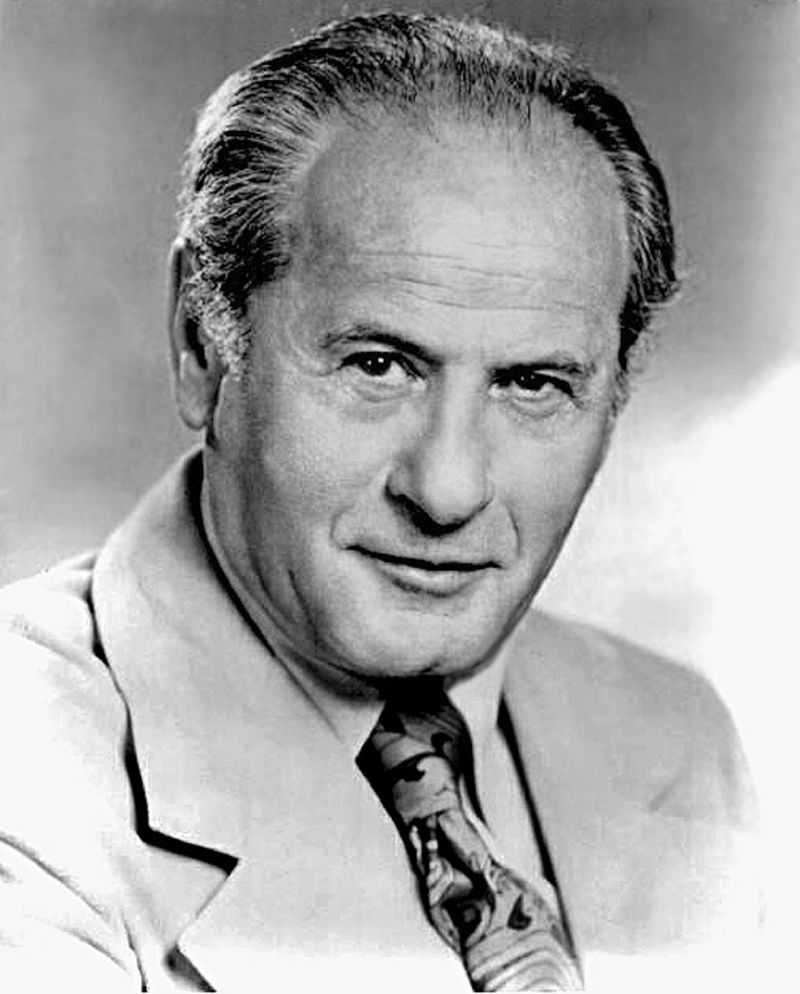
Bandit leaders rarely show the charisma that Eli Wallach brought to Calvera, a thief who bleeds villages dry without losing his smile.
Stealing food and supplies from desperate farmers was just business to him, nothing personal.
However, his attitude met its match when seven gunfighters decided enough was enough. Calvera’s mix of charm and cruelty created a villain you almost liked, right up until he threatened innocent lives again.
6. Frank Miller (High Noon, 1952)
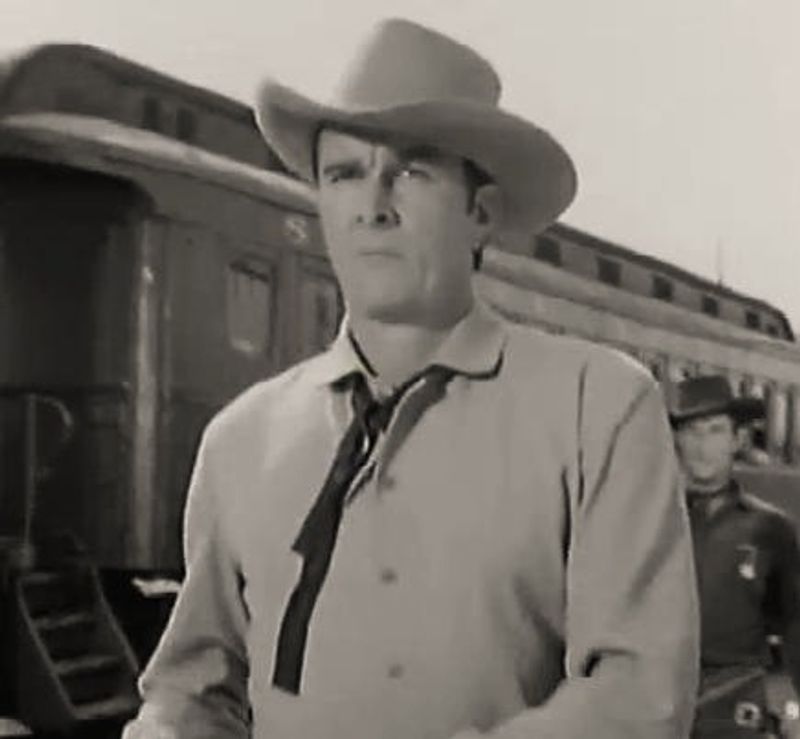
Arriving on the noon train with vengeance in his heart, Frank Miller represented pure evil returning to haunt a peaceful town.
Though we barely see him until the peak, his impending arrival creates unbearable tension throughout the entire film.
His presence alone turns friends into cowards and heroes into isolated targets. The anticipation of his showdown with Marshal Will Kane became a masterclass in building dread.
7. Little Bill Daggett (Unforgiven, 1992)
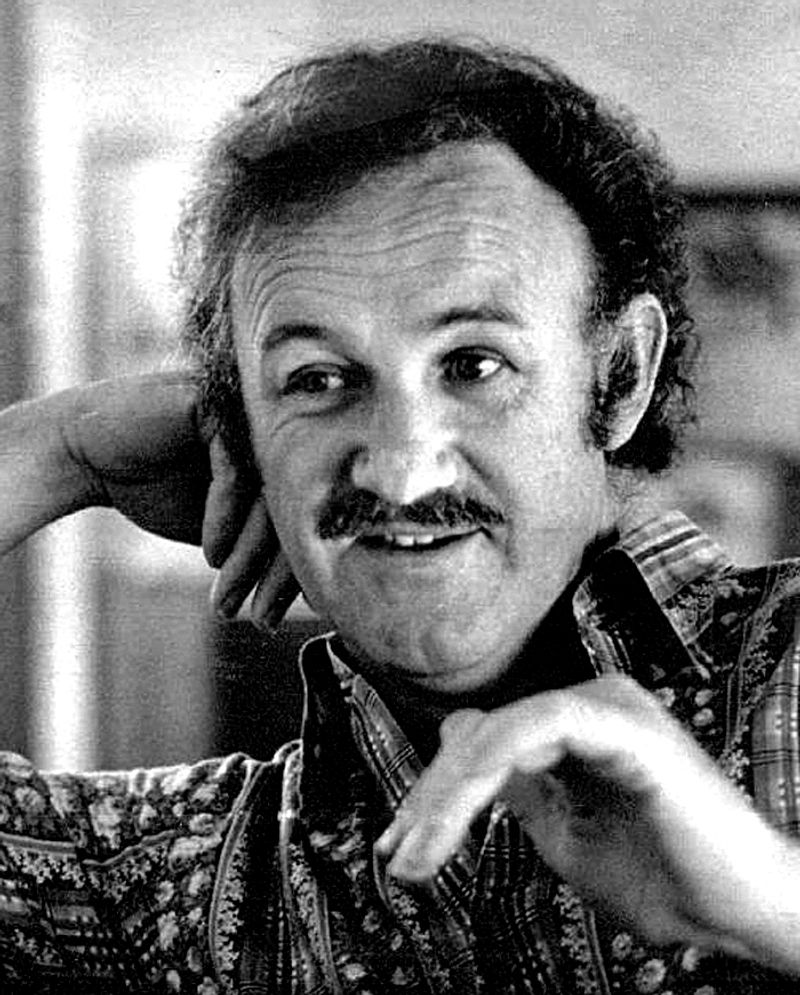
Sheriff badges don’t always mean justice, as Little Bill Daggett proves with brutal efficiency. Gene Hackman won an Oscar for portraying this corrupt lawman who hides tyranny behind a veneer of order.
Torture and intimidation are his favorite tools for keeping Big Whiskey under his thumb.
His twisted sense of righteousness makes him more dangerous than any outlaw, proving that sometimes the badge belongs to the biggest villain of all.
8. Johnny Ringo (Tombstone, 1993)
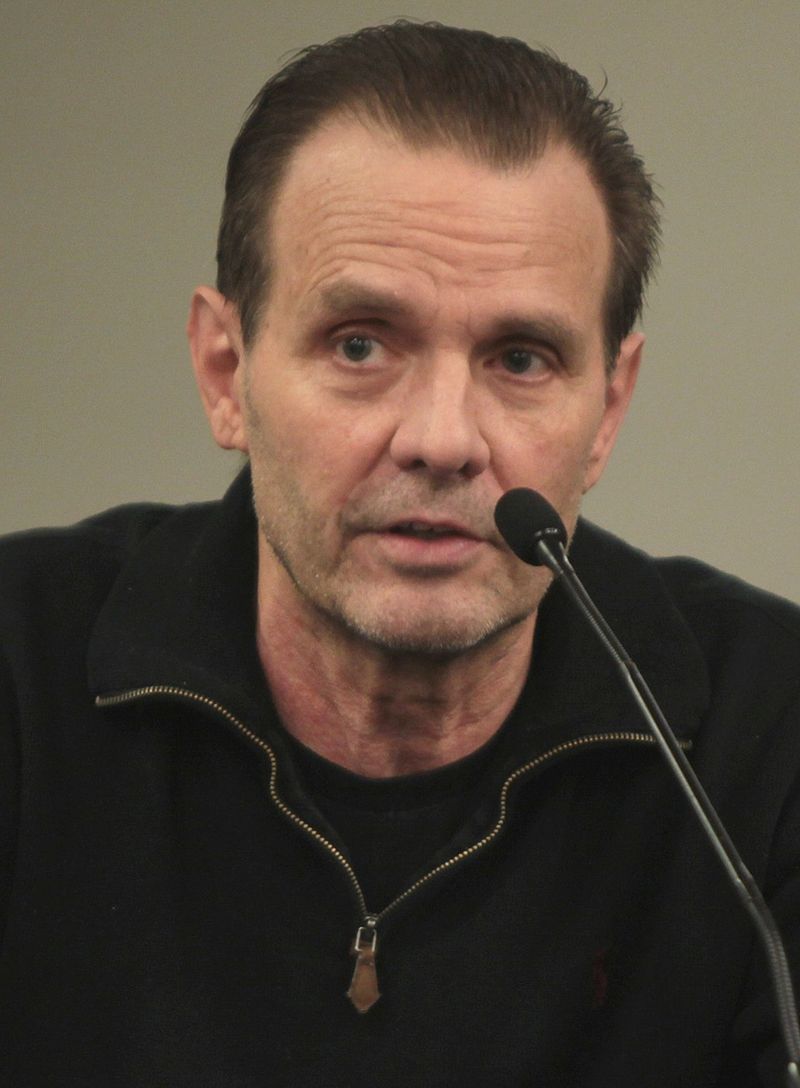
Educated and deadly, Johnny Ringo brought Shakespeare-quoting sophistication to the outlaw life. Michael Biehn portrayed him as Doc Holliday’s intellectual equal, making their rivalry crackle with tension.
Latin phrases rolled off his tongue as smoothly as bullets from his gun. His cultured demeanor masked a soul as dark as midnight, creating a villain who proved brains and brutality make a terrifying combination.
9. Charlie Prince (3:10 to Yuma, 2007)
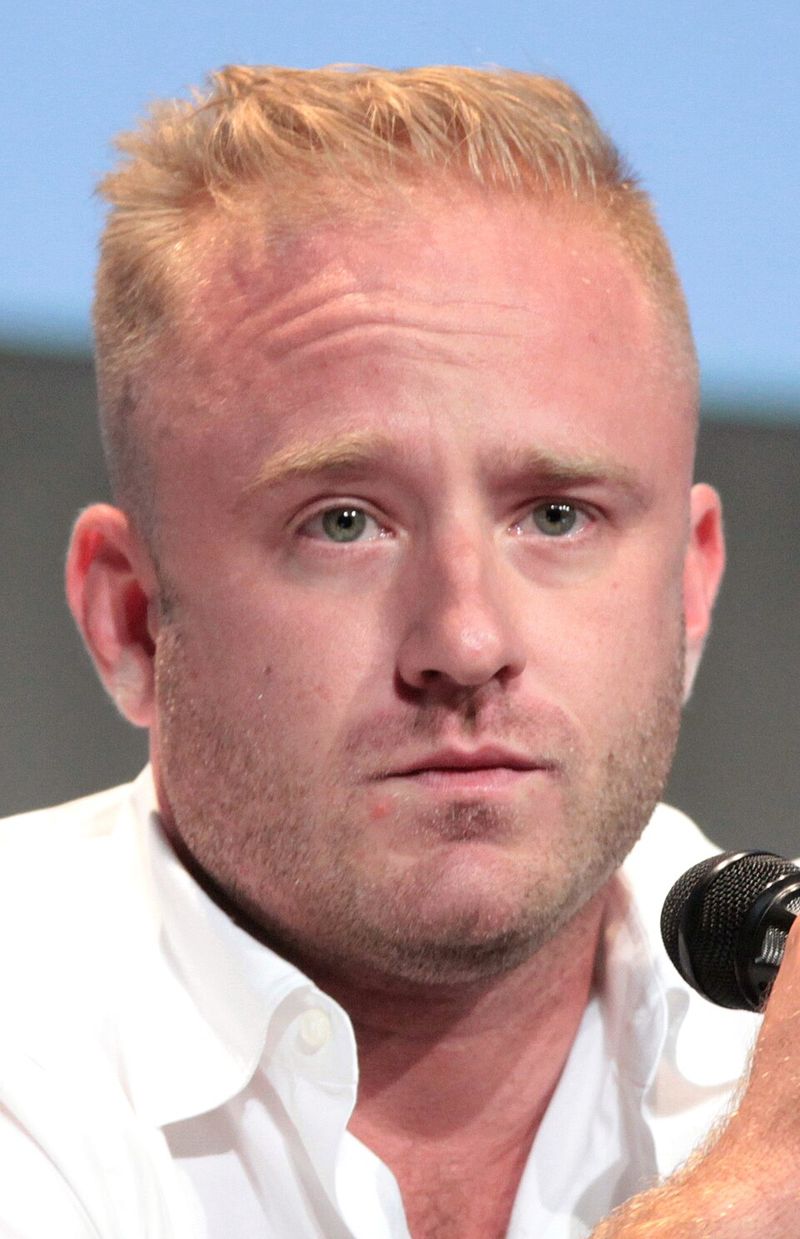
Loyalty to Ben Wade drives Charlie Prince to commit unspeakable acts without hesitation. Ben Foster’s portrayal gave us a villain whose devotion borders on obsession, making him terrifyingly unpredictable.
Quick with a gun and quicker to violence, Charlie eliminates threats before they fully materialize.
His unhinged dedication to his outlaw boss creates a secondary villain who sometimes steals scenes from the main antagonist himself.
10. Ben Wade (3:10 to Yuma, 2007)
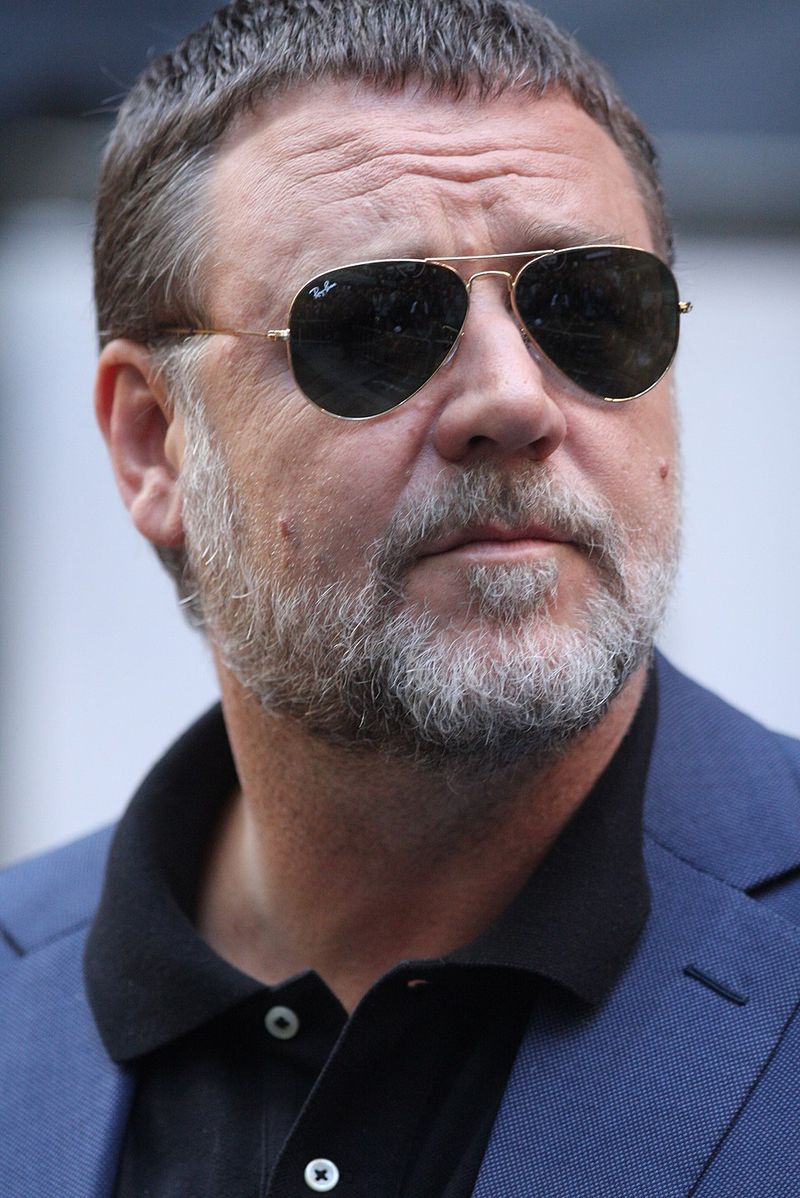
Charm oozes from Ben Wade like honey from a jar, making him dangerously likable despite his criminal resume.
Russell Crowe brought sophistication and wit to this outlaw leader who robs stagecoaches with artistic flair.
Manipulation comes naturally to him, turning captors into admirers with clever words and knowing smiles.
His complex relationship with his captor blurs the line between hero and villain, creating moral ambiguity that haunts viewers long after.
11. Anton Chigurh (No Country for Old Men, 2007)
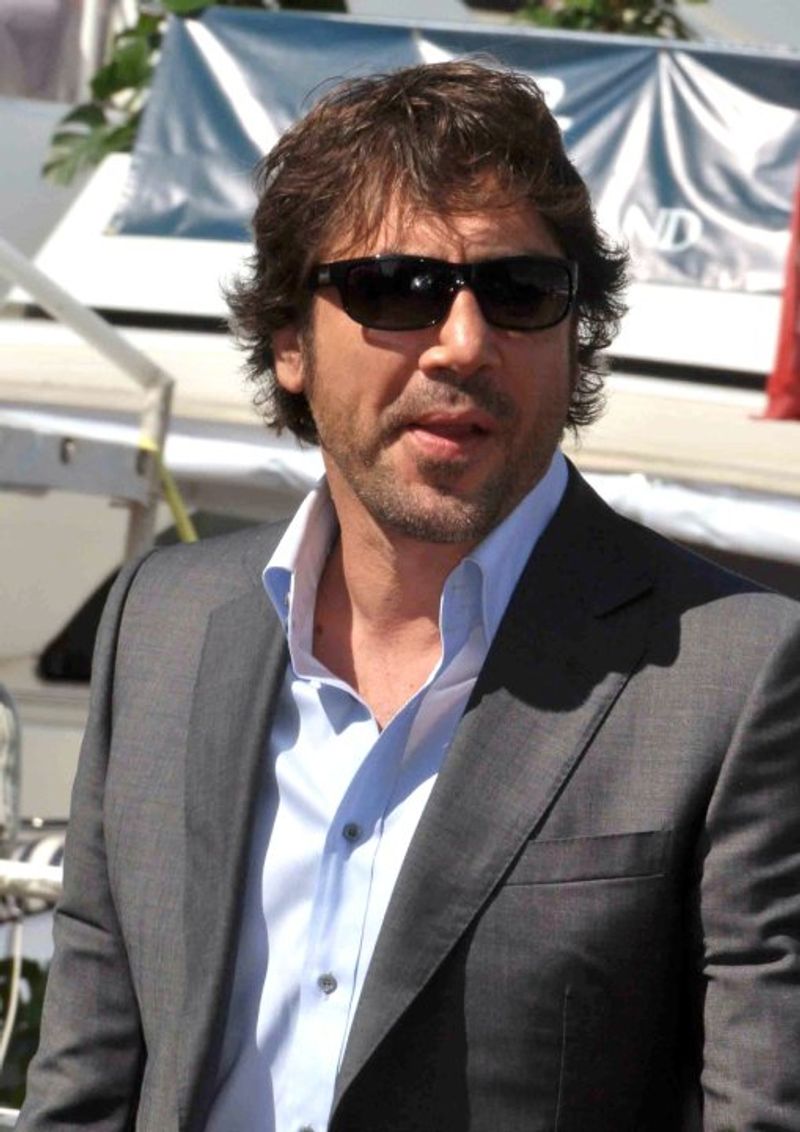
Fate decides who lives and dies when Anton Chigurh flips his coin, making him philosophy’s most terrifying student.
Javier Bardem won an Oscar for creating a hitman whose bizarre haircut became as iconic as his captive bolt pistol.
Relentless as death itself, Chigurh pursues his targets across Texas with mechanical precision.
12. Calvin J. Candie (Django Unchained, 2012)
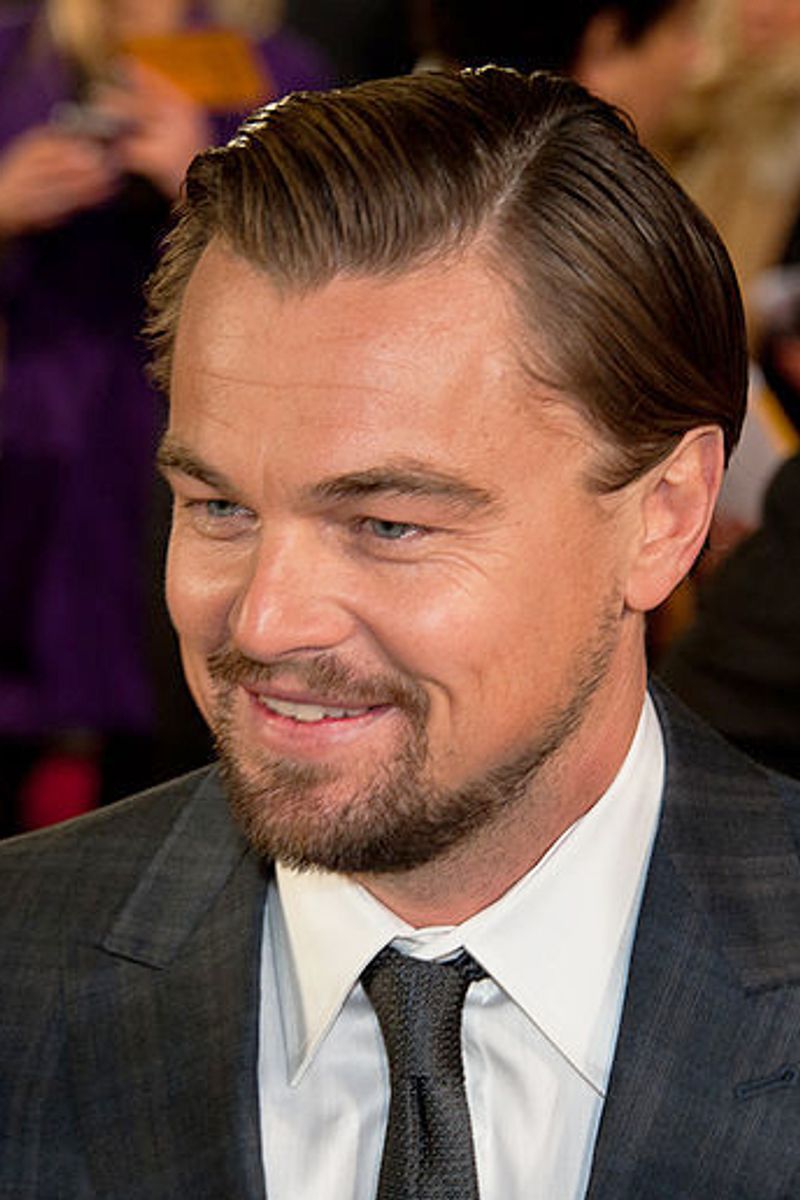
Southern charm masks unspeakable cruelty in Calvin Candie, a plantation owner who treats human beings like fighting dogs.
Leonardo DiCaprio brought disturbing charisma to this villain who represents the absolute worst of antebellum America.
His sophisticated veneer crumbles to reveal a monster whose evil runs bone-deep, making him one of Tarantino’s most despicable creations.
13. Lucky Ned Pepper (True Grit, 1969)
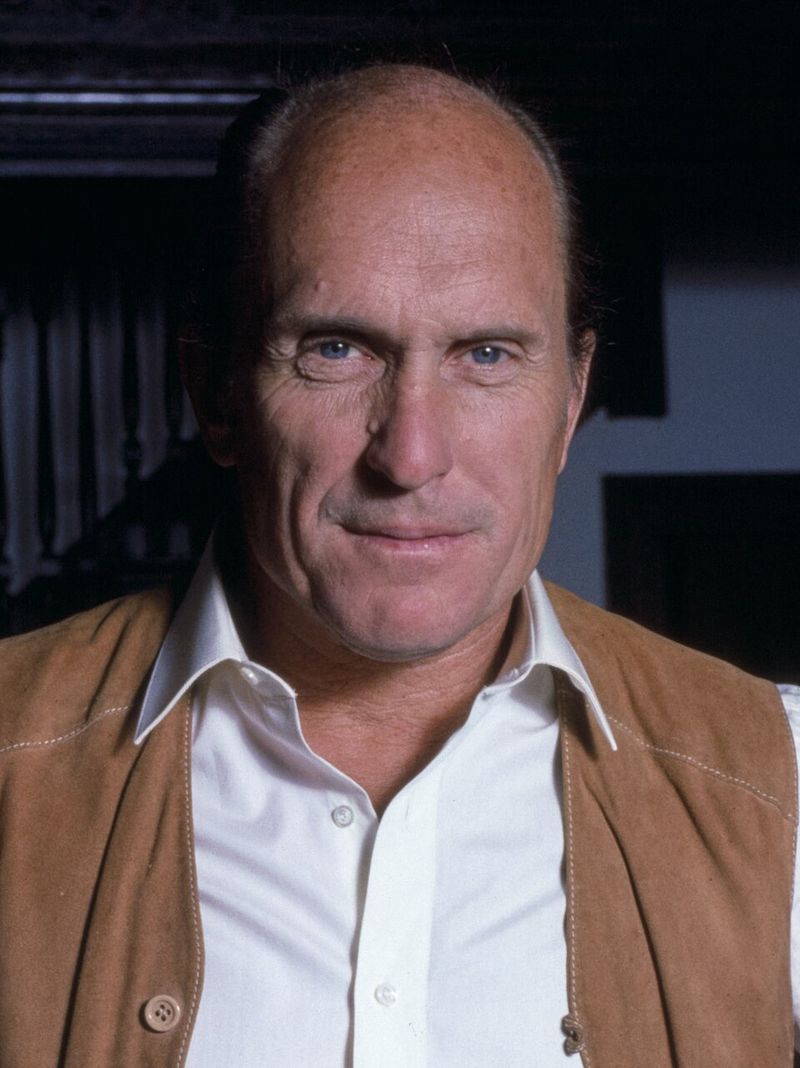
Outlaw gangs need smart leaders, and Lucky Ned Pepper fits that bill perfectly.
Robert Duvall portrayed this calculating criminal who knew when to fight and when to ride away, making him frustratingly elusive.
His showdown with Rooster Cogburn became legendary, featuring one of cinema’s most iconic charges.
14. Tom Chaney (True Grit, 2010)
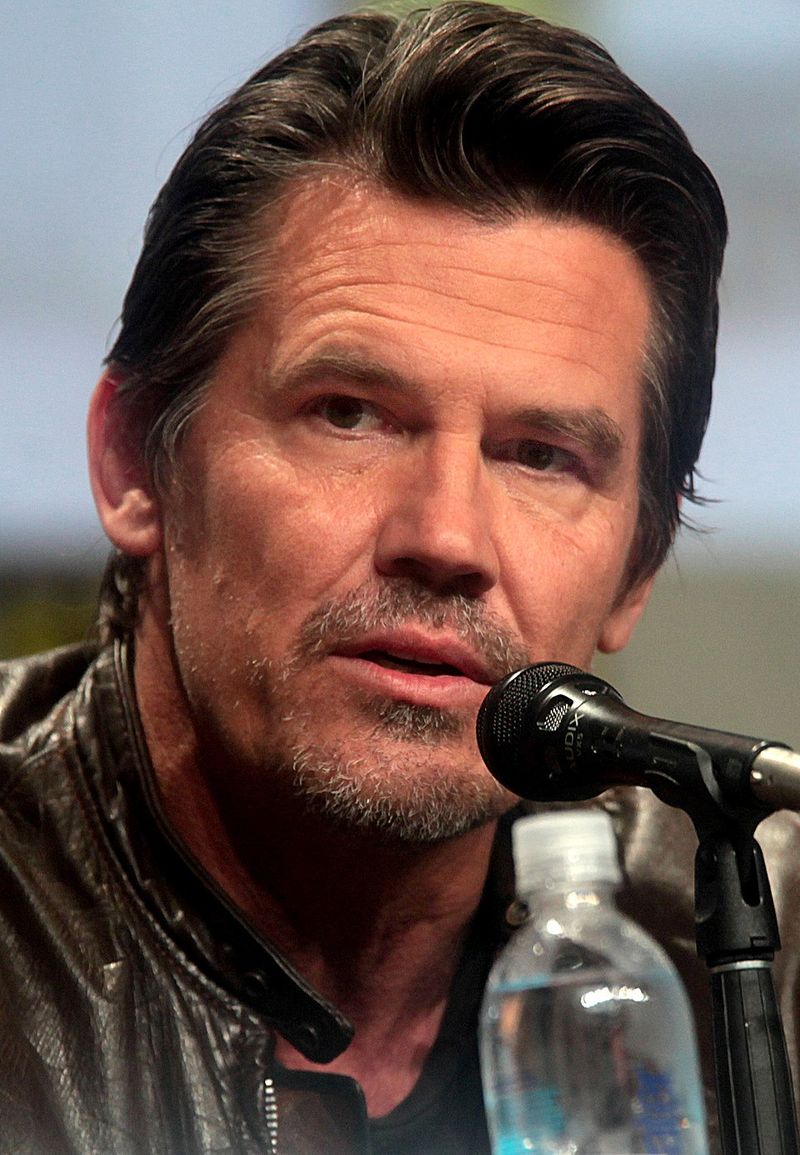
Cowardice and murder make Tom Chaney the target of Mattie Ross’s relentless pursuit for justice. Josh Brolin brought pathetic desperation to this villain whose crime sets the entire story in motion.
Running from consequences defines his existence, making him more weasel than wolf.
His eventual confrontation proves that sometimes the worst villains aren’t the most powerful, just the most deserving of what’s coming to them through determination and true grit.