15 Influential Female Authors And Their Notable Works
Across centuries, women have left an indelible mark on literature through stories that continue to resonate with readers everywhere.
Groundbreaking novels and striking poetry challenged expectations, questioned society, and introduced characters that refuse to be forgotten.
Voices once pushed aside found space and strength on the page, capturing experiences that demanded to be seen and heard.
Those words opened pathways for future generations, shaping literary traditions that continue to evolve today.
15. Jane Austen – Pride And Prejudice
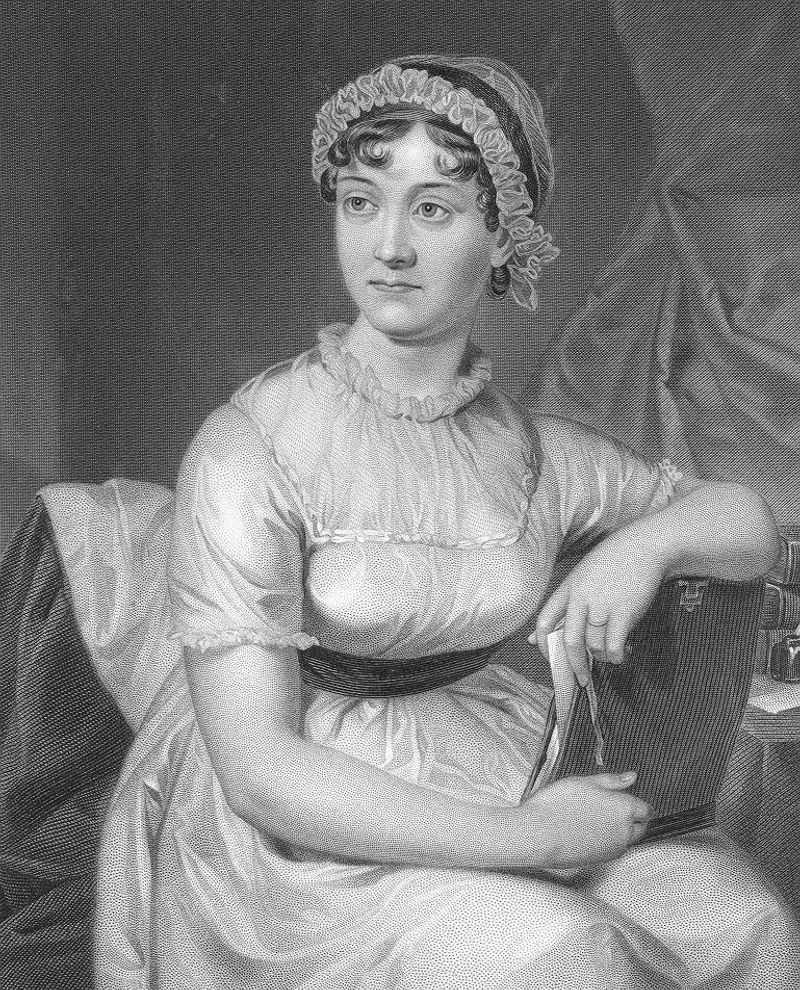
Imagine a world where witty banter and clever observations about society could change how we think about love and marriage forever.
Austen’s sharp pen brought us Elizabeth Bennet, one of literature’s most beloved heroines who refuses to settle for anything less than true partnership.
Her novels sparkle with humor while tackling serious issues like class expectations and women’s limited choices in Regency England.
Reading Pride and Prejudice feels like having tea with your smartest, funniest friend who sees right through everyone’s pretenses.
14. Mary Shelley – Frankenstein
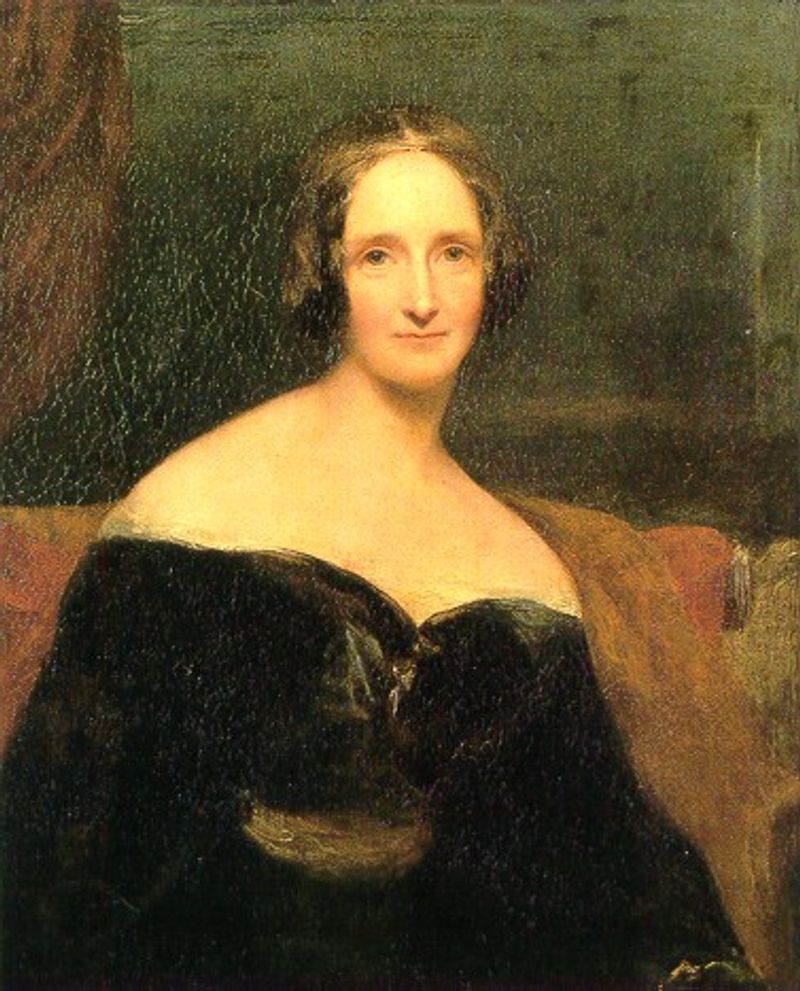
At eighteen, Mary Shelley imagined a story that would quietly lay the groundwork for modern science fiction.
Through Victor Frankenstein and his creation, Frankenstein confronts questions about technology, responsibility, and humanity that still feel urgently relevant today.
Conceived during a rainy summer ghost-story challenge, the novel examines the danger of pursuing godlike ambition without weighing moral consequences.
Few books linger the same way afterward, reshaping how readers think about ambition, compassion, and the cost of unchecked creation.
13. George Eliot – Middlemarch
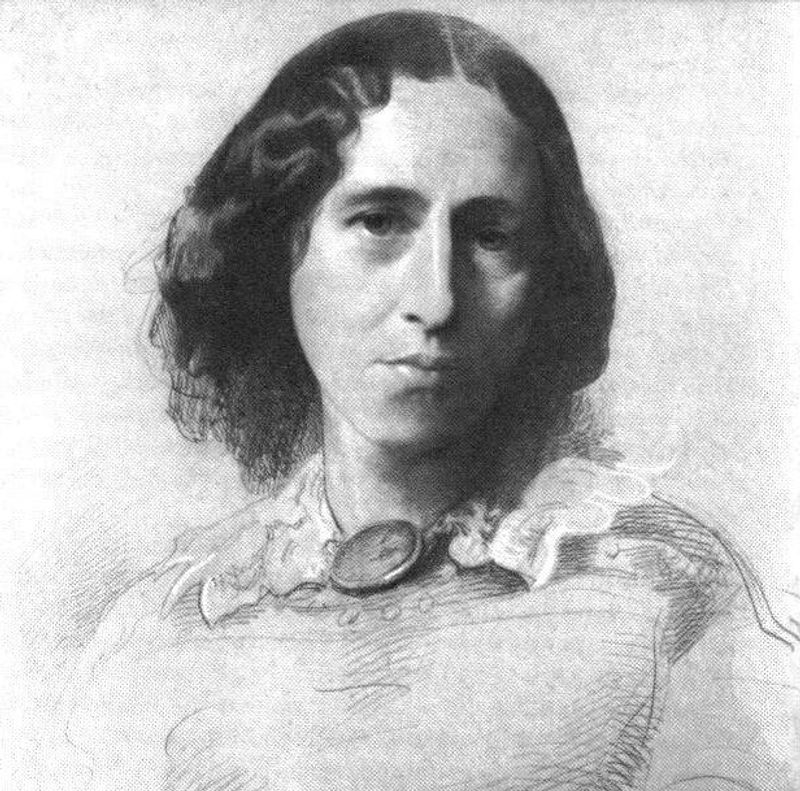
Behind the pen name George Eliot was Mary Ann Evans, a woman who knew that using a male pseudonym would help her serious work get the respect it deserved.
Middlemarch weaves together the lives of an entire English town, showing how personal dreams collide with social expectations and how marriage can either liberate or trap us.
The novel’s heroine, Dorothea, wants to do something meaningful with her life but finds herself constrained by the limited options available to women.
It’s like watching a really compelling period drama unfold across hundreds of beautifully crafted pages.
12. Emily Dickinson – Poems

Long before likes and shares mattered, Emily Dickinson composed nearly eighteen hundred poems with no assurance that an audience would ever appear.
Brief yet potent lines delve into death, nature, love, and immortality, shaped by distinctive punctuation and capitalization, and despite only a small number seeing print during her lifetime, lasting recognition eventually followed.
Quiet flashes of understanding live inside those words, capturing moments many people feel deeply but rarely manage to articulate.
11. Agatha Christie – And Then There Were None
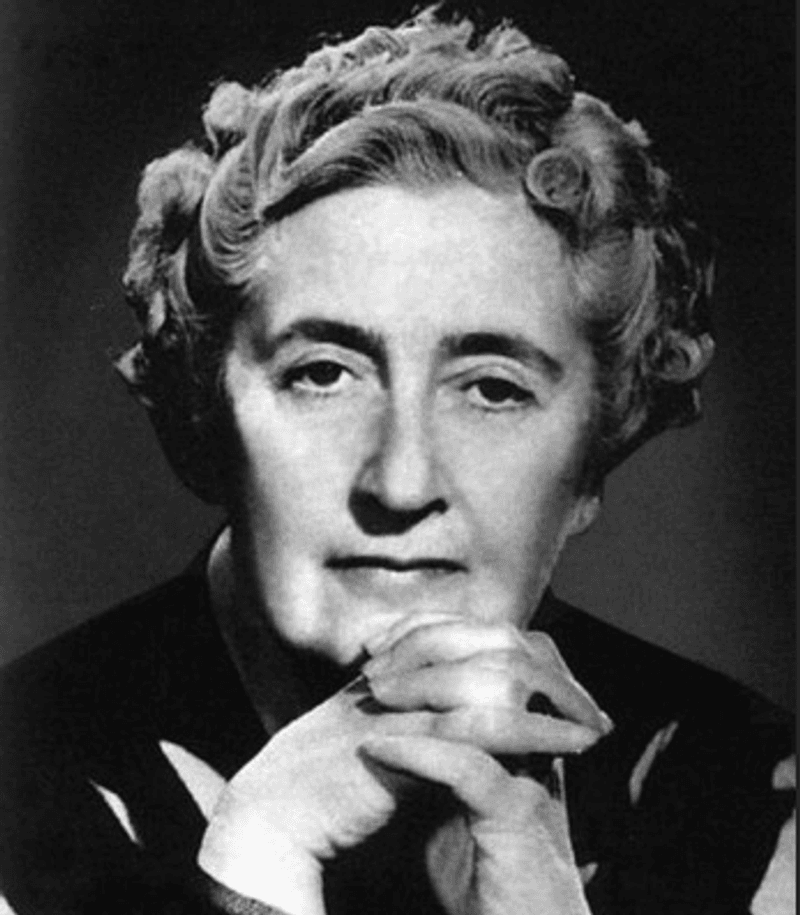
Christie earned her crown as the Queen of Crime by crafting mysteries so clever that even the most dedicated puzzle-solvers get fooled.
And Then There Were None remains one of the best-selling mystery novels ever, with a plot so ingenious it’s been copied countless times but never quite matched.
Ten strangers trapped on an island, each with a secret, disappearing one by one – it’s the ultimate locked-room mystery.
Curiously, Christie wrote this masterpiece during a particularly difficult period in her own life, proving creativity can flourish even in darkness.
10. Virginia Woolf – Mrs Dalloway
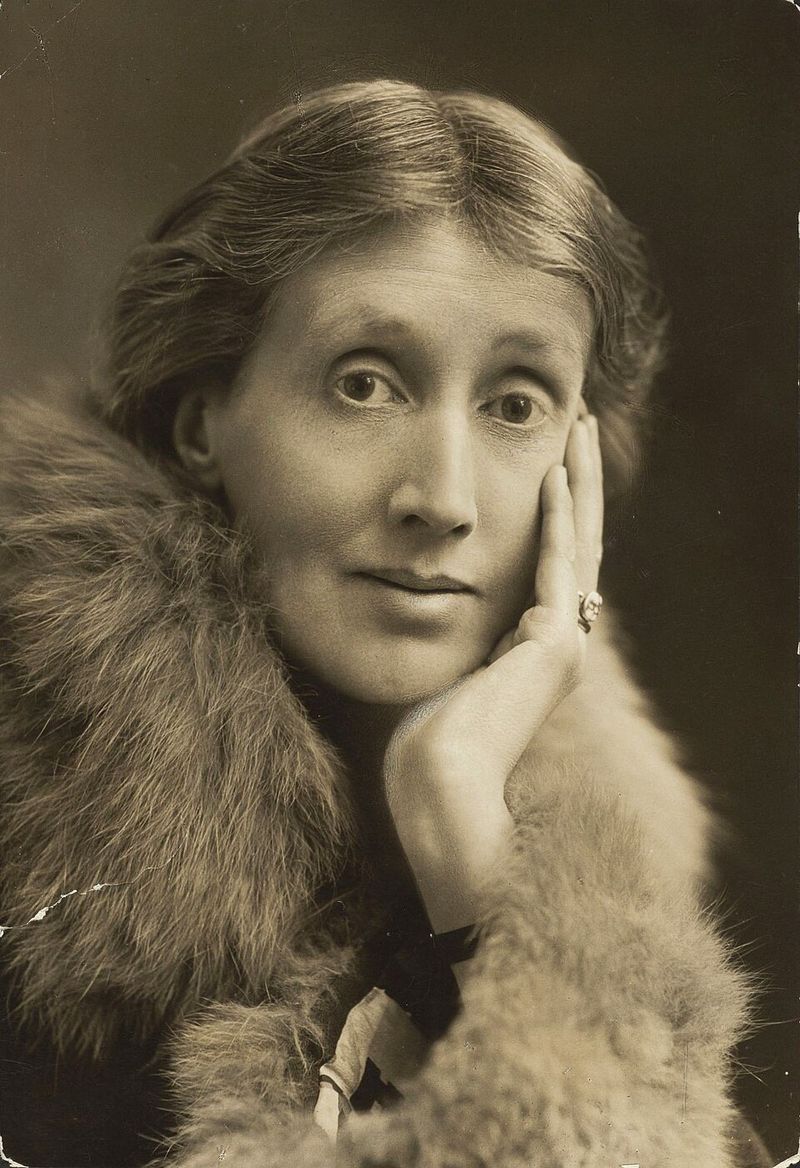
Woolf revolutionized how novels could be written by taking readers directly into her characters’ minds, following their thoughts as they drift and flow.
Mrs Dalloway unfolds over a single day in London, but within those hours we experience lifetimes of memory, regret, and connection.
The novel moves seamlessly between Clarissa Dalloway preparing for a party and Septimus Warren Smith struggling with trauma from World War I.
It’s like Woolf invented a literary time machine that lets us experience how the past constantly shapes our present moments.
9. Simone De Beauvoir – The Second S*x
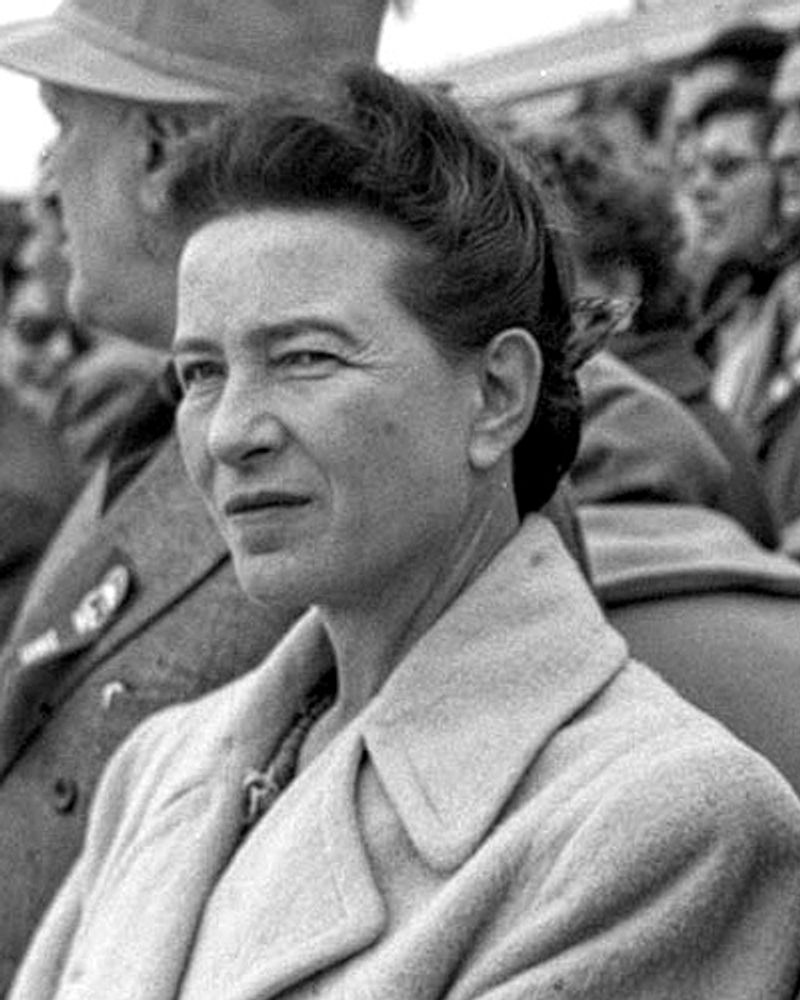
A single statement reshaped modern thought when Simone de Beauvoir argued that women are shaped by society rather than born into fixed roles.
Through The Second S*x, culture, history, and biology are examined as tools long used to justify placing women in subordinate positions.
That now-famous line about becoming a woman forced readers to reconsider how deeply gender is constructed through expectation rather than nature.
Unlike many philosophical works, passionate clarity here refuses to lull anyone to sleep, instead provoking reflection and demanding engagement.
8. Maya Angelou – I Know Why The Caged Bird Sings
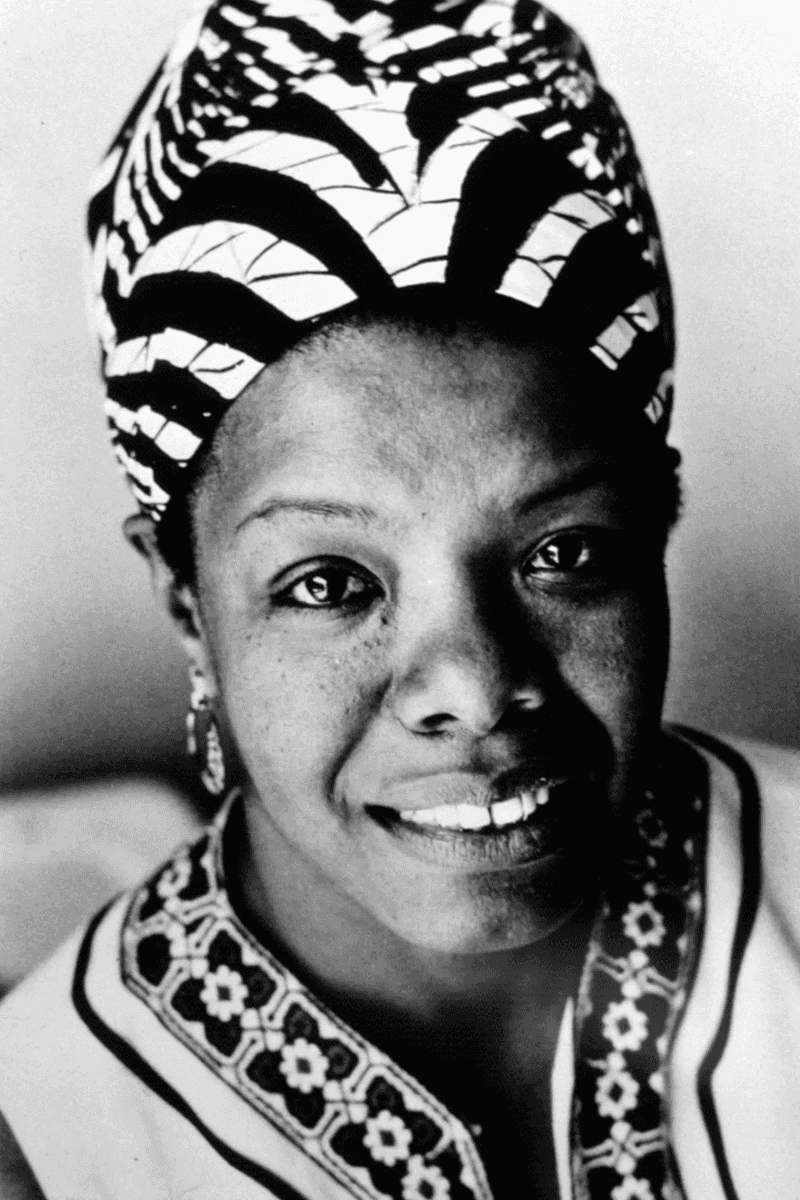
Angelou’s first autobiography reads like a powerful song about survival, resilience, and finding your voice even when the world tries to silence you.
She writes about her childhood in the segregated South with honesty that’s both heartbreaking and uplifting, never shying away from painful experiences but always moving toward hope.
Her story of overcoming trauma and racism inspired millions of readers to share their own truths.
Maybe that’s why her words feel less like reading and more like having a wise friend share life lessons over coffee.
7. Toni Morrison – Beloved
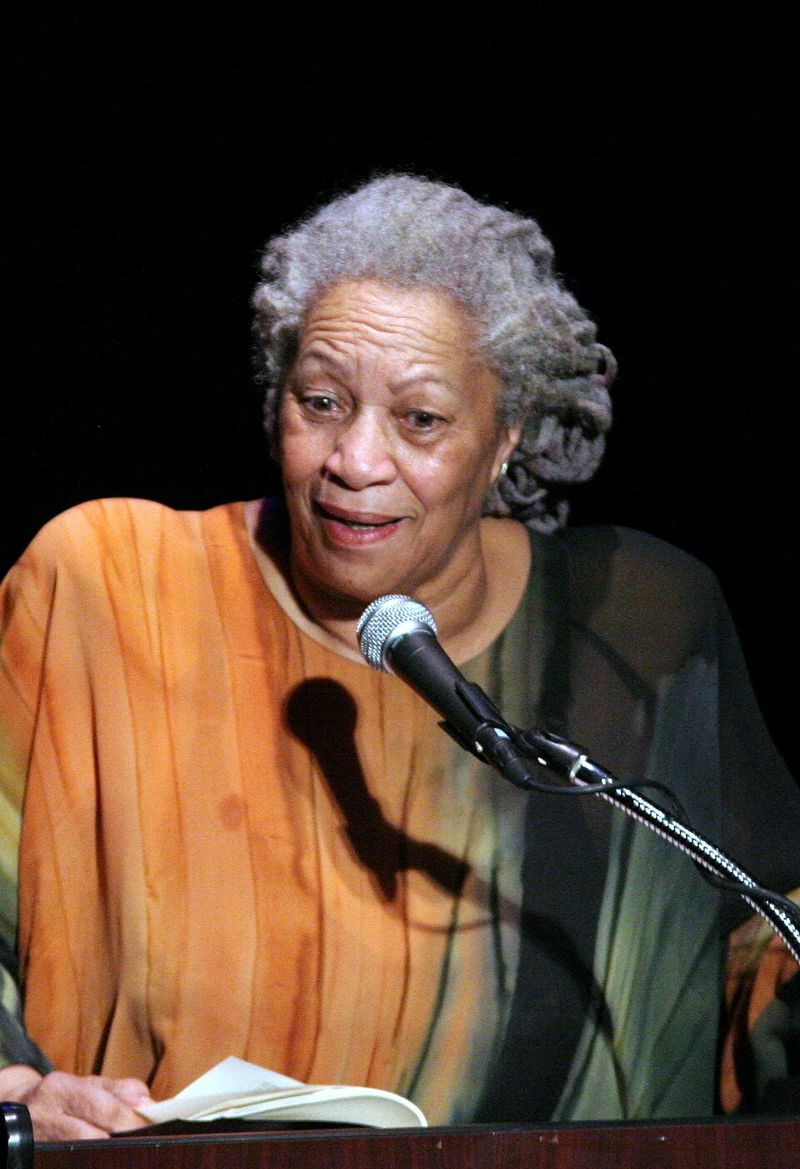
Morrison’s haunting masterpiece forces readers to confront the lasting trauma of slavery through the story of Sethe, a formerly enslaved woman haunted by her past.
Beloved blends historical reality with supernatural elements, creating a ghost story that’s really about how history refuses to stay buried.
The novel won the Pulitzer Prize and helped earn Morrison the Nobel Prize in Literature, making her the first African American woman to receive that honor.
Actually, reading Morrison’s lyrical prose feels like experiencing poetry and prophecy woven together into unforgettable narrative.
6. Zora Neale Hurston – Their Eyes Were Watching God
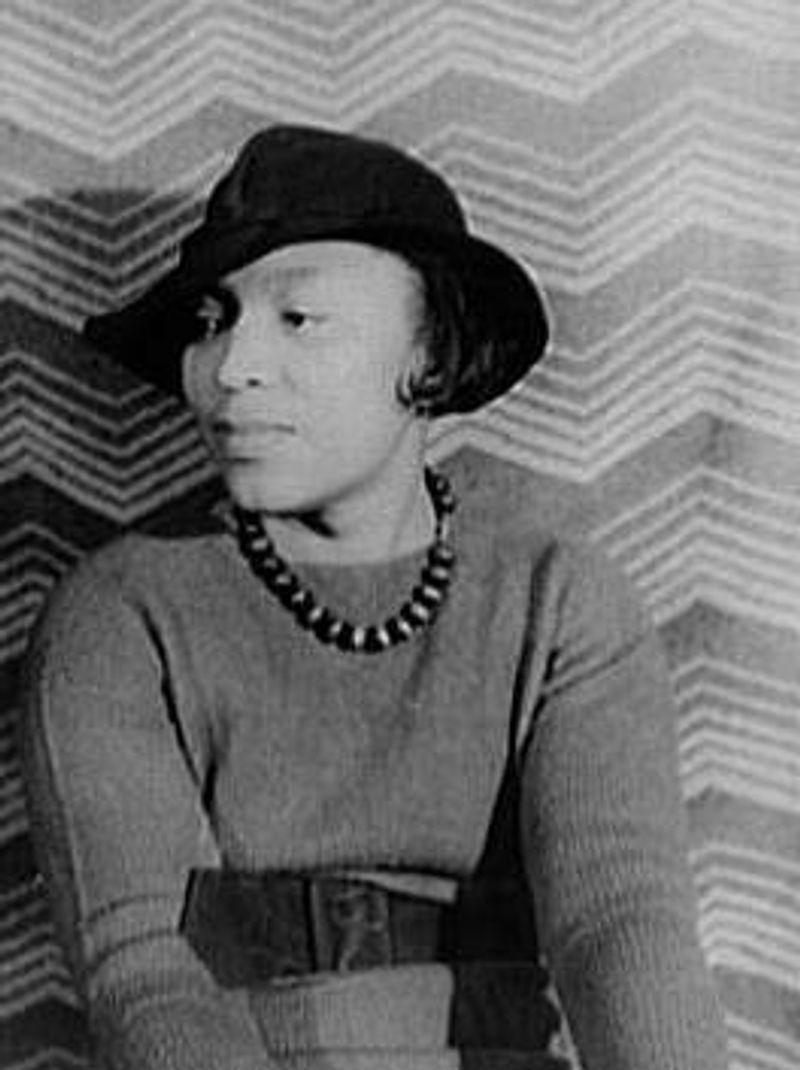
Hurston gave us Janie Crawford, a Black woman on a journey to find her own voice and define love on her own terms in 1930s Florida.
Written in rich, lyrical dialect that captures the authentic voices of African American Southern communities, the novel celebrates Black culture while exploring themes of independence and self-discovery.
Though initially overlooked, it’s now recognized as a masterpiece of American literature.
Somehow, Janie’s quest for fulfillment feels just as relevant today as it did nearly ninety years ago.
5. Gabriela Mistral – Desolación
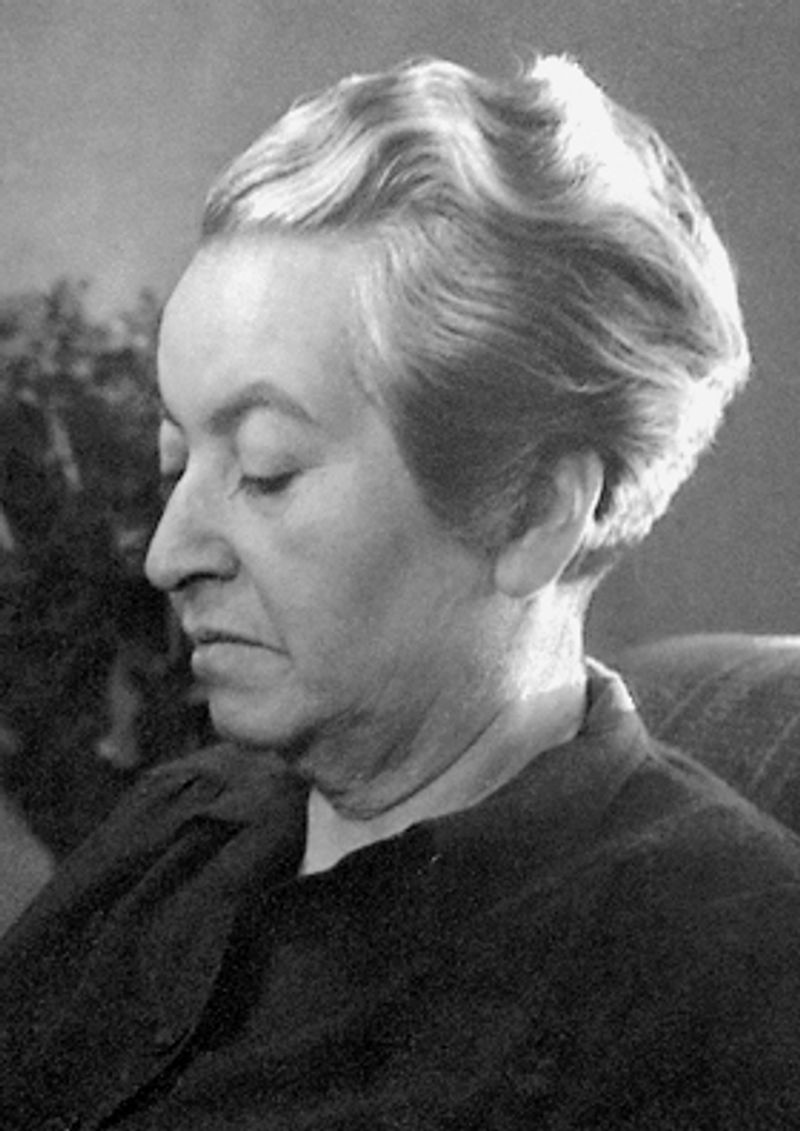
Chile’s beloved poet became the first Latin American woman to win the Nobel Prize in Literature, bringing international attention to Spanish-language poetry.
Desolación, her first major collection, explores themes of love, loss, childhood, and nature with emotional depth that transcends language barriers.
Mistral worked as a teacher throughout her life, and her poems often reflect her deep concern for children and education.
Fortunately, translations have made her powerful verses accessible to readers worldwide, spreading her message of compassion and social justice.
4. Isabel Allende – The House Of The Spirits
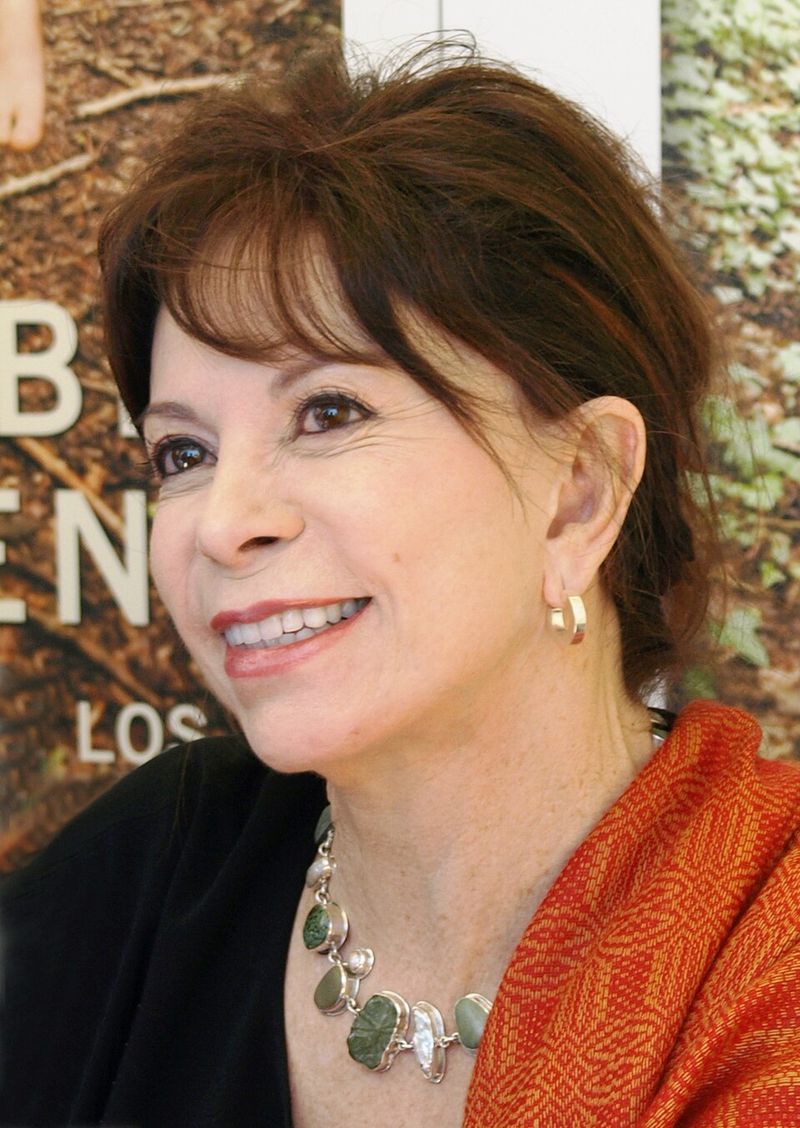
Allende’s debut novel reads like a magical family saga that sweeps across generations, blending political history with supernatural elements in the tradition of magical realism.
The House of the Spirits follows the Trueba family through Chile’s tumultuous twentieth century, mixing romance, revolution, and spirits who refuse to leave their loved ones.
Written while Allende was in exile following Chile’s military coup, the novel became an international bestseller.
Surprisingly, she started writing it as a letter to her dying grandfather, never imagining it would launch her literary career.
3. Harper Lee – To Kill A Mockingbird
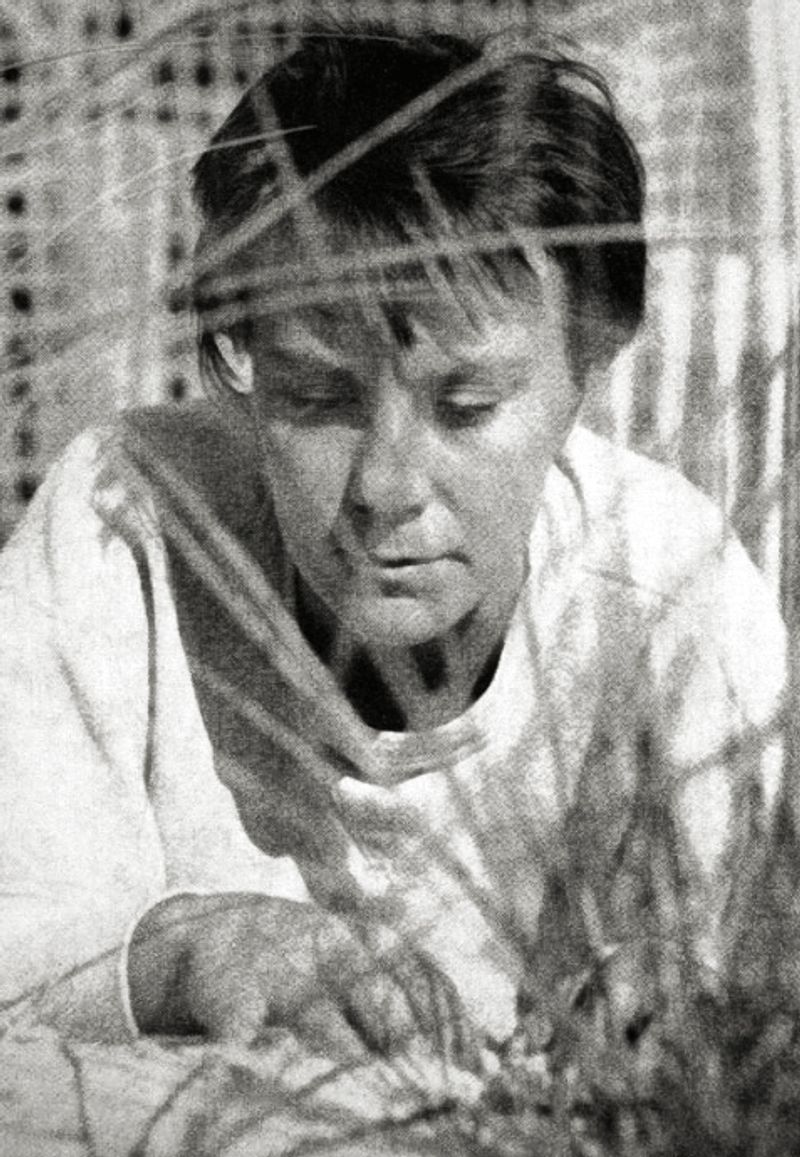
Through the eyes of young Scout Finch, Lee showed America an unflinching view of racial injustice in the Deep South during the 1930s.
To Kill a Mockingbird became required reading in schools across the country, introducing generations to Atticus Finch’s moral courage and the importance of standing up for what’s right.
Lee published this Pulitzer Prize-winning novel in 1960 and then largely retreated from public life, letting her singular masterpiece speak for itself.
Ideally, every reader takes away Scout’s lesson about walking in someone else’s shoes before judging them.
2. Margaret Atwood – The Handmaid’s Tale
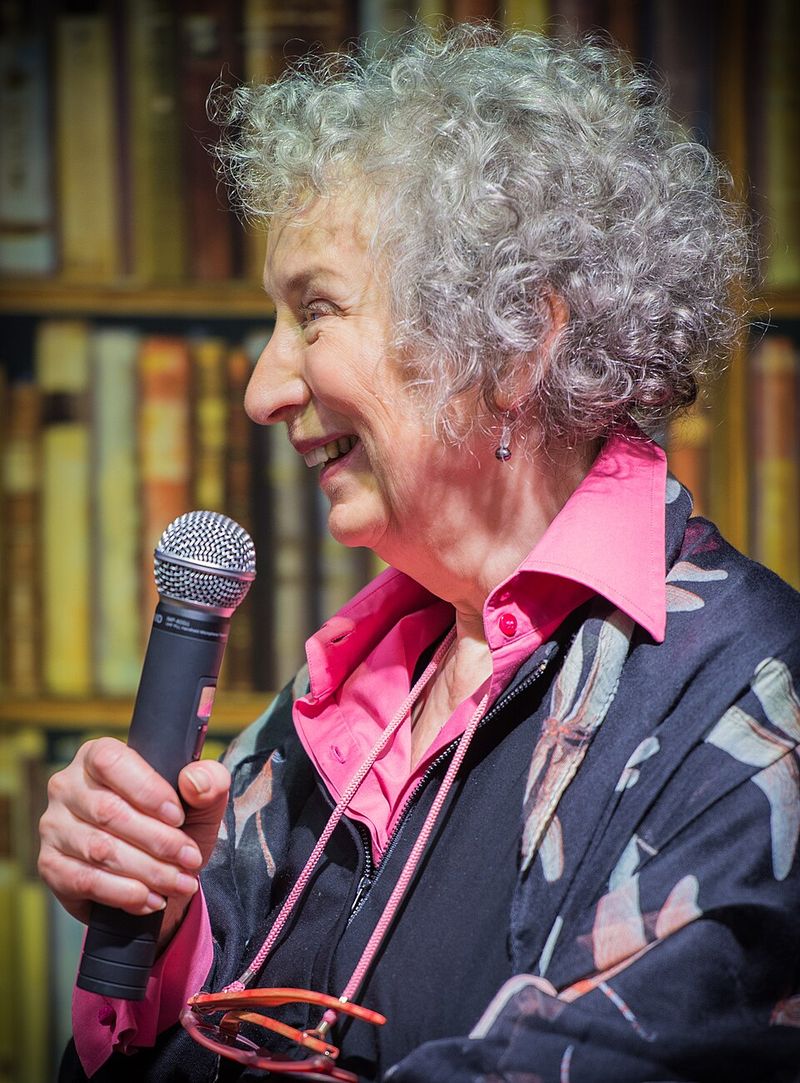
What happens when religious extremism takes over and women lose all their rights overnight?
Atwood’s dystopian vision of the Republic of Gilead feels disturbingly plausible because she only included things that have actually happened somewhere in human history.
The Handmaid’s Tale follows Offred, a woman forced into reproductive servitude, as she navigates a world where women cannot read, work, or own property.
While written in 1985, the novel’s themes have resonated powerfully with new generations concerned about threats to women’s autonomy and freedom.
1. Chimamanda Ngozi Adichie – Half Of A Yellow Sun
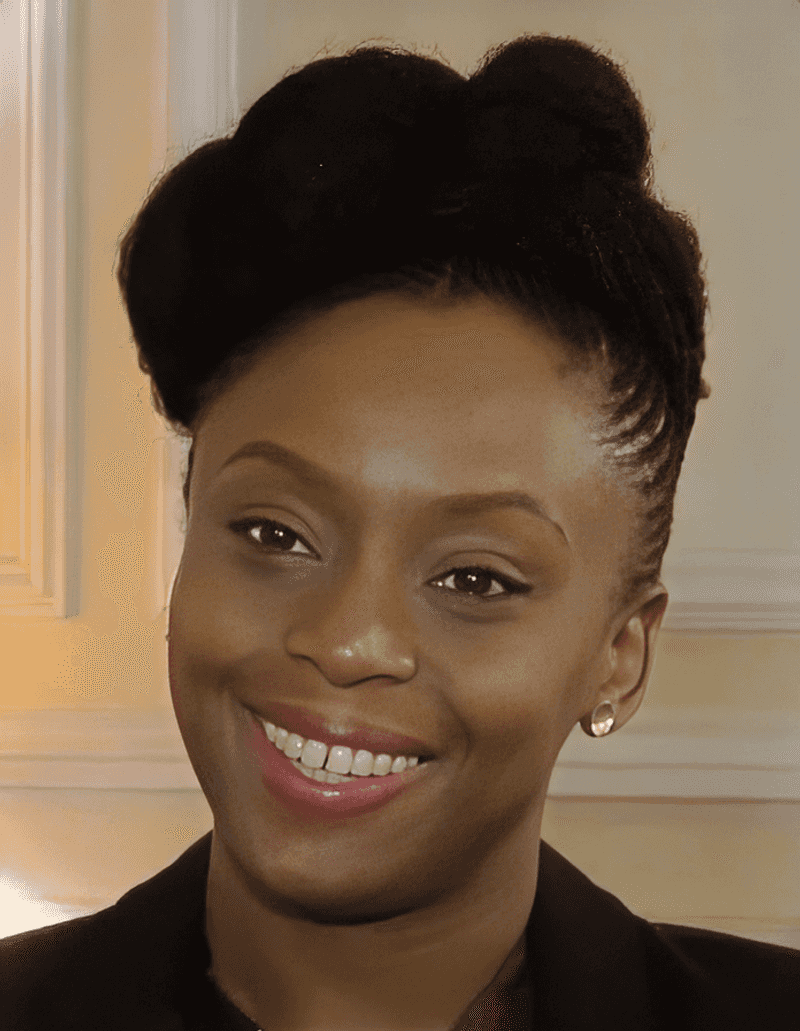
Adichie brings readers into the heart of the Nigerian Civil War through interconnected stories that reveal how conflict tears apart families and nations.
Half of a Yellow Sun follows three characters whose lives intersect during the Biafran War, showing both the political complexities and deeply personal costs of the conflict.
Her vivid storytelling and nuanced characters earned her international acclaim and introduced many Western readers to African history often overlooked in their education.
Essentially, Adichie proves that understanding history through personal stories creates empathy that textbooks alone cannot achieve.
Disclaimer: This article highlights influential literary works and authors for general informational and cultural discussion purposes.
Interpretations reflect widely recognized themes and historical context rather than exhaustive literary analysis.