18 Influential Female Writers In Literary History
Throughout history, women have shaped literature in powerful ways, breaking barriers and telling stories that changed how we see the world.
From ancient poets to modern novelists, these writers challenged social norms and created works that still inspire readers today.
Their voices brought fresh perspectives to themes of identity, freedom, justice, and human connection.
Exploring their contributions helps us understand not just literary history, but the ongoing fight for equality and creative expression.
Note: This article is intended for general informational purposes and reflects subjective editorial perspectives on literary influence and historical significance.
Interpretations of impact and importance may vary among scholars and readers.
1. Sappho
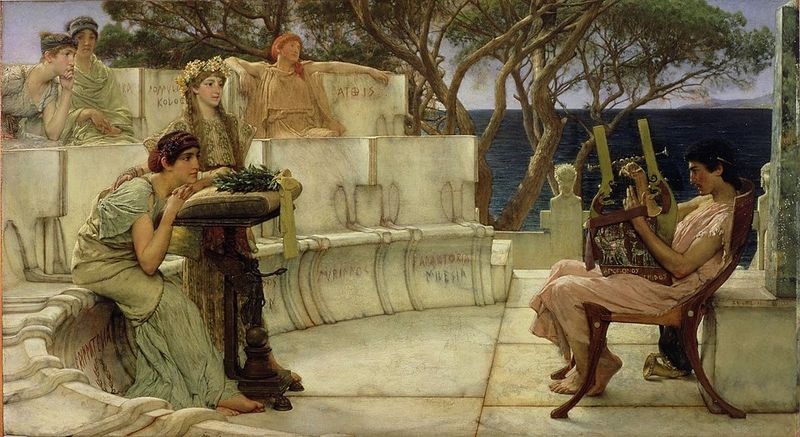
Ancient Greece gave us one of the earliest known female poets whose work still echoes today.
Sappho lived on the island of Lesbos around 600 BCE and wrote beautiful verses about love, desire, and daily life.
Only fragments of poems survive, yet those pieces reveal emotional depth that feels surprisingly modern.
Imagine reading words written over 2,500 years ago that still capture exactly how your heart feels.
Students throughout history have studied these verses, finding comfort in knowing human emotions remain timeless across centuries and cultures.
2. Murasaki Shikibu
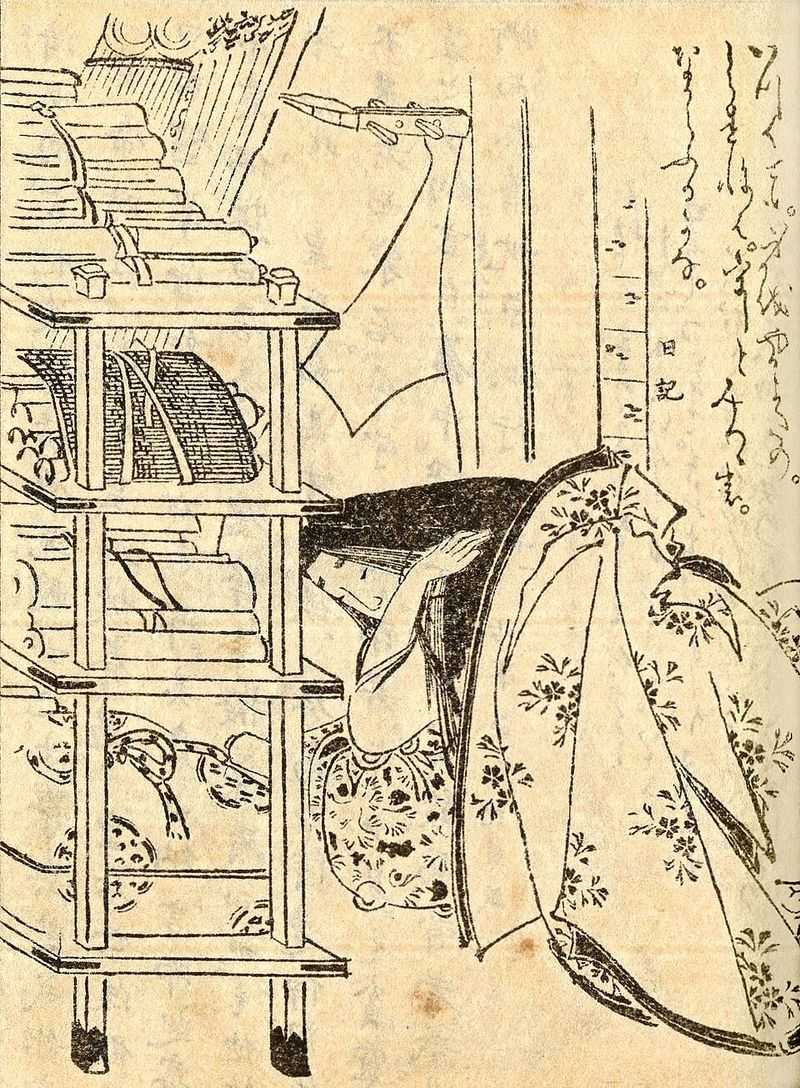
While Europe experienced the Middle Ages, Japan produced what many consider the world’s first novel.
Murasaki Shikibu served as a lady-in-waiting at the imperial court and penned The Tale of Genji around 1010 CE.
This massive work explores court life, romance, and psychological complexity with sophistication that rivals any modern fiction.
Perhaps you’ve felt overwhelmed starting a big project, wondering if anyone would care about your creative work.
Murasaki created something so groundbreaking that scholars still debate its themes a thousand years later.
3. Christine De Pizan
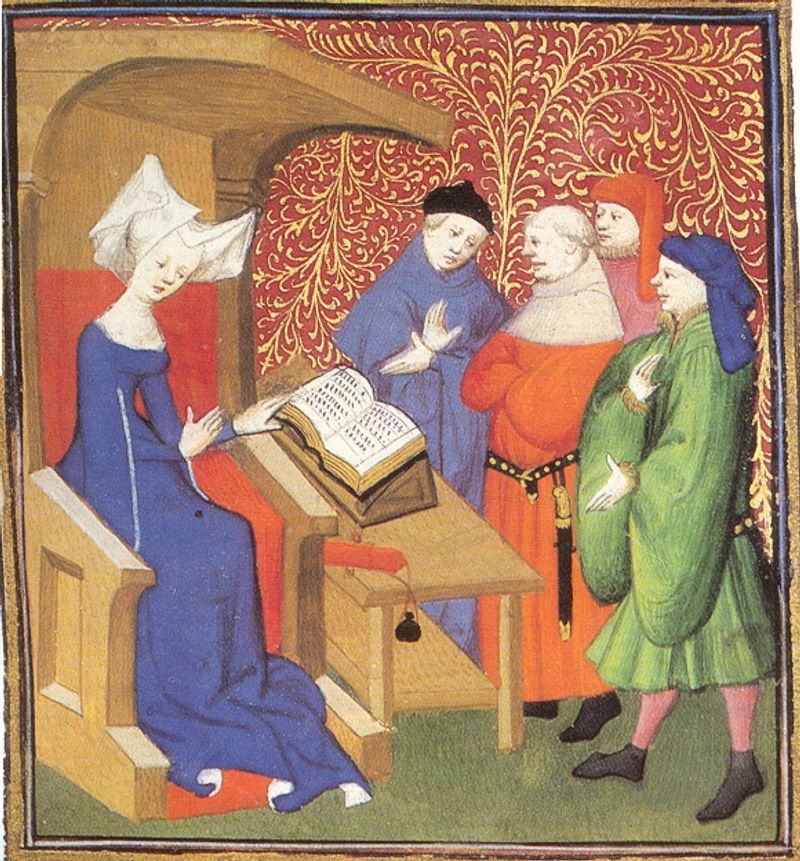
Medieval Europe wasn’t exactly welcoming to women intellectuals, but one writer refused to stay silent.
Christine de Pizan became one of France’s first professional female authors after being widowed young and needing to support three children.
The Book of the City of Ladies defended women’s capabilities and intelligence against centuries of misogynistic writing.
Think about standing up for what’s right when everyone around you disagrees – that took serious courage in the 1400s.
Christine proved that women deserved respect as thinkers, creators, and leaders of their own destinies.
4. Sor Juana Inés De La Cruz
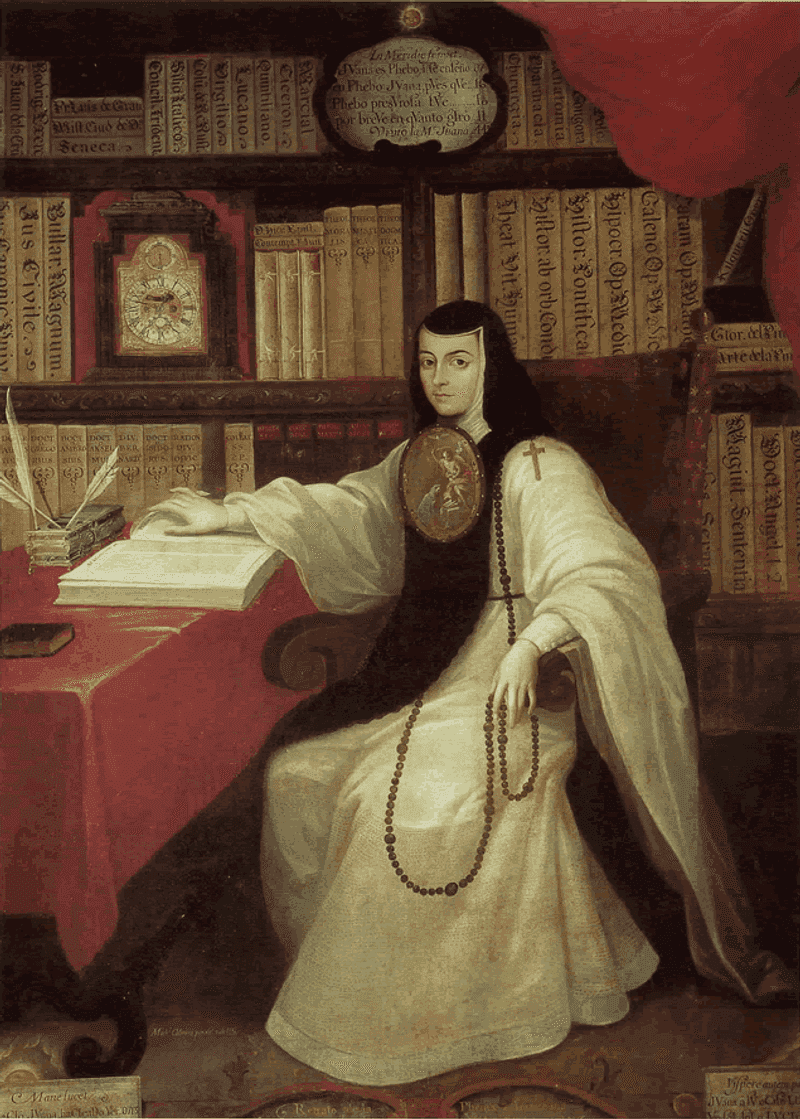
Colonial Mexico produced a brilliant mind who chose the convent as her path to intellectual freedom.
Sor Juana wrote poetry, plays, and philosophical essays while defending every woman’s right to education and thought.
Church authorities eventually silenced this work, demanding she focus solely on religious duties instead of secular writing.
Maybe you’ve felt pressured to make yourself smaller to fit others’ expectations.
Sor Juana’s defiant essays remind us that curiosity and learning are fundamental human rights, regardless of gender or social pressure to conform.
5. Mary Wollstonecraft
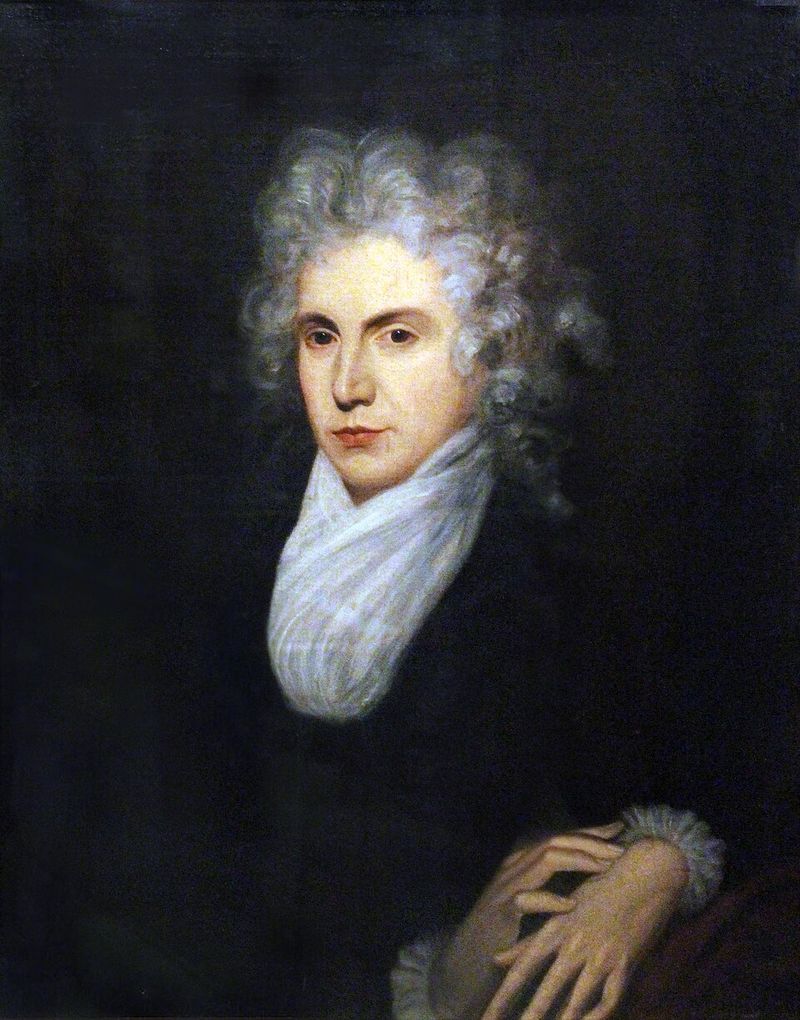
Before modern feminism existed, one bold thinker laid its philosophical foundation with revolutionary clarity.
Mary Wollstonecraft published A Vindication of the Rights of Woman in 1792, arguing that women deserved equal education and weren’t naturally inferior to men.
Society dismissed women as decorative and emotional, but Wollstonecraft insisted they could reason just as capably as anyone.
Consider how radical this sounded when women couldn’t vote, own property, or attend universities.
Wollstonecraft’s ideas planted seeds that would bloom into movements for equality worldwide.
6. Jane Austen
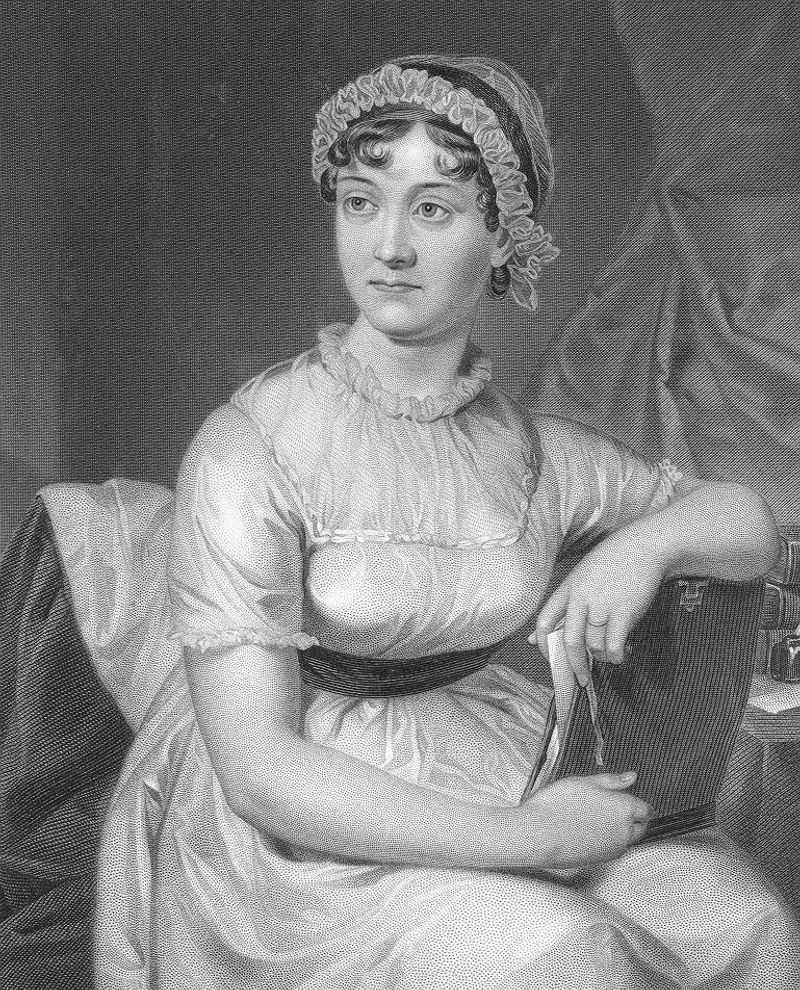
Witty social commentary disguised as romantic stories made one English author’s work endlessly rereadable.
Jane Austen crafted novels like Pride and Prejudice and Emma that entertained while critiquing how society treated women as property in the marriage market.
Beneath the charming courtships lie sharp observations about money, class, and limited options for intelligent women.
Maybe you’ve noticed how a good story can sneak important messages past people’s defenses.
Austen mastered this technique, creating beloved characters while exposing the absurdities of her world’s social rules.
7. Mary Shelley
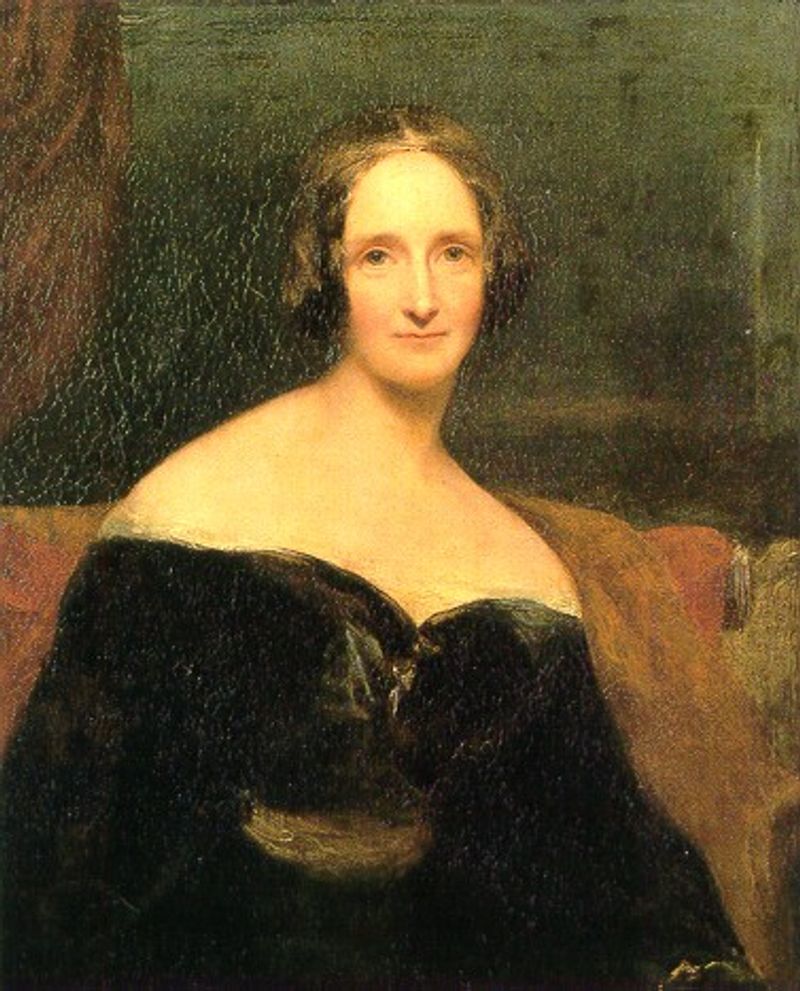
A teenage writer on a rainy vacation created a monster that would define an entire literary genre.
Mary Shelley wrote Frankenstein at just eighteen, inventing science fiction while exploring themes of creation, responsibility, and what makes us human.
Critics initially assumed a man must have authored something so intellectually ambitious and dark.
Think about the last time someone underestimated you because of your age or background.
Shelley proved that brilliant ideas can come from anywhere, and her creature still haunts our cultural imagination two centuries later.
8. Charlotte Brontë
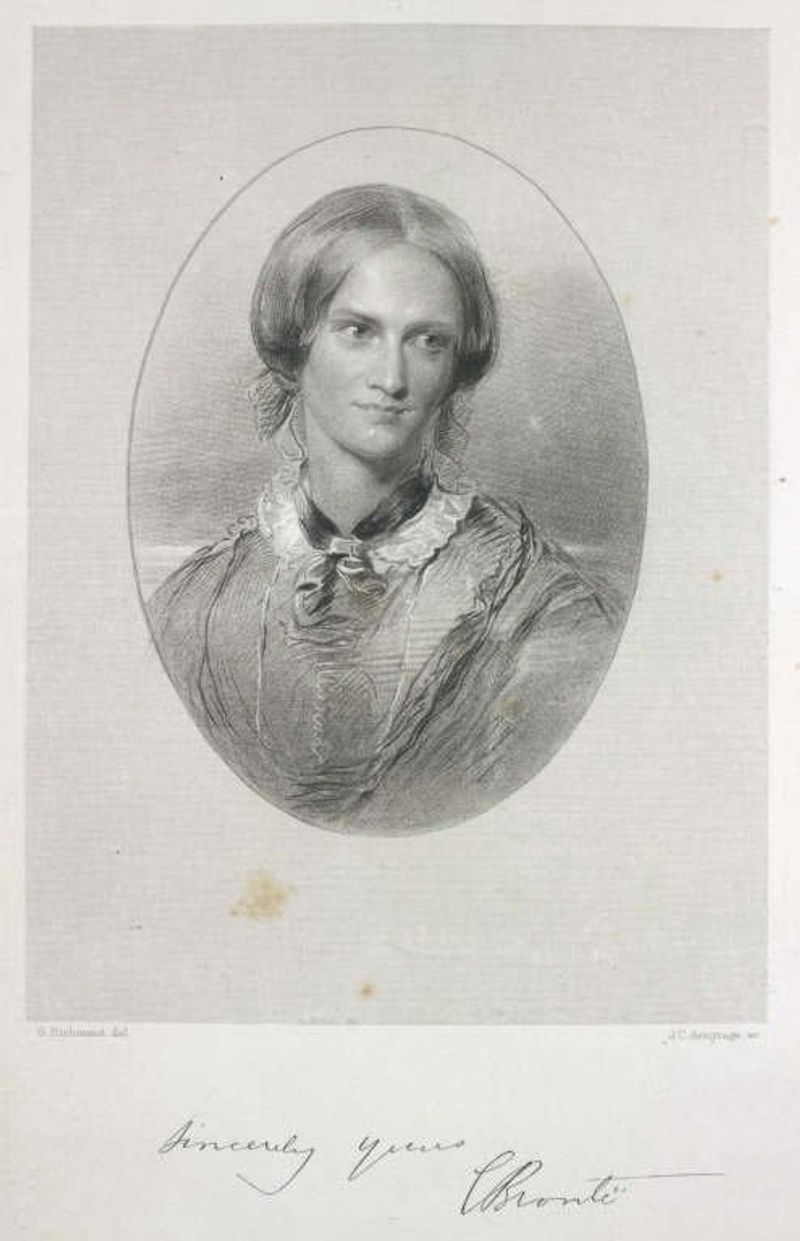
Victorian England expected women to be meek and obedient, so one novelist created a heroine who refused both roles.
Charlotte Brontë gave us Jane Eyre, a governess who speaks her mind, demands respect, and won’t compromise her principles for anyone.
Published under the male pseudonym Currer Bell, the novel shocked readers with its passionate, independent female protagonist.
Perhaps you’ve felt torn between what others expect and what your heart demands.
Jane’s famous declaration, I am no bird; and no net ensnares me – still resonates with anyone fighting for self-determination.
9. Emily Dickinson
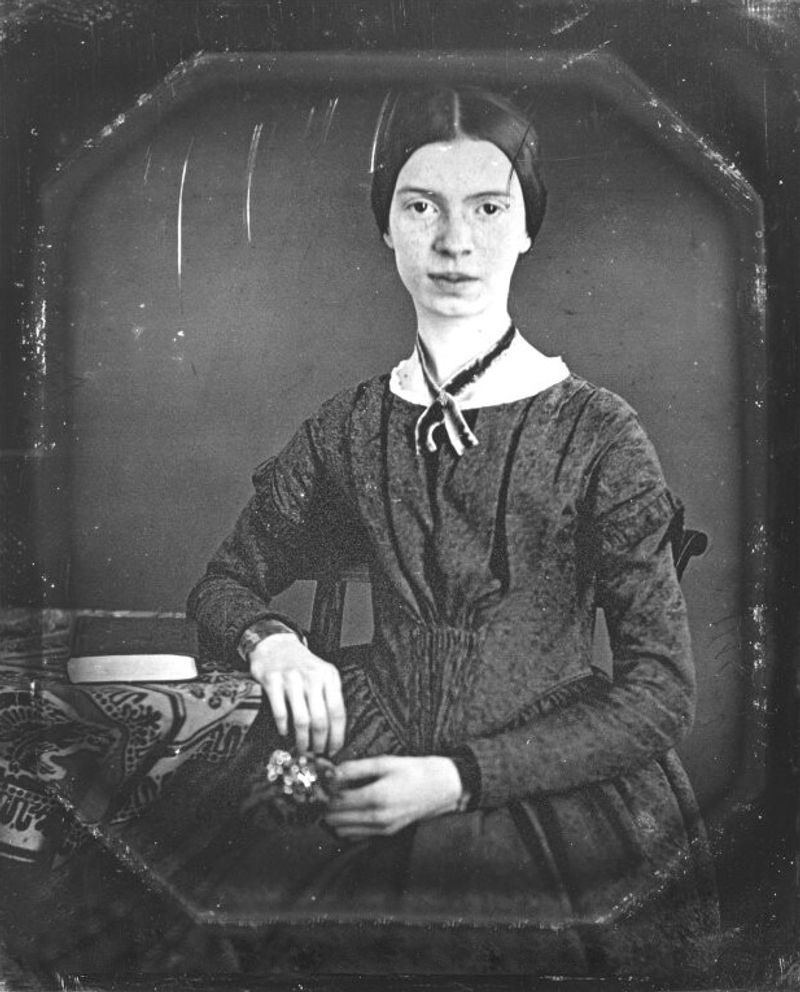
While living quietly in one Massachusetts house, a reclusive poet revolutionized American verse with startling originality.
Emily Dickinson wrote nearly 1,800 poems, most discovered only after death, exploring themes of mortality, nature, and consciousness with compressed intensity.
Unconventional punctuation, slant rhymes, and fragmented syntax made the work feel modern before modernism existed.
Maybe you’ve felt like your creative work wouldn’t matter to anyone else.
Dickinson wrote for herself, yet those private meditations became some of literature’s most quoted and beloved expressions of the human experience.
10. George Eliot
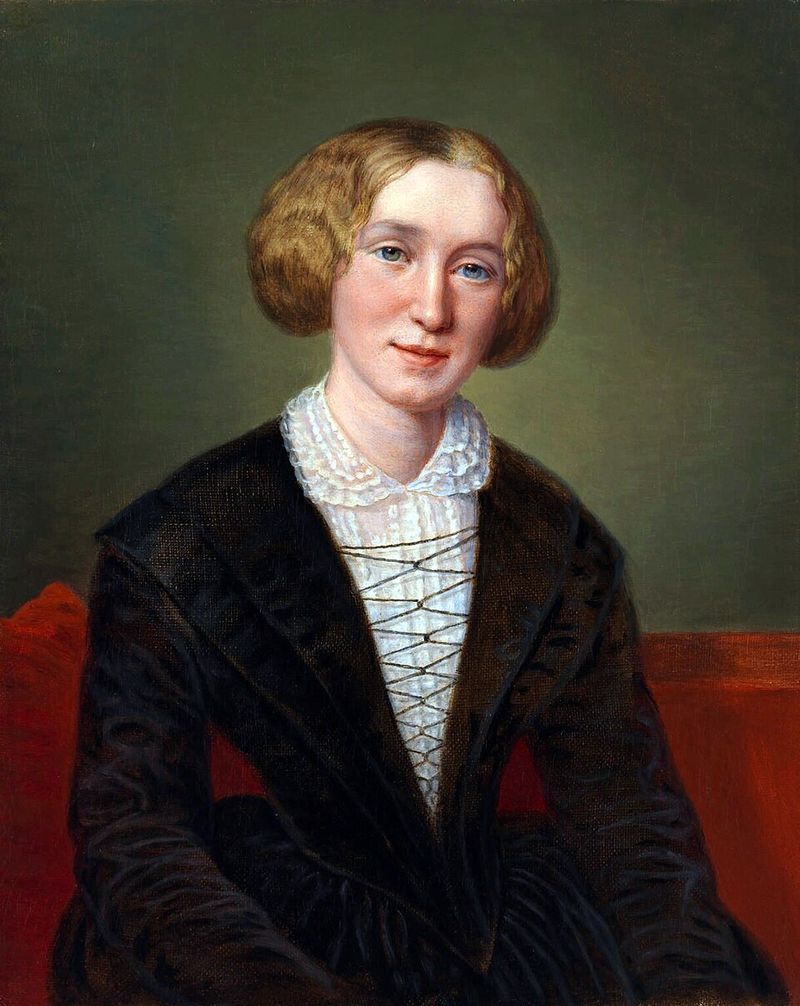
Adopting a male pen name allowed one brilliant mind to be taken seriously in Victorian literary circles.
Mary Ann Evans wrote as George Eliot, producing psychologically complex novels like Middlemarch that examined provincial English life with philosophical depth.
Eliot explored moral choices, social change, and how ordinary people navigate difficult circumstances with compassion and intelligence.
Think about having to hide your true identity just to have your ideas heard.
Eliot’s choice reflects how gender bias forced talented women into disguises, yet the work’s humanity and insight ultimately revealed the author’s profound understanding.
11. Virginia Woolf
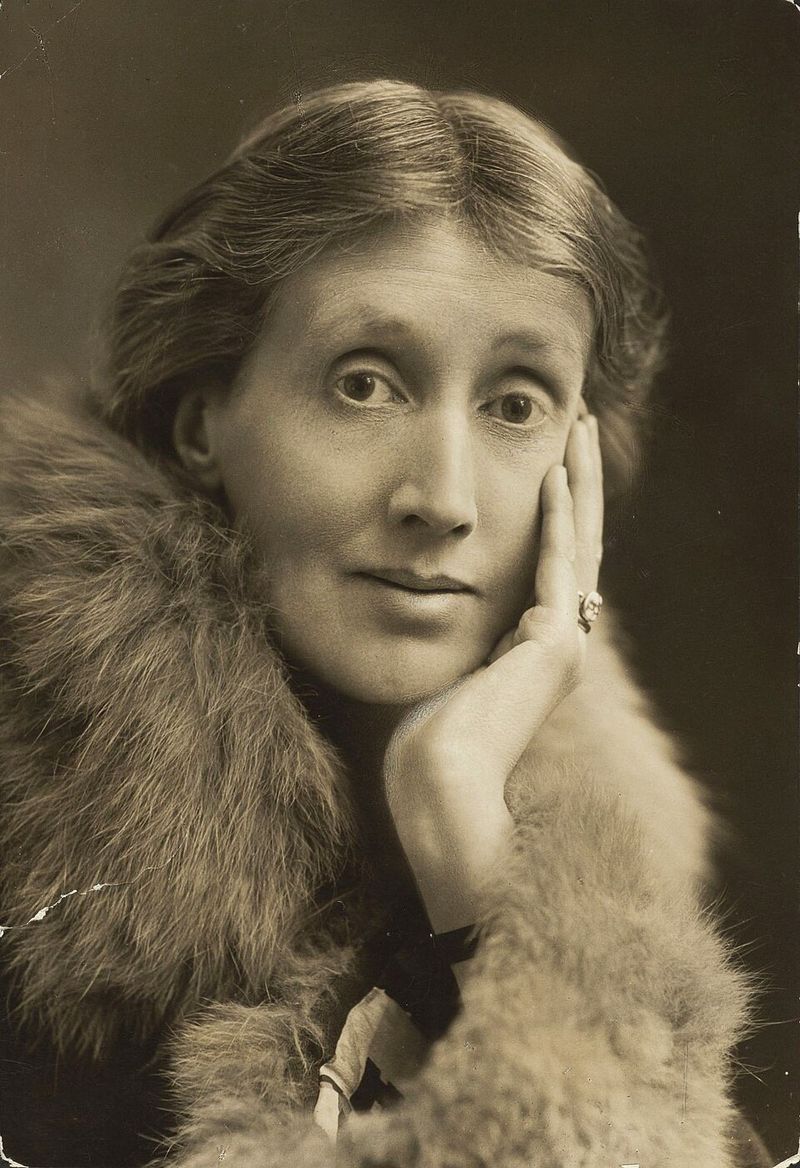
Experimental narrative techniques transformed how novels could represent consciousness and the passage of time.
Virginia Woolf pioneered stream-of-consciousness writing in works like Mrs.
Dalloway and To the Lighthouse, capturing the fluid nature of thought and memory.
Essays like A Room of One’s Own argued that women needed financial independence and personal space to create art.
Maybe you’ve noticed how your mind jumps between present moments and memories during ordinary days.
Woolf developed literary techniques to capture exactly that internal experience, changing fiction forever with her innovations.
12. Zora Neale Hurston
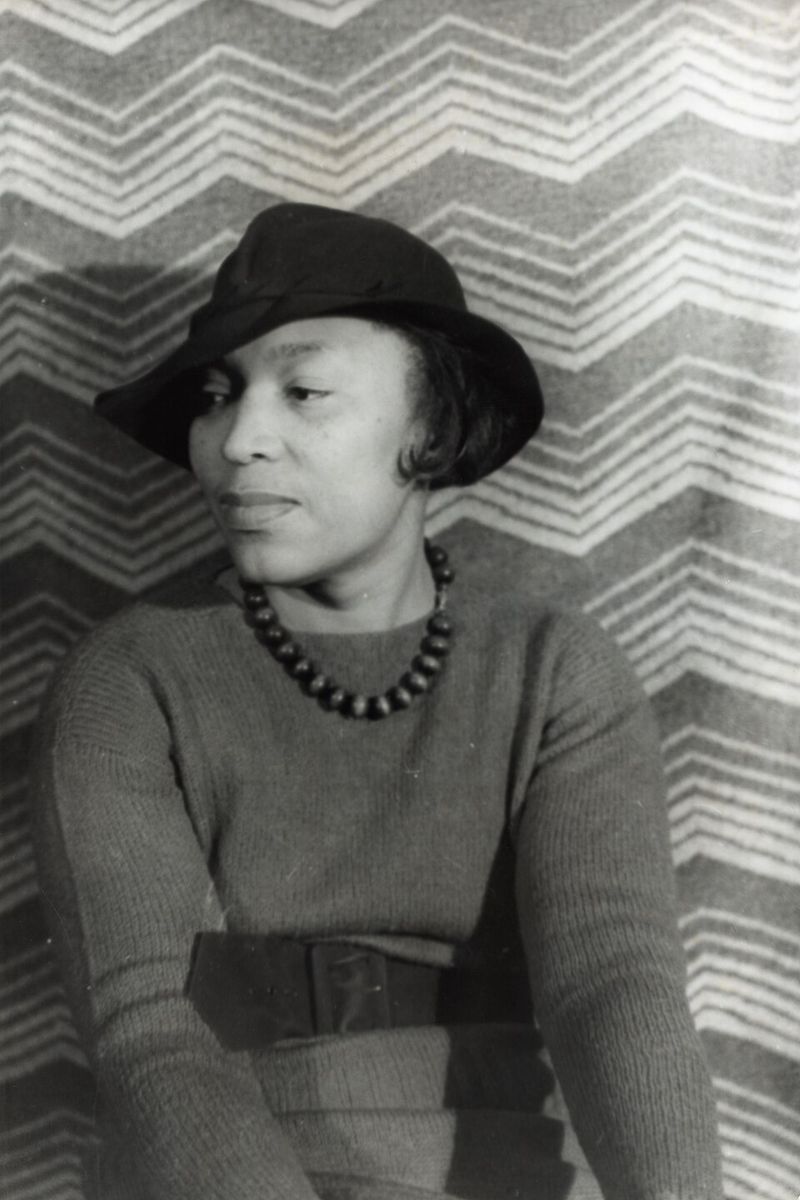
Anthropological training and storytelling talent combined to preserve African American culture through unforgettable fiction.
Zora Neale Hurston collected folklore throughout the South while writing novels like Their Eyes Were Watching God, which celebrates Black dialect, community, and a woman’s journey toward self-discovery.
Critics initially dismissed the work, but later generations recognized its groundbreaking representation and lyrical beauty.
Think about stories that make you proud of where you come from.
Hurston honored her heritage when others wanted assimilation, proving that authentic voices matter more than fitting mainstream expectations.
13. Simone De Beauvoir
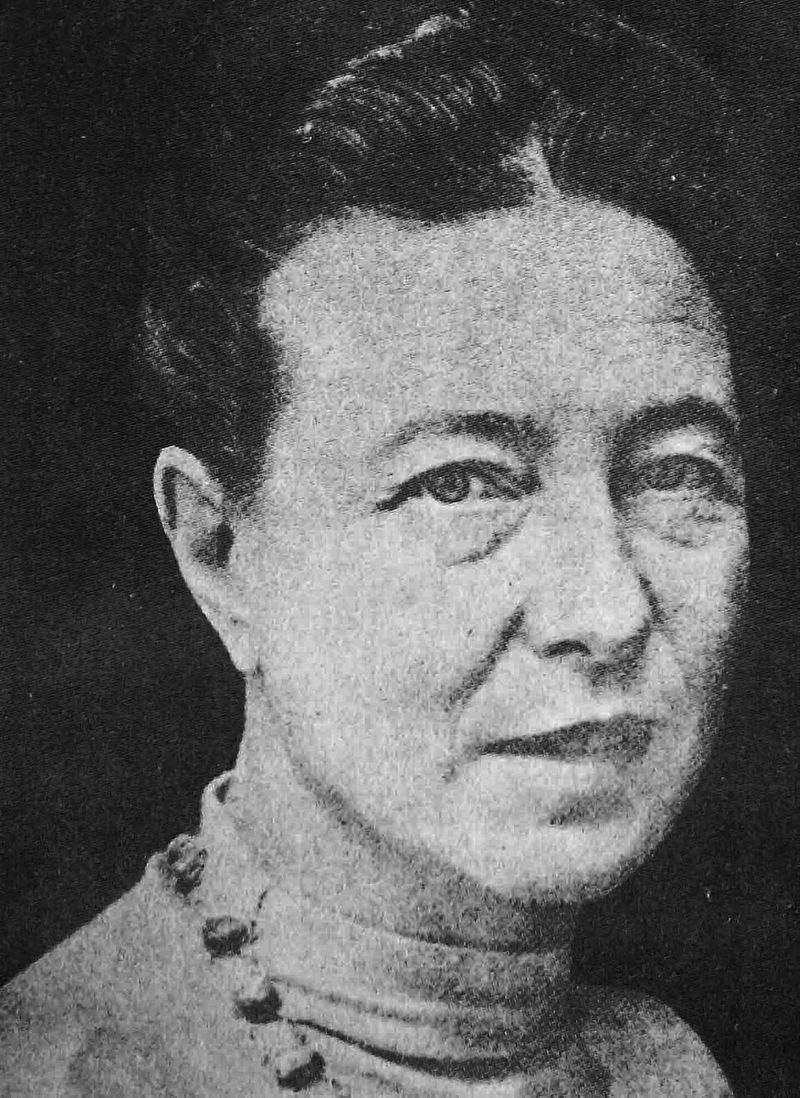
Existential philosophy met feminist analysis when one French thinker examined how society constructs gender roles.
Simone de Beauvoir’s The Second Sex explored how culture defines women as the other compared to men as the default human.
This massive philosophical work influenced generations of feminist thought by arguing that gender identity is socially created rather than biologically determined.
Perhaps you’ve questioned why certain expectations apply differently based on gender.
Beauvoir gave us language and frameworks to analyze these patterns, showing that what seems natural is often just deeply ingrained cultural conditioning.
14. Toni Morrison
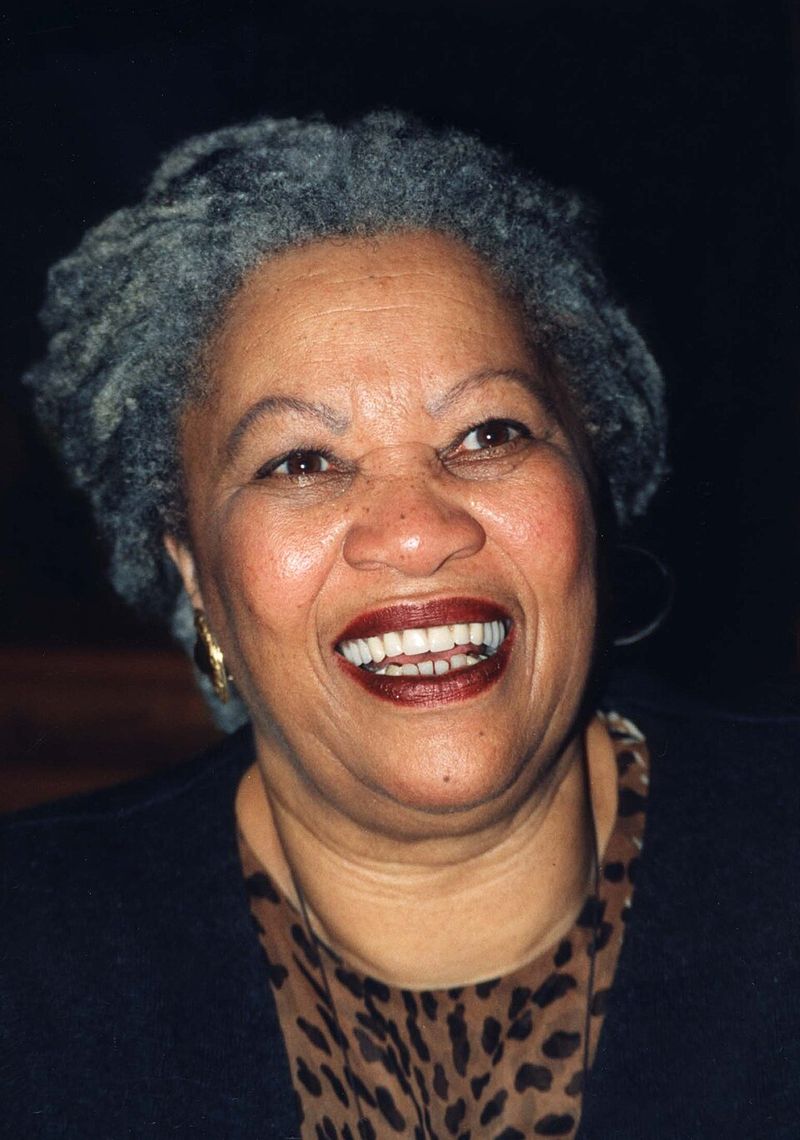
Lyrical prose and unflinching examination of American racism earned one novelist the highest literary honors.
Toni Morrison wrote masterpieces like Beloved and Song of Solomon that explored African American history, trauma, and resilience with poetic language and mythic depth.
The Nobel Prize committee recognized work that gave voice to experiences often marginalized in mainstream literature.
Imagine stories so powerful they change how an entire nation understands its history.
Morrison refused to let slavery and its aftermath be forgotten, creating characters whose struggles and triumphs demand our attention and empathy.
15. Maya Angelou
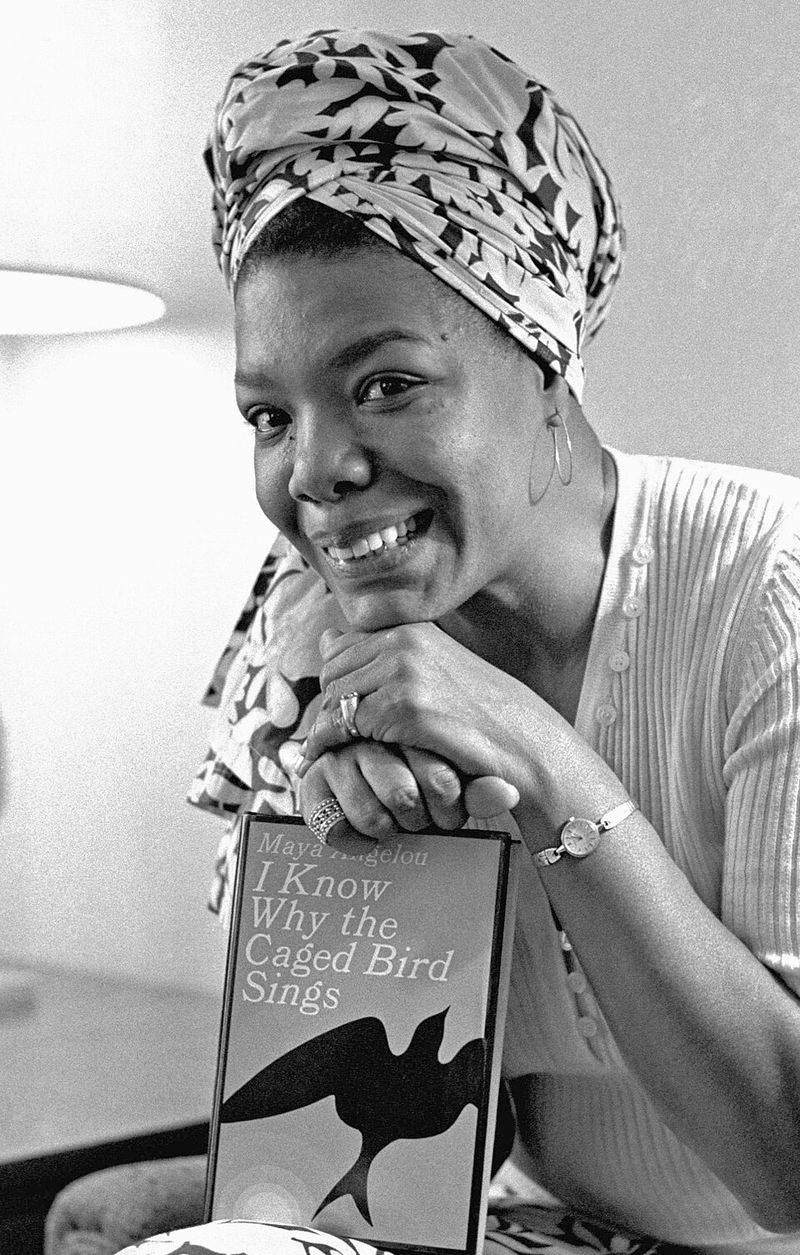
Autobiography became art when one poet transformed personal pain into universal stories of survival and dignity.
Maya Angelou’s I Know Why the Caged Bird Sings broke ground by honestly depicting childhood trauma, racism, and resilience in the Jim Crow South.
Poetry collections and subsequent memoirs continued exploring themes of identity, strength, and the power of voice itself.
Maybe you’ve found healing in sharing your own story with others.
Angelou showed that vulnerability combined with artistry creates connections, helping readers feel less alone in their struggles and more hopeful about overcoming obstacles.
16. Margaret Atwood
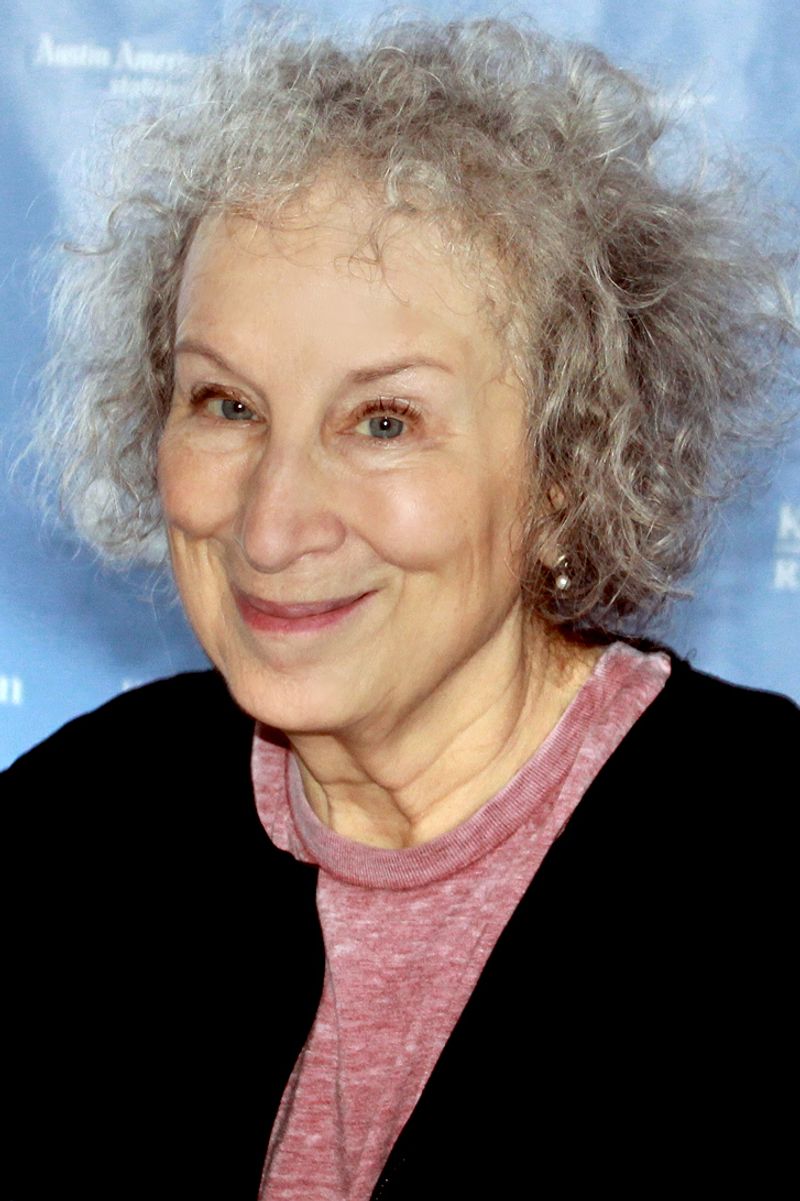
Speculative fiction became a lens for examining contemporary social and political dangers through dystopian imagination.
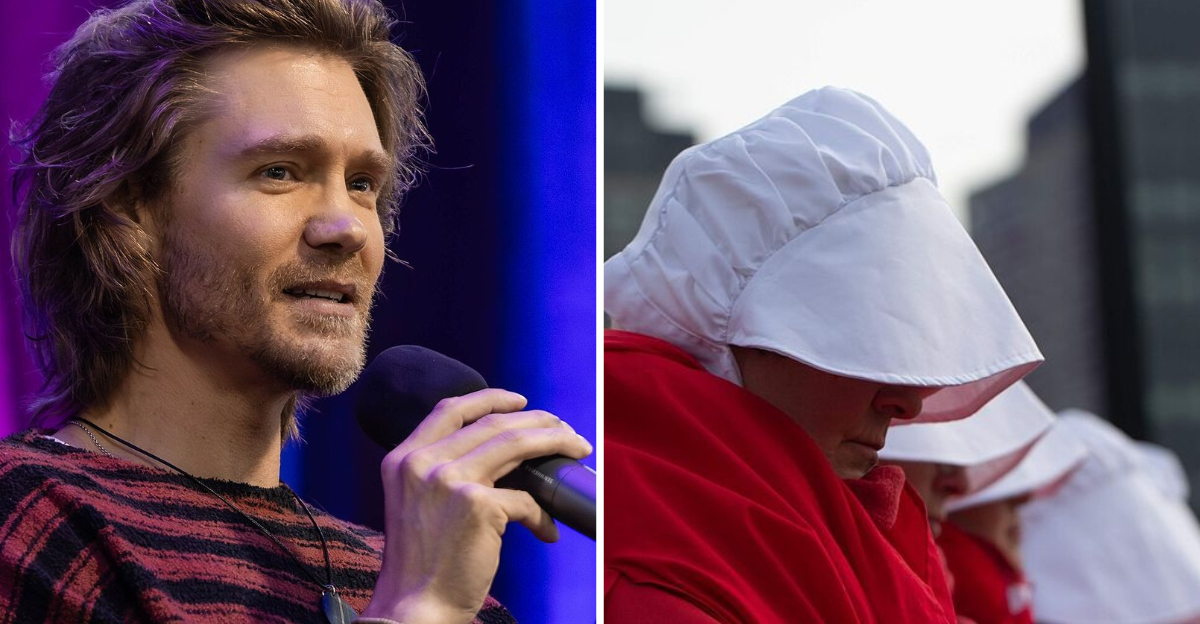
Margaret Atwood’s The Handmaid’s Tale envisioned a theocratic future where women lose all rights, a warning that feels disturbingly relevant decades later.
Prolific across genres, Atwood consistently explores power, gender, and environmental themes with sharp intelligence and dark humor.
Think about how science fiction helps us see present problems more clearly.
Atwood’s dystopias aren’t predictions but rather examinations of current trends pushed to logical extremes, making us question where we’re headed.
17. Isabel Allende
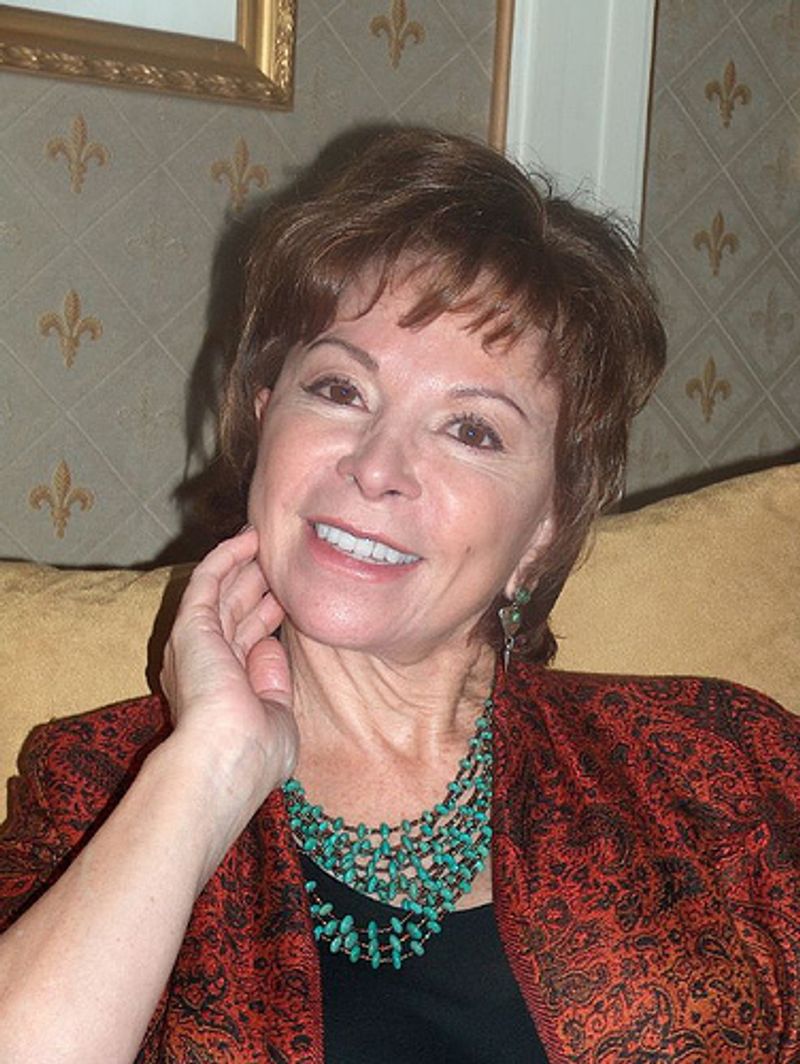
Magical realism and family sagas brought Latin American women’s stories to international audiences with emotional richness.
Isabel Allende’s debut novel The House of the Spirits wove together political history and fantastical elements, establishing a distinctive voice that honors Chilean culture and women’s experiences.
Dozens of books followed, exploring love, loss, exile, and the strength found in female relationships.
Perhaps you’ve noticed how the most memorable stories blend reality with something slightly enchanted.
Allende’s approach captures how life actually feels – ordinary moments touched by mystery, coincidence, and wonder.
18. Clarice Lispector
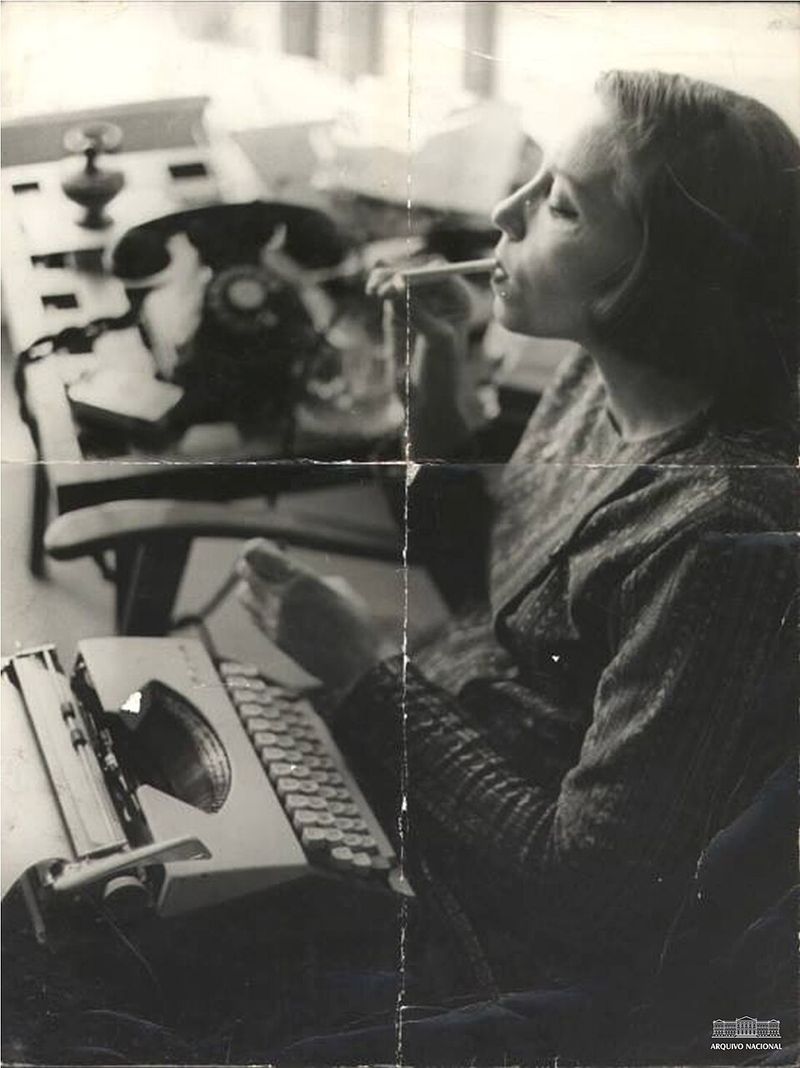
Philosophical intensity and experimental prose made one Brazilian author a cult favorite among readers seeking existential depth.
Clarice Lispector wrote novels and stories that probe consciousness, identity, and the strangeness of everyday existence with language that feels both precise and dreamlike.
Works like The Hour of the Star and The Passion According to G.H. challenge conventional narrative while exploring profound questions about being.
Maybe you’ve felt that ordinary moments sometimes crack open to reveal something mysterious underneath.
Lispector captured exactly that sensation, making readers reconsider what fiction can do and how language shapes our reality.