20 Most Influential Lead Guitarists Who Shaped Modern Music
Lead guitar has a way of sounding like a signature, instantly recognizable and impossible to fake.
Certain players changed what the instrument could do, shaping tone, technique, and style in ways that still echo through modern music.
Their solos became roadmaps for future generations, and their riffs helped define entire genres and movements.
Disclaimer: Selections reflect editorial opinion and a particular view of musical influence, not definitive fact or universal consensus among historians, critics, or fans.
1. Jimi Hendrix
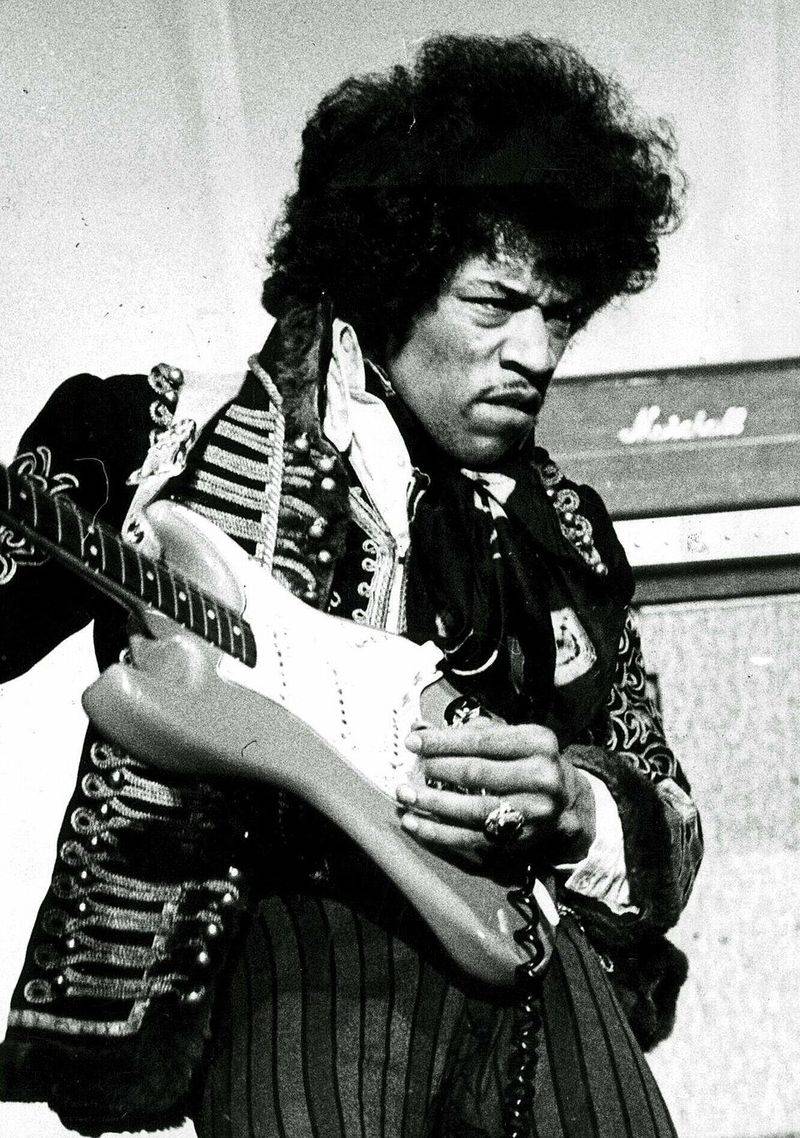
Wild feedback and distortion became art when this Seattle-born genius plugged in.
His upside-down Stratocaster seemed to speak languages nobody had heard before, bending notes into psychedelic journeys.
Woodstock 1969 witnessed history when he transformed the national anthem into a protest masterpiece.
Though his career lasted only four years, the echoes of his innovation still ring through every rock song today.
2. Eric Clapton
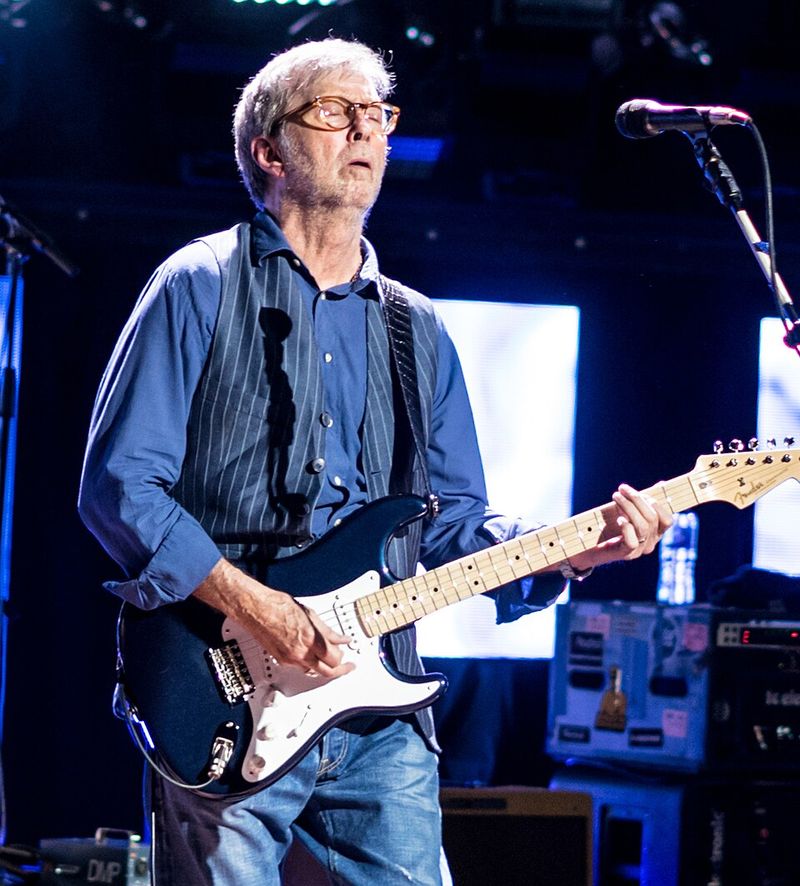
Slowhand earned his nickname from audiences clapping while he changed broken strings mid-performance.
Blues runs through his veins like electricity, creating solos that make guitars literally weep with emotion.
From The Yardbirds to Cream to solo stardom, his journey taught generations how to make six strings sing. His vibrato technique became the gold standard every aspiring blues guitarist tries to master.
3. Jeff Beck
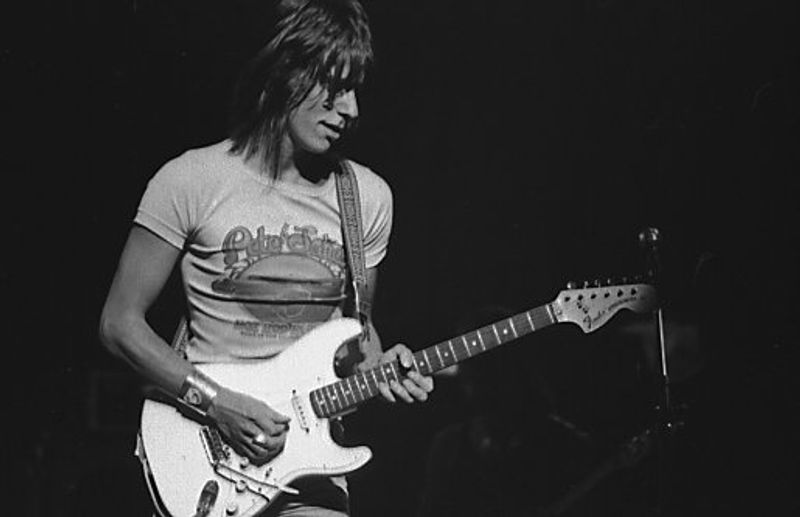
Where others saw limitations, this British virtuoso discovered infinite possibilities in tremolo bars and volume knobs.
His fingers could mimic car engines, crying voices, and sounds from outer space without a single effects pedal.
Though he never achieved Clapton’s fame, fellow musicians whisper his name with reverence reserved for magicians.
4. Eddie Van Halen
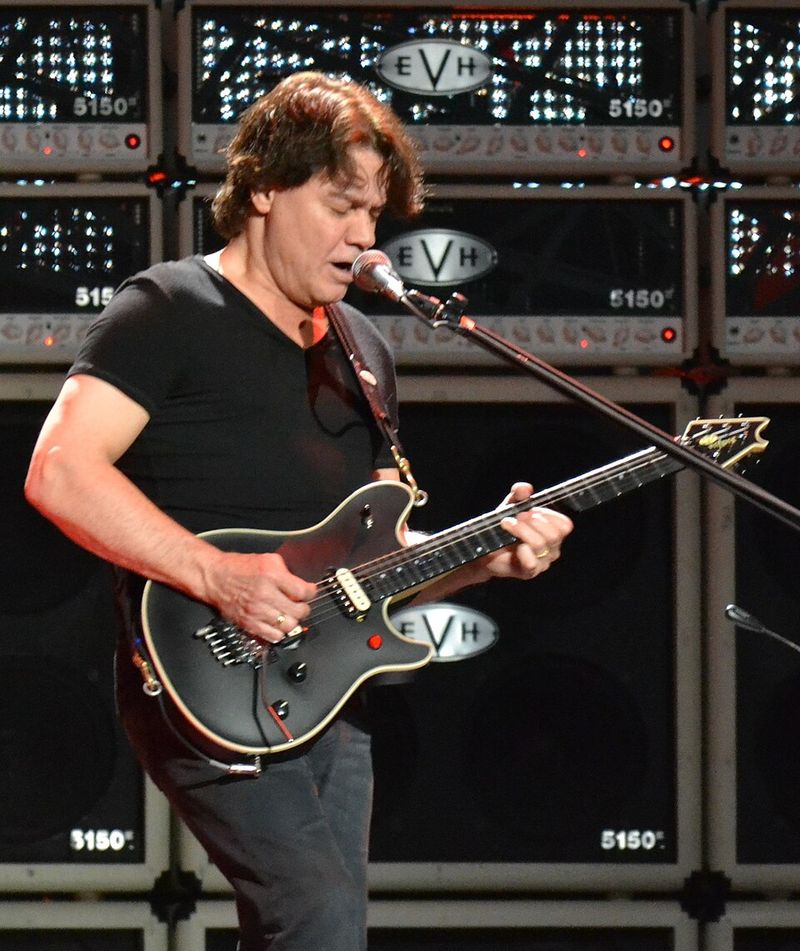
Eruption wasn’t just a song – it was a declaration that guitar playing had entered a new dimension.
Two-handed tapping turned fretboards into pianos, and suddenly everyone needed to rethink what was physically possible.
His homemade Frankenstrat, covered in stripes and cigarette burns, became as iconic as his megawatt smile.
Speed, melody, and showmanship collided in a player who made the impossible look effortless and ridiculously fun.
5. B.B. King
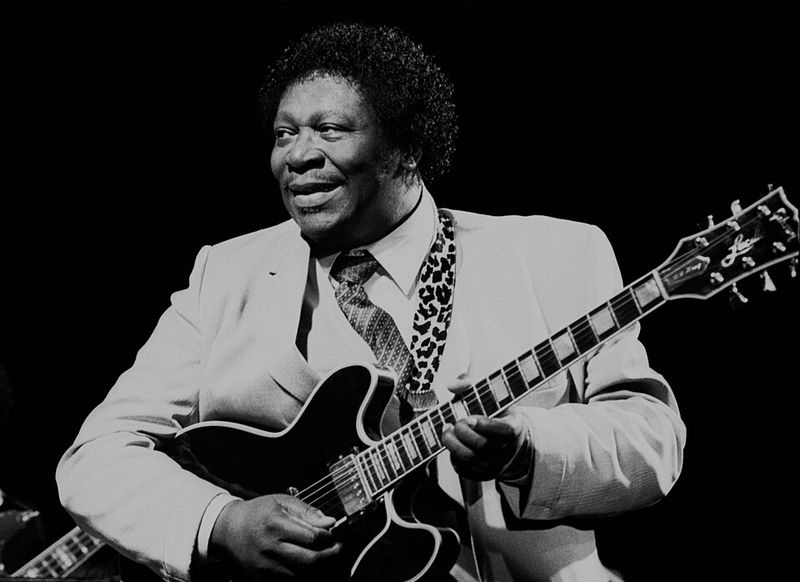
Lucille never had to scream because her owner knew exactly how to make every note count. His vibrato could express more emotion in three notes than most players manage in entire solos.
Born in Mississippi cotton fields, he carried the blues to concert halls worldwide, proving simplicity beats complexity when soul’s involved.
That gentle touch and precise bending technique became the blueprint for expressing heartbreak through amplified strings.
6. Jimmy Page

Led Zeppelin’s architect constructed monuments of sound using everything from violin bows to alternate tunings.
Stairway to Heaven’s solo remains the forbidden fruit in every guitar shop – seriously, they have signs!
His layered studio wizardry created textures nobody imagined possible before multitrack recording became his playground.
7. Chuck Berry
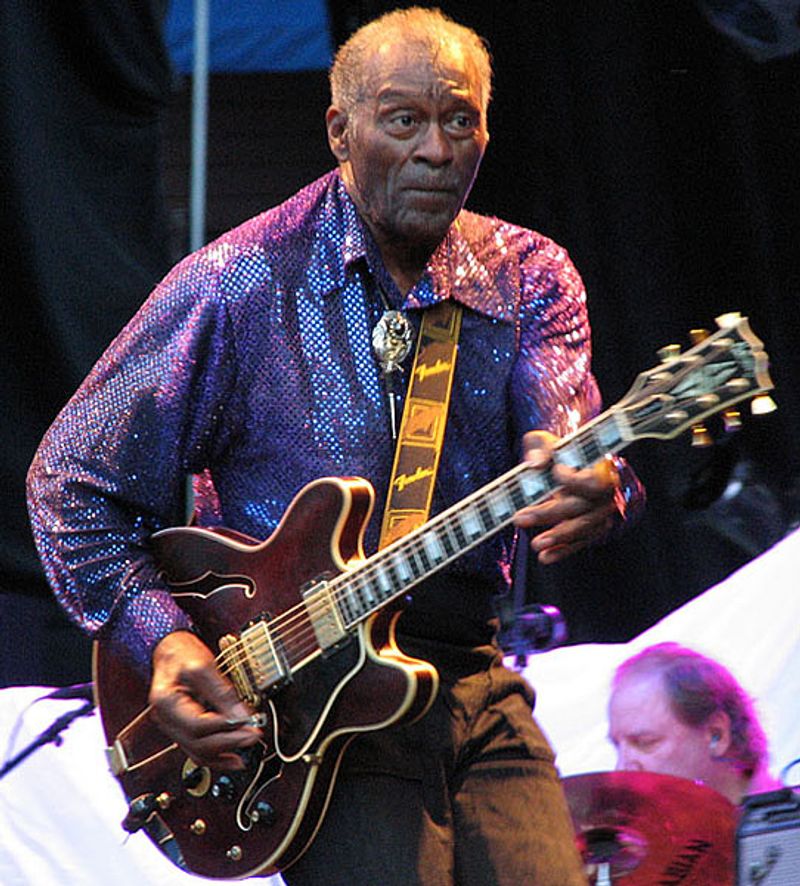
Before rock and roll had a name, this St. Louis showman was already duck-walking across stages with electrified rhythm and blues.
Johnny B. Goode’s opening riff is basically the Rosetta Stone of rock guitar – everyone learns it eventually.
His double-string bends and rhythmic precision laid the foundation every rock guitarist builds upon.
8. Keith Richards
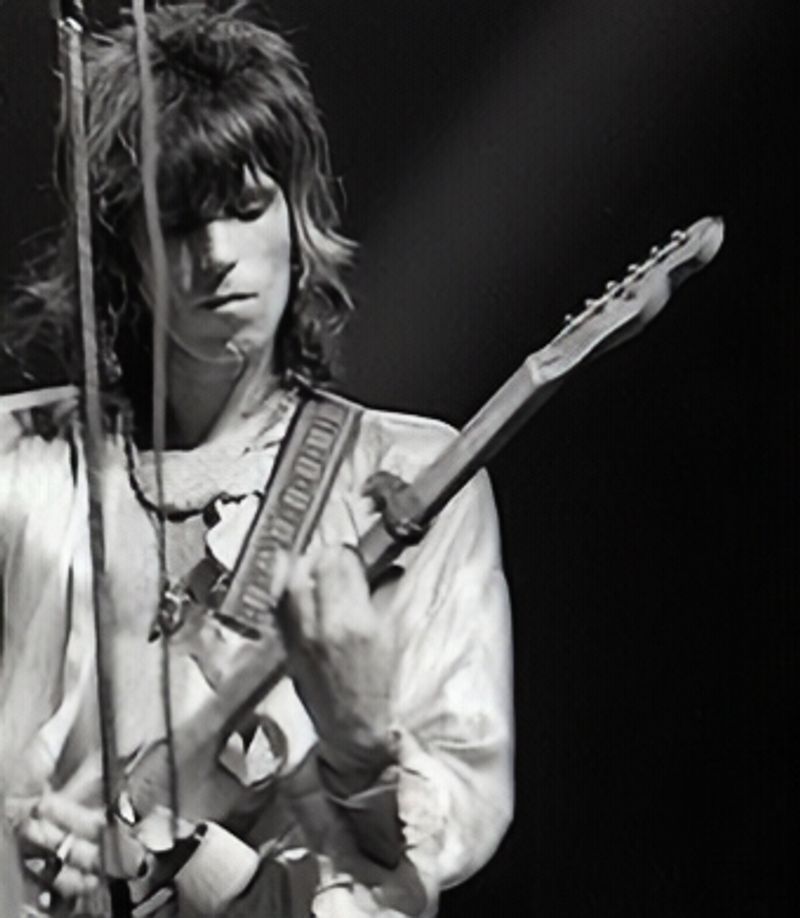
Satisfaction’s fuzzy riff changed everything, proving that attitude sometimes matters more than technical perfection.
His open-tuning approach and relentless rhythm work became the backbone of rock and roll itself.
While others chased speed, Richards mastered the ancient art of the groove, making audiences move involuntarily.
Five decades with the Rolling Stones proved that staying in the pocket beats flashy solos when you’re writing the soundtrack to rebellion.
9. Duane Allman

Slide guitar became high art in the hands of this Southern virtuoso who tragically left us at just twenty-four.
His bottleneck work on Layla sessions with Clapton created magic that still gives listeners chills decades later.
The Allman Brothers Band’s extended improvisations showed how blues, jazz, and rock could merge into something transcendent.
10. Carlos Santana
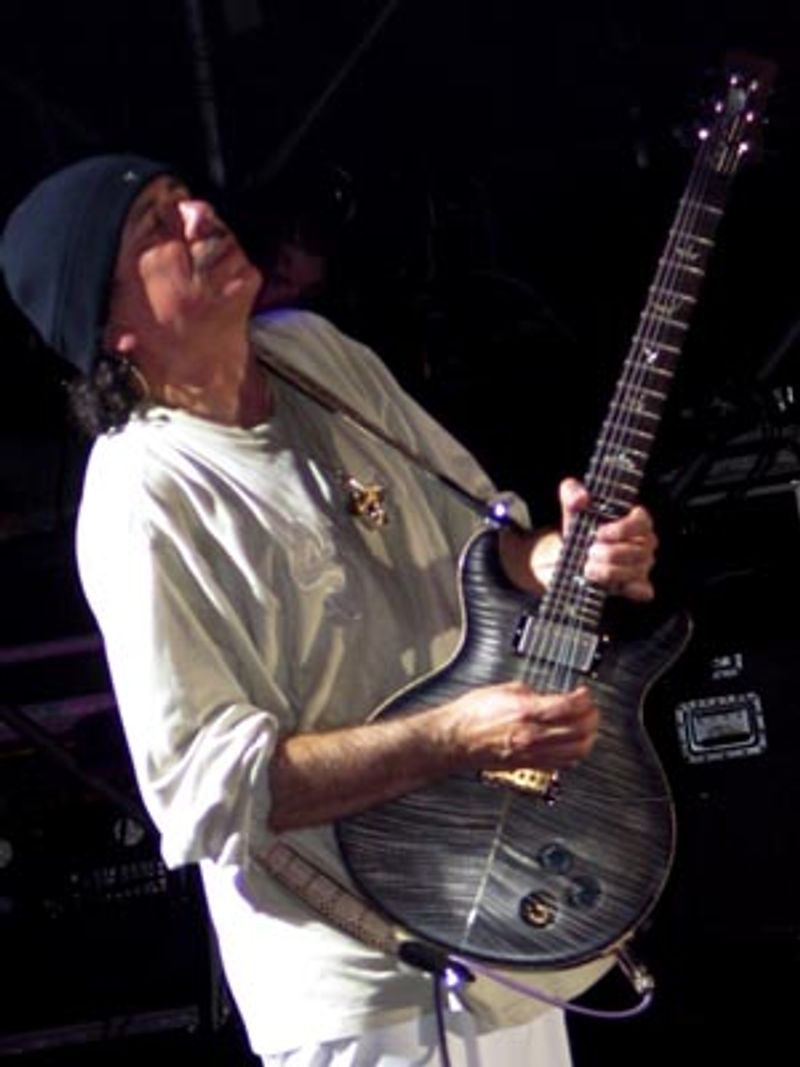
Latin rhythms met psychedelic rock when this Mexican-American maestro unleashed his singing sustain on Woodstock crowds.
His tone – warm, vocal, and instantly recognizable – became his signature across five decades of musical evolution.
Supernatural’s comeback showed that soulful playing never goes out of style, even in changing musical landscapes.
11. David Gilmour
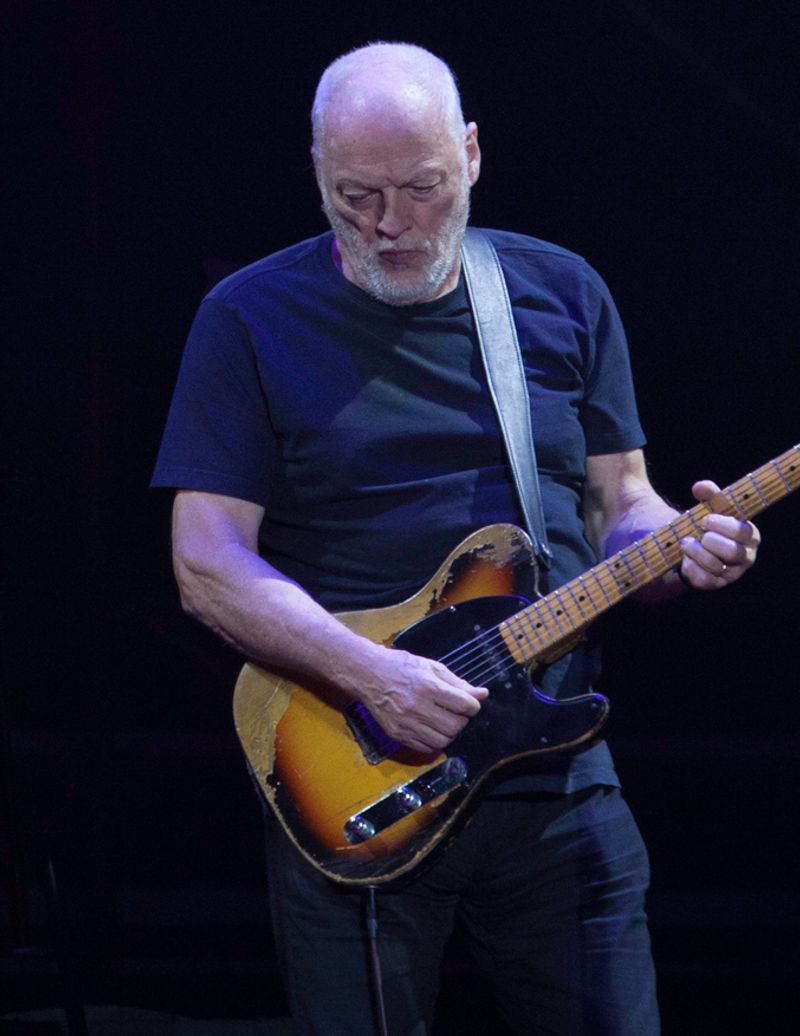
Pink Floyd’s sonic architect painted soundscapes where most guitarists just play notes.
His Comfortably Numb solo consistently wins polls as the greatest ever recorded – and for good reason, it’s practically perfect.
Gilmour proves that space between notes matters as much as the notes themselves, letting each phrase breathe and resonate.
12. Tony Iommi

Losing fingertips in a factory accident could have ended his career, but instead it birthed heavy metal.
His downtuned, doom-laden riffs for Black Sabbath created darkness that still echoes through every metal band today.
Those prosthetic fingertips forced him to bend strings differently, accidentally creating the heavy sound that defined a genre.
13. Ritchie Blackmore
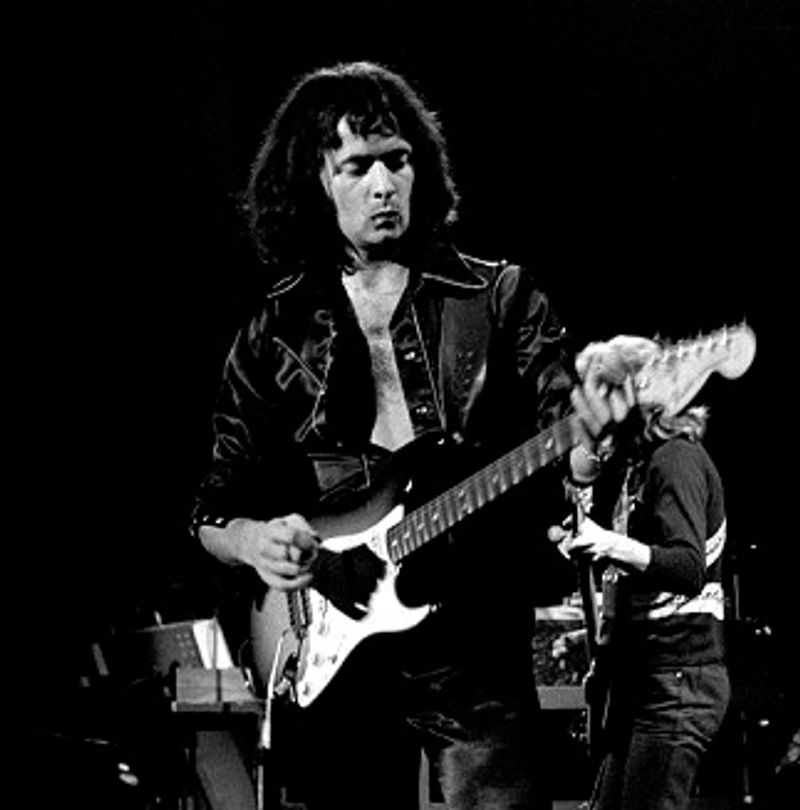
Deep Purple’s fretboard wizard combined classical influences with hard rock fury, creating Smoke on the Water’s immortal riff.
His neoclassical approach opened doors for countless shredders who followed in his footsteps.
Later, Rainbow showcased his medieval fascinations, blending baroque melodies with electric thunder.
14. Brian May
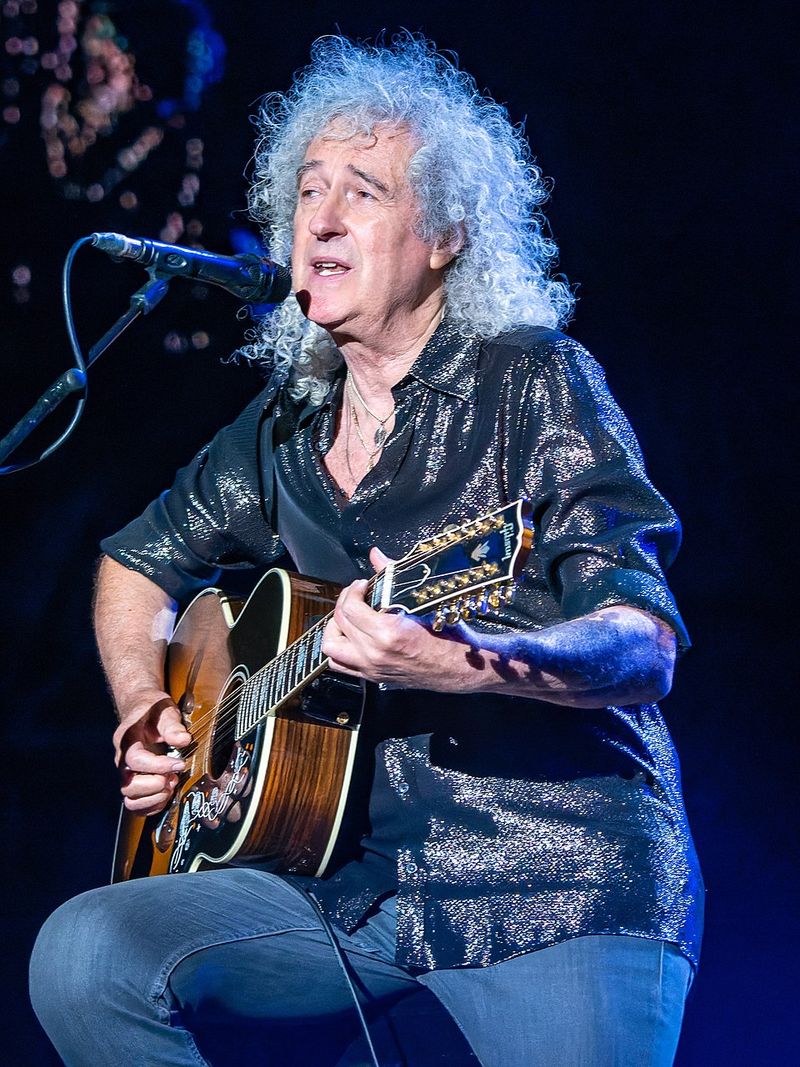
Building your own guitar from fireplace wood sounds crazy until you hear the results – Queen’s layered harmonies owe everything to the Red Special.
His orchestral approach stacked guitars like violins, creating walls of sound that still sound futuristic.
We Will Rock You’s stomp-stomp-clap confirmed simplicity works, while Bohemian Rhapsody showcased his compositional genius.
15. Mark Knopfler
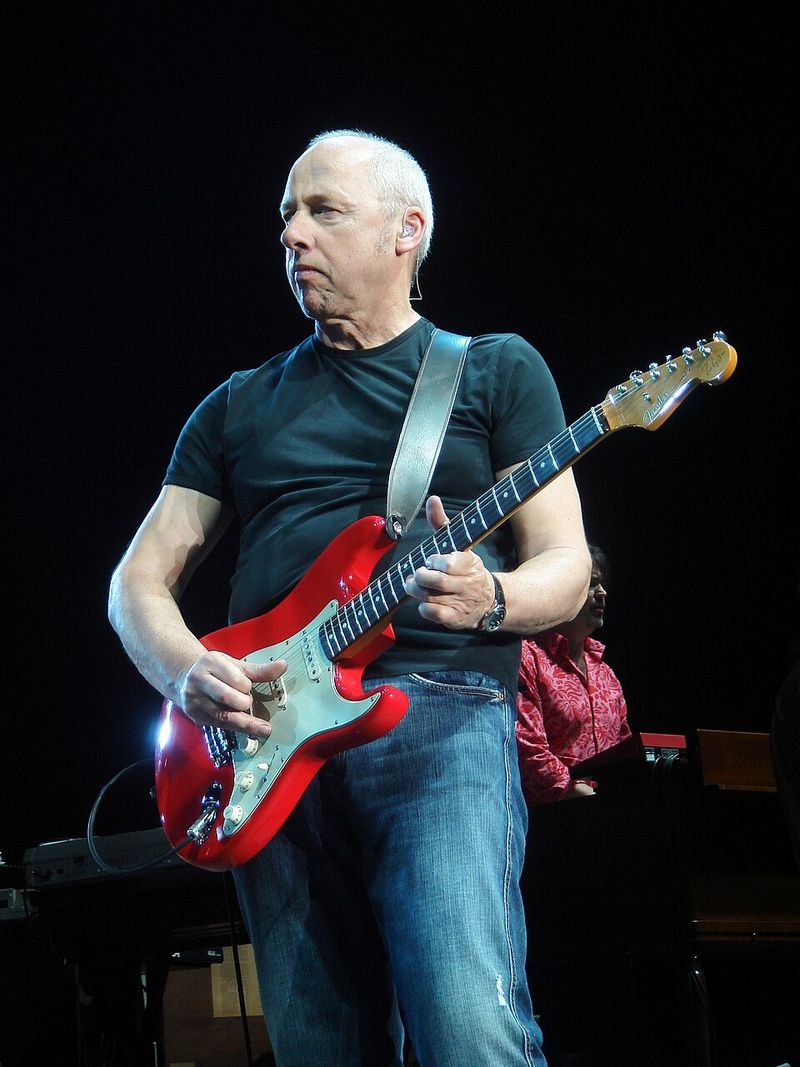
Fingerpicking electric guitar seemed impossible until Dire Straits’ frontman made it sound effortless and utterly cool.
His clean, articulate style on Sultans of Swing rewrote rules about how rock guitar should be played.
While everyone else used picks, Knopfler’s bare fingers created tones both intimate and powerful simultaneously.
16. Stevie Ray Vaughan
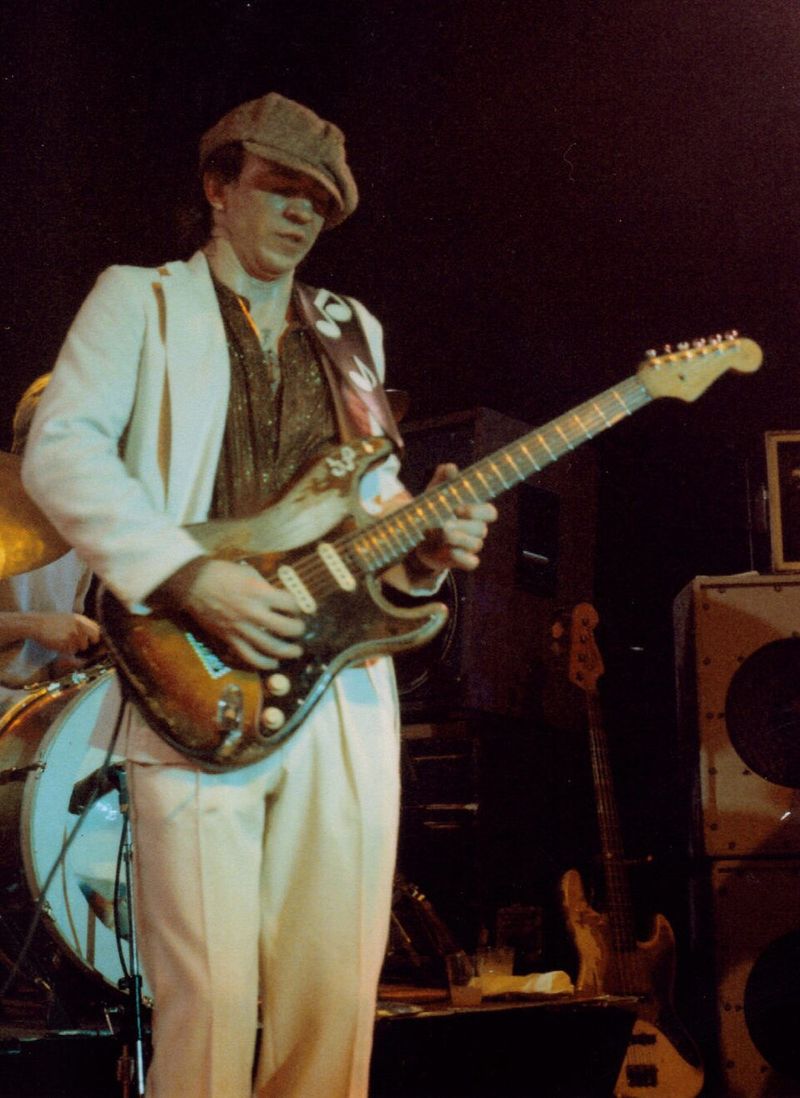
Texas blues exploded back into mainstream consciousness when this Austin firebrand unleashed Pride and Joy on unsuspecting 1980s audiences.
Tragically, a helicopter crash stole him at thirty-five, just as his influence was reaching supernova status.
However, SRV’s passionate playing and dedication to blues tradition inspired countless players to explore roots music with renewed enthusiasm.
17. Randy Rhoads
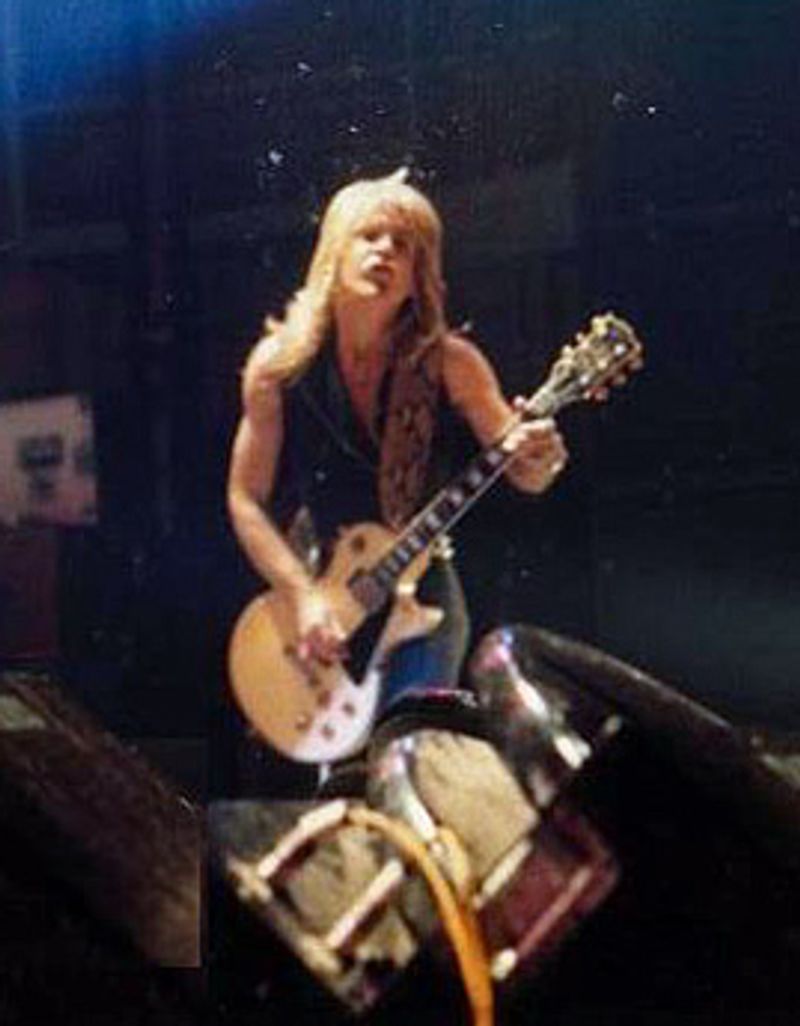
Classical training met heavy metal when this diminutive guitar teacher joined Ozzy Osbourne’s post-Sabbath adventure.
Crazy Train’s iconic riff announced a new era where technique and heaviness could coexist beautifully.
Rhoads proved that practicing scales and arpeggios wasn’t boring – it was the secret weapon behind unforgettable metal anthems.
18. George Harrison
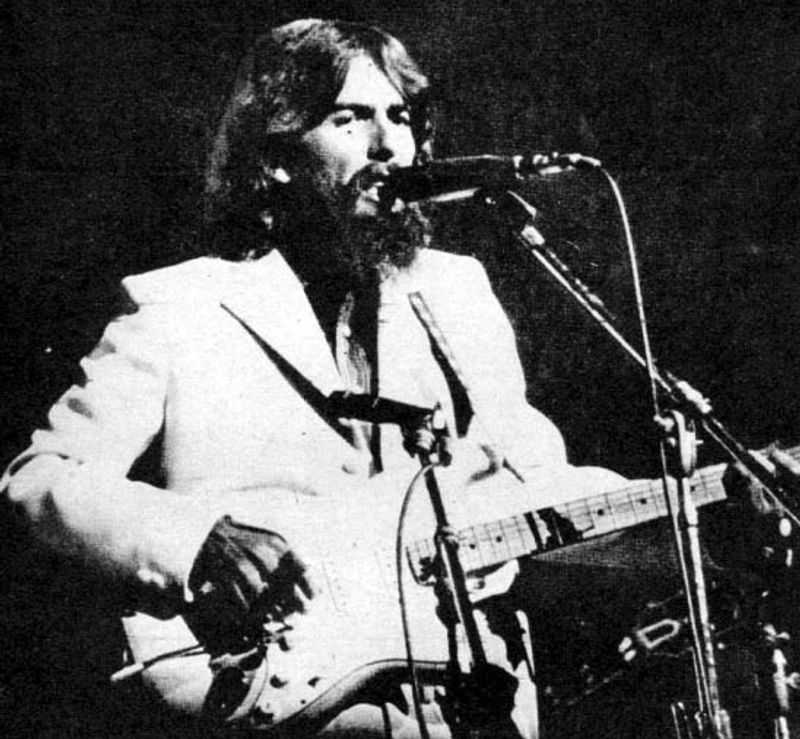
Being the Quiet Beatle didn’t stop him from introducing Indian music and innovative guitar textures to Western pop audiences.
His melodic solos on Something and While My Guitar Gently Weeps showcase restraint and perfect note choice.
Harrison’s slide work and use of exotic instruments expanded rock’s palette beyond anyone’s wildest 1960s dreams.
19. Robert Fripp
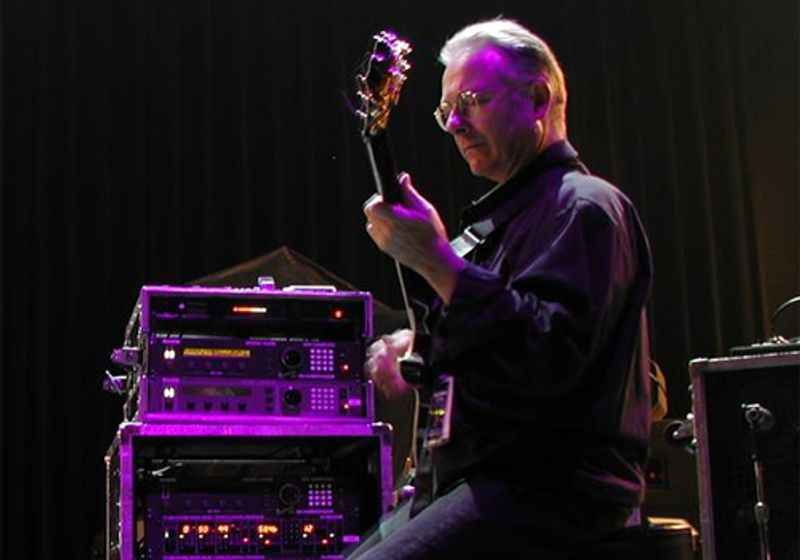
King Crimson’s mastermind approached guitar like a chess grandmaster approaches strategy – every note serves a larger architectural purpose.
His unconventional seated playing position and cerebral compositions challenged everything rock guitar was supposed to be.
Fripp’s tape loop experiments and polyrhythmic innovations influenced progressive rock, ambient music, and experimental genres for generations.
20. Prince

Purple Rain’s solo proves that showmanship and technical mastery can create transcendent moments in music history.
This Minneapolis genius played every instrument, but his guitar work often stole shows with its raw emotion and unexpected ferocity.
From funk rhythms to blazing rock solos, Prince’s versatility knew absolutely no boundaries or limitations.