12 Influential Metal Musicians Recognized By Rolling Stone
For decades, Rolling Stone has acted as the loudest referee in rock and metal history, ranking the players who turned distortion, volume, and attitude into art.
Its guitarist and bassist lists are often treated like sacred texts, endlessly debated but rarely ignored.
This list pulls directly from those rankings, using Rolling Stone’s own picks as the backbone, not vibes or nostalgia.
Note: Information about rankings reflects Rolling Stone’s published lists (The 250 Greatest Guitarists of All Time and 50 Greatest Bassists of All Time) and is presented for general entertainment and pop-culture discussion.
12. K.K. Downing
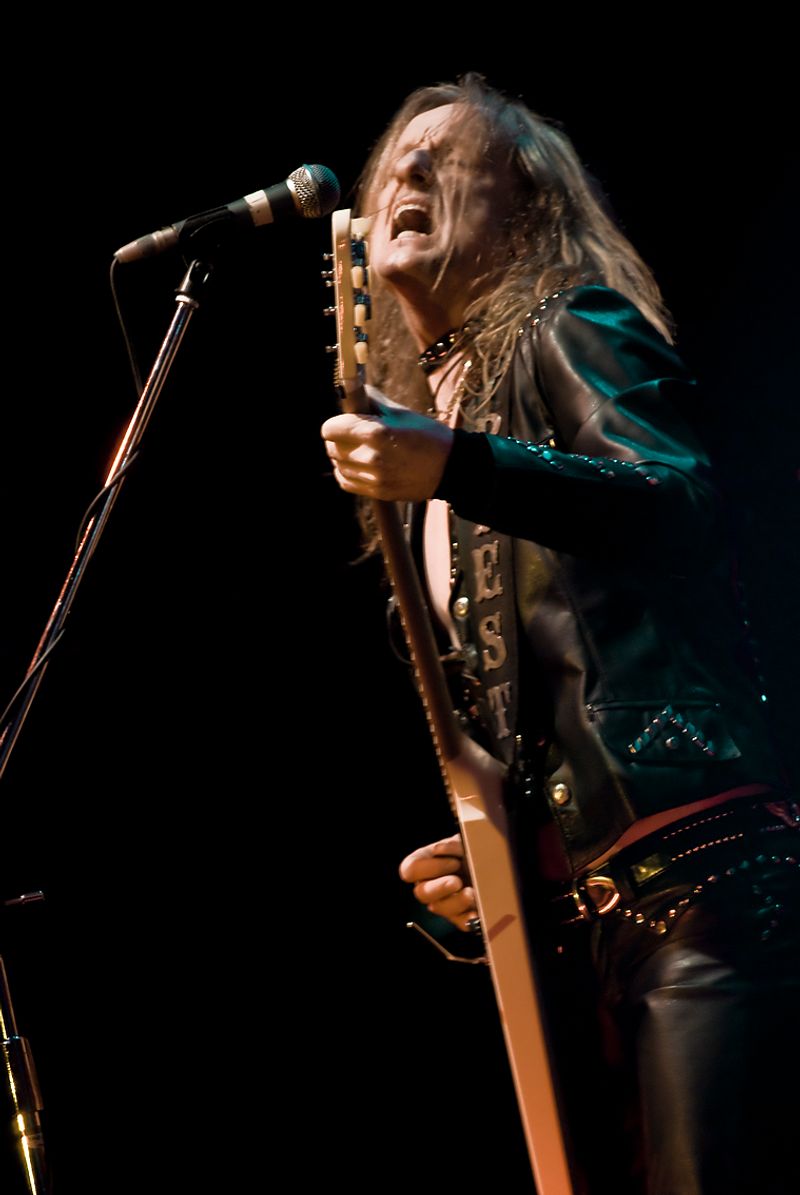
Flash and fury defined the twin-guitar attack that K. K. Downing brought to Judas Priest.
Ranking at number 219 alongside Glenn Tipton reflected how aggressive playing and theatrical stage presence helped shape metal’s visual and sonic template. Rapid-fire solos and pinched harmonics on tracks like Electric Eye set lasting standards for both showmanship and technical skill.
Beyond pure technique, clear understanding emerged that metal thrived on spectacle as much as sound, pushing countless guitarists to perform rather than simply play.
Moments when a calendar reminder demands action hit harder with his electrifying riffs acting as a battle cry for whatever comes next.
11. Glenn Tipton
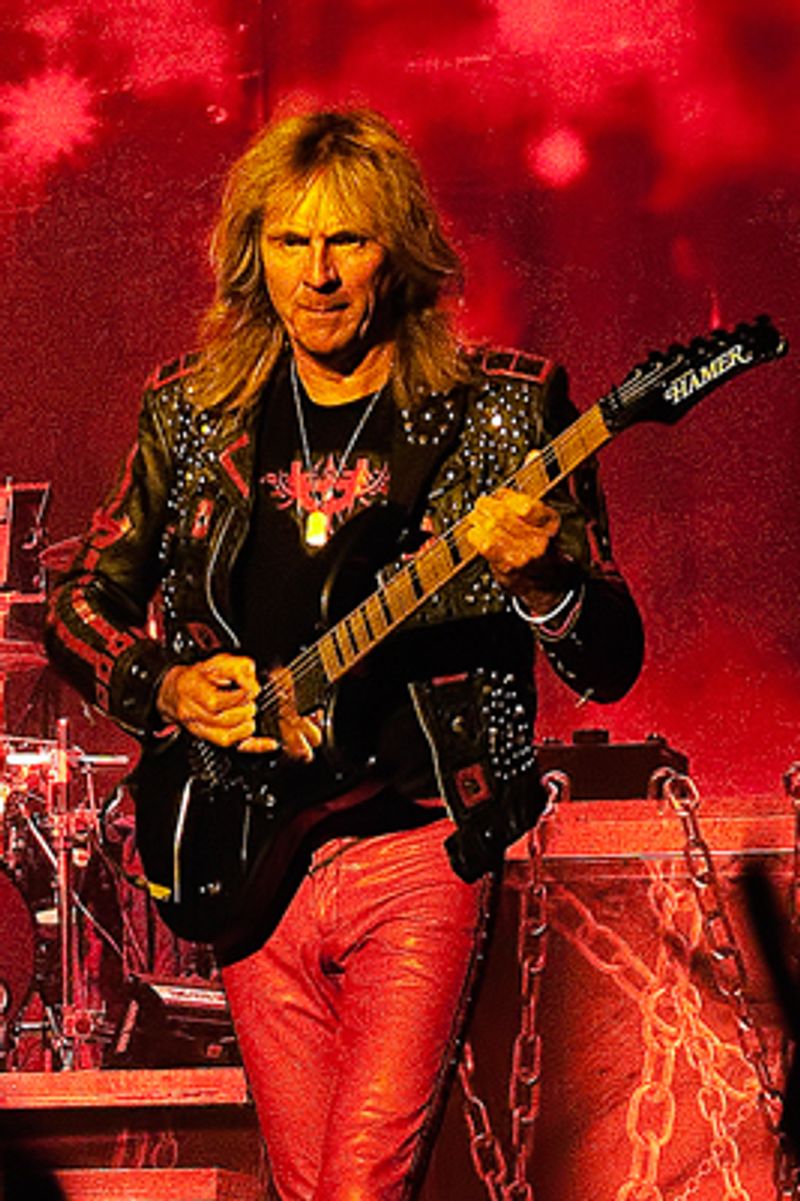
Glenn Tipton’s precision and power helped define heavy metal’s sound.
Sharing the 219th spot on Rolling Stone’s guitarist ranking with bandmate K. K. Downing, his lead work with Judas Priest on tracks like Painkiller showcased technical mastery paired with melodic invention.
Twin-guitar attack formed with Downing created a blueprint that countless metal bands would later follow. Solos balanced speed and emotion, proving feel never had to be sacrificed for flash.
Battles with Parkinson’s disease in recent years have not dimmed his legacy, leaving contributions etched permanently into metal history.
10. Dimebag Darrell
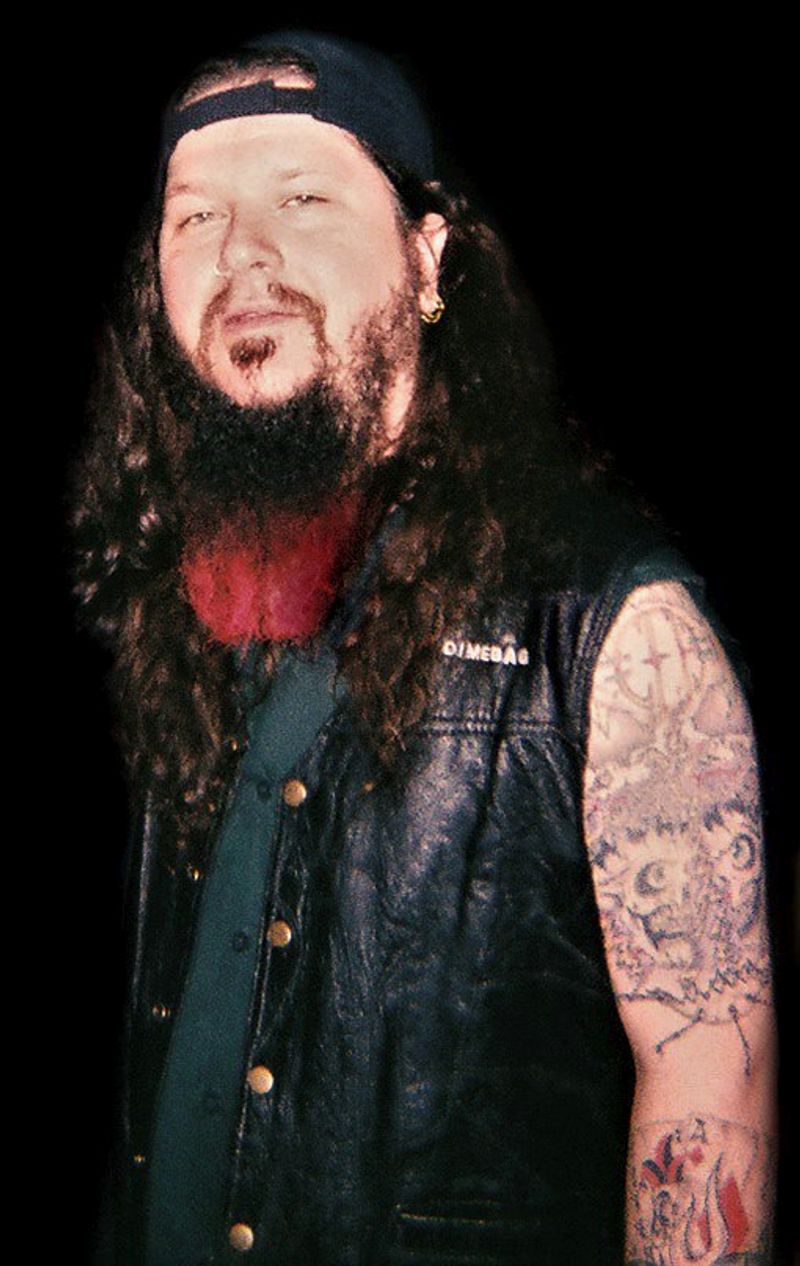
Southern swagger fused with crushing metal force defined the sound that Dimebag Darrell unleashed.
Recognition came when Rolling Stone placed him at 131st on its guitarist list, highlighting how his work with Pantera bridged thrash aggression and groove metal’s infectious rhythm.
Squealing harmonics and bone-crushing riffs on albums like Vulgar Display of Power shaped an entire generation of players. Tragedy struck in 2004 with his onstage death, cutting short a career fueled by innovation and joy.
Legacy endures every time a guitarist cranks the gain, proving heavy music can still swing, grin, and feel alive.
9. Kerry King

Chainsaw-like aggression defines guitar work from Kerry King. Recognition followed when Rolling Stone ranked him 100th, crediting how his role in Slayer helped pioneer chaotic, atonal solos that shaped thrash metal’s signature sound.
Relentless downpicking and lightning-fast tremolo runs on albums like Reign in Blood reset expectations for speed and brutality. Intensity carried over to the stage, where an uncompromising presence matched the ferocity of the playing.
Influence reaches beyond technique into attitude, reminding listeners that music sometimes exists to challenge and intensify the mood, and frantic mornings somehow feel more manageable when those riffs kick in.
8. Adrian Smith
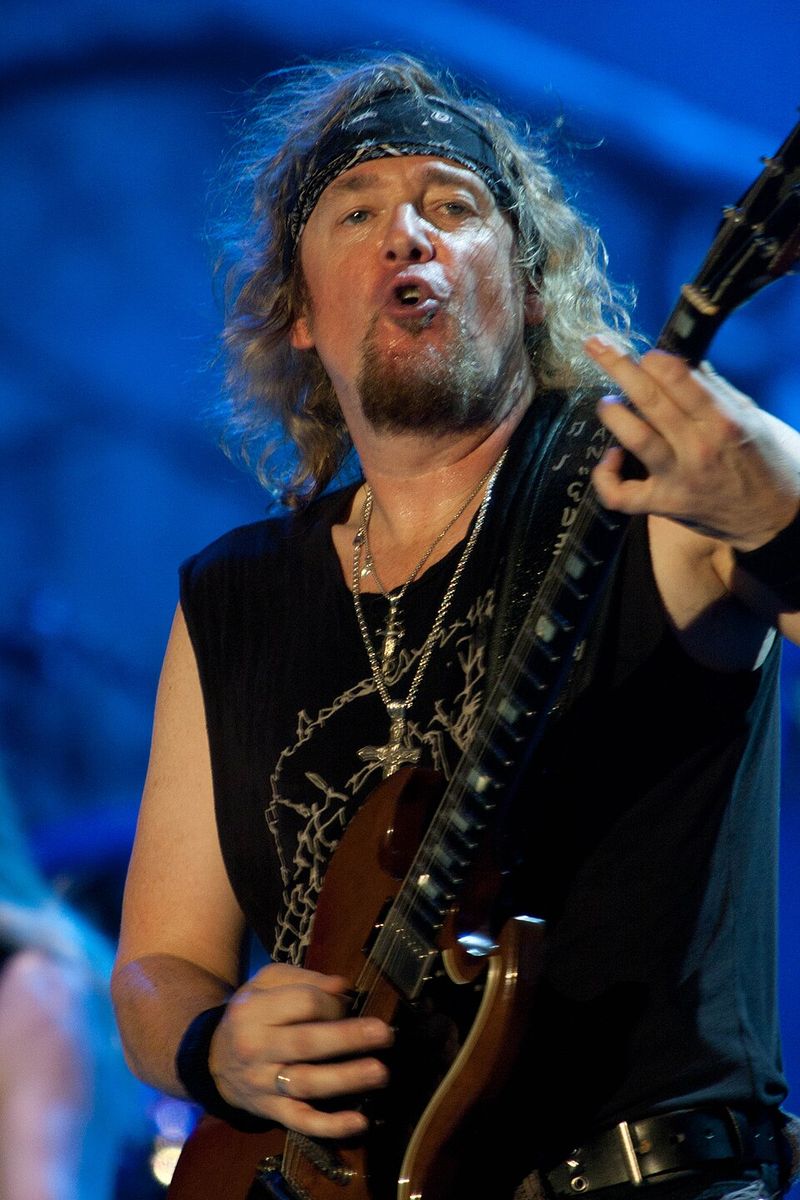
Adrian Smith’s melodic sensibility gave Iron Maiden its soaring, anthemic quality.
Sharing the 83rd spot on Rolling Stone’s guitarists list, Smith crafted some of metal’s most memorable dual-guitar harmonies alongside bandmate Dave Murray. His songwriting contributions, including ‘Wasted Years’ and ‘2 Minutes to Midnight,’ balanced aggression with accessibility.
Smith’s clean tone and fluid phrasing proved that metal guitar didn’t always need distortion to hit hard. When your bag sits by the door and adventure calls, his uplifting riffs are what fuel the journey ahead.
7. Lemmy Kilmister
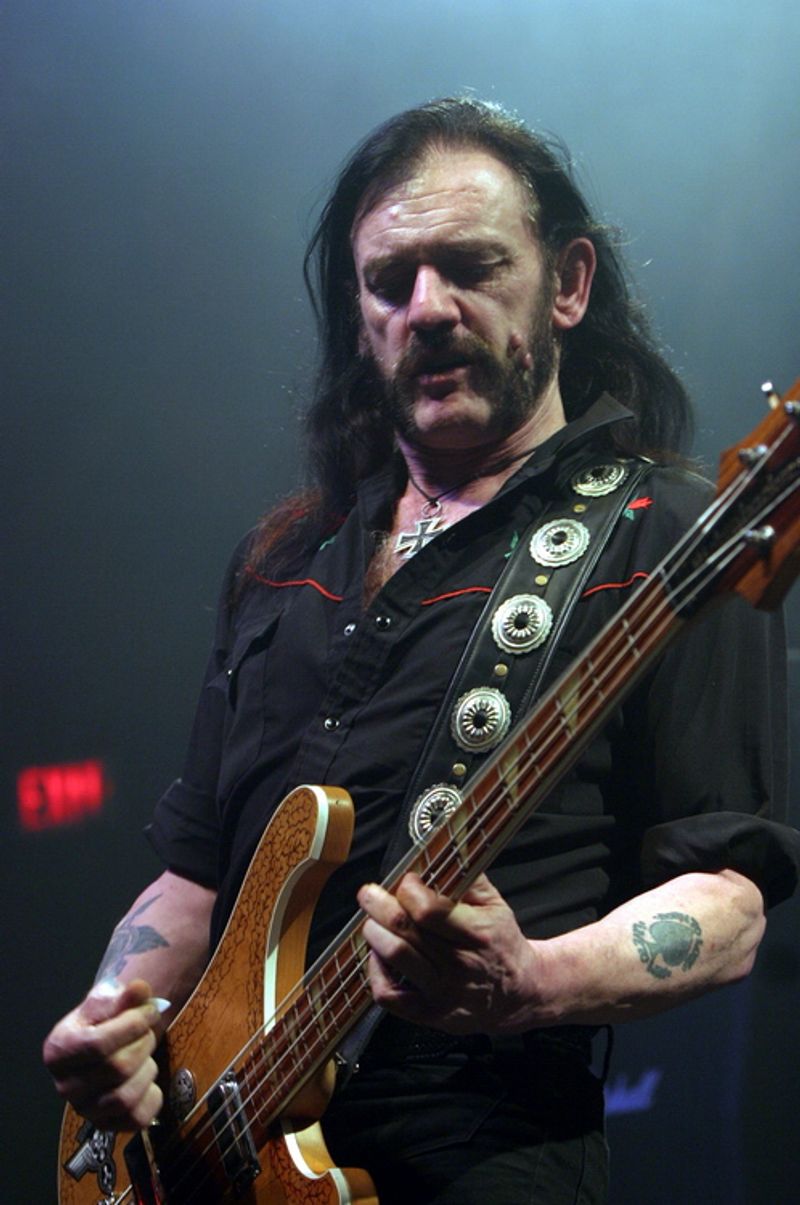
Amped-up bass playing defined everything about Lemmy rather than traditional low-end support.
Founding force behind Motörhead landed at number 33 on Rolling Stone’s bassists list, even if rankings barely hint at the scale of his influence. Grinding, overdriven tone erased boundaries between bass and rhythm guitar, producing a sound recognizable within just a few notes.
Cultural impact reached far beyond music, as Lemmy came to represent rock and roll’s uncompromising outsider spirit through sheer presence and attitude.
Simple philosophy ruled everything he did: play louder than anyone else and never apologize for the noise you make.
6. Cliff Burton
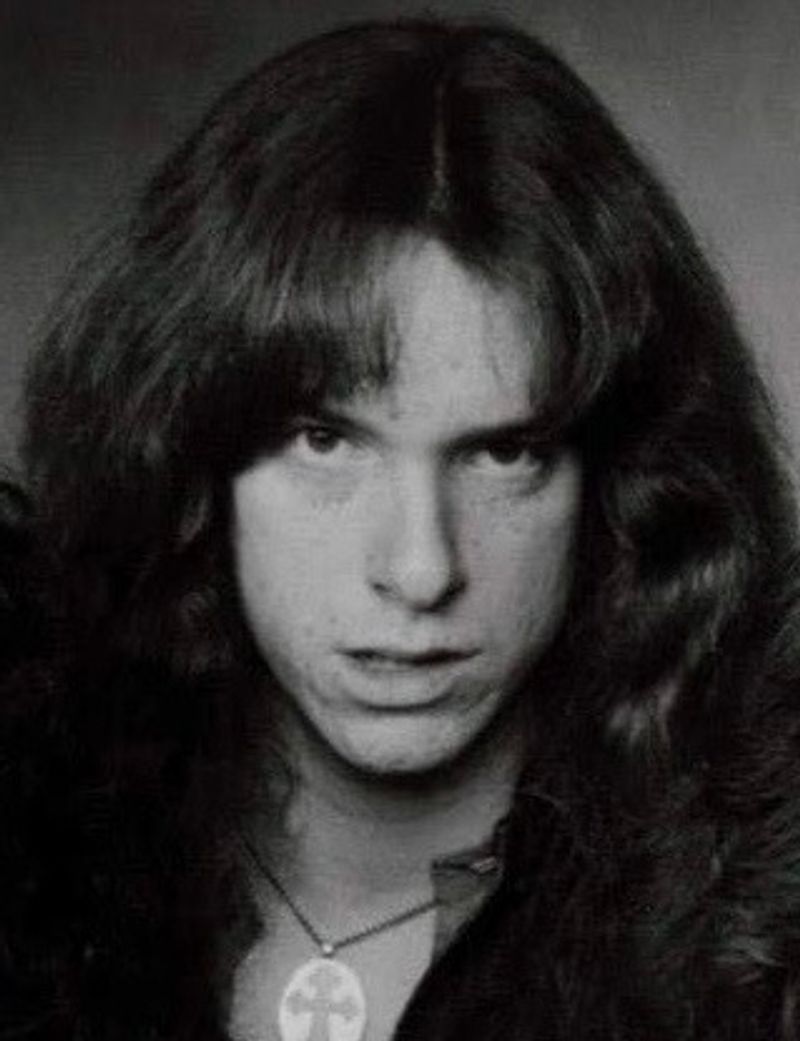
Cliff Burton treated his bass like a lead instrument, and metal was never the same.
Rolling Stone honored him at number 25 on their bassists list for revolutionizing how low-end could dominate a mix. His classical influences and distorted tone created bass solos that rivaled any guitar shredder, particularly on tracks like Orion and The Call of Ktulu.
Burton’s tragic death at 24 in a tour bus accident left Metallica and the metal world devastated. His legacy lives in every bassist who refuses to stay in the background, proving that four strings can shake the earth.
5. Kirk Hammett
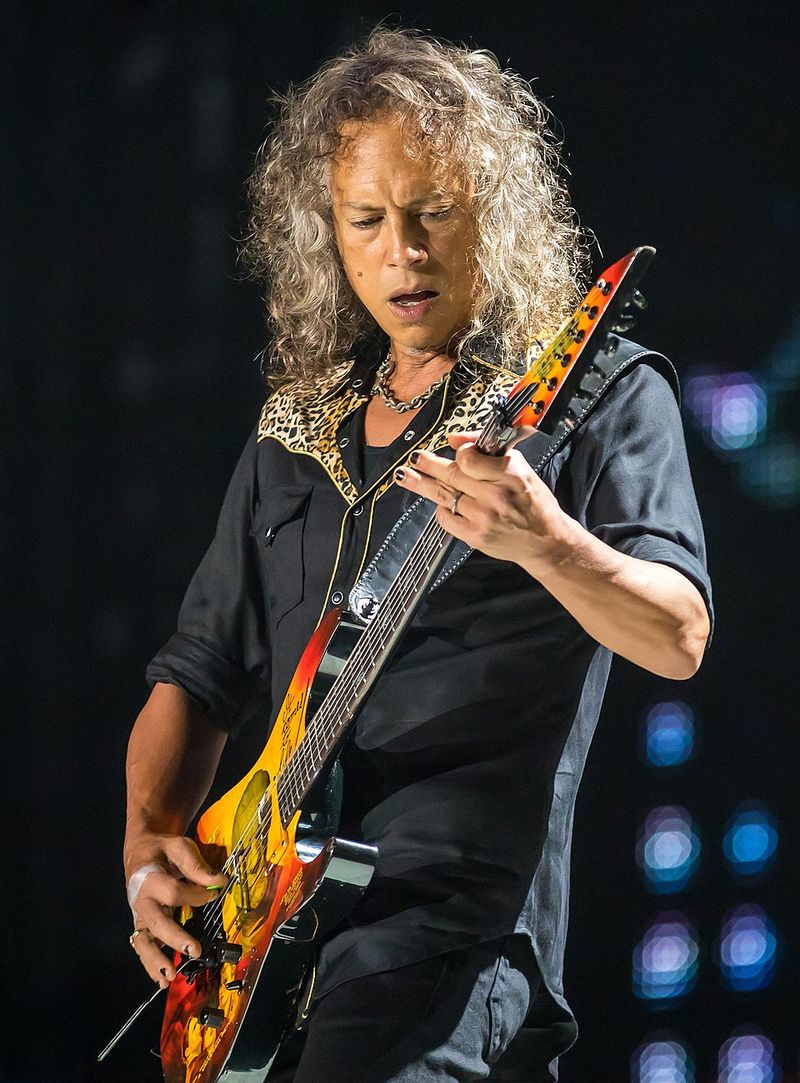
Lightning-like solos slice through Metallica’s sonic assault whenever Kirk Hammett steps forward. Ranked 23rd alongside James Hetfield on Rolling Stone’s guitarist list, his lead work balances technical firepower with a strong melodic sense for Metallica.
Fans wait for those moments, from the eerie opening of Enter Sandman to the blistering rush of Battery. Horror-movie obsession paired with heavy wah-pedal use gives his playing a voice that separates Metallica from every other thrash band.
Quiet kitchen moments after the kettle clicks off rarely last long, since those guitar screams feel made to shatter the calm.
4. James Hetfield
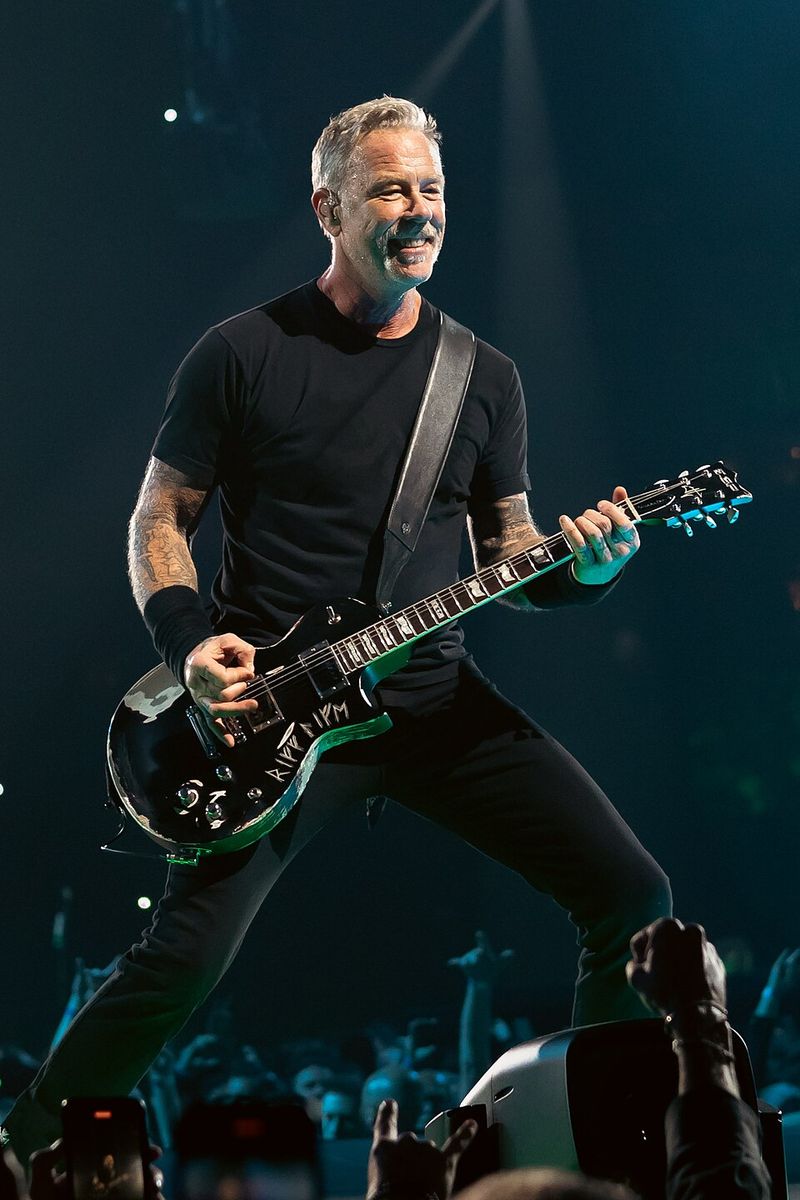
Commanding rather than merely keeping time, rhythm guitar from James Hetfield sounds built to move a crowd. Sharing the 23rd spot on Rolling Stone’s guitarists list with bandmate Kirk Hammett, aggressive downstroke technique emerged as the heartbeat of thrash metal through his work with Metallica.
Crushing riffs and growling vocals on albums like Master of Puppets set a benchmark for intensity that few could match.
Raw emotion beyond technical mastery turns personal struggle into universal metal anthems, making those riffs the perfect answer when an unexpected phone buzz shatters a quiet moment.
3. Randy Rhoads
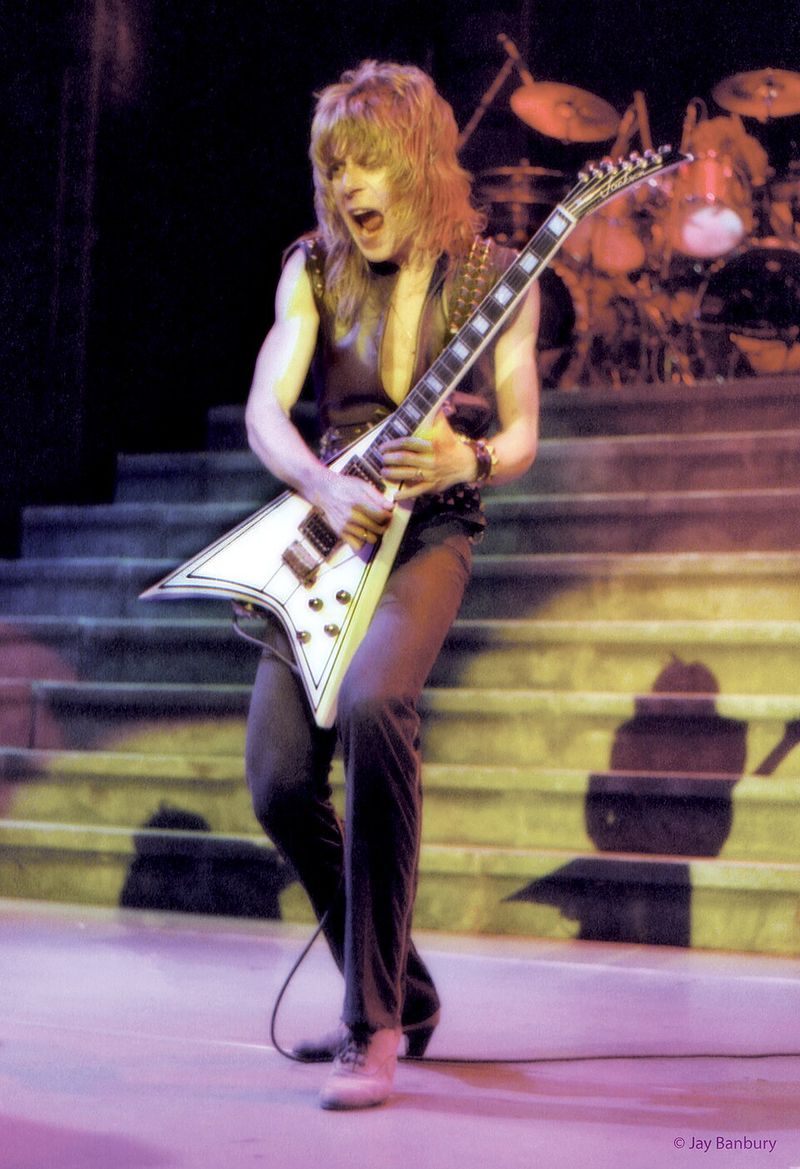
Randy Rhoads packed more brilliance into 25 years than most guitarists achieve in a lifetime.
Ranked 21st on Rolling Stone’s guitarists list, he fused classical training with raw metal power, creating solos that soared like symphonies. His work with Ozzy Osbourne on albums like Blizzard of Ozz redefined what metal guitar could accomplish.
Every note he played carried precision and passion in equal measure. His tragic death in 1982 robbed music of a visionary, but his influence echoes through every shredder who picked up a guitar afterward.
2. Geezer Butler
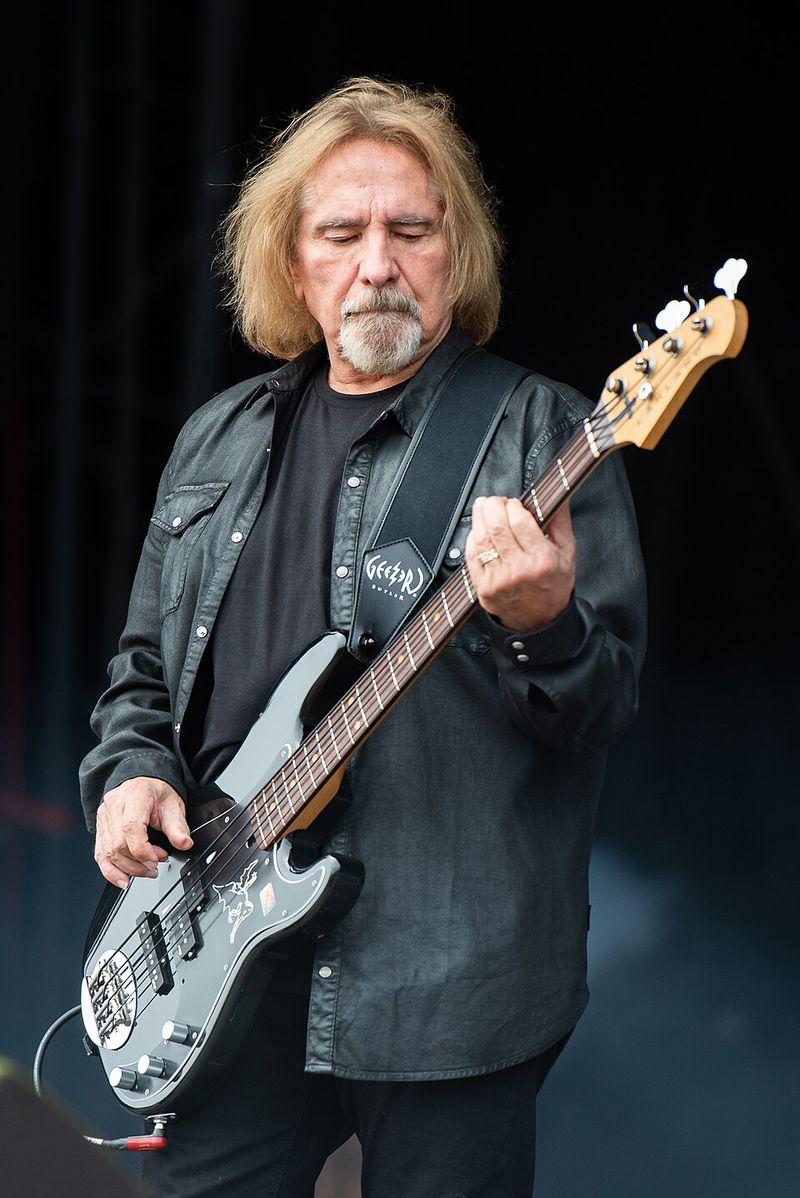
Behind every bone-crushing Sabbath riff stood Geezer Butler’s bass, rumbling like distant thunder. Rolling Stone placed him at number 21 on their 50 Greatest Bassists list, recognizing how he transformed the bass from background rhythm to a lead force.
His lyrical genius matched his musical prowess.
Butler penned the dark, apocalyptic themes that gave Sabbath its haunting voice, turning war, injustice, and despair into anthems. When your calendar reminder glares at you on a Monday morning, his thundering bass lines make the perfect soundtrack for facing whatever comes next.
1. Tony Iommi
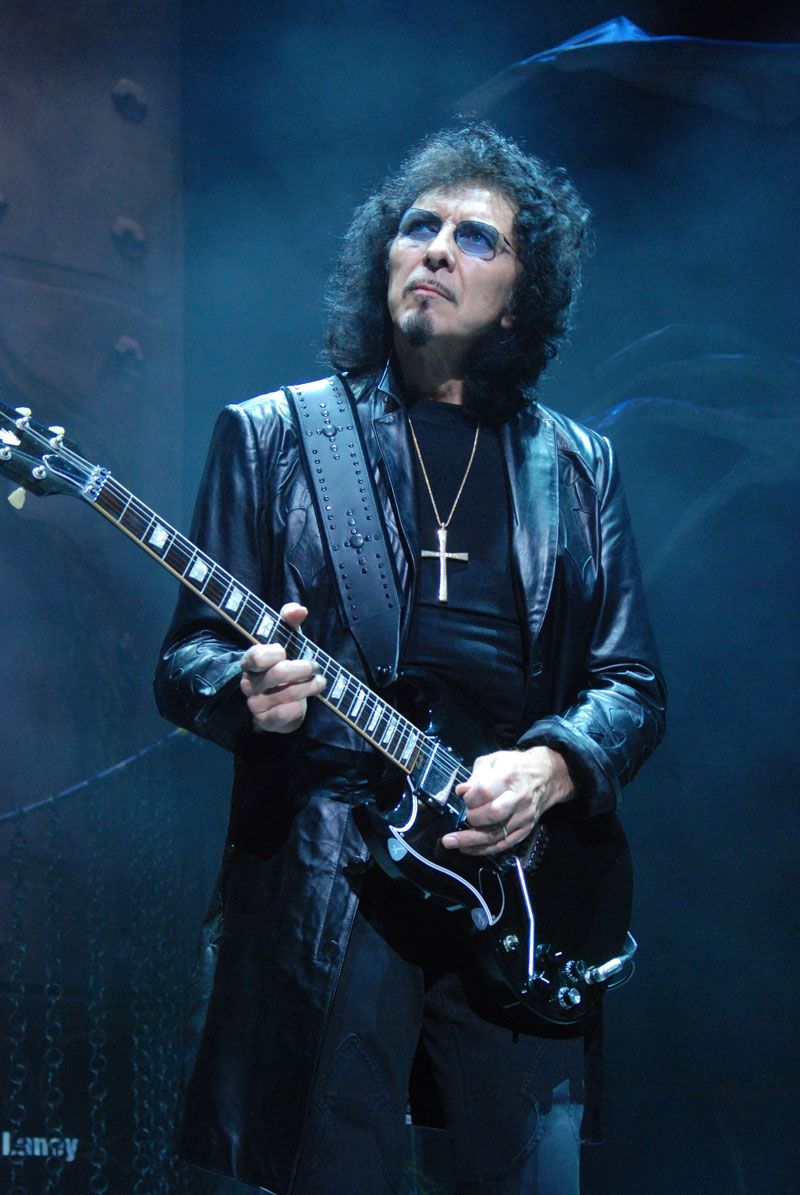
Picture the birth of heavy metal, and you’re hearing Tony Iommi’s guitar.
Black Sabbath’s founding guitarist earned the 13th spot on Rolling Stone’s 250 Greatest Guitarists list for good reason. After a factory accident cost him two fingertips, he crafted custom prosthetics and tuned down his strings, accidentally inventing the doom-laden sound that defined an entire genre.
His down-tuned riffs became the blueprint every metal band would follow. That grinding, ominous tone wasn’t just innovation born from necessity; it was lightning in a bottle that sparked a musical revolution.