15 Influential Parody Films That Shaped Movie Comedy
Some movies aim for Oscars, others aim straight for the joke and don’t miss. Parody films show up with a wink, a nudge, and zero respect for dramatic pauses, gleefully roasting everything audiences hold sacred.
No genre is safe, no trope escapes, and even the most serious movie can’t hide from a perfectly timed gag. When comedy turns the spotlight on cinema itself, the laughs hit harder because we’re all in on the joke.
Note: This article discusses well-known comedy and parody films and summarizes commonly reported elements of their humor, themes, and cultural influence. Interpretations of “influence” and “impact” are inherently subjective and may vary by viewer, critic, or historical source.
15. Duck Soup (1933)
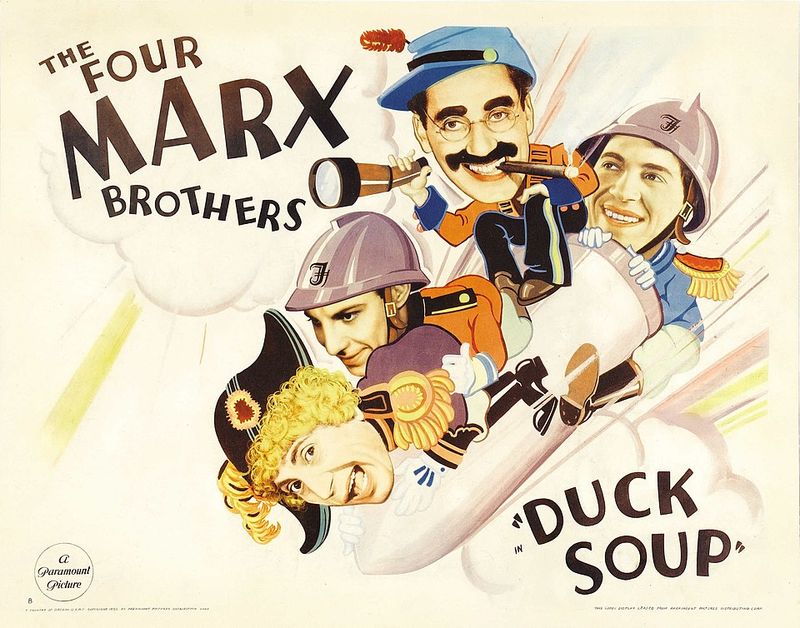
Political chaos never looked funnier than when the Marx Brothers took over a fictional country.
Groucho plays a dictator who treats war like a vaudeville sketch, tossing out one-liners while nations crumble. The mirror scene alone became comedy gold, copied endlessly but never topped.
Watching this feels like catching lightning in a bottle. Every gag lands with precision timing that modern comedies still study.
Critics often point to it as an early blueprint for absurdist political satire.
14. The Great Dictator (1940)
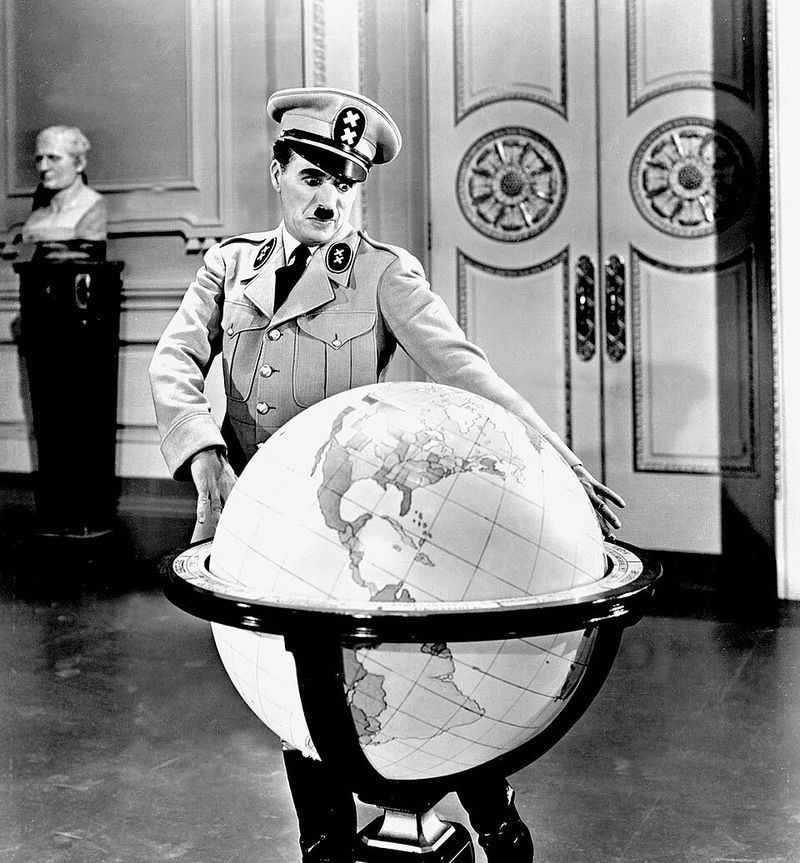
Risk reached its peak when wartime satire pushed boundaries, as Europe burned and mockery aimed directly at a living tyrant. During that gamble, Charlie Chaplin reshaped the Little Tramp into a globe-tossing despot whose final speech still sends chills through modern audiences.
Satire sharpened into a pointed tool that challenged the era’s propaganda and posturing.
Parody proved capable of carrying real weight in The Great Dictator, blending slapstick rhythms with moral urgency and political intent.
The contrast between slapstick and real-world stakes can feel startling even now.
13. Abbott And Costello Meet Frankenstein (1948)
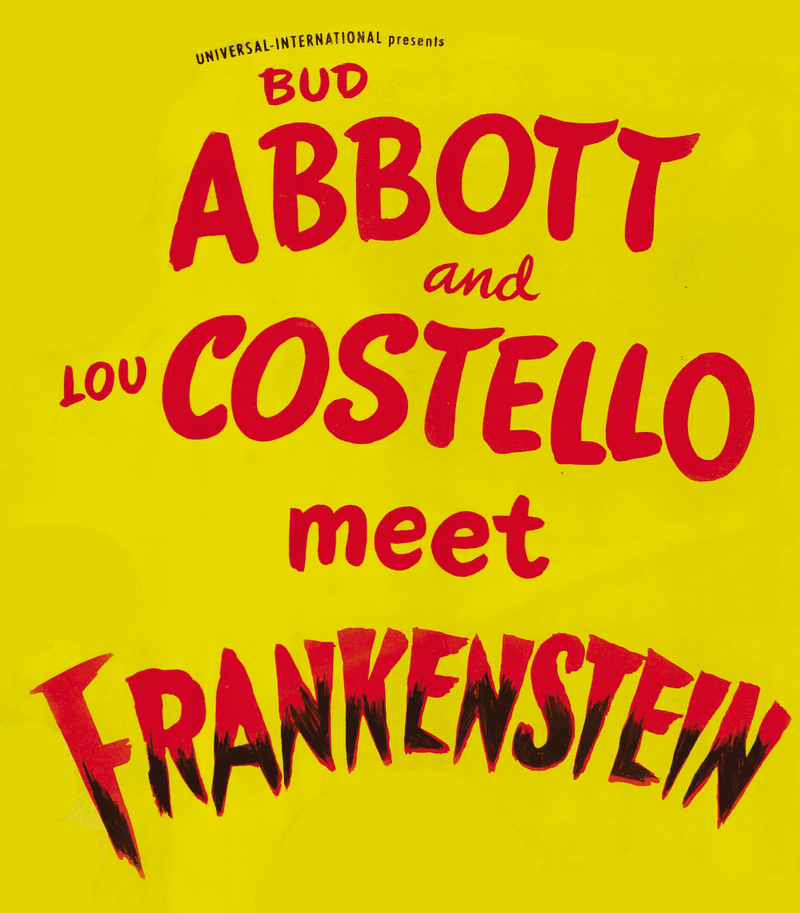
Two baggage clerks stumble into a crate full of monsters and suddenly horror got hilarious. The duo’s “Who’s on First” timing collided with Dracula, Frankenstein’s monster, and the Wolf Man in a mashup nobody saw coming.
Universal’s scary icons became straight men to vaudeville veterans.
Every jump scare gets undercut by a perfectly timed pratfall. Sight gags and pratfalls arrive so quickly the movie barely pauses to breathe.
12. The Producers (1967)
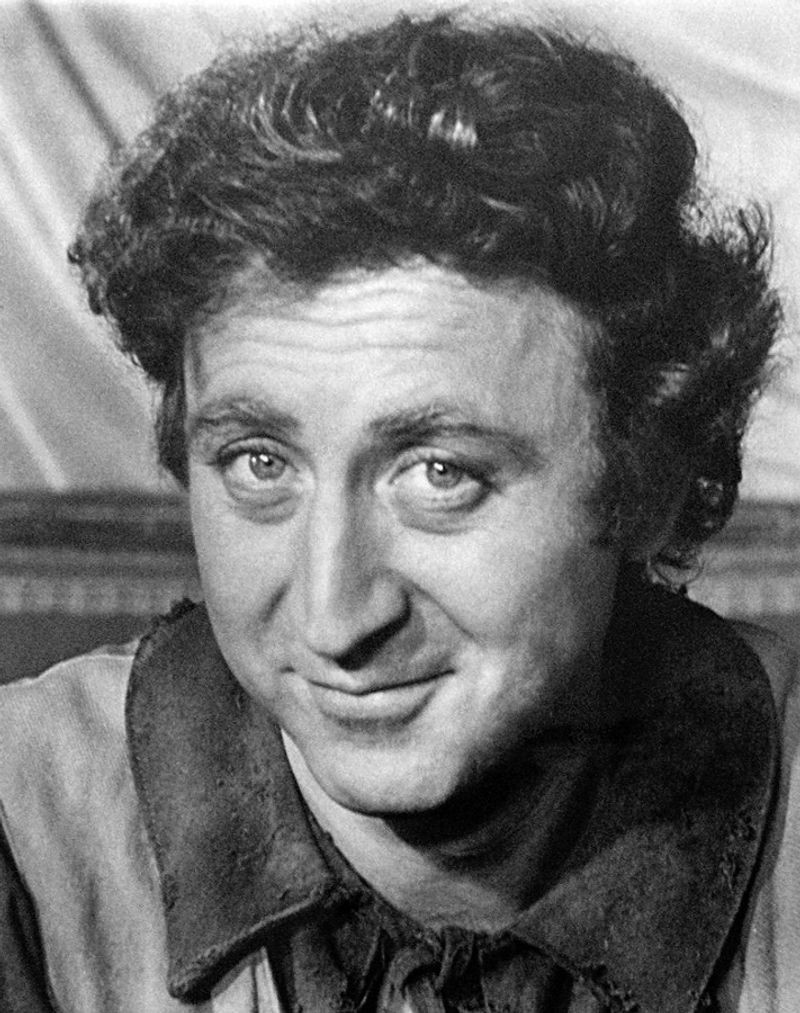
Dangerous curiosity fueled a question about intentional failure, pushing comedy toward a cliff edge where taste, timing, and provocation all collided at once.
Absurd ambition drives two scheming producers in The Producers, where a script titled “Springtime for Hitler” turns a guaranteed disaster into an accidental triumph by transforming the Third Reich into a song-and-dance spectacle.
Bold irreverence defines the humor, with provocation used to underline the absurdity of extremist pageantry.
11. Monty Python And The Holy Grail (1975)
Knights clop around medieval England using coconut shells, a low-budget choice turned into a signature bit. Python turned King Arthur’s quest into a stream of non-sequiturs, killer rabbits, and French soldiers who taunt from castle walls.
Logic took a holiday and never came back.
Every history teacher has fought the urge to show this in class. The Black Knight bit remains one of the film’s most quoted set pieces.
10. Young Frankenstein (1974)
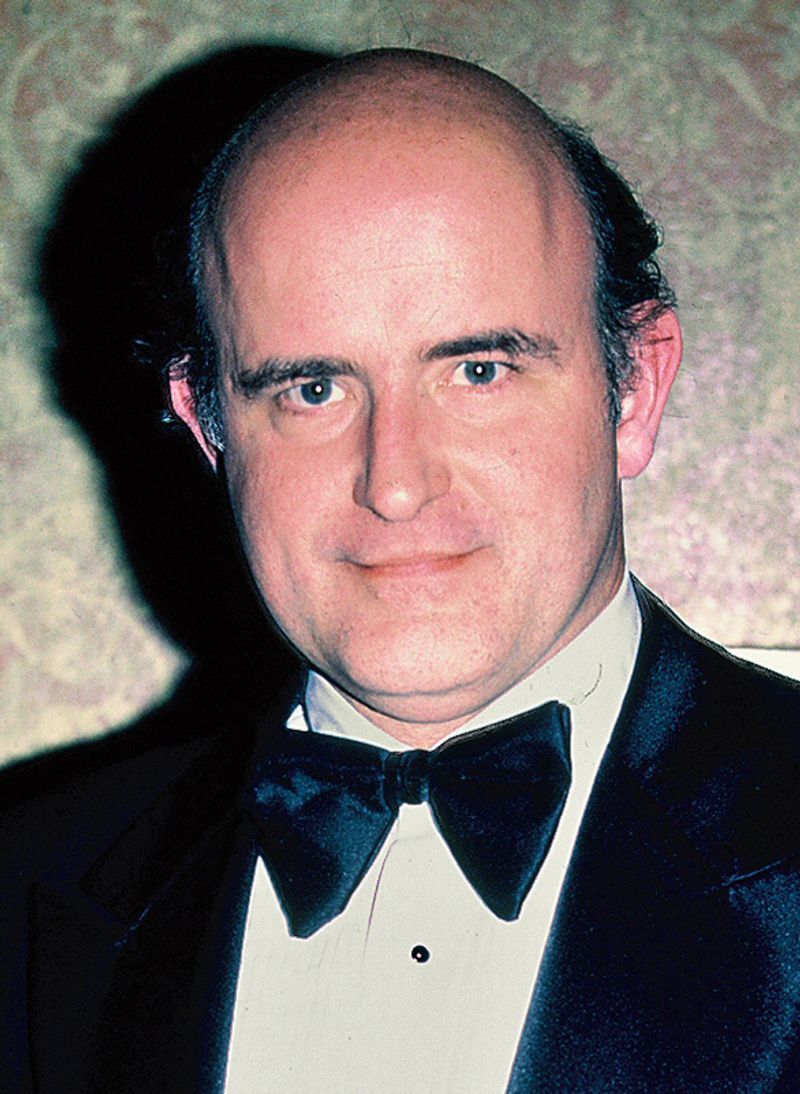
Inheritance sets the plot in motion when a reluctant heir stumbles into a castle and uncovers monster-making notes hidden away in a family library. Shot in crisp black and white, Mel Brooks recreated original Frankenstein lab equipment, turning the film into a loving roast of Universal horror that honors and mocks it at the same time in Young Frankenstein.
Neurotic elegance defines the comedy, as “It’s alive!” lands harder when shouted by Gene Wilder in a tuxedo instead of a madman’s coat.
Legend status feels secure once the Igor hump-switching gag lands, leaving kettles clicking off while quotes keep rolling long after the credits.
9. Blazing Saddles (1974)
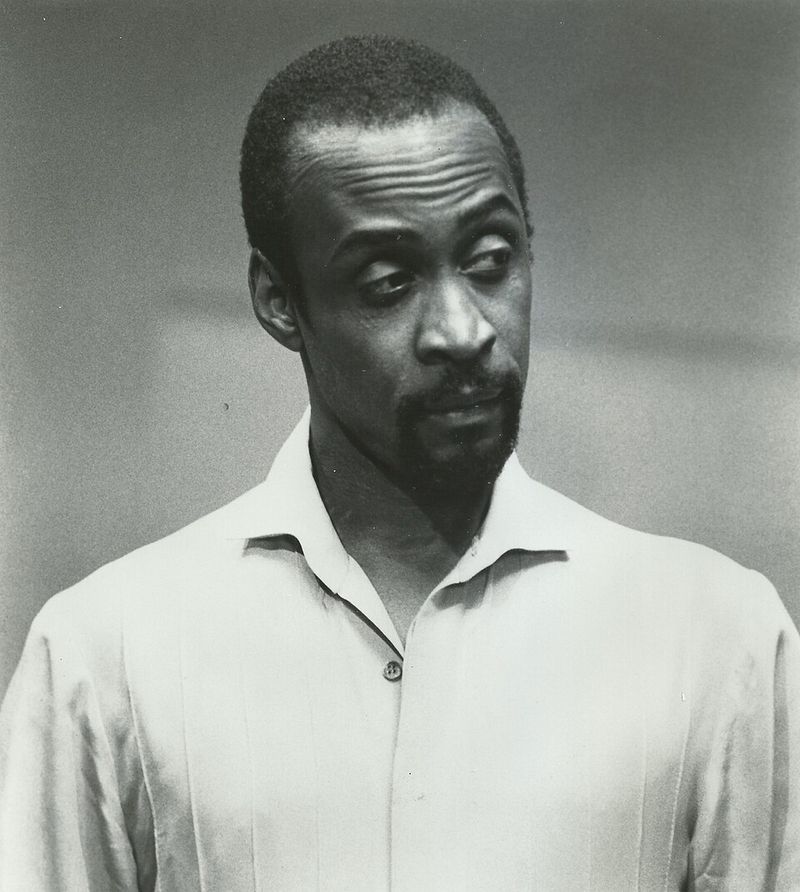
Tension erupts when a Black sheriff arrives in a hostile frontier town, and the film uses genre parody to expose the era’s racism and hypocrisy.
Every Western cliché gets packed into a six-shooter as Mel Brooks unloads on Hollywood’s polished Old West, letting crude bathroom humor collide headfirst with sharp racial commentary in Blazing Saddles.
Comedy finds its edge where bad taste meets intention, turning provocation into something that lands far harder than expected. Reception has long been divided, praised for its satire and criticized for language that reflects the period it skewers.
8. Airplane! (1980)

A frightened former pilot must land the aircraft after a wave of illness renders the flight crew incapacitated.
Every frame packs three jokes, from sight gags in the background to deadpan dialogue that launched a thousand memes. Leslie Nielsen’s straight-faced delivery turned “Don’t call me Shirley” into comedy history.
Disaster movies never recovered from this treatment. Its quotes became shorthand for generations of comedy fans.
7. This Is Spinal Tap (1984)
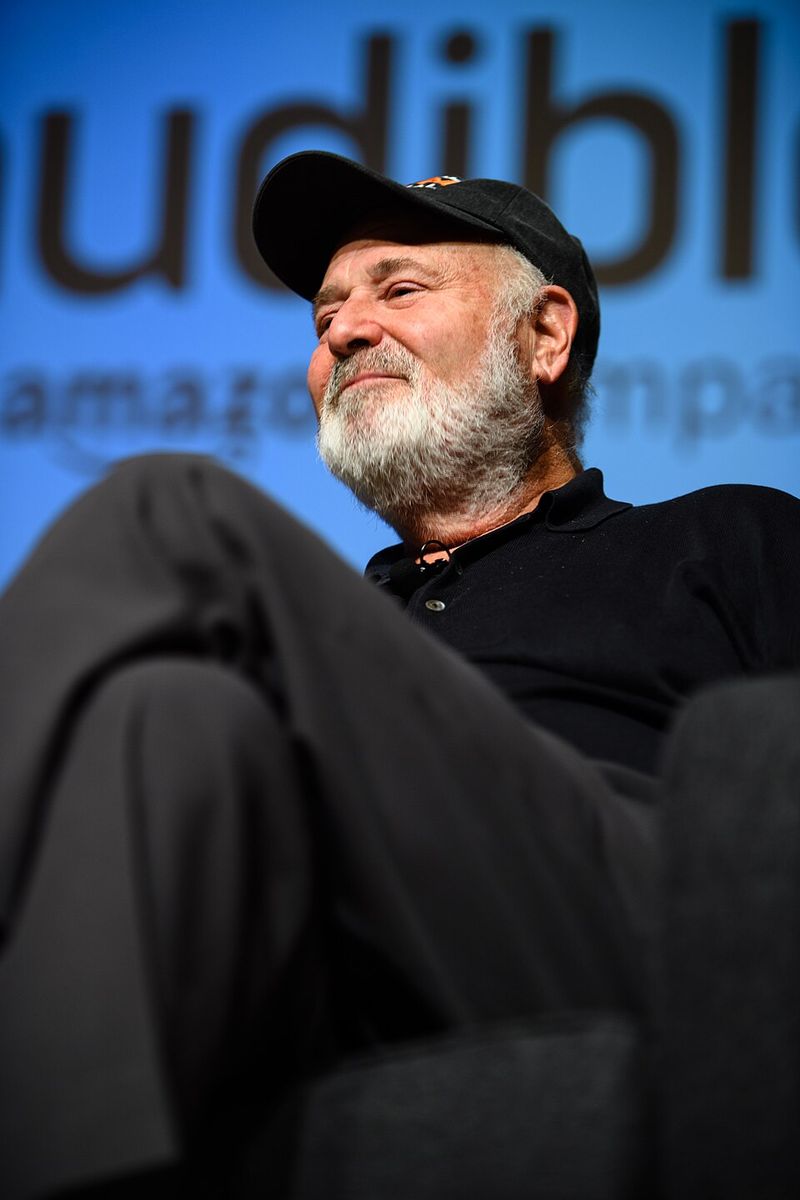
Slow-motion collapse unfolds as a camera crew trails a British rock band drifting toward obscurity, catching every inflated ego, backstage meltdown, and disastrously tiny Stonehenge prop along the way.
Mockumentary rules took shape when Rob Reiner blurred reality and absurdity in This Is Spinal Tap, quietly setting a template comedy would recycle for decades. Amplifiers climb to eleven, cucumber foil scars hotel corridors, and uncertainty lingers over where absurdity ends and craft begins.
Real musicians swear those moments feel uncomfortably familiar, ensuring calm routines now include turning every volume knob one notch higher than necessary.
6. The Naked Gun (1988)
Chaos arrives disguised as law enforcement when Detective Frank Drebin barrels through criminal investigations with the precision of a wrecking ball and the confidence of a decorated badge.
Deadpan brilliance defines the performance as Leslie Nielsen transforms the bumbling cop into an art form, delivering solemn dialogue while explosions, collisions, and disasters unfold unchecked in The Naked Gun.
Police procedural traditions unravel completely as every familiar trope gets flipped, bent out of shape, and hurled through a nearby window. Everyday plans fade quietly when a bag waits by the door and ninety minutes disappear watching Drebin accidentally trigger international incidents without ever breaking character.
5. Spaceballs (1987)
Brooks aimed his comedy laser at Star Wars and fired with merchandising jokes that predicted franchise fatigue decades early.
Dark Helmet commands the Spaceballs army while Princess Vespa flees an arranged marriage through a galaxy of sight gags. The Schwartz glows with comedic force that no Jedi training could prepare you for.
The film’s parody stayed affectionate, in part because Lucasfilm allowed it to proceed under specific conditions.
4. Austin Powers: International Man Of Mystery (1997)
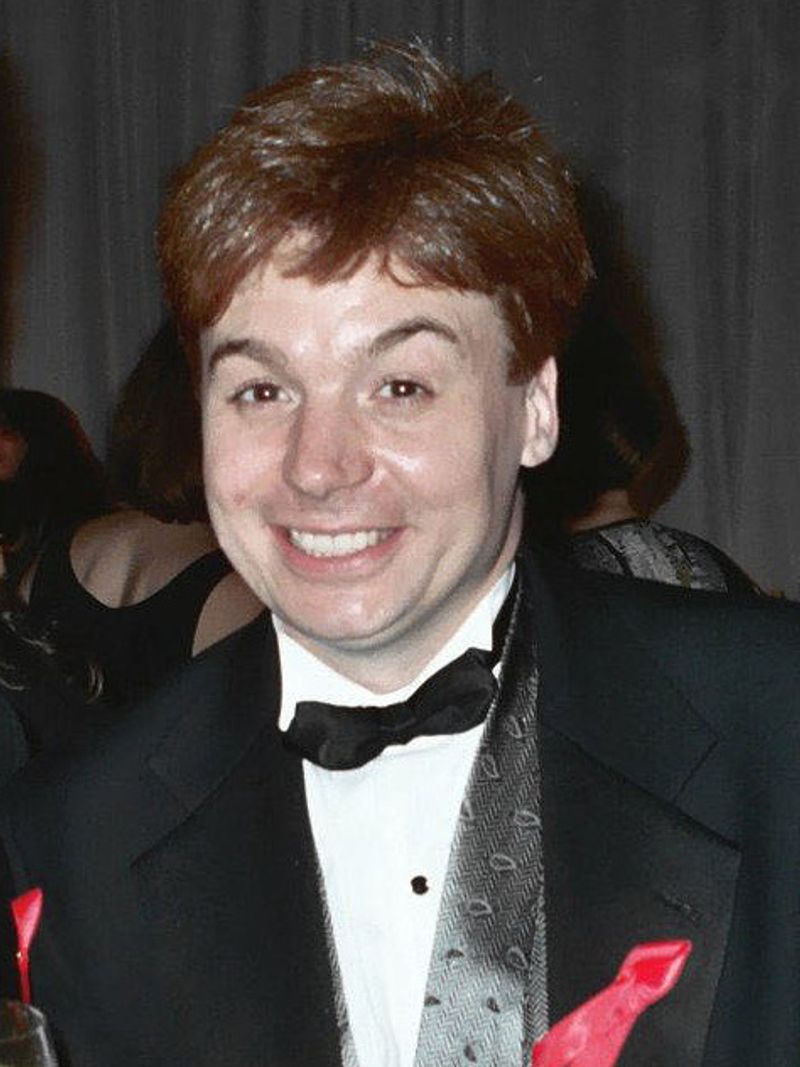
Time-displaced absurdity kicks off the chaos when a cryogenically frozen spy wakes up in the nineties and realizes shag-carpet swagger no longer translates.
Bond tropes get stuffed into crushed velvet as the comedy leans hard on parody, letting Mike Myers pile exaggerated bravado, cartoonish teeth, and swinging confidence into Austin Powers: International Man of Mystery.
Pop culture shorthand was born through Dr. Evil, where a pinky finger and a demand for “one million dollars” instantly rewired how villains were quoted. Self-awareness fuels the joke as spy films get asked why seriousness ever felt mandatory, only to answer with an enthusiastic “Yeah, baby!”
3. Shaun Of The Dead (2004)
A directionless guy stumbles into a zombie outbreak and barely registers how much life has already stalled.
Edgar Wright and Simon Pegg proved parody could have heart while skewering Romero’s serious undead sagas. Every zombie shuffle gets matched with everyday routines observations and vinyl record weaponry.
Horror fans and comedy audiences both claimed it as their own. The film became a modern template for horror-comedy that still gets referenced constantly.
2. Hot Fuzz (2007)

Culture shock drives the setup when a highly decorated London cop lands in a picture-perfect village where the neighborhood watch treats order as a sacred calling rather than a hobby. Action spectacle collides with pastoral calm as Edgar Wright and Simon Pegg unleash blockbuster excess on English countryside charm, staging explosions between hedges and teacups in Hot Fuzz.
Genre parody keeps a relentless pace, deploying every Michael Bay flourish to investigate missing swans and uncover garden-competition conspiracies that spiral into absurd violence.
Momentum outruns buzzing phones as bags remain forgotten by the door, with rewinds piling up to catch background jokes hidden in nearly every frame.
1. Scary Movie (2000)
The Wayans brothers grabbed every teen slasher cliche and cranked the absurdity past eleven.
Ghostface masks met crude gag humor while horror movie rules got read aloud and immediately broken. The franchise spawned four sequels, but this first entry captured lightning by making audiences laugh at the screams they’d been trained to fear.
Slumber parties quoted it endlessly despite parents’ objections. Catchphrases from the film quickly spread through early-2000s pop culture.