14 Instrumental Songs That Proved Music Needs No Words
Lyrics usually get all the credit. One unforgettable line or a giant chorus, and suddenly everybody acts like words were doing all the heavy lifting the whole time.
Instrumentals know better. A great one can strut in without a single lyric, hijack the mood, and leave a bigger mark than songs packed with verses trying far too hard to explain themselves.
Melody takes over, rhythm starts doing the talking, and before long a guitar, piano, sax, or full-blown wall of sound is saying more than most singers manage in four minutes.
There is something almost interesting about pure music carrying the whole emotional load and somehow making it look easy.
These songs prove silence in the lyric department is not a weakness. It is a flex.
1. Green Onions — Booker T. & the M.G.’s
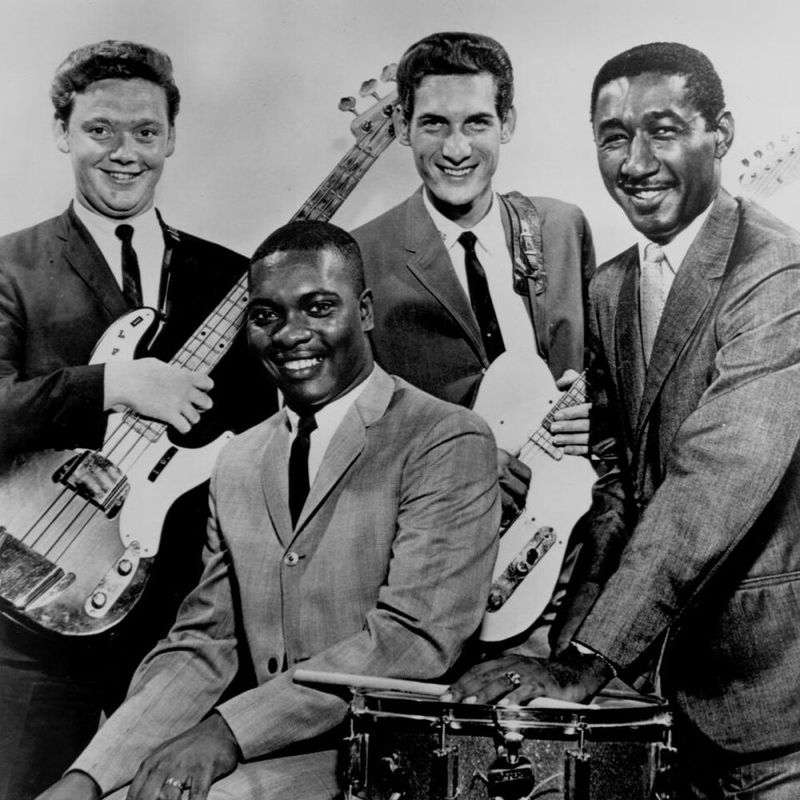
Few songs can make a room feel cooler just by starting up, but this one absolutely can.
Recorded in 1962 at Stax Studios in Memphis, Tennessee, “Green Onions” was actually born from a jam session while the band waited to record something else. Talk about happy accidents!
Booker T. Jones was just 17 years old when this track was laid down.
That bluesy Hammond organ riff became one of the most recognizable sounds in soul and R&B history.
2. Classical Gas — Mason Williams
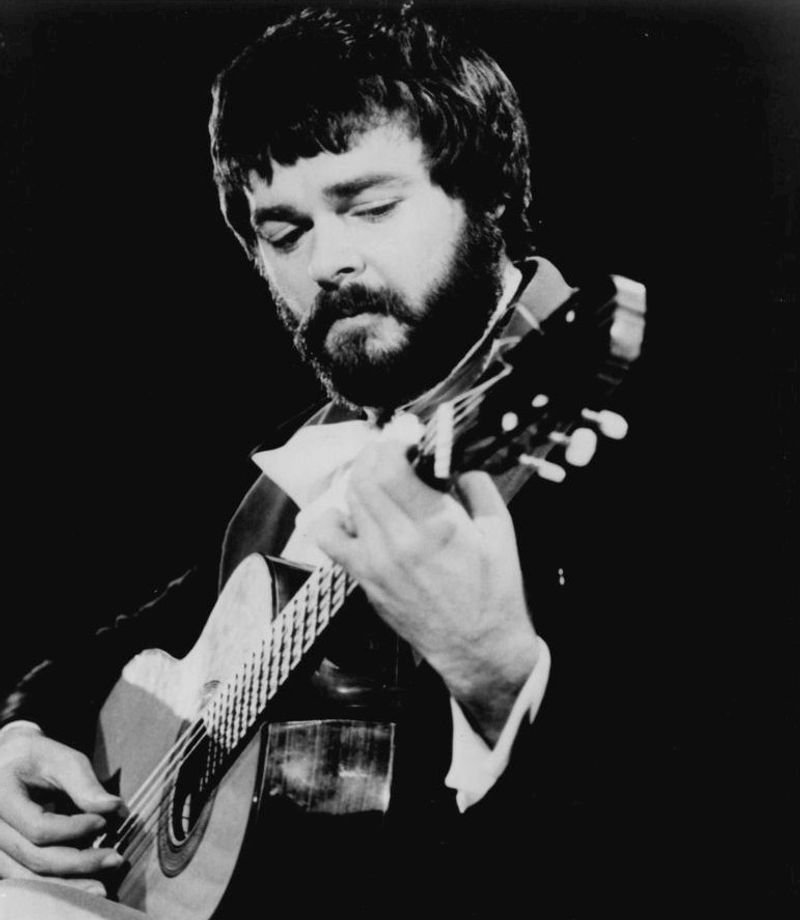
Imagine a song so energetic and precise that it won three Grammy Awards, yet never used a single lyric. “Classical Gas,” released in 1968 by Mason Williams, did exactly that.
The track blends classical guitar technique with a driving, almost breathless momentum that grabs your attention instantly.
Williams originally wrote it as a TV comedy piece, but audiences heard something far bigger.
It peaked at number two on the Billboard Hot 100, which was almost unheard of for an instrumental. How many guitar pieces can say they made America stop and listen?
3. Theme From A Summer Place — Percy Faith and His Orchestra
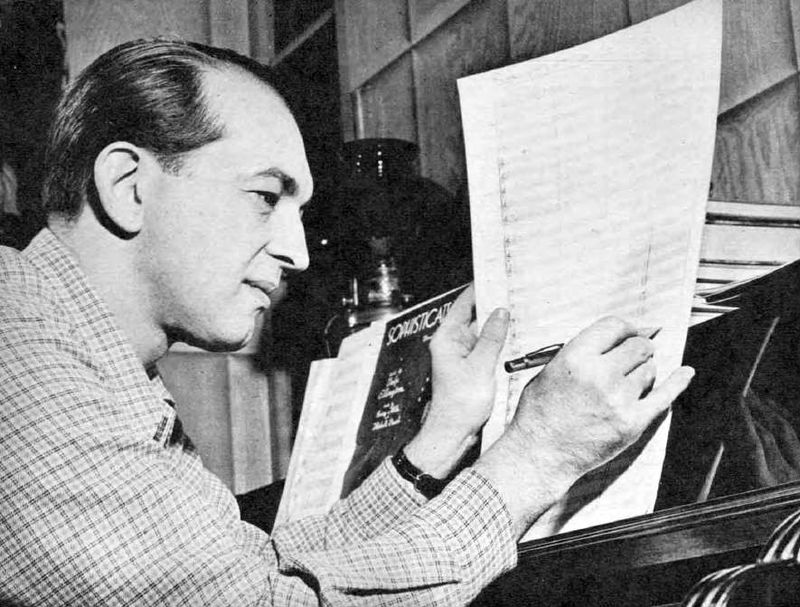
Romance has a soundtrack, and for millions of people in 1960, it sounded exactly like this.
Percy Faith’s lush string arrangement for “Theme From A Summer Place” sat at number one on the Billboard Hot 100 for nine straight weeks, making it one of the longest-running instrumental chart-toppers ever.
Originally composed by Max Steiner for the 1959 film of the same name, Faith’s orchestral version transformed it into a cultural phenomenon.
This song proved that an orchestra could speak directly to the heart. No words needed. Just close your eyes and float away.
4. Chariots of Fire — Vangelis

Picture slow-motion runners on a misty British beach, and you have already heard this song in your head.
Vangelis created the synthesizer-driven theme for the 1981 Oscar-winning film “Chariots of Fire,” and it became one of the most universally recognized pieces of music on the planet.
Winning the Academy Award for Best Original Score, the track turned electronic keyboards into instruments of pure triumph.
Even today, it gets played whenever someone wants to mock-dramatically celebrate something. That is cultural staying power!
5. Wipe Out — The Surfaris
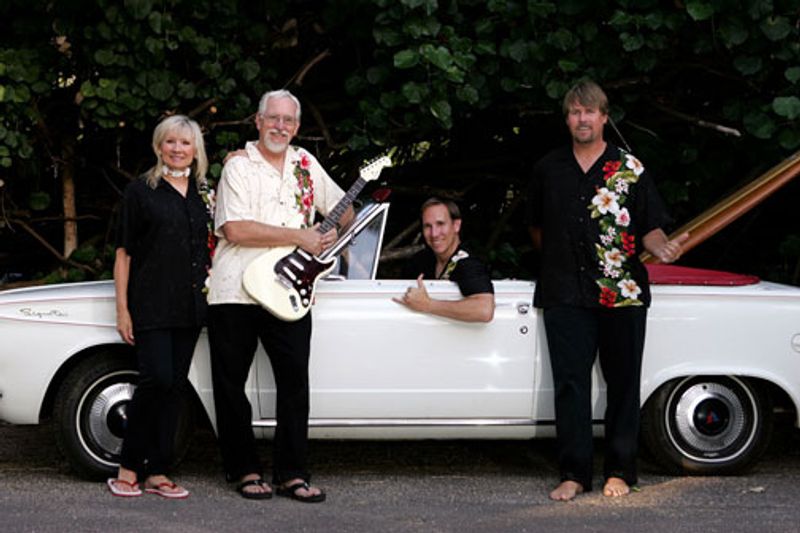
Before any note is played, there is that legendary laugh followed by the word “Wipe Out!” Then the drums explode.
Recorded by The Surfaris in 1963, this track became the unofficial anthem of 1960s surf culture and one of the most recognizable drum intros in rock history.
Drummer Ron Wilson was just a teenager when he laid down that ferocious percussion pattern. The song reached number two on the Billboard Hot 100 twice, which is a wild achievement.
Every aspiring drummer has attempted this beat at some point.
6. Frankenstein — The Edgar Winter Group
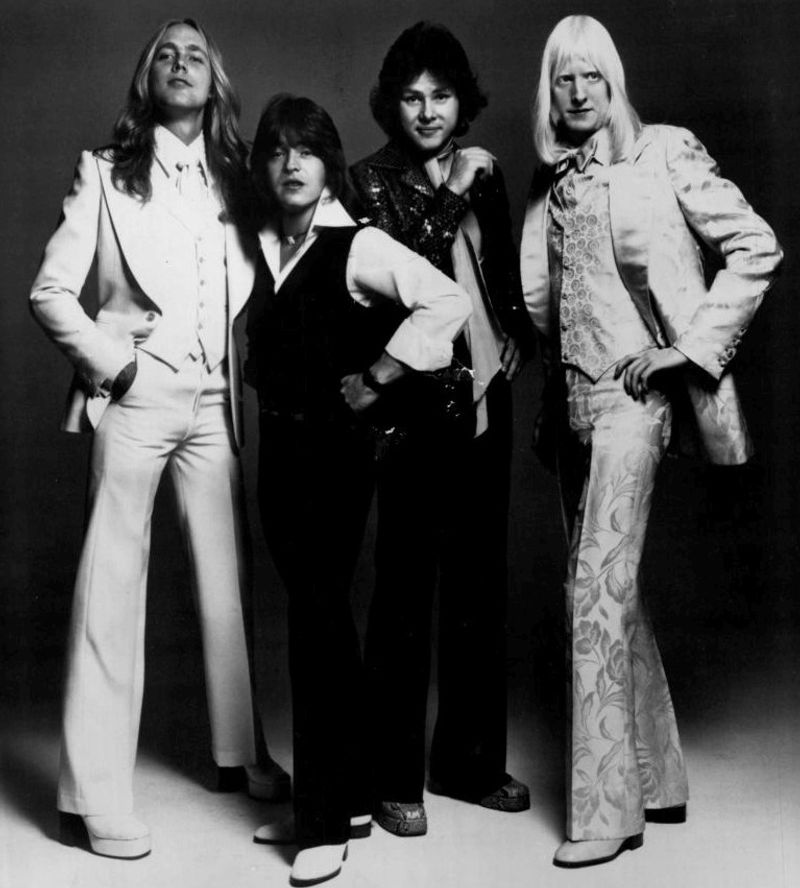
Stitched together from multiple studio jam sessions, literally edited and assembled like a musical creature, this 1973 rock instrumental earned its spooky name honestly.
Edgar Winter and his band created a track that blended rock, jazz, and synthesizer in ways that felt completely alien at the time.
“Frankenstein” reached number one on the Billboard Hot 100, which made it one of the very few hard rock instrumentals to ever achieve that feat.
7. Jessica — The Allman Brothers Band
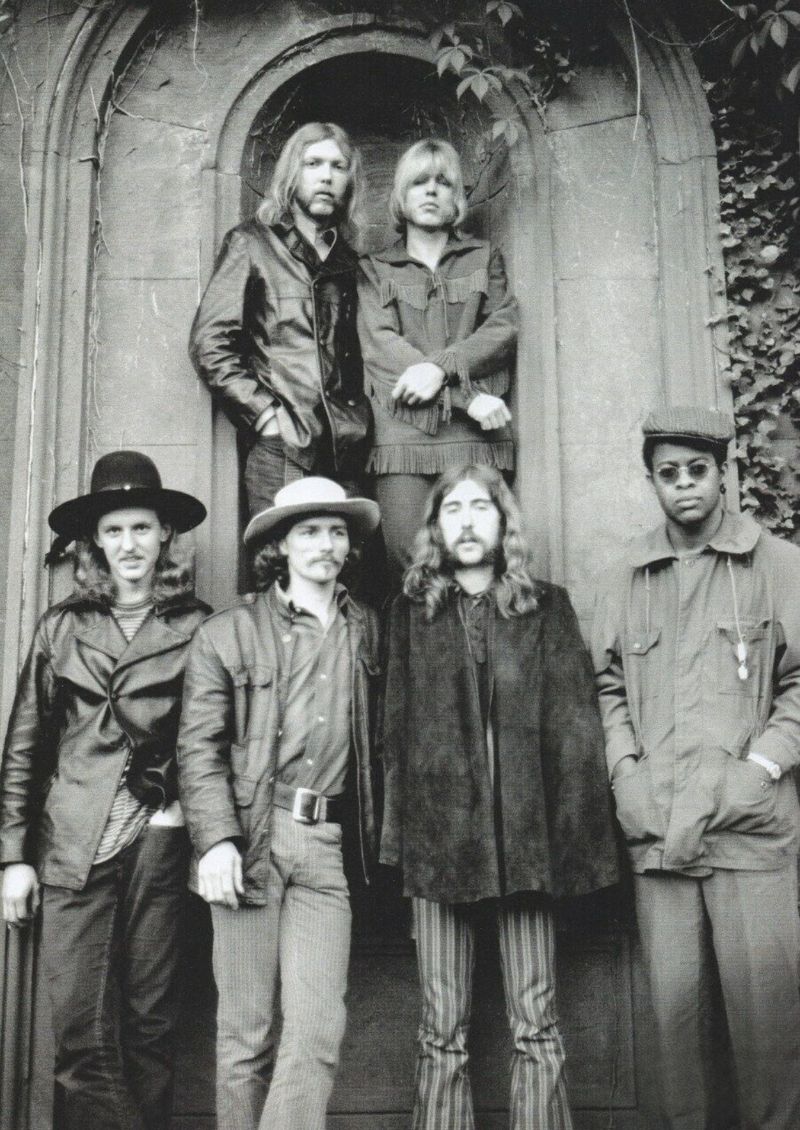
Pure joy sounds like twin guitars chasing each other across an open Southern highway.
Written by Betts and named after his daughter Jessica, this 1973 track from the “Brothers and Sisters” album is one of the most feel-good instrumentals ever recorded. It is basically musical sunshine.
UK audiences know it best as the theme song for the long-running BBC motoring show “Top Gear,” which introduced it to millions of new fans.
The interplay between the guitars is so lively and warm that it feels like two old friends having the best conversation of their lives.
8. Apache — The Shadows
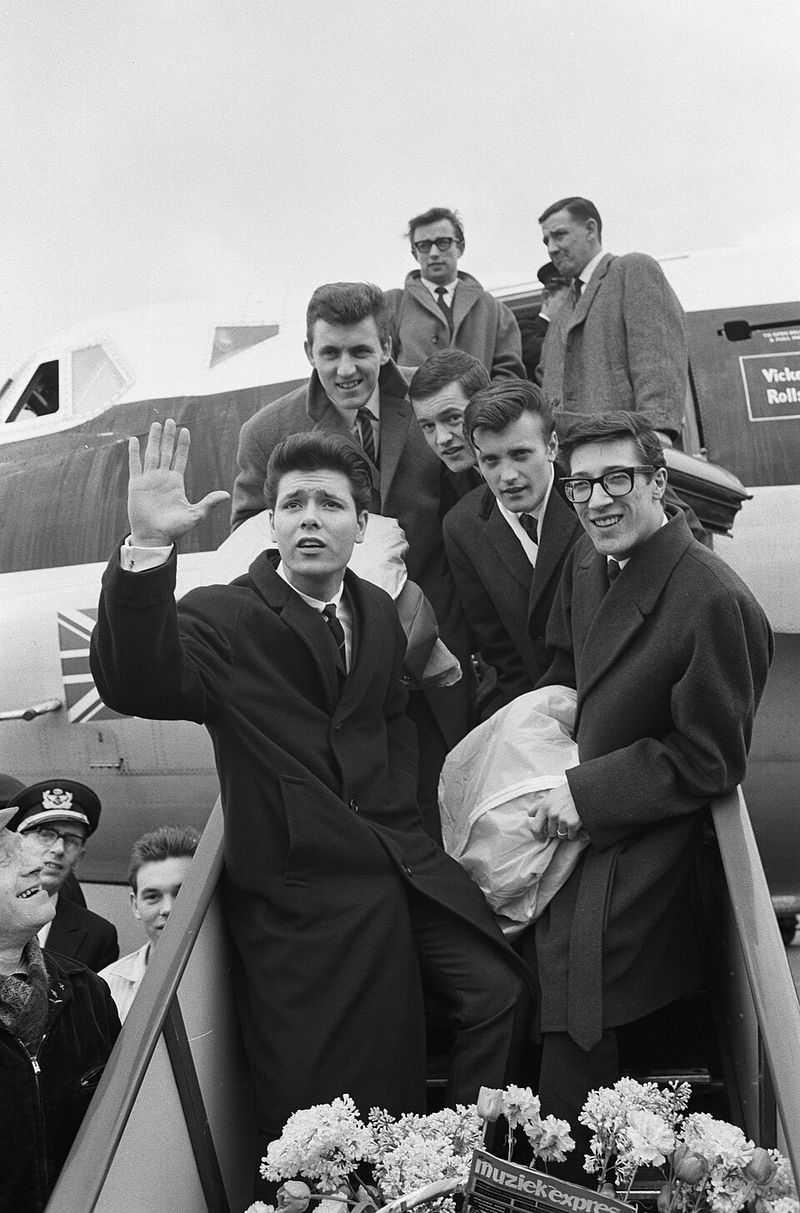
Before Jimi Hendrix, before Eric Clapton, there was Hank Marvin of The Shadows making British teenagers completely obsessed with the electric guitar.
“Apache” hit number one in the UK in 1960 and stayed there for five weeks, launching a tidal wave of guitar-driven instrumental music across Britain.
That distinctive tremolo sound became a blueprint for an entire generation of guitarists. Interestingly, the song was originally written by Jerry Lordan, who performed it for the band on a ukulele during a tour.
9. Peaches en Regalia — Frank Zappa
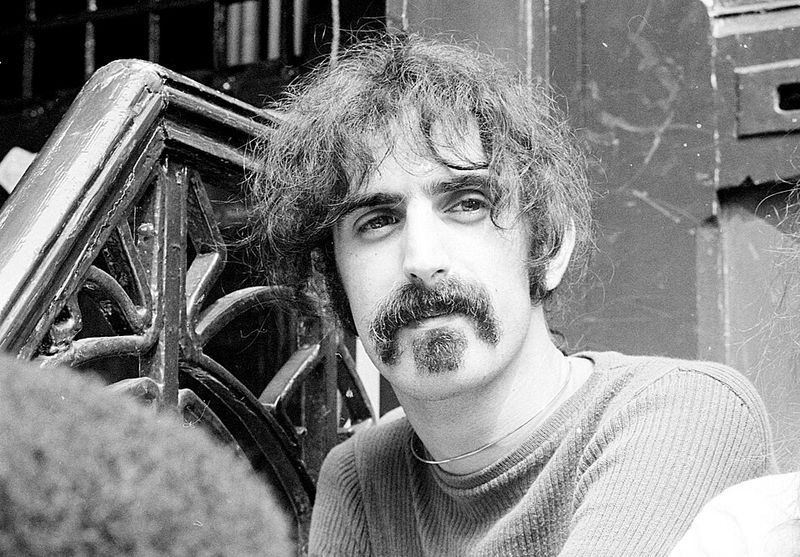
Frank Zappa was never one to play by the rules, and “Peaches en Regalia” from his 1969 album “Hot Rats” is the perfect proof.
Layering horns, strings, piano, and guitar into a swirling, joyful tapestry, this track feels like a cartoon adventure brought to life through music.
Zappa himself called “Hot Rats” a “movie for your ears,” and this opening track delivers on that promise spectacularly.
Critics and musicians alike consider it one of the greatest instrumental pieces in rock history.
10. Soul Bossa Nova — Quincy Jones
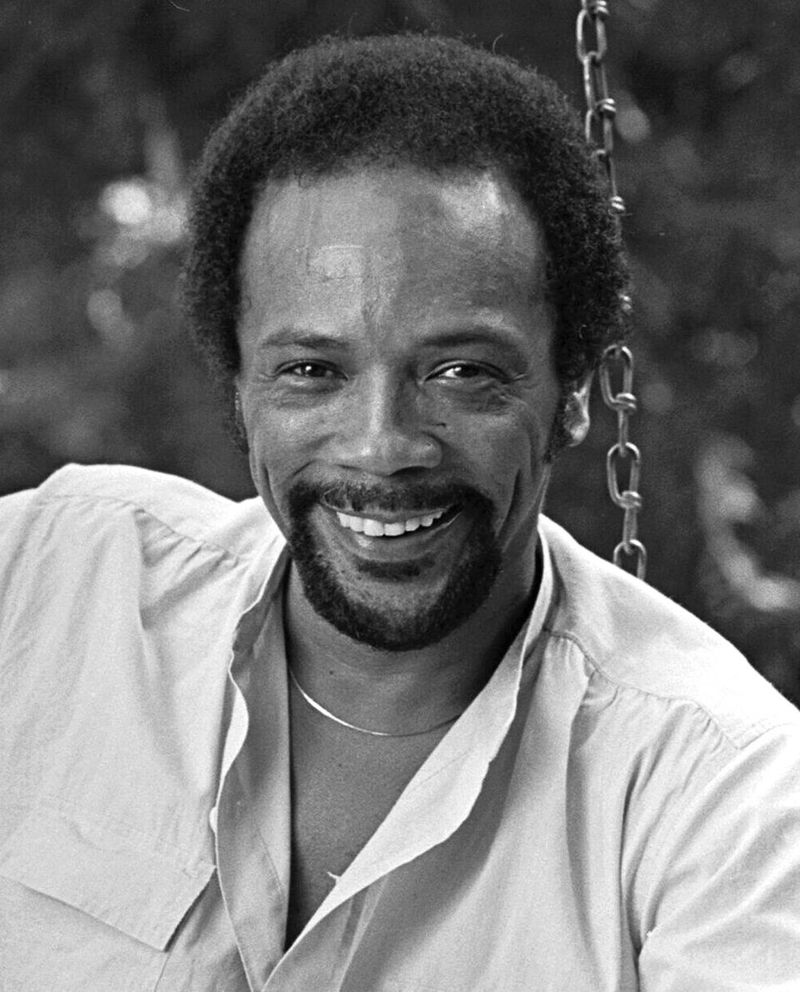
If you have ever watched the Austin Powers movies, this song is already living rent-free in your head.
Quincy Jones composed “Soul Bossa Nova” in 1962 for his album “Big Band Bossa Nova,” blending Brazilian bossa nova rhythms with jazzy big-band energy in the most irresistible way possible.
That flute melody at the start is one of the most instantly recognizable hooks in music history.
Quincy Jones went on to become one of the most celebrated producers of all time, working with artists like Michael Jackson.
11. Albatross — Fleetwood Mac
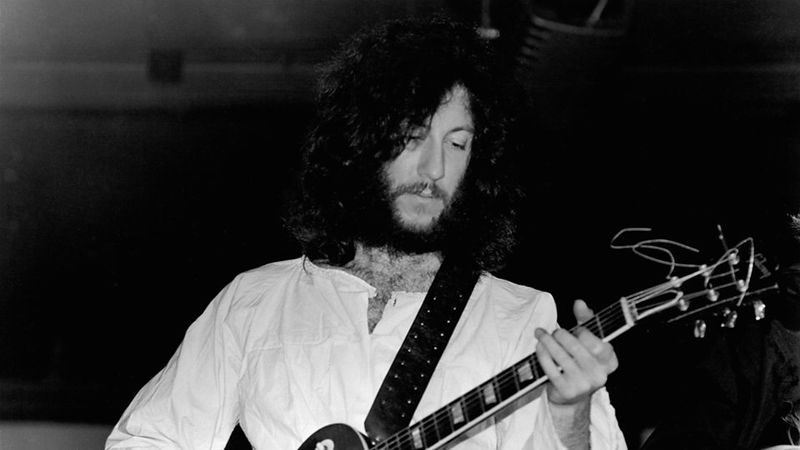
Long before Fleetwood Mac became the arena-rock powerhouse behind “Go Your Own Way” and “Dreams,” they were a British blues band with a surprisingly gentle side.
“Albatross,” released in 1968, is a slow, dreamy guitar instrumental that soars as calmly and beautifully as the seabird it is named after.
Written by guitarist Peter Green, it reached number one in the UK, which shocked almost everyone since it was so quiet and unhurried compared to the pop hits of the era.
12. Rumble — Link Wray and His Ray Men

Banned from radio airplay in several US cities because it was considered too dangerous, “Rumble” by Link Wray did not need lyrics to cause trouble.
Released in 1958, this track introduced the power chord to mainstream music and basically handed rock and roll its most important tool.
Artists like Pete Townshend of The Who and Neil Young have credited Link Wray as a foundational influence. The song’s menacing, distorted guitar tone was genuinely shocking for its era.
13. Summer Madness — Kool and the Gang
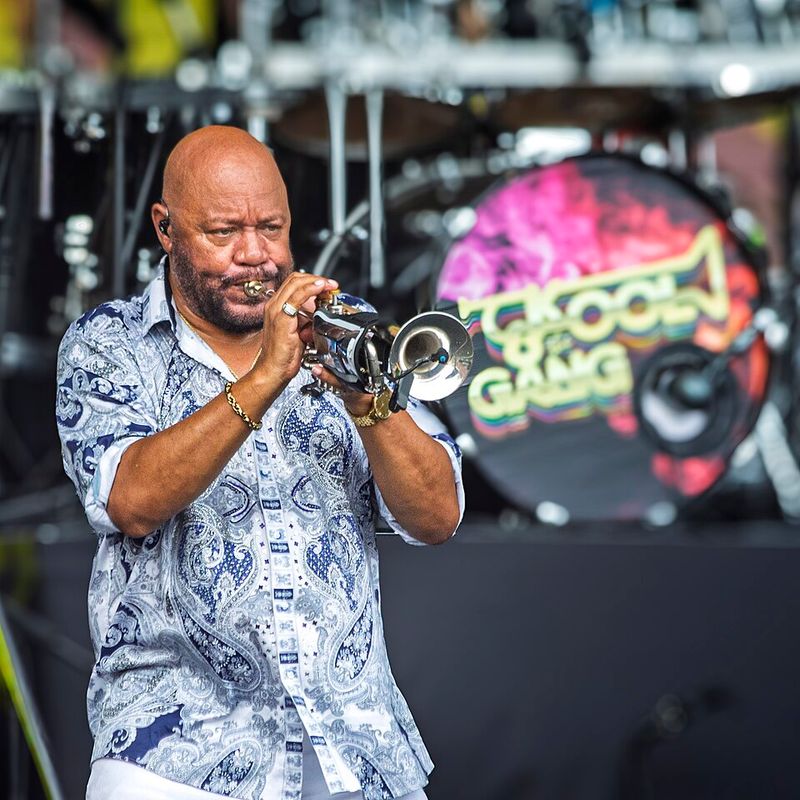
Slow and dripping with summer warmth, this 1974 track from Kool and the Gang is the musical equivalent of lying in a hammock on a perfect July afternoon.
The keyboard melody floats like heat rising off asphalt, and the groove underneath it is impossibly smooth.
“Summer Madness” became even more famous decades later when it was sampled by rapper LL Cool J for his 1996 hit “Loungin,” introducing it to a whole new audience.
14. Sleep Walk — Santo and Johnny
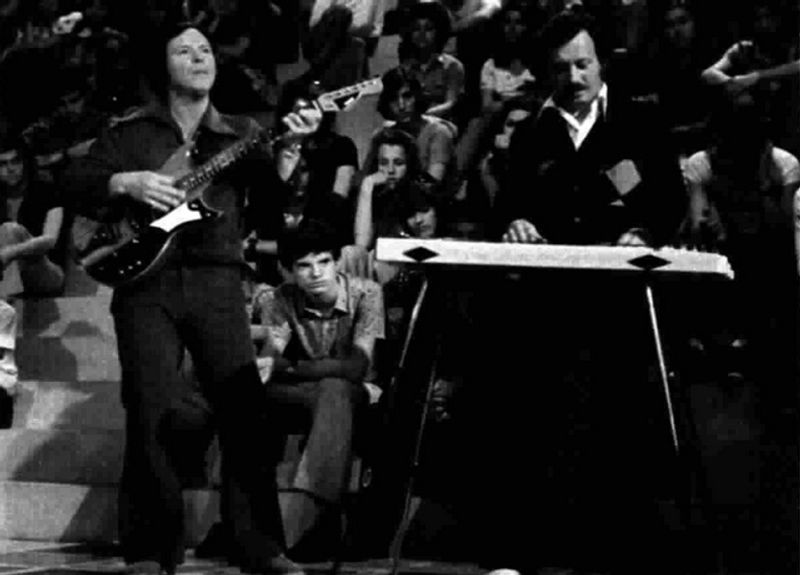
There is something almost magical about a song that sounds exactly like its title.
“Sleep Walk” by Santo and Johnny drifts in like a half-remembered dream, built around a steel guitar melody so tender and longing that it practically sighs. Released in 1959, it hit number one on the Billboard Hot 100.
Brothers Santo and Johnny Farina from Brooklyn, New York, created one of the most emotionally powerful instrumentals ever recorded using a lap steel guitar, an instrument not commonly associated with pop hits.