13 Inventors Who Hated The Creations That Made Them Famous
What if your greatest achievement became your biggest regret? Some of history’s most brilliant inventors created things that changed the world, only to watch their innovations spiral into chaos, destruction, or just really annoying pop-up ads.
Chemical pioneers and tech visionaries alike became famous for their work yet wrestled with consequences they never intended. Explore the stories of genius, guilt, and unintended consequences and discover how even the brightest ideas can take a dark turn.
1. Alfred Nobel and Dynamite
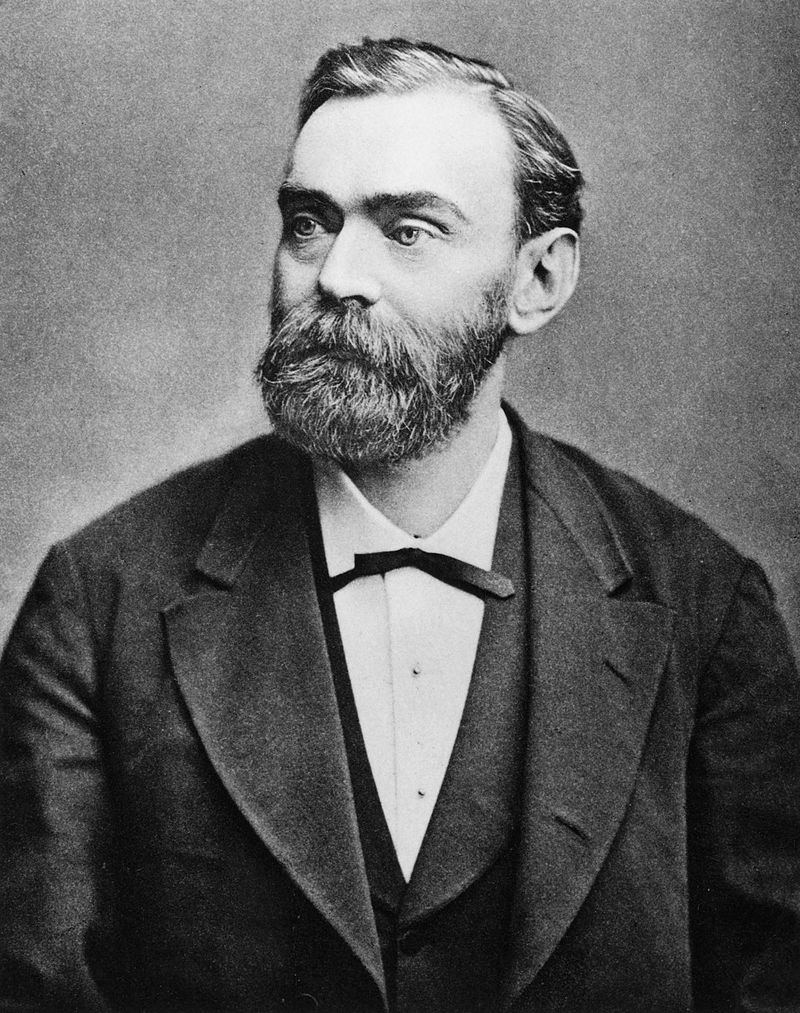
Few inventions have caused as much guilt as dynamite. Alfred Nobel created it in 1867, hoping to make mining and construction safer by replacing unstable nitroglycerin.
Smart plan, right? Except militaries around the world had other ideas.
Weapons manufacturers quickly turned his invention into a tool of war. Nobel was so horrified that he used his fortune to create the Nobel Prizes, including the famous Peace Prize, as his way of making things right with humanity.
2. Mikhail Kalashnikov and the AK-47
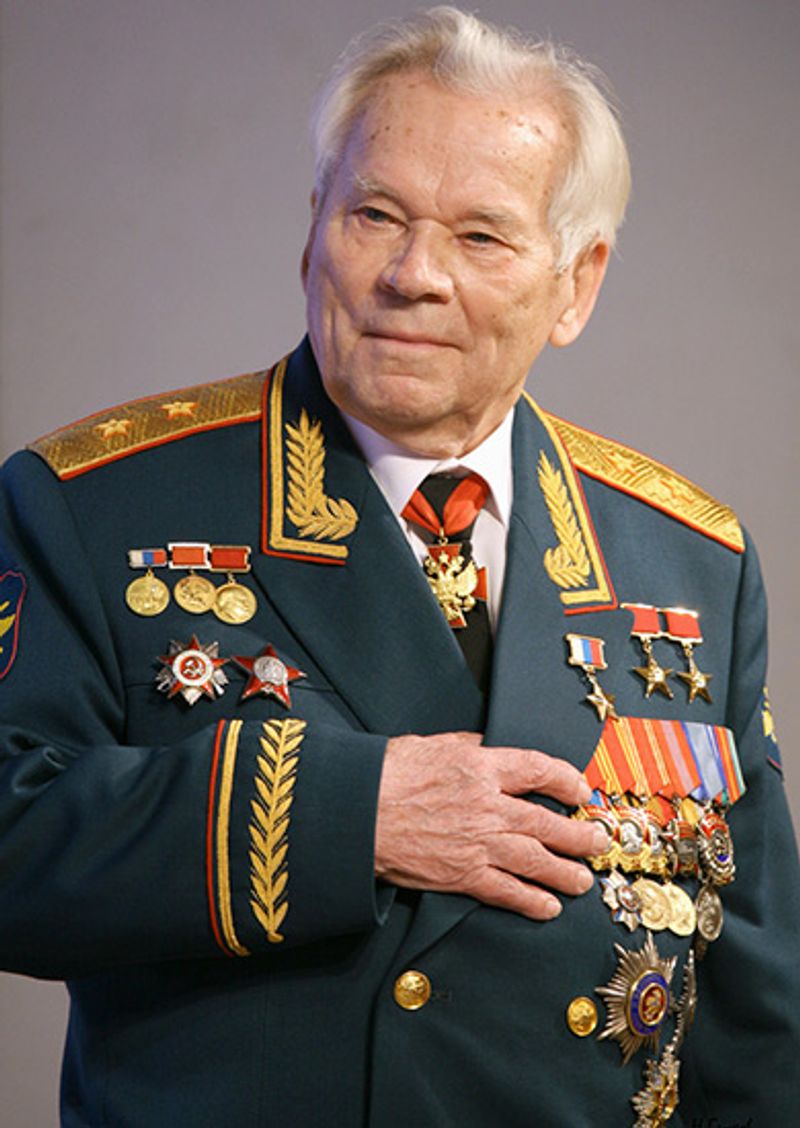
Weapon designed in the mid-1940s to protect the Soviet Union quickly became the most widely produced firearm in history, used in conflicts across every continent.
Its inventor, Mikhail Kalashnikov, was a proud soldier aiming to give his country a reliable tool, yet he once wrote a heartfelt letter reflecting on the consequences of his creation. That concern stayed with him for decades.
3. Ethan Zuckerman and Pop-Up Ads

Pop-up ads: the internet’s most universally despised invention. Ethan Zuckerman coded the very first one in the late 1990s while working at Tripod.com.
His original goal was actually reasonable: keep ads visually separate from website content so pages looked cleaner.
What followed was an avalanche of flashing, screaming, impossible-to-close windows that drove internet users absolutely wild. Zuckerman publicly apologized years later, saying, “I’m sorry.
Our intentions were good.” At least he owned it, which is more than most pop-ups ever do.
4. Wally Conron and the Labradoodle

Wally Conron bred the very first Labradoodle in the late 1980s while working for the Royal Guide Dog Association of Australia. His mission was genuinely sweet: create a hypoallergenic guide dog for a blind woman whose husband had allergies.
Success!
The breed exploded in popularity and sparked a global designer dog craze. Conron grew alarmed watching backyard breeders churn out puppies with unpredictable temperaments and health problems.
He later said, “I’ve done a lot of damage,” and truly meant every word.
5. Robert Propst and the Office Cubicle

Believe it or not, office cubicles were once considered revolutionary. Robert Propst designed his “Action Office” system in 1964 for Herman Miller, envisioning flexible, creative workspaces that would boost employee freedom and productivity.
Sounds dreamy, honestly.
Companies had other plans. They crammed as many cubicle walls as possible into office floors, turning Propst’s vision into a bleak maze of gray panels.
He called the result “monolithic insanity” before he passed away in 2000. Even the inventor hated open-plan’s evil twin.
6. Kamran Loghman and Pepper Spray

Kamran Loghman helped develop pepper spray in the 1980s while working with the FBI, designing it as a humane, non-lethal tool for law enforcement to use in dangerous situations. The idea was to protect lives, not harm them.
When he later saw videos of pepper spray being used on peaceful protesters, including elderly demonstrators and college students, he was visibly shaken. Loghman publicly stated he had never seen such inappropriate use of the chemical agent he helped create.
That stung more than the spray itself.
7. Tim Berners-Lee and the World Wide Web

Revolutionary tool for sharing knowledge emerged in 1989, designed to help scientists exchange information more easily. It was given away freely, built on the belief that knowledge should belong to everyone.
Over time, the creation became a playground for misinformation, surveillance, and manipulation, leaving its inventor, Tim Berners-Lee, devastated at seeing it fail humanity. Today, Berners-Lee actively campaigns for a fairer, more responsible internet through the nonprofit Web Foundation.
8. Philo Farnsworth and Television
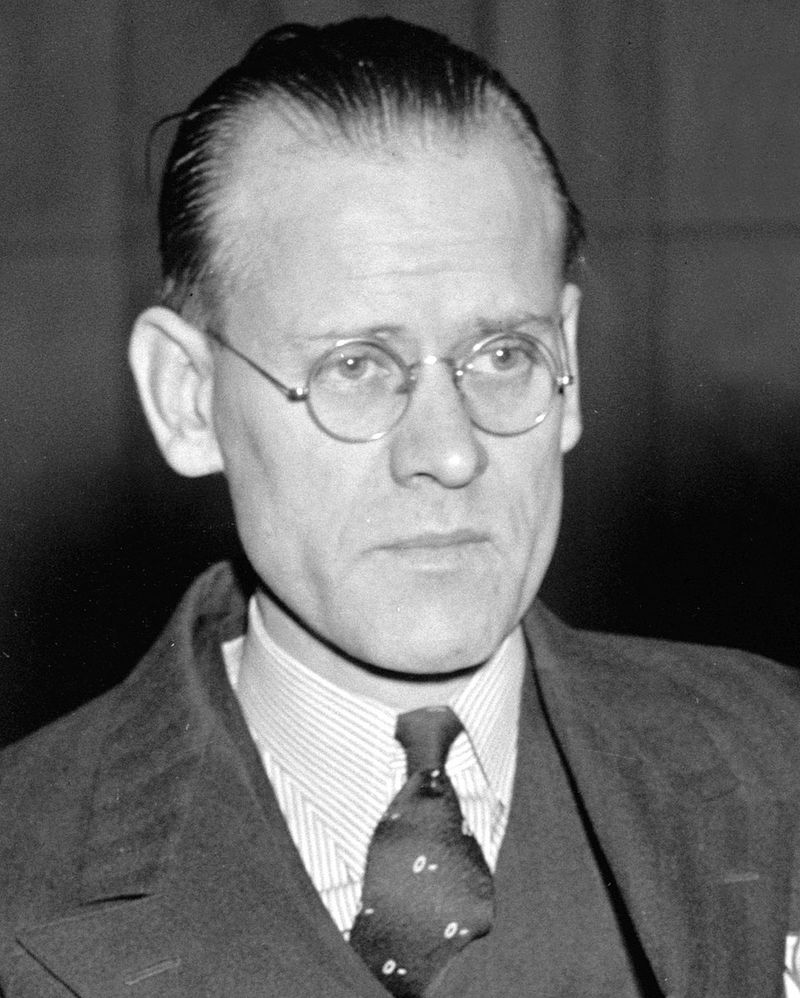
At just 21 years old, Philo Farnsworth transmitted the world’s first fully electronic television image in 1927. He was a farm boy from Idaho who sketched his idea in a high school notebook.
Honestly, that origin story belongs in a movie.
As television grew into a mass entertainment machine, Farnsworth grew disillusioned with its shallow programming. He reportedly told his son, “I have created a monster.” He even refused to let his own children watch TV much, which is peak inventor guilt right there.
9. John Larson and the Polygraph
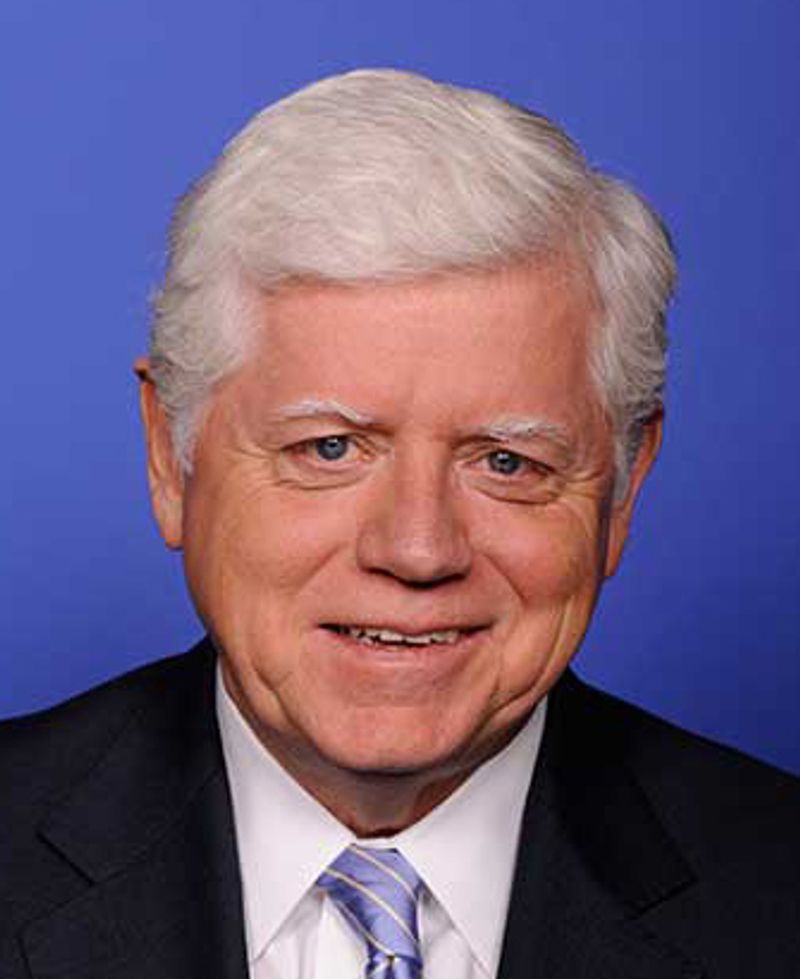
John Larson invented the modern polygraph, commonly called a lie detector, in 1921 while studying at the University of California. He genuinely believed it would revolutionize criminal justice by replacing unreliable confessions with cold, hard science.
Noble ambition, shaky results.
Larson spent the rest of his life watching his invention be misused, abused, and weaponized in ways that ruined innocent lives. He bitterly called it a “Frankenstein’s monster” and dedicated years trying to expose its flaws.
Even scientists today agree polygraphs are far from foolproof.
10. Fritz Haber and the Haber Process
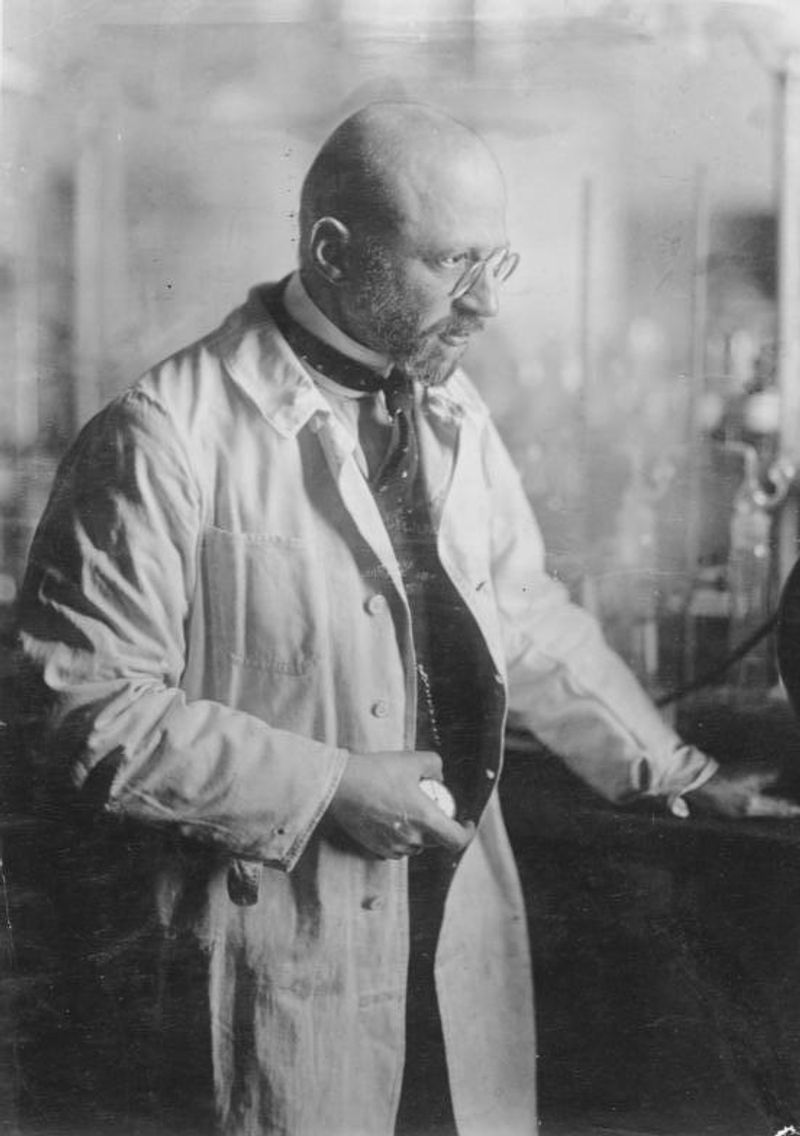
A chemical breakthrough in the early 20th century changed agriculture forever: a process to synthesize ammonia from nitrogen gas. This innovation made mass fertilizer production possible, helping feed billions worldwide and transforming global food supply.
The mind behind it, Fritz Haber, earned the Nobel Prize in Chemistry in 1918 for this landmark achievement, cementing his place in scientific history as a hero of agriculture.
The same chemistry was used to manufacture chemical weapons during World War I, causing horrific suffering. Haber actually supervised poison gas attacks on the battlefield.
His wife, also a chemist, was so devastated she took her own life. His legacy remains one of history’s most complicated.
11. Ugo Cerletti and Electroconvulsive Therapy
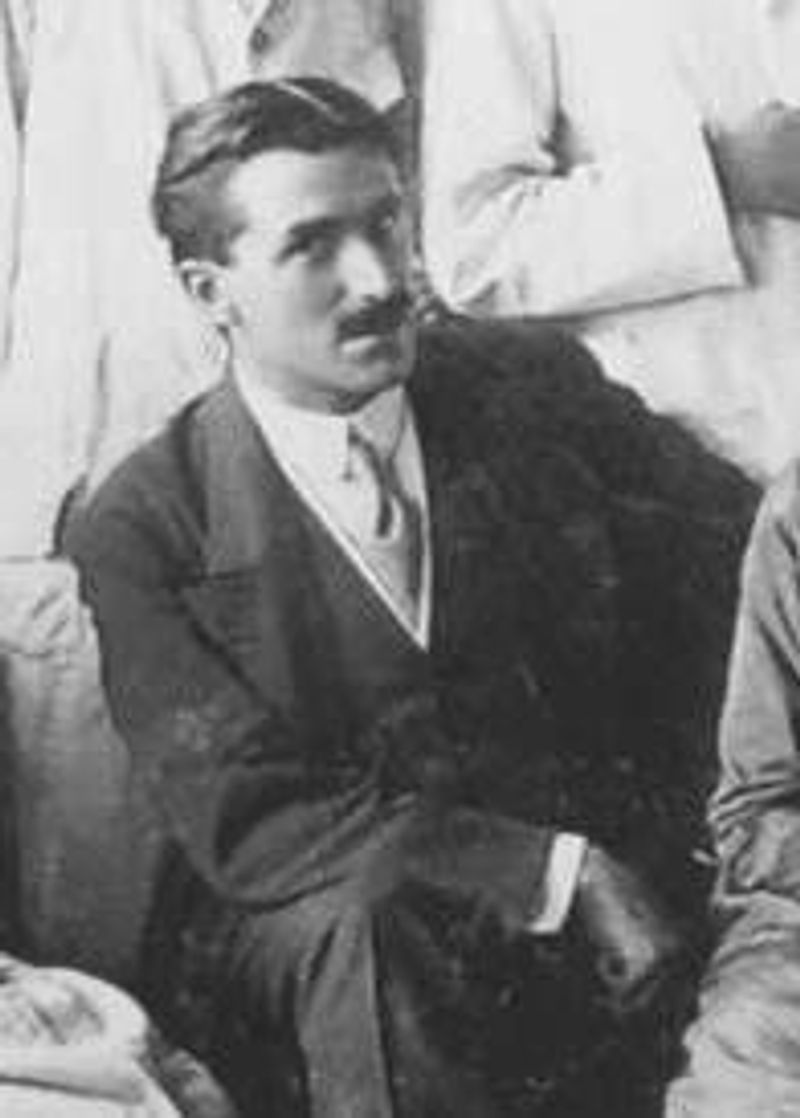
Ugo Cerletti introduced electroconvulsive therapy, or ECT, in 1938 after observing that electric shocks could induce seizures in pigs at a slaughterhouse. He believed controlled electric currents could treat severe mental illness.
In some cases, it genuinely worked.
ECT was soon misused as a tool of punishment and control in psychiatric institutions worldwide, far beyond its intended medical purpose. Cerletti grew increasingly troubled watching his therapy applied in cruel and inhumane ways.
He spent his later years advocating for ethical treatment of patients.
12. J. Robert Oppenheimer and the Atomic Bomb
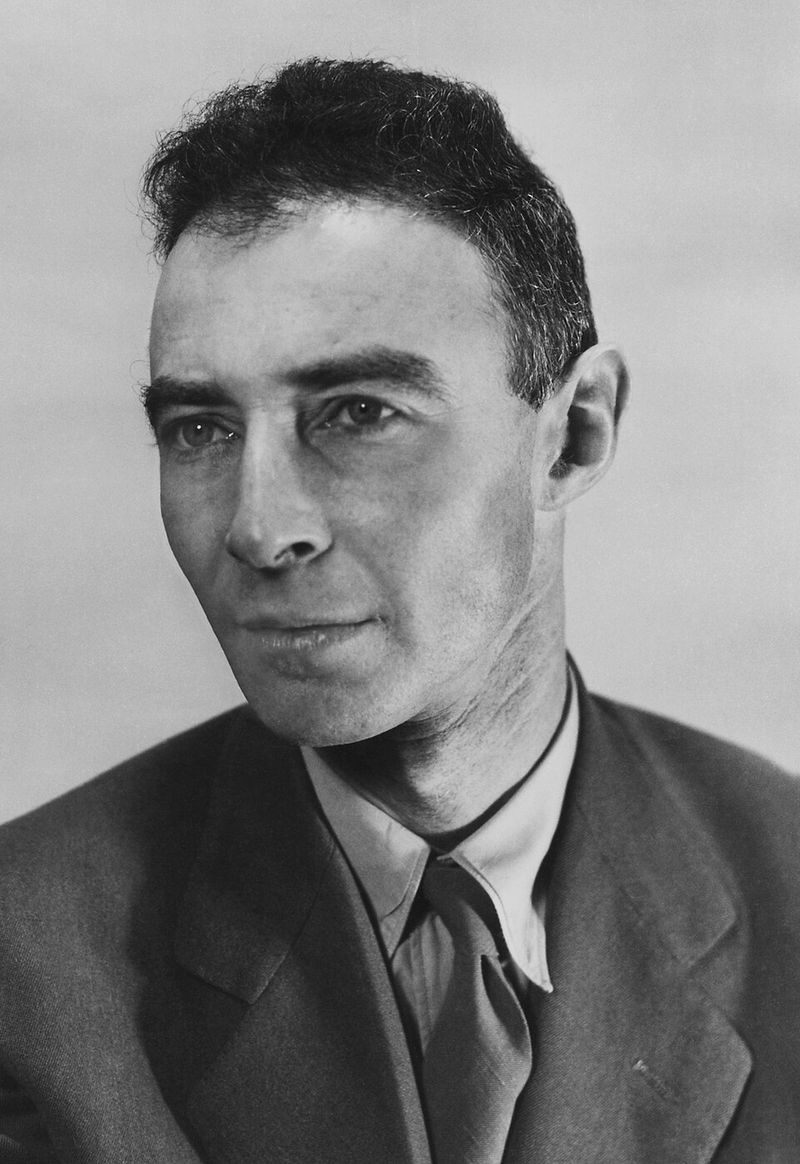
Few moments in history carry as much weight as the first atomic bomb test in July 1945. J.
Robert Oppenheimer led the Manhattan Project that made it possible, and when the bomb detonated successfully, he reportedly quoted ancient Hindu scripture about becoming the destroyer of worlds.
After Hiroshima and Nagasaki, Oppenheimer campaigned hard against nuclear proliferation, clashing with the U.S. government. He was eventually stripped of his security clearance.
His story is equal parts brilliant and heartbreaking, a genius undone by what he helped unleash.
13. Justus von Liebig and Meat Extract
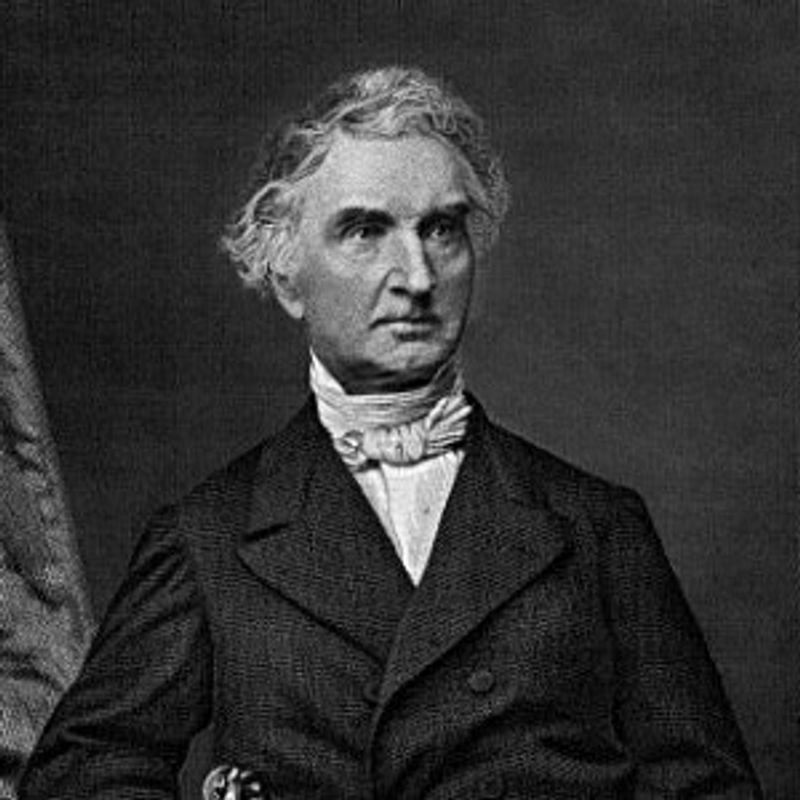
Science once promised a miracle solution to world hunger: a concentrated meat extract, affordable, nutritious, and easy to transport. It seemed perfect for feeding the poor; but the reality didn’t live up to the hype.
The extract lacked essential proteins and nutrients, functioning more like fancy broth than a complete meal.
What made the story remarkable was the honesty behind the admission: the scientist behind it, Justus von Liebig, publicly acknowledged that his product could not replace real food, a rare display of integrity for a chemist of his era and stature.