14 Islands Closed To Ordinary Visitors And The Reasons Behind The Rules
That island looks perfect, right up until the “absolutely do not land here” part kicks in.
Some places come with a strict “look, don’t touch” policy. Rules are not suggestions here.
Enjoy the view from a safe distance, because curiosity stays offshore on these islands.
1. Ilha Da Queimada Grande
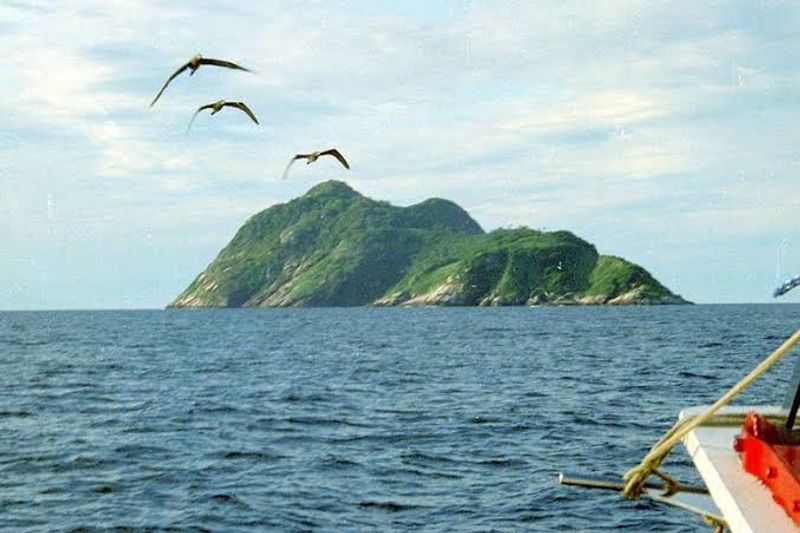
This Brazilian island is famous for its population of critically endangered golden lancehead vipers, but the viral claim that every square meter holds multiple snakes is not supported by scientific estimates. That alone is enough to make most people close the browser tab immediately.
The Brazilian Navy controls access, allowing only authorized researchers to set foot here under strict conditions. Scientists study the snakes because the species is unique, critically endangered, and scientifically important.
Off the coast of Sao Paulo state near Itanhaem, this island earns its nickname “Snake Island” every single day.
2. Surtsey
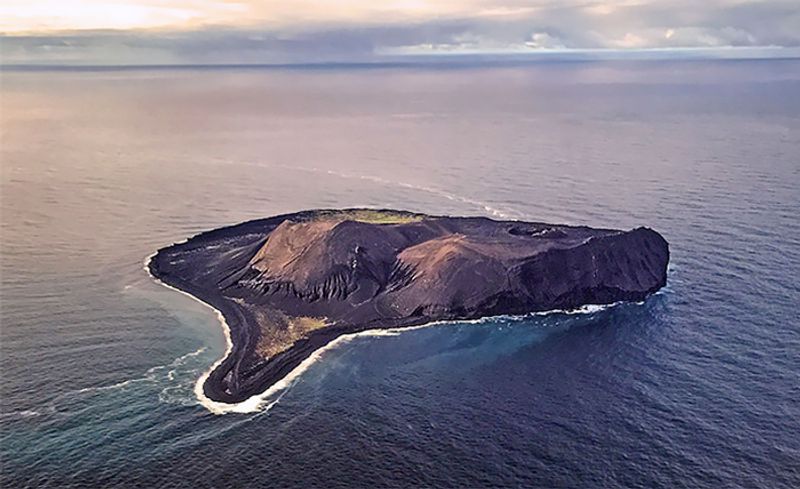
Rising out of the ocean after a volcanic eruption in 1963, Surtsey looked like something pulled straight from a science-fiction film. Scientists watched the island form in real time and have been carefully tracking every living thing that has arrived since.
Landing remains banned for almost everyone because even a single human footprint could contaminate the data. Accidentally dropping a seed from a shoe could skew decades of research.
Located about 32 km off Iceland’s south coast in the Vestmannaeyjar archipelago, Surtsey stands as one of science’s most carefully protected experiments.
3. Navassa Island
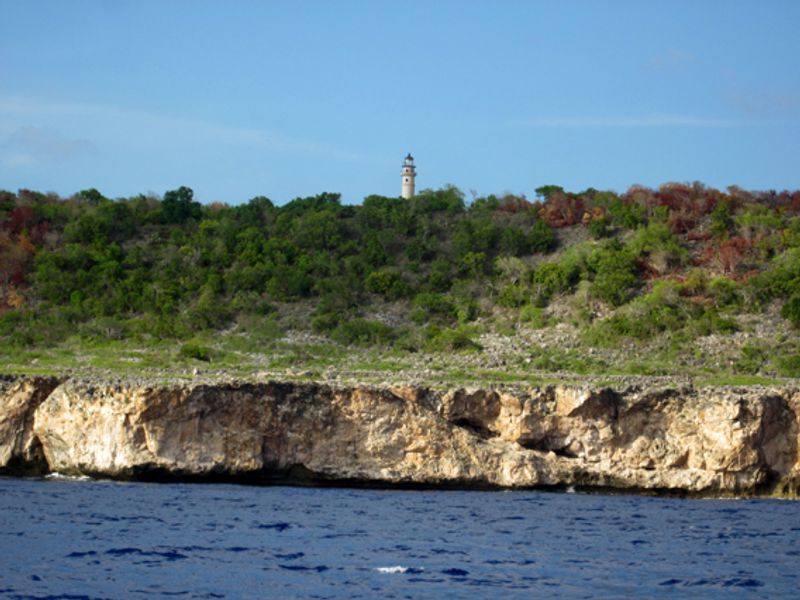
Out in the Caribbean Sea between Haiti and Jamaica, Navassa Island appears calm and almost untouched from a distance. Reality tells a very different story.
Steep cliffs line the entire coastline, leaving no safe landing point and making any approach by boat genuinely dangerous.
The U.S. Fish and Wildlife Service keeps the island closed to the public because access is extremely hazardous and the coastline offers no safe landing beaches.
Protected status allows seabirds and marine life to thrive without interruption, turning isolation into one of its greatest strengths.
4. Desecheo Island
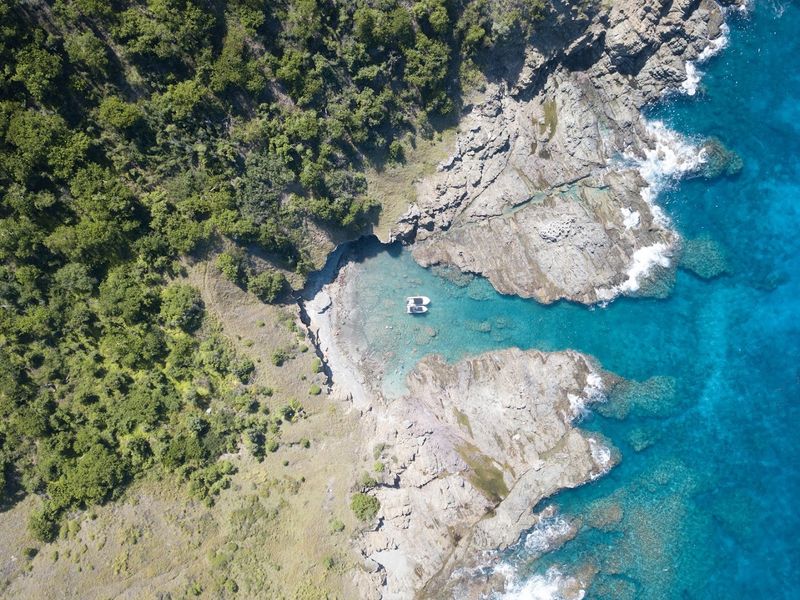
Bright Caribbean water and steady sunshine frame Desecheo Island, sitting about 14 miles west of Puerto Rico, but the view hides a far less welcoming reality.
Past military training left unexploded ordnance buried across the island, creating risks that still linger beneath the surface. One wrong step could lead to consequences no travel insurance policy could possibly cover.
Closure to the public remains in place for clear safety reasons, and that policy is unlikely to change anytime soon given what is still underground.
5. North Brother Island
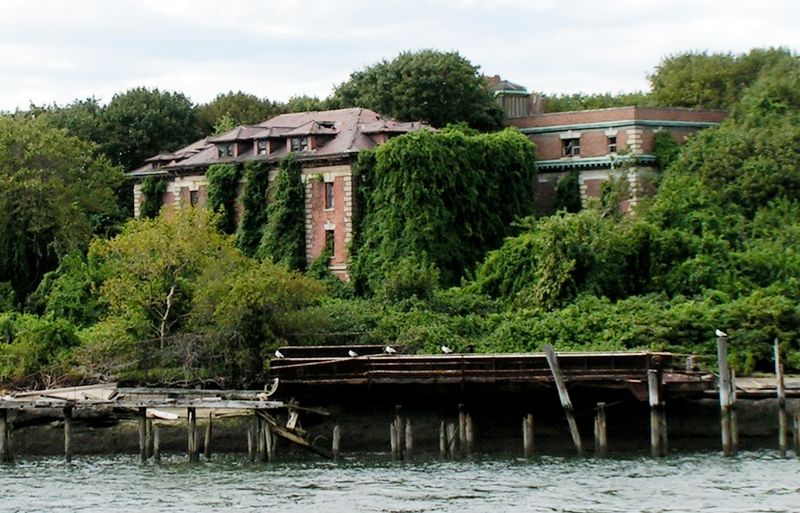
Crumbling hospital buildings slowly swallowed by vines sit on this small island wedged between the Bronx and Rikers Island in the East River.
Once home to Riverside Hospital and famously linked to Typhoid Mary, North Brother Island is now a protected bird habitat. NYC Parks keeps it off-limits, and the island’s protected habitat and hazardous ruins are both part of the reason ordinary visitors are not allowed.
The island is a rare pocket of wild New York City, visible from the shore but completely unreachable for ordinary visitors.
6. South Brother Island
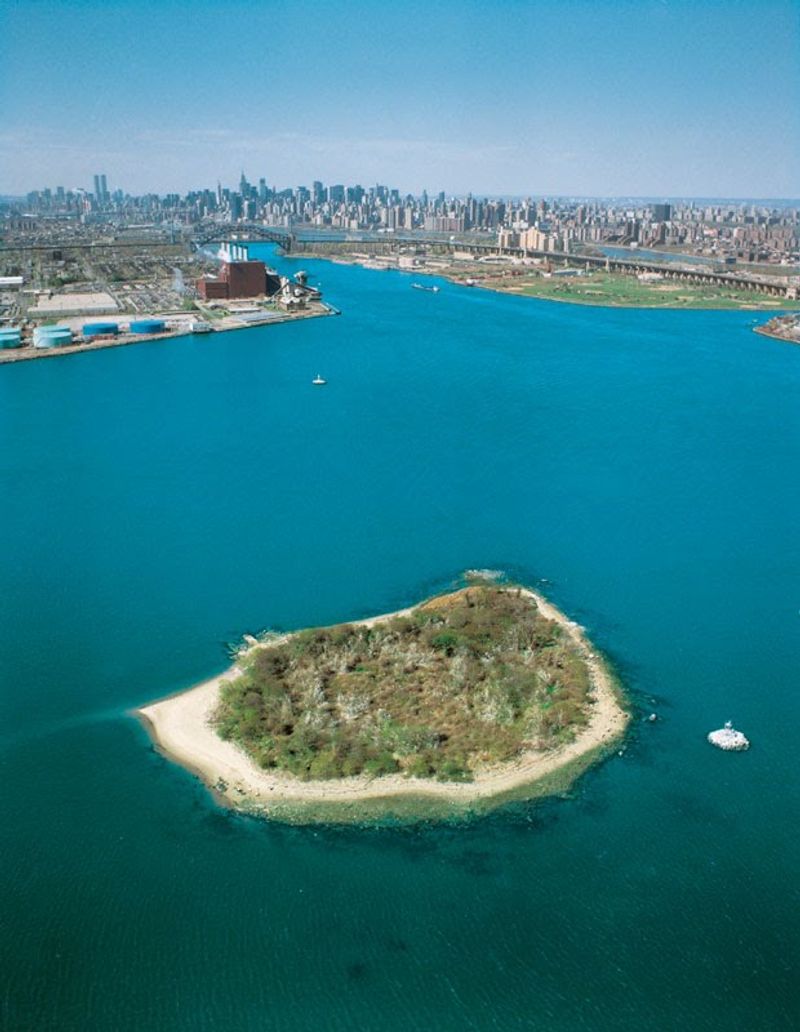
Positioned beside its more famous neighbor in the East River, South Brother Island feels smaller, quieter, and almost completely forgotten by the city buzzing around it.
Management as a wildlife sanctuary keeps the island closed to the public, protecting habitats for nesting birds and other wildlife. No dramatic ruins appear here, only dense trees and the steady sound of wings.
Situated between the Bronx and Rikers Island, this small patch of green shows that sometimes the best conservation strategy is simply leaving a place completely alone.
7. Diego Garcia
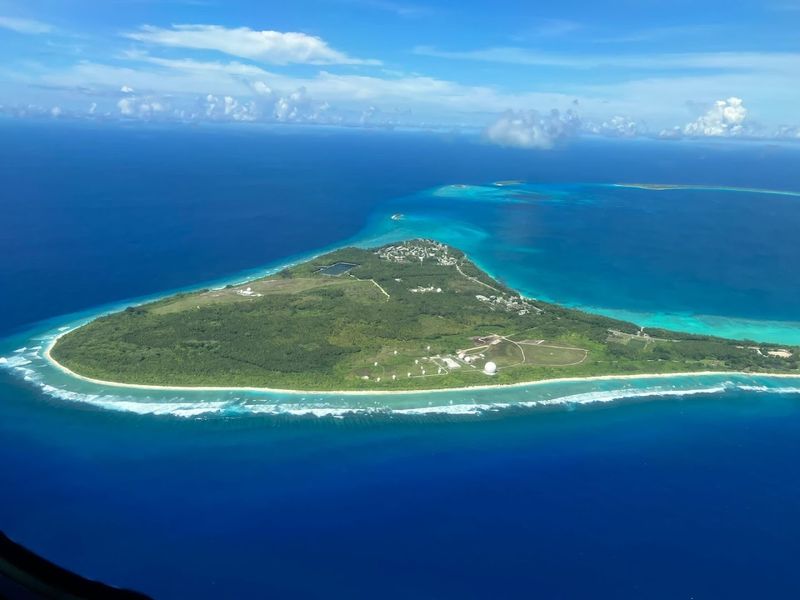
Far out in the Indian Ocean, Diego Garcia forms a distinctive horseshoe-shaped coral atoll with far more going on than its remote setting suggests.
Presence of a major joint U.S. and UK military base has defined the island since the 1970s. Authorization is required to visit, and the territory is not a tourist destination.
Access to Diego Garcia is limited to people connected to the military facility or the administration.
Displacement of the original Chagossian population decades ago adds a deeply complex human dimension to its restricted status.
Positioned just south of the equator within the British Indian Ocean Territory, the atoll remains one of the most strategically important and least accessible locations on the map.
8. Okinoshima
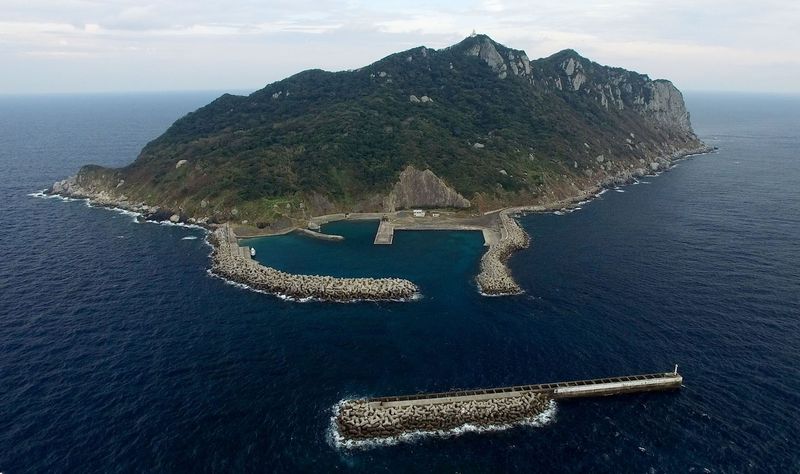
About 60 km off the coast of Fukuoka Prefecture in Japan, Okinoshima is considered so sacred that anything touching the island must stay there forever.
Visitors are strictly forbidden under long-standing ritual taboos enforced by the Munakata Grand Shrine. Long-standing taboos include restrictions on speaking about what is seen there and on removing anything from the island.
No souvenirs, no photos, no exceptions. Okinoshima is the kind of place that reminds you some things are simply not meant to be turned into a travel hashtag.
9. Farallon Islands
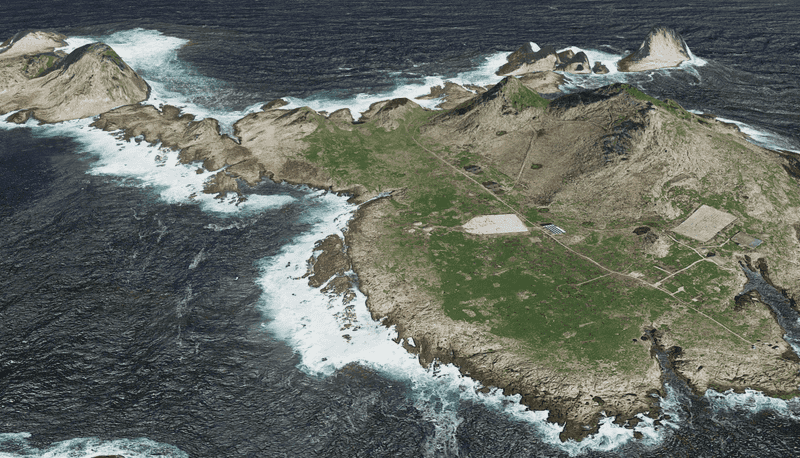
Clear days in San Francisco sometimes reveal the jagged silhouettes of the Farallon Islands about 28 miles offshore, but getting any closer is a very different story.
Management by the U.S. Fish and Wildlife Service keeps the islands protected as a national wildlife refuge that is closed to public access because of its exceptional wildlife value.
Wild conditions define the Farallons in every sense, with constant motion, noise, and activity showing what happens when nature runs entirely on its own terms.
10. Aldabra Atoll
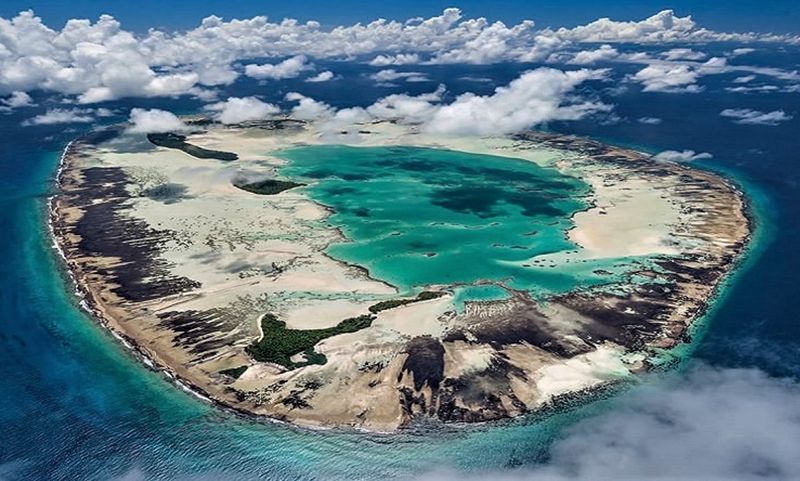
More than 1,000 km southwest of Mahé in the Seychelles, Aldabra Atoll ranks among the largest raised coral atolls on Earth and supports the world’s biggest population of giant tortoises.
Entry requires prior authorization from the Seychelles Islands Foundation and other relevant authorities, with visits kept strictly controlled to protect the atoll.
Researchers who do receive approval operate under strict guidelines designed to protect the habitat from disturbance. Natural processes have shaped the atoll over time with very little human interference, giving it a rare sense of continuity untouched by outside pressure.
11. Gough Island
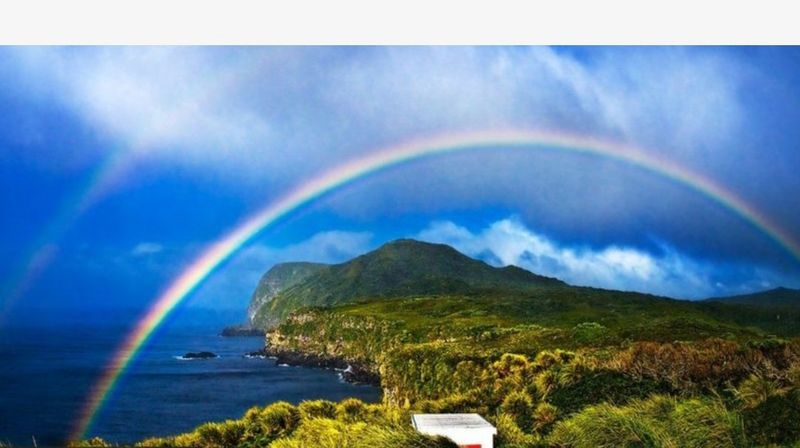
Gough Island rises from the South Atlantic like a fortress, all dark cliffs and swirling mist, about 400 km southeast of Tristan da Cunha.
Access to Gough Island is restricted and requires prior written approval because the site is of exceptional conservation importance. Albatrosses, petrels, and other species nest here in enormous numbers, and disturbance can devastate entire breeding seasons.
About 2,700 km west of Cape Town, South Africa, Gough Island sits about as far from a crowded beach resort as geography allows.
12. Inaccessible Island
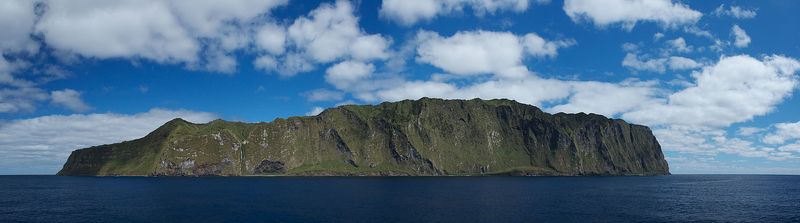
Names rarely feel this accurate, and Inaccessible Island earned its reputation through sheer vertical cliffs that make landing nearly impossible even for experienced sailors.
Located about 40 km from the southwest coast of Tristan da Cunha, the island remains physically and logistically out of reach for most.
Conservation protections add another layer of restriction, and the island’s isolation helps protect endemic birdlife found nowhere else. Effectively closed to ordinary visitors, Inaccessible Island stands as a reminder that nature occasionally wins the argument about who belongs where.
13. Heard Island
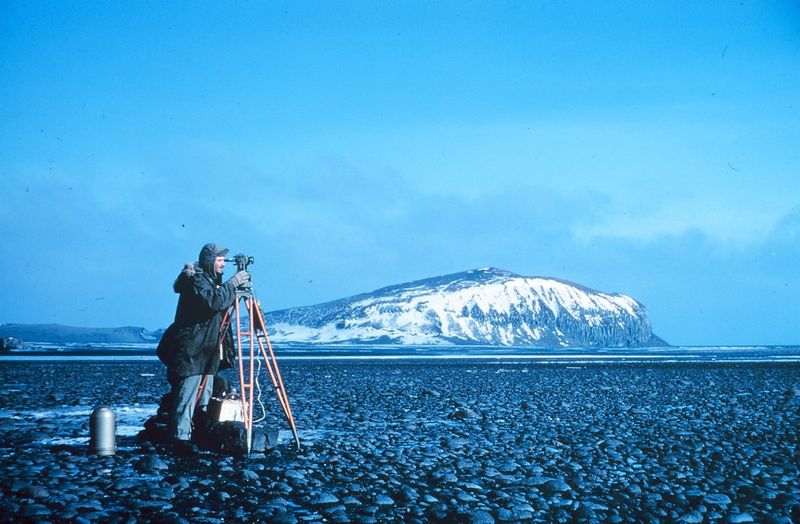
Roughly 4,100 km southwest of Perth and about 1,700 km from Antarctica, Heard Island ranks among the most remote places on Earth and genuinely feels like another planet. Big Ben, an active volcano, dominates the landscape while glaciers spill down toward the sea.
Penguin colonies gather along the rocky beaches, adding movement to an otherwise stark and dramatic setting.
Access requires a permit from the Australian Government, as the island forms part of a strictly protected World Heritage subantarctic reserve.
Regular tourism never really enters the equation, which is exactly what preserves its untouched character.
14. McDonald Islands
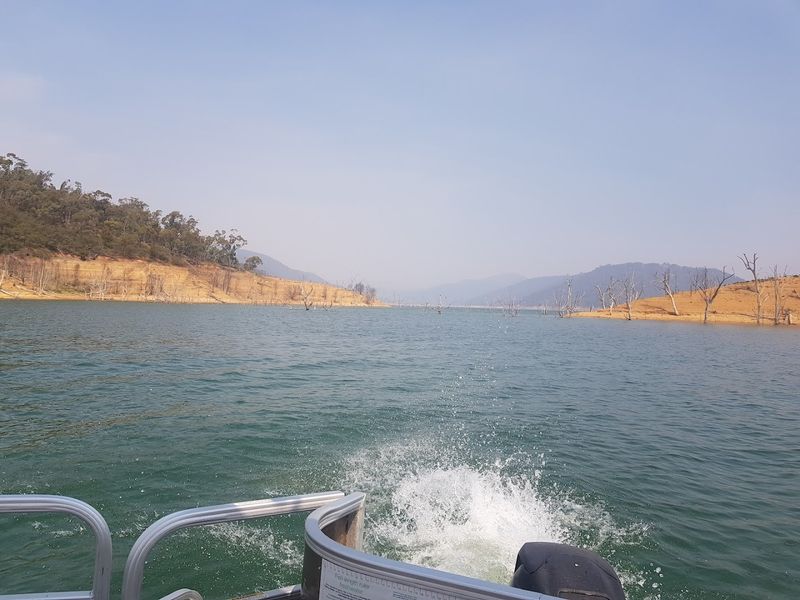
Just 44 km west of Heard Island in the Southern Ocean, the McDonald Islands are so remote that even getting a satellite image of them feels like an achievement.
Australia manages them under the same protected framework as Heard Island, and entry requires a permit. The scientific and conservation value of the group depends entirely on keeping human impact as close to zero as possible.
Small, windswept, and ferociously protected, the McDonalds prove that size has nothing to do with how fiercely a place deserves to be left alone.
Important: This article is intended for general informational and entertainment purposes and reflects a fact-checked overview of islands with restricted or tightly controlled access based on conservation rules, safety concerns, military limitations, and cultural protections.
Access policies can change over time and may include limited permits for researchers, officials, or authorized personnel, so readers should not treat this piece as a substitute for current government or site-management guidance.