10 Italian Cookies Worth Making On Repeat
Picture this: a cozy kitchen filled with the warm scent of butter, almonds, and vanilla wafting through the air like a delicious hug.
Italian cookies bring that magic to life, transforming simple ingredients into irresistible treats that have been passed down through generations.
From crispy waffle-like wonders to chewy almond delights, these cookies are more than just dessert, they’re little bites of Italian tradition that make every occasion feel special.
Ready to discover which Italian cookies deserve a permanent spot in your baking rotation?
Each one tells a story of family, celebration, and timeless flavors that never go out of style.
By the time you reach the last crumb, you’ll understand why these classics are cherished in kitchens around the world.
Disclaimer: The recipes and information in this article are for general baking inspiration and enjoyment only.
Ingredients, techniques, and nutritional values may vary depending on brands, substitutions, and personal preferences.
Always follow proper food safety practices, and adjust recipes according to your own kitchen tools and dietary needs. These cookies are meant to spark joy, not replace professional culinary guidance or nutritional advice. Buon appetito!
1. Pignoli
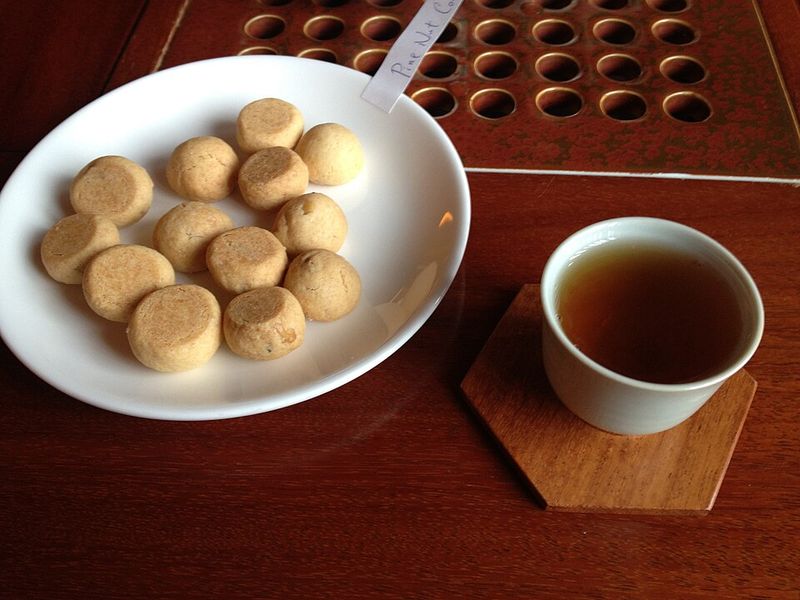
Imagine a cookie so packed with pine nuts that you can barely see the dough underneath.
That’s pignoli in all its nutty glory.
These luxurious treats originated in Sicily, where pine nuts grow abundantly and feature prominently in both sweet and savory dishes.
The base is pure almond paste, giving pignoli an intensely marzipan-like flavor that almond lovers absolutely go wild for.
Before baking, each cookie gets completely blanketed with pine nuts, which toast to golden perfection in the oven.
The result? A cookie with incredible textural contrast, crunchy toasted nuts giving way to a dense, chewy, almost fudgy center.
Fair warning: pine nuts aren’t exactly budget-friendly, making pignoli a special-occasion cookie rather than an everyday treat.
But oh, are they worth the splurge?
Traditional recipes use almond paste rather than almond flour, which creates that signature dense texture that’s completely different from lighter, airier cookies.
Some bakers add a touch of honey or orange zest to enhance the flavor complexity.
Pignoli stay fresh for several days when stored properly, though the pine nuts may soften slightly over time.
They’re traditionally served during Italian holidays and celebrations, making any occasion feel instantly more festive and indulgent.
2. Struffoli
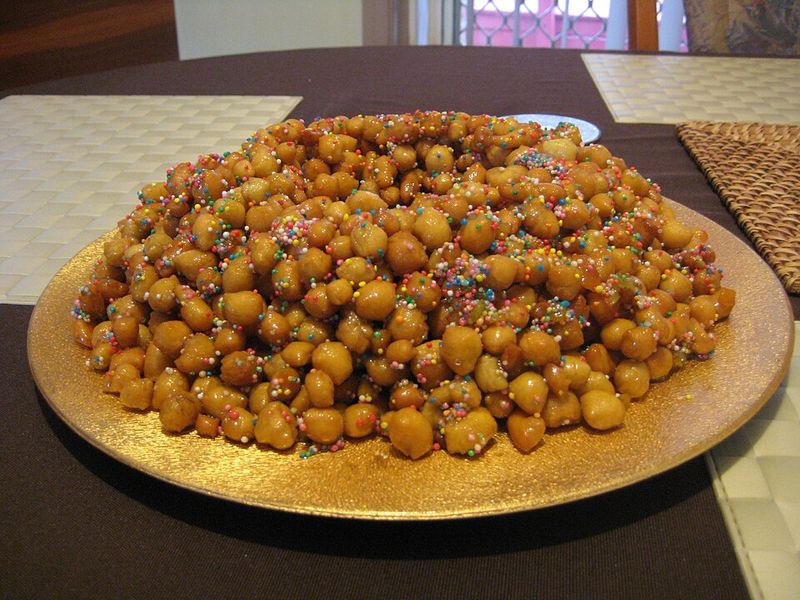
Part cookie, part celebration, all deliciousness, struffoli are the confetti cannons of Italian desserts!
These tiny fried dough balls get drenched in warm honey and piled into magnificent golden pyramids that look like edible sculptures.
Neapolitan families traditionally make struffoli during Christmas and other major celebrations, often gathering together for the labor-intensive but joyful process.
The dough itself is simple: flour, eggs, butter, and a splash of liqueur for flavor, rolled into pencil-thin ropes and cut into marble-sized pieces.
After frying until golden and puffy, the real magic happens when you toss them in warm honey infused with citrus zest.
The honey coating gives each little ball a shiny glaze while binding them together into clusters.
Colorful nonpareils (those tiny round sprinkles) and sometimes candied fruit get scattered over the top, creating a dessert that’s as much a feast for the eyes as the taste buds.
Struffoli have an addictive quality, you start with one or two, and suddenly you’ve eaten twenty without realizing it.
They’re best enjoyed fresh but can last several days at room temperature, the honey acting as a natural preservative.
Making struffoli with family turns cookie-making into a cherished memory rather than just a recipe.
3. Italian Lemon Drop Cookies
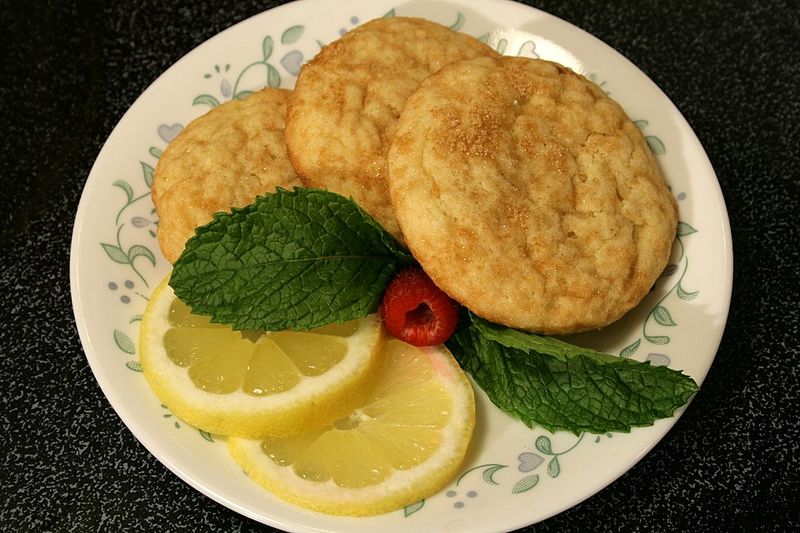
Sunshine in cookie form exists, and it’s called Italian lemon drop cookies.
These pillowy-soft treats taste like a lemon cloud kissed your taste buds and decided to stick around for a while.
Unlike their denser Italian cousins, lemon drop cookies have a cake-like texture that practically dissolves in your mouth.
The secret lies in using both lemon zest and lemon juice throughout the cookie and the glaze, creating layers of citrus flavor that build with each bite.
Some recipes include a touch of ricotta cheese in the dough, which adds moisture and creates an even more tender crumb.
The glaze is where these cookies shine, a mix of powdered sugar and lemon juice that sets into a sweet-tart coating.
For extra pizzazz, sprinkle a bit of lemon zest over the wet glaze before it dries.
These cookies are perfect for spring and summer gatherings, baby showers, or any time you need a bright, refreshing dessert.
They also freeze beautifully before glazing, so you can make a big batch and pull out just what you need.
The combination of soft texture and zingy lemon flavor makes them equally appealing to kids and adults.
Pro tip: use fresh lemons rather than bottled juice for maximum flavor impact!
4. Ricciarelli
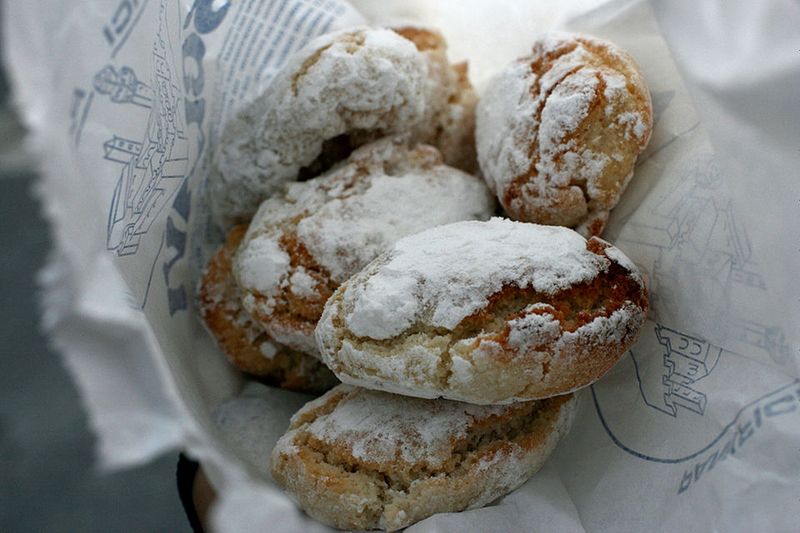
Siena’s gift to the cookie world, ricciarelli are like amaretti’s sophisticated older sibling who studied abroad and came back with refined taste.
These diamond or oval-shaped beauties have been made in Tuscany since the Renaissance, possibly brought to Italy by returning Crusaders.
Legend says they’re shaped like the slippers of a wealthy merchant, though honestly, they just look delicious regardless of footwear inspiration.
The texture sits somewhere between chewy and soft, with a slightly crisp exterior that gives way to an almost marzipan-like center.
Orange zest plays a starring role here, brightening the almond base with citrus notes that keep things interesting.
Traditional ricciarelli get their white appearance from a dusting of powdered sugar before baking, which creates a crackled surface.
Unlike many Italian cookies, these are naturally gluten-free, made primarily from almond flour with just enough egg whites to bind everything together.
They’re traditionally enjoyed during Christmas in Siena, often paired with Vin Santo, a sweet Italian dessert wine.
The flavor improves after a day or two as the cookies soften slightly and the orange essence permeates throughout.
Making ricciarelli requires a gentle touch when shaping, they’re delicate before baking but sturdy enough afterward to ship to cookie-loving friends far away.
5. Cuccidati
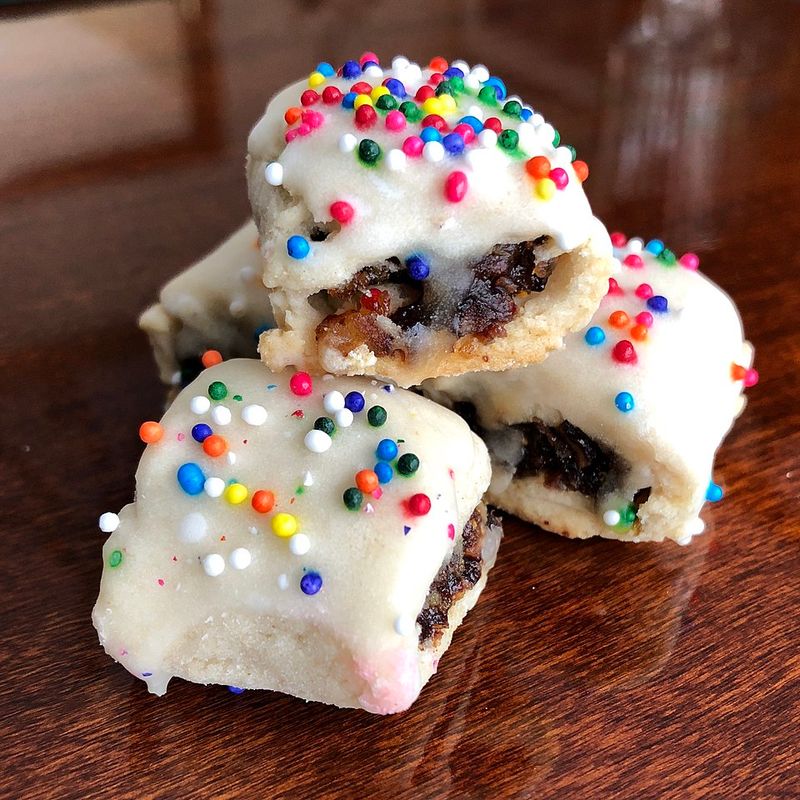
Also known as Italian fig cookies, cuccidati are the fruit-and-nut powerhouses of the Italian cookie world.
These Sicilian pastries wrap tender dough around a rich filling of dried figs, raisins, dates, nuts, honey, and warm spices.
The filling gets ground together until it forms a thick paste that’s spread onto rolled dough, then shaped into logs and cut into individual cookies.
Traditionally made for Christmas, many Italian-American families spend entire days assembling these labor-intensive treats together.
The cookies get topped with a simple icing and sometimes decorated with colorful sprinkles, making them as pretty as they are delicious.
What’s remarkable about cuccidati is how the flavors develop over time, they actually taste better after sitting for a few days as the filling moistens the pastry and everything melds together.
Each family guards their cuccidati recipe like a state secret, with slight variations in spices, citrus zest, or the ratio of nuts to fruit.
Some bakers shape them into crescents, others into rings, and some keep the traditional log shape.
They’re substantial enough to feel like a proper dessert rather than just a cookie, and the combination of textures keeps your palate engaged.
Fair warning: making cuccidati is a project, but the results are so worth it!
6. Baci Di Dama
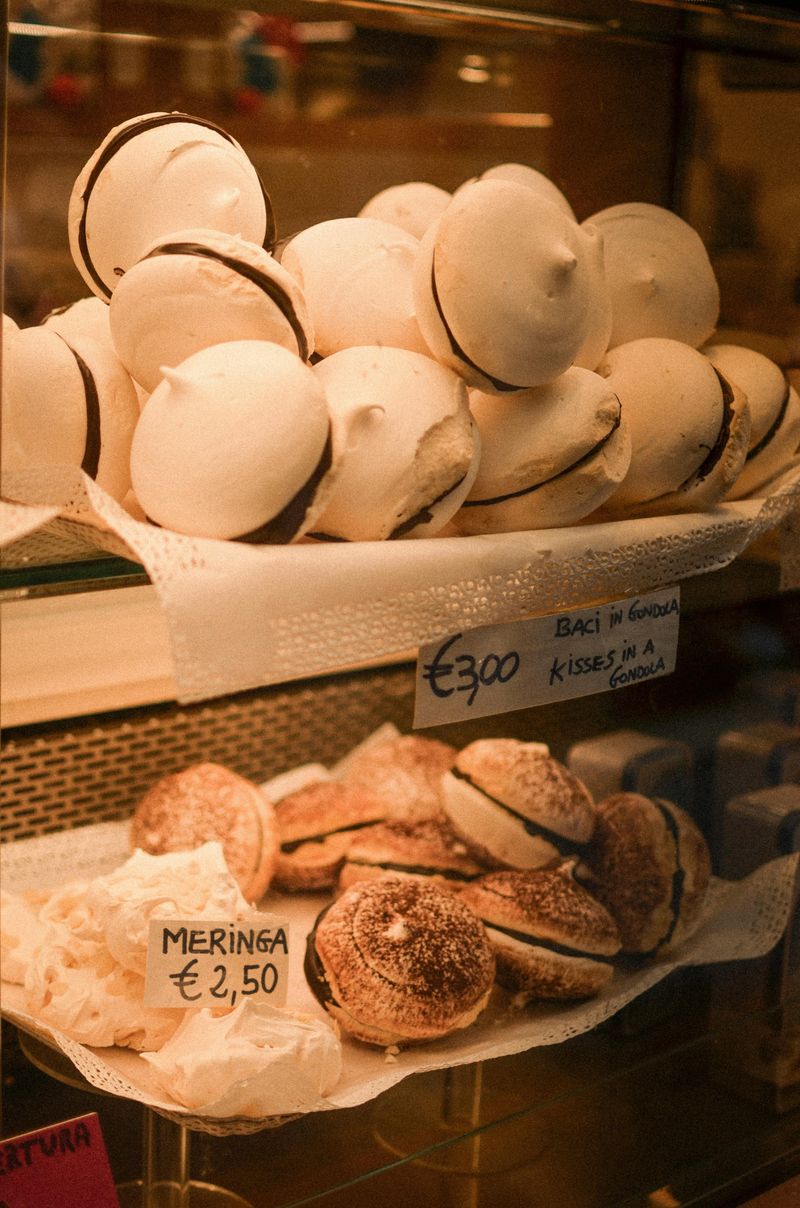
“Lady’s kisses” might be the most romantic cookie name ever, and these petite sandwich cookies from Piedmont live up to their charming title.
Two delicate hazelnut cookies sandwich a thin layer of dark chocolate, creating a bite-sized morsel that’s equal parts nutty, buttery, and chocolatey.
The name supposedly comes from how the two cookie halves seem to kiss with the chocolate between them, adorable, right?
Traditional recipes use finely ground hazelnuts (Piedmont is famous for them) mixed with flour and butter to create a tender, almost shortbread-like texture.
The cookies are intentionally small, usually about the size of a walnut, making them perfect for elegant afternoon tea or as after-dinner treats.
Getting the chocolate layer right requires a delicate balance, too much and the cookies slide apart, too little and you lose that essential chocolate hit.
Many bakers melt good-quality dark chocolate and let it cool slightly before sandwiching, which creates the perfect consistency.
Baci di dama look incredibly sophisticated arranged on a serving platter, making them ideal for impressing guests without revealing how simple they actually are to make.
They store well in airtight containers, though the chocolate may soften in warm weather.
Some modern variations use almonds instead of hazelnuts, but purists insist on the traditional Piedmontese hazelnut version for authentic flavor.
7. Italian Wedding Cookies
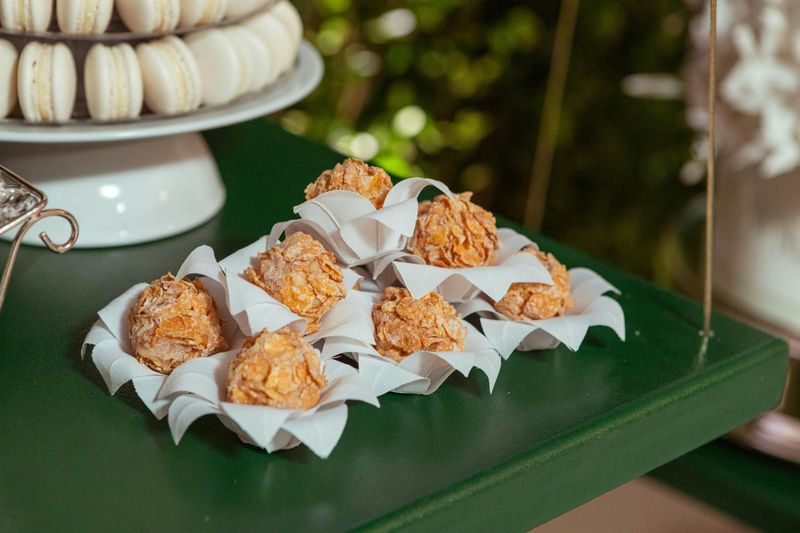
Also called Mexican wedding cookies, Russian tea cakes, or snowball cookies depending on who you ask, these buttery beauties transcend borders while remaining Italian favorites.
The Italian version typically features finely chopped pecans or walnuts mixed into a rich, buttery dough that’s rolled into balls and baked until just set.
What happens next is pure magic: the warm cookies get rolled in powdered sugar, creating a sweet coating.
After cooling, they get rolled in powdered sugar again, building up that signature thick white coating that gives them their snowball appearance.
The texture is incredibly tender and crumbly, almost melting on your tongue while releasing waves of buttery, nutty flavor.
Despite the name, Italian wedding cookies appear at holidays, parties, and any gathering filled with love and baked goods.
The recipe is wonderfully forgiving for beginner bakers since the cookies don’t need to be perfectly shaped, their rustic, hand-rolled appearance is part of their charm.
Some families add a splash of vanilla or almond extract to enhance the flavor.
These cookies store exceptionally well in covered containers, staying fresh for over a week.
Just be prepared to refresh the powdered sugar coating before serving, as it tends to get absorbed over time.
8. Torcetti
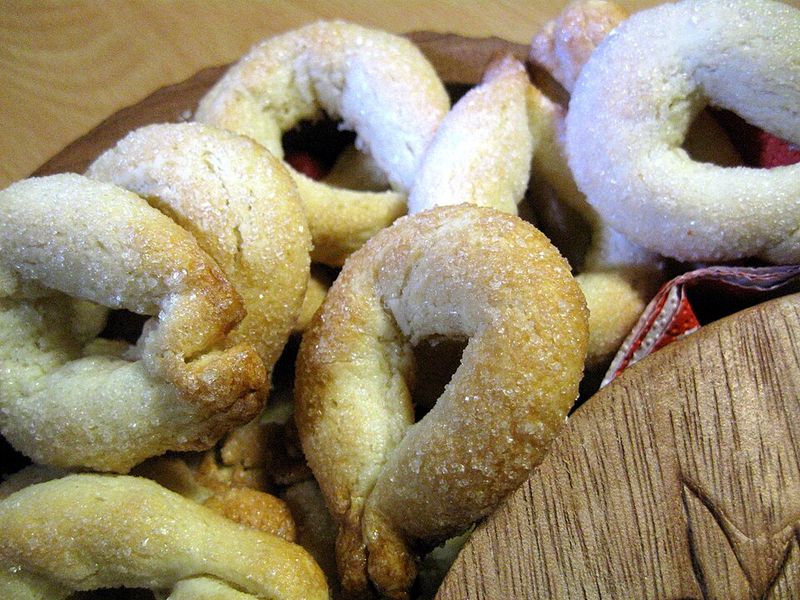
Twisted into elegant shapes like edible pretzels, torcetti bring sculptural beauty to the cookie jar.
These Piedmontese treats start as strips of buttery dough that get twisted, dipped in sugar, and baked until golden with delightfully crunchy edges.
The name comes from the Italian word for “little twists,” which perfectly describes their distinctive braided appearance.
What makes torcetti special is the textural contrast, the sugar-coated exterior provides crunch while the interior stays surprisingly soft and almost bread-like.
Traditional recipes call for pearl sugar (those big, crunchy sugar crystals) rather than regular granulated sugar, which creates an extra-special sparkle and crunch.
The dough typically includes a touch of white wine or grappa, which adds subtle complexity and helps create that tender interior texture.
Shaping torcetti feels oddly satisfying, like playing with edible Play-Doh.
You roll each piece into a rope, twist it a few times, and voilà, instant elegance!
They’re perfect for serving with morning coffee or afternoon tea, substantial enough to feel satisfying without being overly sweet or heavy.
In Piedmont, bakeries display torcetti in their windows, the twisted shapes and sugar sparkle catching sunlight and luring in customers.
Once you master the basic twist, you can experiment with different shapes or even braid three strands together for extra flair.
9. Fave Dei Morti
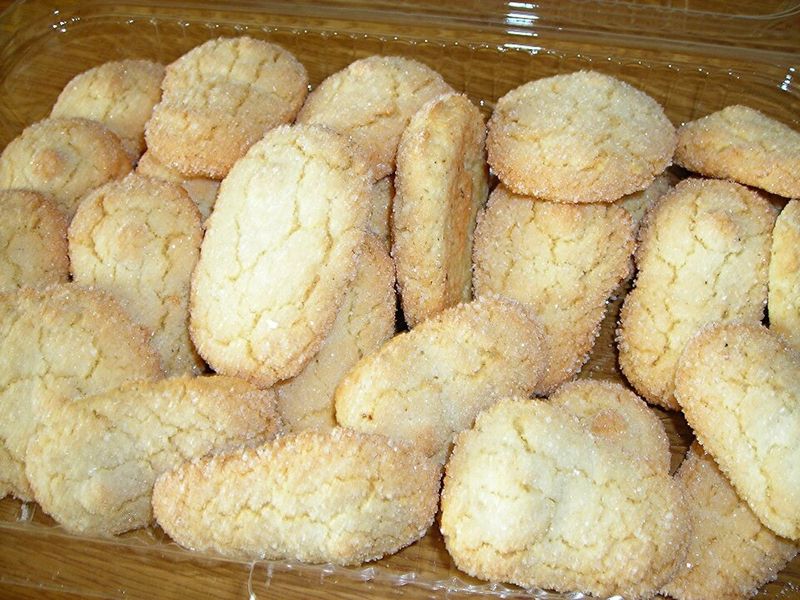
“Beans of the dead” sounds like something from a spooky movie, but these traditional All Saints’ Day cookies are actually sweet tributes to deceased loved ones.
Made throughout Italy with regional variations, fave dei morti are intentionally shaped like fava beans, which have ancient symbolic connections to souls and the afterlife in Roman tradition.
Before you get too spooked, know that these are simply delicious almond cookies with a tender, almost sandy texture that’s completely addictive.
The almond flavor is more subtle than in amaretti or ricciarelli, often enhanced with cinnamon or other warm spices.
Some versions include pine nuts or other nuts ground into the dough, while others keep it pure and simple.
The cookies are typically small and oval, meant to be eaten in just a couple of bites while remembering family members who’ve passed.
This tradition of honoring the dead with special foods is common throughout Italian culture, turning grief into celebration through shared meals and memories.
Fave dei morti aren’t overly sweet, making them perfect for extended snacking throughout the day.
They pair beautifully with coffee or tea and have a comforting quality that makes them feel like edible hugs.
While traditionally made in November around All Saints’ Day, there’s absolutely no reason not to enjoy these any time of year when you want a simple, satisfying cookie.
10. Italian Ricotta Cookies
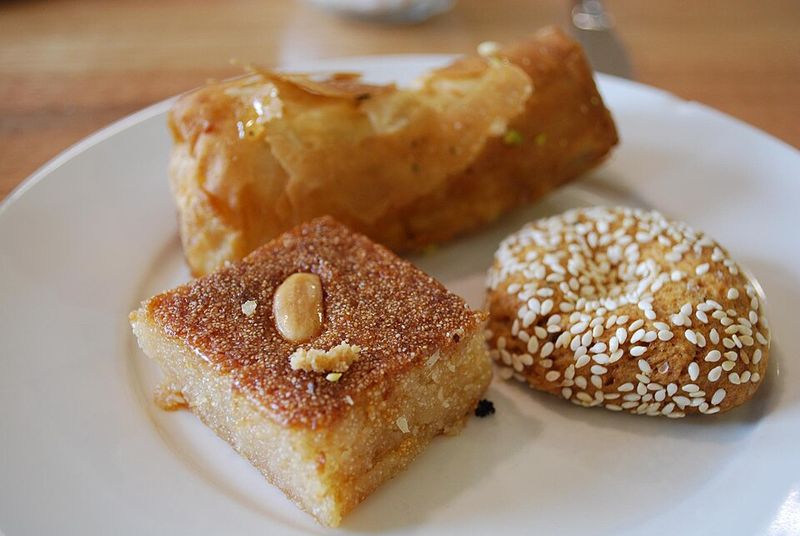
Fluffy as clouds and tender as a grandmother’s hug, Italian ricotta cookies are the softest cookies you’ll ever meet.
The secret ingredient is ricotta cheese mixed right into the dough, which creates an incredibly moist, cake-like texture that stays fresh for days.
These cookies are practically impossible to overbake because the ricotta keeps them tender even if they spend a few extra minutes in the oven.
The base cookie is lightly sweetened and flavored with vanilla or lemon, providing a neutral canvas for the real star, the glaze.
Traditional glazes use powdered sugar mixed with milk or lemon juice, often tinted in pastel colors and topped with rainbow sprinkles.
They’re festive without being overly fussy, making them perfect for holidays, birthday parties, or just because it’s Tuesday and you want something cheerful.
Italian-American bakeries often display ricotta cookies in their windows, the colorful glazes and sprinkles catching attention from passersby.
Kids especially love these cookies because they’re not too sweet, the texture is familiar and comforting, and sprinkles automatically make everything better.
The ricotta also adds a subtle tanginess that keeps the cookies from being one-dimensional.
Some bakers add almond extract to the dough or glaze for an extra layer of flavor.
These cookies freeze beautifully before glazing, making them perfect for advance preparation before parties or holiday gatherings.