10 Jack Lemmon Movies That Prove Range Was His Superpower
One moment brings uncontrollable laughter, the next lands an emotional jolt no one sees coming. Timing like that cannot be taught, and Jack Lemmon made it look effortless.
These ten films prove his range was so sharp it could leave audiences laughing, crying, and slightly betrayed in the span of a single reel.
10. Some Like It Hot (1959)
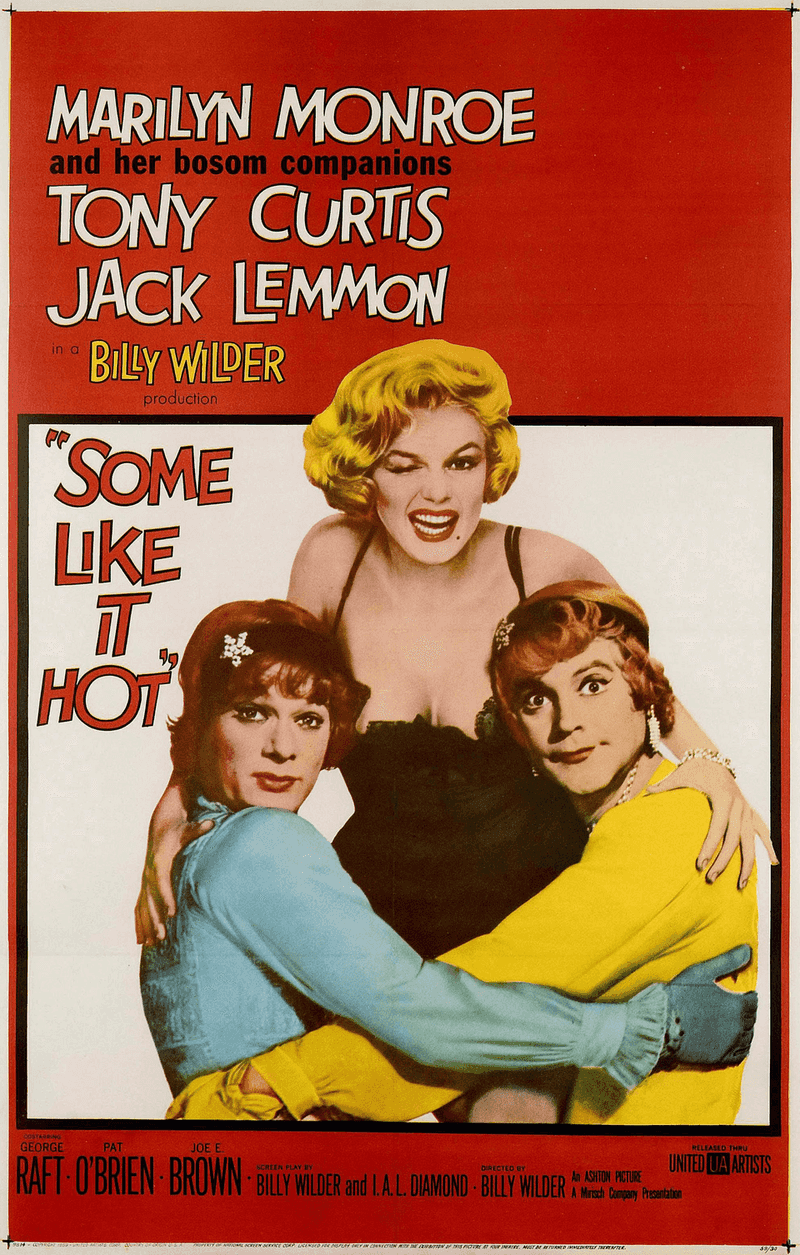
Absurdity peaks with a grown man in heels, a wig, and a dress sprinting from gangsters while pretending to belong in an all-girl band. Fearless commitment defines Jack Lemmon’s turn as “Daphne,” playing every fluttering eyelash and unsteady step with total sincerity and never once signaling a joke.
Creative freedom flourished under Billy Wilder, whose classic Some Like It Hot proves that great comedy only works when the performers take the madness seriously.
Physical humor still lands decades later, with the tango sequence standing as a timeless lesson in how precision, commitment, and timing make laughter last.
9. The Apartment (1960)
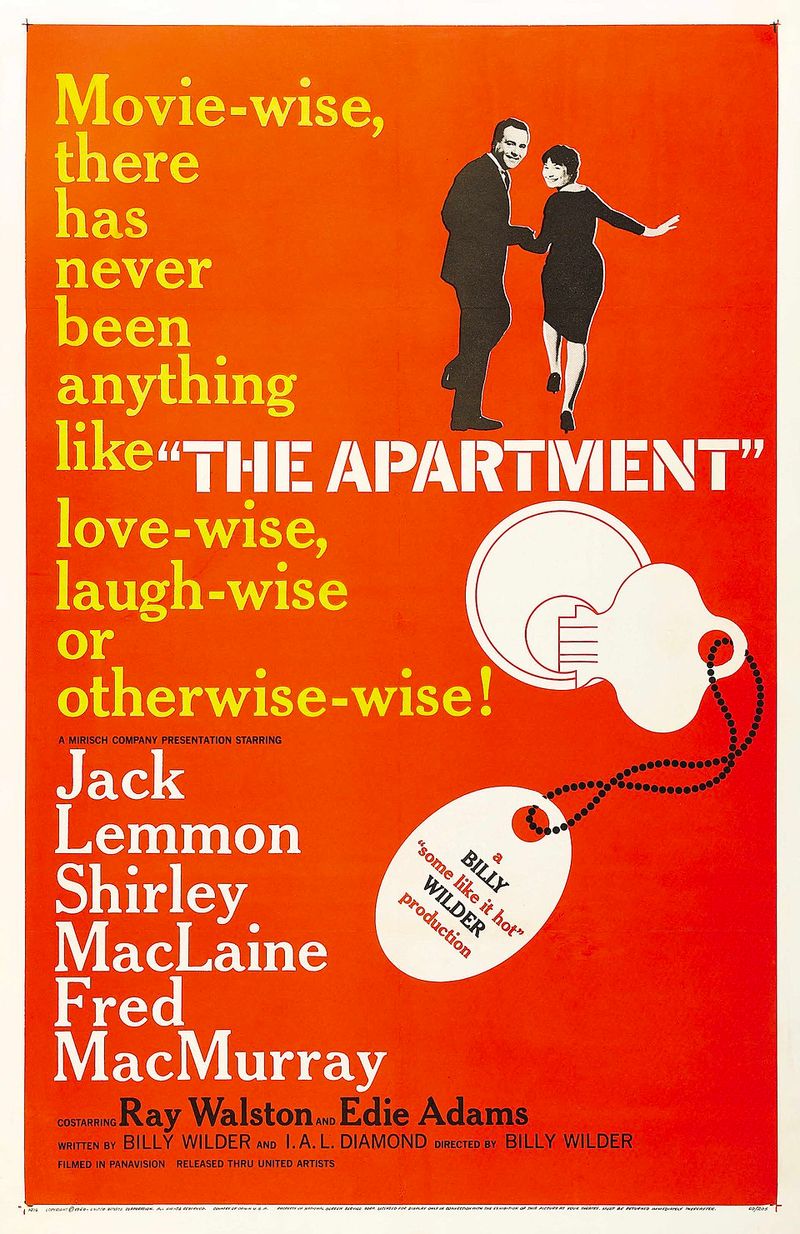
Even after the desk lamp clicks off at 5:30, C.C. Baxter’s day stretches on, turning a cramped apartment into borrowed space for other people’s secrets.
Quiet ache defines the performance as Jack Lemmon plays corporate loneliness with such restrained desperation that it seeps through the screen in The Apartment.
Recognition followed with an Oscar nomination, earned by making office submissiveness feel painfully human rather than cartoonish.
Straining spaghetti through a tennis racket captures the essence perfectly, revealing how comedy can rise straight out of sadness when sincerity leads the way.
8. Days Of Wine And Roses (1962)
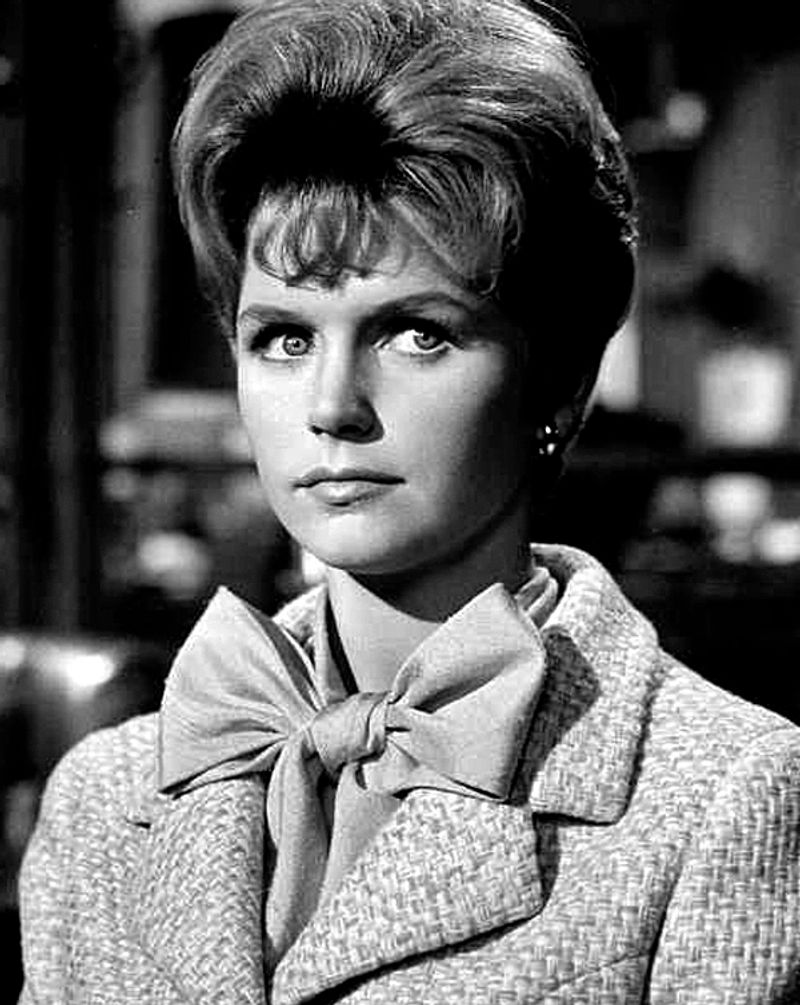
Gone are the laughs, replaced by shaking hands reaching for relief. Lemmon’s Joe Clay starts as a charming PR man riding high, then spirals into a nightmare of dependence that feels uncomfortably authentic.
This performance proved Lemmon could handle heavyweight drama without a safety net. The greenhouse destruction scene remains one of the most harrowing portrayals of personal collapse ever filmed.
Lemmon later described the role as one of his toughest, and it shows in every tortured expression.
7. The Odd Couple (1968)
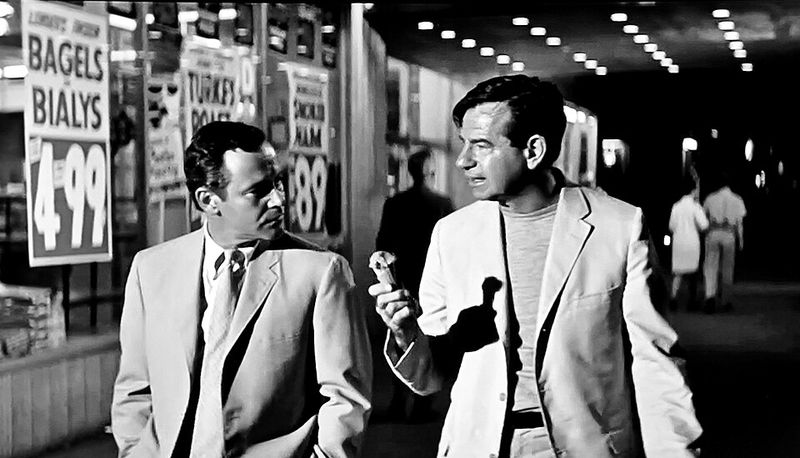
Felix Ungar clears his sinuses at the poker table, and suddenly you understand why his wife kicked him out.
Lemmon’s neurotic neatnik opposite Walter Matthau’s slob Oscar created comedy gold that spawned sequels, TV shows, and countless imitations.
The genius lies in how Lemmon makes Felix both infuriating and sympathetic, a man whose perfectionism is clearly a defense against deeper pain. Their dynamic feels like watching your own annoying habits reflected back, magnified, and set to a laugh track.
6. Mister Roberts (1955)
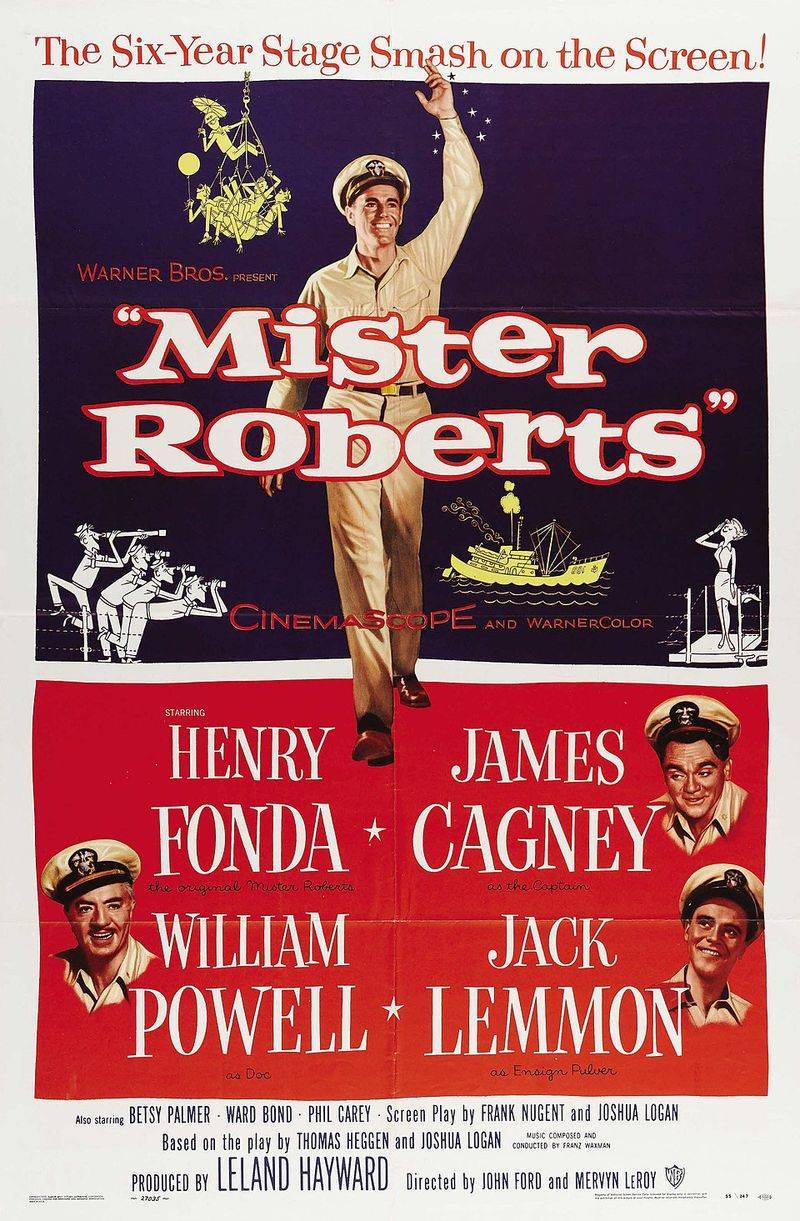
Early promise burst onto the screen when Jack Lemmon won his first Oscar as Ensign Pulver, a lovable slacker who hides in his bunk to dodge responsibility in Mister Roberts.
Playful energy ricochets off Henry Fonda’s stoic authority, like a mischievous puppy needling a patient old dog. Comic relief deepens into something richer, revealing a portrait of untapped potential rather than a one-note gag.
Breakthrough arrives in the final moments when Pulver finally stands up to tyranny, announcing a star who was ready to step forward.
5. Glengarry Glen Ross (1992)
Desperation hangs in the air like stale coffee as Shelley Levene spirals through a world that no longer wants him.
Late-career fear drives the performance, with Jack Lemmon embodying a washed-up salesman clinging to past victories while younger predators close in around him in Glengarry Glen Ross.
Humiliation peaks during the infamous “coffee is for closers” moment, where sweat, defeat, and panic spill out without a trace of vanity or protection. Nothing about the role feels like a star showcase, instead standing as a character actor’s masterclass that proves vulnerability deepens with age and courage sometimes means holding nothing back at all.
4. The Fortune Cookie (1966)
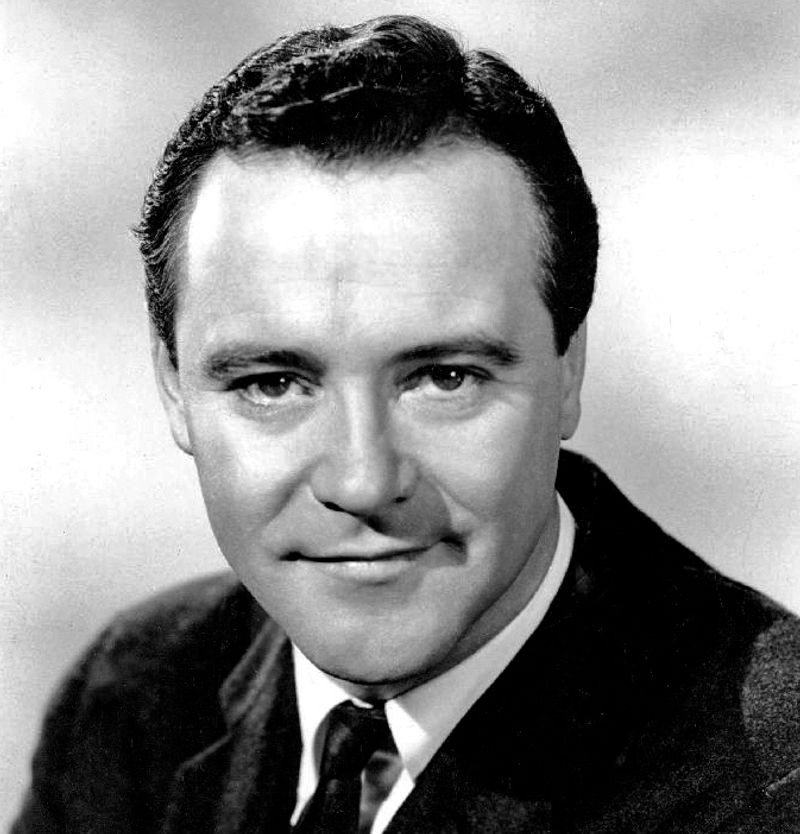
Chaos kicks off when a football player plows into cameraman Harry Hinkle, and a scheming brother-in-law immediately starts seeing dollar signs.
Reluctant deceit fuels the comedy as Jack Lemmon plays the fake-injury ruse with such visible unease that honesty feels like the only possible escape in The Fortune Cookie.
Chemistry ignites for the first time alongside Walter Matthau, establishing a partnership that would become legendary almost instantly. Everyman instincts carry the story, turning what might have been a cynical setup into something unexpectedly warm, human, and quietly sincere.
3. The Great Race (1965)
Lemmon goes full mustache-twirling villain as Professor Fate, the dastardly rival to Tony Curtis’s hero in this Technicolor romp.
Watching him cackle, scheme, and fail spectacularly is pure joy, like a live-action cartoon brought to life by someone who studied Snidely Whiplash for homework.
The pie fight scene alone required thousands of pies and Lemmon’s total commitment to physical comedy. This role proved he could play broad without losing intelligence, silly without sacrificing skill.
2. The April Fools (1969)
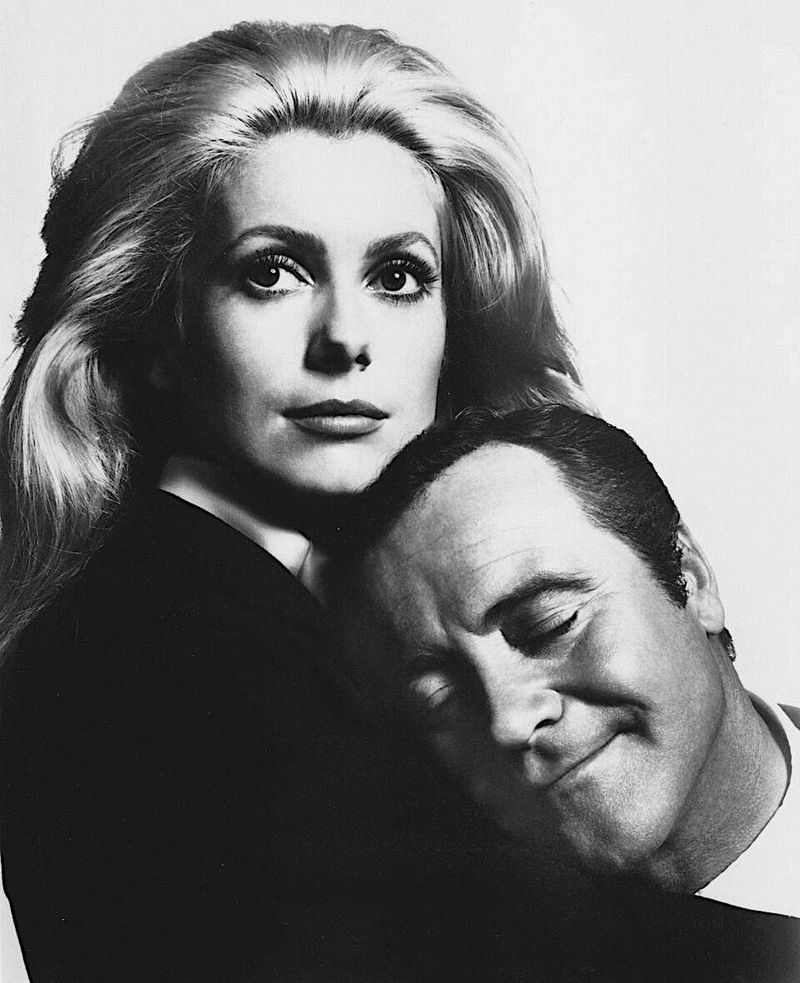
One unremarkable dinner party drifts into unexpected romance when an unhappily married stockbroker crosses paths with an ethereal stranger.
Tender melancholy defines the performance as Jack Lemmon navigates midlife longing opposite Catherine Deneuve in The April Fools, making emotional restlessness feel human rather than indulgent. Swinging-sixties New York and a soft, dreamy tone wrap around the story, while Lemmon grounds the whimsy in recognizable desire and quiet vulnerability.
1. The Wackiest Ship In The Army (1960)
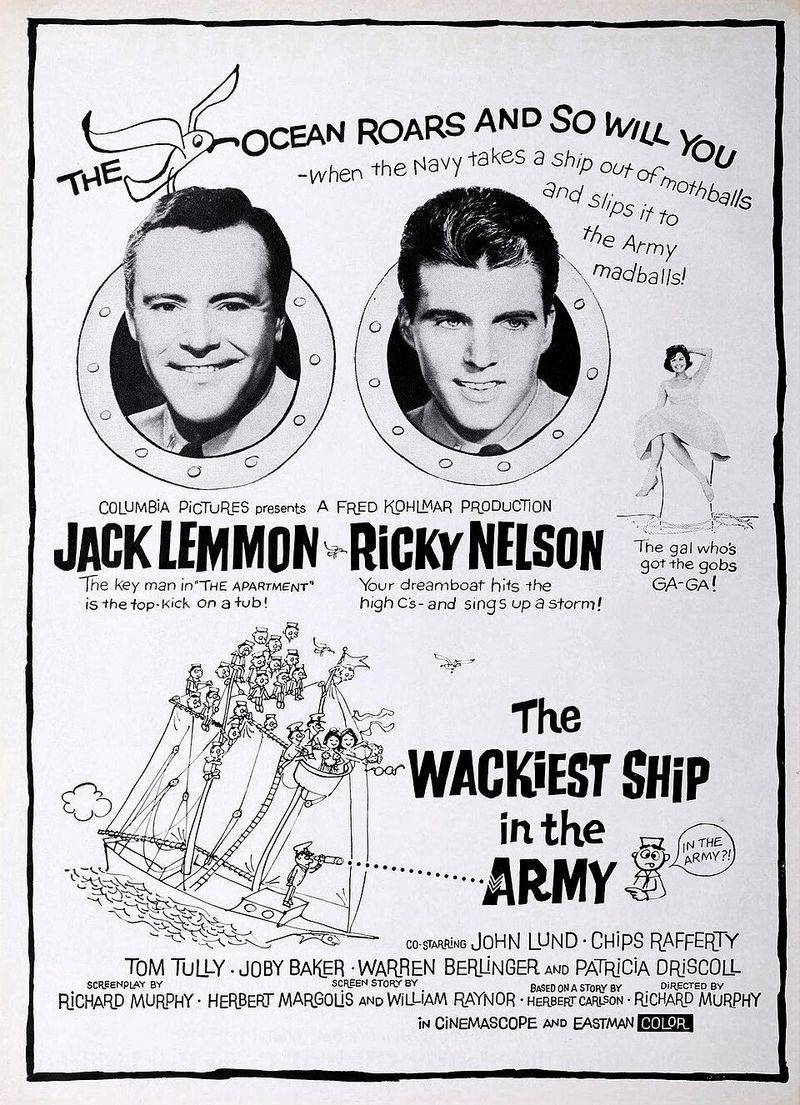
Lemmon commands a rickety sailing ship during World War II, navigating both enemy waters and military bureaucracy with equal parts courage and confusion.
This adventure comedy let him play the reluctant hero, a regular guy thrust into extraordinary circumstances who rises to the occasion despite his doubts.
The physical comedy of managing an ancient vessel with a misfit crew showcases Lemmon’s ability to find humor in chaos. It’s lighter fare than his dramatic work, but his commitment never wavers for a second.
Note: This article is provided for general informational and entertainment purposes, reflecting the writer’s editorial interpretation of screen performances and genre reputation.
Descriptions of “range,” “toughness,” and “harrowing” moments are inherently subjective and may vary by viewer, viewing context, and edit/version of a film.