19 Japanese Places That Deserve More Attention
Japan has so much more to offer beyond Tokyo, Kyoto, and Mount Fuji.
Hidden throughout the country are incredible towns, valleys, and historic sites that most travelers never hear about.
These underrated gems offer authentic experiences, stunning landscapes, and fascinating culture without the overwhelming crowds.
1. Kanazawa
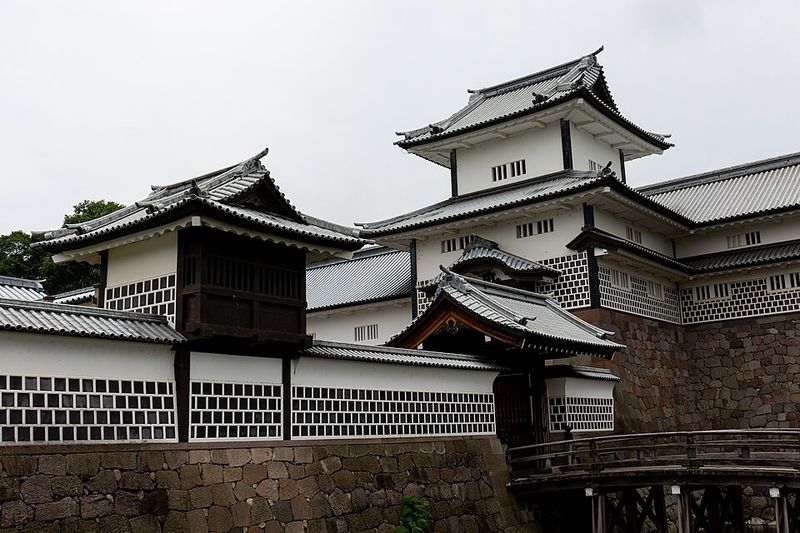
Art lovers and history buffs will find paradise in this cultural treasure chest on the Sea of Japan coast.
The city escaped bombing during World War II, so its beautifully preserved samurai and geisha districts transport you straight back to the Edo period.
Kenrokuen Garden ranks among Japan’s most spectacular landscapes, while the 21st Century Museum of Contemporary Art proves the city balances tradition with cutting-edge creativity.
2. Takayama
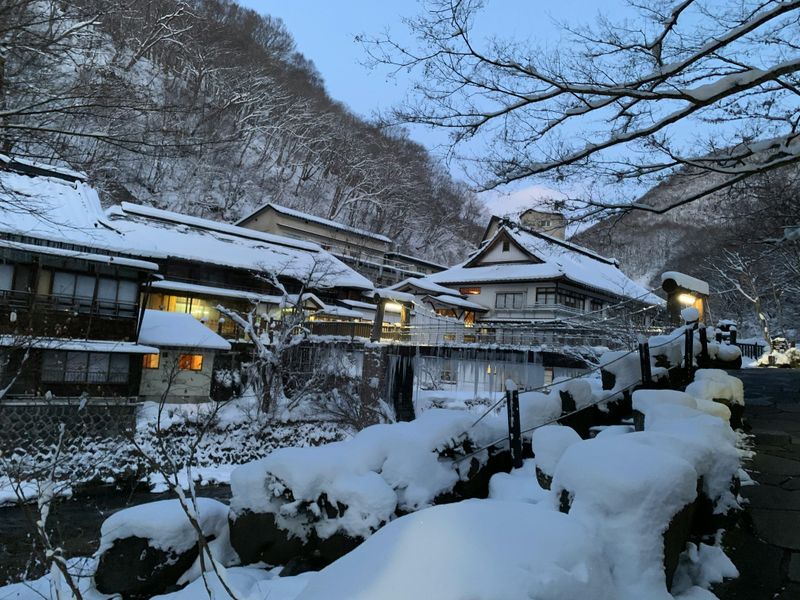
Nestled high in the Japanese Alps, this mountain town feels like stepping onto a movie set from feudal Japan.
Rows of wooden merchant houses line the streets, their dark latticed facades hiding sake breweries and craft shops that have operated for generations.
Spring and autumn bring the spectacular Takayama Festival, featuring ornate floats that date back centuries.
3. Kurashiki
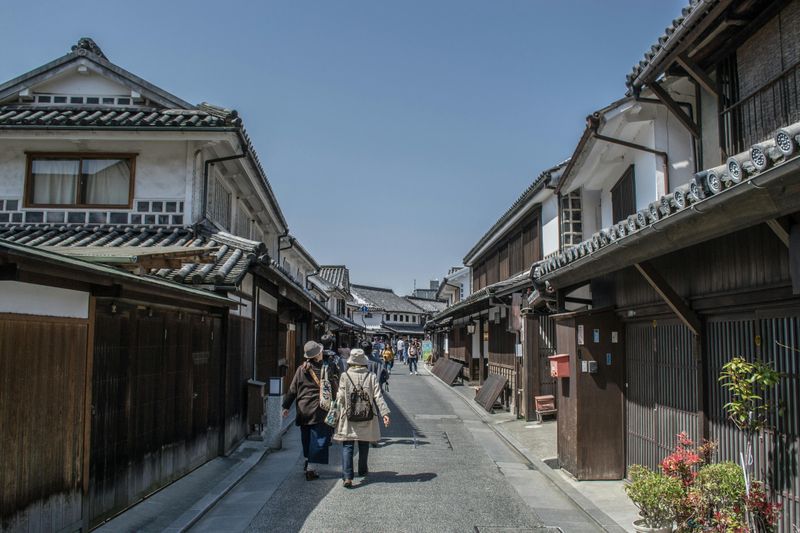
Willow trees drape gracefully over canals where white-walled storehouses reflect in the calm water below.
This former merchant town in Okayama Prefecture preserves a romantic slice of Edo-period commercial life that photographers absolutely adore.
Museums occupy many converted warehouses, including the impressive Ohara Museum of Art, Japan’s first private Western art museum.
Stroll the pedestrian-only Bikan district at sunset when the old-fashioned street lamps cast a magical glow across the historic buildings.
4. Matsuyama
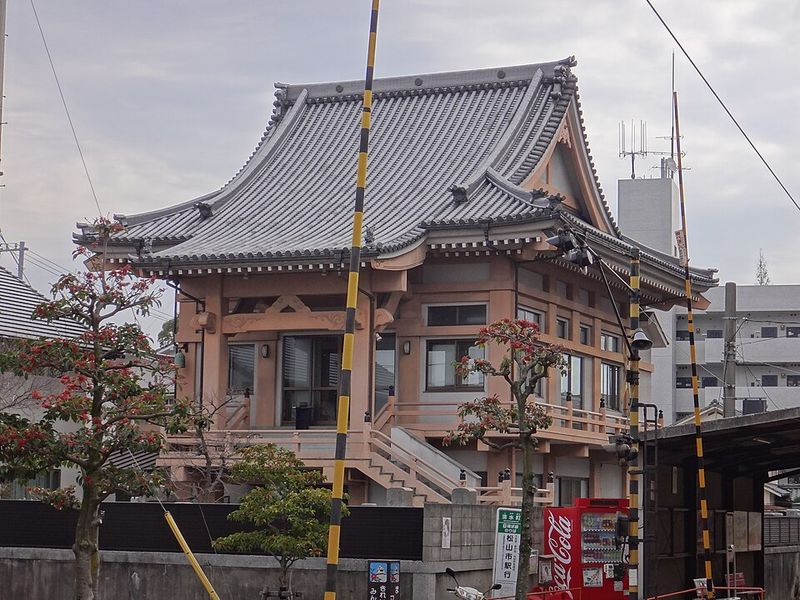
Home to Japan’s oldest hot spring resort, this castle town on Shikoku Island has been soothing tired travelers for over a thousand years.
Dogo Onsen’s main building inspired the bathhouse in Studio Ghibli’s Spirited Away, and soaking in its historic waters feels wonderfully surreal.
The impressive hilltop castle offers panoramic views worth the climb, while streetcars rumble through downtown connecting all the must-see spots.
5. Kakunodate
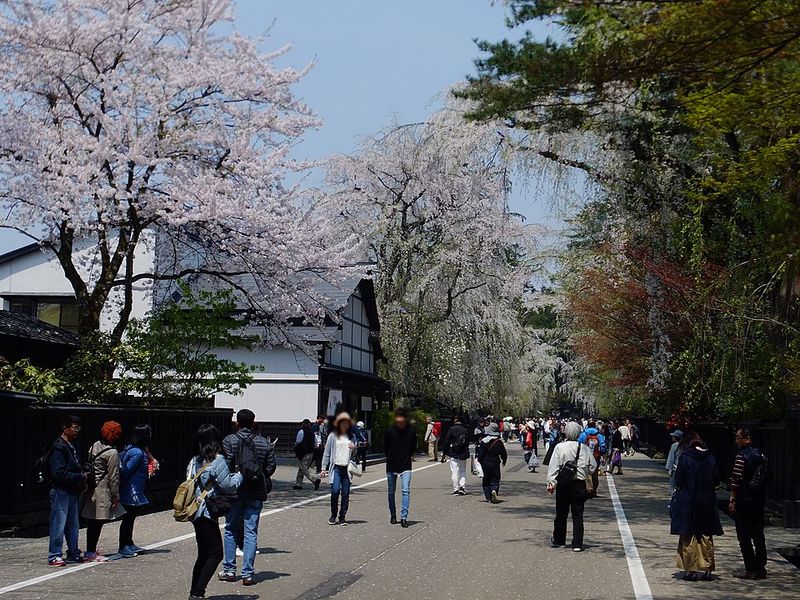
Cherry blossoms transform this northern town into a pink wonderland each spring, earning it the nickname Little Kyoto of Tohoku.
Six samurai houses open their doors to visitors, revealing how warrior families lived during the feudal era with original furnishings and manicured gardens.
The weeping cherry trees lining the samurai district are over 300 years old and create natural tunnels of blossoms.
6. Onomichi
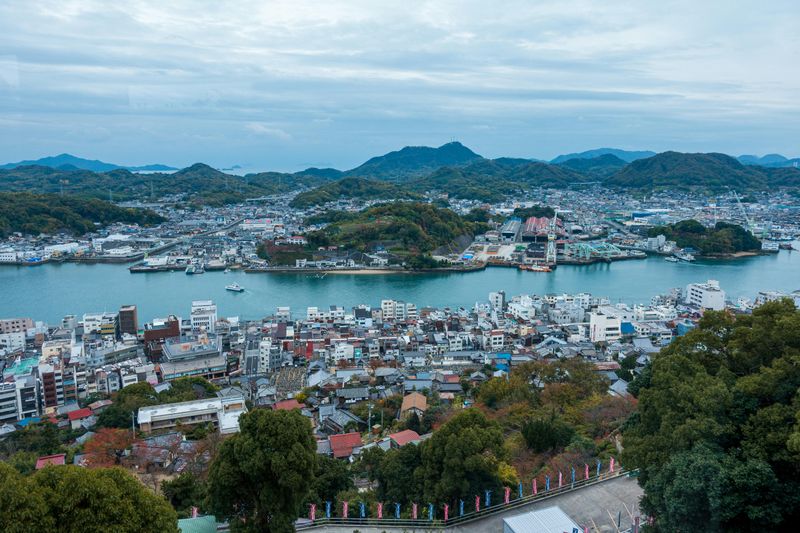
Temples cascade down hillsides toward the sparkling Seto Inland Sea in this charming port town beloved by artists and filmmakers.
A temple walk connects 25 historic sites via stone steps and narrow lanes where friendly cats outnumber tourists.
The town serves as the gateway to the Shimanami Kaido, a spectacular cycling route that island-hops across the Inland Sea via dramatic suspension bridges.
7. Ouchi-juku
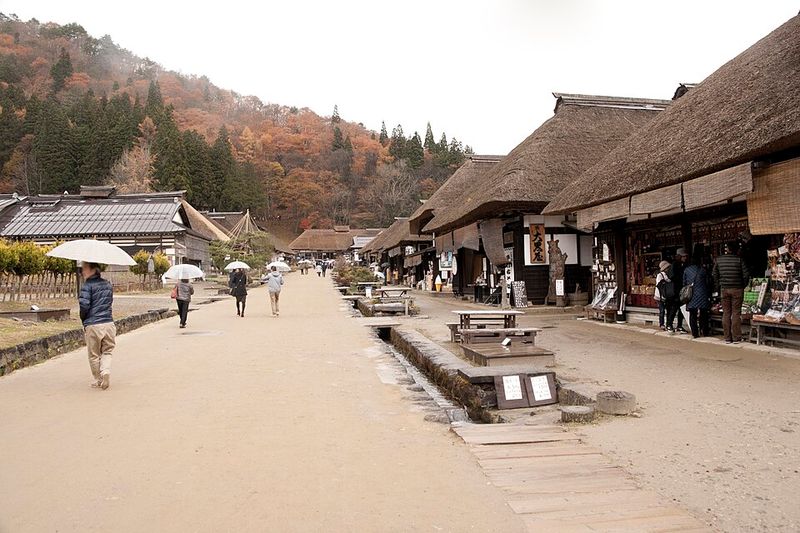
Step back 400 years along this perfectly preserved post town where thatched-roof houses line a wide dirt road exactly as they did during the Edo period.
Once a vital rest stop for travelers heading to Tokyo, the entire village now functions as a living museum without feeling artificially staged.
Local restaurants serve soba noodles in a unique way using a single green onion as chopsticks.
Winter snow blankets the thatched roofs, creating postcard-perfect scenes illuminated by traditional lanterns.
8. Aizuwakamatsu
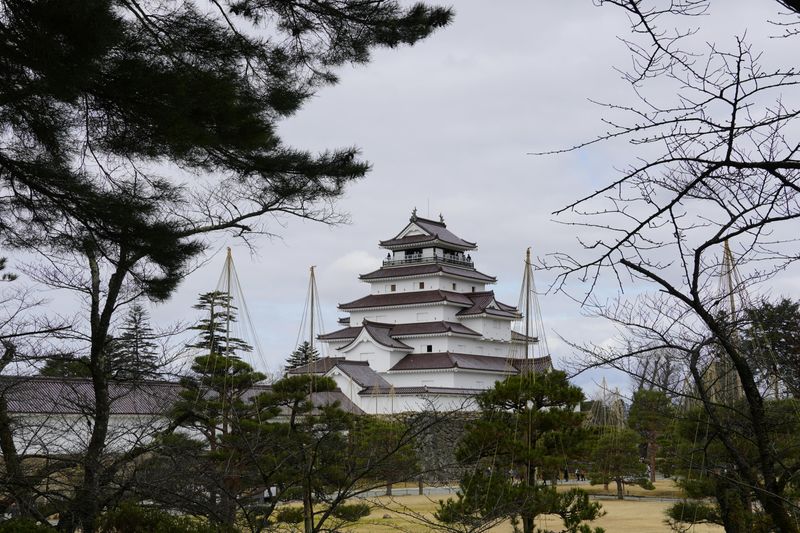
Samurai history runs deep in this castle town where the legendary Byakkotai warrior group made their last stand during the Boshin War.
The reconstructed Tsuruga Castle features striking red roof tiles unique in Japan and houses fascinating exhibits about the region’s turbulent past.
Visit the former samurai residences and warrior training grounds to understand the strict code these fighters followed.
The surrounding area produces excellent sake, and brewery tours offer tastings of local varieties brewed with pure mountain water.
9. Iya Valley
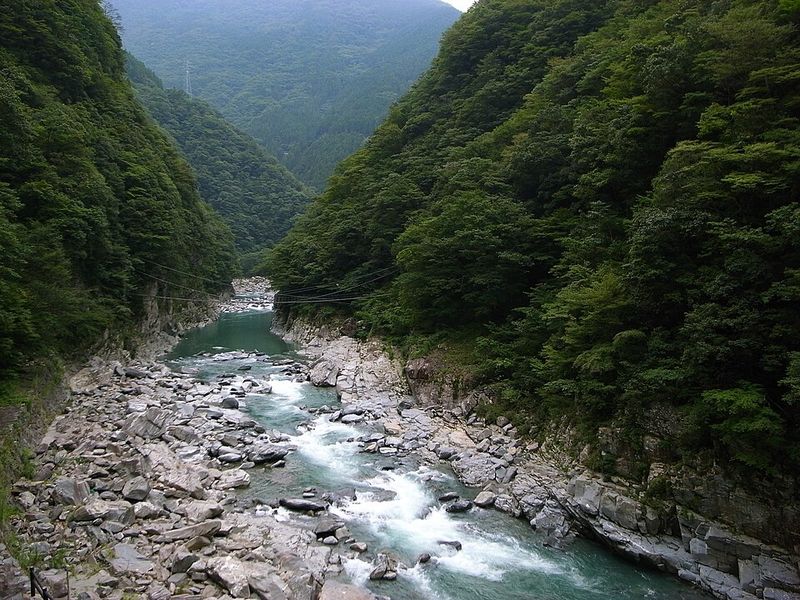
Crossing the swaying vine bridges suspended high above the turquoise Iya River requires serious courage but delivers unforgettable thrills.
This remote mountain valley in Shikoku remained so isolated that defeated Heike clan warriors successfully hid here in the 12th century.
Steep slopes plunge toward the river below, where hot springs bubble up along the rocky banks.
Traditional thatched-roof farmhouses cling to seemingly impossible perches on the mountainsides, and the autumn foliage display ranks among Japan’s most spectacular.
10. Tottori Sand Dunes
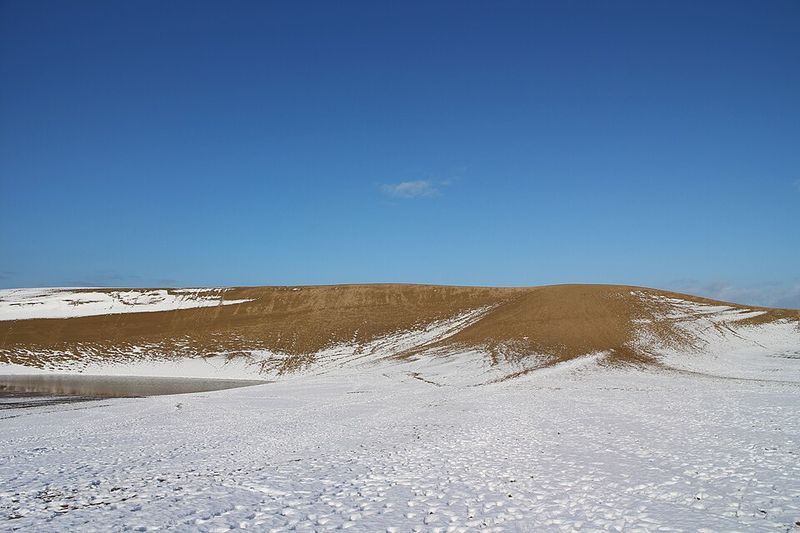
Who expects to find genuine desert landscapes in rainy Japan?
These massive coastal dunes stretch for 16 kilometers along the Sea of Japan, their wind-sculpted ridges constantly shifting and reshaping.
Camel rides across the sand feel wonderfully absurd in this context, while paragliding offers bird’s-eye views of the surreal terrain.
The nearby Sand Museum features incredible temporary sculptures carved entirely from sand by international artists.
11. Hagi
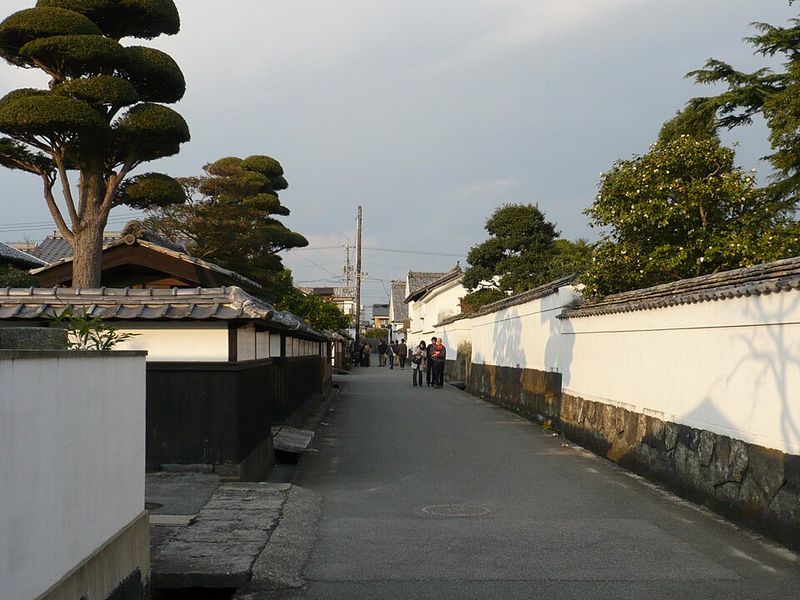
This sleepy castle town produced an astonishing number of leaders who shaped modern Japan during the Meiji Restoration.
Walking through the samurai districts reveals beautifully preserved residences where revolutionary thinkers plotted the overthrow of the shogunate.
Hagi pottery has been famous for 400 years, and numerous kilns welcome visitors to watch artisans work and try throwing their own pieces.
12. Sannai-Maruyama
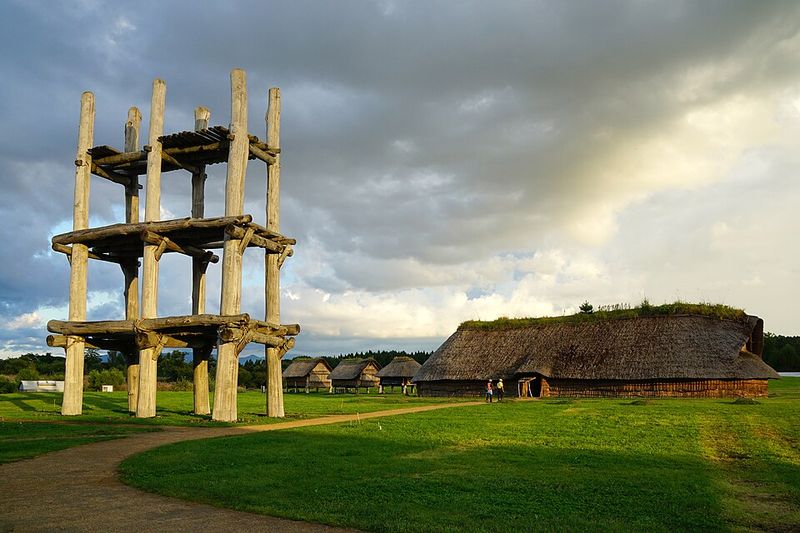
Journey back 5,500 years to Japan’s Jomon period at this extraordinary archaeological site in Aomori.
Massive reconstructed wooden structures tower above the settlement, including a six-pillar building whose original purpose still puzzles researchers.
The scale and sophistication of this prehistoric village challenges assumptions about ancient hunter-gatherer societies.
Excavated artifacts including intricate clay figurines and lacquerware demonstrate remarkable artistic skills.
13. Tsuwano
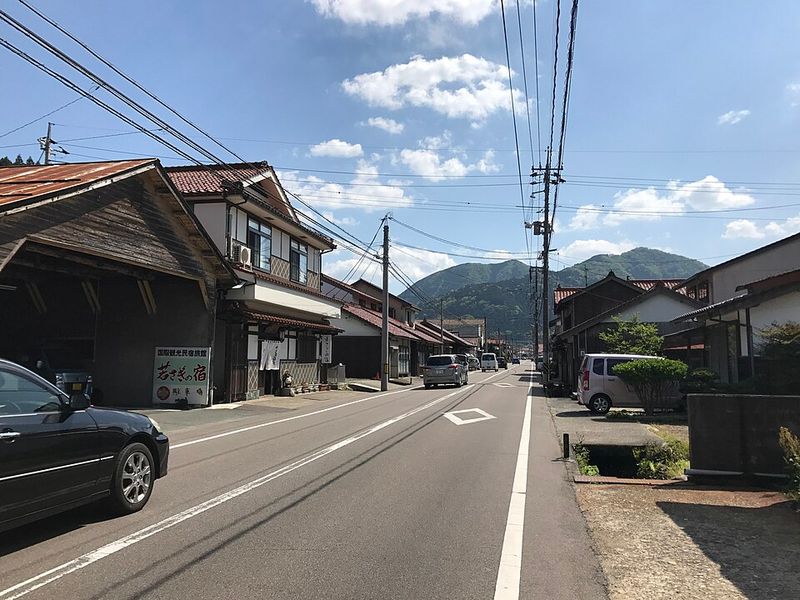
Thousands of colorful koi fish swim through the stone-lined canals that run alongside the main street of this mountain town.
Often called Little Kyoto of San-in, the remarkably preserved townscape transports visitors to a quieter, gentler era.
A chairlift carries passengers up to castle ruins commanding sweeping valley views, while the Catholic church tells the poignant story of hidden Christians persecuted during the Edo period.
14. Miyazu
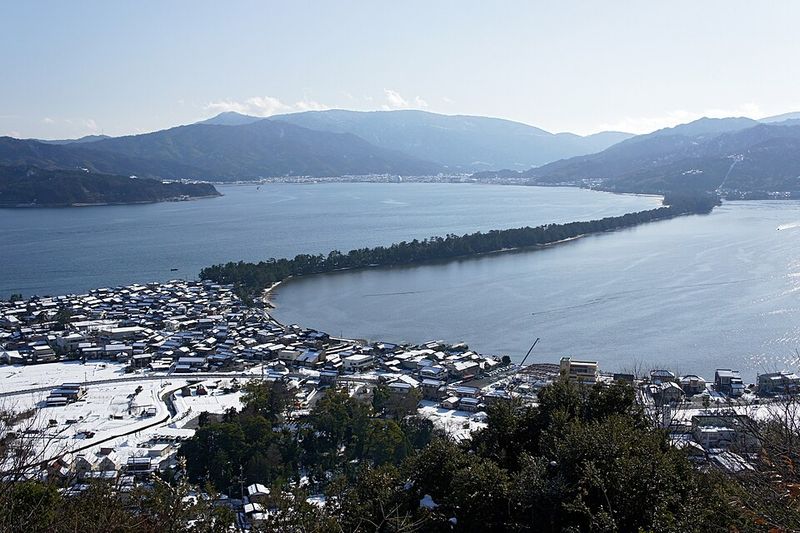
Amanohashidate, or Bridge to Heaven, ranks among Japan’s three most celebrated views for excellent reason.
This natural sandbar stretches 3.6 kilometers across the bay, covered with 8,000 pine trees that create a seemingly impossible land bridge.
Traditional wisdom says you should view it upside down by bending over and looking between your legs, making the sandbar appear to float in the sky.
15. Amami Oshima
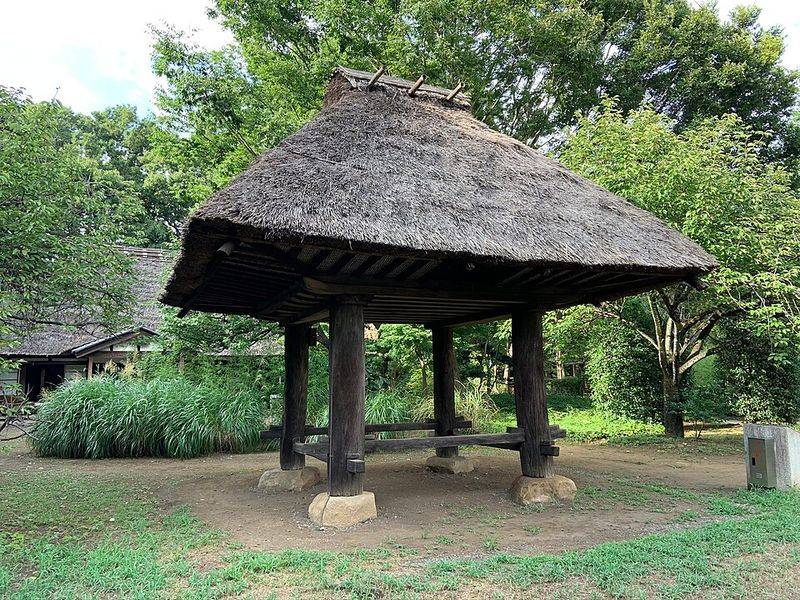
Subtropical jungle meets pristine beaches on this island paradise halfway between Kyushu and Okinawa.
Ancient mangrove forests harbor rare species found nowhere else on Earth, including the endangered Amami rabbit with its distinctive short ears and dark fur.
Coral reefs surrounding the island offer world-class snorkeling and diving in crystalline waters teeming with tropical fish and sea turtles.
The laid-back island culture, delicious local cuisine featuring brown sugar and tropical fruits, and lack of mass tourism create an authentic escape from modern Japan.
16. Shimonoseki
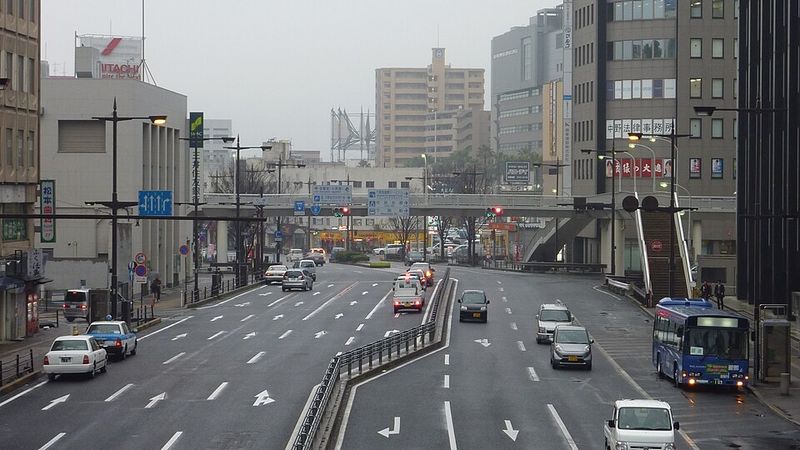
Standing at the western tip of Honshu, this port city guards the narrow strait separating Japan’s main island from Kyushu.
The location has made it strategically important throughout history, from samurai sea battles to modern shipping lanes bustling with massive cargo vessels.
Shimonoseki reigns as Japan’s fugu capital, and brave diners can sample the potentially deadly pufferfish prepared by licensed chefs at countless local restaurants.
17. Kumano Hongu Taisha
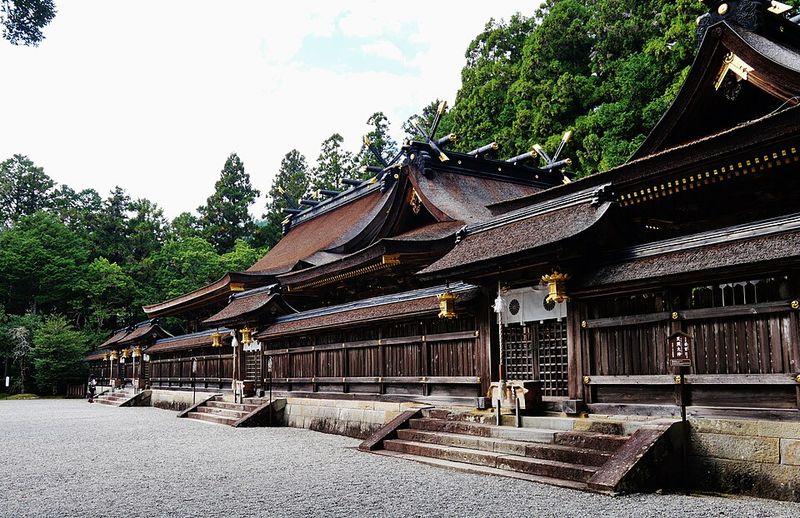
Deep in the sacred Kii Mountains stands one of the grand shrines anchoring the ancient Kumano Kodo pilgrimage routes.
For over a thousand years, emperors, samurai, and commoners have trekked through these mystical forests seeking spiritual renewal at this powerful site.
The massive torii gate standing in a nearby riverbed marks where the shrine originally stood before floods forced its relocation.
Walking even a short section of the UNESCO-listed pilgrimage trails through towering cedars provides a profound connection to centuries of seekers.
18. Niigata City
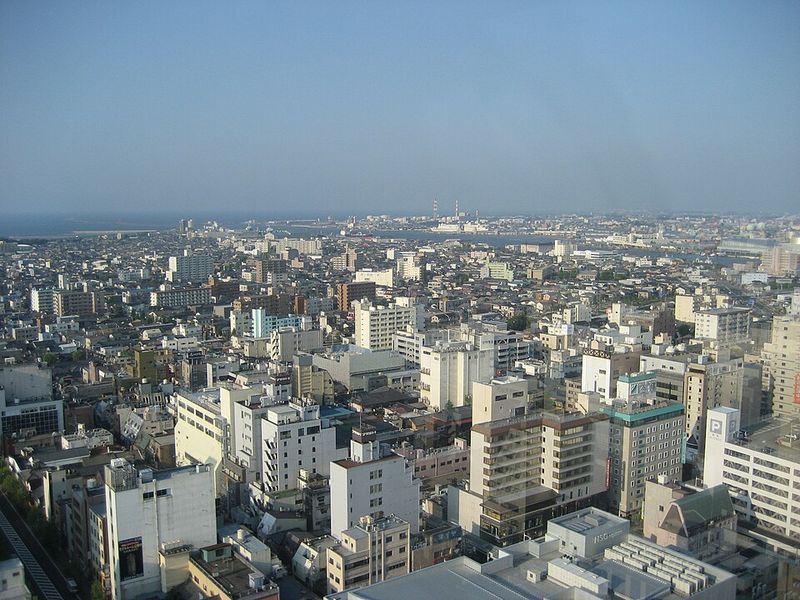
Rice and sake define this coastal city on the Sea of Japan, where the surrounding plains produce some of Japan’s finest grains.
The abundance of excellent local rice and pure mountain water has made the region a sake brewing powerhouse with numerous award-winning breweries offering tours and tastings.
Fresh seafood from the cold northern waters fills the markets and restaurants, while the historic port district preserves Western-style buildings from when the city opened to foreign trade.
19. Hachinohe
Early risers who visit the legendary morning market get rewarded with the freshest seafood imaginable and a genuine slice of local life.
Vendors shout greetings while shoppers assemble custom kaisendon bowls piled high with salmon roe, sea urchin, tuna, and whatever else looks good that morning.
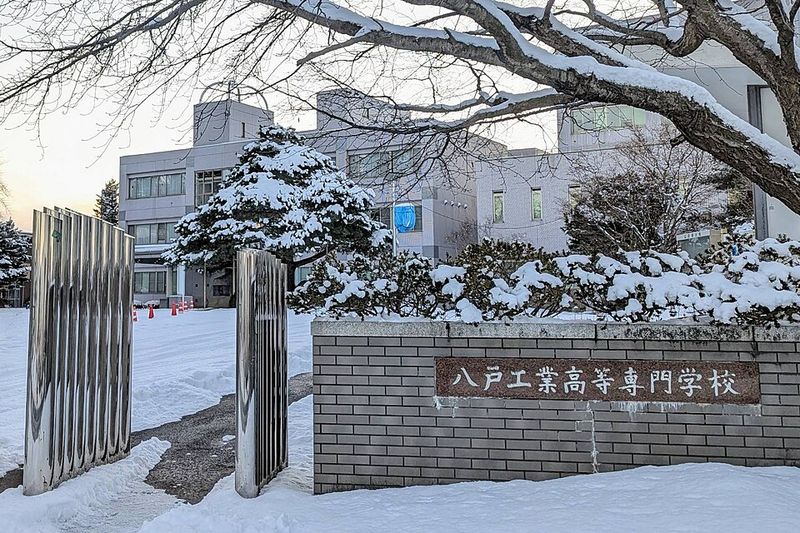
This industrial port city in northern Aomori doesn’t pretend to be a tourist destination, which is precisely its charm.