Ranking Essential Jet Li Movies
Action stars come and go, yet Jet Li built something rarer: a filmography where speed and grace feel inseparable from character.
Early work showcases a near-mythic athletic precision, with fights staged like choreography you can actually follow. Later roles lean into calm authority, quiet intensity, and a kind of stillness that makes the explosive moments hit harder.
Some picks in the ranking win on pure influence. Others earn their spot because they remain endlessly rewatchable.
Either way, these are the Jet Li films that best capture why his name still carries weight with action fans.
Disclaimer: This ranking reflects editorial opinion and action-genre taste, not definitive fact or universal consensus about Jet Li’s essential films.
1. Hero
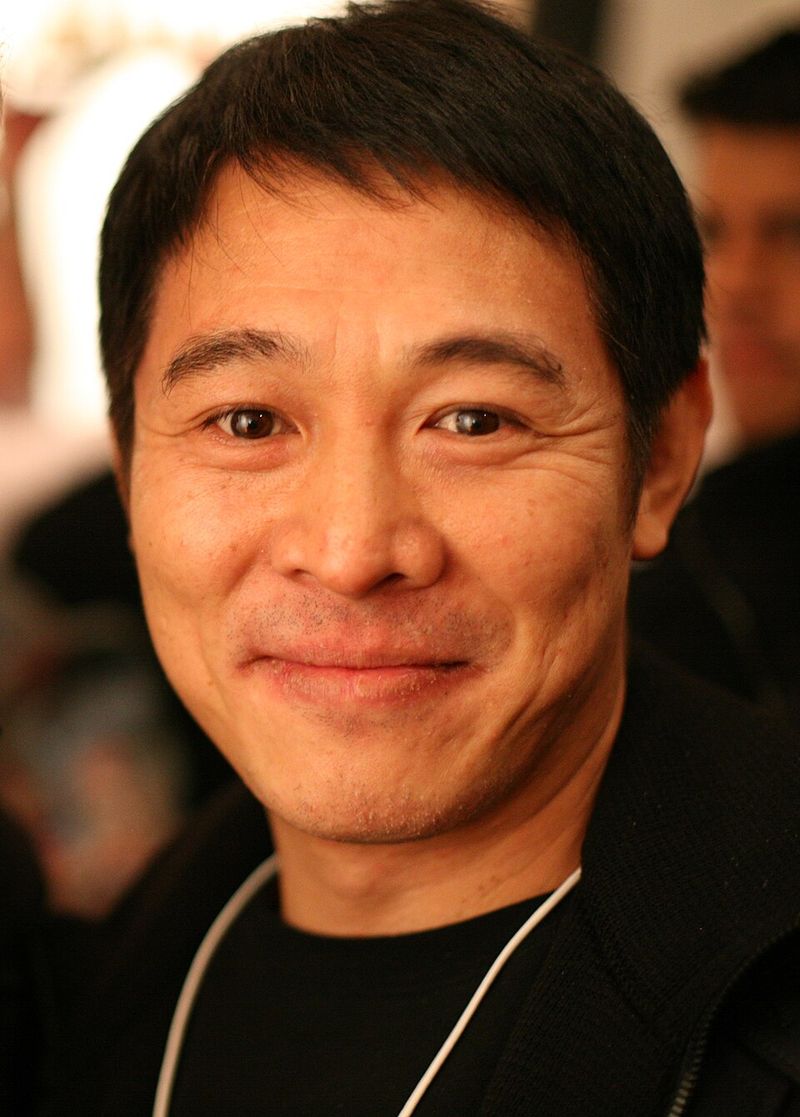
Visually breathtaking and philosophically rich, this Zhang Yimou masterpiece redefined what martial arts films could achieve.
Li plays Nameless, a mysterious warrior whose story unfolds through shifting color palettes that represent different versions of truth.
His restraint and grace elevate every frame, turning combat into visual poetry.
The film’s exploration of sacrifice and unity resonates far beyond its stunning choreography, making it a cinematic landmark that introduced countless viewers to wuxia storytelling at its finest.
2. Fist of Legend
Widely considered the pinnacle of Li’s pure fighting cinema, this remake surpasses Bruce Lee’s original through modern choreography and emotional complexity.
Chen Zhen’s quest for justice during Japanese-occupied Shanghai delivers crisp, realistic combat that feels visceral and immediate.
Yuen Woo-ping’s direction ensures every punch lands with weight and consequence.
Li balances righteous fury with vulnerability, creating a character who fights not just with fists but with principle, honor, and heartbreaking determination.
3. Fearless
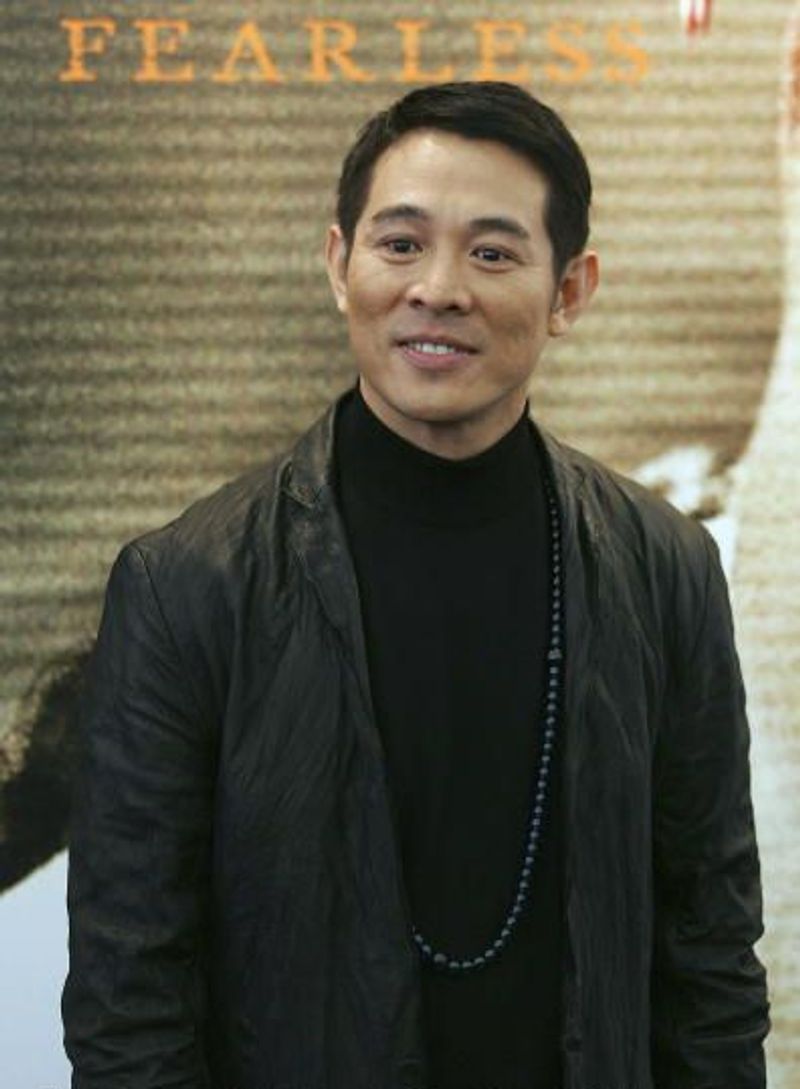
Billed as Li’s final traditional martial arts film, this biographical drama transforms real-life fighter Huo Yuanjia’s journey into a meditation on humility and redemption.
After tragedy humbles his arrogant younger self, Huo discovers that true strength comes from inner peace rather than domination.
The emotional weight matches the spectacular fight choreography, creating a reflective capstone to Li’s career.
His performance radiates maturity and wisdom, reframing martial arts as personal philosophy rather than mere physical prowess.
4. Once Upon a Time in China
Li’s definitive portrayal of folk hero Wong Fei-hung blends elegance, cultural pride, and lightning-fast technique into an unforgettable character.
Set during China’s tumultuous late 19th century, the film balances spectacular action with thoughtful commentary on tradition versus modernization.
His graceful movements and dignified presence established the template for countless martial arts heroes that followed.
The iconic ladder fight sequence alone cements this film’s legendary status, showcasing Li’s athletic brilliance and Tsui Hark’s visionary direction in perfect harmony.
5. Once Upon a Time in China II
Many fans argue this sequel surpasses the original through tighter pacing, deeper philosophy, and even more ferocious action sequences.
Li’s Wong Fei-hung faces xenophobia and nationalist extremism while maintaining his moral center, creating a character study wrapped in spectacular martial arts.
The bamboo pole fight remains one of cinema’s most creative action scenes.
Li’s ability to convey wisdom and compassion through movement reaches its peak here, balancing cultural mythology with thrilling entertainment in ways few films achieve.
6. The Warlords
Darker and grittier than Li’s typical fare, this historical epic proves his dramatic range extends far beyond martial arts spectacle.
As General Pang Qingyun during the Taiping Rebellion, Li anchors a morally complex story about brotherhood, betrayal, and the brutal cost of ambition.
The massive battle sequences impress, but Li’s haunted performance as a man compromising his principles for power provides the emotional core.
His willingness to play flawed, tragic characters demonstrated maturity that expanded his artistic legacy beyond action hero status.
7. Kiss of the Dragon
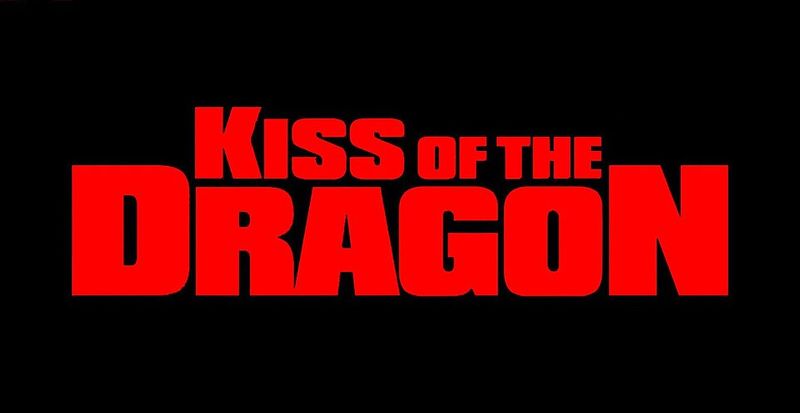
Stripped-down and bruising, this Luc Besson production emphasizes realistic physical impact over wire-work spectacle.
Li plays a Chinese intelligence agent framed for murder in Paris, delivering lean, efficient combat that feels grounded and immediate.
The acupuncture-based title technique provides a memorable gimmick, but the film succeeds through Li’s intensity and the choreography’s modern sensibility.
His Hollywood work often softened his edges, but here Li reclaims the raw physicality that made him famous, proving Western audiences could handle authentic martial arts cinema.