9 Jim Carrey Movies Outside His Usual Comedy Roles
“Alrighty then!” pretty much summed up Jim Carrey’s arrival. Faces bent, voices bounced, and comedy went full throttle without apology.
Then, just when that energy felt permanent, he slowed it down. The rubbery chaos stepped aside, the volume dropped, and real emotion took the lead.
Nine films show how the same actor who once turned his body into a cartoon could deliver performances that quietly hit harder than the joke ever did.
1. The Truman Show (1998)
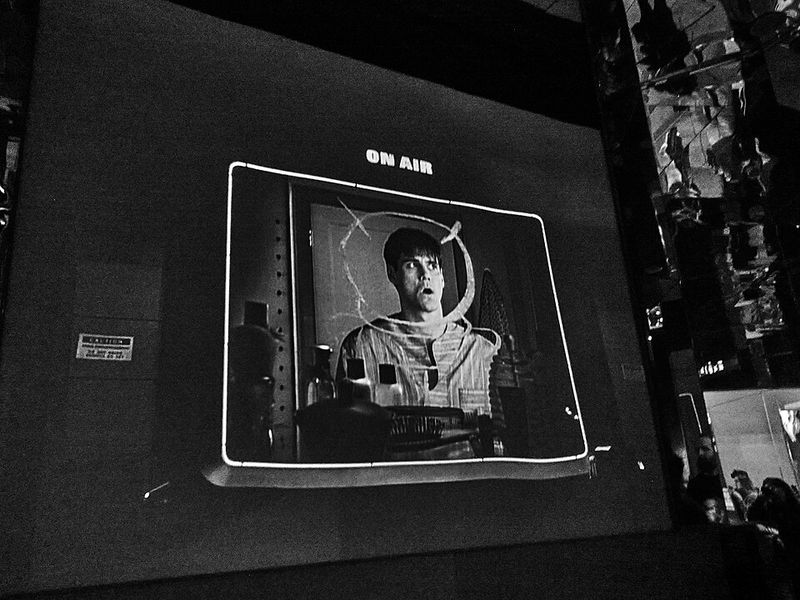
Reality fractures the moment life is revealed as entertainment for millions. Inside The Truman Show, Truman Burbank lives within a manufactured world where every sunrise and casual encounter follows a script.
Quiet confusion replaces expected mania, as Jim Carrey trades slapstick energy for dawning dread and restraint.
Career boundaries shifted here, with emotion carried through subtle glances and slow realization rather than exaggerated motion. Uncomfortable questions linger about privacy, control, and the stories people accept to survive ordinary days.
2. Eternal Sunshine Of The Spotless Mind (2004)

Carrey inhabits Joel Barish, a heartbroken man erasing his ex-girlfriend from memory through experimental surgery. The sci-fi premise becomes a meditation on love’s messy imperfections and why painful memories matter.
His understated performance feels raw and vulnerable.
Joel isn’t cracking jokes or mugging for laughs. Instead, Carrey lets silence and sadness speak, showing a man grappling with regret as his memories dissolve like morning fog.
3. Batman Forever (1995)

Neon green spandex splashed with question marks announces excess long before subtlety ever enters the room. Gotham chaos spikes in Batman Forever, where Edward Nygma morphs from overlooked inventor into a flamboyant criminal fueled by puzzles and revenge.
Manic theatricality defines the performance, as Jim Carrey unleashes physical comedy inside a darker comic-book framework.
Scenery gets chewed with joyful abandon, turning villainy into a kind of performance art that balances camp with flashes of menace. Larger-than-life energy remains essential for Batman’s rogues, and this Riddler proves restraint was never the assignment.
4. Lemony Snicket’s A Series Of Unfortunate Events (2004)

Count Olaf pursues three orphaned children through disguise after disguise, hunting their fortune with theatrical cruelty.
Carrey inhabits each costume change with physical commitment and dark humor.
The character blends comedy with genuine menace, creating a villain children can fear without losing sleep. Olaf’s schemes feel absurd yet threatening, played with the energy of a ham actor who knows he’s terrible but doesn’t care.
Family films rarely showcase villainy this layered.
5. The Number 23 (2007)

Obsession takes root once a strange book begins echoing real life with unnerving precision.
Walter Sparrow spirals inward in The Number 23, pulled deeper as coincidence starts bleeding into paranoia. Psychological restraint replaces excess here, allowing dread to build slowly as reality begins to fracture.
Commitment never wavers, with Jim Carrey leaning fully into unraveling tension rather than broad expression. Critical reaction split on execution, yet few questioned the intensity brought to a portrait of mental collapse.
Fear settles visibly across his face as simple digits twist into something consuming and inescapable.
6. Man On The Moon (1999)
Carrey disappears into Andy Kaufman, the boundary-pushing comedian who made audiences uncomfortable on purpose.
The biopic chronicles Kaufman’s bizarre career choices and self-destructive tendencies with unflinching honesty.
Carrey studied Kaufman obsessively, adopting mannerisms and vocal patterns until the line between actor and subject blurred. The performance captures a man committed to his art even when nobody understood the joke, including moments where comedy becomes tragedy without warning.
7. Kick-Ass 2 (2013)

Militant zeal collides with homemade heroics as Colonel Stars and Stripes commands a vigilante squad with rigid discipline and born-again intensity. Gravitas enters unexpected territory in Kick-Ass 2, where Colonel Stars and Stripes leads a vigilante group with stern conviction.
Ridiculous costume never undercuts seriousness, since Jim Carrey plays conviction straight inside a world that punishes good intentions harshly. Brutal consequences shape every choice, forcing ideals to clash head-on with reality.
Carrey later publicly said he couldn’t support the film’s level of violence after the Sandy Hook sh*oting.
8. Horton Hears A Who! (2008)

Gentle discovery drives an animated adventure once an elephant hears voices no one else believes exist. Horton steps into focus in Horton Hears a Who, where an entire civilization survives on a single speck of dust.
Physical comedy falls away, leaving vocal range and emotional sincerity to carry the performance.
Determination and empathy guide every choice, as Jim Carrey brings warmth to a character ridiculed for protecting the unseen.
Different muscles come into play with voice acting, relying on tone and timing rather than expression. Conviction shines through the chaos, turning a whimsical Dr. Seuss tale into a lesson about responsibility, faith, and standing firm when no one else listens.
9. Dr. Seuss’ How The Grinch Stole Christmas (2000)

Buried under pounds of green fur and prosthetics, Carrey described spending up to about eight hours in makeup early on, with the daily process later shortened.
The physical transformation was so complete that his face disappeared entirely beneath latex and paint. Yet his eyes and voice carried the character’s journey from bitter isolation to redemption with surprising tenderness.
The role demanded both physical comedy and emotional truth. Carrey delivered a Grinch who feels genuinely lonely before his heart grows three sizes, making the holiday classic resonate beyond nostalgia.
Important: This article highlights select Jim Carrey performances for entertainment and discussion purposes, reflecting a curated editorial perspective rather than a definitive ranking.
Film roles, credits, and public comments are summarized from widely reported sources; readers should consult official releases and primary interviews for full context.