10 Jimi Hendrix Songs That Define A Musical Revolution
Rock music shifted the moment Jimi Hendrix stepped onstage with a guitar and a vision nobody else dared to chase.
Rule-breaking songs fused blues roots with psychedelic exploration and emotional force, creating a sound that felt completely new to listeners.
Signature riffs and socially aware anthems continue to explain why these ten tracks cement Hendrix as a lasting guitar icon and creative pioneer.
This article is intended for general informational and entertainment purposes and reflects widely discussed interpretations of Jimi Hendrix’s music and cultural influence.
1. Purple Haze
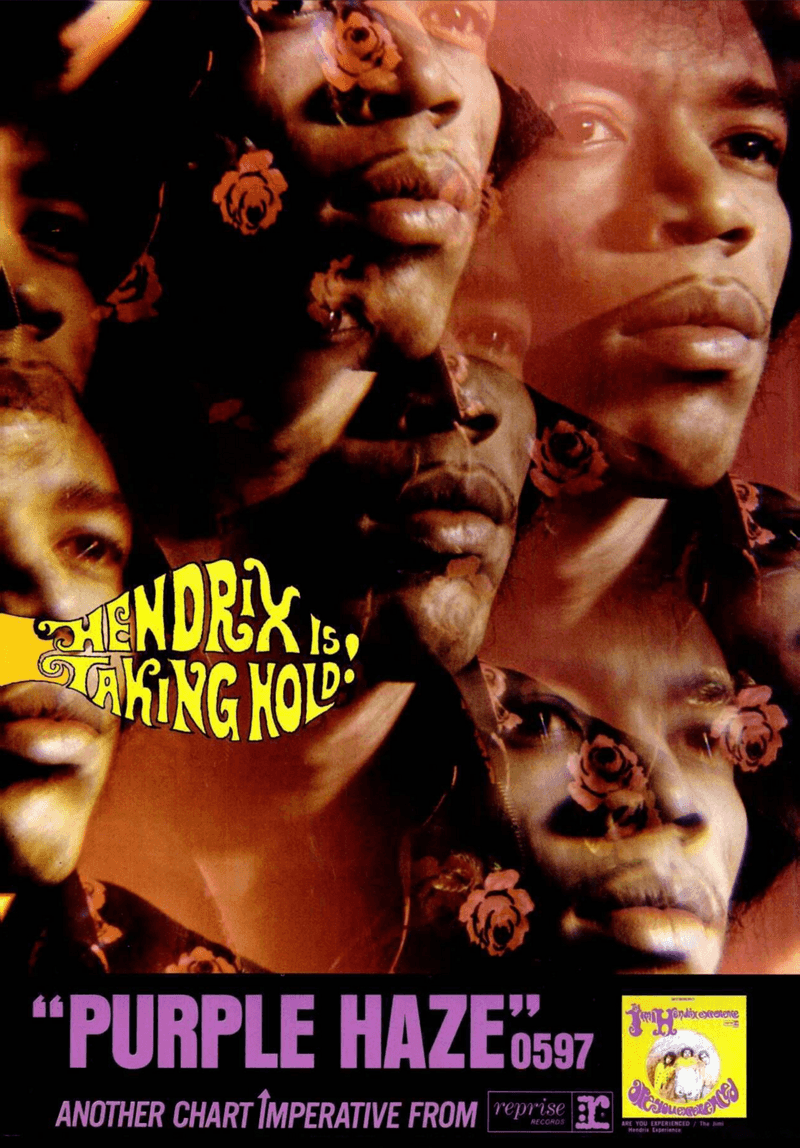
Released in 1967, this track opened minds with its unforgettable opening riff and trippy lyrics that perfectly captured the spirit of the psychedelic era.
Hendrix used the tritone interval, nicknamed the devil’s interval, to create an eerie, otherworldly vibe that grabbed listeners immediately.
His innovative use of distortion and feedback turned the electric guitar into something completely new and exciting.
When you hear those first few notes, you instantly know something revolutionary is happening.
2. Hey Joe
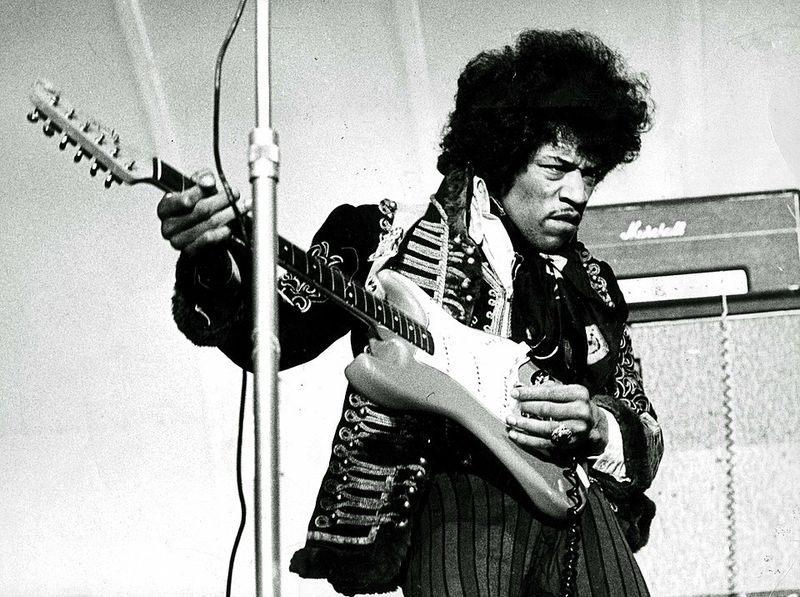
Long before global fame arrived, a single cover performance revealed extraordinary talent and a singular blues sensibility to listeners everywhere.
Rather than playing the song plainly, Hendrix reshaped the ballad into a smoldering work driven by expressive, emotionally charged guitar lines.
That interpretation elevated a modest folk composition into something cinematic, immersive, and profoundly moving.
Watching the transformation felt comparable to witnessing an artist turn an empty canvas into undeniable magic.
3. The Wind Cries Mary
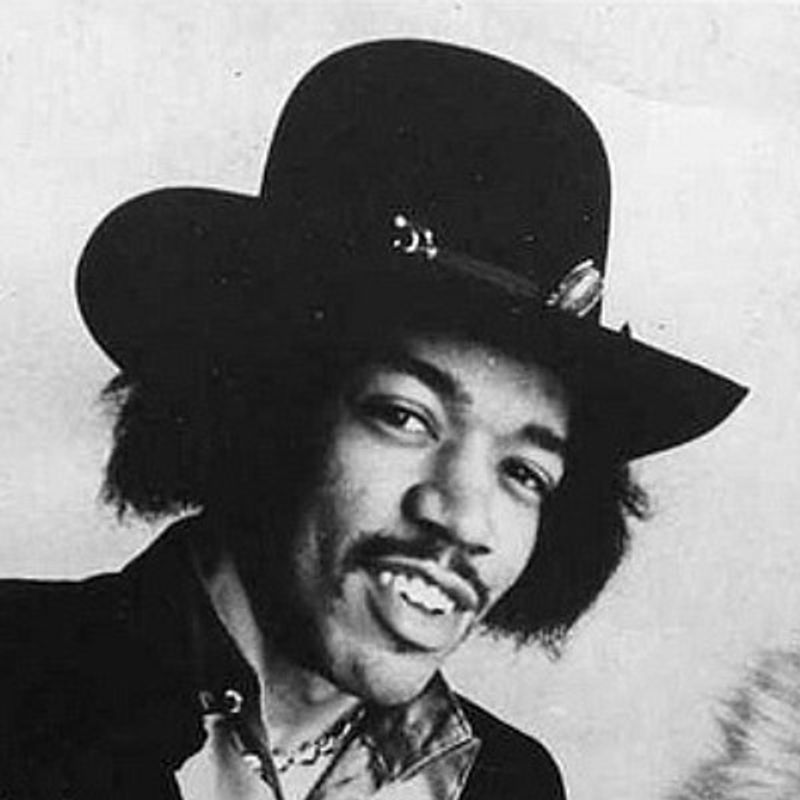
Sometimes the quieter moments reveal the most about an artist’s soul, and this gentle ballad proves Hendrix could whisper as powerfully as he could roar.
Written after an argument with his girlfriend Kathy Mary Etchingham, the song showcases his poetic side with beautiful, thoughtful lyrics.
The guitar solo floats like a gentle breeze, demonstrating technical brilliance without showing off.
It reminds you that true power doesn’t always need to be loud.
4. Foxy Lady
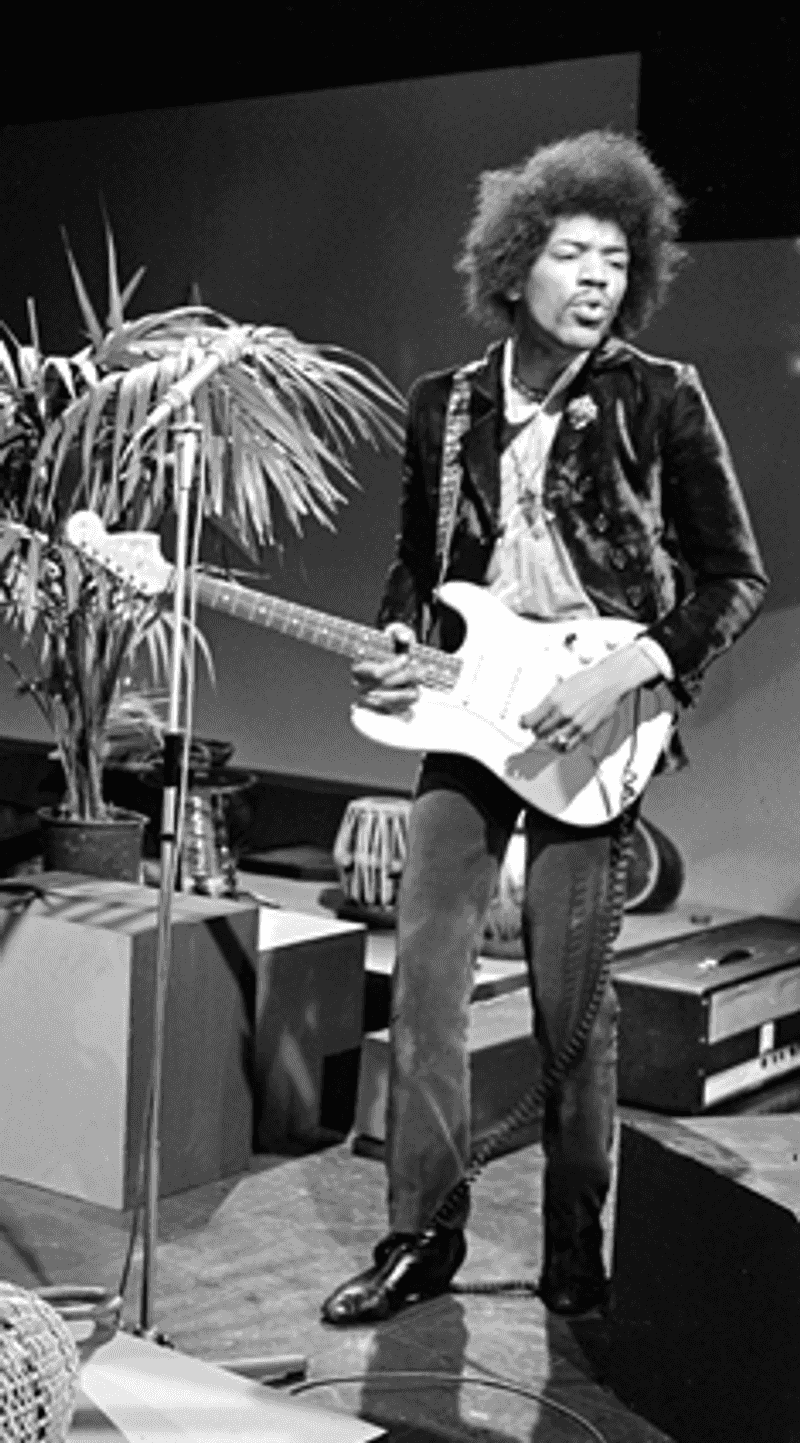
Opening with one of rock’s most recognizable riffs, this track practically explodes with raw energy and swagger from the very first note.
Hendrix built the entire song around a simple but devastatingly effective guitar pattern that gets stuck in your head for days.
The fuzzy, distorted tone became a blueprint for countless hard rock and heavy metal bands that followed.
Honestly, this is what turning your amp up to eleven sounds like.
5. If 6 Was 9
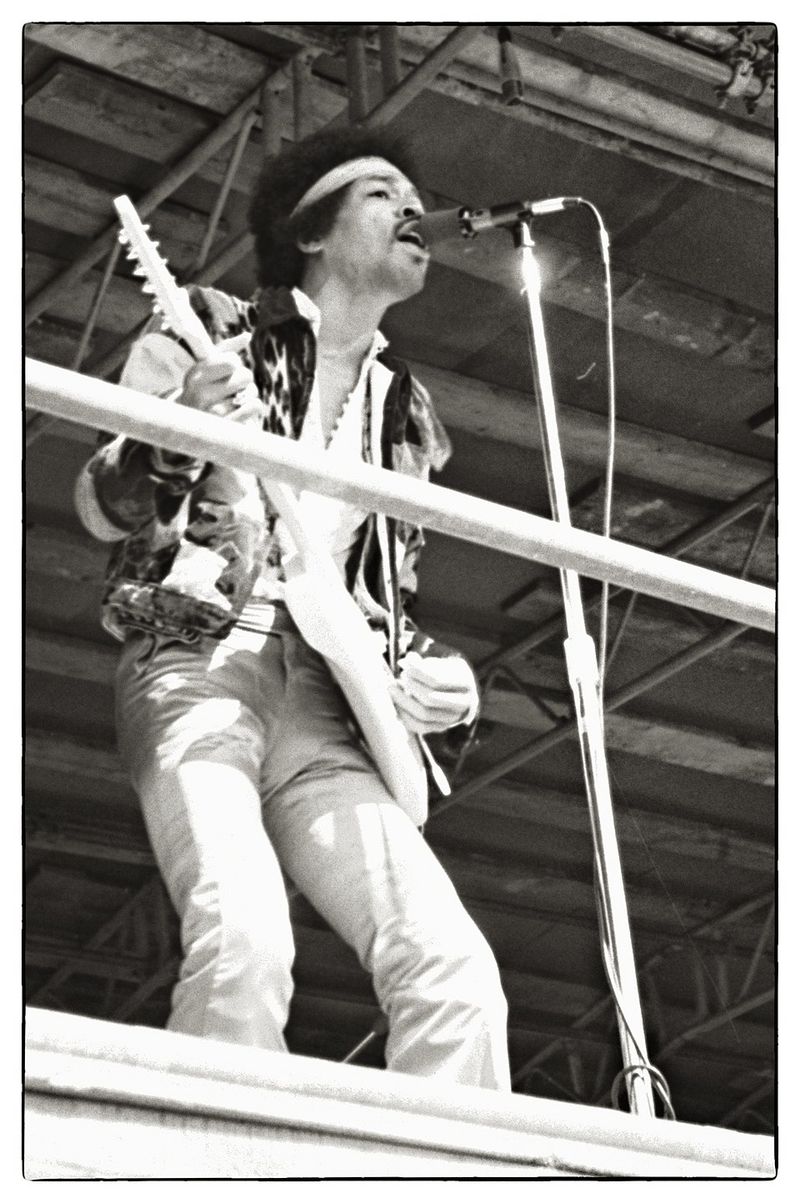
Defiant in spirit and boldly unconventional, this anthem champions individuality and standing apart regardless of outside opinions.
Unusual time signatures and experimental sonic choices pushed beyond standard rock frameworks of its era.
Lyrics crafted by Hendrix resonated deeply with anyone who ever felt excluded, urging listeners to wear uniqueness with pride.
That enduring message explains why the track became a counterculture staple and continues to feel timeless.
6. Voodoo Child (Slight Return)
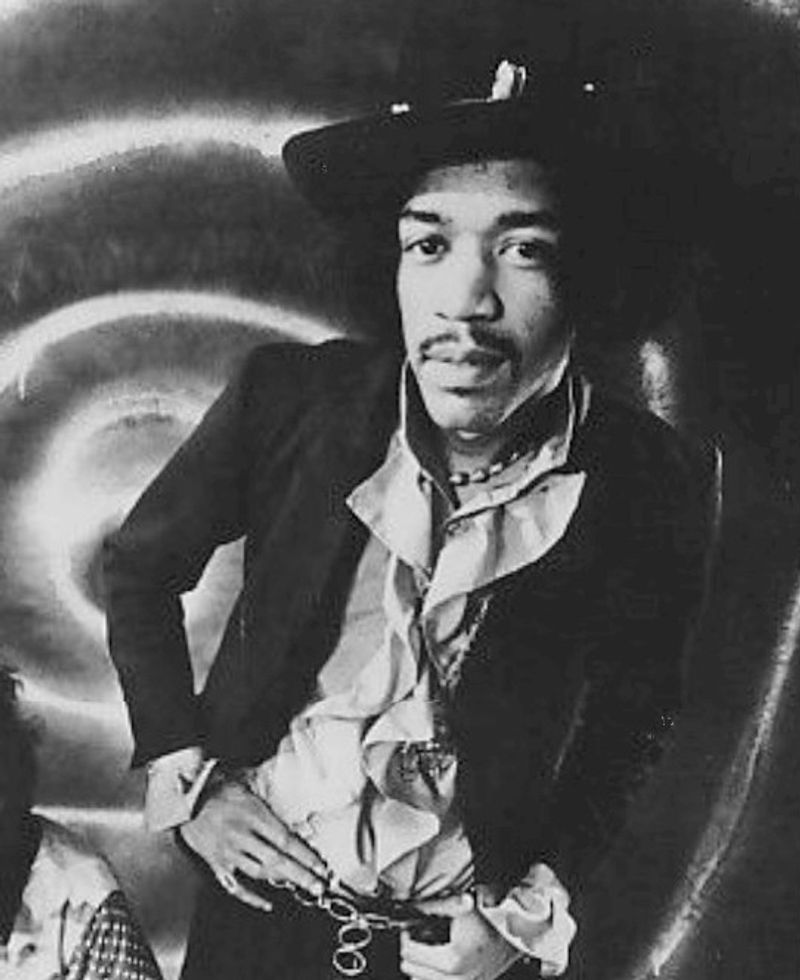
Built on one of the most ferocious riffs ever recorded, this track showcases Hendrix at his absolute peak of guitar mastery and creative power.
His innovative use of the wah-wah pedal created a signature sound that became instantly recognizable and widely imitated.
The improvisational energy feels like lightning captured in a bottle, wild and unpredictable yet perfectly controlled.
Specifically, this is the song that made countless teenagers pick up guitars and dream big.
7. Little Wing
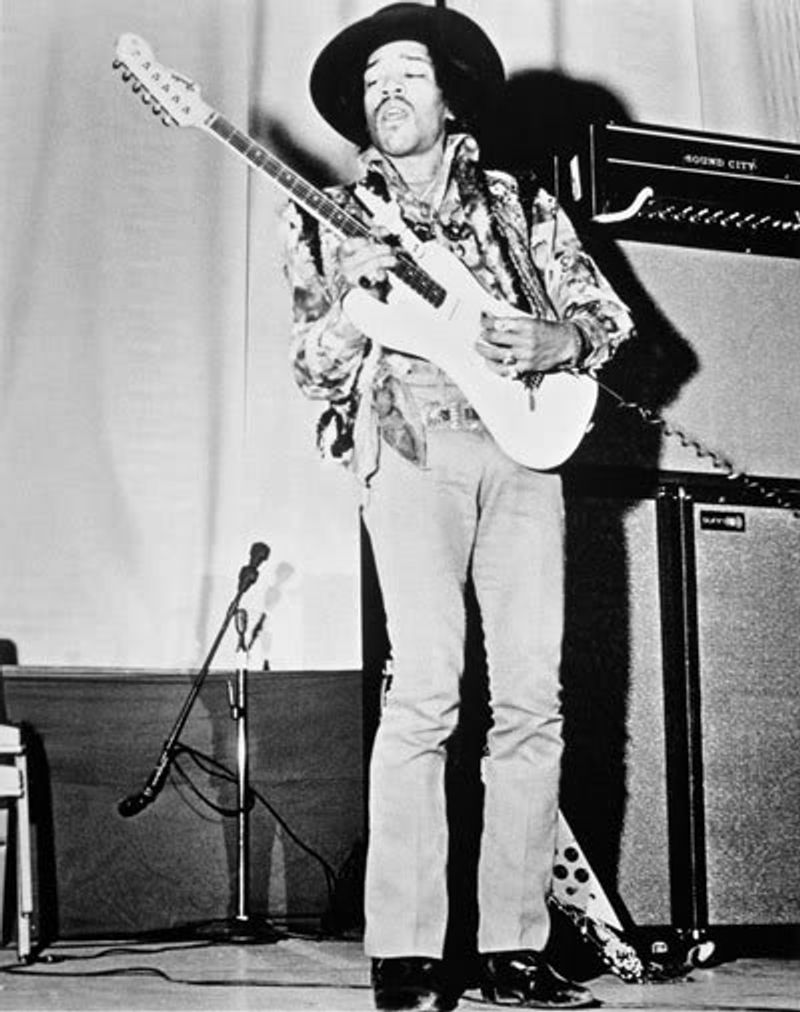
Clocking in at just over two minutes, this brief masterpiece packs more emotion and beauty than songs three times its length.
The delicate guitar work seems to float effortlessly, creating a dreamlike atmosphere that perfectly matches the poetic lyrics about a mystical, angelic figure.
Despite its short runtime, the song has inspired countless cover versions and remains one of his most beloved compositions.
It proves that sometimes less really is more when you’re a genius.
8. All Along The Watchtower
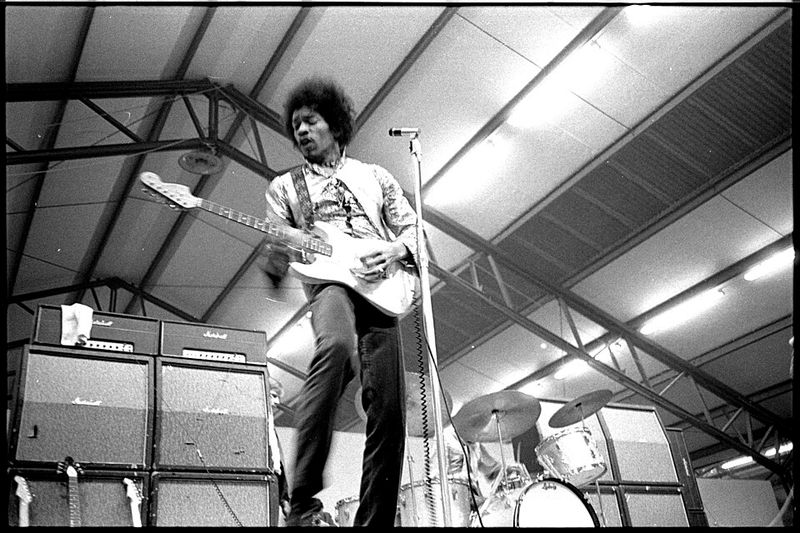
Reworking Bob Dylan’s acoustic folk composition into a rock landmark, Hendrix delivered an interpretation so influential that even Dylan later embraced it.
Driving rhythm paired with explosive guitar solos reshaped a reflective ballad into an urgent and commanding statement that continues to resonate.
Every note carries intention and emotional charge, steadily building tension that refuses easy release.
Ultimately, this performance demonstrates how a classic can be respected while still becoming unmistakably personal.
9. Machine G*n
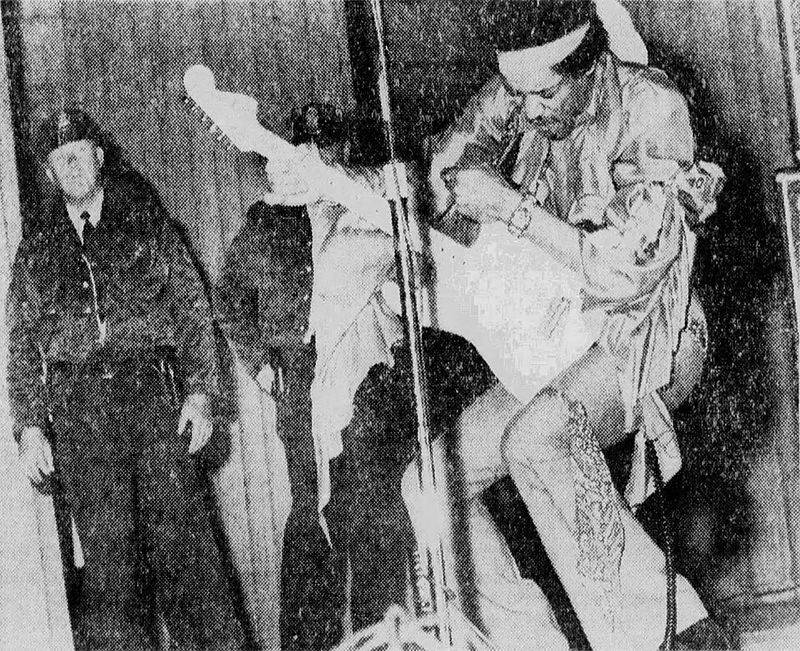
Recorded live with the Band of Gypsys on New Year’s Eve 1970, this powerful protest song uses Hendrix’s guitar to literally recreate the sounds of warfare.
His instrument mimics weapons and the chaos of battle, creating a visceral anti-w*r statement during the Vietnam era.
The raw emotion and technical virtuosity on display make it one of his most important and moving performances.
Rarely has a guitar spoken so clearly without words.
10. The Star-Spangled Banner (Woodstock)
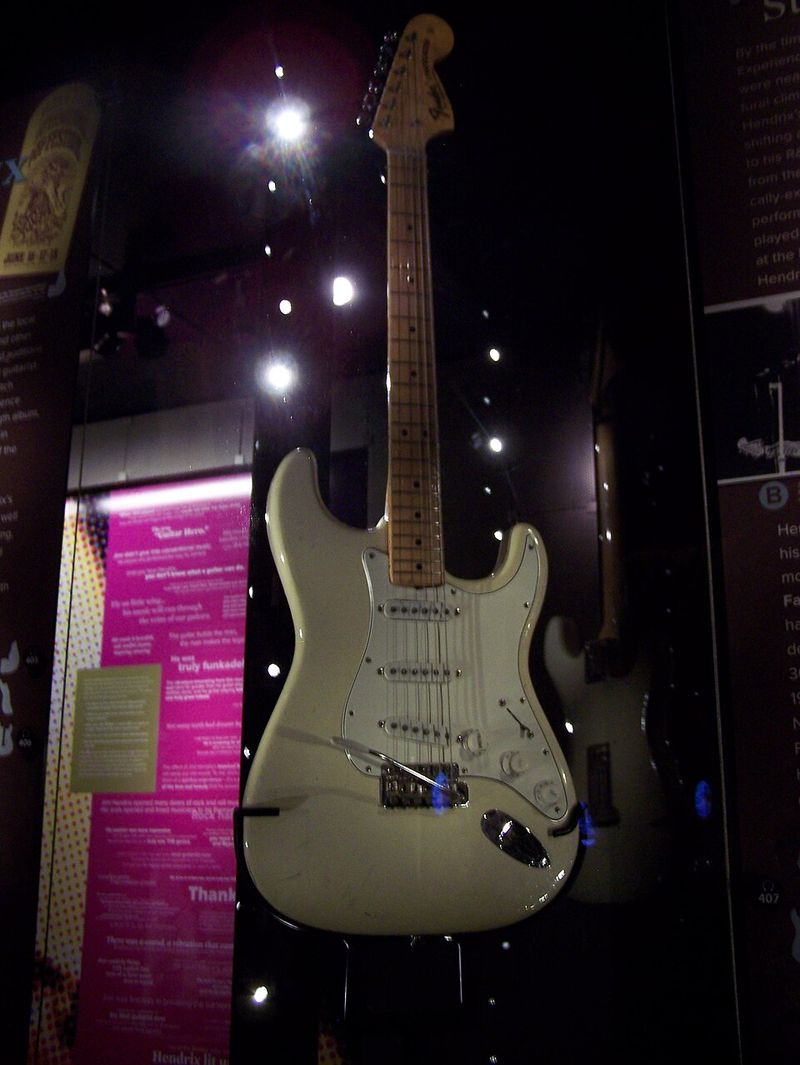
Performed at Woodstock in nineteen sixty nine, a radical reinterpretation of America’s national anthem emerged as one of rock music’s most unforgettable moments.
Through feedback and distortion, Hendrix reshaped a familiar melody into commentary on conflict, protest, and a nation in upheaval.
Sound choices evoked explosions and unrest, capturing the fractured emotional climate of that era within a matter of minutes.
Decades later, debate continues around meaning and cultural impact, proving the performance never stopped resonating.