14 John Paul Jones Collaborations Away From Led Zeppelin You Might Have Missed
Side projects can reveal the full range of a musician’s imagination, especially when the spotlight shifts away from a legendary band.
Across decades of guest spots, production work, and unexpected one-offs, a certain multi-instrumentalist kept popping up in places fans rarely think to look.
Some pairings feel like secret handshakes between scene insiders, while others land like a surprise cameo that changes the whole track.
This list rounds up standout collaborations that show how adaptable his playing and arranging can be, and why his name keeps turning up in credits worth a second glance.
1. The Rolling Stones, “She’s a Rainbow”
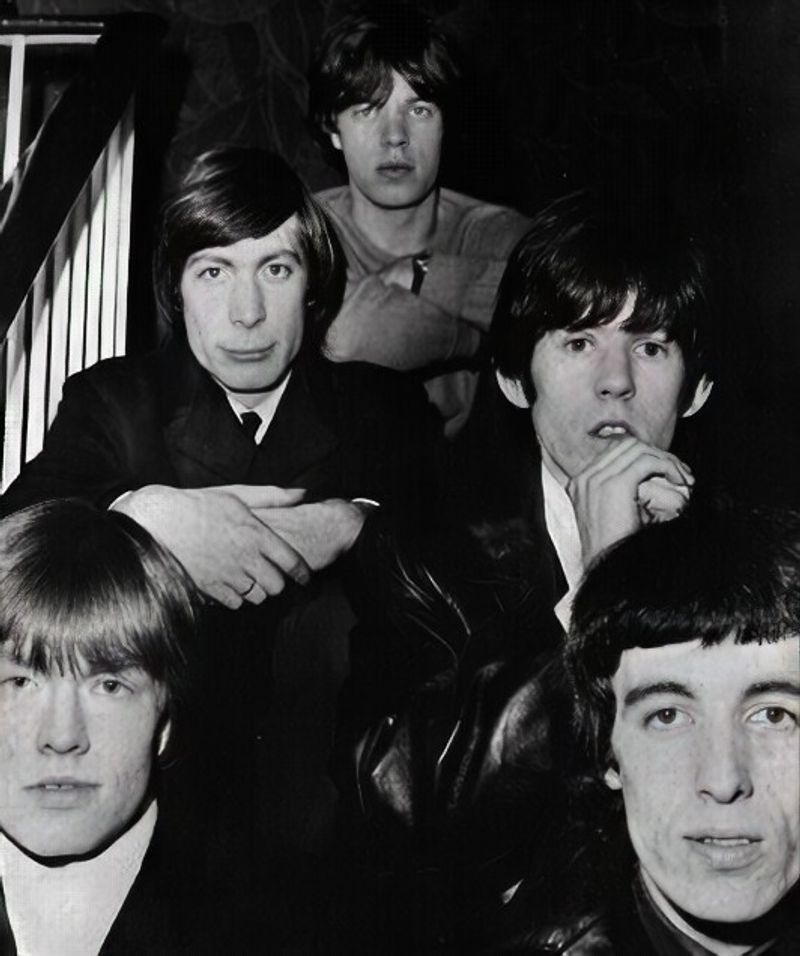
Psychedelic swirls and orchestral magic collide on this 1967 gem, thanks in part to Jones’ string arrangement wizardry.
Before Zeppelin even existed, he was the go-to guy for adding lush, cinematic layers to rock records.
His work here turned a simple piano riff into a kaleidoscope of sound. Just saying, without his touch, the song might’ve stayed in black and white instead of bursting into full Technicolor glory.
2. Donovan, “Sunshine Superman” Era Sessions
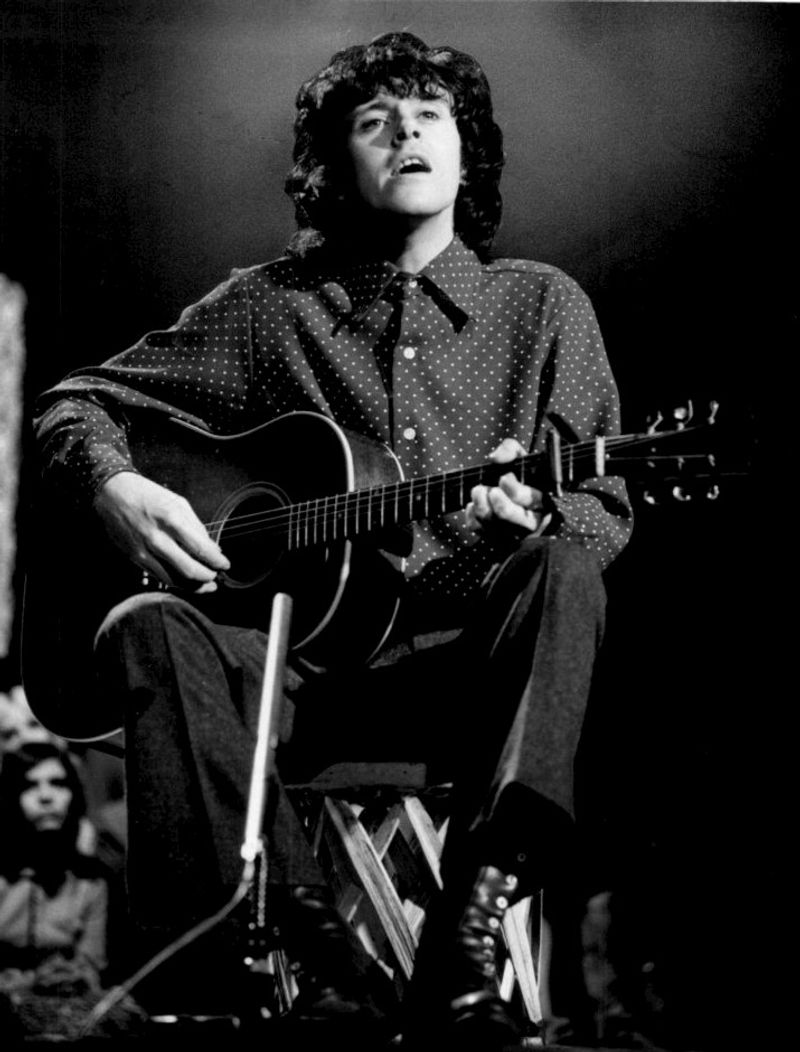
Flower power met studio prowess when Jones joined Donovan’s psychedelic revolution. His bass lines and arranging chops helped shape the dreamy soundscapes that defined mid-60s folk-rock.
Working alongside producer Mickie Most, Jones turned simple melodies into textured masterpieces.
Think of him as the secret ingredient in Donovan’s musical smoothie, blending flavors nobody knew they needed until they tasted the final mix.
3. Cat Stevens, “Matthew and Son” Era Sessions
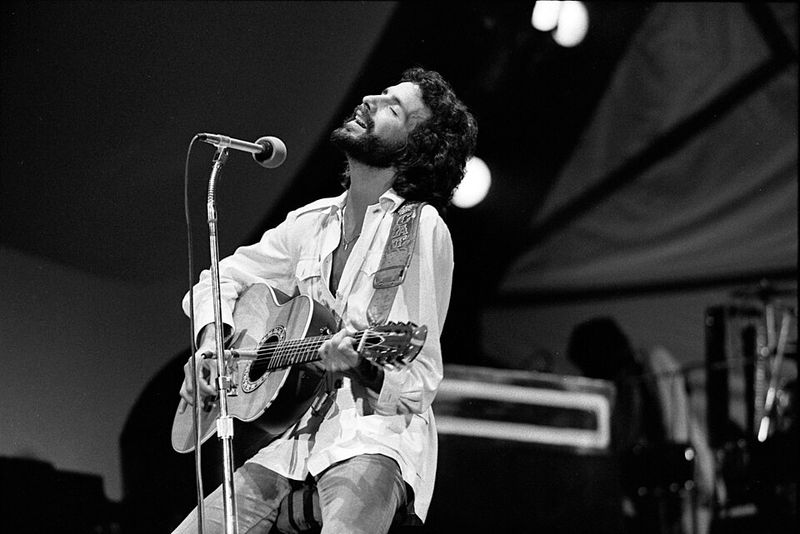
Long before the Tea for the Tillerman days, Cat Stevens relied on London’s finest session crew. Jones was right there in the thick of it, adding bass and arrangements to early hits.
His contributions helped Stevens craft radio-friendly pop with unexpected depth.
However, most fans only know the singer-songwriter era, missing entirely the polished studio magic Jones helped create during those formative Decca recordings.
4. Dusty Springfield, Talk of the Town Performances
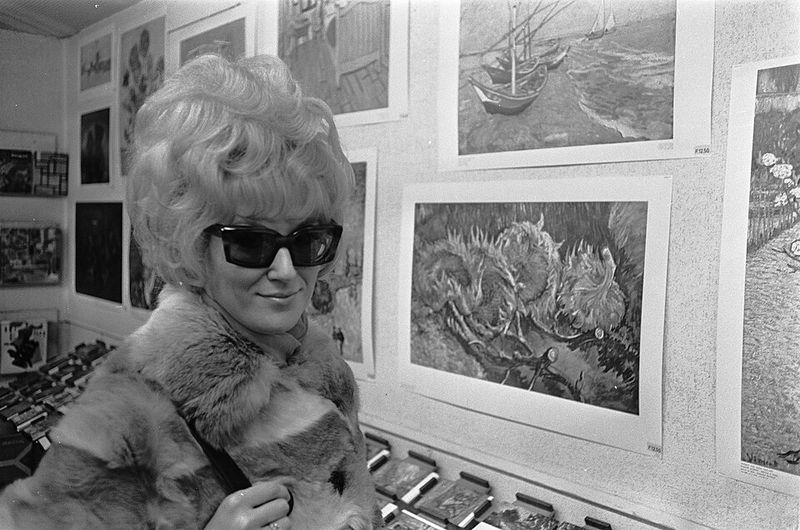
Velvet voice meets velvet touch. Jones played in Springfield’s backing band for legendary London shows, bringing his multi-instrumental skills to one of Britain’s most beloved vocalists.
Beyond the stage, he contributed to studio sessions that defined the sophisticated pop-soul sound.
If you’ve ever wondered why those recordings feel so rich and full, well, now you know the bass-playing genius behind the curtain.
5. Jeff Beck, Mid-1960s London Session Scene
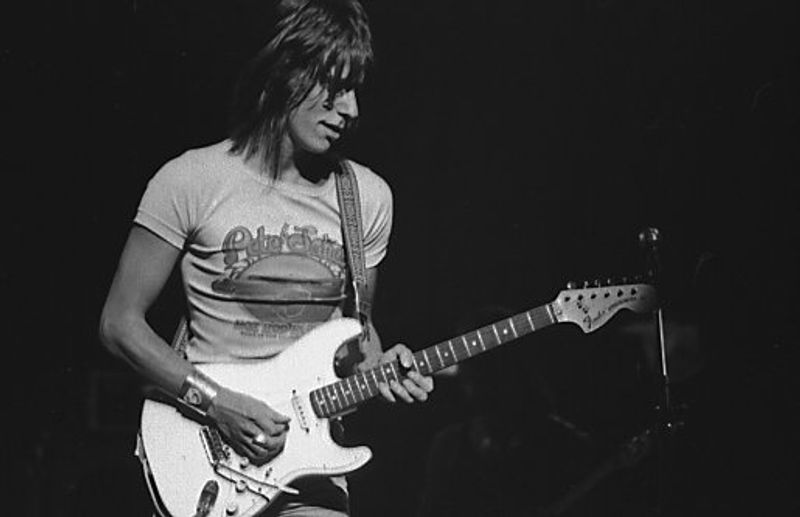
Picture London’s hottest studios packed with future legends, all grinding through session after session.
Jones and Beck crossed paths constantly, both hustling through the same musical ecosystem before superstardom hit.
Though not always directly collaborating on the same tracks, their orbits overlapped in the tight-knit session world.
Where Beck brought fiery guitar innovation, Jones provided the foundation that made experimentation possible.
6. Françoise Hardy, U.K. Session Work
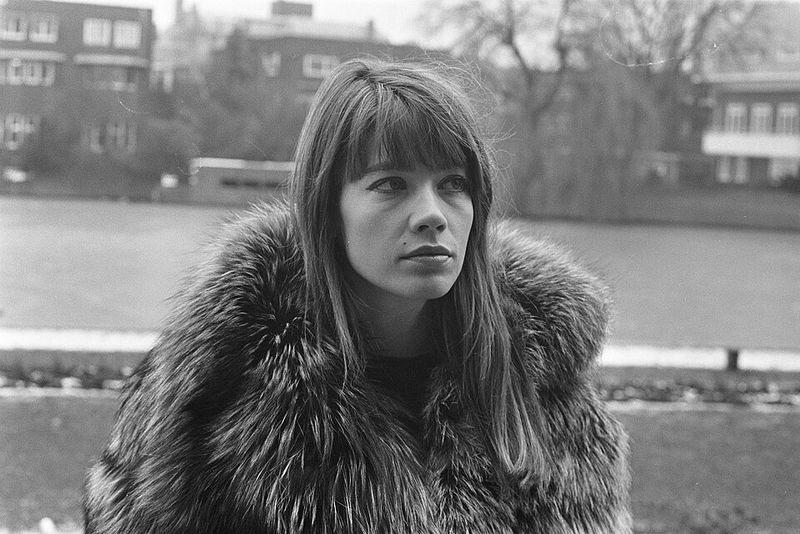
French pop royalty needed English studio royalty, and Jones answered the call. During Hardy’s English-language recordings, his bass and arranging skills helped bridge cultural and sonic divides.
His contributions added sophistication to tracks aimed at crossing the Channel.
Though these sessions remain obscure to most Zeppelin fans, they showcase Jones’ chameleon-like ability to adapt to vastly different musical styles and languages.
7. Rod Stewart, Early Session Appearances
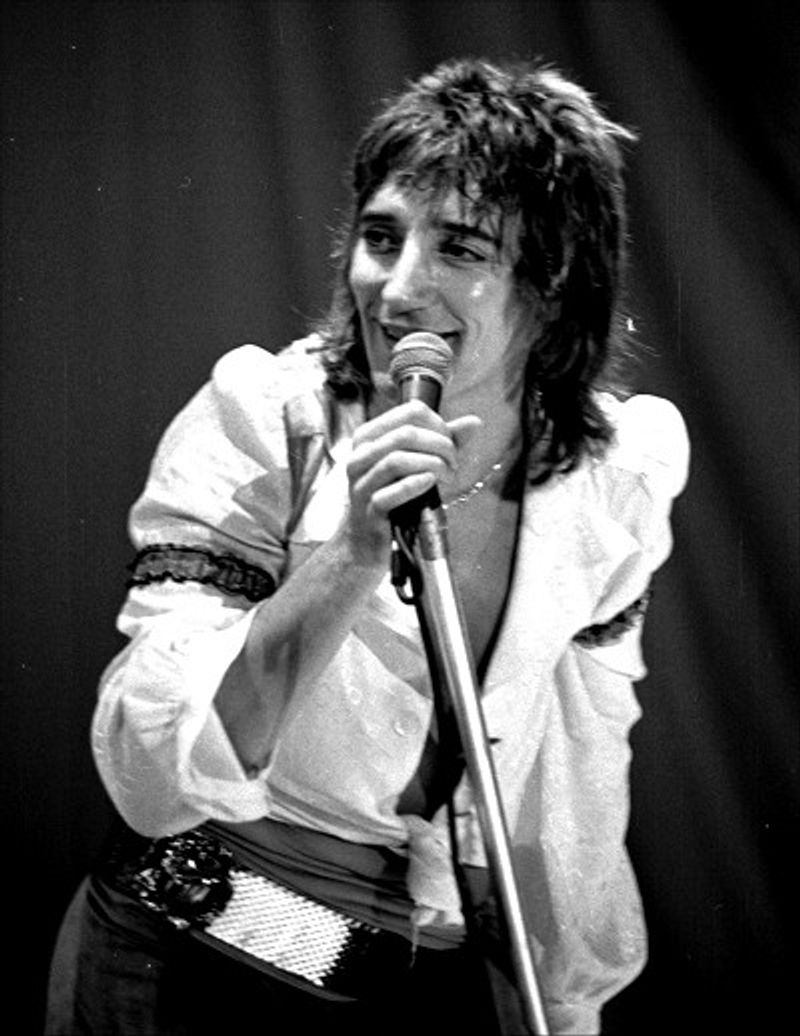
Before Rod became a rooster-haired rock icon, he was just another hungry singer navigating the session circuit.
Jones played on several early recordings, adding low-end muscle to tracks that would later define British rock.
Their paths crossed during that magical late-60s period when everyone seemed to know everyone.
8. Shirley Bassey, Decca-Era Sessions
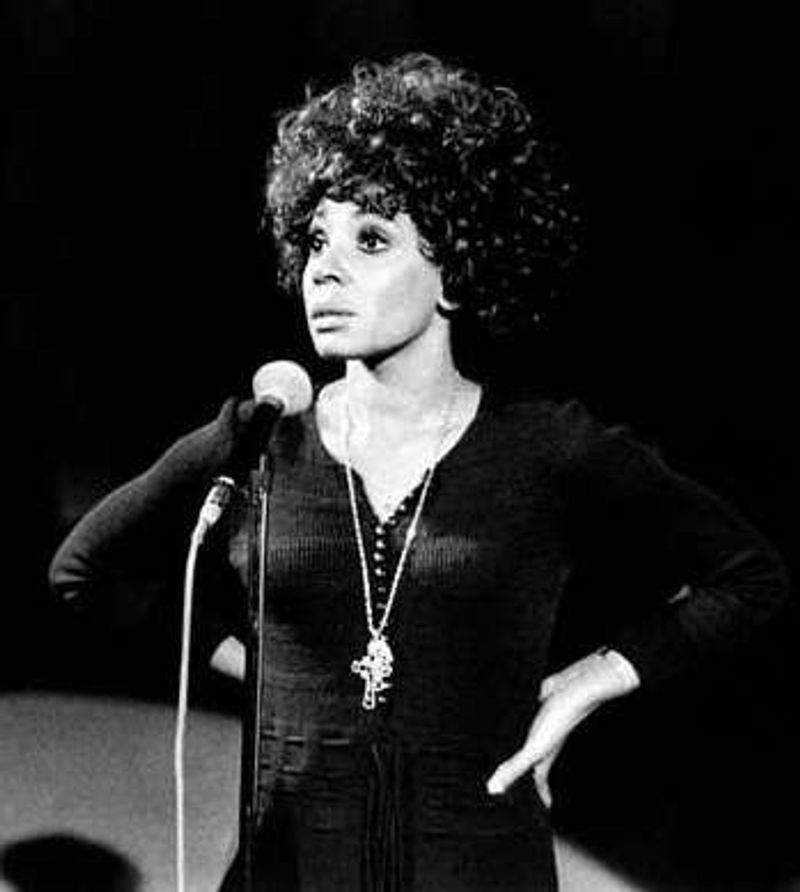
Bombastic vocals demanded equally bombastic arrangements, and Jones delivered. Working on Bassey’s powerhouse recordings meant crafting orchestrations that could match her legendary lung power.
His Decca-era contributions span countless sessions, providing the musical backbone for one of Britain’s most dramatic voices.
Though these weren’t rock sessions, they sharpened his arranging skills to a razor’s edge, preparing him for everything that followed.
9. Lulu, Session Calendar Crossover
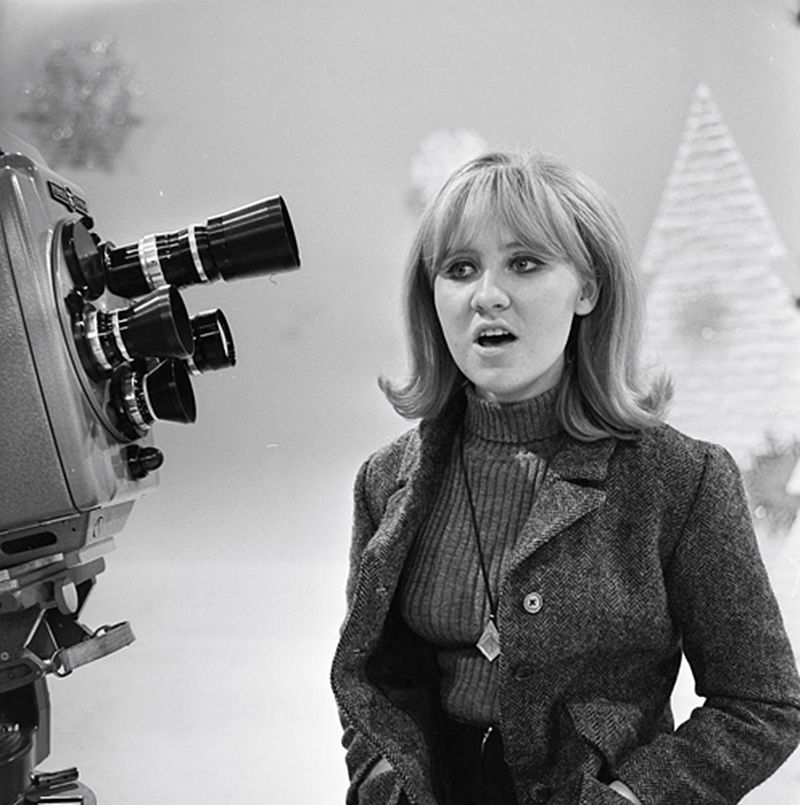
Pop stardom in the 60s meant non-stop studio time, and Lulu’s calendar frequently intersected with Jones’. He contributed to various recordings during her peak chart years, adding depth to radio-friendly hits.
These collaborations represent the bread-and-butter work that kept session players employed.
However, they also reveal Jones’ versatility, moving seamlessly from rock to pop without missing a beat or losing his signature touch.
10. Herman’s Hermits, Mrs. Brown, You’ve Got a Lovely Daughter
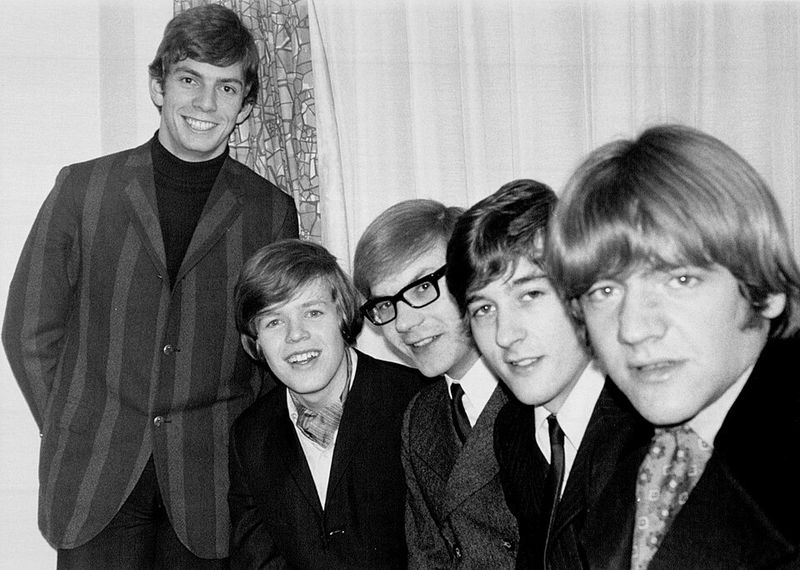
British Invasion meets British precision. Jones contributed arranging and musical work connected to the film project featuring the band’s signature hit.
Though Herman’s Hermits leaned heavily toward bubblegum pop, the arrangements required serious chops.
Jones brought professionalism and creativity to sessions that might have otherwise felt paint-by-numbers, proving that even the simplest songs benefit from expert hands behind the scenes.
11. Paul McCartney, “Ballroom Dancing”
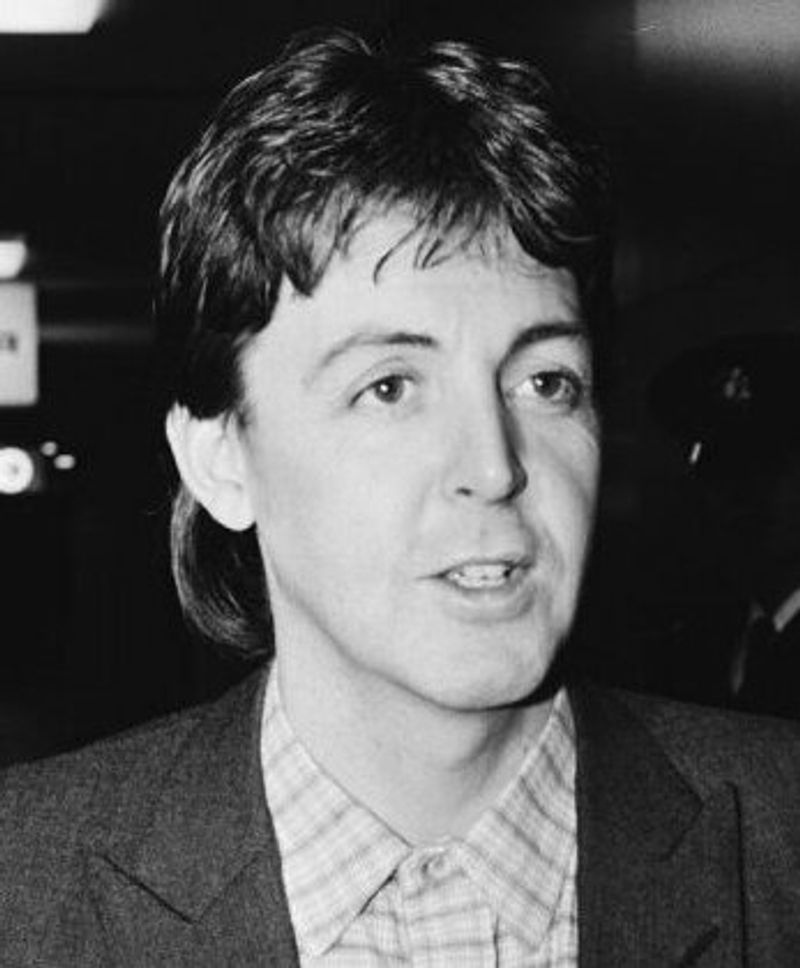
When a Beatle calls, you pick up. Jones laid down bass for this track from McCartney’s 1984 film soundtrack, stepping into a role usually reserved for the composer himself.
The song showcases Jones’ ability to serve the song rather than showboat, fitting perfectly into McCartney’s melodic vision.
Though Give My Regards to Broad Street received mixed reviews, having two bass legends collaborate remains a highlight worth celebrating.
12. R.E.M., Automatic for the People
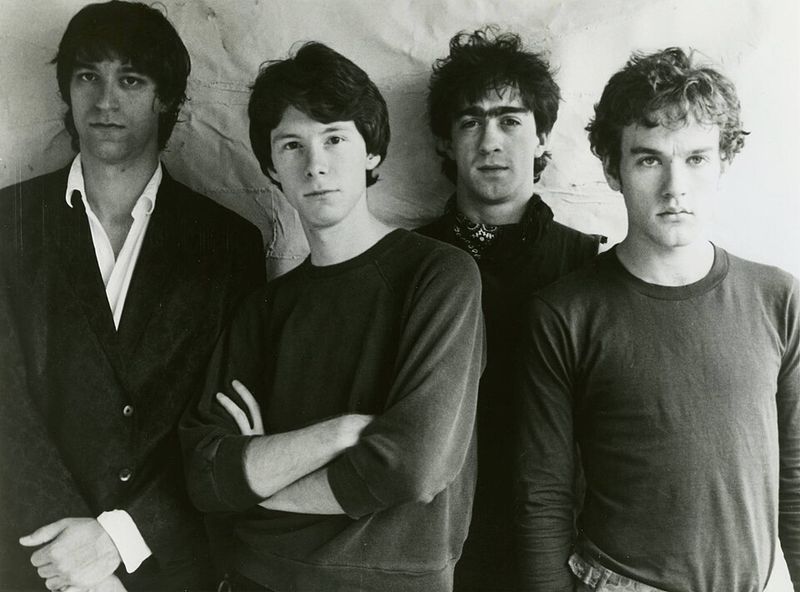
Alternative rock met orchestral grandeur when Jones arranged strings for four iconic tracks. His work on “Everybody Hurts” and “Nightswimming” helped transform good songs into timeless anthems.
Michael Stipe and crew wanted sophistication without losing their edge, and Jones nailed the balance perfectly.
If those sweeping string sections make you feel something deep, thank the Zeppelin bassist who understood that less can be more.
13. Diamanda Galás, The Sporting Life
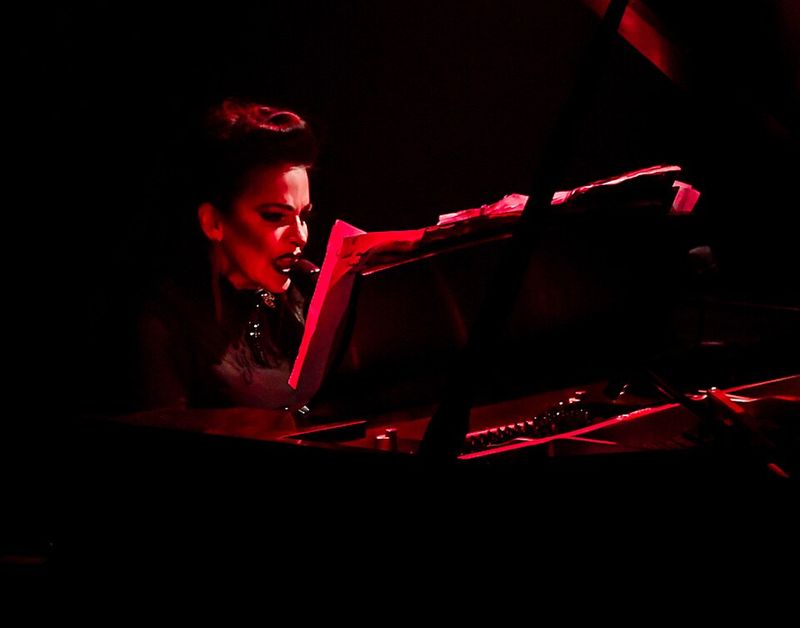
Avant-garde chaos met rock precision on this 1994 collaboration. Jones co-created and produced the album, diving headfirst into experimental territory that would terrify most classic rock veterans.
Galás’ operatic intensity demanded a producer who could handle the unconventional, and Jones embraced the challenge.
Though wildly different from Zeppelin’s catalog, this project proves his artistic courage and refusal to play it safe decades into his career.
14. Them Crooked Vultures
Supergroups don’t get much super-er than this. Jones joined forces with Josh Homme and Dave Grohl in 2009, forming a power trio that made stadiums shake and critics swoon.
Playing bass and keyboards, Jones proved age means nothing when talent runs this deep.
The band’s self-titled album showcases his ability to lock into grooves with players half his age, delivering riff-heavy rock that feels both modern and timeless simultaneously.