10 John Wayne Films That Flew Under The Radar
Western mythology tends to freeze legends in familiar poses, but careers rarely fit into such tidy frames.
Long before reruns and iconic stills cemented a certain screen image, John Wayne explored a wide range of tones, genres, and character choices that rarely dominate retrospectives.
Beyond cavalry charges and frontier bravado sits a catalog shaped by experimentation, timing, and shifting audience tastes.
Looking back now, the lesser-known titles feel revealing rather than minor. Each one adds dimension to his screen persona, showing a performer willing to stretch beyond familiar terrain.
Together, they form a parallel career path that rewards attention, patience, and a willingness to look past the usual highlights.
Disclaimer: This list reflects editorial opinion and a rewatch-driven perspective, not definitive fact or universal consensus about John Wayne’s most overlooked films.
1. The Shepherd of the Hills (1941)
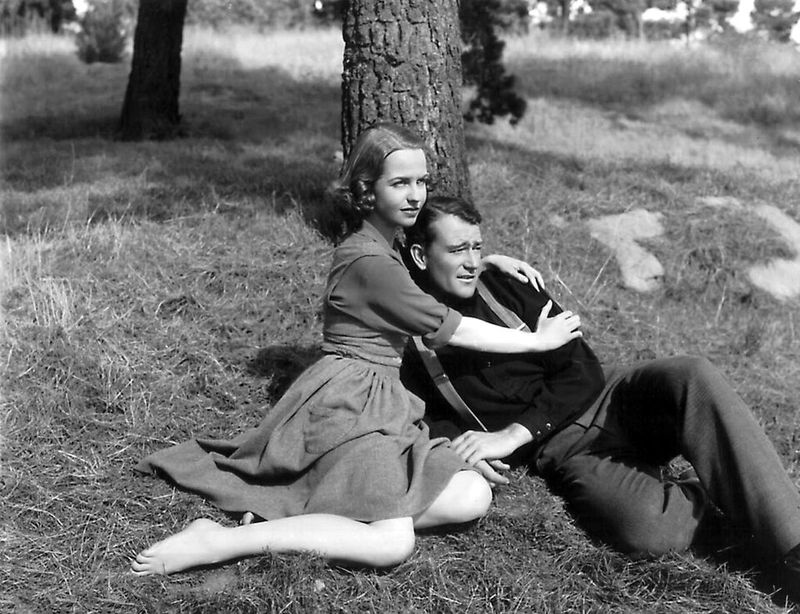
Before Wayne became the ultimate tough guy, he played a young man seeking revenge in the Ozark Mountains.
This colorful drama let him show emotions beyond anger and grit, revealing a vulnerable side audiences rarely saw.
Based on a popular novel, the film features stunning outdoor photography that rivals any modern adventure movie.
Wayne’s character struggles with forgiveness and family secrets, making this more soap opera than shootout. Though not a box office smash, critics praised Wayne’s restrained performance.
2. The Quiet Man (1952)
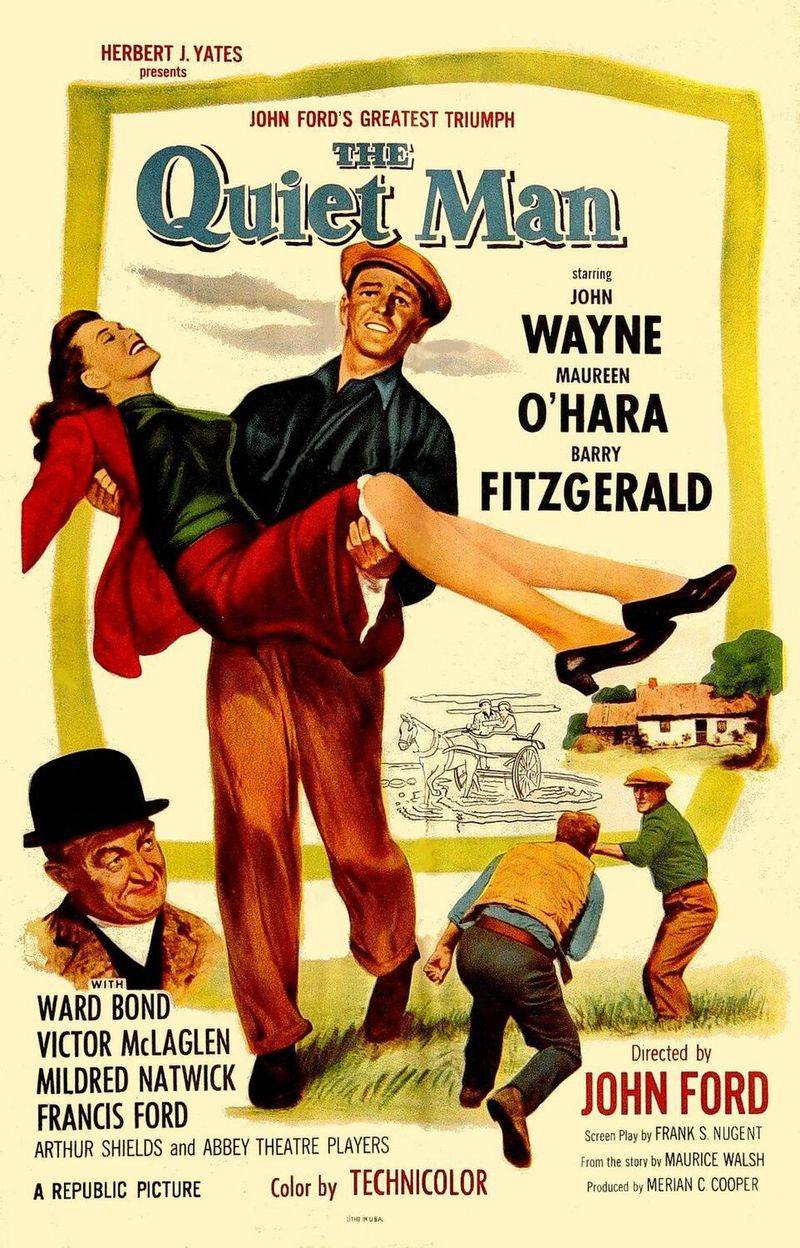
Now considered a classic, this Irish romance initially puzzled audiences expecting typical Wayne action.
He plays an American boxer returning to his birthplace, where courting a fiery redhead proves tougher than any prizefight.
Director John Ford filled the screen with stunning Irish landscapes and eccentric village characters.
Wayne’s character refuses to fight, which seemed completely wrong for the Duke until viewers understood the deeper story about violence and redemption.
Maureen O’Hara matches Wayne’s intensity in every scene, creating one of cinema’s greatest screen partnerships.
3. The High and the Mighty (1954)
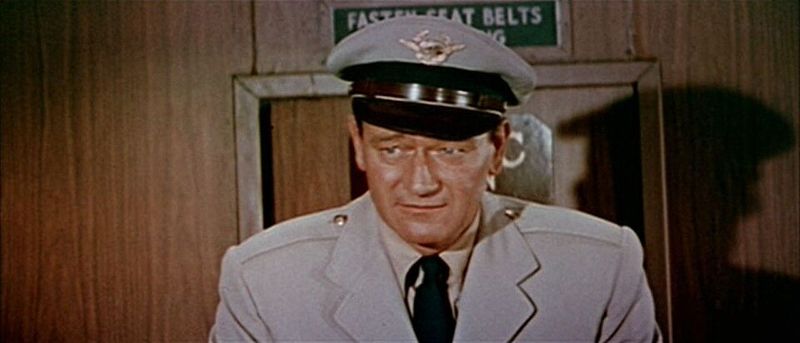
Long before disaster movies became a Hollywood obsession, Wayne starred as a washed-up pilot trying to save a crippled airliner over the Pacific Ocean.
No cowboys, no horses, just one man’s battle with his past failures while passengers panic around him. This aviation thriller helped launch an entire genre of disaster films.
Wayne’s character carries emotional baggage heavier than the plane’s cargo, haunted by a crash.
The film earned multiple Oscar nominations and featured an unforgettable theme song. It showed Wayne could command the screen without a single tumbleweed in sight.
4. Angel and the Badman (1947)
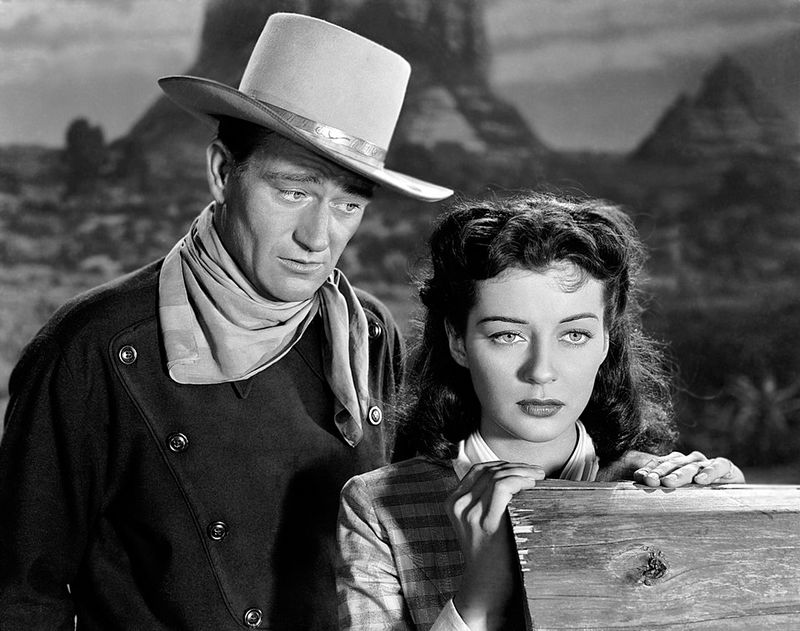
Imagine the toughest gunslinger in the West falling for a peaceful Quaker girl who hates violence.
That’s exactly what happens when Wayne’s outlaw character gets nursed back to health by a family that believes in turning the other cheek.
Wayne himself produced this film, giving him creative control to explore romance over revenge.
His character actually considers hanging up his guns for love, which must have shocked audiences expecting another shootout spectacular.
The chemistry between Wayne and co-star Gail Russell feels genuine and sweet. It’s basically a rom-com disguised as a Western, proving the Duke had a softer side.
5. Island in the Sky (1953)
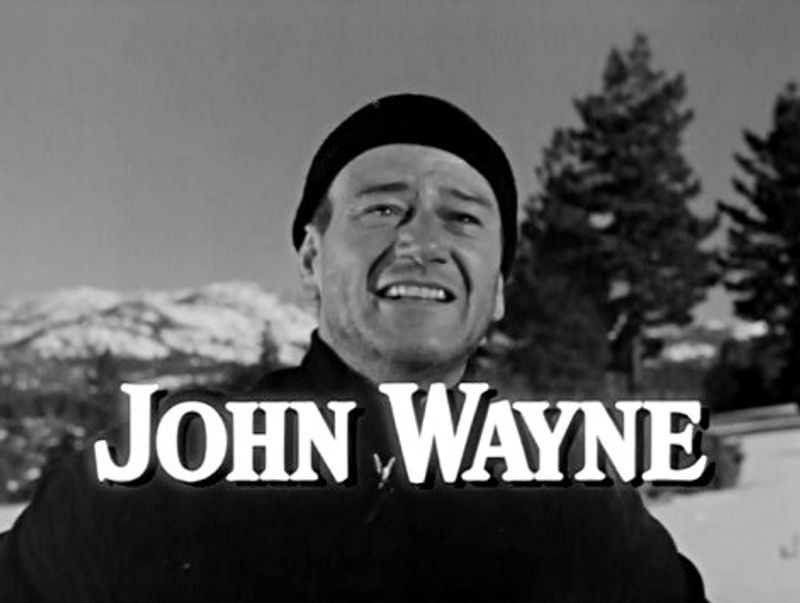
When Wayne’s cargo plane crashes in the frozen Canadian wilderness, survival becomes a waiting game.
His crew faces freezing temperatures while rescue teams race against time, creating nail-biting tension without a villain in sight.
Director William Wellman focused on leadership under pressure rather than action heroics.
Wayne’s captain must keep his men’s spirits up while battling frostbite and dwindling hope, showing quiet strength instead of loud bravado.
The film emphasizes teamwork and sacrifice over individual glory. It’s basically a masterclass in how to stay calm when everything goes wrong, wrapped in a gripping survival story.
6. Reap the Wild Wind (1942)
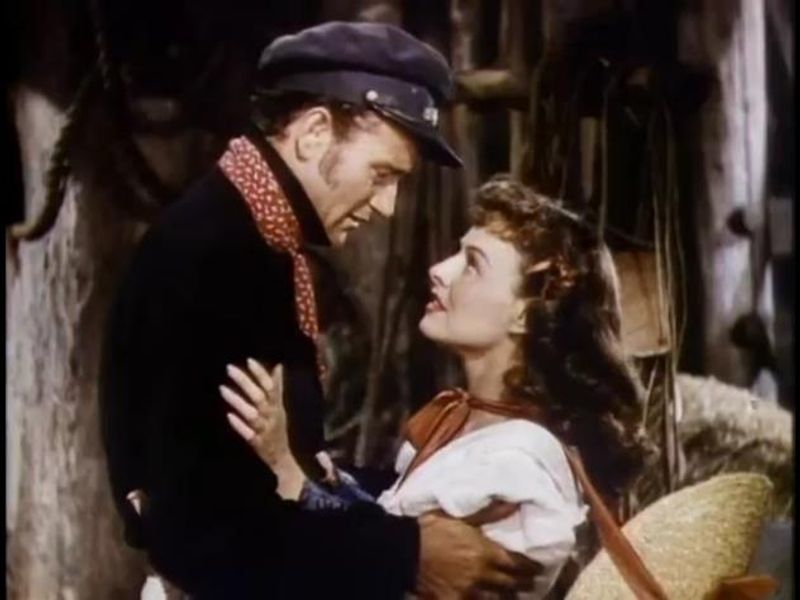
Picture Wayne battling a giant squid in the Florida Keys, and you’ll understand why this Technicolor spectacular deserves more love.
Set among shipwreck salvagers in the 1840s, it mixes romance, treasure hunting, and underwater adventure into one wild ride.
The climactic squid fight used groundbreaking special effects that still impress today, making it an early blockbuster that somehow got forgotten.
Wayne shares the screen with Ray Milland in a love triangle that adds emotional depth. It’s pure escapist entertainment with gorgeous visuals and swashbuckling action.
7. The Fighting Seabees (1944)
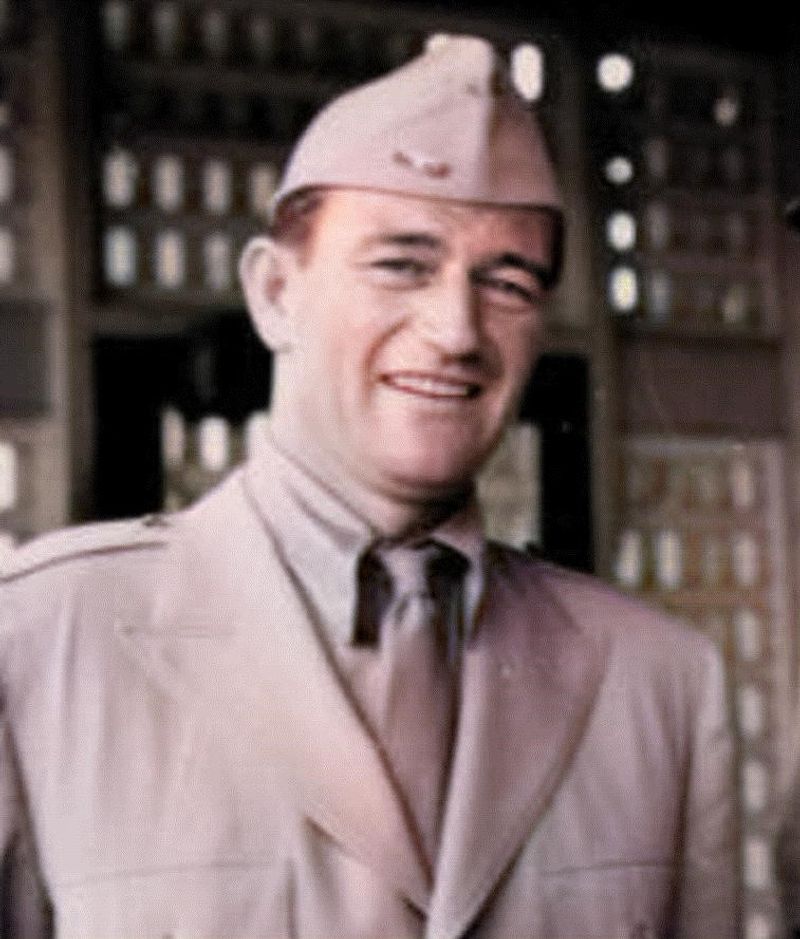
Most war movies celebrate soldiers storming beaches, but this one honors the construction workers who built military bases under enemy fire.
Wayne plays a civilian contractor who learns that building bridges can be just as dangerous as crossing them.
The Seabees were real Navy construction battalions that performed incredible engineering feats during World War II.
They constructed airstrips, roads, and buildings while dodging bullets, proving hard hats could be as heroic as helmets.
The film balances explosive battle sequences with touching moments about ordinary workers doing extraordinary things.
8. Tall in the Saddle (1944)
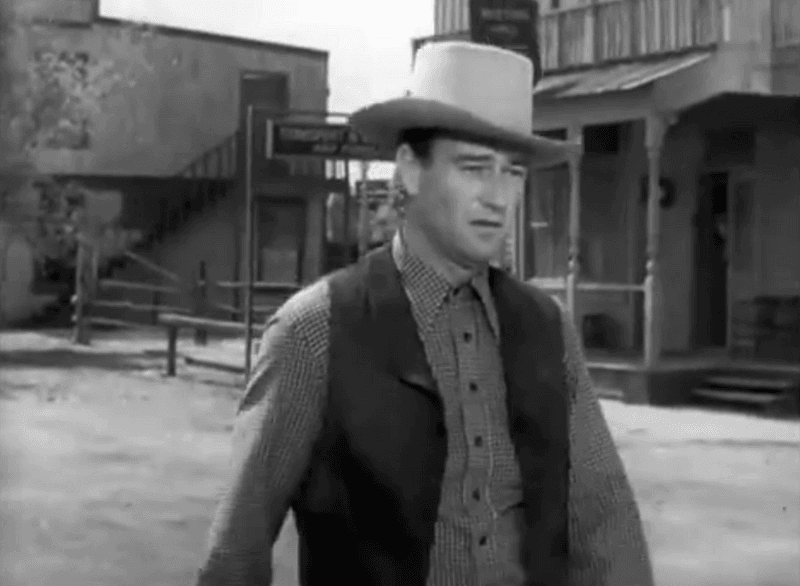
This isn’t your standard Western because somebody’s playing detective between the gunfights.
Wayne’s ranch hand arrives for a job only to find his employer mysteriously dead, launching an investigation that mixes murder mystery with cattle rustling.
The plot twists and turns like a rattlesnake on a hot rock, keeping viewers guessing until the final showdown.
Wayne shows he can handle complex storytelling that requires actual thinking instead of just fast draws.
Co-star Ella Raines brings sass and intelligence to her role, refusing to be just another damsel in distress. Their verbal sparring matches are as entertaining as any physical fight.
9. The Wings of Eagles (1957)
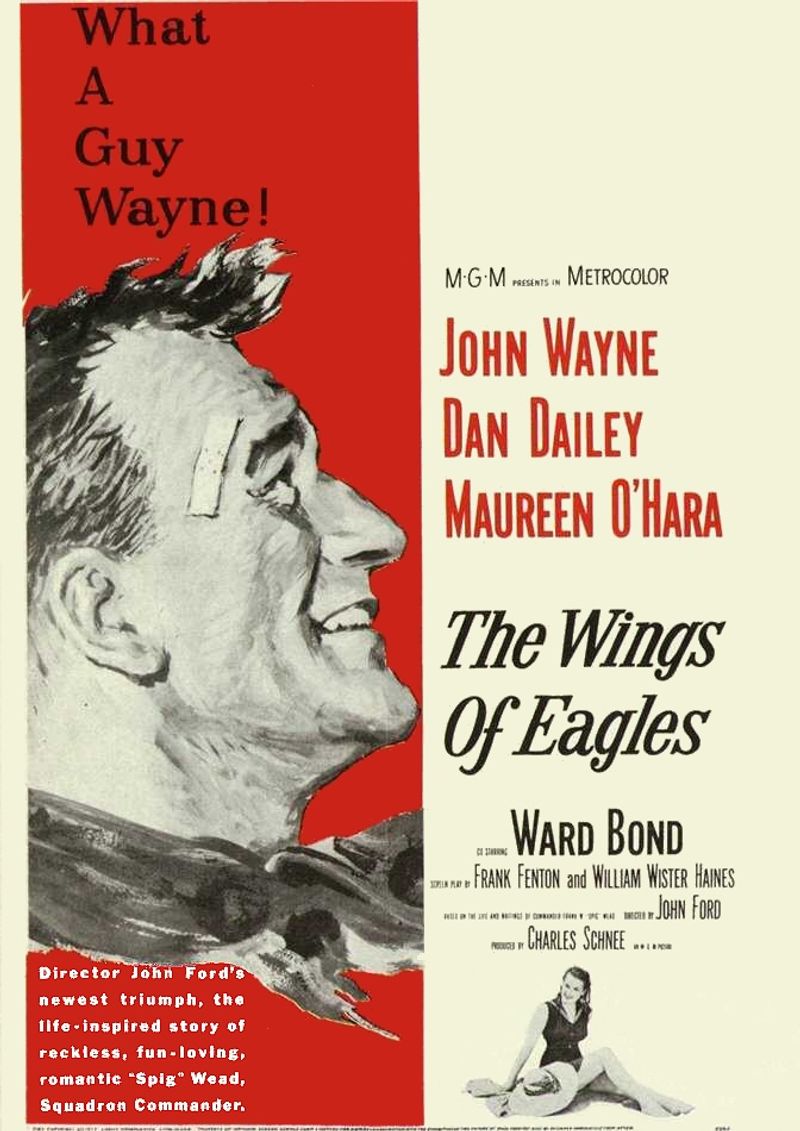
Wayne portrays real-life Navy pilot Frank Spig Wead, whose career crashes along with his body after a devastating accident.
Director John Ford crafted this biographical drama to honor his friend Wead, blending humor and heartbreak in unexpected ways.
The film follows Wead’s transformation from hotshot aviator to wheelchair-bound screenwriter.
Wayne brings depth to a man rebuilding his identity after losing everything that defined him, including his marriage and mobility.
The friendship between characters mirrors the real bond between Ford and Wead, making this a personal tribute disguised as entertainment.
10. Seven Men from Now (1956)
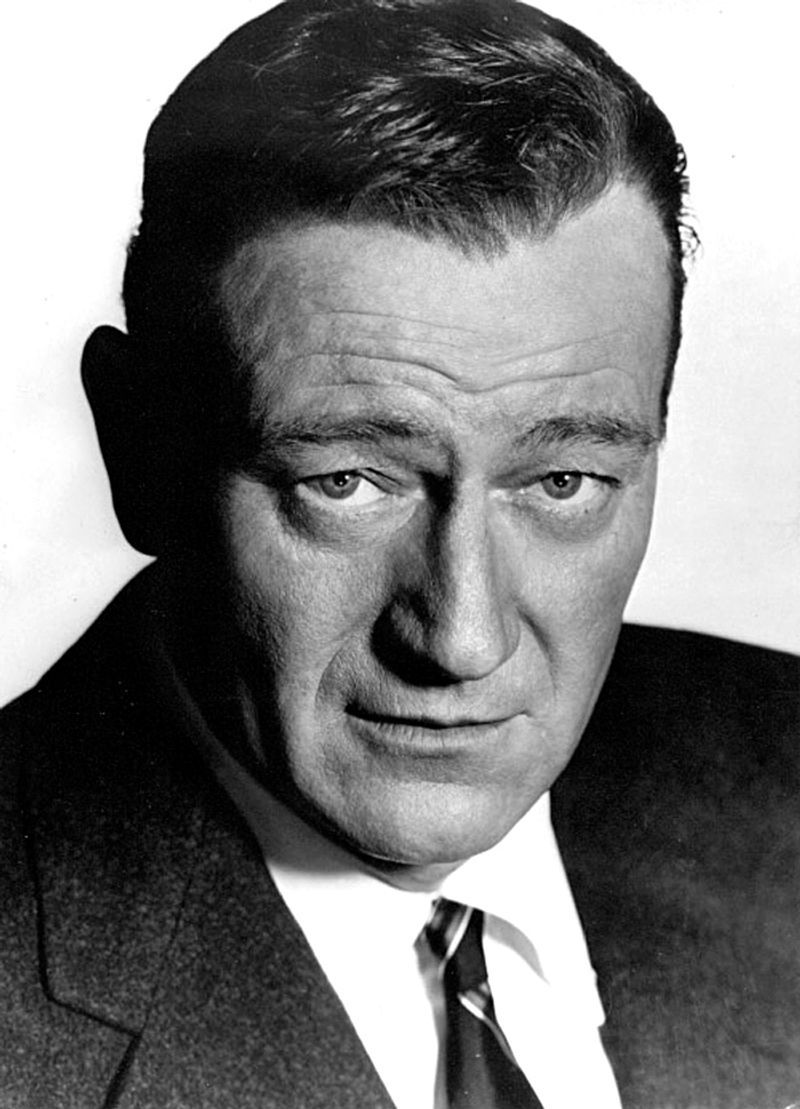
Actually starring Randolph Scott, not Wayne, this lean Western helped shape the darker, grittier cowboy films that followed.
However, Wayne’s production company made it happen, and his influence shows in every frame of revenge-driven storytelling.
The film strips away Western clichés, focusing on moral ambiguity and personal vengeance.
Shot on a tight budget, it proves great Westerns don’t need epic scale. Just give audiences compelling characters, sharp dialogue, and a story that doesn’t insult their intelligence.