18 Little Joys Of Cassette Culture That Created A One-Of-A-Kind Era
Before streaming services and digital downloads, there was something magical about popping a cassette into your Walkman or car stereo.
Cassette tapes weren’t just a way to listen to music – they were a whole experience filled with quirky rituals and personal touches.
From rewinding tapes with a pencil to crafting the perfect mixtape for your crush, cassette culture created memories that defined a generation and made music feel truly personal.
1. Rewinding With A Pencil
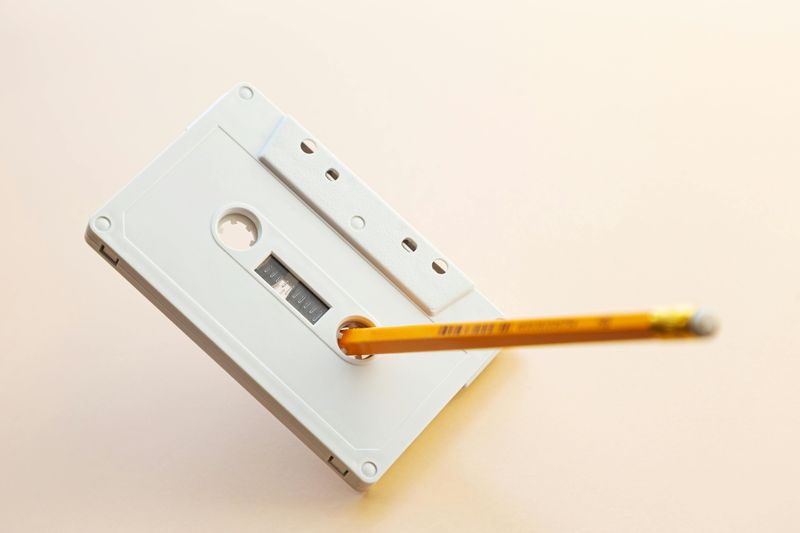
Nothing screams resourcefulness quite like grabbing a trusty pencil when your cassette player ate your favorite tape.
You’d carefully insert the pencil into one of those little holes and twist, watching the ribbon wind back into place.
Sure, rewinders existed, but where’s the fun in that? Using a pencil felt like performing emergency surgery on your music collection, and somehow, it always worked perfectly.
2. The Satisfying Click When A Tape Snapped Into Place
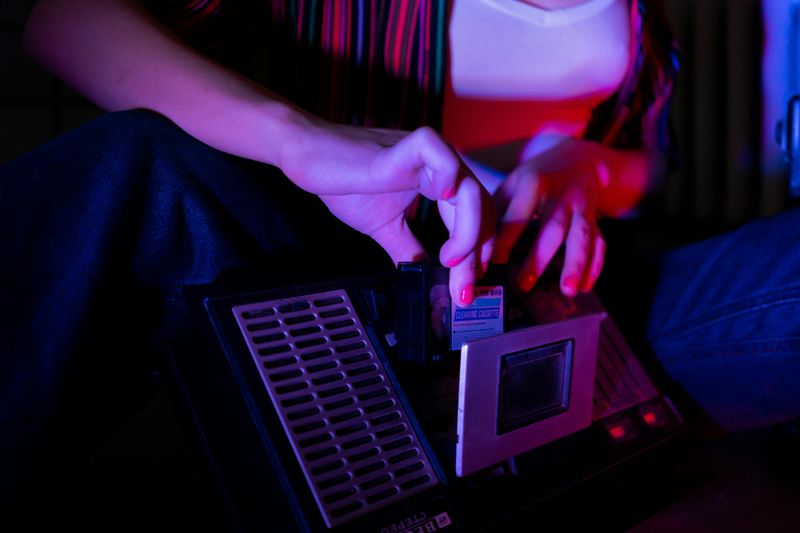
If you closed your eyes right now, you could probably still hear that perfect mechanical click. Sliding a cassette into the deck and feeling it lock into position was oddly therapeutic, like completing a puzzle.
That sound meant your music was about to start, and everything was right with the world. Modern devices just don’t offer that same tactile satisfaction we all took for granted back then.
3. Portable Walkman Culture
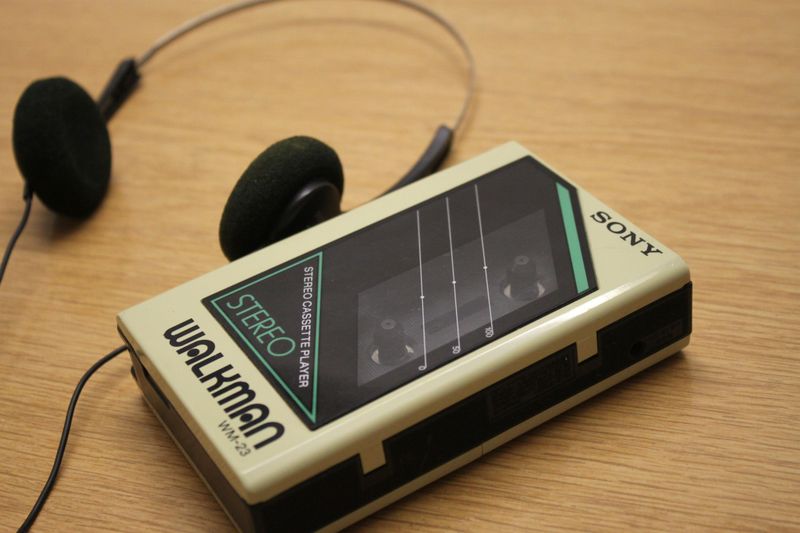
Clipping a Walkman to your belt and plugging in those foam headphones made you feel like you were living in the future.
Suddenly, your personal soundtrack could follow you anywhere – to school, on the bus, or during long walks.
Everyone had their Walkman ritual: adjusting the volume, managing tangled headphone cords, and flipping tapes mid-commute. Portable music changed how we experienced the world forever.
4. Handwritten Tracklists On J-Cards
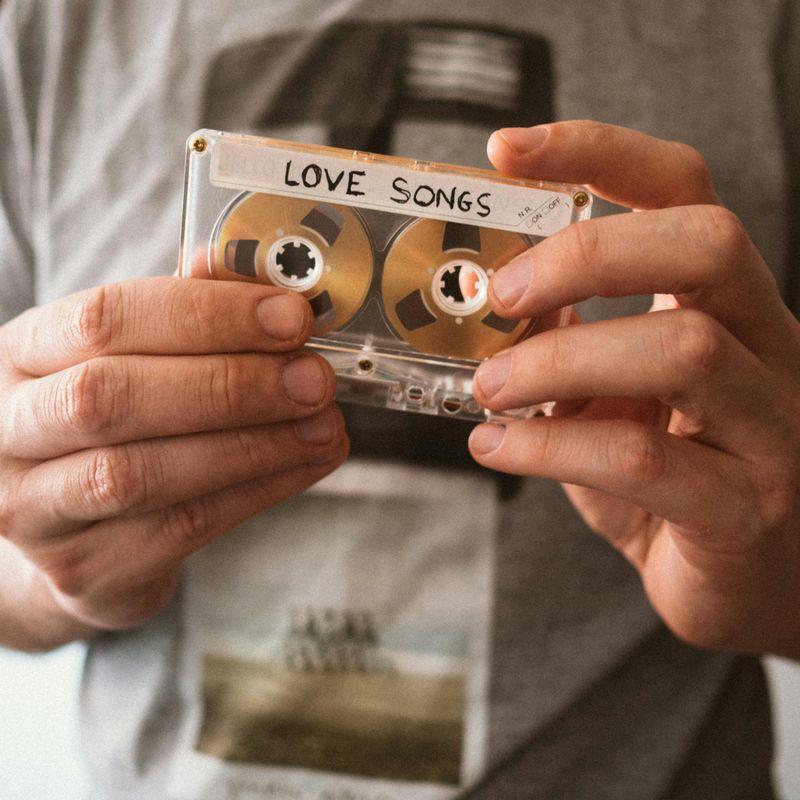
Crafting the perfect J-card was an art form that required steady handwriting and serious dedication.
You’d list every song in your best penmanship, sometimes adding doodles or inside jokes that only your friend would understand.
These tiny paper inserts transformed blank tapes into personalized gifts. Looking back at old J-cards now feels like reading a diary from another lifetime, full of forgotten favorites.
5. The Warm, Slightly Fuzzy Sound Quality
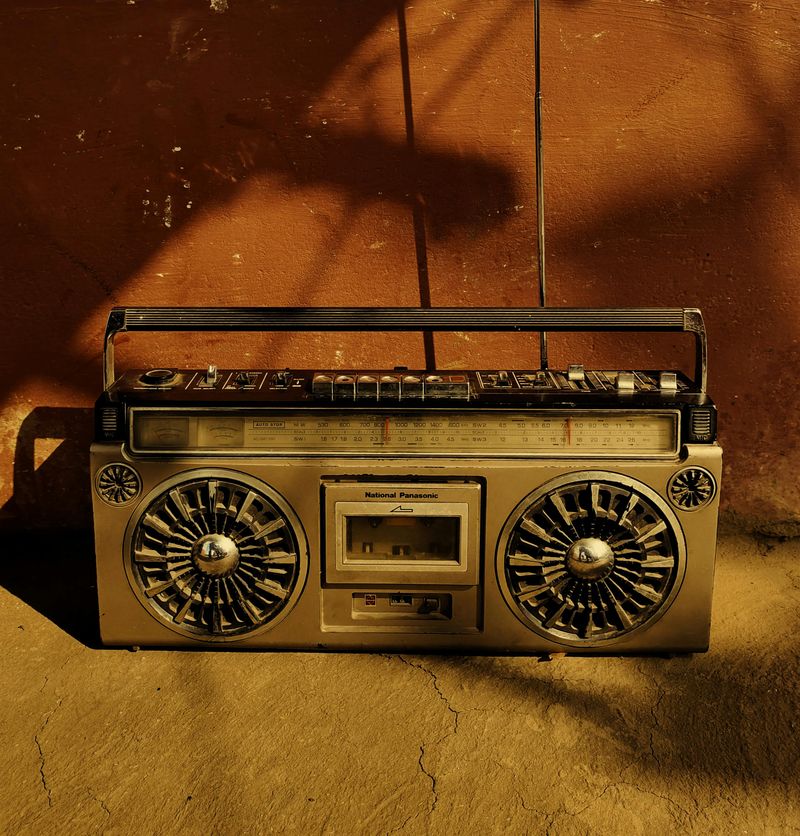
Audiophiles might cringe, but there was something undeniably cozy about that slightly imperfect cassette sound.
Unlike the crystal-clear precision of digital audio, tapes had character – a warmth that made every song feel like it was being performed just for you.
That gentle fuzziness wasn’t a bug; it was a feature that made music feel more human and less sterile.
6. Tape Hiss That Became Part Of The Experience
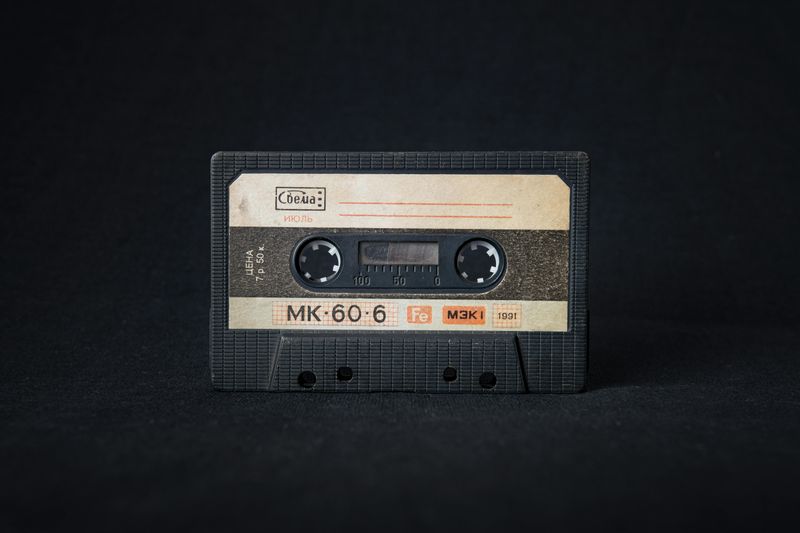
At first, that soft hissing sound in the background seemed annoying, but eventually, it became as essential as the music itself.
Tape hiss was the soundtrack to countless road trips, study sessions, and late-night bedroom jam sessions.
When you hear it now in old recordings, it instantly transports you back. That gentle static became the audio equivalent of a warm blanket on a cold night.
7. Making Personalized Mixtapes For Friends
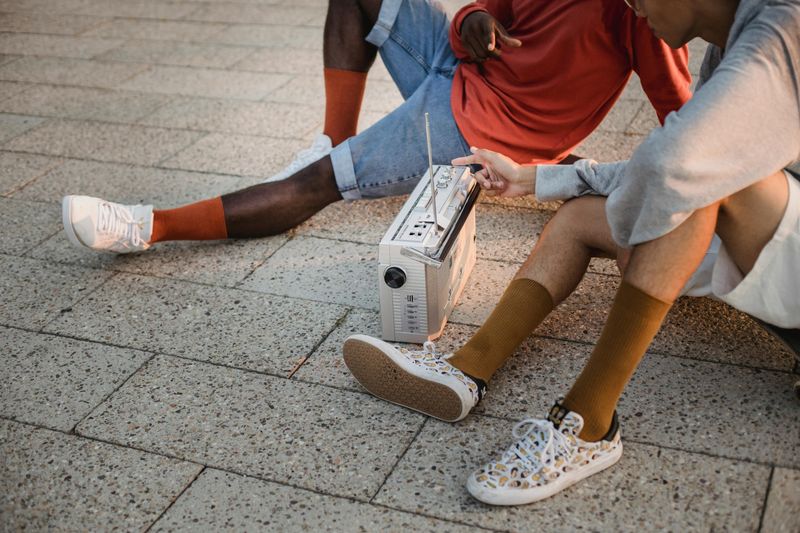
Creating a mixtape was basically writing a love letter in song form, whether for a crush or your best friend.
You’d spend hours selecting the perfect tracks, ordering them just right, and timing everything so Side A and Side B balanced perfectly.
Each mixtape told a story and showed how much you cared. No playlist today can match that level of thoughtfulness and effort.
8. Recording Songs Off the Radio At The Perfect Moment
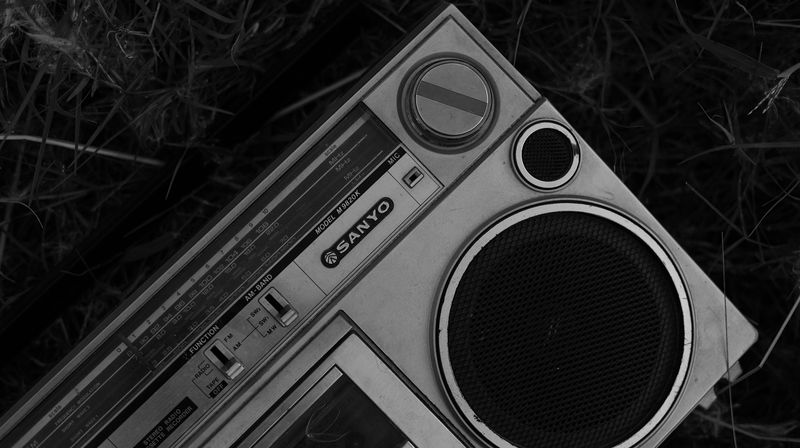
Timing was everything when you wanted to record your favorite song from the radio.
You’d sit there with your finger hovering over the record button, waiting for the DJ to stop talking so you could capture the song without their voice ruining it.
Success felt like winning the lottery. Patience and quick reflexes were essential skills every cassette fan needed to master.
9. The Thrill Of Flipping To Side B
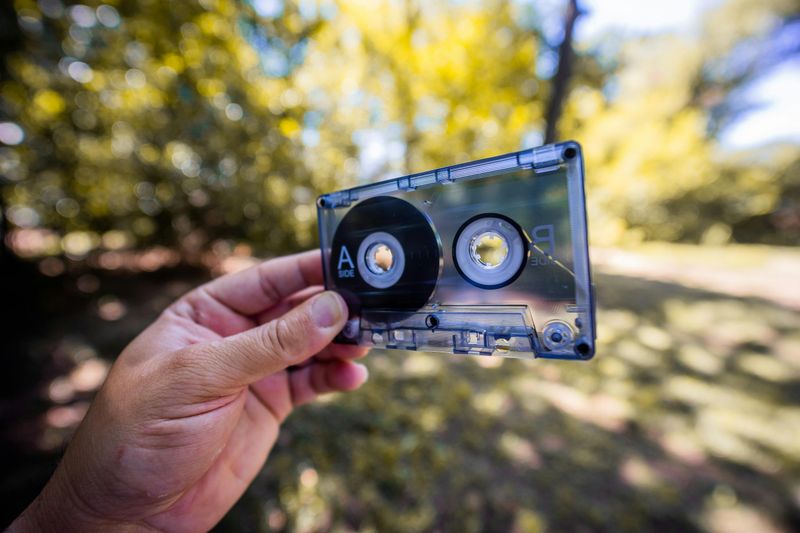
Halfway through your listening session, you’d have to physically flip the tape over to continue the journey.
Side B often held hidden gems – those deeper album cuts that didn’t get radio play but were secretly the best tracks.
That brief interruption forced you to engage with your music actively. Flipping the tape was a ritual that made listening feel more intentional and rewarding.
10. Cassettes Rattling Around In The Car Console
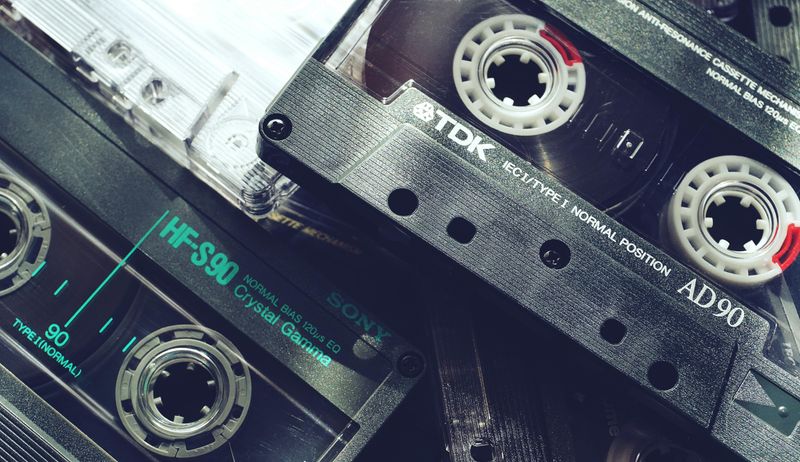
Every car had that chaotic pile of tapes rolling around the console or stuffed in the glove compartment. They’d slide around during turns, creating a soundtrack of plastic clattering that was somehow comforting.
Finding the right tape while driving was like a treasure hunt. You’d dig through the pile one-handed, reading labels at stoplights until you found exactly what your road trip needed.
11. Saving Favorite Radio DJ Intros On Accident
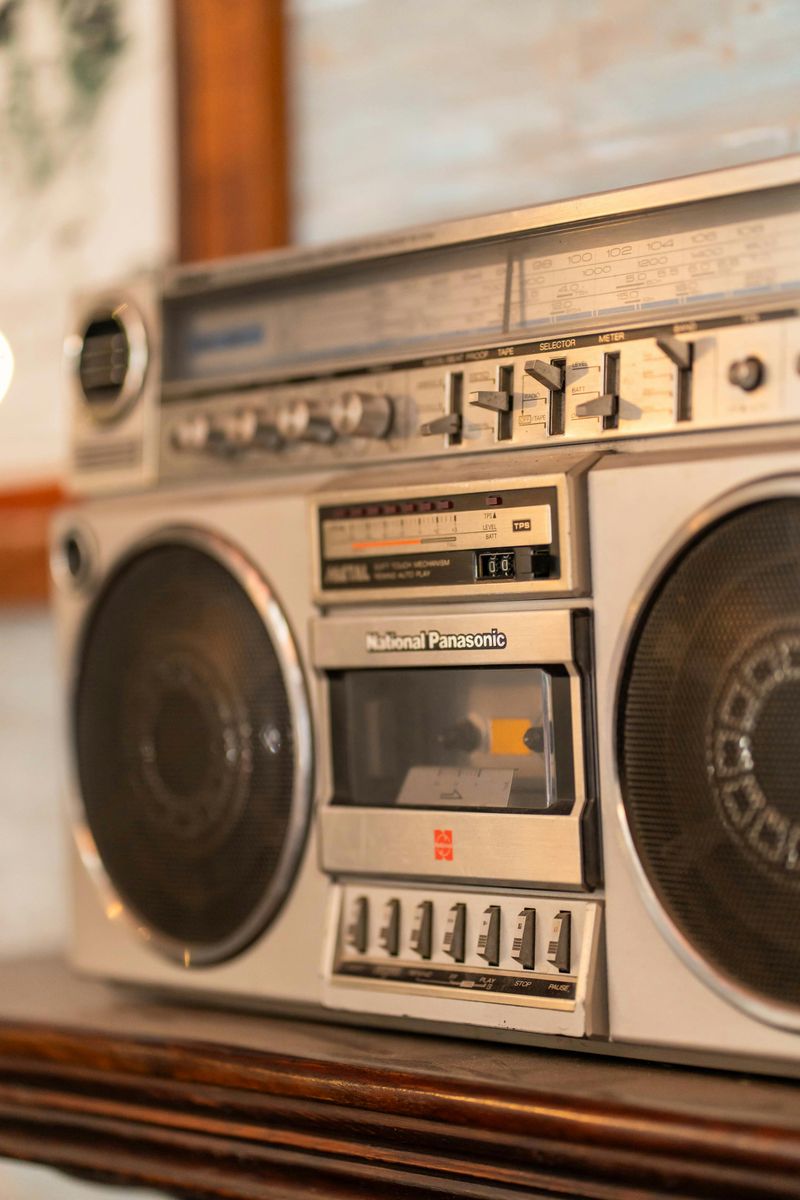
Sometimes you’d press record a bit too early, and the DJ’s voice would end up permanently part of your recording. Initially frustrating, these accidental captures became treasured time capsules years later.
Hearing that DJ announce the date or make a random comment now feels like archaeological evidence from another era. Those unplanned moments added unexpected personality to your collection.
12. Album Art Folded Neatly In Your Hand
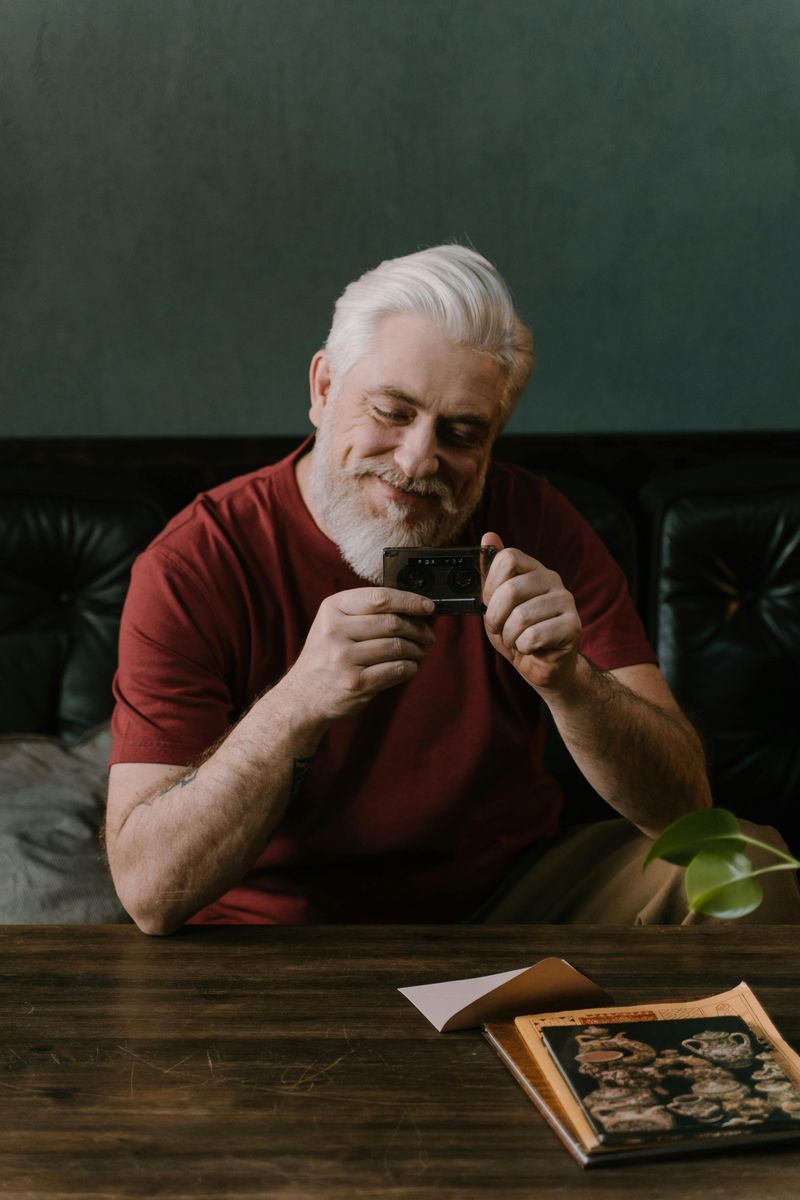
Opening a new cassette and unfolding that accordion-style insert was pure joy for music fans. You’d study every detail – the artwork, lyrics, liner notes, and band photos – while listening to the album for the first time.
Those inserts were miniature art galleries you could carry in your pocket. Reading along with the lyrics made you feel connected to the artist in ways streaming never quite replicates.
13. Lending Tapes To Friends And Praying They’d Come Back Intact
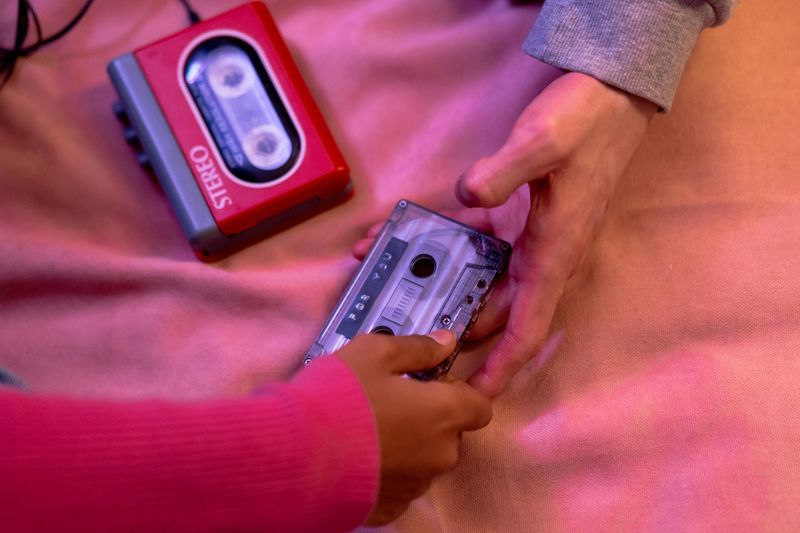
Letting someone borrow your favorite tape was an act of trust bordering on reckless.
You’d hand it over with stern warnings about proper care, knowing there was a decent chance you’d never see it again – or worse, get it back damaged.
When tapes actually returned safely, the relief was real. Those lending transactions taught us about friendship, responsibility, and the pain of loss when our beloved cassettes disappeared forever.
14. Gently Untangling A Long Spool With Hope And Patience
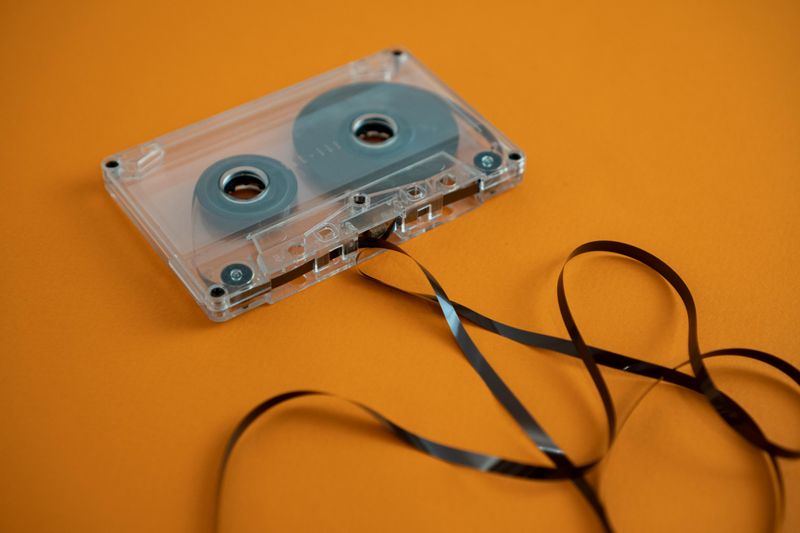
When disaster struck and your tape got mangled, you had two choices: give up or channel your inner surgeon.
Carefully winding that delicate ribbon back onto the spools required the patience of a saint and steady hands.
Success rates varied wildly, but the attempt always felt heroic. Saving a beloved mixtape from certain death was a badge of honor worth bragging about to friends.
15. Shopping At Mall Music Stores For Blank Tapes
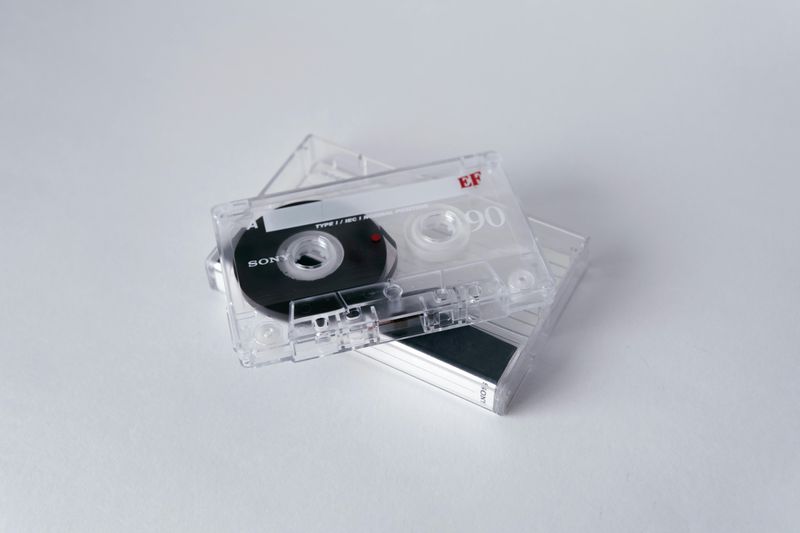
Wandering into Sam Goody or Tower Records to browse blank tapes was an experience all its own. The choices seemed endless – different lengths, brands, and colors, each promising superior sound quality.
You’d debate whether to splurge on the premium tapes or grab the budget pack.
Those shopping trips were about possibility – imagining all the music and memories you’d capture on those blank ribbons waiting to be filled.
16. Color-Coded Cassette Shells
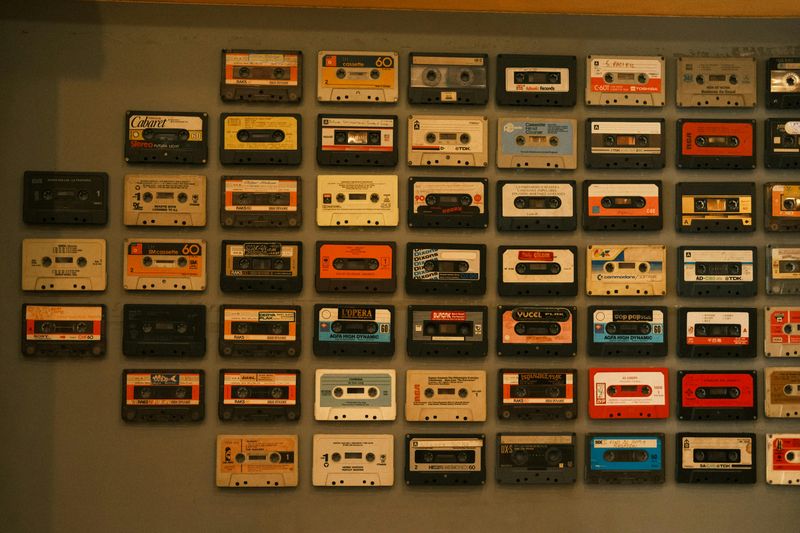
Why settle for boring black when you could organize your collection with a rainbow of colored cassettes? Clear shells let you see the ribbon inside, while neon colors made your mixtapes impossible to lose.
Matching tape colors to moods or genres became its own organizational system.
Looking at a shelf of colorful cassettes was visually satisfying in a way digital libraries just can’t match, no matter how pretty the interface.
17. Limited-Edition Tapes With Unusual Designs
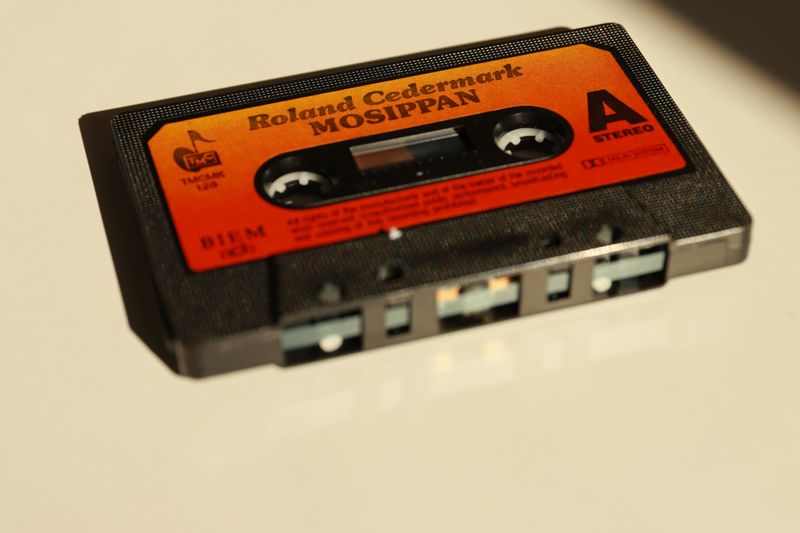
Some artists released cassettes that were works of art themselves – shaped tapes, metallic finishes, or wild graphics that made them instant collectibles.
Finding one of these special editions felt like discovering buried treasure.
These weren’t just music formats; they were statements. Owning a limited-edition cassette meant you had something unique that connected you to the artist in a tangible, special way that downloads never could.
18. Hearing The Clunk When Auto-Reverse Kicked In
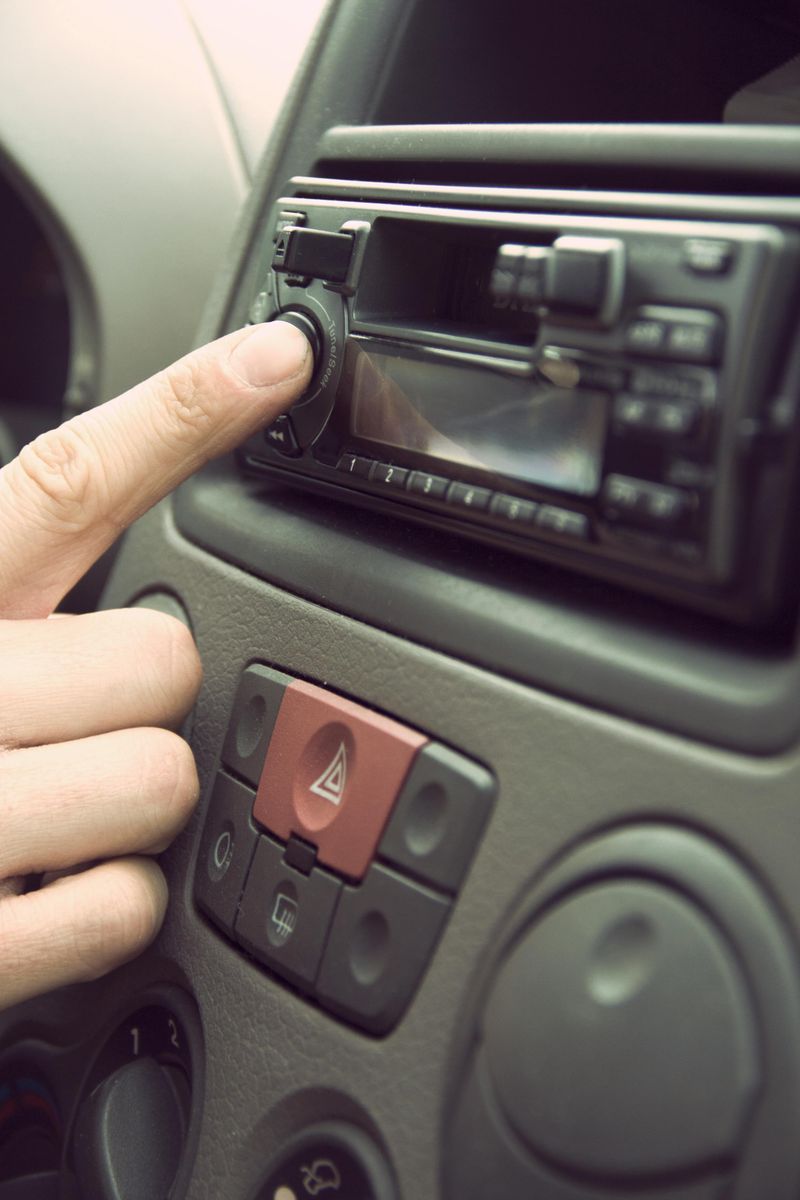
Fancy tape decks had auto-reverse, which meant no manual flipping required – just a satisfying mechanical clunk as the player automatically switched directions.
That sound signaled you were living in luxury, at least by cassette standards.
When that clunk happened mid-song during a long drive, it felt futuristic. Auto-reverse was the height of convenience, making continuous music possible without lifting a finger from the steering wheel.