8 Best And 4 Worst Things In The Karate Kid
Ever wonder why a movie about a scrawny New Jersey kid learning martial arts from a handyman became one of the most iconic films of the 1980s?
The Karate Kid didn’t just teach us the crane kick – it gave us life lessons wrapped in headbands and training montages.
But like Daniel-san’s wobbly stance before tournament day, this classic has its share of stumbles alongside its victories.
Let’s break down what made this film a knockout hit and what left audiences scratching their heads!
Disclaimer: All evaluations and observations are based on opinion, viewing experience, and cultural interpretation rather than any objective or authoritative assessment of the film.
1. Pat Morita’s Oscar-Worthy Mr. Miyagi
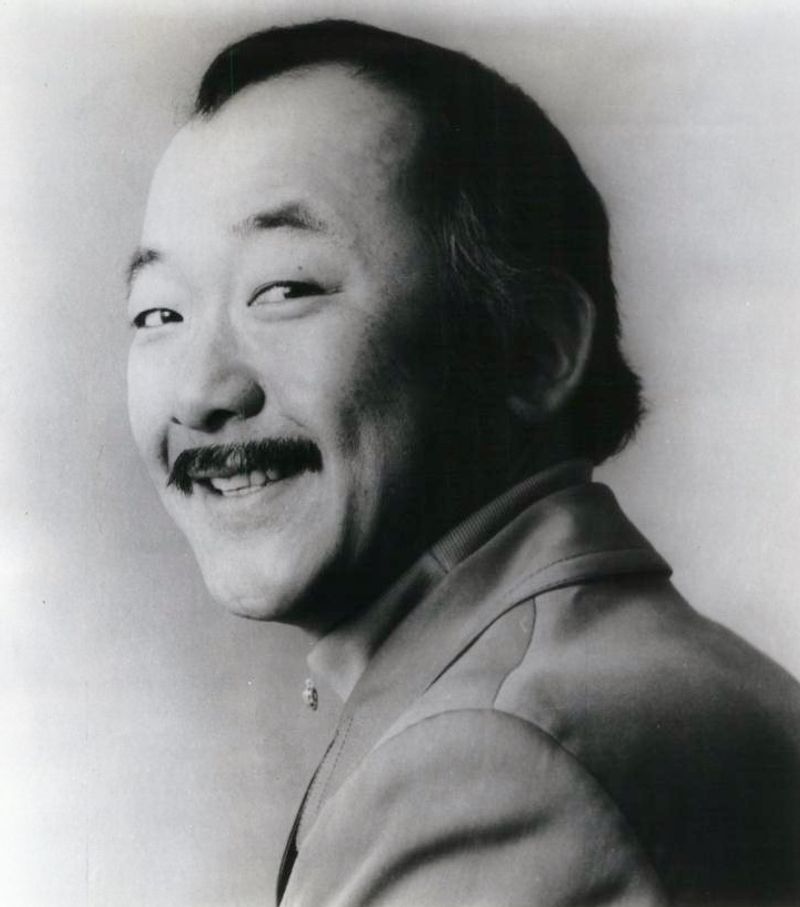
Pat Morita transformed a supporting role into pure movie magic with his portrayal of the wise karate master.
His Academy Award nomination wasn’t just Hollywood politics – it recognized how he balanced humor with heartbreak, making Mr. Miyagi feel like everyone’s favorite wise uncle.
From catching flies with chopsticks to sharing stories about his late wife, Morita brought layers to a character that could’ve been a stereotype.
Instead, he created an icon who still inspires mentors everywhere!
2. The Iconic Training Montage Magic
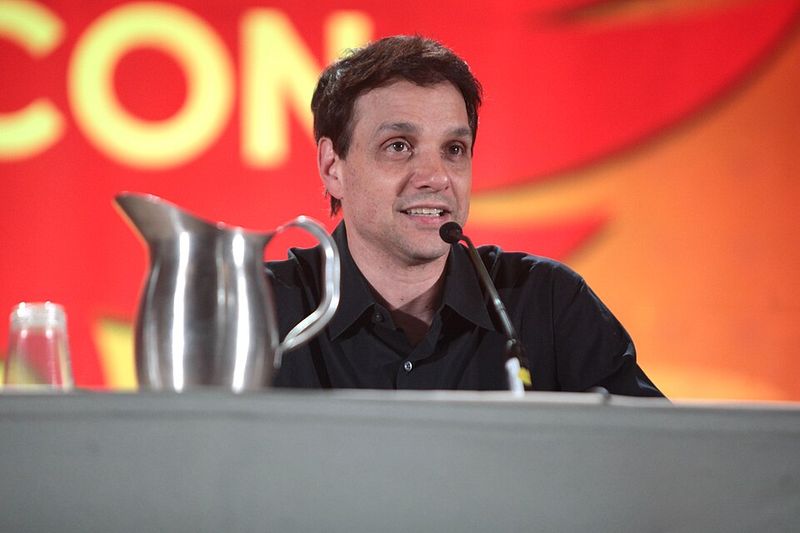
Joe Esposito’s You’re the Best pumping through speakers while Daniel kicks, punches, and sweats his way to greatness?
That’s cinema gold right there!
This montage became the blueprint for every sports movie that followed, proving you can condense weeks of hard work into three glorious minutes.
Watching Daniel transform from clumsy beginner to confident competitor still gives viewers goosebumps decades later, making it one of the most replayed sequences in film history!
3. Cultural Impact That Kicked Through Generations

How many movies get their catchphrases quoted forty years later at parties, gyms, and random Tuesday afternoons?
Wax on, wax off became shorthand for hidden wisdom in everyday tasks.
The crane kick inspired playground reenactments worldwide, and suddenly every kid wanted to learn karate!
This film didn’t just entertain – it embedded itself into the cultural DNA, spawning sequels, a reboot, and even the wildly successful Cobra Kai series that proves its legacy refuses to fade!
4. Johnny Lawrence’s Unexpected Depth
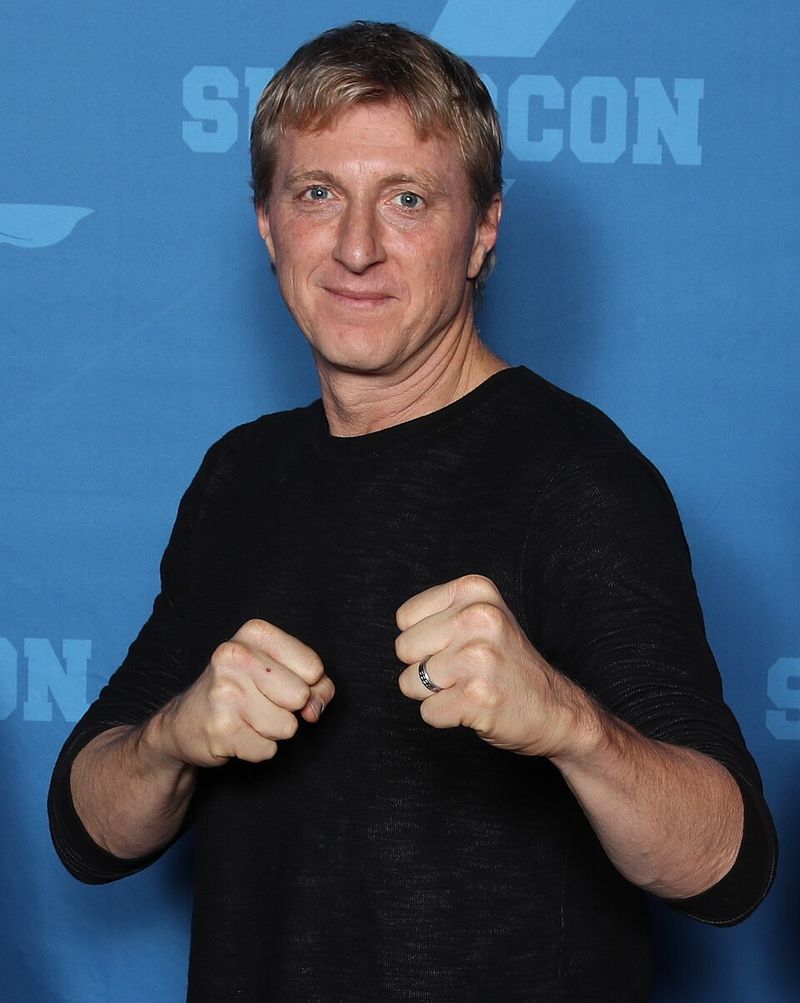
Sure, Johnny starts as the classic blonde bully with the scary sensei, but there’s more brewing beneath that Cobra Kai gi.
Cobra Kai the series later revealed what sharp-eyed viewers suspected – Johnny wasn’t born mean, he was molded by toxic mentorship.
Even in the original film, moments of hesitation and conflict flash across his face, hinting at the complex character who’d eventually get his own redemption arc and steal hearts three decades later!
5. Authentic Martial Arts Choreography
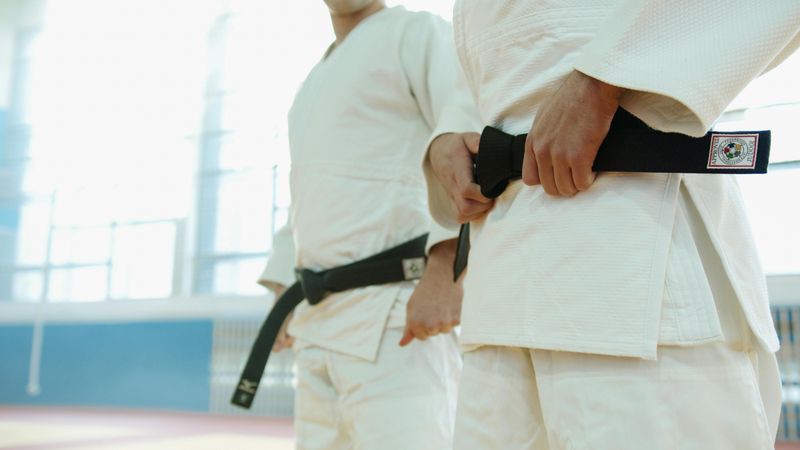
Real-life martial artist Pat E. Johnson brought legitimate technique to every punch, kick, and block in the film.
Unlike movies where fight scenes look like chaotic flailing, Johnson’s choreography respects actual karate forms and movements.
This authenticity helped the film resonate with martial arts practitioners while still remaining accessible to casual viewers who couldn’t tell a front kick from a side kick.
6. John Kreese: Villainy Done Right
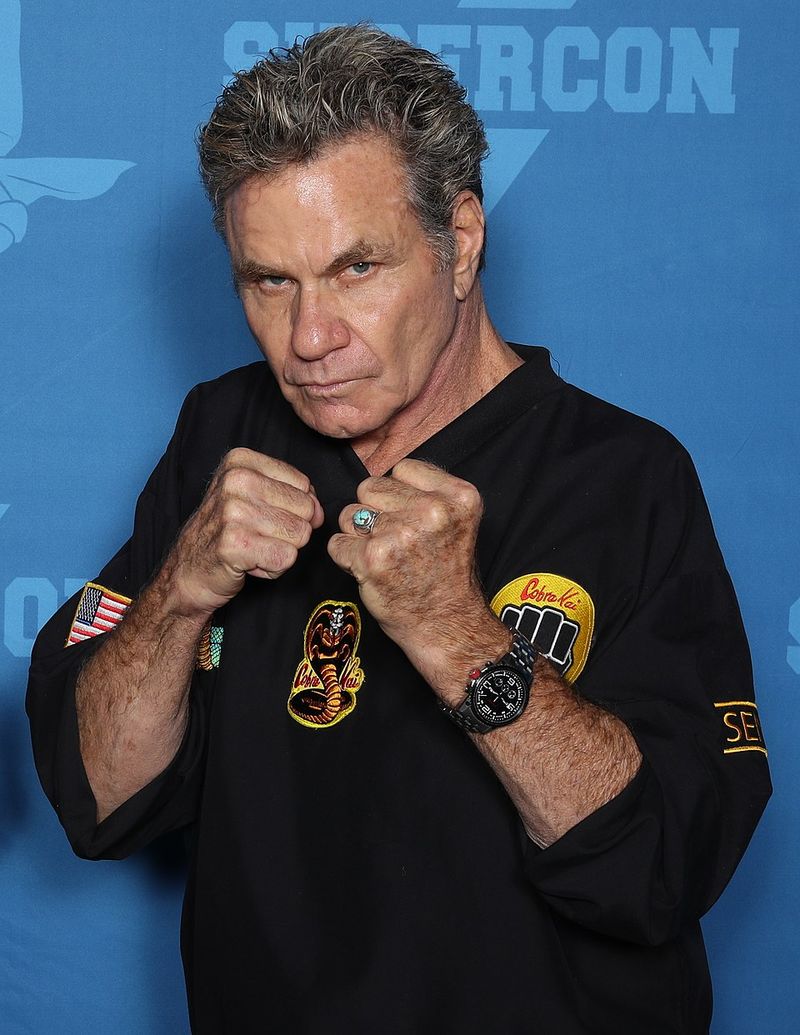
Martin Kove’s portrayal of the Cobra Kai sensei gave us a villain you love to hate with every fiber of your being.
Kreese doesn’t just teach karate – he weaponizes insecurity, turning vulnerable teens into aggressive fighters with his no mercy philosophy.
His intimidating presence and manipulative tactics create genuine tension, making every scene he appears in crackle with danger.
7. Daniel’s Relatable Underdog Journey

Ralph Macchio captured the universal experience of being the new kid who doesn’t fit in anywhere.
Moving to California, getting bullied, crushing on the popular girl – Daniel’s struggles feel real because they mirror challenges countless teens face.
His transformation isn’t about becoming a superhero; it’s about finding confidence and standing up for himself.
8. The Timeless Mentor-Student Bond

Beyond the karate and tournaments, the heart of this film beats in the relationship between Daniel and Mr. Miyagi.
Their bond transcends martial arts instruction – it’s about a lonely kid finding a father figure and an isolated man rediscovering purpose.
When Mr. Miyagi shares his pain about his late wife and child, the film shifts from sports movie to something deeper and more touching.
1. Lucille LaRusso’s Wasted Potential

Randee Heller brought warmth and strength to Daniel’s single mother, but the script barely gave her room to breathe.
Lucille uprooted her life for a job opportunity, raised her son alone, and navigated new challenges – that’s compelling stuff that deserved more exploration!
Instead, she gets relegated to brief concerned-mom moments and disappears when the plot focuses on karate.
Imagine how much richer the story would’ve been if we’d seen her own struggles and triumphs alongside Daniel’s journey!
2. The Romance That Distracts

Daniel and Ali’s relationship has its sweet moments, but it frequently hijacks the main narrative momentum.
Just when the story builds steam around karate training or the Cobra Kai conflict, we detour into teenage romance drama that feels disconnected.
Ali herself deserved better character development beyond being the pretty prize that motivates our hero.
The romance isn’t bad – it’s just overemphasized at the expense of more interesting plot threads that could’ve used that precious screen time instead!
3. One-Dimensional Cobra Kai Bullies
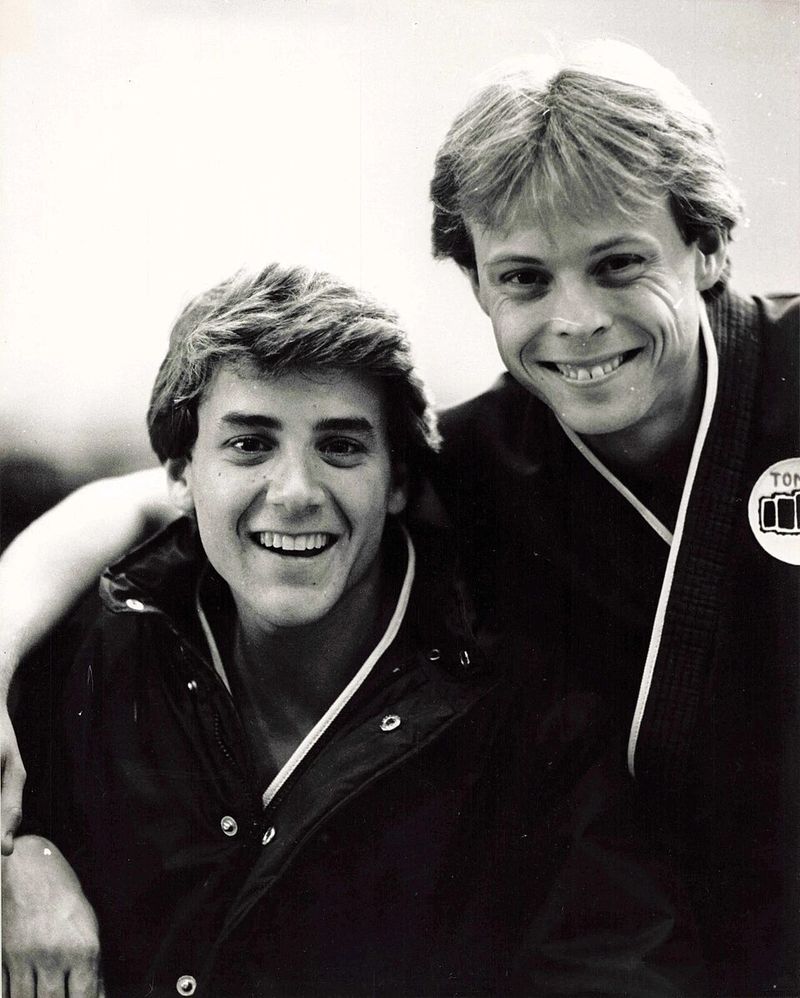
Besides Johnny’s glimpses of depth, the other Cobra Kai students are cardboard cutouts labeled mean, meaner, and meanest.
They exist solely to terrorize Daniel, lacking personalities, backstories, or motivations beyond following Kreese’s orders like karate-chopping robots.
Bobby shows brief remorse before injuring Daniel, but that’s a crumb of characterization in a desert of stereotypical bully behavior.
Richer villain development would’ve elevated the conflict and made the tournament victories feel more complex and satisfying for audiences!
4. That Wildly Unrealistic Tournament Finale
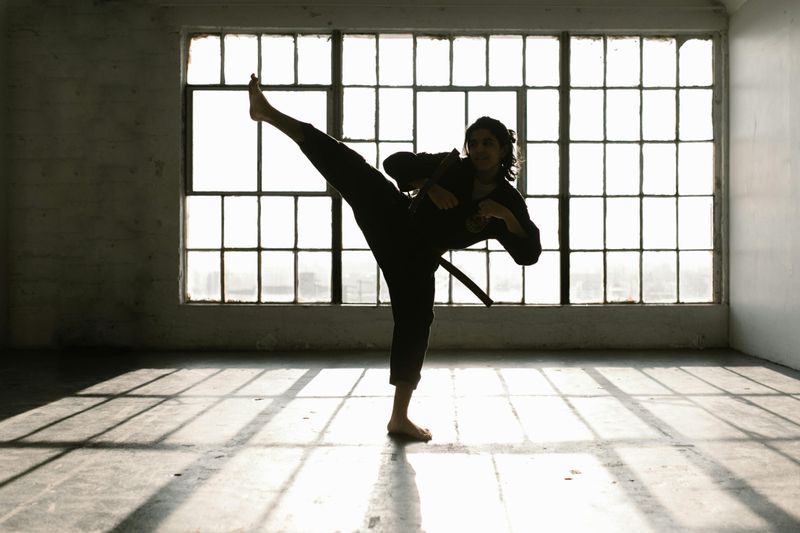
Daniel gets his leg deliberately injured, can barely stand, yet somehow executes a perfect crane kick to win the championship? Come on!
Martial arts practitioners watching this scene probably threw popcorn at their screens.
The final match sacrifices believability for dramatic effect, asking audiences to suspend disbelief past the breaking point.
While cinematically exciting, the sequence undermines the film’s earlier emphasis on authentic technique and discipline, choosing Hollywood magic over realistic consequences that would’ve made more sense!