14 Keanu Reeves Action Movies That Shaped His Action Career
Calm energy, awkward charm, and a perfectly timed “whoa” somehow turned into action-movie magic. Keanu Reeves never chased toughness, he just showed up, meant it, and let the chaos happen around him.
These fourteen films explain how being sincere, slightly baffled, and very committed became the coolest action style imaginable.
Note: Information in this article reflects widely documented film credits, release details, and publicly available production history compiled for general informational and entertainment purposes. Interpretations of performance impact and cultural influence reflect commonly reported critical perspectives and are not definitive rankings.
14. The Matrix (1999)

Red pill or blue pill hangs in the air as a question that refuses to fade. Choice sparked endless midnight debates and positioned Reeves as the defining face of millennial sci fi action.
From cubicle routine to reality bending hero, Neo’s rise carried wire fu to Western audiences with a mix of spectacle and philosophy that felt entirely new. Slow-motion action choreography turned into a signature move every playground tried to imitate.
Leather coats vanished from store racks, phone booths gained mythic status, and action cinema suddenly needed kung fu choreographers standing beside philosophy professors on set.
13. John Wick (2014)
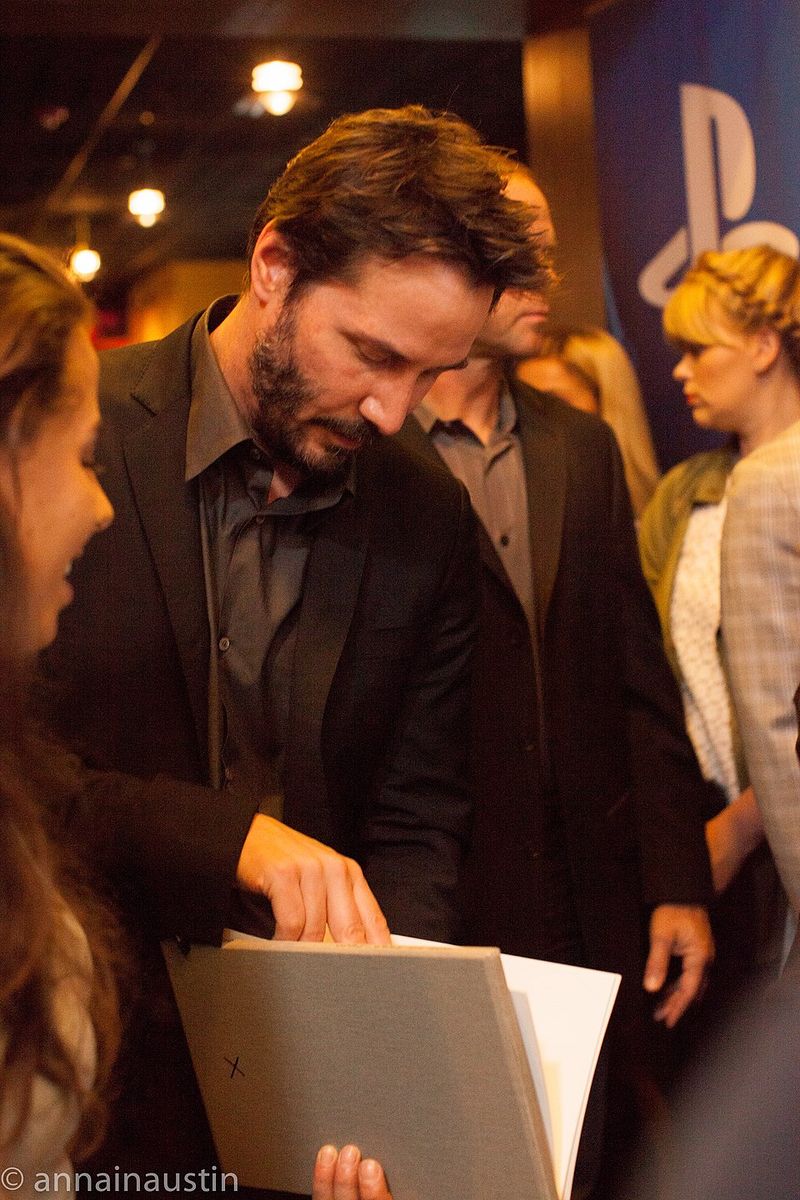
Nobody expected a revenge tale about a stolen car and a puppy to reinvent action cinema. Yet here came Wick, grief-stricken and unstoppable, turning every hallway into a ballet of precision combat choreography that made audiences forget to breathe.
The fight scenes felt like watching a master craftsman at work.
Every reload mattered, every movement had purpose, and Reeves trained so hard the stunt team struggled to keep up. This wasn’t just a comeback; it was a masterclass in how physical commitment transforms good action into legendary sequences that spawn entire franchises.
12. Speed (1994)
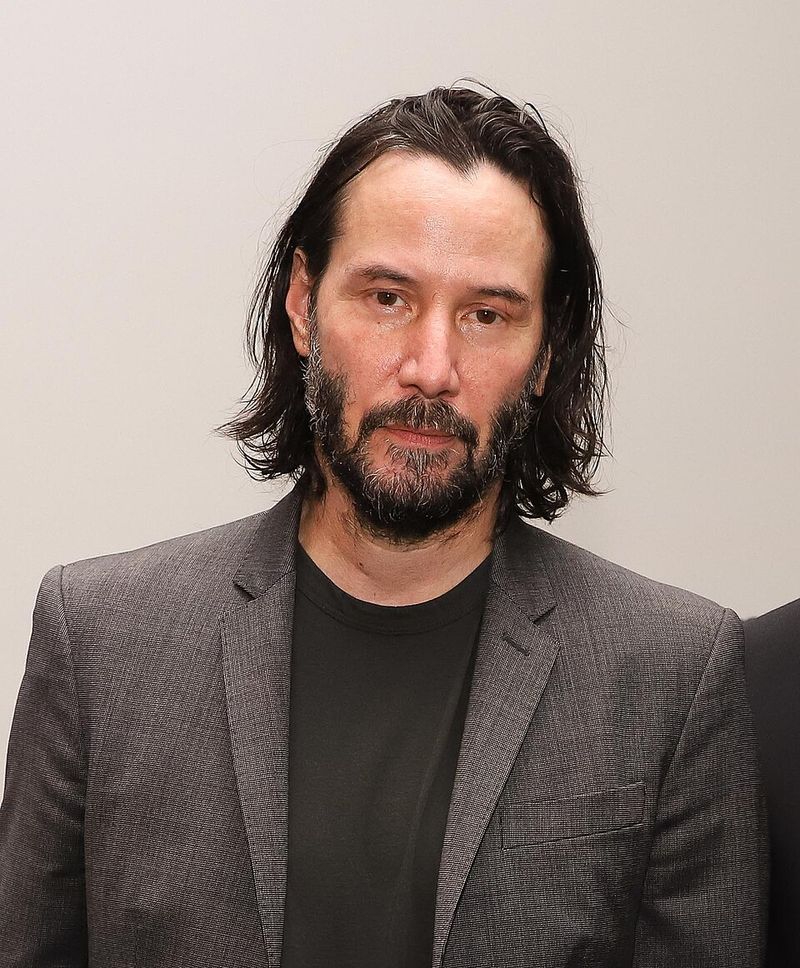
The film opens with an instantly memorable challenge built on immediacy and nerves. Dropping below fifty miles per hour turns a city bus into a rolling pressure test, giving Reeves room to anchor a massive summer thriller through calm focus and fast decisions.
Cool control defines Jack Traven as Los Angeles traffic morphs into a high stakes obstacle course with zero margin for error.
Pure adrenaline and a ticking clock strip action down to essentials, letting momentum do all the talking.
With Sandra Bullock driving, Dennis Hopper sneering, and Reeves grounding chaos as an everyman hero, the film locked in action credibility before digital effects took over everything.
11. Point Break (1991)
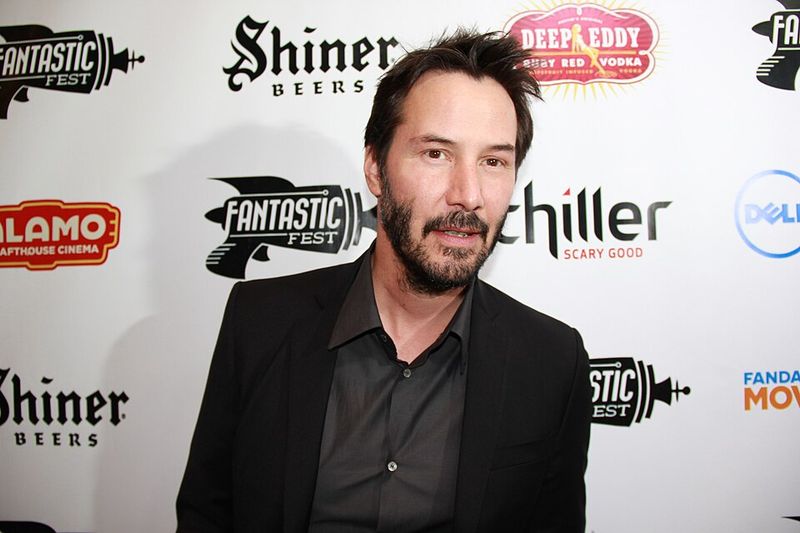
Surfing bank robbers wearing presidential masks shouldn’t work this well.
Johnny Utah traded his Ohio State football glory for an FBI badge and a wetsuit, diving into a world where adrenaline junkies pulled heists between perfect waves.
The chemistry between Reeves and Patrick Swayze turned every scene into a clash of philosophies wrapped in skydiving stunts and foot chases through suburban backyards. Kathryn Bigelow directed action that felt visceral and grounded, giving Reeves the blueprint for playing intense, committed characters who earn their hero status through sweat and sacrifice.
10. John Wick: Chapter 4 (2023)

The Wick saga reached its most ambitious scale yet, stretching from Osaka to Paris with set pieces that felt like stylized action sequences framed by neon-lit visuals.
Reeves, now in his late fifties, delivered fight choreography that would exhaust actors half his age.
The staircase scene alone became instant legend, proving that practical stunts and relentless training still beat green screens every time. This chapter solidified the franchise as a modern action benchmark, with Reeves as the tireless center holding together a universe where the character’s reputation shapes the world around him.
9. The Matrix Reloaded (2003)

Upgraded powers arrived alongside a highway chase that reset expectations for blockbuster spectacle.
Months of work went into a freeway sequence that required constructing an entire road simply to destroy it properly, complete with flipping semi trucks and Ducatis threading through carefully controlled digital chaos. Philosophy sparked debate among critics.
Ending arguments filled theaters, yet scale was never in doubt as action balance held steady through wire work, martial arts, and green screen environments, keeping a journey rooted in genuine emotion beneath waves of ones and zeros flying across the screen.
8. The Matrix Revolutions (2003)

The trilogy concluded with war-scale battles that pitted humans against endless waves of sentinels in a final stand for survival.
Neo’s arc reached its climax in a rain-soaked showdown with Agent Smith, cementing the character as a defining action hero of the early 2000s. The film polarized fans but delivered on spectacle, proving Reeves could anchor a franchise through its most ambitious and divisive chapter.
Love it or debate it, Revolutions completed a journey that changed how action movies approached both choreography and mythology, leaving an impact that echoes through superhero cinema today.
7. John Wick: Chapter 3 – Parabellum (2019)

Excommunicado status turned New York into a citywide pursuit, with every assassin suddenly actively pursuing him under established rules.
Action escalated further than ever as Parabellum raced from knife fights in antique weapon shops to motorcycle chases tearing through Brooklyn streets.
Training alongside Halle Berry and a pack of Belgian Malinois produced choreography where dogs became lethal partners, proving franchise staying power while relentless precision carried the sprint across rooftops and through glass atriums without any hint of slowing down.
6. John Wick: Chapter 2 (2017)
A blood oath pulled Wick back into the underworld he tried to leave, expanding the franchise’s mythology with the Continental, the High Table, and a global network of operatives operating by strict codes.
Rome became the backdrop for catacombs turned into shooting galleries and mirror-hall showdowns that multiplied the mayhem.
Chapter 2 proved the first film wasn’t a fluke, giving Reeves a durable action identity that could sustain sequels without losing the tight choreography and world-building that made audiences fall for the character in the first place.
5. Constantine (2005)
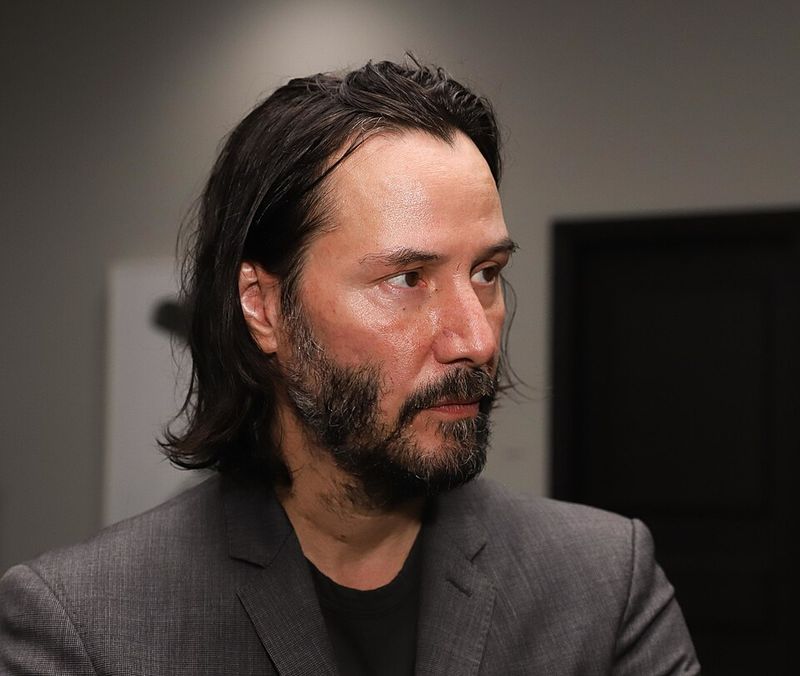
Moving through a supernatural Los Angeles, a world weary demon hunter faces unholy threats with ritualized weapons and an attitude far removed from Neo’s earnest idealism.
Noir textures mix with hellish action, opening space for a darker and more cynical kind of hero to take shape. Exorcisms step in for martial arts as combat leans into religious iconography and demonic possession rather than traditional gunplay.
Proof arrives that stylized action can thrive outside standard thrillers, adding supernatural combat to the résumé and stretching range well beyond leather coats and bullet time into trench coats and eternal damnation.
4. 47 Ronin (2013)
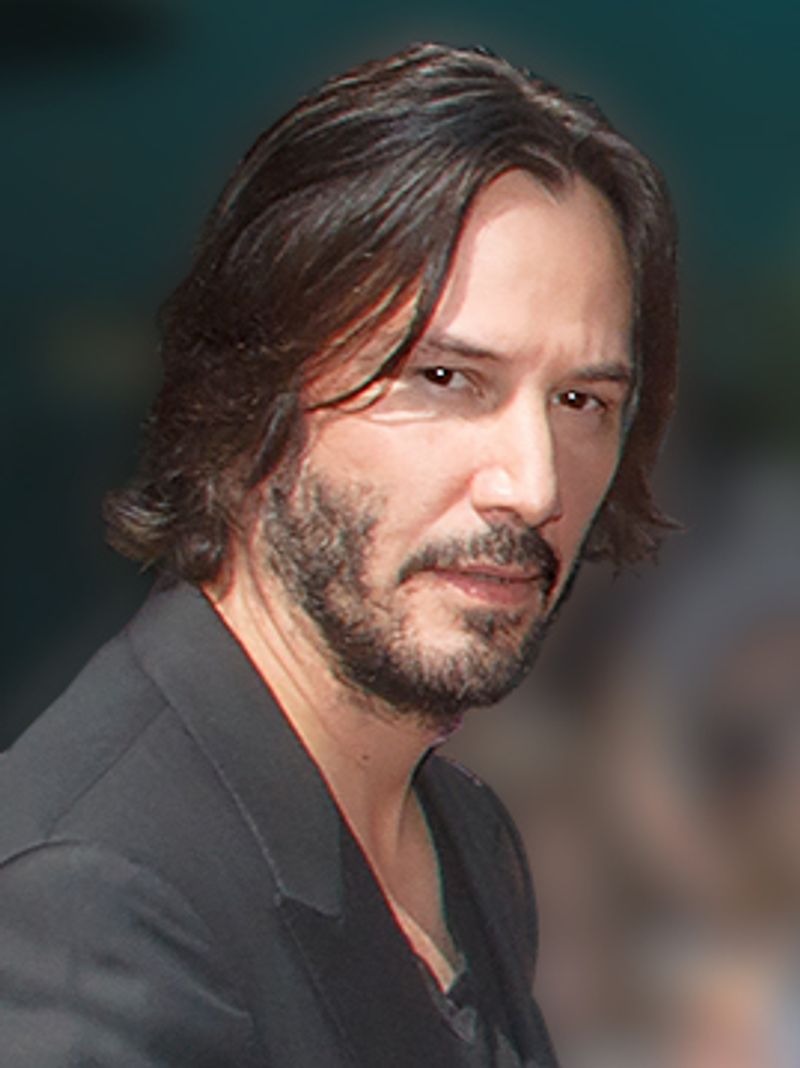
Feudal Japan becomes the backdrop as Kai joins a band of masterless samurai on a vengeance quest that blends historical legend with fantasy touches like witches, demons, and CGI beasts that failed to fully connect with audiences.
Box office struggles followed, yet swordplay and mythic scale expanded Reeves’ action repertoire in a noticeable way. Samurai honor codes take over from modern gun fu, while production design leans hard into Japanese folklore filtered through a distinctly Hollywood lens.
Willingness to headline unfamiliar action worlds comes through clearly, showing ambition even when final results fell short of that reach.
3. Street Kings (2008)
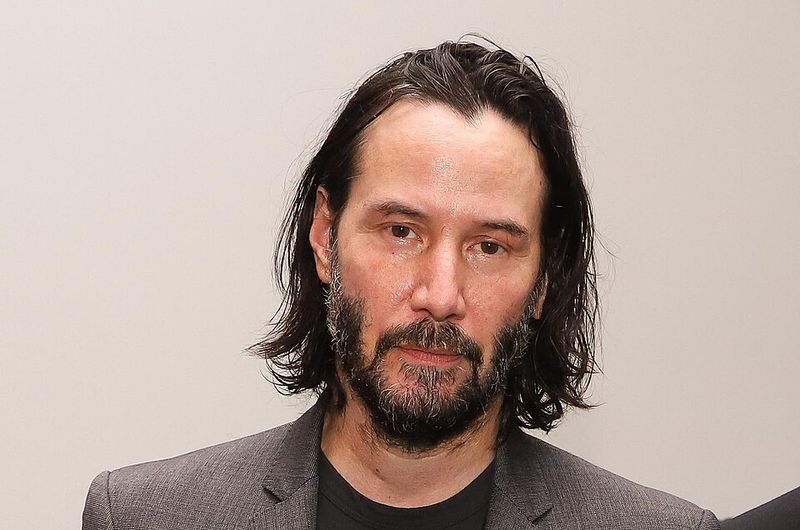
Detective Tom Ludlow walked the line between justice and corruption, navigating a morally gray LAPD where ethically compromised investigative methods.
The film offered gritty, street-level action between Reeves’ bigger franchise peaks, letting him play a harder-edged cop wrestling with conscience and consequence.
Confrontations felt raw and tense rather than stylized, grounding the violence in urban crime drama rather than operatic spectacle. Street Kings kept Reeves in the action lane during a quieter period, proving he could anchor tough, character-driven thrillers while waiting for the next era-defining role to come along.
2. Man Of Tai Chi (2013)
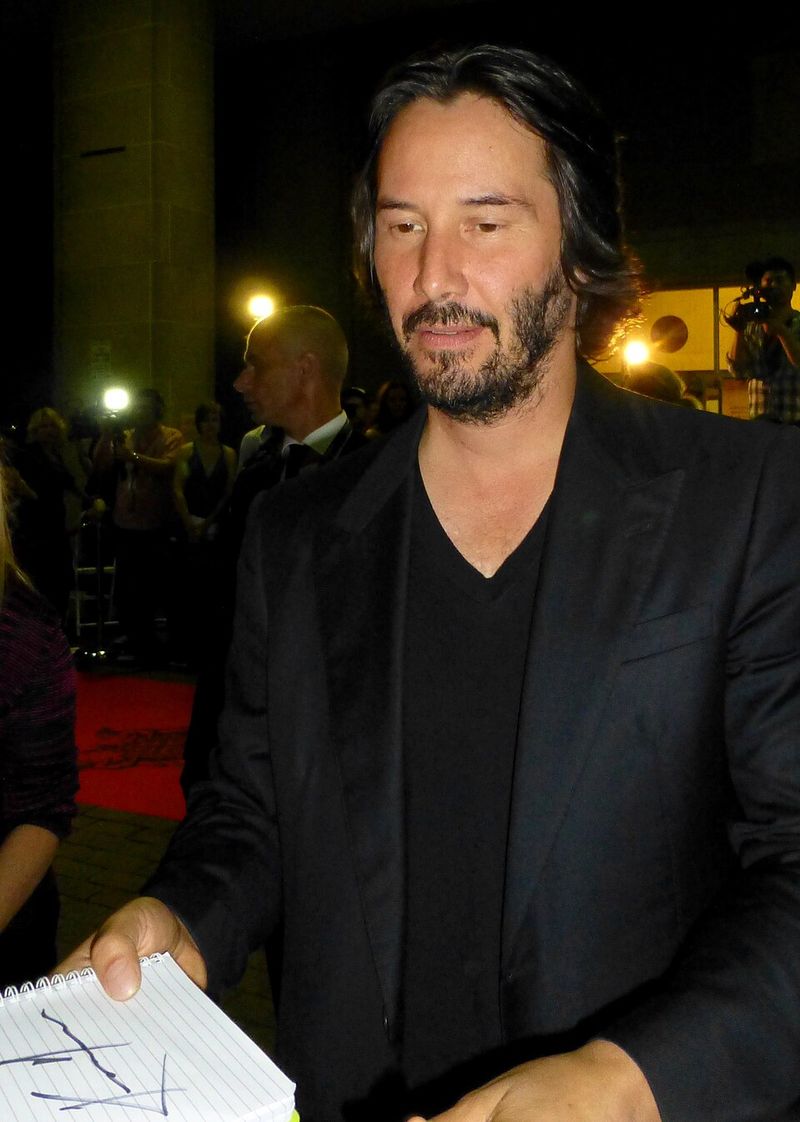
Stepping behind the camera marked a directorial debut through a martial arts thriller starring Tiger Chen and digging into corruption inside underground fight circuits.
Connection to fight cinema deepened beyond simply starring in action scenes. Years of training and stunt experience shaped every frame, delivering crisp choreography that honored Hong Kong traditions while introducing a personal sensibility.
Man of Tai Chi expanded the action career narrative, proving investment in the genre ran deeper than showing up on set and hitting marks.
1. Chain Reaction (1996)
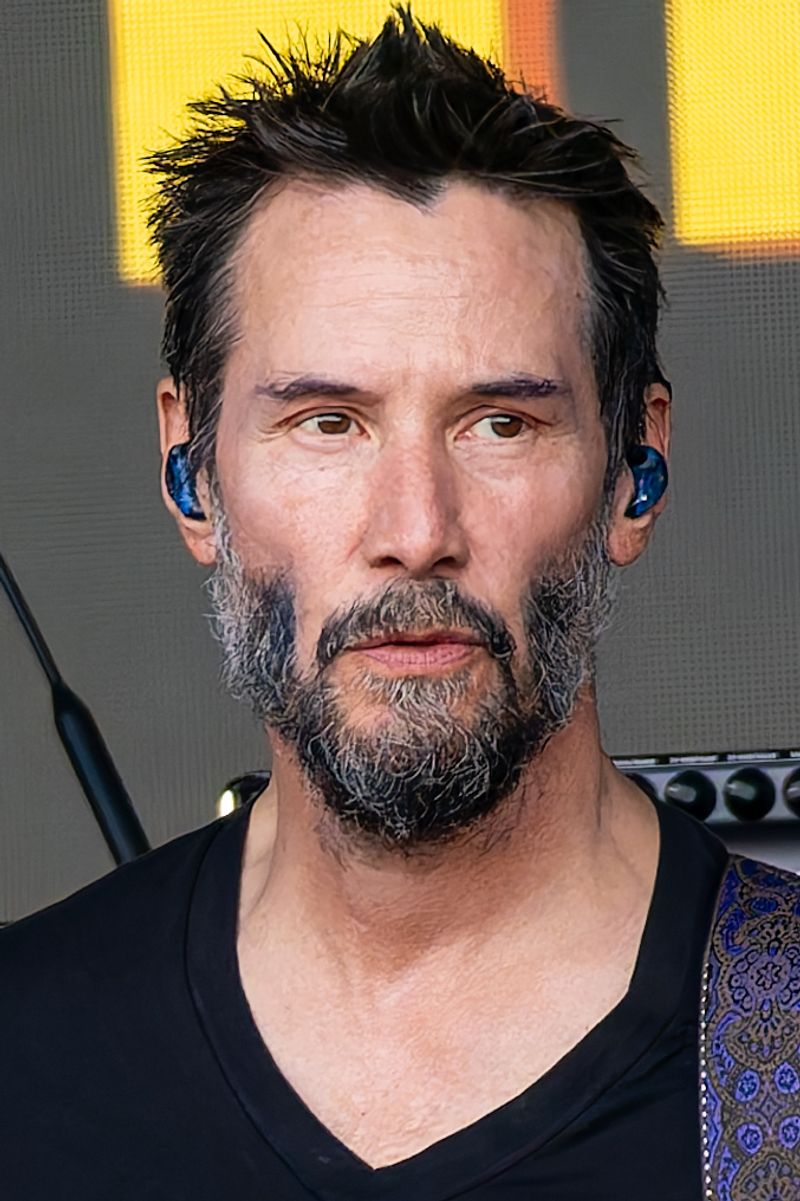
Eddie Kasalivich became a fugitive after a clean energy experiment malfunctioned and left him wrongly accused, launching a conspiracy thriller that mixed science fiction with chase sequences through Chicago.
The film arrived between Speed and The Matrix, keeping Reeves active in the mid-nineties action landscape.
Critics weren’t kind, but Chain Reaction served its purpose, bridging the gap between early thriller success and the era-defining franchises that would cement his legacy. Sometimes a career needs these stepping stones, keeping skills sharp and faces on posters while waiting for the next game-changer to arrive.