20 Key Differences Between The Harry Potter Books And Their Film Adaptations
The magical world of Harry Potter came alive on screen, but not everything from J.K. Rowling’s books made the final cut.
Filmmakers had to compress hundreds of pages into feature-length movies, which meant leaving out characters, scenes, and important plot points.
Some changes were small tweaks, while others completely reshaped how fans experienced the story.
Note: This feature is intended for general informational and entertainment purposes, reflecting commonly discussed book-to-film adaptation differences; details can be interpreted differently by readers and viewers, so consider revisiting the novels and films for full context.
20. Peeves Never Shows Up On Screen
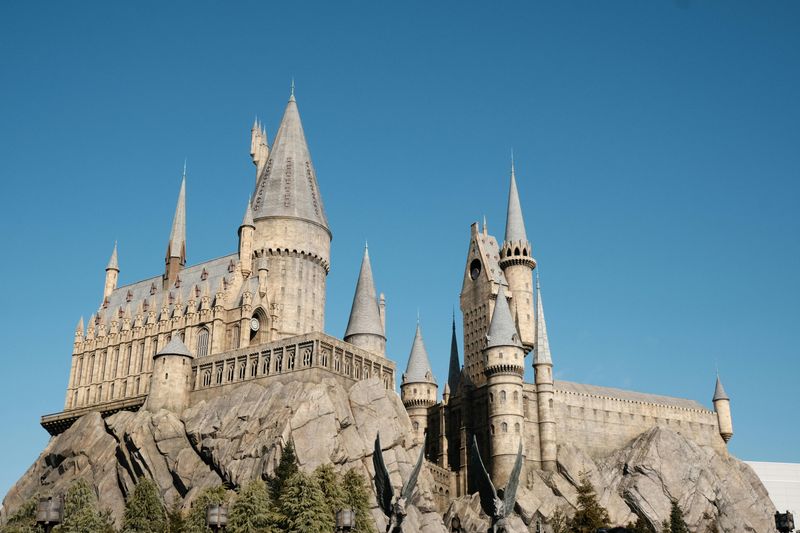
Hogwarts feels less chaotic without its resident poltergeist causing mischief in every hallway. The books use Peeves as constant comic relief, dropping water balloons on students and tormenting Filch at every opportunity.
Filmmakers decided to cut him entirely, probably to save time and special effects budget.
Fans missed out on his signature pranks and the way he added lighthearted chaos between darker moments.
Going a full school year without that brand of chaos changes Hogwarts’ vibe.
19. The Logic Puzzle Protecting The Stone Disappears

Hermione gets to shine with her logical mind when the trio faces a potion riddle in the first book.
Seven bottles stand in a line, and only one lets you move forward while another lets you go back safely. The film skips this entire sequence, jumping straight from the chess game to Harry facing Quirrell alone.
Losing this moment means losing one of Hermione’s coolest problem-solving scenes.
Sometimes the best magic is just using your brain during a crisis, like figuring out which study guide actually helps before finals.
18. Nearly Headless Nick’s Ghost Party Gets Cut
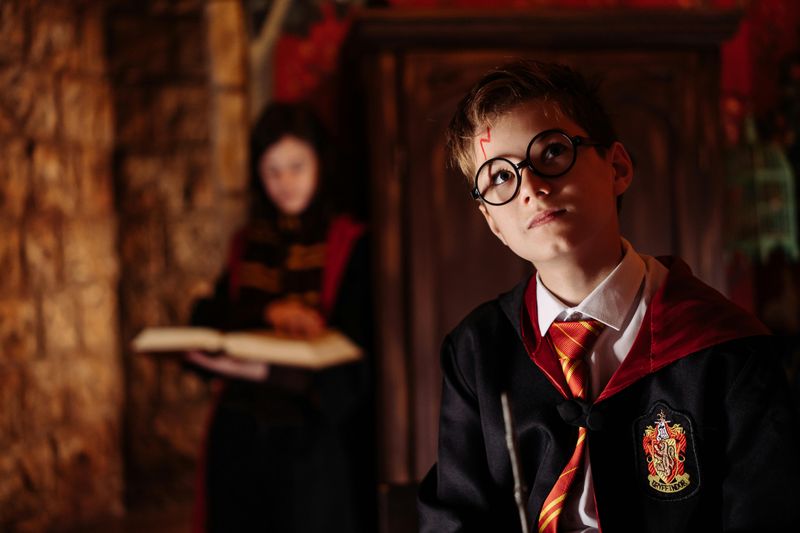
Chamber of Secrets includes an entire chapter where Harry attends a Deathday Party for Nearly Headless Nick’s 500th death anniversary.
Ghosts float through rotten food, and the whole atmosphere feels eerie and fascinating.
The movie skips this completely, which means we miss out on learning more about Hogwarts’ ghostly residents and their afterlife traditions. Harry’s choice to attend this party instead of the Halloween feast also shows his loyalty to Nick.
Picture choosing your friend’s weird family reunion over the best buffet of the year.
17. Who The Marauders Really Are Stays Vague
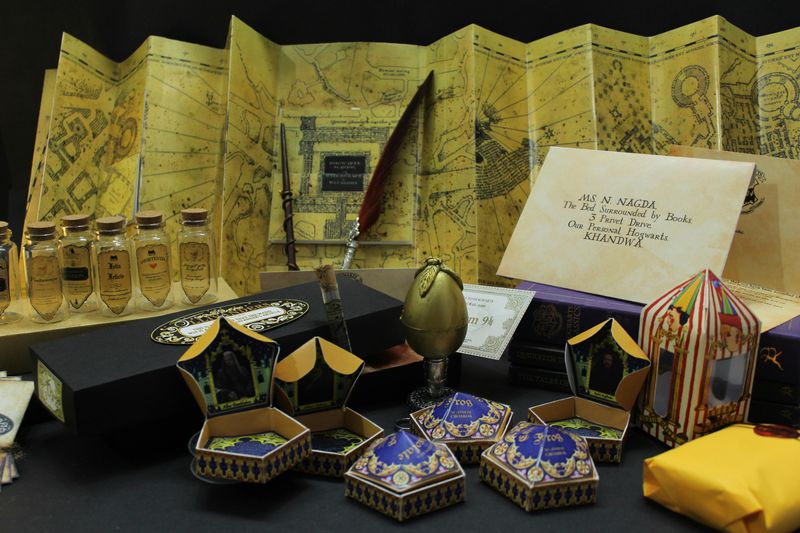
Significant pages within the third book explain that a man named James and his three best friends became Animagi to support a werewolf during full moons. Collaborative efforts led to the creation of a magical map featuring nicknames like Moony and Padfoot that directly connect to their secret animal forms.
Cinematic versions mention this enchanted map but unfortunately never explain the rich backstory of the four friends who invented the device.
Viewers who only watched the movies might fail to grasp why these deep personal connections matter so much to the overall plot.
16. The Firebolt Arrives At A Different Time

Book readers remember the tension when Harry receives the mysterious Firebolt for Christmas.
Hermione reports it to McGonagall, fearing it might be cursed by Sirius, which creates a huge fight between her and Ron. This subplot builds suspense and tests their friendship for weeks.
The film pushes the Firebolt gift all the way to the end, removing that entire emotional conflict.
Timing really is everything, whether you’re receiving a magical broomstick or trying to apologize to a friend before it’s too late.
15. The Quidditch World Cup Match Never Happens
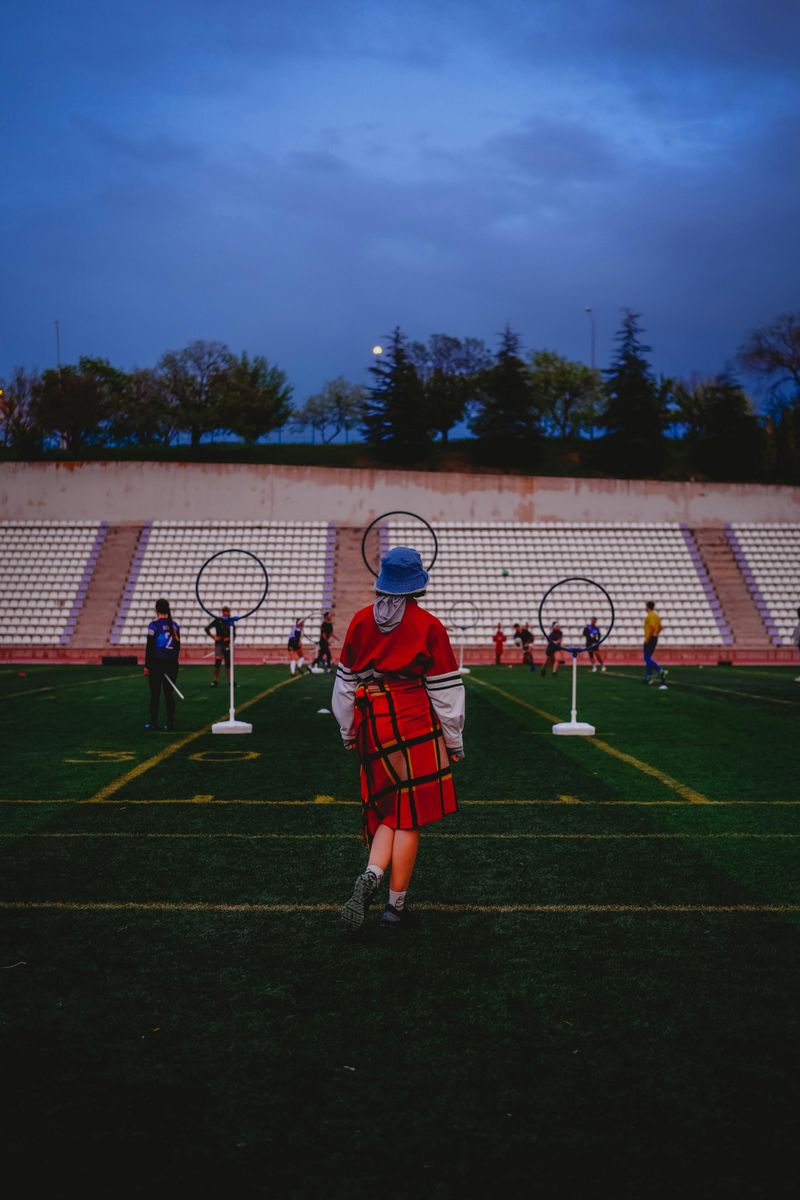
Anticipation for the World Cup final between Ireland and Bulgaria builds throughout the fourth book, featuring magical mascots and showers of leprechaun gold.
Thrilling details describe the match while showcasing the incredible seeker skills of a man named Viktor Krum even during a team defeat. Cinematic adaptations cut straight to the aftermath where dark wizards attack the campsite, leaving the actual sporting event entirely to the imagination.
Skipping the centerpiece of the magical sports world feels exactly like arriving at a championship party after someone already turned off the television.
14. The Triwizard Maze Loses Its Obstacles

In the book, Harry and Cedric face sphinx riddles, giant spiders, Blast-Ended Skrewts, and enchanted mist that turns them upside down inside the maze.
Each obstacle tests different skills and builds tension as they navigate toward the Cup.
The film simplifies everything into dark, moving hedges that grab people and a creepy atmosphere without much variety. Losing these challenges makes the final task feel less like a proper competition.
It’s similar to expecting an obstacle course but getting just a hedge maze at a fall festival.
13. Hermione’s House-Elf Campaign Vanishes Completely
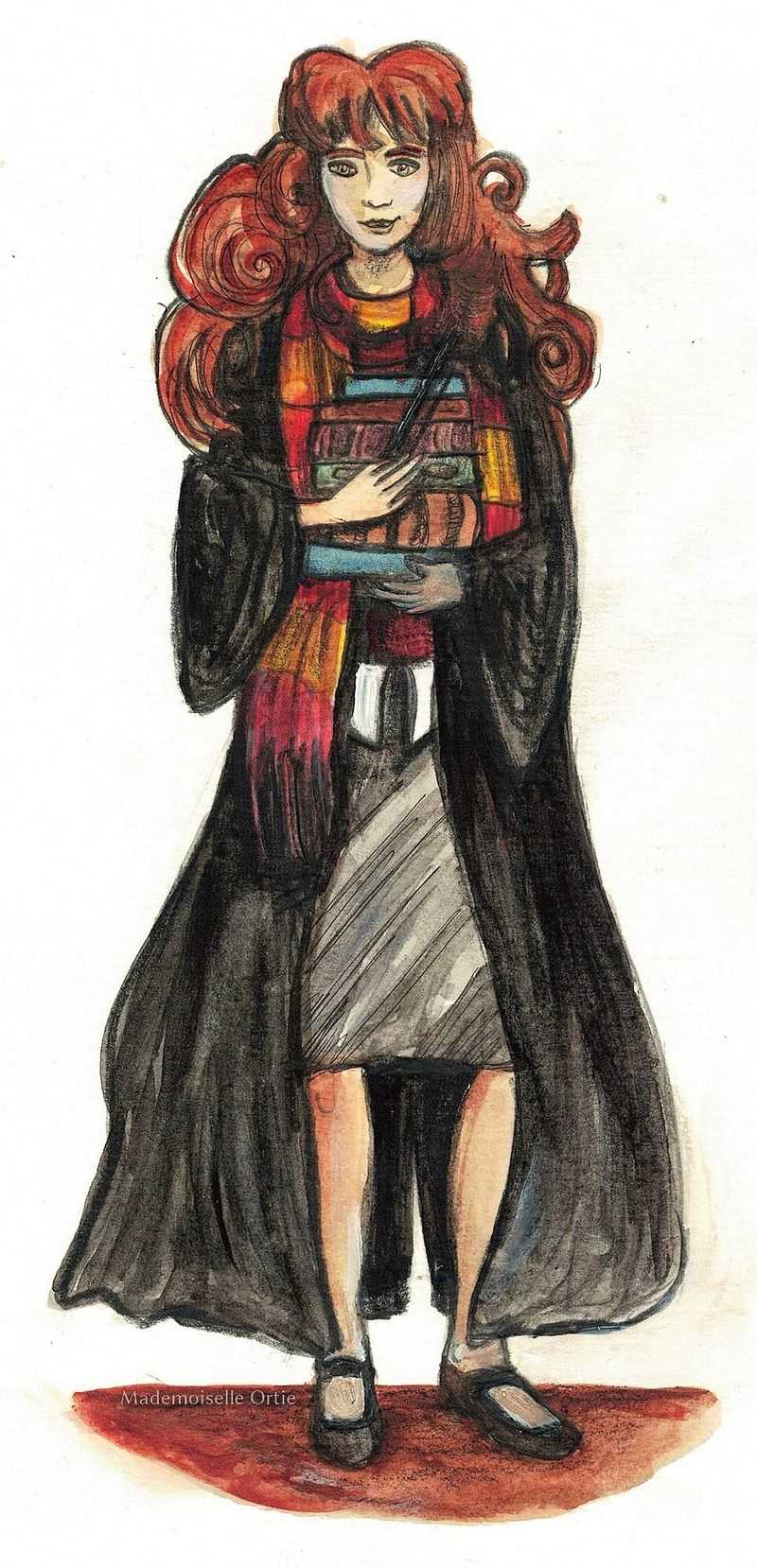
Advocacy for house-elf rights through an organization called S.P.E.W. serves as a primary focus for a girl named Hermione throughout the original books.
Knitting small hats and socks to hide around the common room allows this character to fight for justice while arguing with her peers about ethical treatment. Cinematic versions remove this entire subplot, which means the character loses a significant layer of her internal motivation and moral compass.
Every reader gains a better understanding of the complexities regarding wizarding society through these omitted chapters about domestic servitude.
12. The Person Who Betrays The D.A. Changes
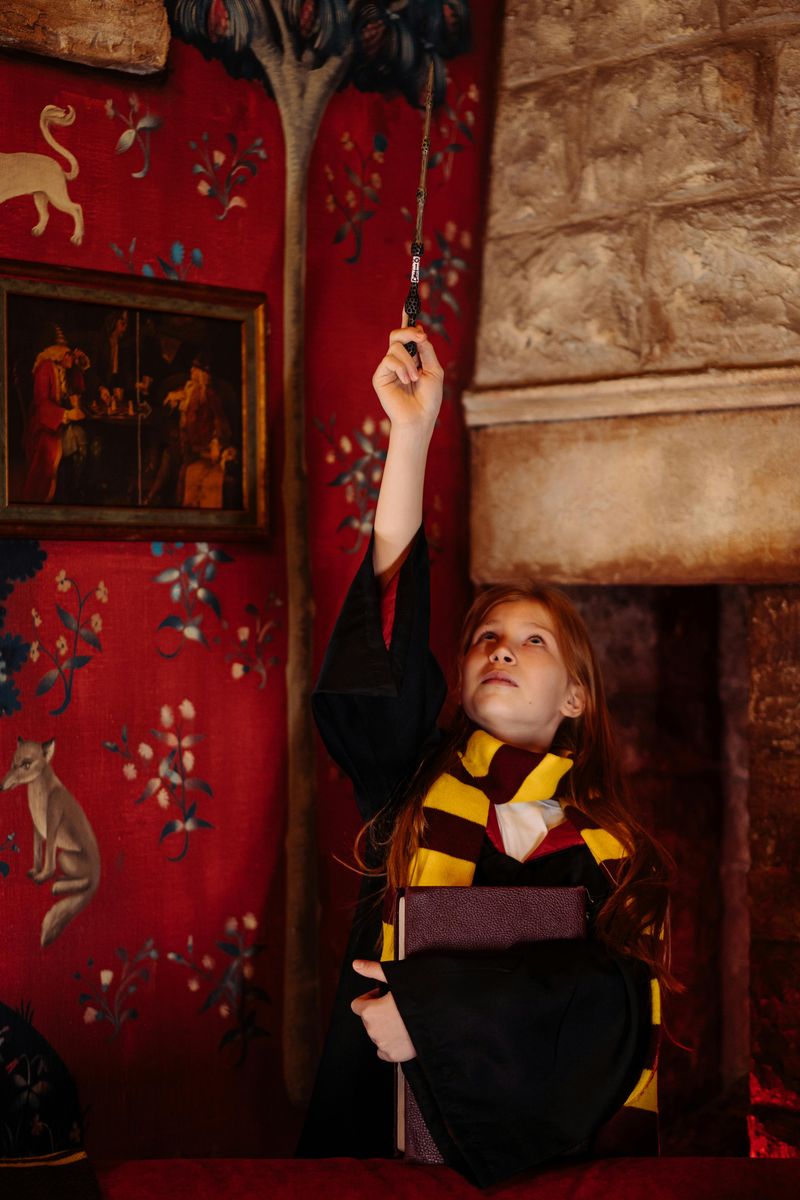
Order of the Phoenix reveals that Marietta Edgecombe, Cho’s friend, exposes Dumbledore’s Army to Umbridge.
Hermione’s jinx leaves the word “SNEAK” across Marietta’s face in purple pimples as punishment.
The film shifts this betrayal to Cho herself, making her act under the influence of Veritaserum instead. This change makes Cho look worse and removes the clever consequences of Hermione’s protective spell.
Your reputation can change fast depending on who tells the story at lunch.
11. St Mungo’s Hospital For Magical Maladies Gets Removed

The book includes an emotional visit to the wizarding hospital where Harry sees Neville visiting his parents, who were tortured into lasting psychological damage by Bellatrix.
They also run into Gilderoy Lockhart, still suffering from his backfired Memory Charm.
This scene deepens Neville’s backstory and adds weight to why he fights so hard against Death Eaters. The film drops the entire hospital sequence, losing crucial character development.
Sometimes the hardest battles are the ones that leave invisible scars you carry every single day.
10. The Full Prophecy Gets Shortened
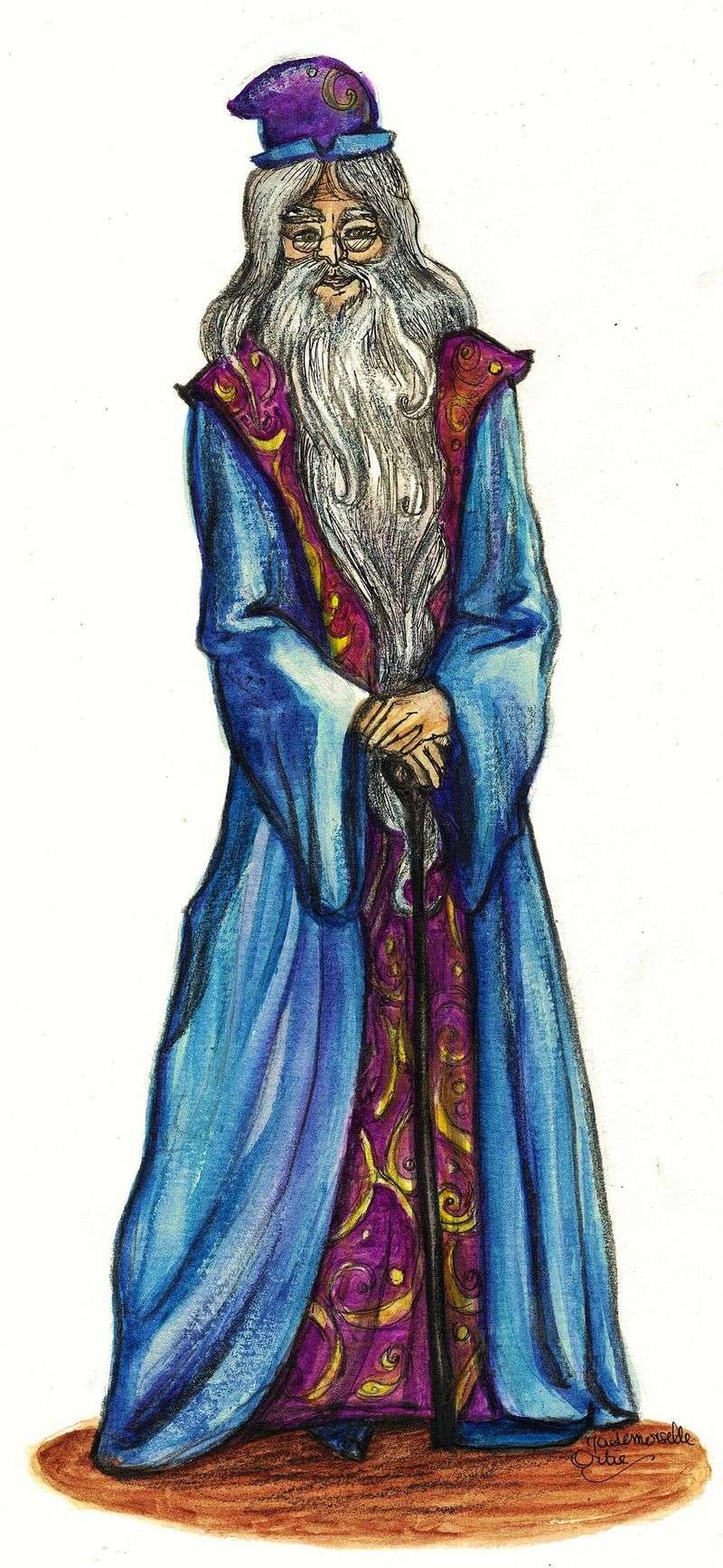
Explanations regarding the complete wording of the prophecy and its deep implications are provided by a man named Albus Dumbledore in much greater detail within the book. Discussions occur concerning how neither the young hero nor the dark lord could have avoided their connection once specific choices made the prophecy real.
Cinematic versions condense this crucial conversation significantly, which leaves out many important nuances about the power of fate versus the power of individual choice.
Understanding the underlying reasons for specific events helps much more than simply knowing that the events actually took place in the timeline.
9. Tom Riddle’s Background Gets Drastically Reduced
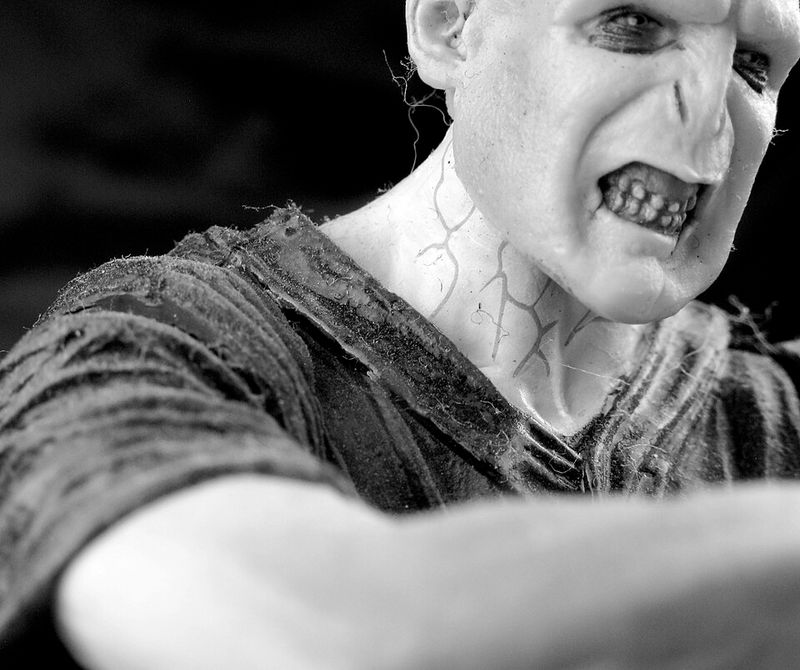
Half-Blood Prince dedicates multiple chapters to Dumbledore showing Harry memories of Voldemort’s childhood, his time at the orphanage, and his years at Hogwarts.
We learn about the Gaunt family, how he collected trophies from his victims, and his obsession with immortality.
The film keeps only a couple of these memories, cutting most of the Horcrux detective work. Missing this context makes it harder to understand what drives Voldemort.
Knowing someone’s origin story explains their choices better than any dramatic villain speech ever could.
8. An Attack On The Burrow Gets Invented
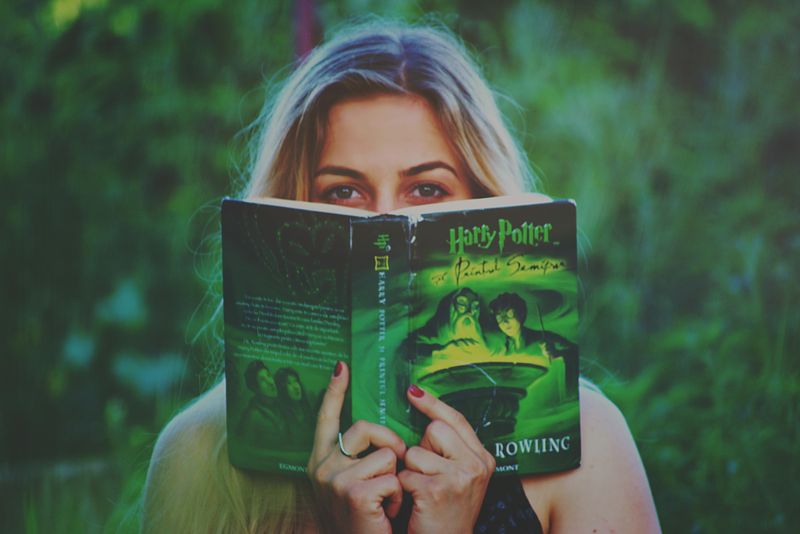
The Half-Blood Prince film creates a dramatic scene where Death Eaters attack the Weasley home, burning it down while Harry chases Bellatrix through the reeds.
This sequence never happens in the book at all.
While it adds visual excitement to the movie, it creates plot holes since the Burrow appears perfectly fine in Deathly Hallows. Inventing scenes can make things more cinematic but sometimes breaks the story’s internal logic.
Sometimes directors add extra drama like your friend exaggerating what actually happened at the mall.
7. Kreacher’s Change Of Heart Gets Compressed
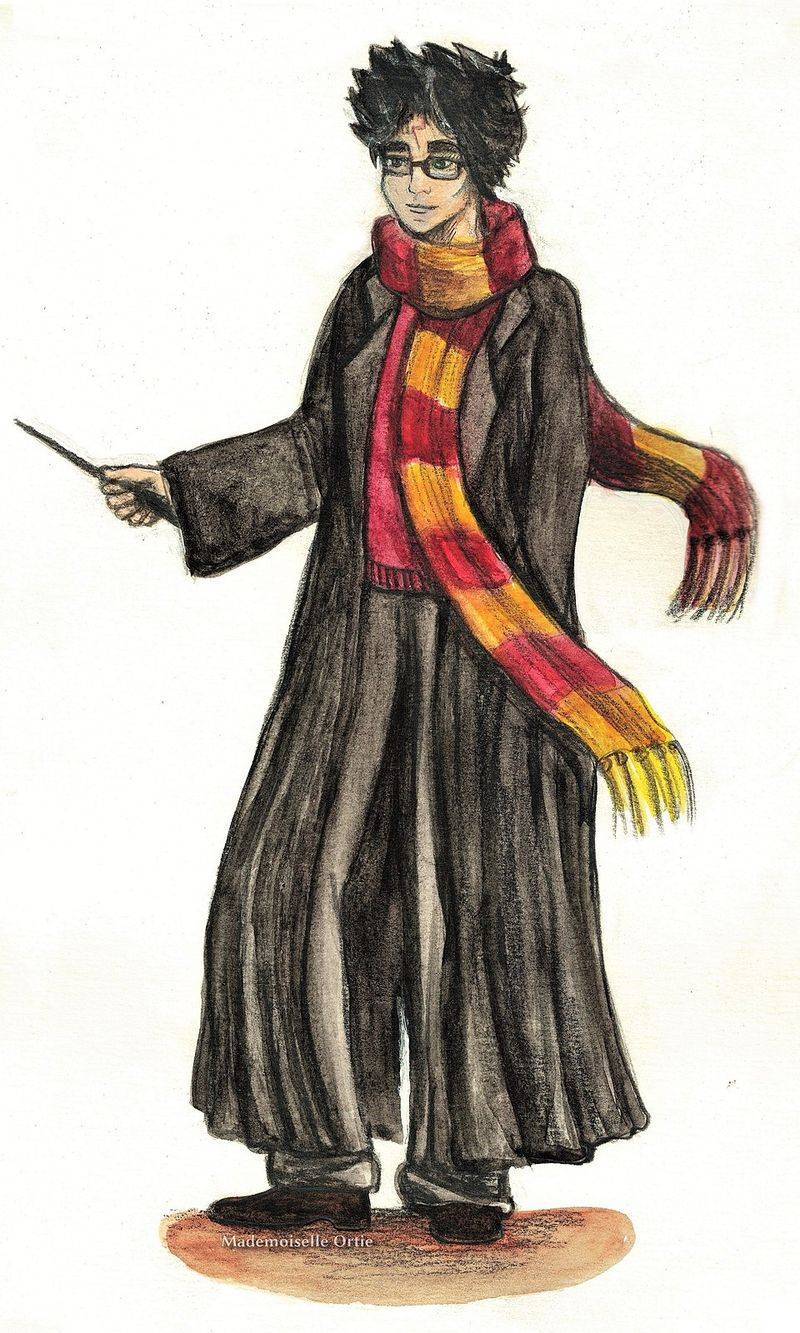
Kindness shown toward a house-elf named Kreacher transforms a bitter servant into a fierce ally during the final book. Gifting a locket belonging to a man named Regulus earns this devotion and leads to a heroic charge during the climactic battle.
Cinematic adaptations shorten this emotional development significantly to focus on fast action over gradual character growth. Every reader understands that small acts of compassion possess the power to alter a perspective entirely.
Treating others with genuine respect regardless of their social status remains a powerful message that defines the heart of the story.
6. Regulus Black’s Story Gets Streamlined
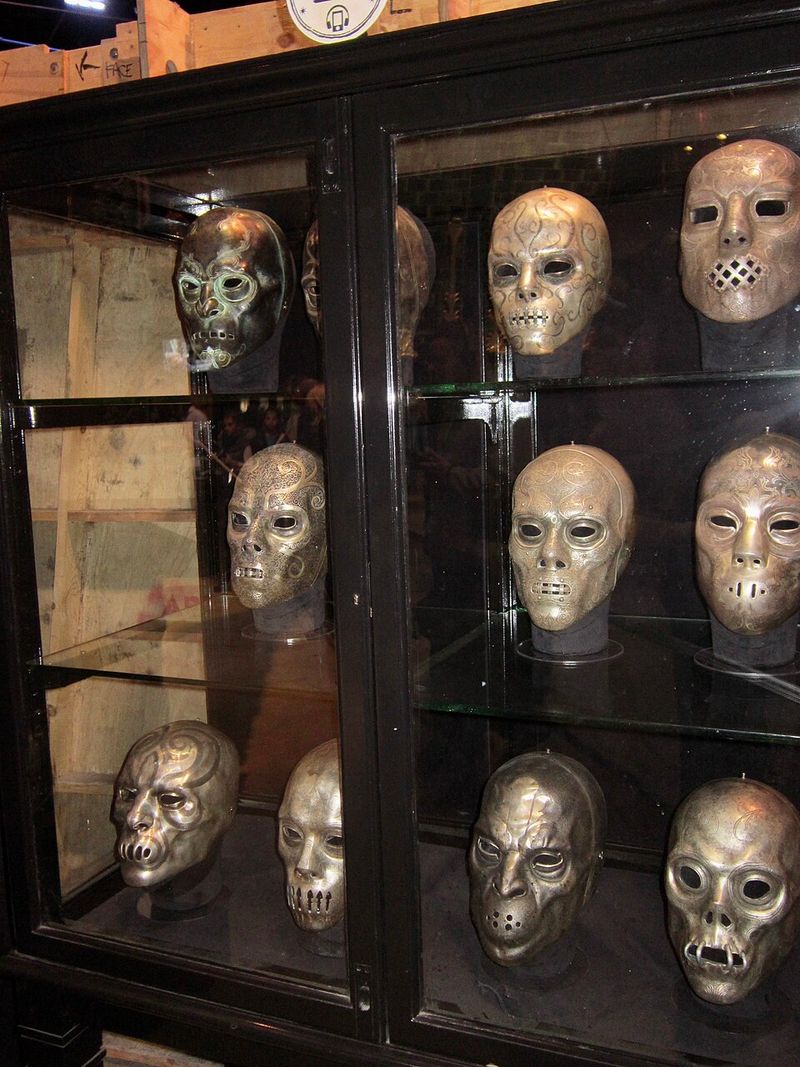
The book explores Regulus’s journey from Death Eater to hero in much greater depth, including how he discovered Voldemort’s Horcrux secret.
Kreacher’s firsthand account of Regulus’s sacrifice in the cave adds emotional weight to the locket hunt.
The film tightens this storyline considerably, giving viewers just the essential facts without the emotional buildup. Learning about Regulus shows that people can change their paths even when they’ve made terrible choices.
Redemption stories remind us that yesterday’s mistakes don’t have to define tomorrow’s actions.
5. Dumbledore’s Funeral Never Happens On Screen
Powerful funeral scenes at the end of the sixth book bring the entire magical community together to honor a man named Albus Dumbledore.
Centaurs shoot arrows into the sky and merpeople sing from the Great Lake while a boy named Harry realizes he must leave school. Cinematic versions skip this ceremony entirely to focus on the trio discussing their future plans on the Astronomy Tower.
Vital chances for the audience to properly grieve and honor the most important mentor figure vanish with this omitted scene. Formal goodbyes help every individual find closure and inner strength before moving forward into a dangerous future.
4. What Harry Does With The Elder Wand Changes
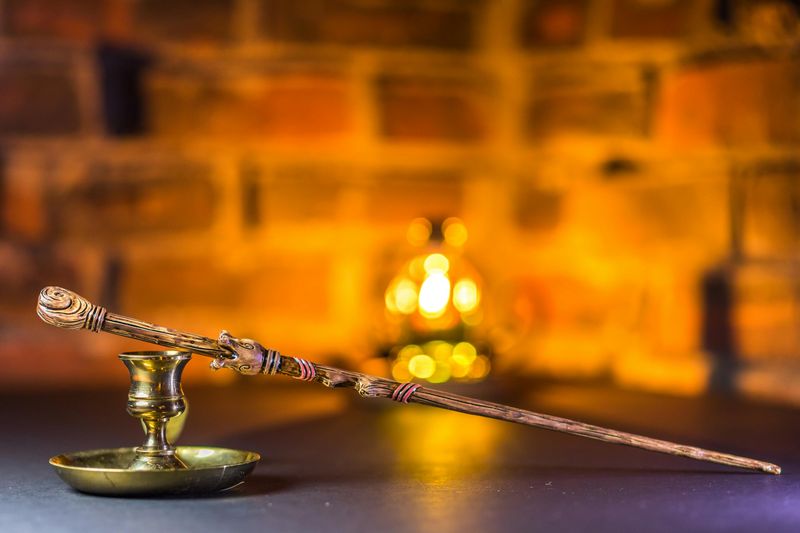
In the book, Harry uses the Elder Wand to repair his original phoenix feather wand, then returns the powerful wand to Dumbledore’s tomb.
He hopes that if he dies a natural death, the wand’s power will die with him.
The film shows Harry snapping the Elder Wand in half and throwing it off a bridge instead. This change makes for a dramatic visual moment but loses the thoughtful reasoning behind Harry’s original choice.
How you handle power says more about your character than having it in the first place.
3. Voldemort Dies In A Different Way
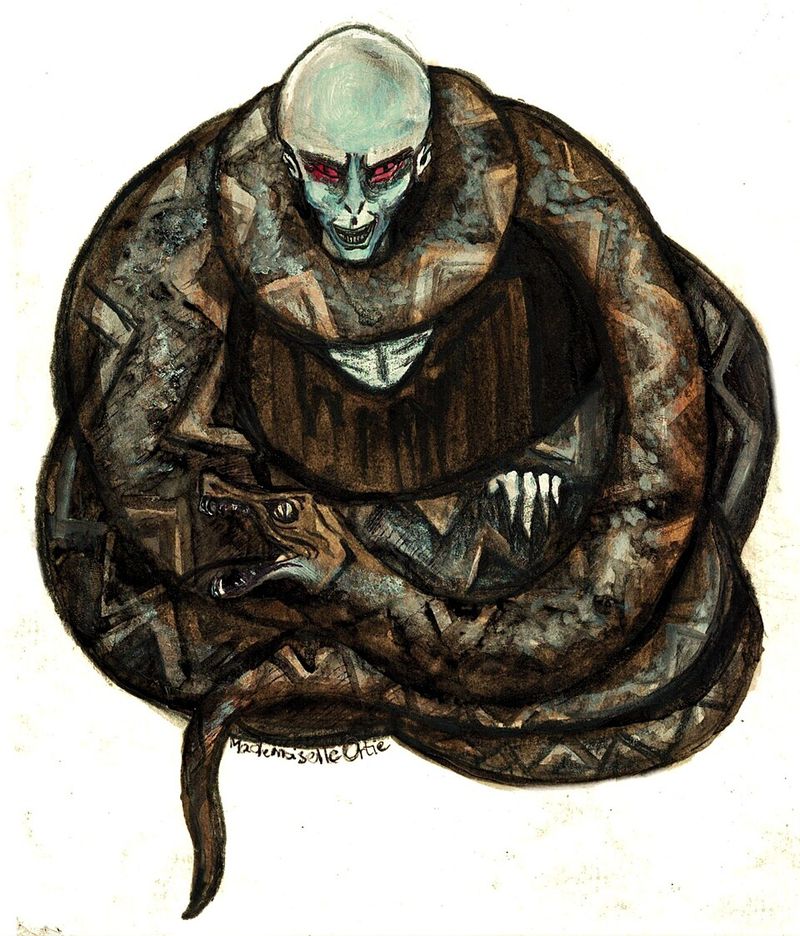
Descriptions within the final book depict a dark wizard named Voldemort falling like an ordinary person to prove he is truly mortal. Ancient magic had failed, leaving behind only a physical body to show that the feared villain was just a man.
Cinematic adaptations choose to have the villain disintegrate into flakes, which prioritizes visual spectacle over the symbolic importance of a human death. Ordinary corpses would have driven home the point that this monster was never as special as he believed.
Scary monsters frequently turn out to be disappointingly normal once the illusions of power are stripped away in the end.
2. Dobby Appears Way Less Throughout The Series
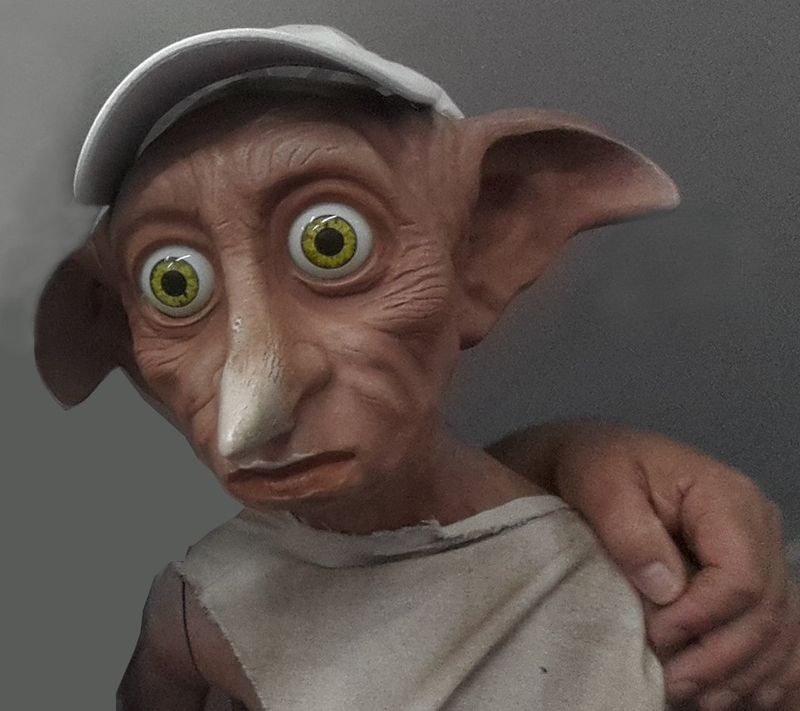
After Chamber of Secrets, the books bring Dobby back regularly.
He works in the Hogwarts kitchens, helps Harry prepare for the second Triwizard task with gillyweed, and warns him about Umbridge’s plans. The movies cut almost all these appearances, only bringing him back for his death scene in Deathly Hallows.
This makes his sacrifice less emotionally powerful for viewers who haven’t seen him grow and develop loyalty to Harry over the years.
Friendships mean more when you’ve actually spent time together through both good days and disasters.
1. Grimmauld Place Feels Smaller And Less Detailed
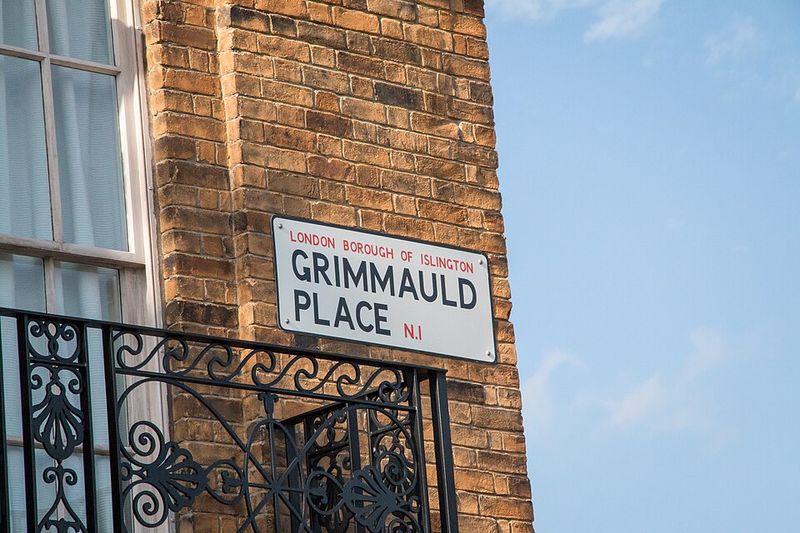
Detailed descriptions within the books transform a house named Grimmauld Place into a character filled with dark artifacts and layers of family history. Ancient tapestries and screaming portraits provide essential context regarding the pure-blood obsession that fueled the rebellion of a man named Sirius Black.
Cinematic versions compress this dense atmosphere, showing the location without exploring the sinister depths of the wizarding world’s prejudices.
Stories reside in every family home if an observer simply knows where to look for the truth.