12 Kitchen Crimes Everyone Commits And Secretly Enjoys
We all have those little kitchen secrets we’d never admit at a fancy dinner party.
You know the ones—those sneaky shortcuts and questionable habits that make cooking easier, faster, or just more fun.
Sure, food safety experts might cringe, but let’s be honest: we’re all guilty of at least a few of these deliciously rebellious kitchen crimes.
1. Serving Dropped Food Like Nothing Happened
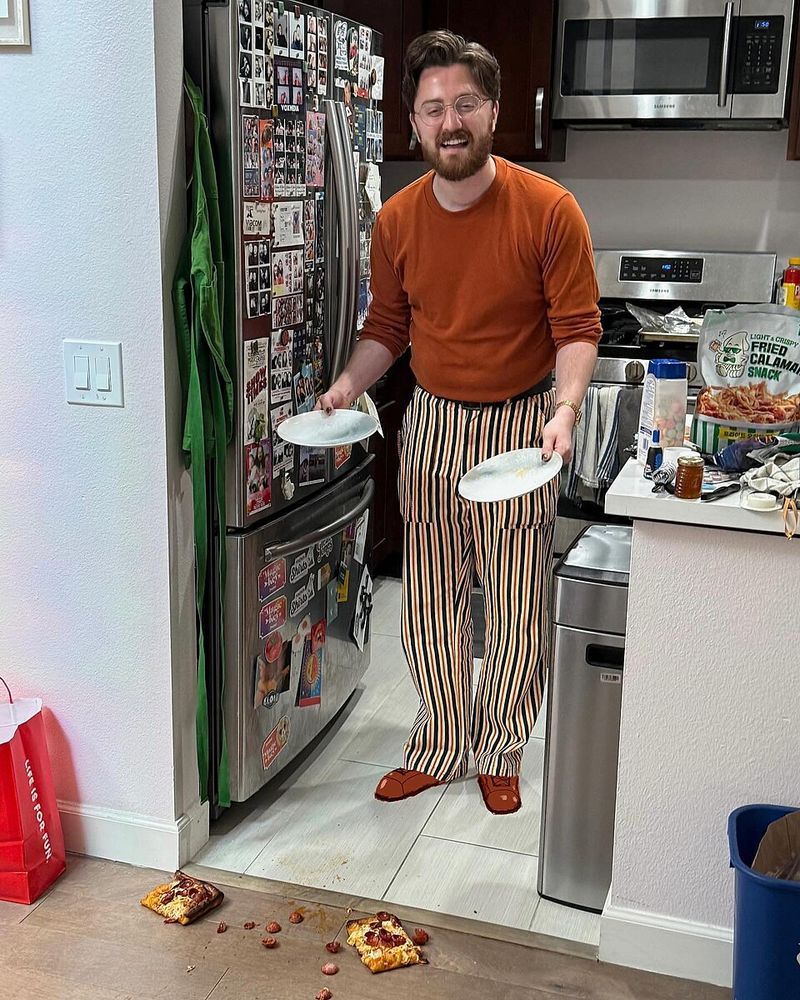
The five-second rule is basically a religion in some households.
When that perfectly cooked chicken breast hits the floor, your brain does some quick math: was the floor swept recently?
Did anyone see it happen?
Before you know it, that food gets a quick rinse and lands right back on the dinner plate.
One in six people actually admit to this tasty little transgression.
The guilt lasts about as long as it takes to chew.
2. Double-Dipping The Tasting Spoon
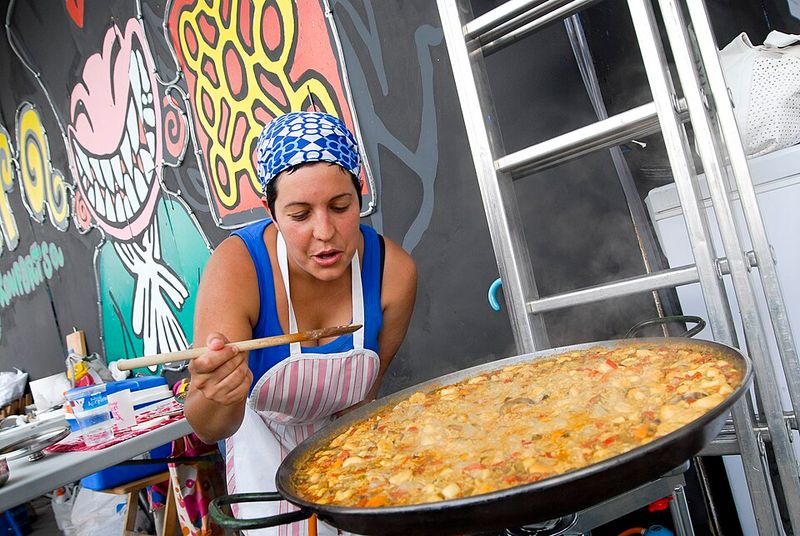
Stirring, tasting, then stirring again—it’s the circle of life in your kitchen.
Professional chefs would gasp, but home cooks know the truth.
That same spoon goes from pot to mouth and back again at least three times per cooking session.
How else are you supposed to get the seasoning just right?
Bacteria might spread, but so does flavor perfection.
Your family has survived this long, and honestly, nobody’s complaining about dinner.
3. Ignoring Expiration Dates Like They’re Suggestions
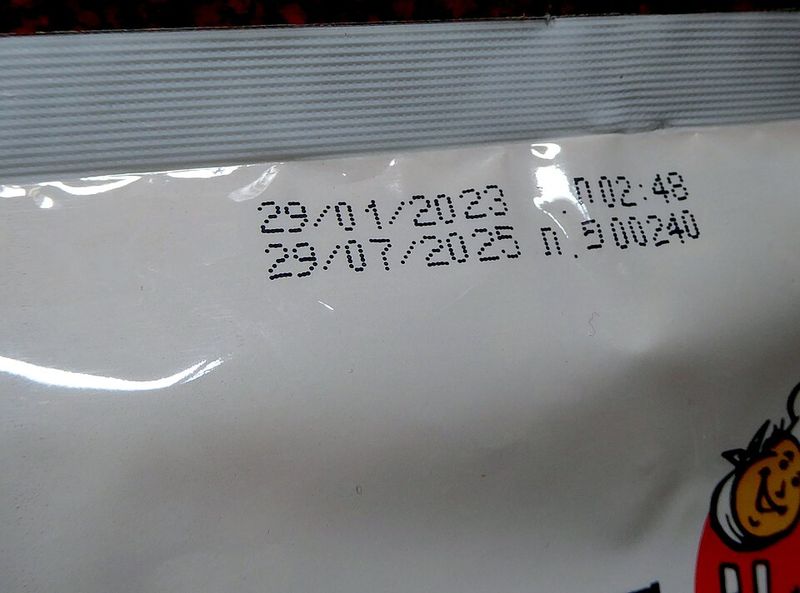
Sell-by dates are more like friendly guidelines than actual laws, right?
That yogurt from two weeks ago still smells fine.
Milk gets the sniff test, cheese gets the mold inspection, and leftovers get the benefit of the doubt.
Sure, the label says it expired last Tuesday, but your nose is the real expert here.
Food waste is a real problem, and you’re basically an environmental hero for eating that slightly questionable hummus.
4. Washing Raw Chicken In The Sink
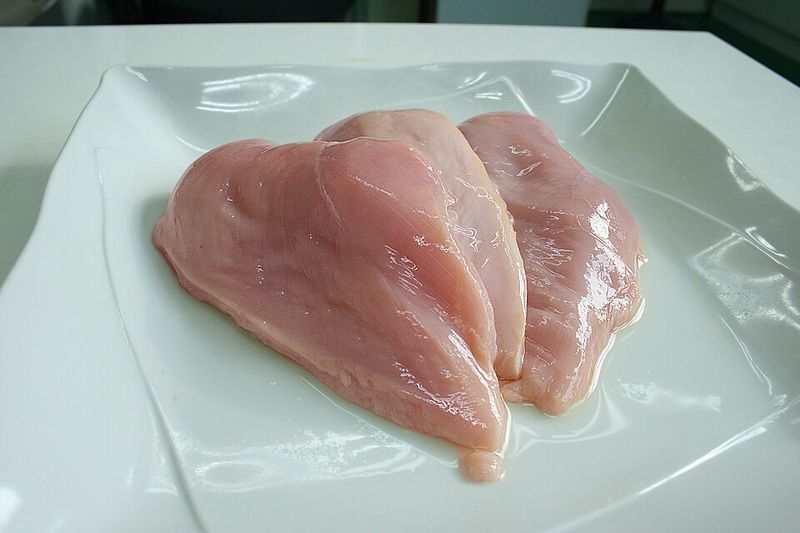
Grandma always washed her chicken, so you do too.
Never mind that food safety experts have been screaming about Campylobacter for years.
There’s something satisfying about rinsing off that slimy coating before cooking.
The water splashes everywhere, spreading bacteria like confetti at a party nobody wanted to attend.
But it just feels cleaner this way, even though science says you’re making things worse.
Old habits die hard, especially delicious ones.
5. Using The Same Knife For Everything
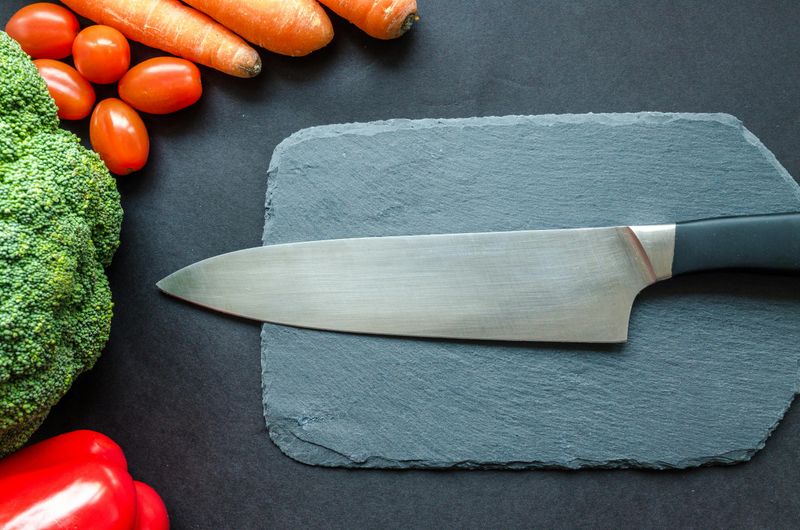
Why dirty multiple knives when one works perfectly fine?
You chop the raw chicken, give the knife a quick wipe with a paper towel, and move straight to slicing tomatoes.
Cross-contamination sounds scary until you realize how much extra dishwashing you just avoided.
Besides, cooking kills bacteria anyway, doesn’t it?
Your single-knife strategy has worked for years without incident.
The dishwasher thanks you for your efficiency, even if food safety guidelines don’t.
6. Turning Your Fridge Into A Grocery Tetris Game
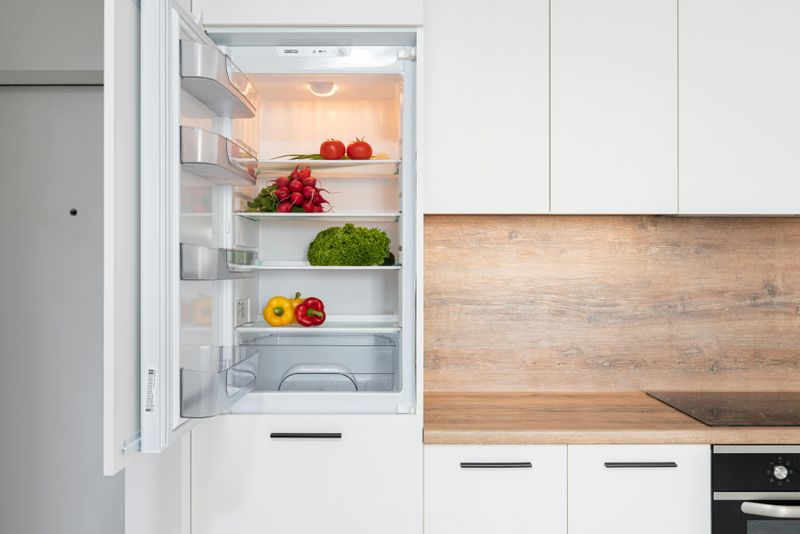
If it fits, it sits—that’s the refrigerator motto.
Every inch of space gets utilized like you’re solving a puzzle.
Containers stack on containers, leftovers squeeze behind milk jugs, and somehow everything stays cold enough.
Except it doesn’t, because overcrowding raises the temperature and bacteria throw a party.
But finding room for one more takeout container feels like winning an Olympic sport.
Organization can wait until next spring cleaning.
7. Never Actually Checking The Fridge Temperature
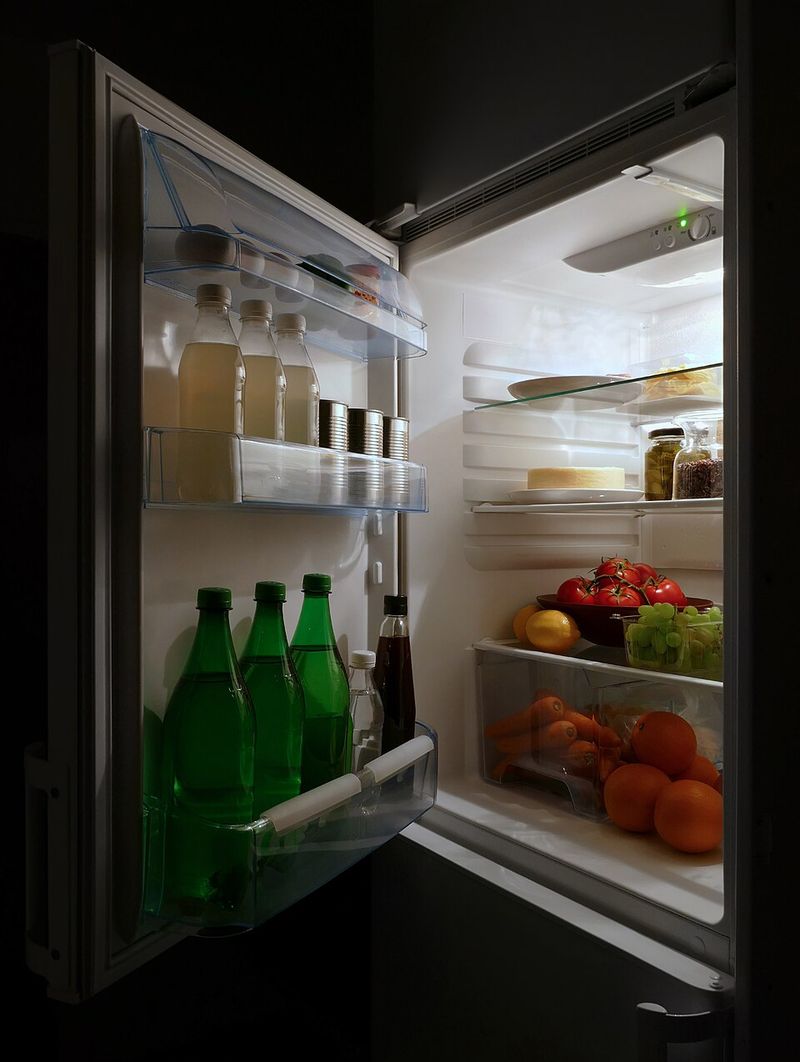
Your fridge has a temperature dial somewhere, probably.
It’s been set to the same number since you moved in, and that’s good enough.
The ideal range is supposedly between zero and five degrees Celsius, but who actually verifies that?
As long as the milk stays cold and the lettuce doesn’t freeze, everything’s fine.
Thermometers are for ovens and sick kids, not refrigerators.
If food goes bad, you’ll know by the smell anyway.
8. Reheating Leftovers Until They’re Archaeologically Significant
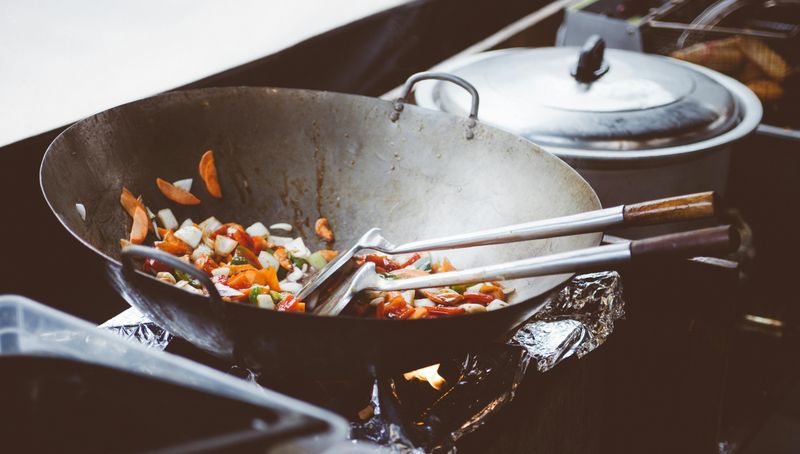
That pasta has been reheated so many times it’s practically a science experiment.
Monday’s dinner becomes Tuesday’s lunch, Wednesday’s snack, and Thursday’s questionable meal choice.
Each trip through the microwave increases bacterial risk, but also increases your determination not to waste food.
The texture might be weird and the flavor a little off, but it’s still technically edible.
Meal prep influencers would be horrified.
Your budget, however, is thrilled with your commitment to leftovers.
9. Skipping The Hand-Washing Step
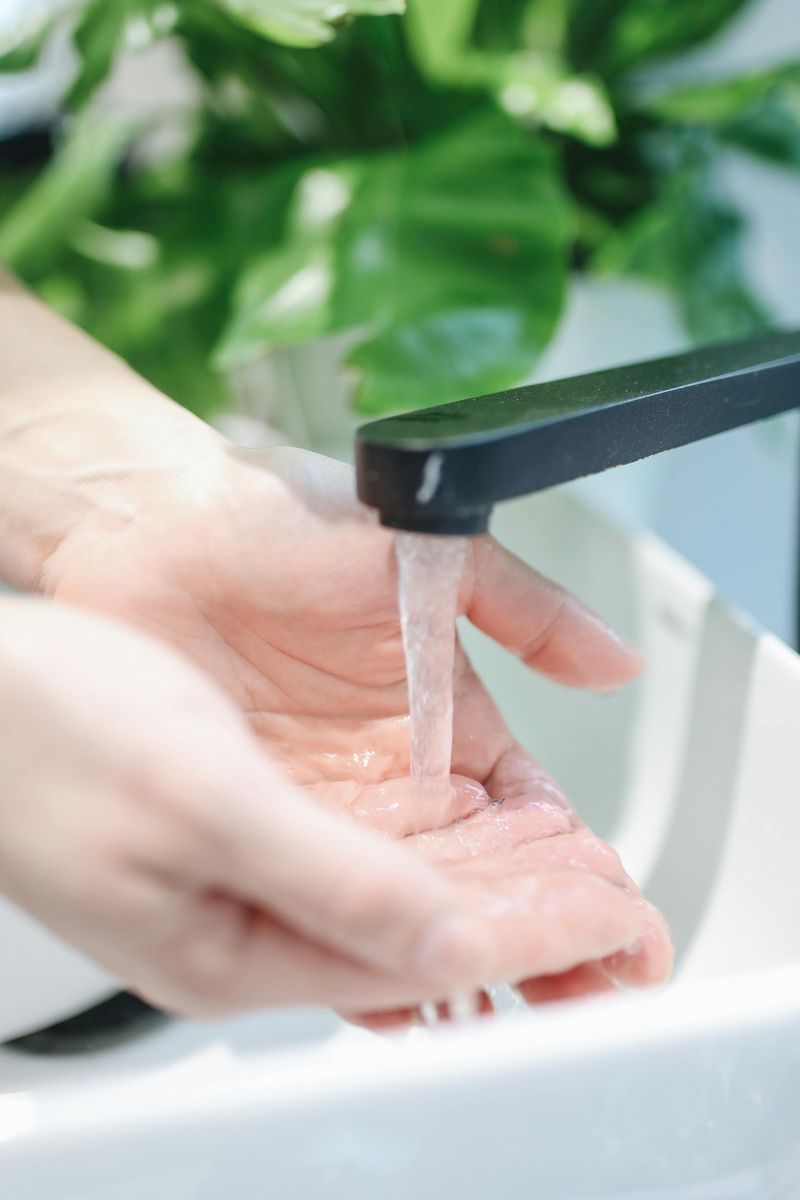
You just washed your hands an hour ago, so they’re probably still clean.
Jumping straight into cooking saves time and water.
Sure, you petted the dog and checked your phone, but those don’t really count as contamination.
Hand-washing before every single cooking session feels excessive when you’re just making a quick sandwich.
Germs build character anyway, or at least that’s what you tell yourself.
Soap is for after handling raw meat, not before chopping onions.
10. One Cutting Board For The Whole Meal
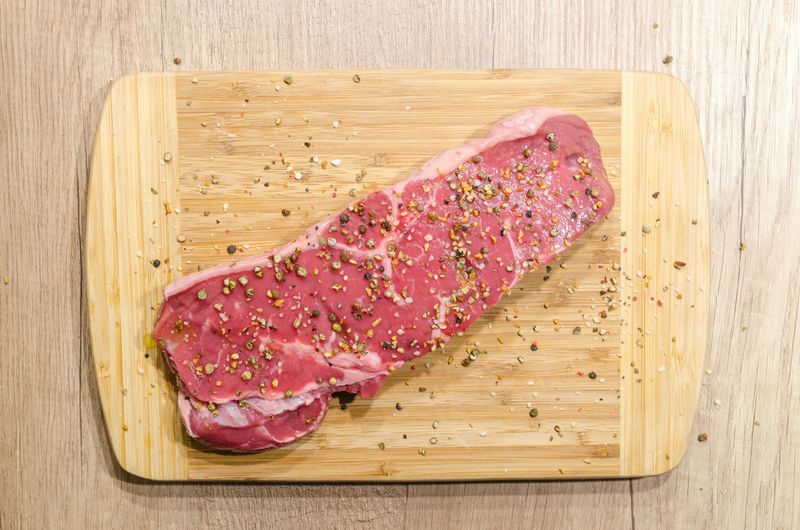
Why clutter the counter with multiple cutting boards when one does the job?
Raw meat gets chopped first, then you move it aside and slice vegetables on the same surface.
Maybe you give it a quick rinse in between, maybe you don’t.
The convenience factor outweighs the bacteria transfer risk in your mind.
Professional kitchens use color-coded boards, but your kitchen uses whatever’s clean.
Fewer dishes means more time enjoying dinner instead of scrubbing.
11. Starting Recipes Without Reading Them First
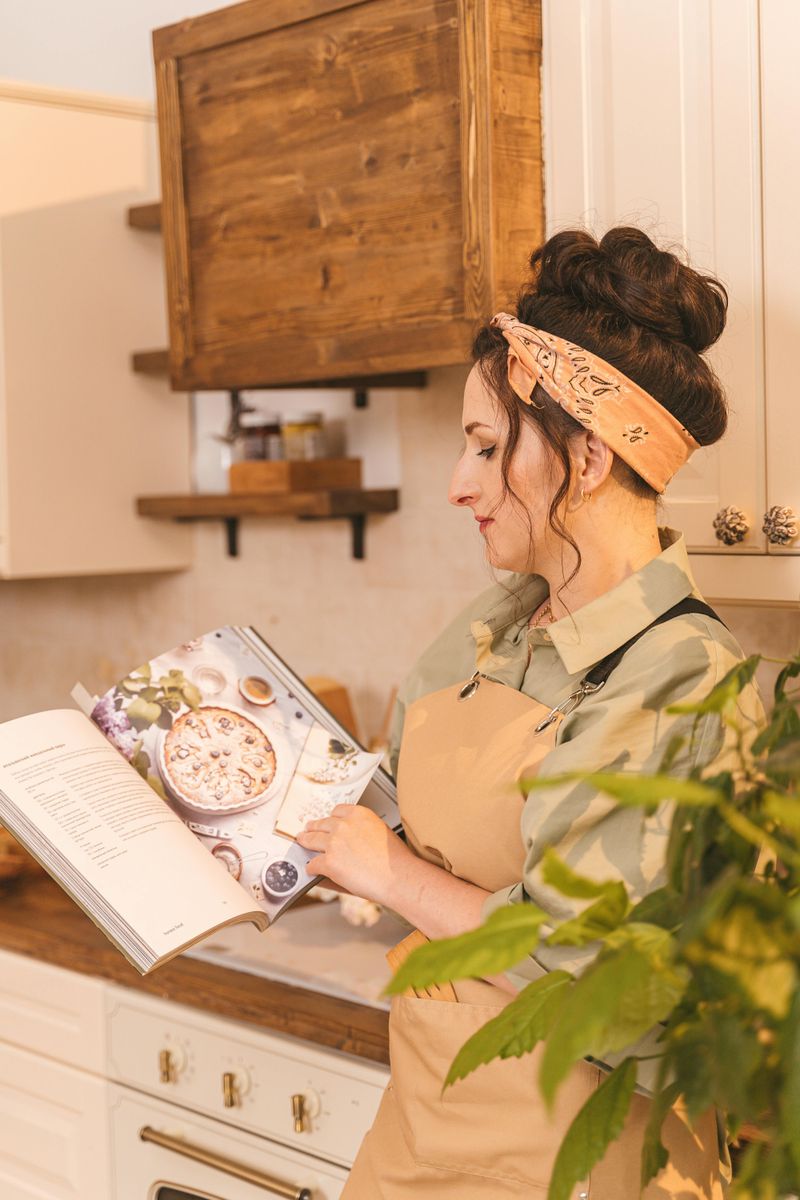
Reading the entire recipe before starting is for people with patience.
You prefer the thrill of discovering halfway through that something needs to marinate overnight.
Important steps get missed, ingredients get added in the wrong order, and chaos becomes your cooking style.
That moment when you realize the dough needs to chill for two hours?
Pure panic, but also strangely exhilarating.
Cooking should be an adventure, and surprises keep things interesting, even when dinner’s delayed.
12. Flipping Food Like You’re Training For The Spatula Olympics
Patience isn’t your strong suit when there’s a burger on the grill.
That meat gets flipped every thirty seconds because you need to check if it’s done.
Never mind that constant flipping prevents proper browning and can tear delicate foods apart.
Standing still while food cooks feels wrong somehow.
You need to be involved, active, spatula in hand.
Professional chefs say flip once, but they don’t understand your need for control and your fear of burning dinner.