10 Large-Scale Films Over 4 Hours Or Close To It Worth Revisiting
Certain films do not rush, they settle in like they just cleared their entire schedule.
Stories stretch out, characters take their time, and suddenly one movie starts feeling like it has lived a full life right in front of you.
Blink once and three hours are gone, blink again and you are somehow still not ready for it to end.
1. Napoléon (1927) – 562 Min
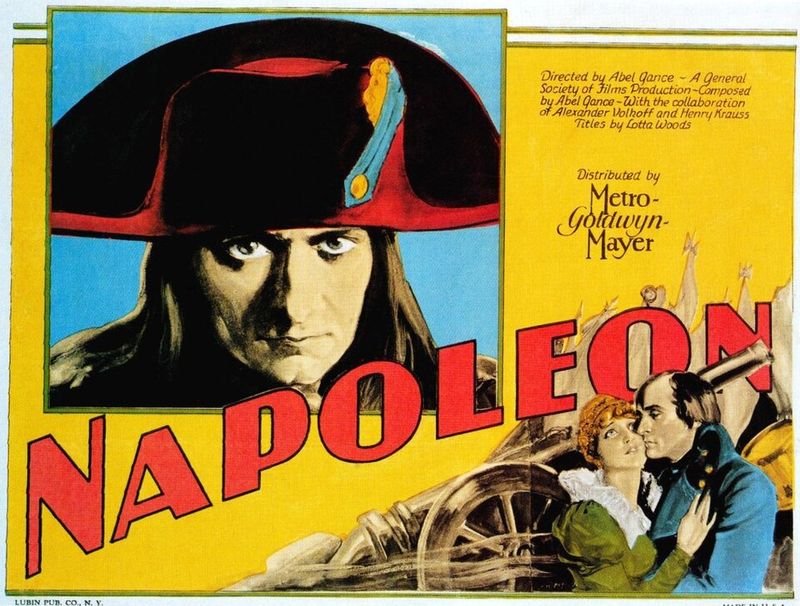
Even among silent epics, Abel Gance’s Napoléon feels unusually kinetic and inventive.
The triptych finale, where three screens merge into one sweeping panorama, is the kind of cinematic invention that still feels striking nearly a century later. Gance shot battle scenes with cameras strapped to horses and pendulums, chasing chaos the way a war correspondent might.
Clear a full weekend afternoon, brew something strong, and let this century-old epic rewrite what you thought silent cinema could do.
2. The Human Condition (1959-1961) – 579 Min
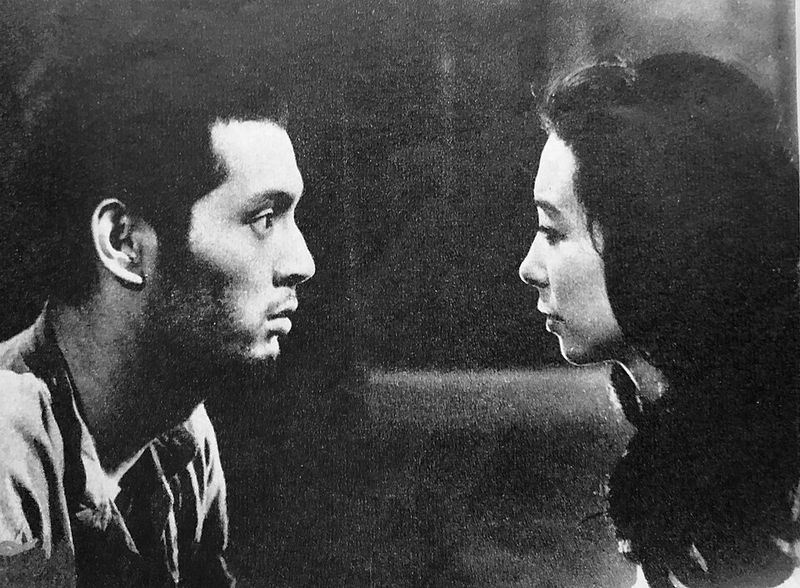
Nearly ten hours of one man’s conscience pushing against the forces of war and authority sounds exhausting, yet the trilogy never lets go once it starts.
Masaki Kobayashi shapes the story with a steady, unflinching hand, building something that demands attention all the way through.
Burden of every moral compromise rests on an idealistic pacifist soldier, carried the way most people drag through a packed Monday schedule.
Three years of production stretch across the film, and every one of them shows up on screen. Few war sagas feel this personal or this emotionally weighty.
3. Liberation (1970-1971) – 477 Min
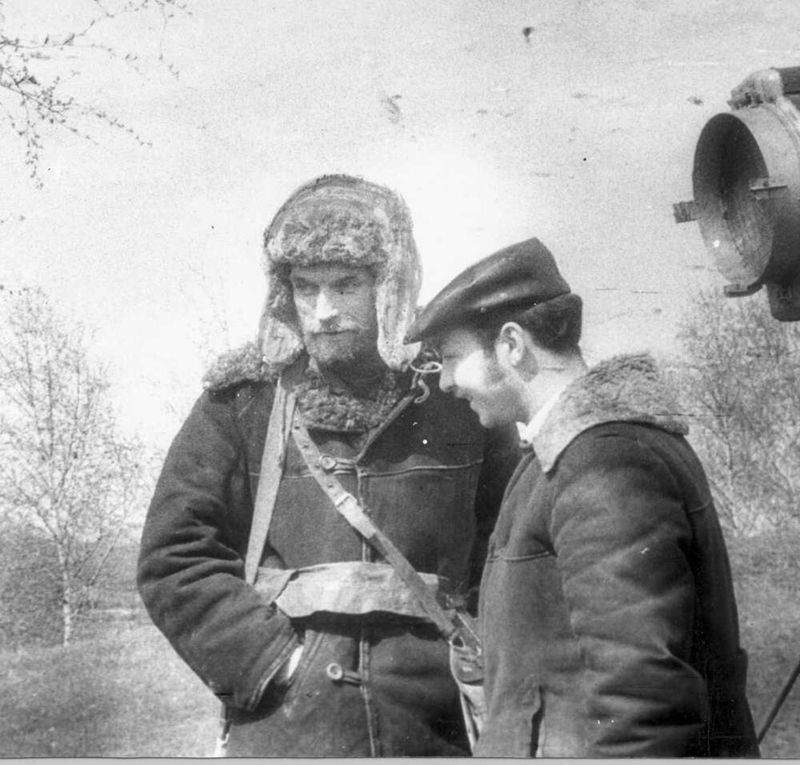
Basically a history lesson with the pulse of an action film, Liberation shows just how massive a war epic can feel.
Reconstruction of the Eastern Front comes with a scale Hollywood rarely matched, using real military hardware and thousands of extras. Watching it on a quiet Saturday feels like flipping through a museum exhibit that suddenly starts moving.
Its scale and attention to military detail help explain why it remains a notable war epic.
4. War And Peace (1965-1967) – 431 Min
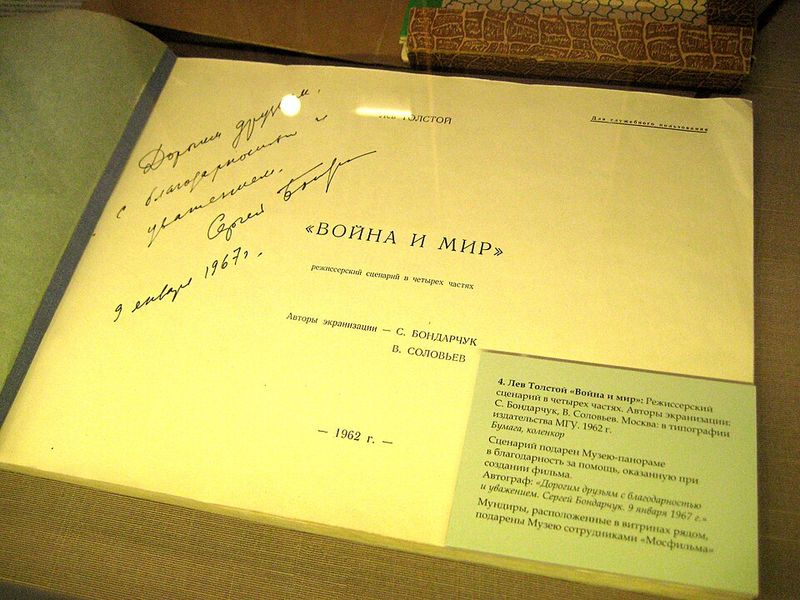
Scale of this adaptation makes most period dramas feel like they barely tried. Tolstoy’s novel gets pushed to the screen with an ambition that goes far beyond standard historical filmmaking.
Battle of Borodino alone brings in over 15,000 extras, turning the sequence into one of the most massive ever put on film.
Amid all that chaos, Pierre drifts through events with a kind of bewildered sincerity, grounding the spectacle in something human. Gorgeous, overwhelming, and impossible to forget.
5. The Best Of Youth (2003) – 366 Min
Two brothers. Forty years.
One Italy changing around them like a slow tide nobody quite notices until it has already moved the furniture.
Marco Tullio Giordana’s miniseries-turned-film feels less like watching a story and more like visiting relatives you somehow already love. Every small moment, a shared meal, a phone call, a goodbye at a train station, lands with the weight of something real.
Bring snacks. Bring tissues. Bring patience, and it will pay you back tenfold.
6. La Révolution Française (1989) – 360 Min
Made to celebrate the bicentennial of the French Revolution, this two-part epic plays like history class with a proper budget and a genuine heartbeat. Hopeful years give way to the terrifying ones, mirroring how revolutions tend to unfold in reality.
Directing duties shift between Robert Enrico and Richard Heffron, and the handoff feels smoother than most political transitions in the story itself.
Set aside an afternoon for it, and the film’s sweep makes the turbulent political shifts easier to appreciate.
7. 1900 (1976) – 317 Min
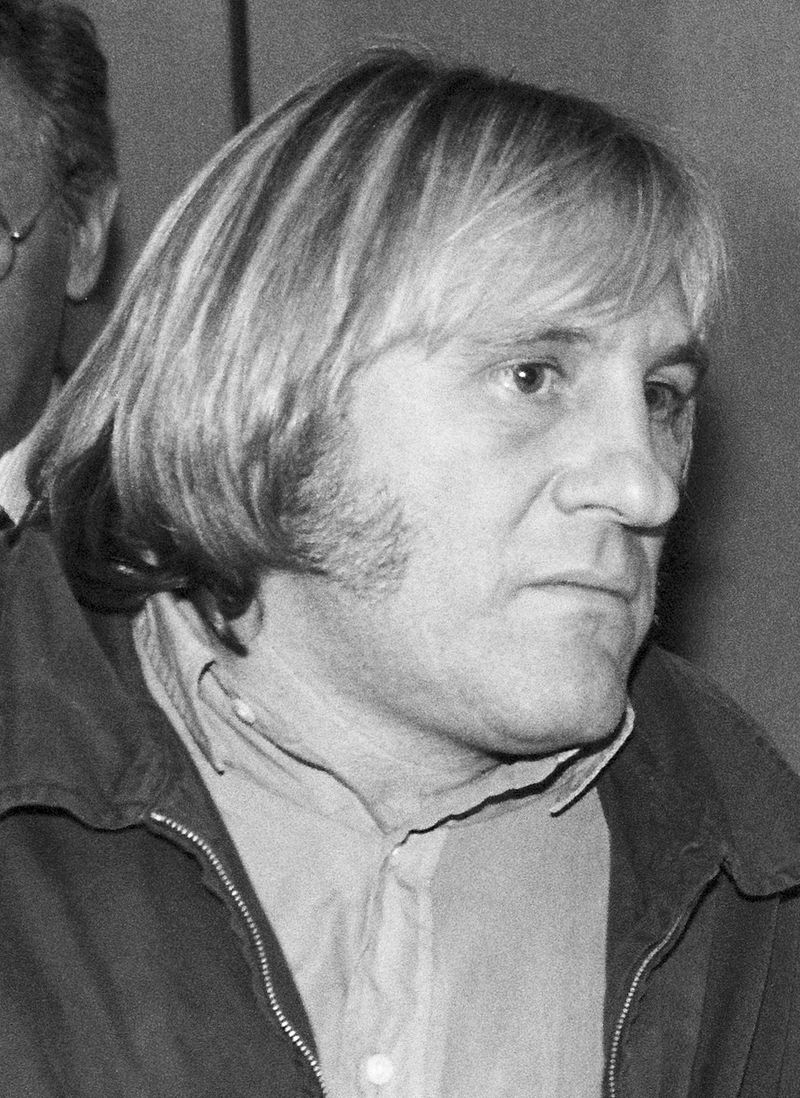
Two boys arrive on the same day, one into wealth and one into hardship, with the 20th century slowly pulling them in opposite directions.
Sprawling class saga unfolds across decades, tracking friendship, ideology, and the slow drift that history forces on both lives.
Magnetic performances carry the weight of five hours, making the time feel less like a commitment and more like immersion. Italian countryside stretches out in lush detail, rich enough to almost carry the scent of fresh bread and long-held arguments.
Bold, political, and absolutely worth the commitment.
8. Fanny And Alexander (1982) – 312 Min TV Version
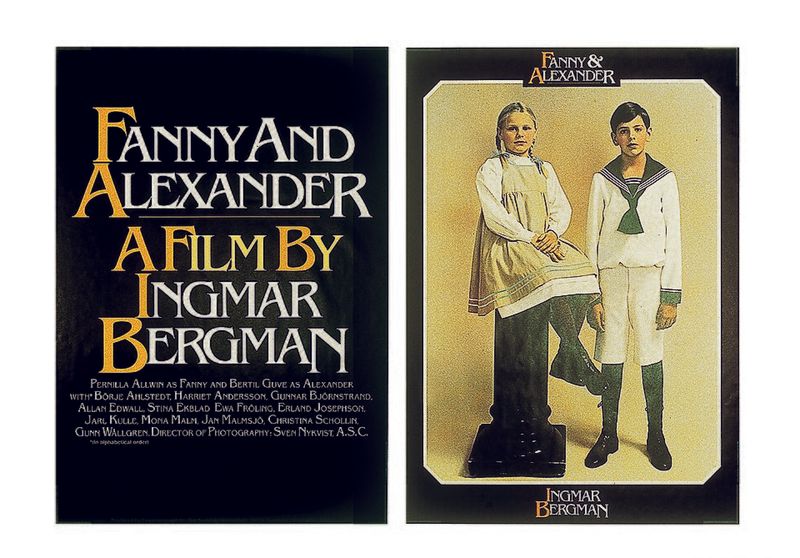
Often treated as Bergman’s great late-career summation, Fanny and Alexander fills every frame with warmth, memory, and childhood wonder.
Four-episode television version gives the story room to breathe, with each part unfolding like a beautifully wrapped gift left under a very old tree.
Through Alexander’s wide eyes, an entire family universe begins to spin. Press play.
9. Gettysburg (1993) – 271 Min Director’s Cut
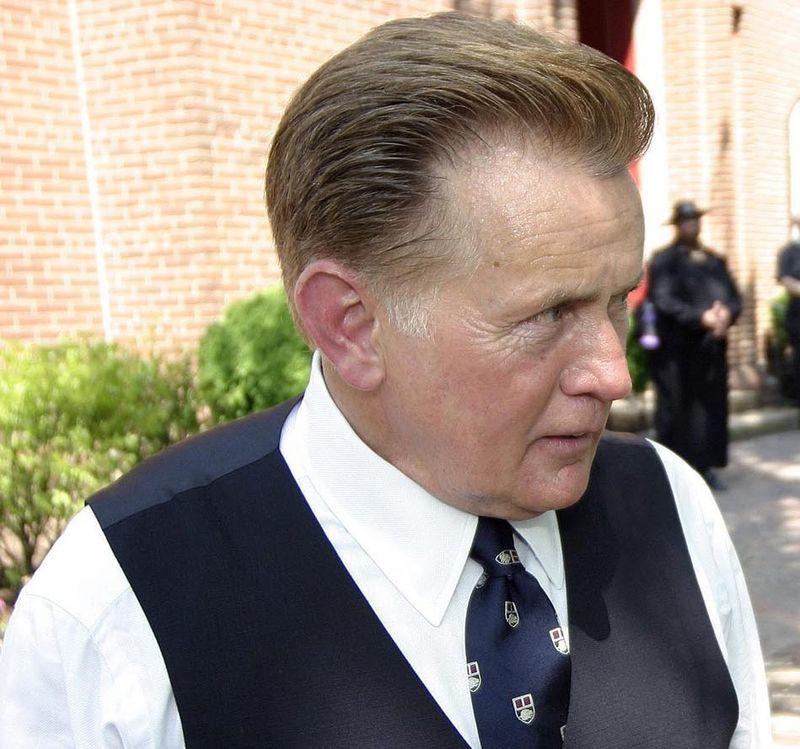
Ron Maxwell’s director’s cut of Gettysburg is the rare war film that pauses mid-battle to ask why anyone is fighting at all.
Tom Berenger as Longstreet and Jeff Daniels as Chamberlain give performances so grounded they feel less like acting and more like eavesdropping. The Pickett’s Charge sequence, with its long buildup and grim inevitability, remains one of the film’s most memorable passages.
10. Hamlet (1996) – 242 Min
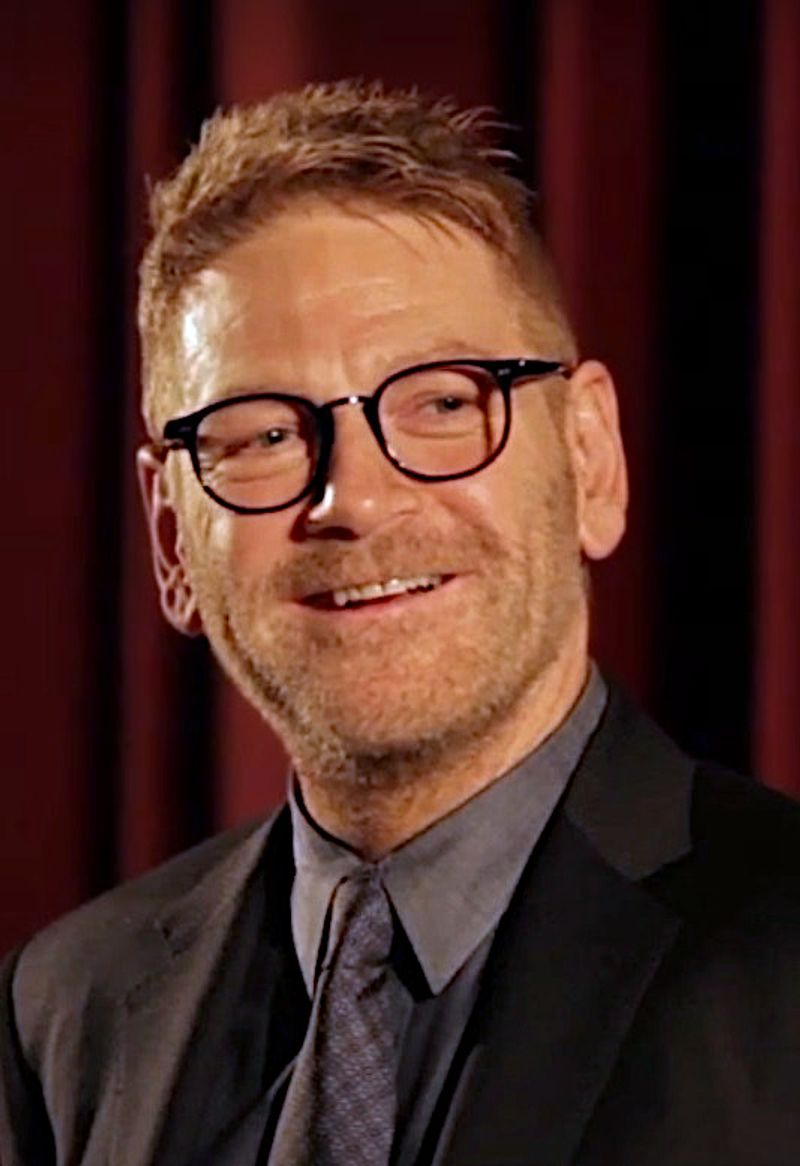
Full-text Hamlet refuses to cut a single word of Shakespeare, and somehow that audacity works completely.
Four hours finally give the play room to operate as a political thriller, a family tragedy, and ghost story at once.
Controlled intensity shapes the performance, with direction that keeps everything sharp enough to make you forget your bag is still by the door from work. Every word earns its place here.
Note: This article highlights notable large-scale films and long-form cinematic works using widely referenced runtimes for the specific versions named, including restorations, television cuts, and director’s cuts where applicable.
Because several of these titles exist in multiple edits and release formats, runtimes and viewing versions can vary by source and edition.