14 Last Meals Chosen By Michelin-Star Chefs That Say Everything About Great Taste
What would land on your plate for a final, perfect bite? Many expect culinary legends to reach for something extravagant, the kind of dish that arrives like a standing ovation on porcelain.
Yet the real answers often lean the opposite way, toward comfort that feels like a warm memory served fresh. A crusty baguette pulled apart with care.
A steaming bowl of ramen that hugs every sense. A golden fried egg with edges just crisp enough to crack a smile.
These choices carry more than flavor, they carry stories. Childhood kitchens.
Late night cravings. Quiet moments that linger long after the plate is cleared.
Taste here is less about spectacle and more about connection, where simplicity steals the show and nostalgia gets the final bow. Even the most celebrated chefs in the world seem to agree that the best meals do not need a spotlight, only honesty and heart.
That is the real secret ingredient. Prepare for a feast of emotions, a sprinkle of nostalgia, and a whole lot of flavor packed storytelling.
Your appetite might just start applauding.
1. Jacques Pepin’s Crusty Baguette and Butter
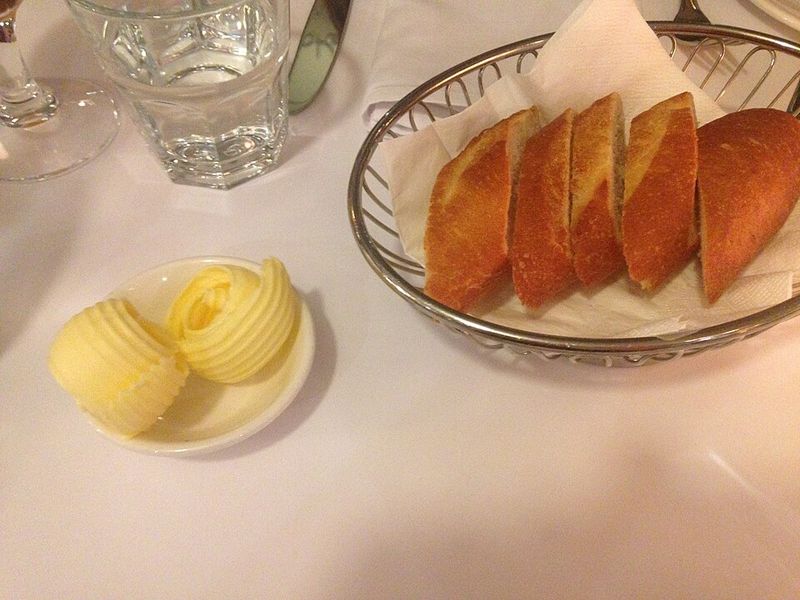
Simplicity wins every single time, and Jacques Pepin proves it boldly. One of France’s most beloved culinary legends, Pepin has said his ideal last meal would be a crusty French baguette slathered generously in rich, creamy butter, shared slowly and joyfully around a table full of loved ones.
No elaborate sauce. No rare ingredient flown across continents.
Just bread and butter doing what bread and butter do best: making people feel completely at home.
Pepin understands something profound: the most unforgettable flavors are usually tied to the most unforgettable moments. Butter never tasted so meaningful.
2. Gordon Ramsay’s Beef Wellington
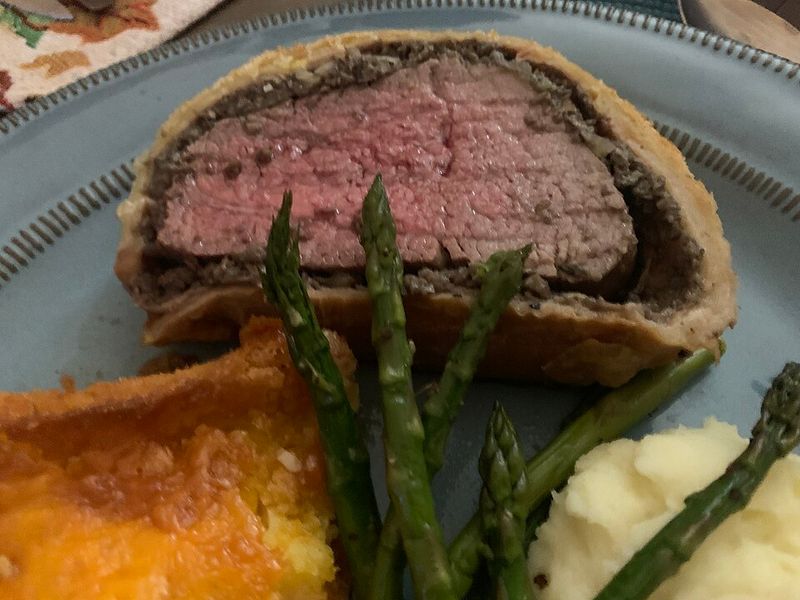
Gordon Ramsay, the man who has made grown adults cry over improperly cooked risotto, keeps his last meal choice surprisingly close to his heart. Beef Wellington, his signature masterpiece, is the dish he would want one final time.
Tender beef fillet wrapped in savory mushroom duxelles and flaky golden pastry? Honestly, a culinary mic drop.
Ramsay has said it represents everything he loves: precision, passion, and respect for quality ingredients.
How fitting that the chef famous for impossibly high standards would choose a dish demanding nothing less than absolute perfection. Zero shortcuts allowed, ever.
3. Massimo Bottura’s Tortellini in Brodo
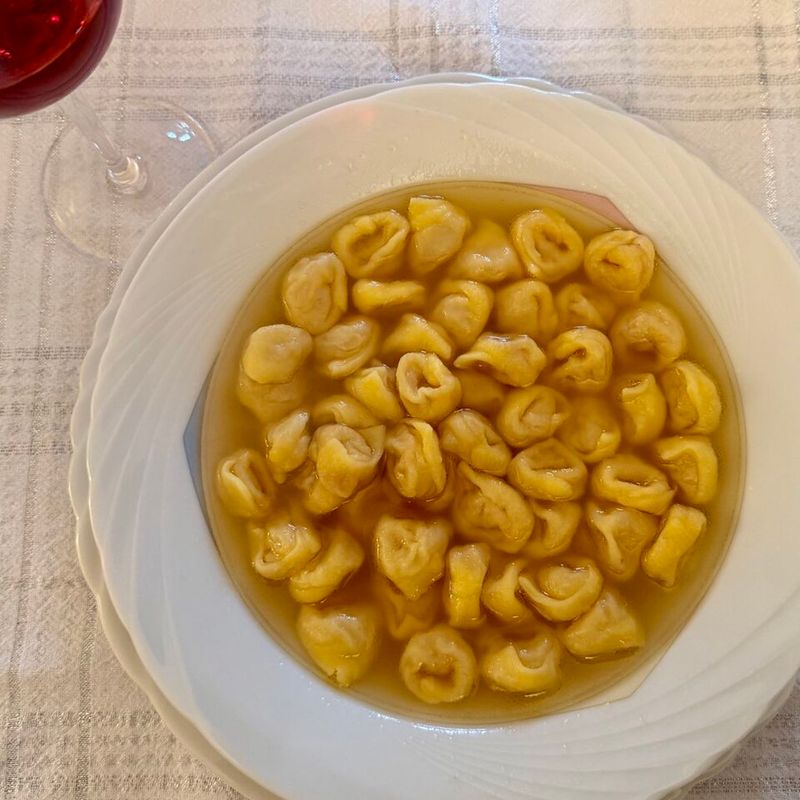
The Italian genius behind Osteria Francescana, Massimo Bottura, three Michelin stars and all, wants tortellini in brodo as his final farewell. Tiny handmade pasta parcels swimming in a deeply golden, slow-cooked broth sounds modest for a man who once reimagined Parmesan cheese as five different textures simultaneously.
However, Bottura has always said his grandmother’s kitchen shaped him more than any culinary school ever could. Tortellini in brodo is Emilia-Romagna on a spoon, pure nostalgia wrapped in pasta dough.
If a dish could hug you back, Bottura’s last meal choice absolutely would. Nonna approved, obviously.
4. Heston Blumenthal’s Fish and Chips
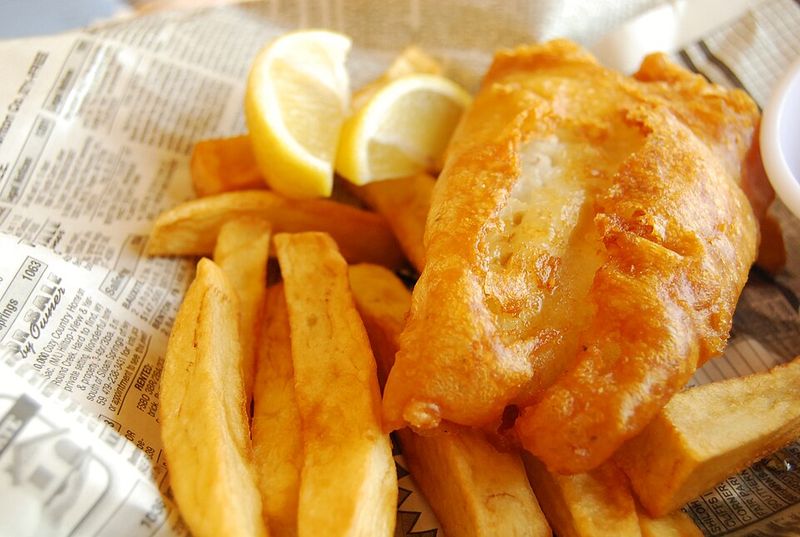
A master of culinary science behind The Fat Duck, a dining experience that blends creativity, precision, and experimentation, yet the final pick stays beautifully simple with classic British fish and chips. No foams, no theatrics, just comfort on a plate.
Blumenthal has spoken about how certain foods carry emotional time stamps, flavors that instantly transport you somewhere specific and warm. For him, fish and chips equals childhood, seaside air, and pure uncomplicated happiness.
Sometimes the most revolutionary thing a chef can do is admit that a paper cone full of crispy golden chips beats everything else. Brilliantly honest, actually.
5. Nobu Matsuhisa’s Simple Bowl of Rice
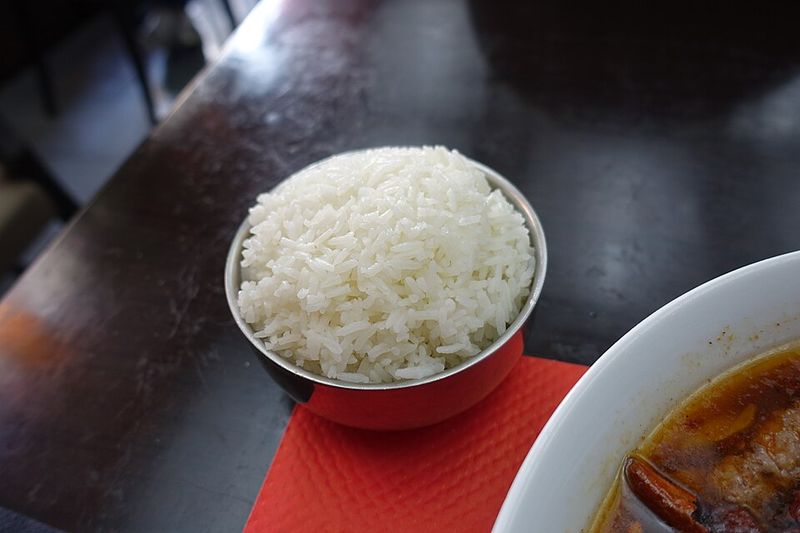
Nobu Matsuhisa built a global empire of restaurants serving black cod miso and yellowtail sashimi to celebrities and royalty. Yet the dish closest to his heart is startlingly humble: a simple, perfectly steamed bowl of Japanese rice.
Rice, done right, is not boring. Short-grain Japanese rice cooked to that exact sticky, slightly glossy perfection is a craft requiring genuine skill and deep respect.
Nobu grew up in Japan where rice represented nourishment, family, and daily ritual. Choosing it as a final meal is less about flavor and more about returning home.
Profoundly poetic, honestly.
6. Thomas Keller’s Roast Chicken
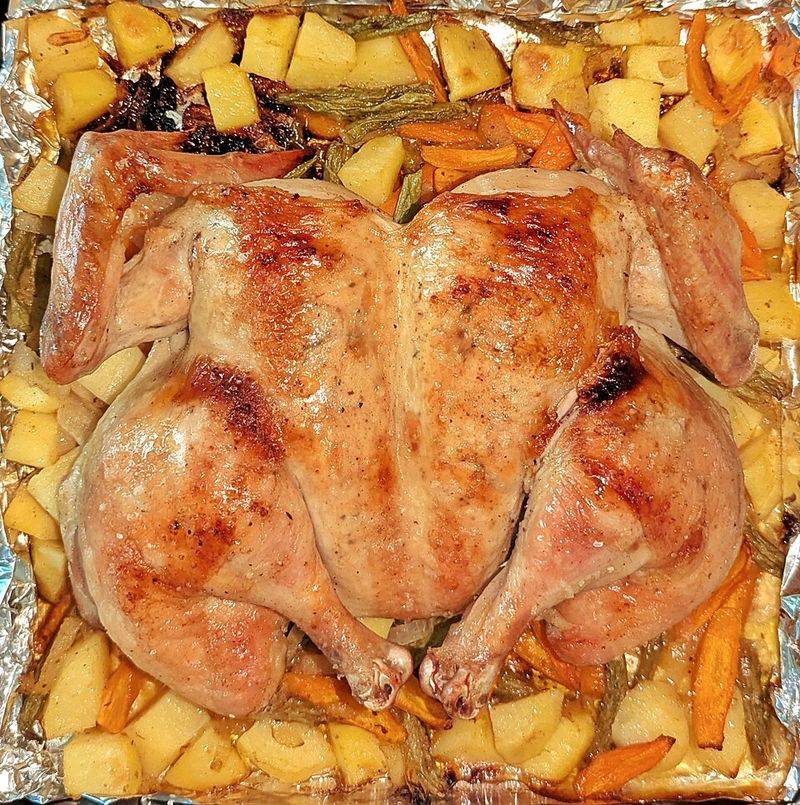
Roast chicken sounds almost too easy for someone who earned three Michelin stars at The French Laundry and Per Se. However, Thomas Keller has called roast chicken one of the most technically challenging dishes to execute properly, and his last meal would be exactly that.
Keller famously wrote about roasting a perfect chicken in his cookbook, calling it a true test of any cook’s skill. Crackling golden skin.
Juicy, perfectly seasoned meat. Aromatics lifting the whole kitchen into something magical.
Choosing roast chicken is Keller saying: mastery lives in the details of the ordinary. Chef-level wisdom right there.
7. Rene Redzepi’s Foraged Wild Herbs and Bread
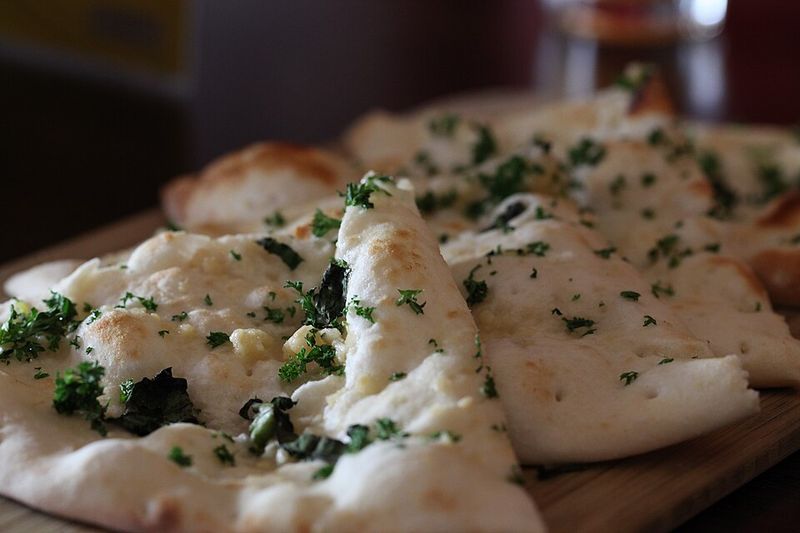
Rene Redzepi changed the entire world of fine dining by putting Nordic forests onto restaurant plates at Noma in Copenhagen. So it makes complete sense that his ideal last meal would involve foraged wild herbs eaten alongside fresh-baked bread, connected directly to the earth beneath his feet.
Redzepi has spoken passionately about food as a living relationship between humans and nature. Wild herbs carry the smell of rain, soil, and seasons changing.
No factory, no supply chain, just a chef walking through the woods and eating what the land offers freely. Romantic?
Absolutely. Also genuinely delicious, apparently.
8. Daniel Boulud’s Pot-au-Feu
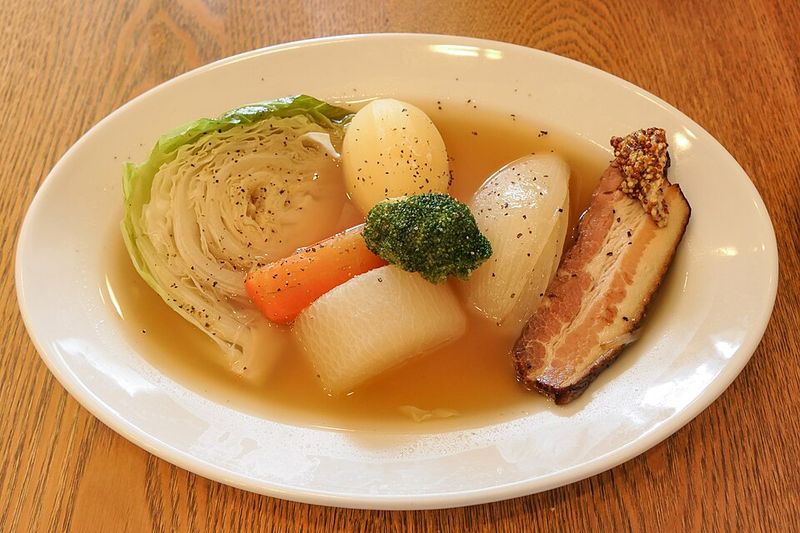
Pot-au-feu is France in a pot: slow-cooked beef, humble vegetables, and a broth so deeply flavored it could make a statue sigh contentedly. Daniel Boulud, the Lyon-born chef behind New York’s legendary Restaurant Daniel, has named it his ultimate last meal.
Growing up on a farm outside Lyon, Boulud watched his grandmother prepare pot-au-feu on Sundays, a ritual of patience and love simmering for hours on the stove.
Michelin stars later, the memory of that farmhouse kitchen still outranks everything. Boulud choosing pot-au-feu is proof that the finest ingredient any dish can contain is a genuinely good memory.
9. Mario Batali’s Pasta e Fagioli
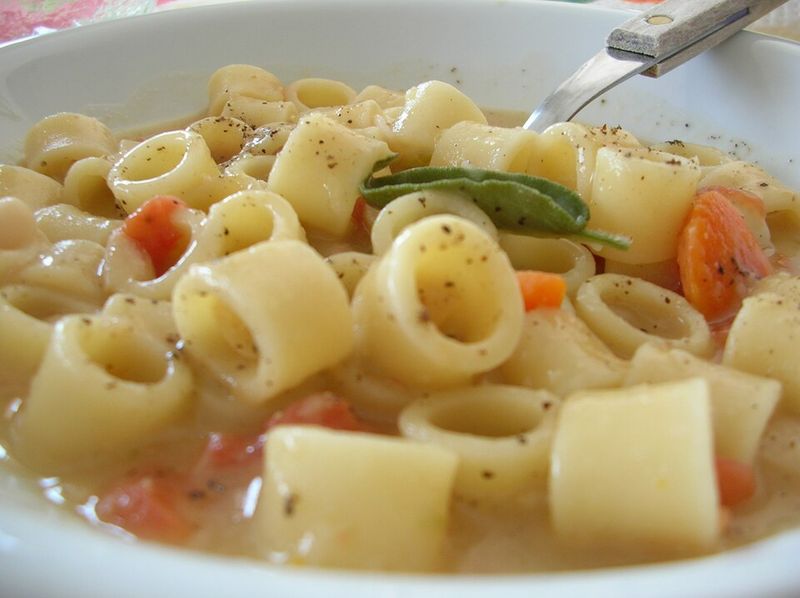
Pasta e fagioli, literally pasta and beans, is the kind of dish Italian grandmothers make without measuring anything and somehow nail it every single time. Mario Batali, the larger-than-life Italian-American chef, has pointed to exactly this soup as his dream last meal.
Thick, hearty, impossibly comforting, pasta e fagioli is peasant food elevated by centuries of tradition. Cannellini beans, small pasta, a generous pour of olive oil, and enough garlic to make everyone nearby very aware of your presence.
Batali’s choice reflects a deep love for cucina povera, the humble cooking of ordinary Italians. Sometimes poor cooking is actually the richest cooking alive.
10. Eric Ripert’s Sashimi
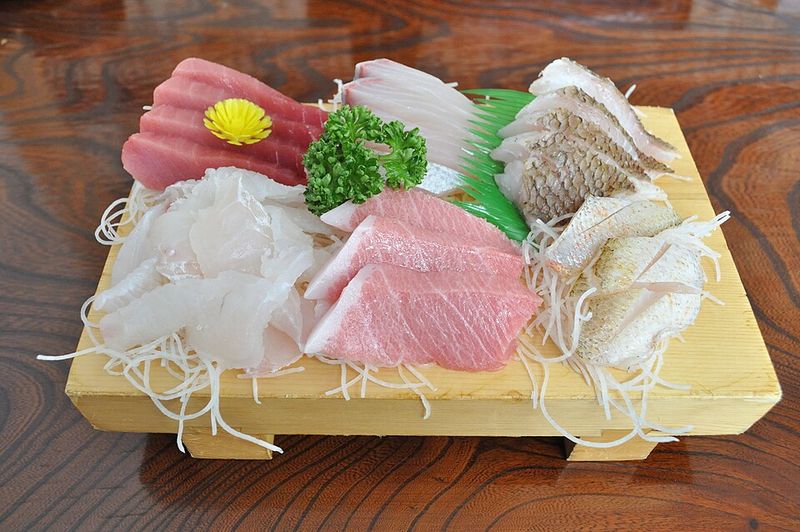
Eric Ripert, the celebrated chef of Le Bernardin in New York, has built his entire career around seafood treated with near-spiritual reverence. His last meal?
Fresh, pristine sashimi, raw fish sliced perfectly and served without distraction.
Ripert practices Buddhism and speaks frequently about mindfulness and respect for ingredients. Choosing sashimi feels entirely aligned with his philosophy: let the ingredient speak, step back, and simply listen.
High-quality raw fish needs almost nothing else. A little soy sauce, perhaps a whisper of wasabi, and absolute silence to appreciate it fully.
Ripert’s last meal is essentially a meditation. Deeply calm and deeply delicious.
11. Ferran Adria’s Jamón Ibérico
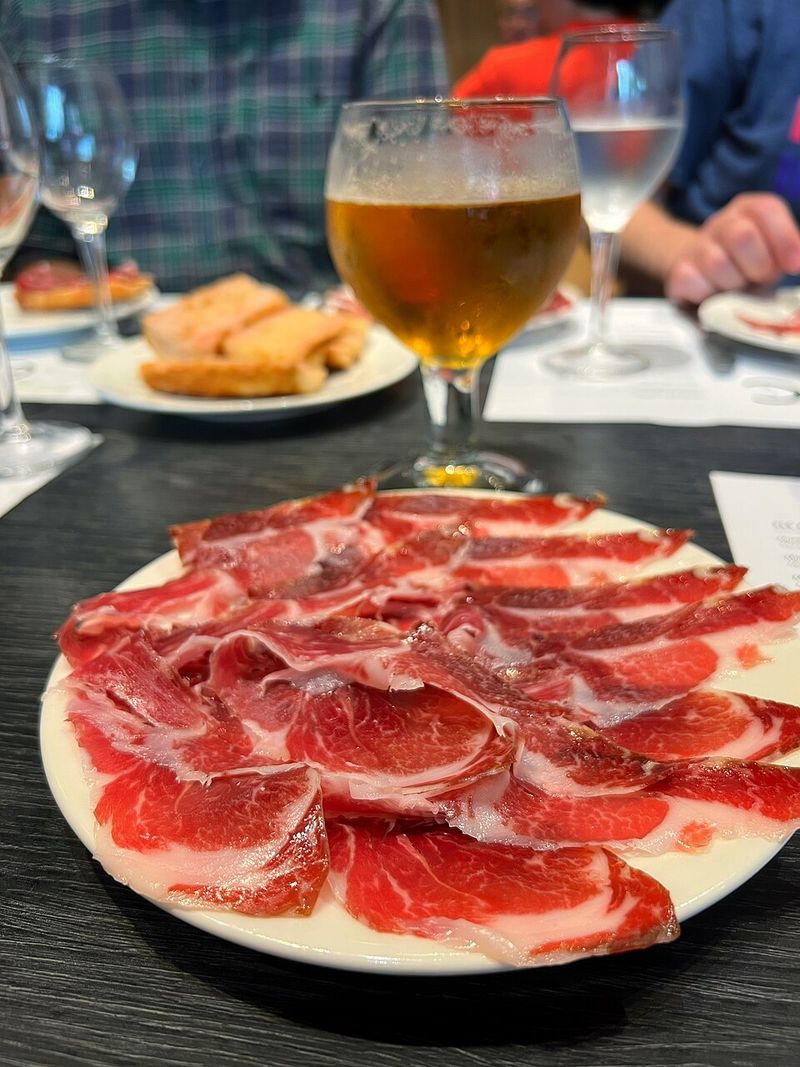
Pioneering modern cuisine at El Bulli, turning simple ingredients into unexpected experiences, yet choosing to savor jamón ibérico in its purest form, enjoyed slowly and with deep appreciation.
Jamón ibérico de bellota comes from pigs raised on acorns in Spanish oak forests, producing a flavor so complex and nutty it genuinely stops conversations mid-sentence.
How fascinating that the man who deconstructed cuisine more radically than anyone else ultimately wants something requiring zero kitchen intervention. Adria slicing jamón proves great taste needs no tricks.
None at all.
12. Alain Ducasse’s Soft-Boiled Egg
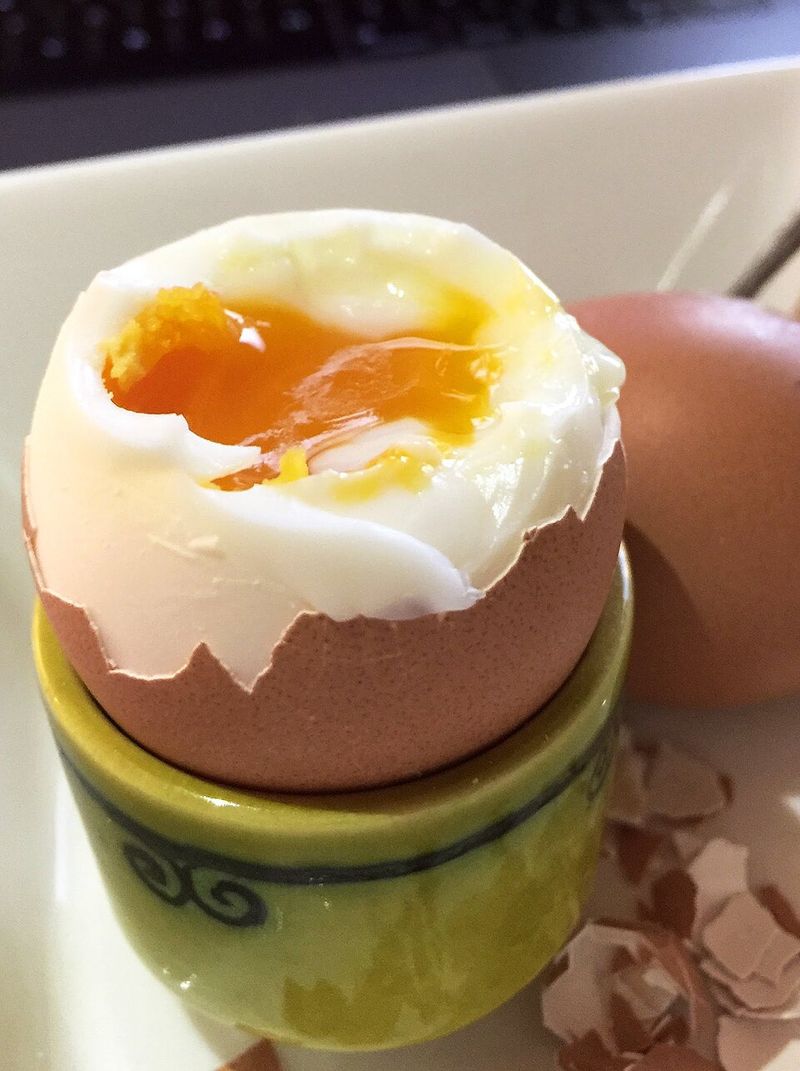
Alain Ducasse holds more Michelin stars than almost any chef alive, running restaurants across Paris, London, Monaco, and beyond. His chosen last meal?
A single perfectly soft-boiled egg. No garnish required, no sauce on the side.
A soft-boiled egg sounds laughably simple until you try to cook one perfectly. Timing matters down to the second.
The white must be fully set while the yolk remains gloriously, impossibly runny.
Ducasse has said a perfect egg reveals everything about a cook’s attention and care. Choosing one as his final meal is a masterclass in knowing exactly what matters.
Quietly brilliant.
13. Yoshihiro Narisawa’s Miso Soup
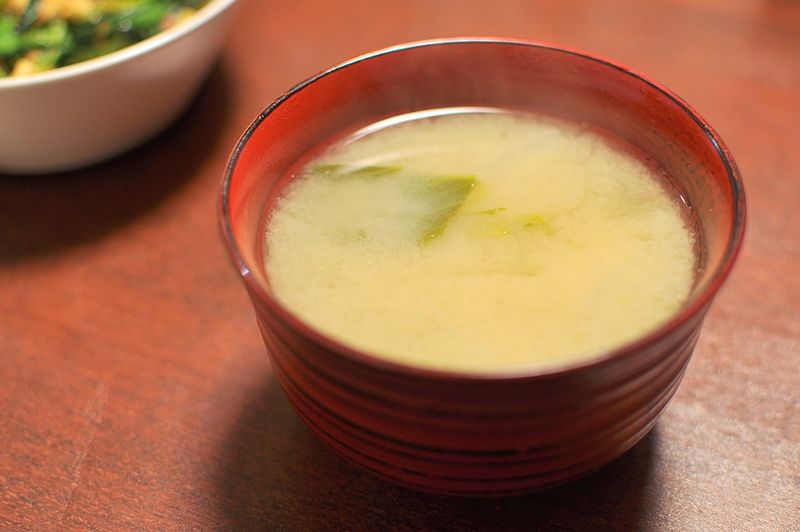
The visionary Japanese chef whose Tokyo restaurant has earned multiple Michelin stars for his innovative Satoyama cuisine, would close the final chapter of his culinary life with a bowl of miso soup. Earthy, warming, and ancient in its simplicity.
Miso soup has been part of Japanese daily life for over a thousand years. Fermented soybean paste dissolved into hot dashi broth creates a flavor so deeply savory and grounding it feels almost medicinal in the best possible way.
Narisawa’s choice honors Japanese food culture at its most foundational. Morning or evening, a bowl of miso soup fixes almost everything worth fixing.
14. Dominique Crenn’s Garden Vegetables and Olive Oil
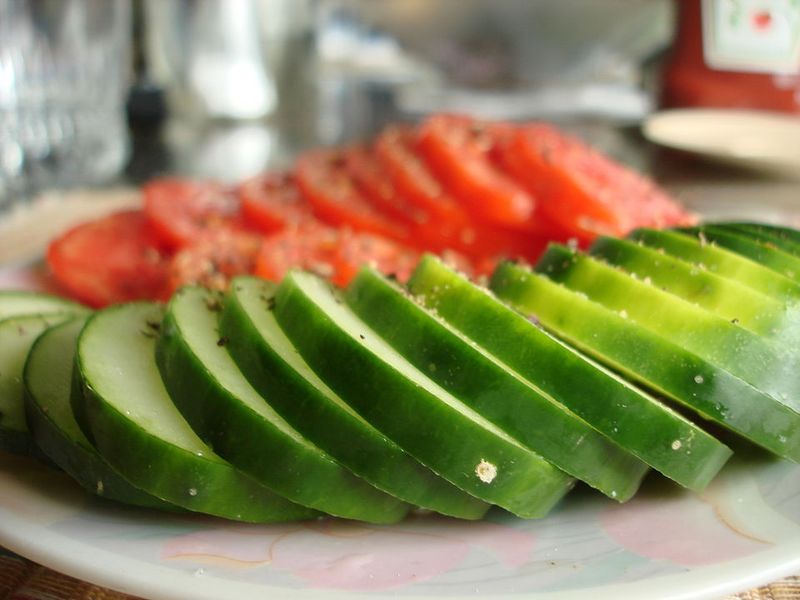
Dominique Crenn, the first female chef in America to earn three Michelin stars at Atelier Crenn in San Francisco, approaches food as poetry. So her last meal would be fresh garden vegetables dressed simply in the finest extra virgin olive oil available anywhere on earth.
Crenn is a passionate advocate for sustainable, plant-forward eating. A plate of seasonal vegetables picked at peak ripeness, kissed by great olive oil, reflects her belief that nature is the greatest chef of all.
No smoke. No mirrors.
Just vegetables being absolutely, unapologetically themselves. Crenn’s last meal is essentially a love letter to the planet.
Written in olive oil.