Ranking 20 Least Impressive Oscar Winning Acting Performances
Every year, the Oscars hand out acting awards that are supposed to crown the very best performances on screen. But sometimes, the Academy gets it a little… sideways.
Some winners have left audiences scratching their heads, wondering if the trophy went to the right person or just the most popular one that season.
Get ready for a fun, honest look at 20 Oscar-winning performances that many critics and fans agree were good, but maybe not quite gold-statue great.
Disclaimer: This article is intended for general informational and entertainment purposes only. Rankings and opinions about Oscar-winning performances reflect editorial perspective, and readers may strongly disagree on which wins were least deserving.
1. Jamie Lee Curtis — Everything Everywhere All at Once
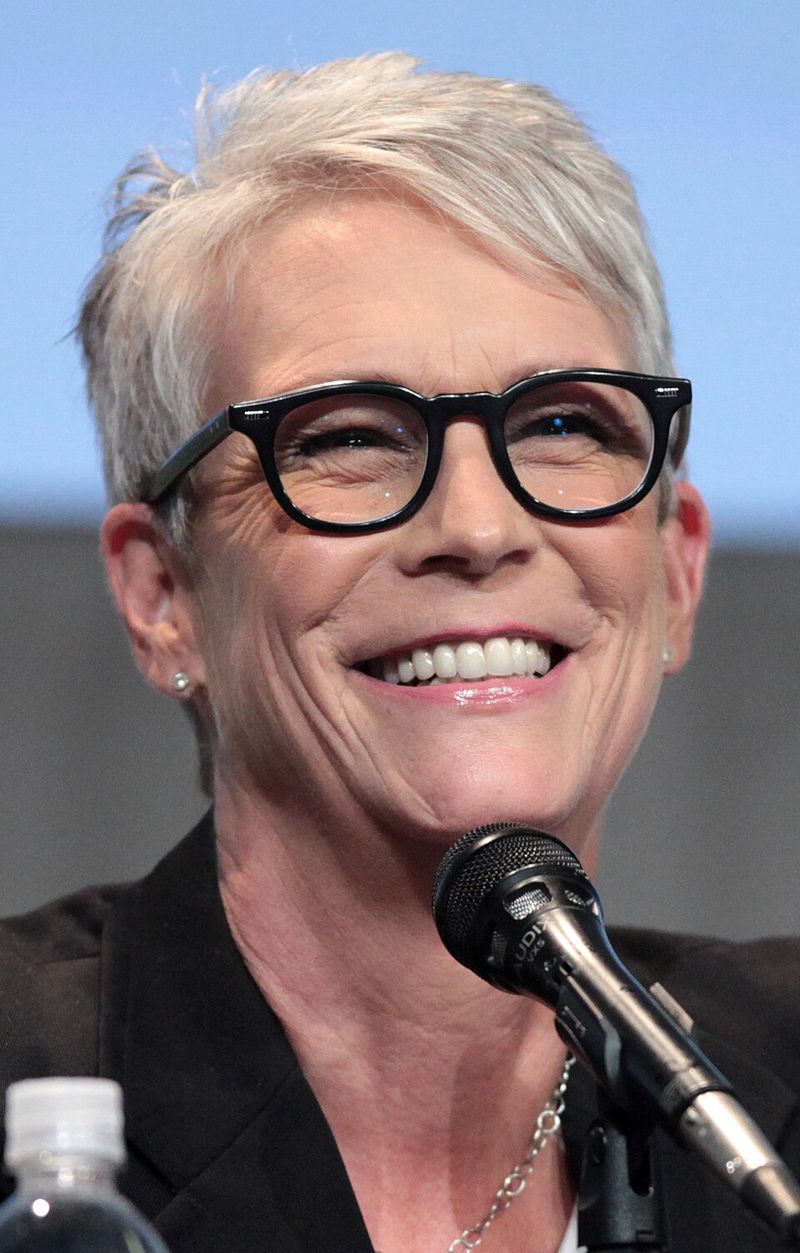
Everyone cheered when Jamie Lee Curtis finally won her first Oscar, and honestly, who could blame them?
She has been a beloved screen presence for decades. But here is the honest truth: her role as a frumpy IRS agent in this wild multiverse adventure was fun, not transformative.
The film belonged to Michelle Yeoh and Ke Huy Quan, who both delivered performances that felt truly universe-shattering. Curtis was a delightful supporting piece, like a fun side character in a video game.
Likable? Absolutely. An all-time Oscar moment? Probably not quite that.
2. George Chakiris — West Side Story (1961)
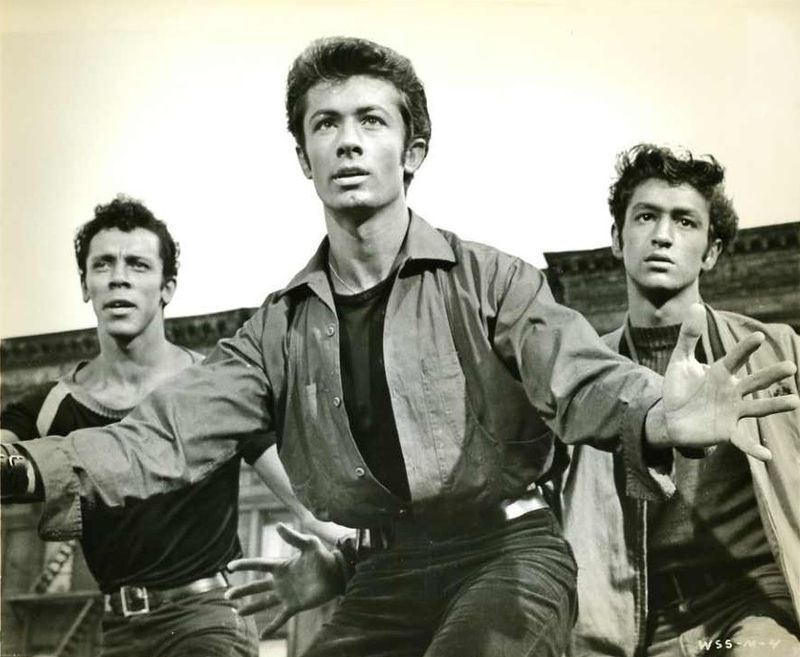
Snap, snap! George Chakiris brought serious energy to Bernardo in the 1961 classic West Side Story.
His movements were sharp, his screen presence was magnetic, and he clearly committed to every scene he appeared in.
However, when you stack his win against other supporting actor legends, it starts to feel lighter than expected.
The dancing honestly does a lot of heavy lifting here. It is a performance you enjoy watching, but one you might not immediately recall as a game-changing, career-defining Oscar moment.
3. Jessica Lange — Tootsie (1982)
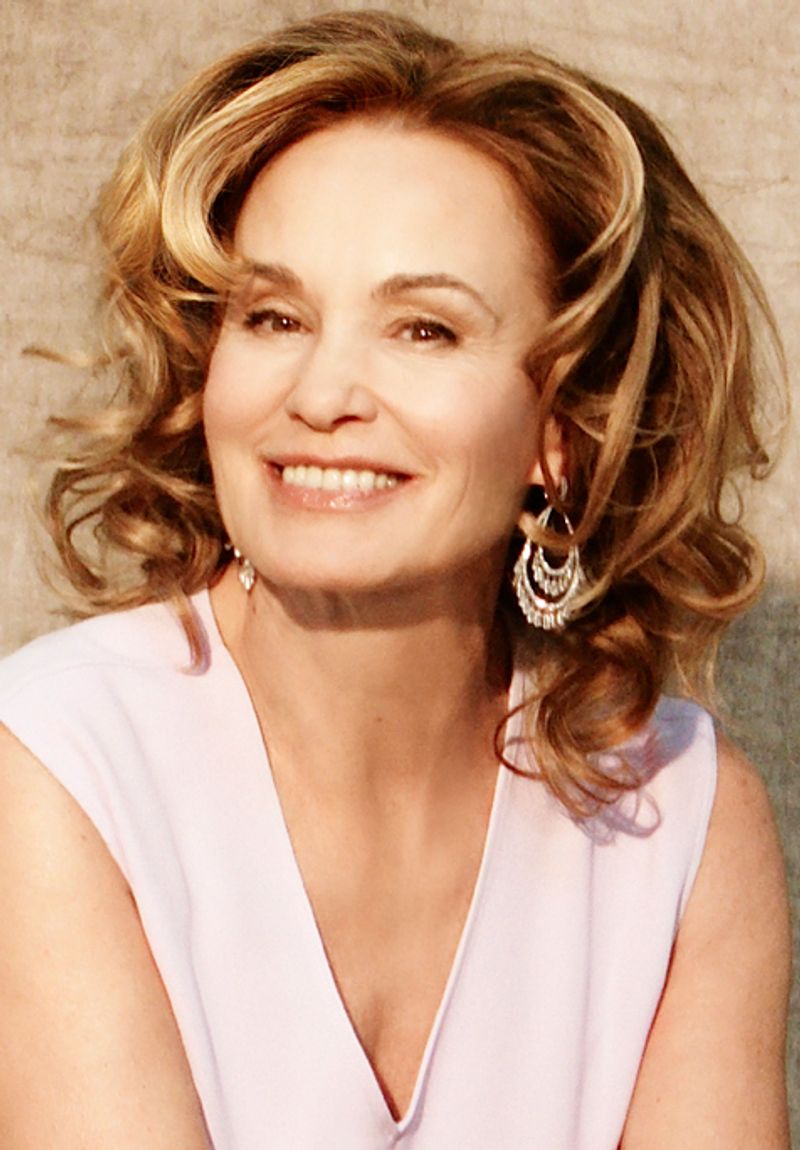
How do you win an Oscar for being charming and breezy in a comedy? Ask Jessica Lange, who did exactly that in Tootsie.
Her performance as Julie is genuinely warm and watchable, the kind of role that makes you root for the character immediately. Still, calling it a towering Oscar-worthy achievement feels like a stretch.
Dustin Hoffman was running circles around everyone in that film, and Lange’s role, while sweet, never really demands the kind of heavy dramatic lifting we typically associate with Academy gold.
4. Helen Hunt — As Good as It Gets (1997)
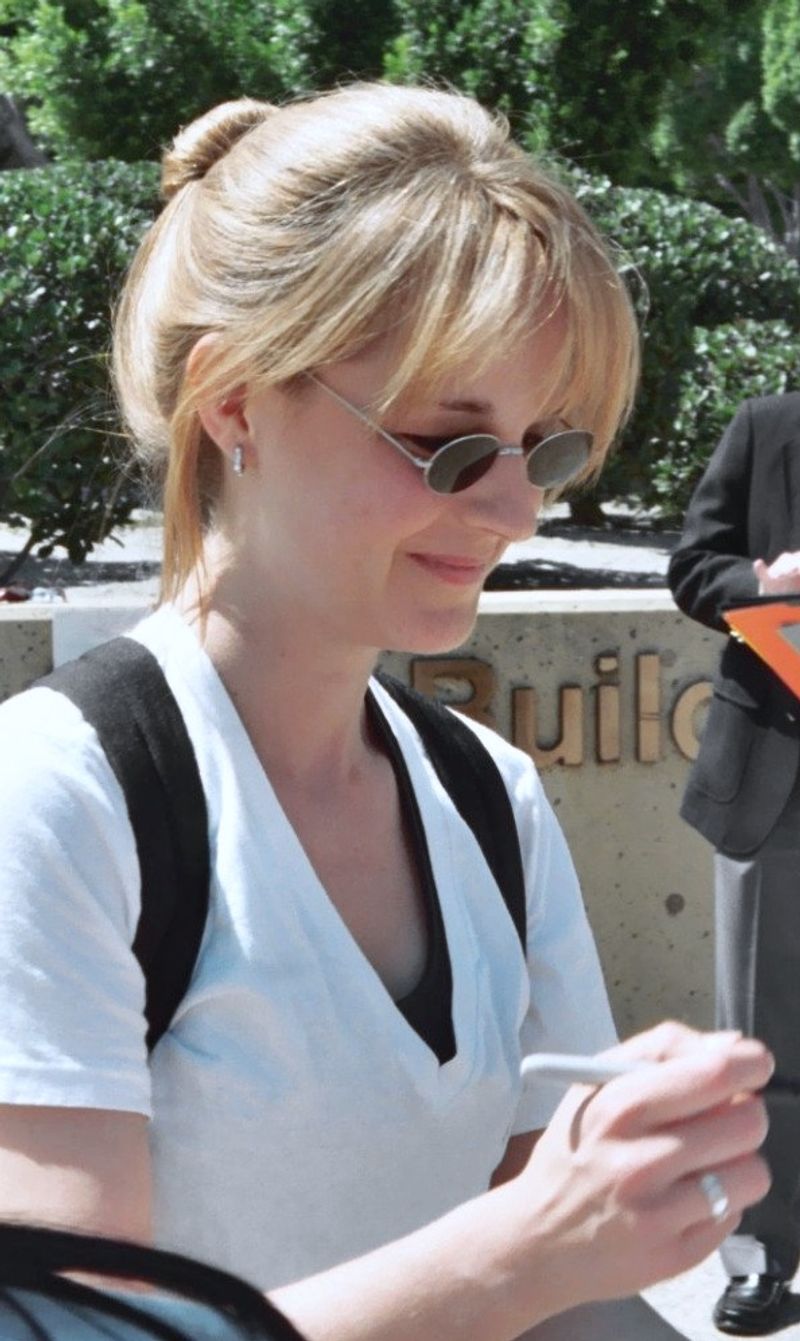
Playing a single mom waitress opposite Jack Nicholson is no small task, and Helen Hunt handled it with real skill. Her Carol Connelly is grounded, relatable, and genuinely moving in several scenes throughout the film.
Yet something about the win has always felt slightly off to many Oscar fans.
The competition that year was fierce, and Hunt’s performance reads more like an outstanding television lead performance than an all-time cinematic achievement. She won partly because the film was a crowd favorite.
5. Rami Malek — Bohemian Rhapsody (2018)
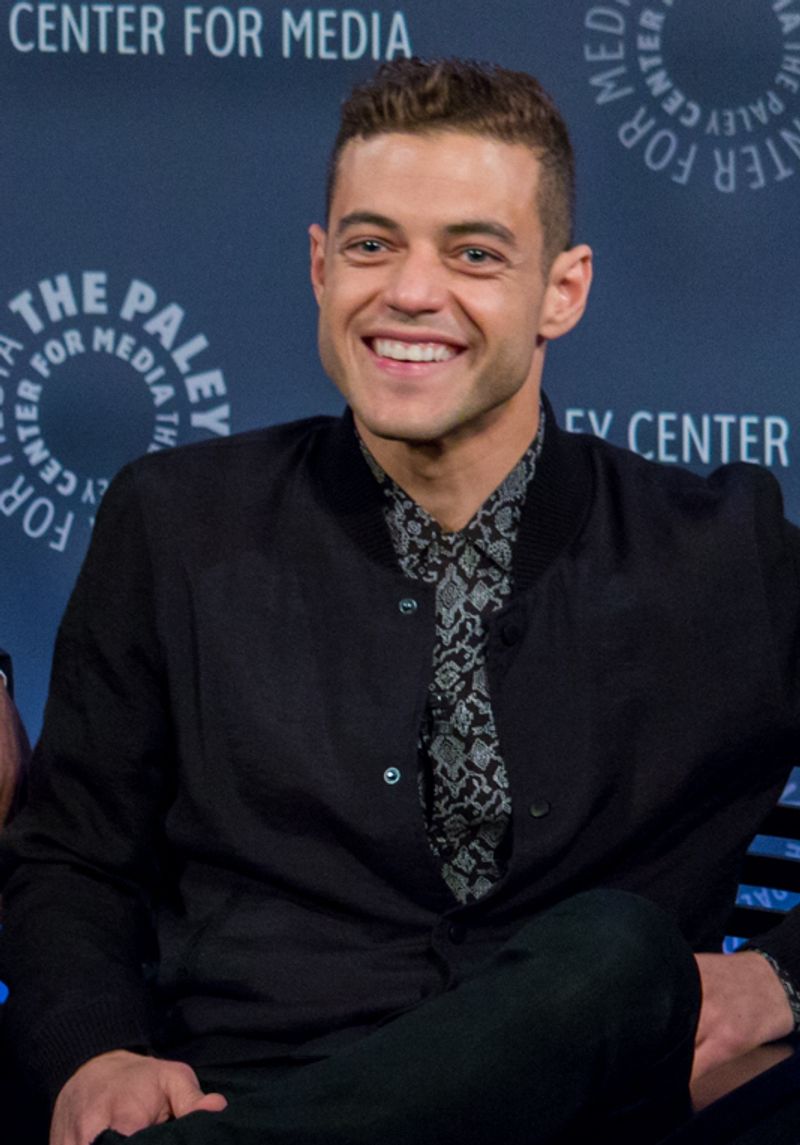
Rami Malek clearly worked incredibly hard to become Freddie Mercury on screen. The physical transformation alone, from the prosthetic teeth to the iconic stage strut, deserves serious credit.
You can feel the dedication in every frame.
However, a lot of what makes this performance pop is the editing, the real concert footage, and the towering legend of Mercury himself doing much of the emotional heavy lifting.
Strip all that away, and the actual acting underneath feels more like skilled mimicry than deep character creation.
6. Mira Sorvino — Mighty Aphrodite (1995)
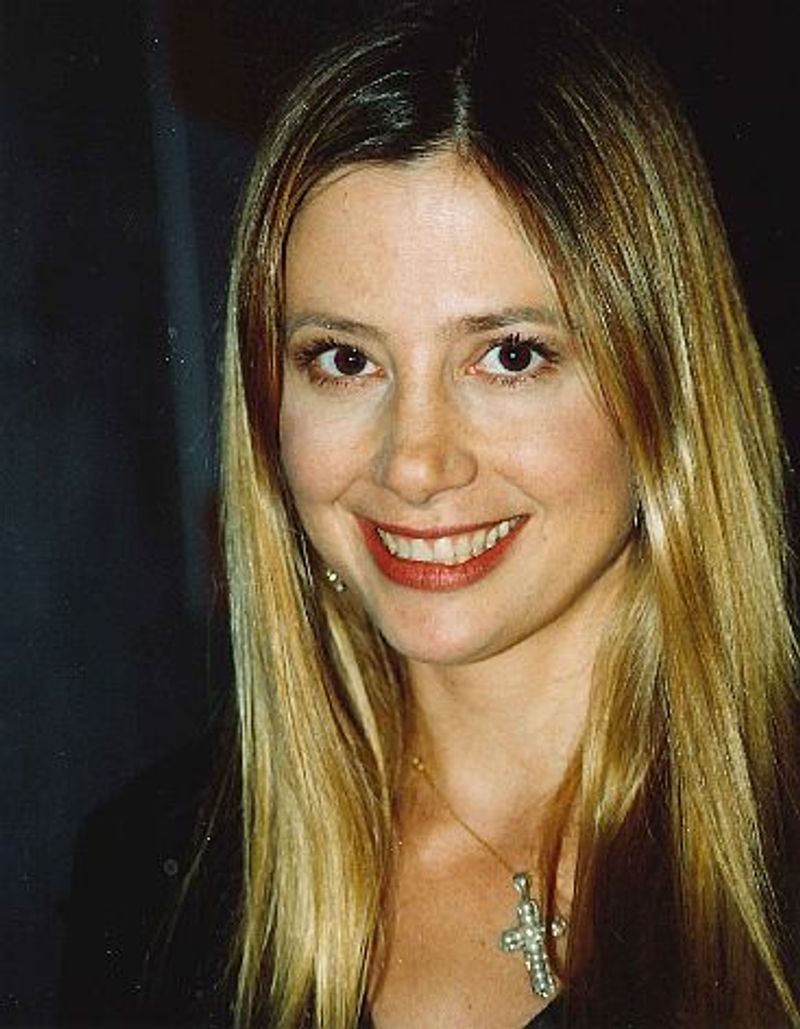
Genuinely funny and likable, Mira Sorvino shines as Linda Ash in Woody Allen’s quirky comedy Mighty Aphrodite. Her high-pitched voice and comic timing create a memorable character that stands out.
Even so, this win has always carried a slightly puzzled asterisk next to it in Oscar history. It is a fun, supporting turn in a mid-tier Woody Allen comedy, not exactly the stuff of legend.
Sorvino deserved recognition, but many feel the Oscar label made the performance sound far more monumental than the role actually was.
7. Sandra Bullock — The Blind Side (2009)
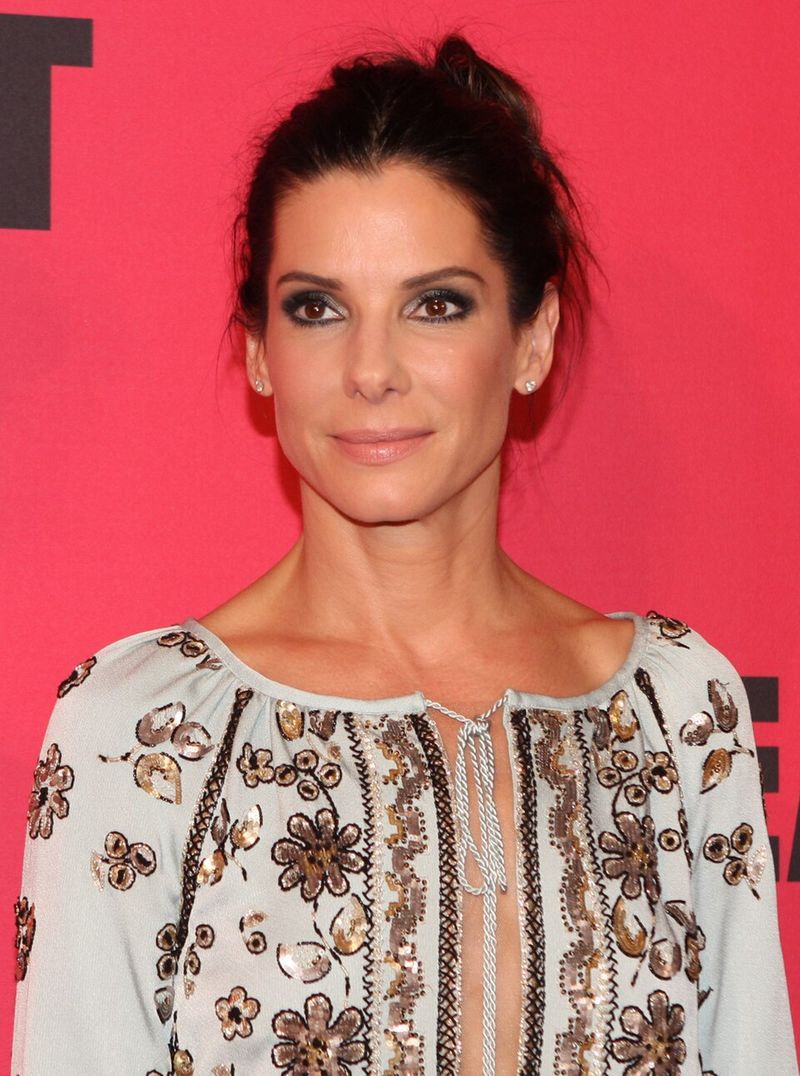
Nobody throws a megawatt movie-star smile quite like Sandra Bullock, and her Leigh Anne Tuohy in The Blind Side is warm, fierce, and undeniably watchable.
She commands every scene she enters, which is basically all of them.
Critics, though, have long pointed to this win as a classic case of star momentum beating out pure acting craft.
The role does not ask Bullock to disappear into a character so much as simply be a heightened version of her most charming self.
8. Alicia Vikander — The Danish Girl (2015)
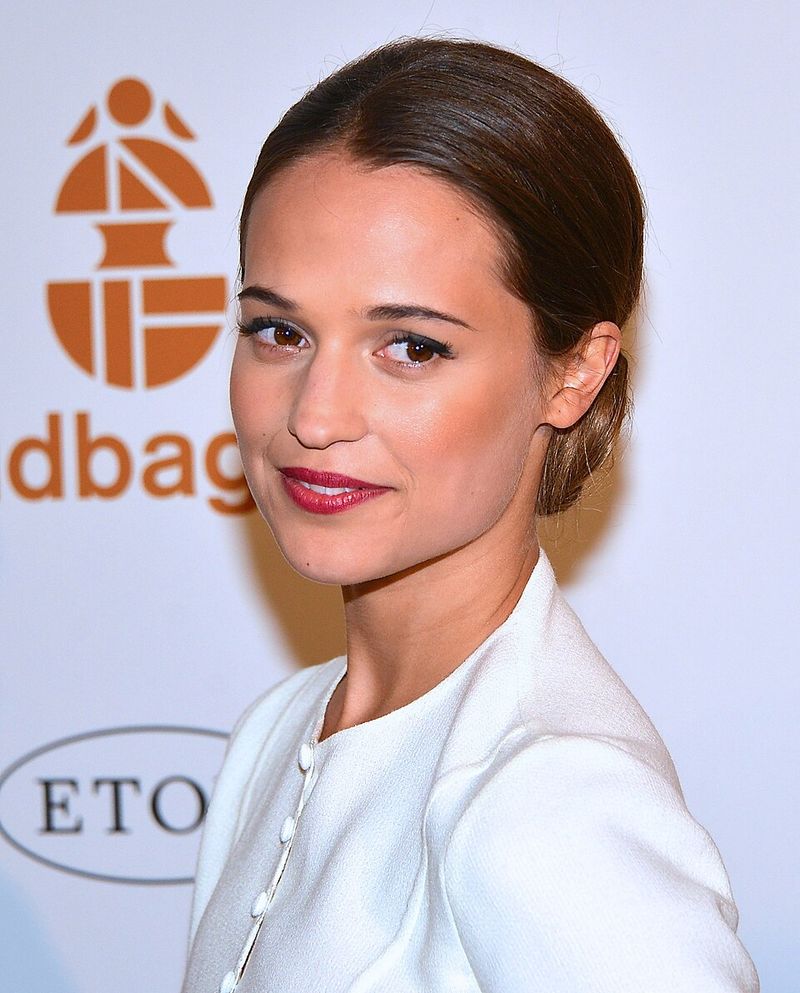
Bringing quiet grace to The Danish Girl, Alicia Vikander plays Gerda Wegener with subtle emotional intelligence.
Her scenes alongside Eddie Redmayne carry genuine tenderness, and she never once feels out of place in a challenging, sensitive story.
Where things get complicated is the category conversation. Many viewers and critics believe Vikander was doing lead-actress work filed under supporting, which gave her campaign a significant strategic advantage.
When you factor in that sleight-of-hand, the win starts feeling more like smart positioning than a performance that absolutely demanded that golden statue.
9. Art Carney — Harry and Tonto (1974)
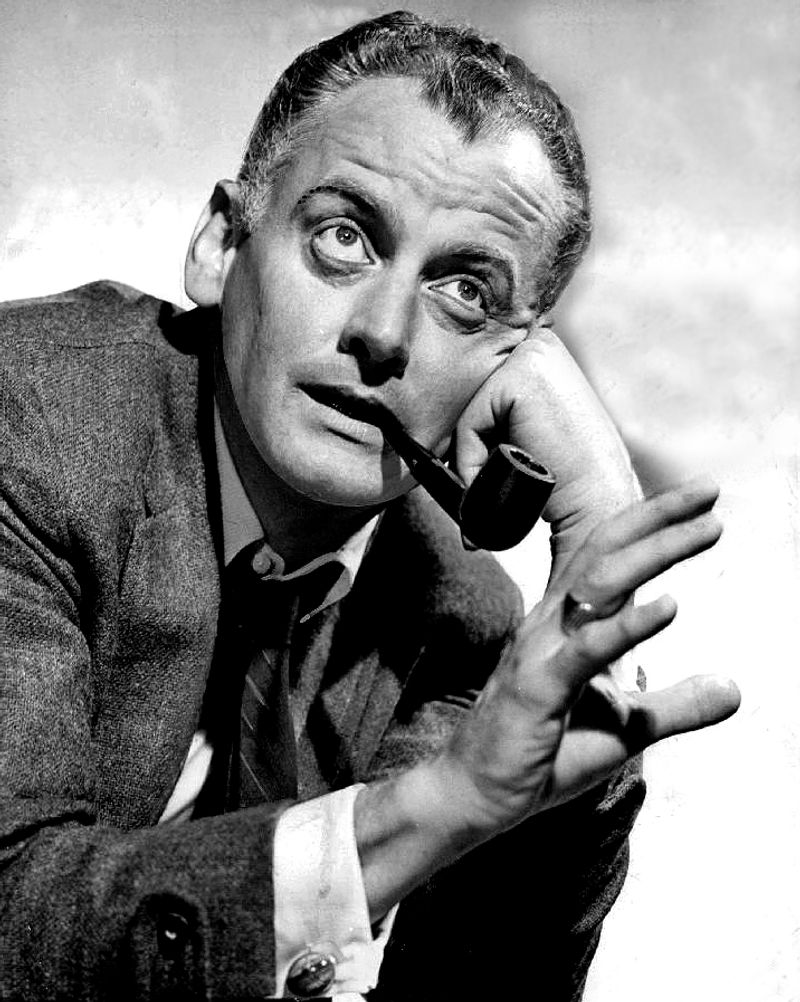
If you have never seen Harry and Tonto, you are definitely not alone.
Art Carney’s quiet, gentle road-trip performance beat out Jack Nicholson in Chinatown and Al Pacino in The Godfather Part II for the 1974 Best Actor Oscar. Let that sink in for a moment.
Carney is genuinely sweet and touching in the role. But the further you travel through Oscar history, the stranger this win appears.
It feels like the Academy was in a particularly mellow mood that year.
10. Emma Stone — La La Land (2016)
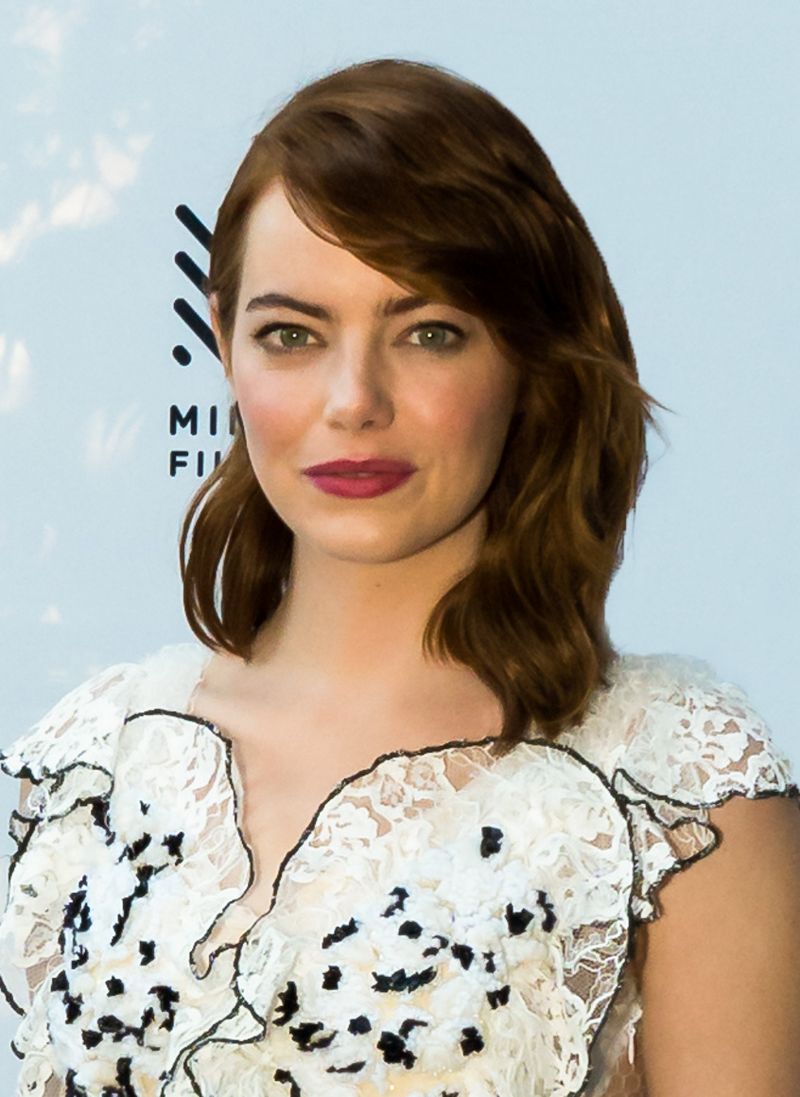
La La Land is a gorgeous film, and Emma Stone brings real sparkle to Mia, the dreaming actress trying to make it in Hollywood.
Her final audition scene, where she sings about dreamers, is genuinely moving and earns every tear it produces.
However, when you place this win next to performances like Natalie Portman in Black Swan or Cate Blanchett in Blue Jasmine, the gap starts to show.
It is a lovely performance in a lovely film. Just not necessarily an all-time crushing Best Actress.
11. Gwyneth Paltrow — Shakespeare in Love (1998)
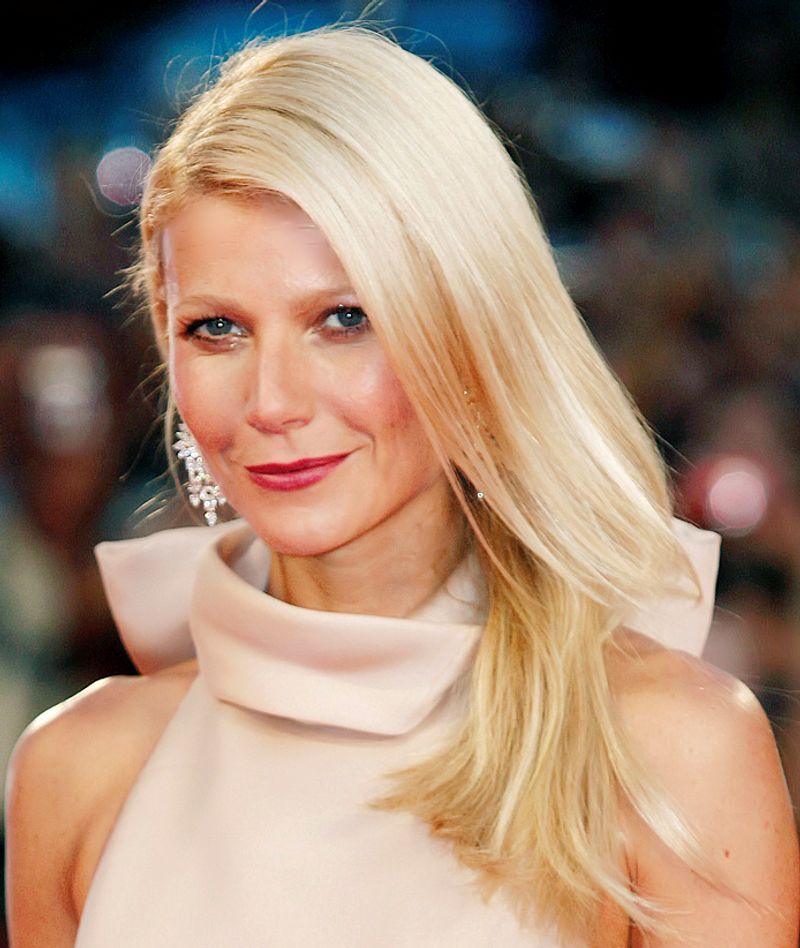
Few Oscar wins have sparked more ongoing debate than Gwyneth Paltrow’s Best Actress trophy for Shakespeare in Love.
The campaign behind it was legendary, practically a masterclass in awards-season strategy. And Paltrow herself? Elegant, likable, and perfectly cast.
But elegant and likable do not always equal Oscar-worthy. The performance has a breezy, period-drama quality that feels more pleasant than powerful.
Most film fans today quietly agree the wrong actress won that year.
12. Renee Zellweger — Cold Mountain (2003)
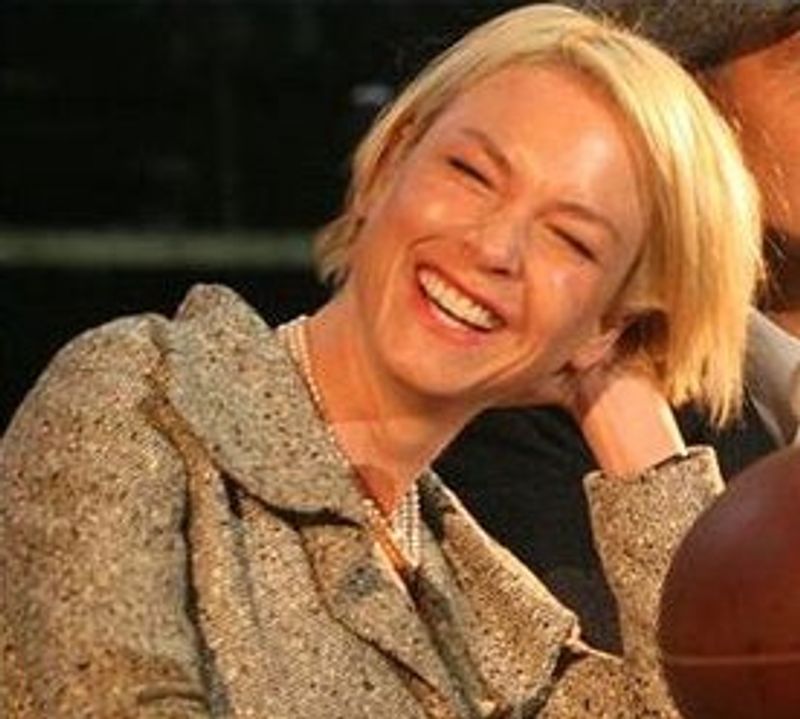
Renee Zellweger showed up in Cold Mountain as Ruby Thewes and absolutely stole every single scene she appeared in.
Her energy is infectious, her comedic timing is sharp, and she clearly had a blast playing this no-nonsense mountain woman.
Where the win gets complicated is in context. Ruby is a scene-stealing supporting role, not a transformative one.
Several other supporting performances that year felt more emotionally layered and demanding.
Many see this win as solid work rewarded generously, rather than a supporting turn that genuinely redefined what the category could achieve.
13. Beatrice Straight — Network (1976)
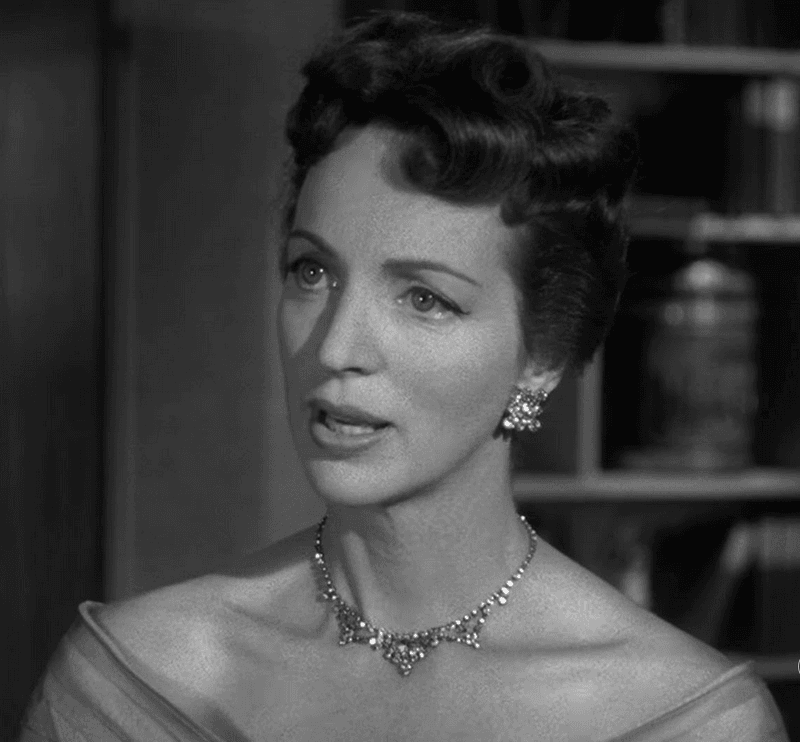
Here is a genuinely wild Oscar fact: Beatrice Straight won Best Supporting Actress for Network with only about five minutes and two seconds of screen time.
That is still the shortest winning performance in Academy Awards history. Remarkable, right?
Her scene, a raw confrontation with her cheating husband, is emotionally effective and well-acted. However, five minutes is five minutes.
The Oscar’s reputation has grown so much around the record-breaking brevity that people forget to ask whether it was truly the best supporting performance of 1976.
14. Roberto Benigni — Life Is Beautiful (1997)
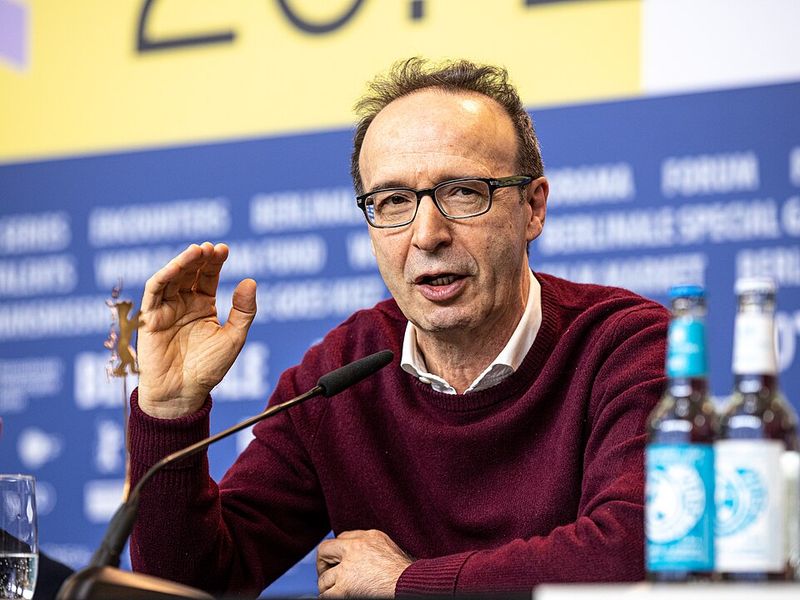
Roberto Benigni’s win for Life Is Beautiful is one of the most polarizing moments in Oscar history.
His exuberant acceptance speech, where he literally climbed over seats to reach the stage, is more memorable than almost anything in the actual film.
The performance itself is deeply divisive. Using broad physical comedy to navigate a serious story is an incredibly specific creative choice, and many critics feel it oversimplified the story.
Emotionally potent in flashes, sure. But as a Best Actor winner, it remains one of those wins that leaves thoughtful movie fans with lingering, complicated feelings.
15. Laura Dern — Marriage Story (2019)
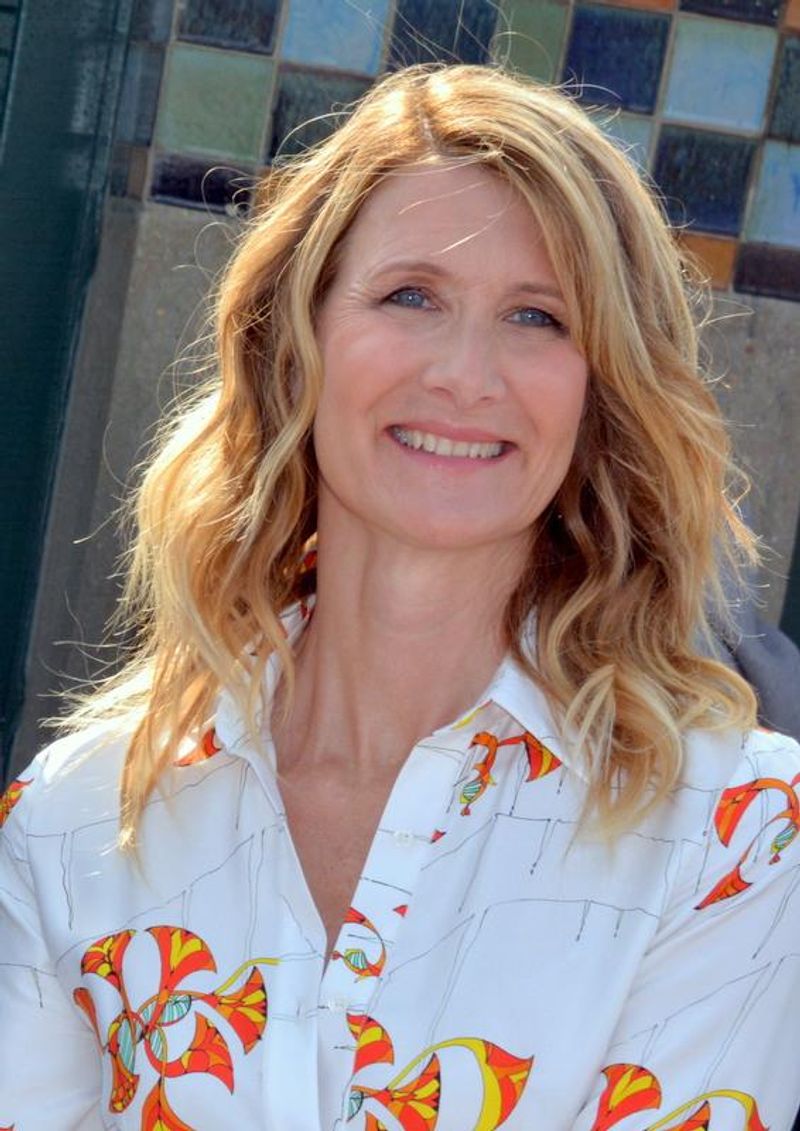
An absolute force of nature in Marriage Story, Laura Dern delivers her divorce lawyer monologue with the kind of ferocious, quotable energy that immediately goes viral.
She is sharp, funny, and completely scene-stealing in every appearance. Still, this win has a strong “career prize” energy surrounding it.
Dern has been outstanding in films for decades without the Academy formally acknowledging her. Marriage Story felt like the moment Hollywood finally said sorry for waiting so long.
The performance is great, but probably not the single most overwhelming supporting turn of 2019.
16. Al Pacino — Scent of a Woman (1992)
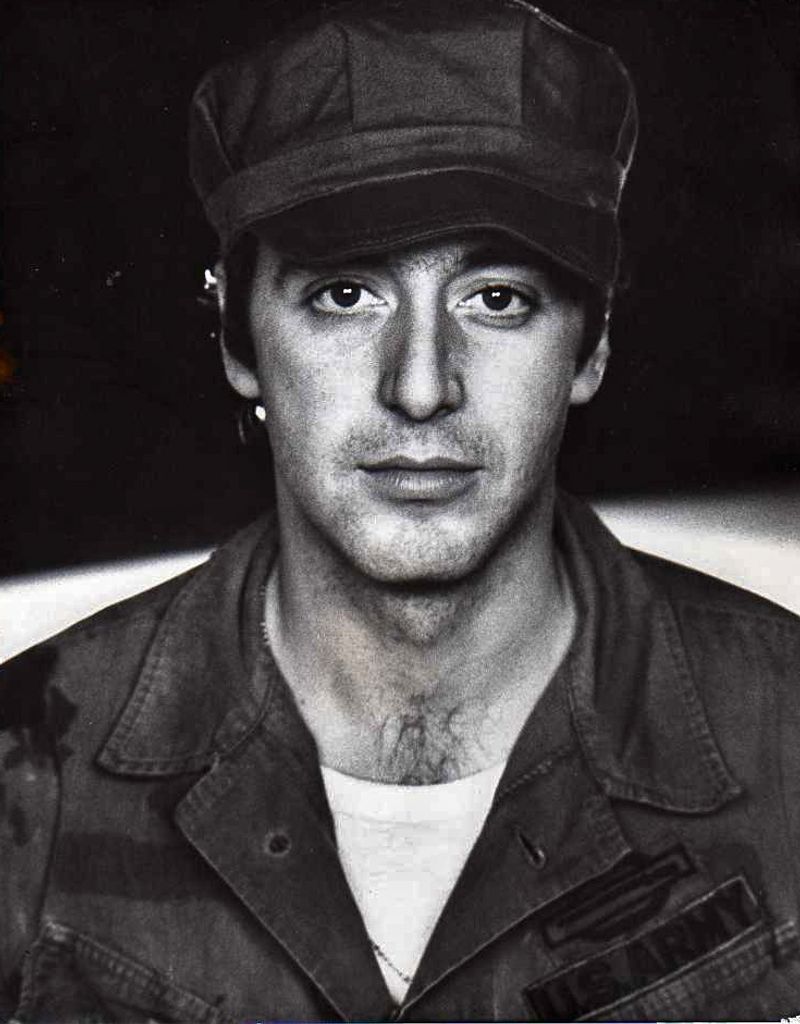
HOO-AH! Few Oscar moments are as instantly recognizable as Al Pacino’s theatrical, larger-than-life turn as blind retired Colonel Frank Slade.
Pacino goes full volume from minute one, and the performance is undeniably entertaining to watch repeatedly.
However, ask any serious film fan to name Pacino’s greatest performance, and Scent of a Woman rarely tops the list.
The Godfather, Serpico, Dog Day Afternoon, those are the performances that defined a generation. This win is widely understood as the Academy finally catching up on years of snubbing one of cinema’s greatest actors.
17. Judi Dench — Shakespeare in Love (1998)
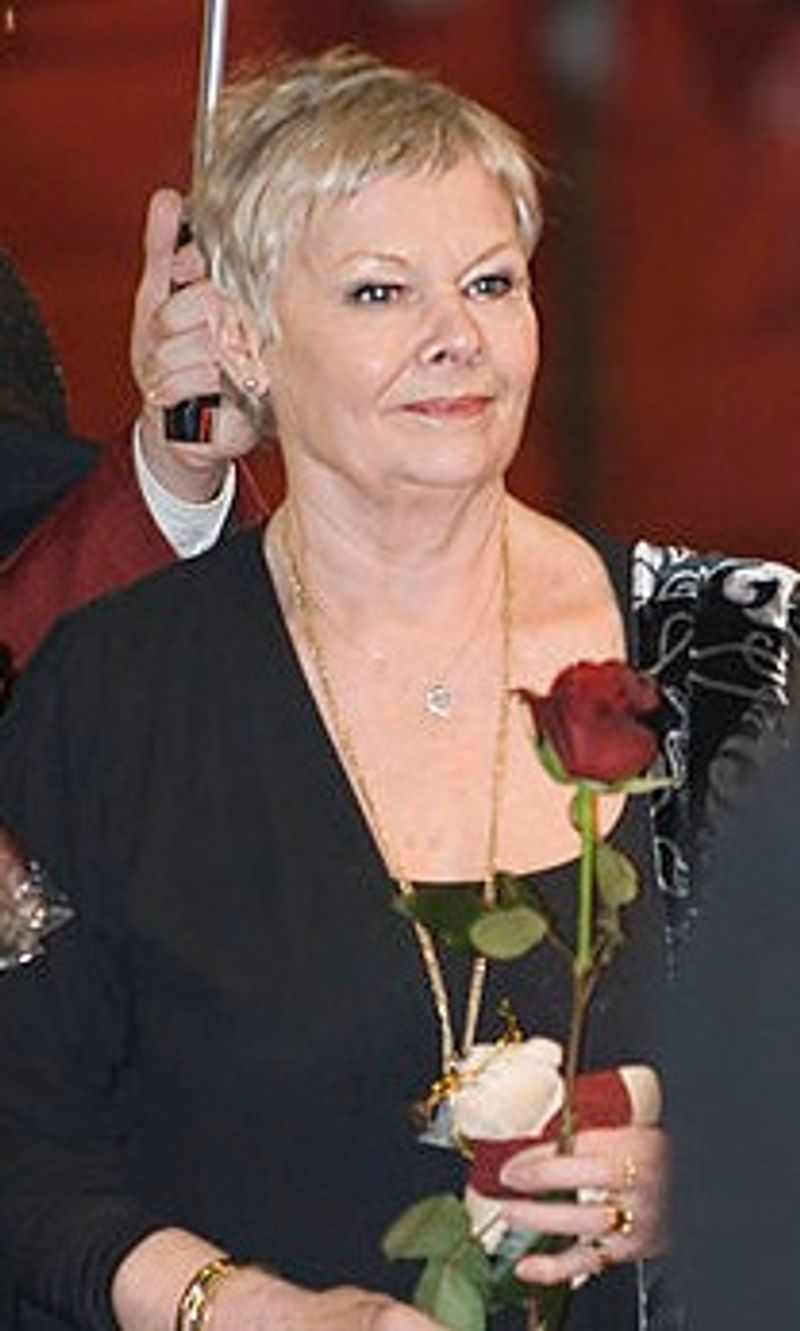
Eight minutes. That is roughly how long Judi Dench appears on screen as Queen Elizabeth I in Shakespeare in Love, and she won a Supporting Actress Oscar for it.
Eight minutes! Even Dench herself seemed slightly amused by the whole situation.
To be fair, those eight minutes are genuinely commanding. Dench fills every frame with authority, wit, and regal presence.
But when a performance is shorter than most YouTube videos, calling it a landmark Oscar win feels like a stretch.
18. John Wayne — True Grit (1969)
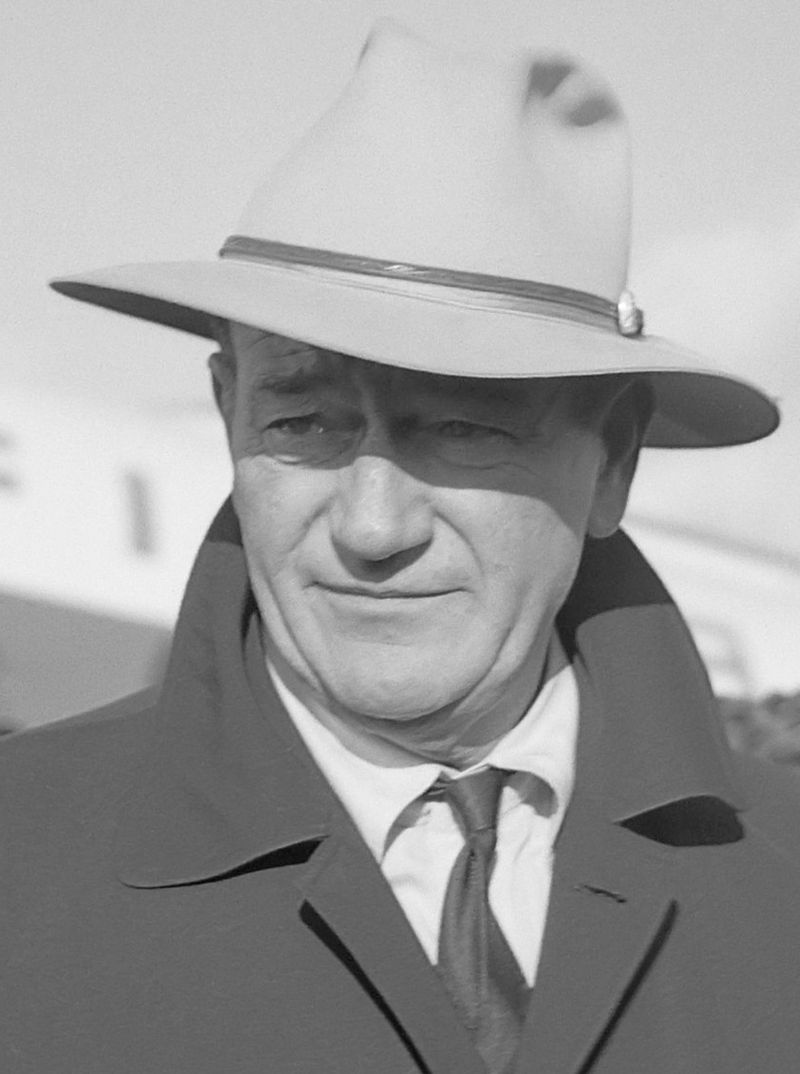
The Duke finally got his Oscar for True Grit, and the entire industry gave a collective sigh of relief.
John Wayne had been a Hollywood icon for decades, and the Academy clearly wanted to honor that legacy before time ran out.
That is exactly the problem. True Grit is a fun, entertaining Western, and Wayne is perfectly cast as the gruff Rooster Cogburn.
But it is far from his most complex or demanding screen work.
The win belongs more to a lifetime of westerns, war films, and sheer star power than to this specific performance.
19. Marisa Tomei — My Cousin Vinny (1992)
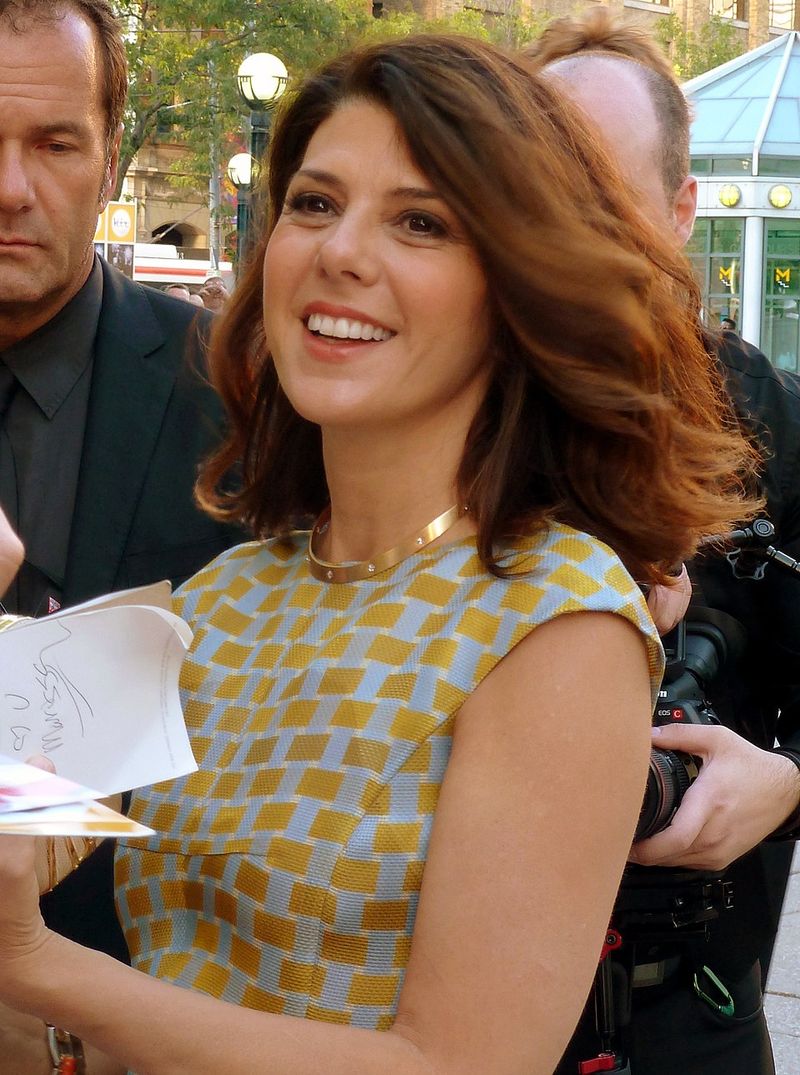
Few Oscar wins have generated as much persistent conspiracy theory as Marisa Tomei’s victory for My Cousin Vinny.
Rumors swirled for years that presenter Jack Palance misread the envelope. Those rumors are false, but they stuck around because the win felt so surprising.
Tomei is genuinely hilarious and surprisingly sharp as Mona Lisa Vito.
But competing against Judy Davis, Miranda Richardson, and Vanessa Redgrave? Winning that field with a comedy sidekick role remains one of Oscar history’s most eyebrow-raising moments.
20. Cuba Gooding Jr. — Jerry Maguire (1996)
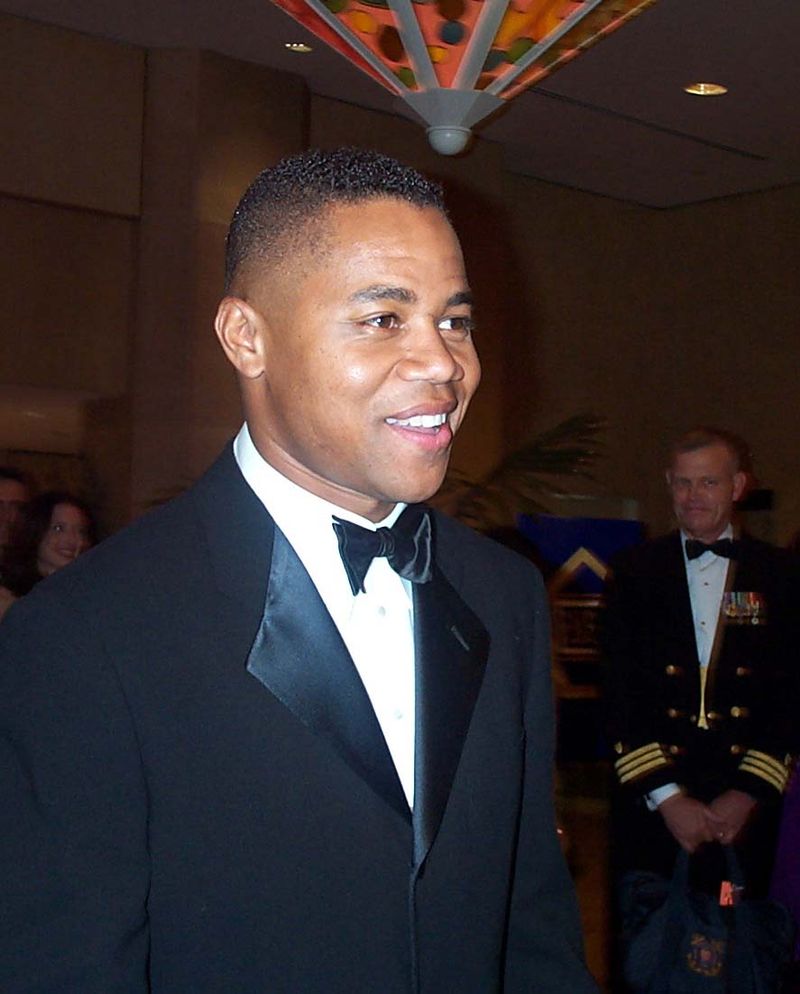
Show him the money! Cuba Gooding Jr. burst onto the Oscar stage with pure electric energy, delivering one of the most enthusiastic acceptance speeches in ceremony history.
His Rod Tidwell is charismatic, funny, and impossible not to root for throughout Jerry Maguire.
The performance is genuinely entertaining, but the competition that year included Edward Norton in Everyone Says I Love You and William H. Macy in Fargo.
Those were deeper, more complex supporting turns. Gooding Jr. won on likability and one iconic catchphrase more than sustained dramatic power.