16 Legendary Albums That Only Improve With Time
Some records feel like old friends who get wiser every time you visit them.
Certain albums don’t just survive the decades – they thrive, revealing new layers and secrets with each listen.
These timeless masterpieces grow richer as years pass, connecting with fresh generations while reminding longtime fans why they fell in love in the first place.
Disclaimer: This article reflects subjective editorial perspectives on albums considered timeless and should not be interpreted as definitive fact or universal consensus.
1. Abbey Road, The Beatles (1969)
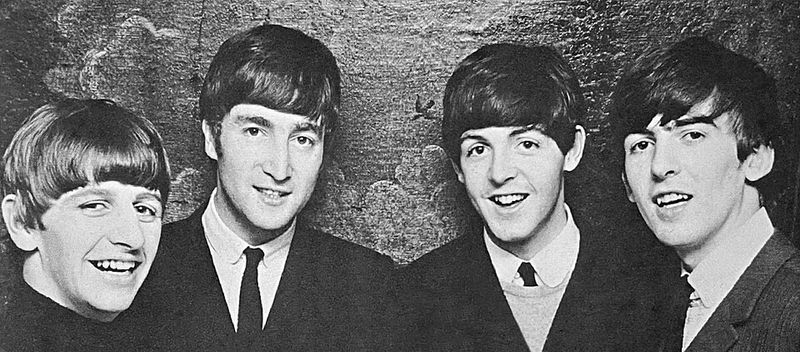
Picture four musicians crossing a London street, unknowingly creating one of music’s most recognizable images.
Abbey Road captures The Beatles at their creative peak, blending experimentation with unforgettable melodies that still sound fresh today.
Side two’s medley flows like a musical river, carrying listeners through emotions they didn’t know existed.
Each listen uncovers hidden harmonies and production tricks that were decades ahead of their time.
2. Rumours, Fleetwood Mac (1977)
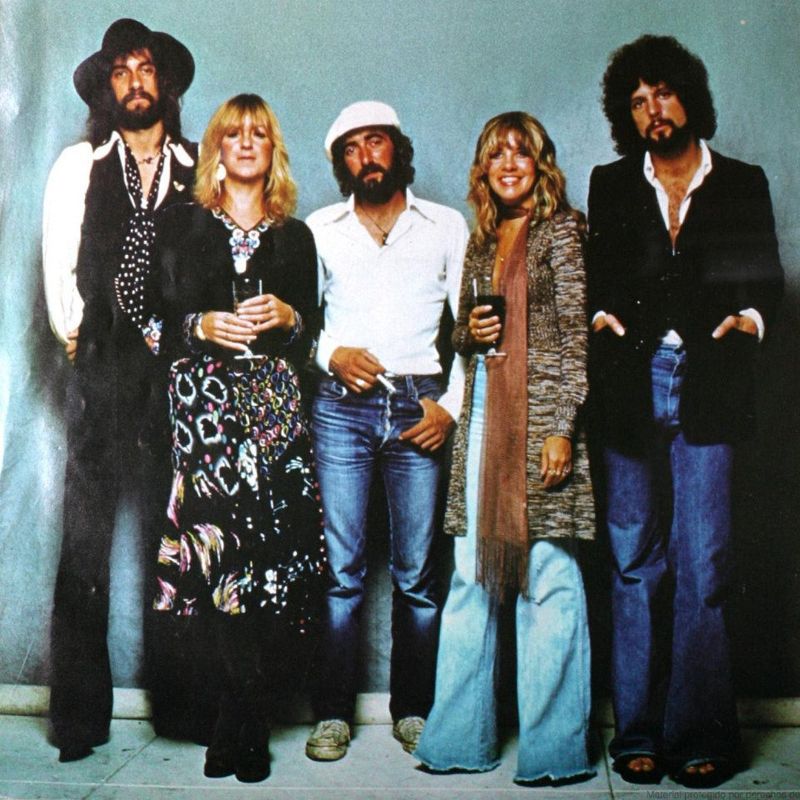
Born from heartbreak and studio tension, this record transformed personal pain into universal anthems.
Fleetwood Mac channeled relationship drama into songs that somehow make breakups sound beautiful.
The harmonies between battling bandmates created magic that no amount of happiness could have produced.
Decades later, new listeners discover why millions found comfort in these confessional tracks during their own rough patches.
3. Pet Sounds, The Beach Boys (1966)

Brian Wilson heard symphonies in his head and somehow translated them into pop music that redefined what was possible.
Forget surfboards – this album explores inner emotional oceans with lush orchestrations and heavenly harmonies.
Paul McCartney called it the album that inspired Sgt. Pepper, which tells you everything about its influence.
Each bizarre instrument choice and unconventional arrangement makes more sense with every passing year.
4. Back to Black, Amy Winehouse (2006)

Amy Winehouse resurrected 1960s soul with modern heartbreak, creating something both vintage and urgent.
Her powerhouse voice turned personal struggles into universal anthems about love gone wrong.
The album’s tragic backstory adds weight to already heavy songs about addiction and relationships.
Young artists still study her phrasing and emotional honesty, trying to capture the raw authenticity she delivered so naturally.
5. The Velvet Underground & Nico, The Velvet Underground (1967)
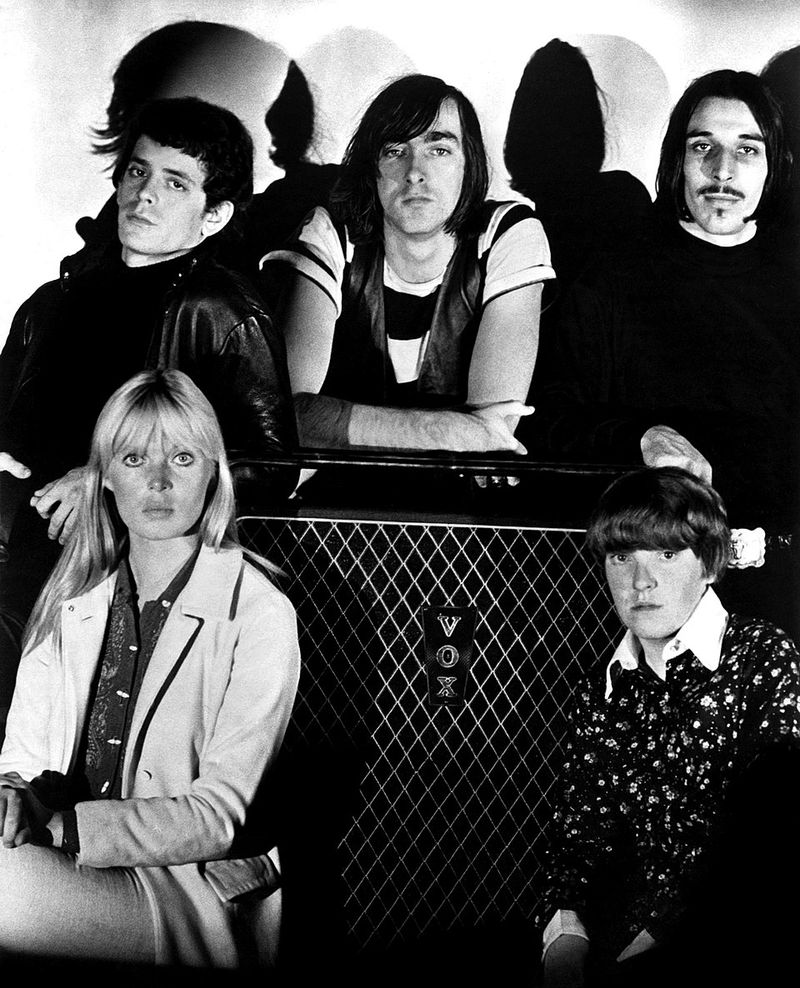
Andy Warhol slapped a banana on the cover, and underneath lurked some of rock’s darkest, most daring songs.
The Velvet Underground ignored commercial success and created art that influenced countless bands who came after.
Lou Reed’s tales of urban life felt shocking in 1967 but now read like honest journalism.
Critics initially dismissed it, but history proved that sometimes the weirdest albums become the most important.
6. London Calling, The Clash (1979)
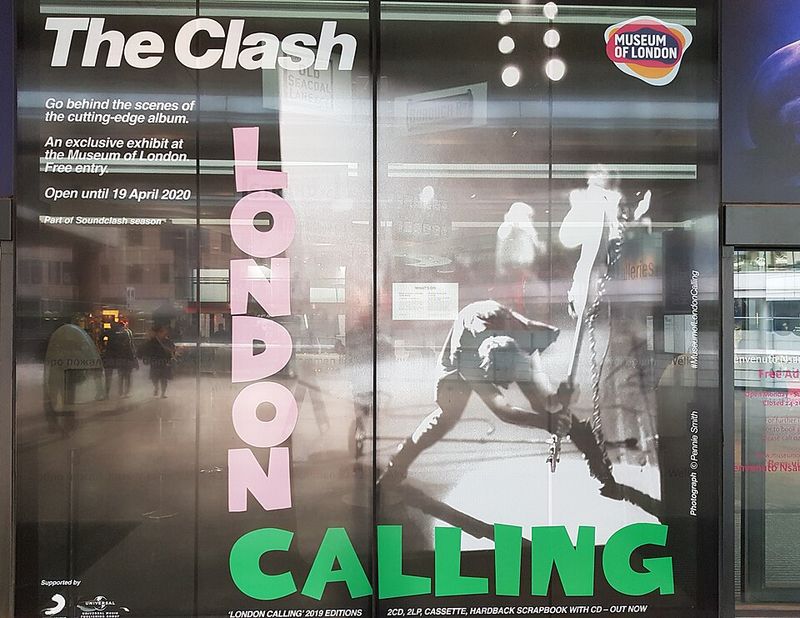
A bass guitar smashing against a stage captured punk’s explosive energy in one perfect photograph.
The Clash mixed punk fury with reggae, rockabilly, and ska, proving rebellion doesn’t mean narrow-mindedness.
Political anger and personal frustration collide across tracks that still sound urgent decades later.
Rolling Stone eventually called it the best album of the 1980s, even though it dropped in 1979 – that’s how ahead it was!
7. Dark Side of the Moon, Pink Floyd (1973)
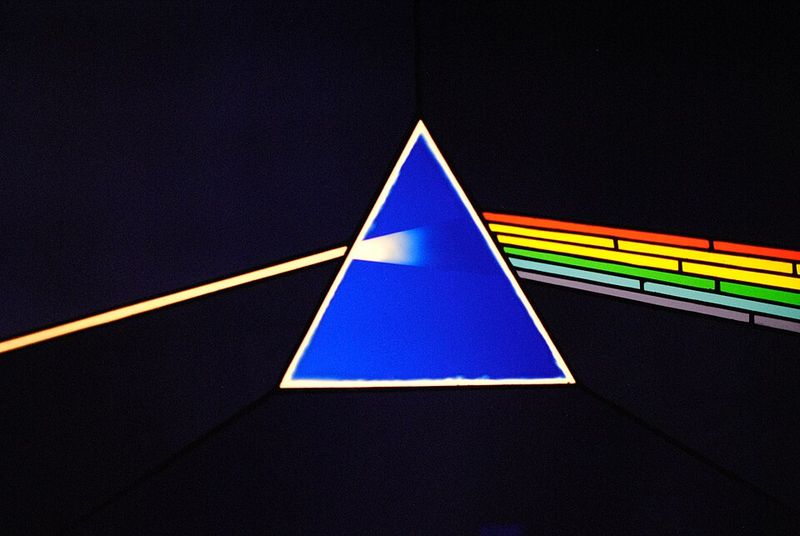
A prism splitting light became the perfect symbol for an album that explores what splits us apart inside.
Pink Floyd turned anxiety, greed, and mortality into sonic landscapes that feel like traveling through your own mind.
The album stayed on Billboard charts for over 900 weeks because it speaks to timeless human struggles.
Headphones transform this record into a meditation, revealing sounds and details that surprise even after hundreds of listens.
8. Random Access Memories, Daft Punk (2013)
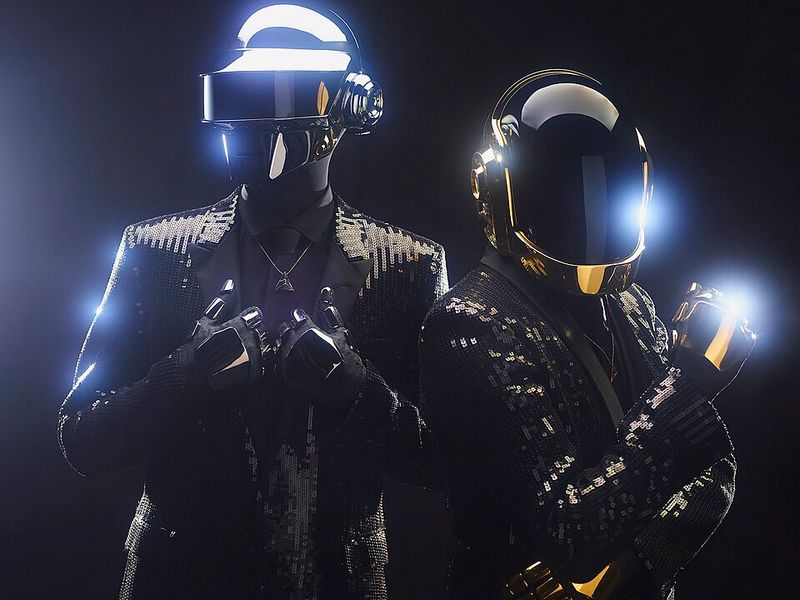
Two French robots decided to ditch computers and hire live musicians, creating electronic music’s most human album.
Daft Punk collaborated with disco legends and Pharrell Williams, bridging generations and genres with effortless cool.
Get Lucky became inescapable, but deeper cuts reveal an ambitious tribute to music’s pre-digital era.
The album’s warm, organic sound proved that looking backward sometimes creates the most forward-thinking art.
9. Nevermind, Nirvana (1991)

A swimming baby chasing money became the symbol for a generation rejecting corporate fakeness.
Nirvana dragged underground angst into the mainstream, accidentally killing hair metal and changing rock forever.
Kurt Cobain’s raw screams and whispered confessions created a blueprint for authenticity in music.
New listeners still discover why this album felt like a earthquake when it knocked Michael Jackson off the charts.
10. Led Zeppelin IV, Led Zeppelin (1971)
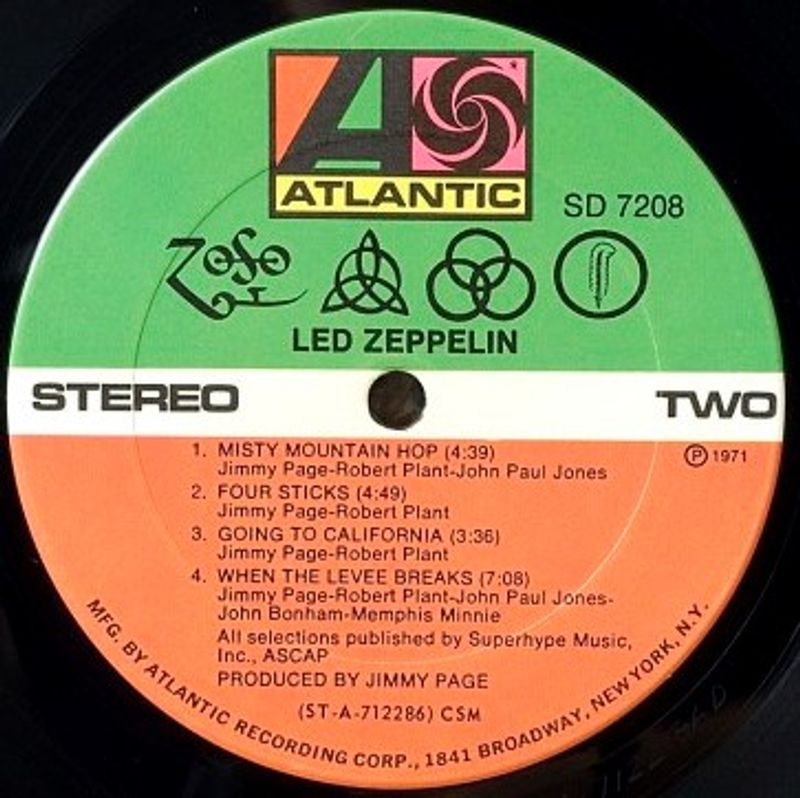
Four symbols representing four musicians, and not a single word identifying the band – talk about confidence!
Led Zeppelin delivered hard rock, folk mysticism, and blues power in one unstoppable package.
Stairway to Heaven alone justified the album’s existence, but the other tracks prove it wasn’t a one-hit wonder.
Modern rock bands still chase the raw energy and musical diversity that Zeppelin made sound effortless here.
11. To Pimp a Butterfly, Kendrick Lamar (2015)

Kendrick Lamar crafted a jazz-infused hip-hop masterpiece that doubled as a thesis on Black American experience.
Dense lyrics demand repeated listens, revealing new layers of meaning with each playthrough.
The album sparked conversations about race, fame, and responsibility that continue echoing through culture.
Critics immediately recognized its importance, but time keeps proving it’s even more significant than anyone first realized.
12. OK Computer, Radiohead (1997)

Radiohead predicted our technology-obsessed, anxiety-ridden future before smartphones even existed.
Guitars meet electronics in songs that capture modern alienation better than any sociology textbook.
The album sounds like a transmission from a dystopian future that turned out to be our present.
Critics initially scratched their heads, but listeners eventually caught up, recognizing a masterpiece that grows more relevant as technology tightens its grip.
13. Purple Rain, Prince (1984)
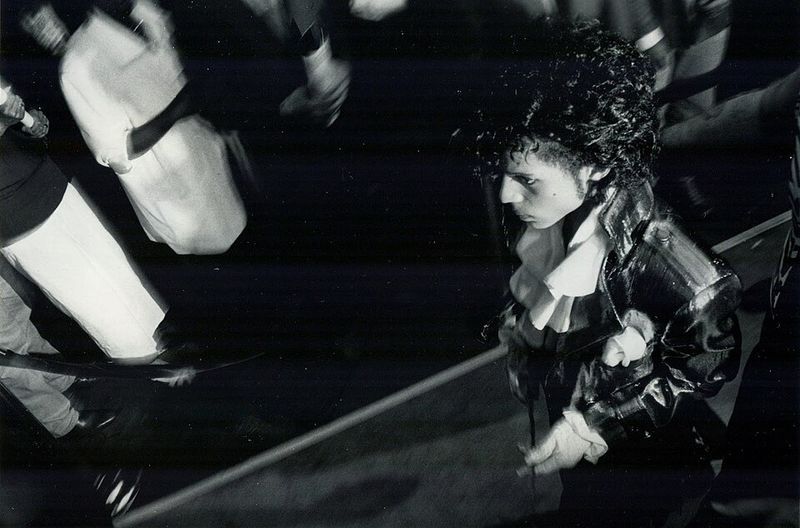
Prince arrived on a purple motorcycle and delivered an album that’s equal parts rock opera and dance party.
The title track alone justifies legendary status, building from whisper to stadium-shaking crescendo.
Funk, rock, pop, and soul blend so seamlessly you forget they were ever separate genres.
Decades later, musicians still chase the fearless creativity and genre-smashing confidence Prince made look easy throughout these tracks.
14. The Miseducation of Lauryn Hill, Lauryn Hill (1998)

Lauryn Hill sat at a school desk and schooled the entire music industry on how to blend genres with purpose.
Hip-hop, soul, and reggae merge with lyrics that tackle love, spirituality, and self-discovery.
Apple Music crowned it the greatest album of all time in 2024, validating what fans knew all along.
Her honest exploration of womanhood and identity resonates stronger now than when it first dropped.
15. The Rise and Fall of Ziggy Stardust and the Spiders from Mars, David Bowie (1972)

David Bowie invented an alien rock star to save humanity, and somehow it worked.
Ziggy Stardust became more than a character – he became permission for everyone to embrace their weird.
Glam rock, storytelling, and theatrical performance collided in a concept album that still feels revolutionary.
Fashion, music, and identity politics all owe debts to this record that proved strange could be spectacular.
16. The Joshua Tree, U2 (1987)
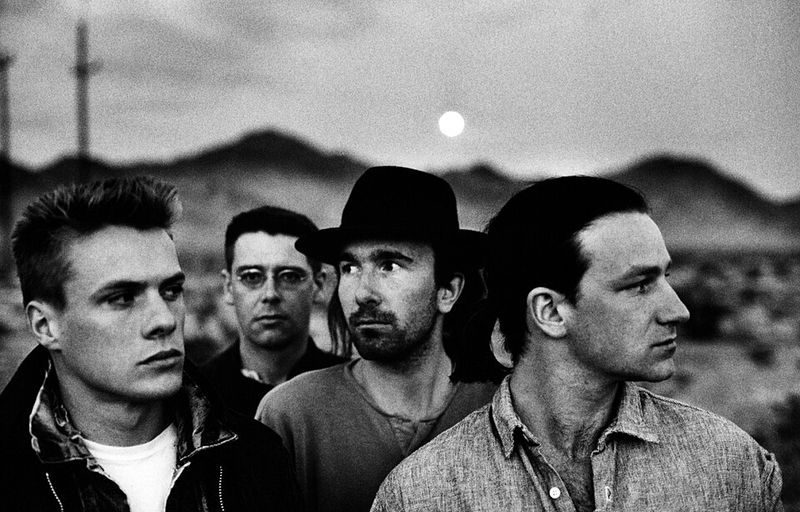
U2 ventured into the American desert and found spiritual searching set to stadium-sized anthems.
The Edge’s shimmering guitar and Bono’s soaring vocals created soundscapes as vast as the landscapes that inspired them.
Songs about faith, doubt, and justice struck chords that still vibrate through modern social movements.
This album captured a band at their absolute peak, balancing intimacy and epic scope in perfect harmony.