8 Legendary Gunslingers Who Defined Western TV
When television sets flickered to life in the 1950s, Western shows galloped onto screens with guns blazing and heroes riding tall. These weren’t just cowboys—they were legends who taught us about honor, justice, and what it means to stand up for what’s right.
Dusty saloons and sprawling ranches set the stage as these gunslingers became household names and helped define an entire era of entertainment.
1. Marshal Matt Dillon
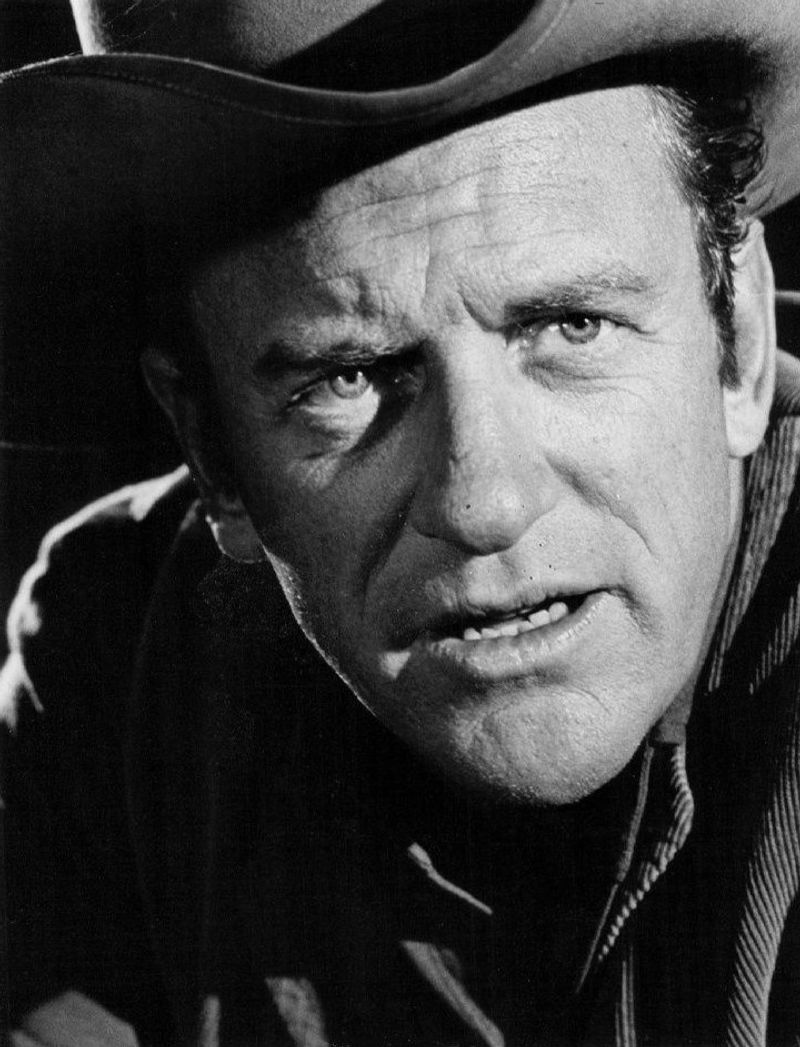
James Arness brought this towering lawman to life for an incredible twenty years on Gunsmoke, making him one of the longest-running characters in television history. Standing at six-foot-seven, Dillon wasn’t just physically imposing—he had a moral compass that never wavered, even when frontier life got messy.
His dedication to protecting Dodge City showed viewers what true courage looked like. Whether facing down outlaws or helping townspeople solve their problems, Marshal Dillon proved that justice didn’t need flashy tricks, just unwavering determination and a steady hand.
2. Paladin
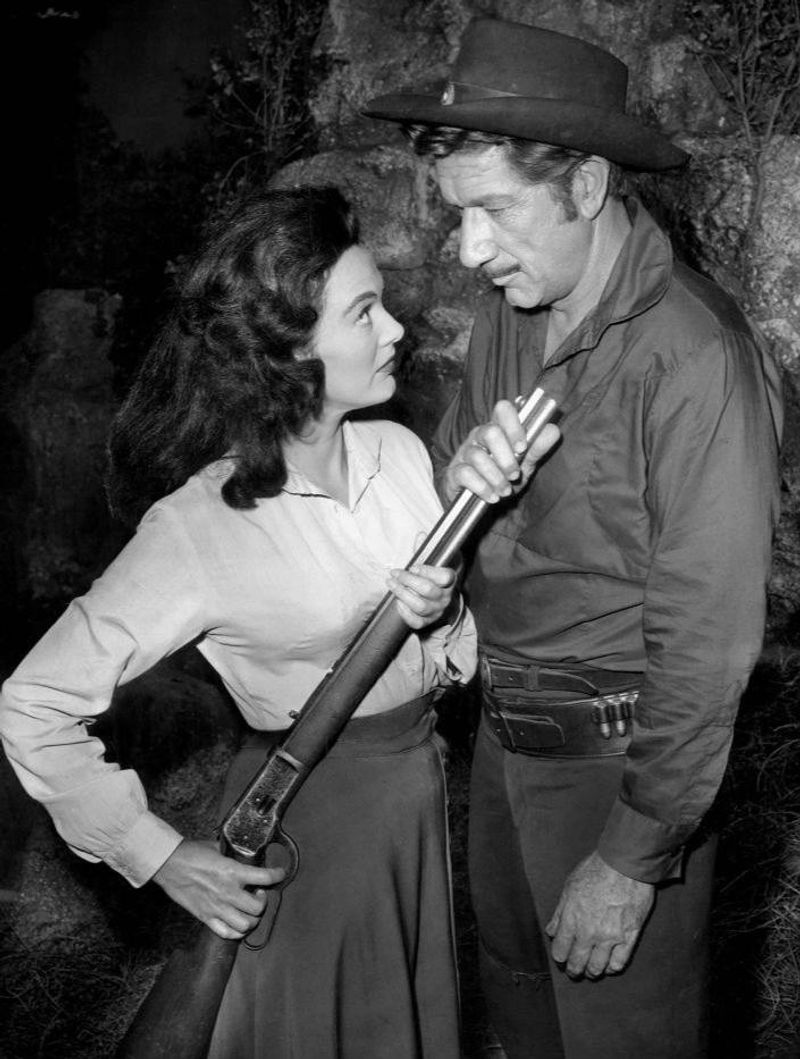
Picture a gunslinger who quotes Shakespeare and enjoys fine wine—that’s Paladin in a nutshell. Richard Boone created an unforgettable character in Have Gun – Will Travel who defied every Western stereotype by combining brains with bravery.
His calling card read “Have Gun – Will Travel,” and he meant business. Unlike typical cowboys, Paladin approached each assignment like a chess match, thinking several moves ahead.
This philosophical mercenary proved you could be cultured, educated, and still the fastest draw in the West when circumstances demanded it.
3. Bret Maverick
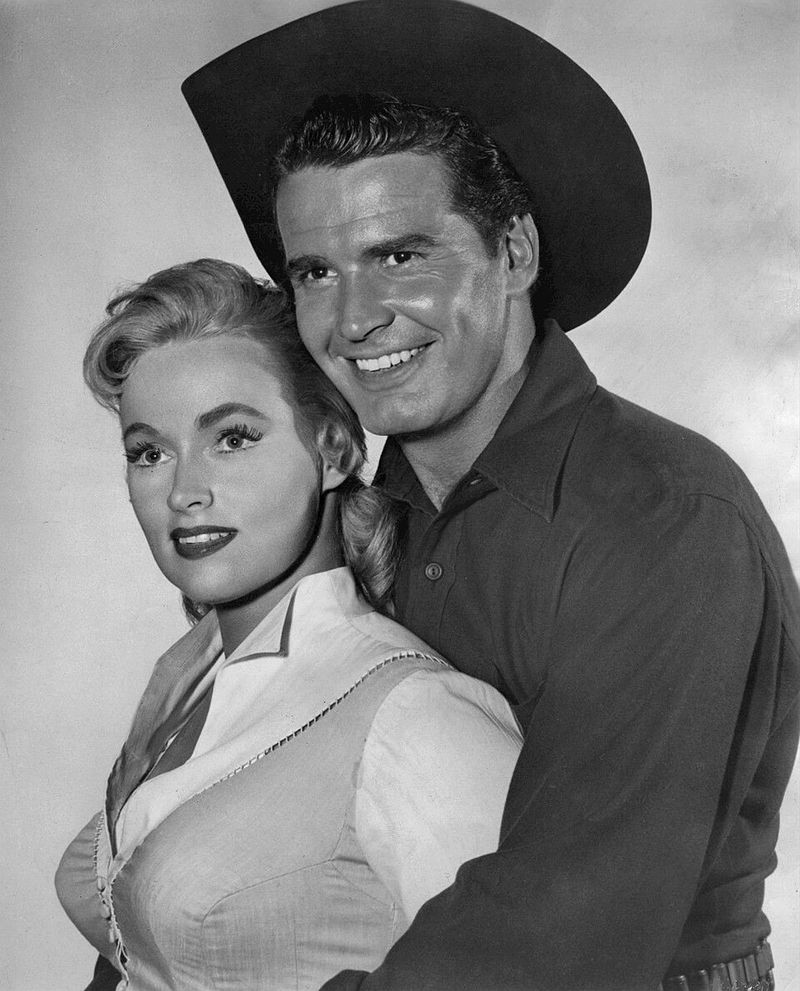
James Garner’s charming gambler changed the Western game completely. Instead of the typical stone-faced gunslinger, Maverick preferred talking his way out of trouble with quick wit and a winning smile—though he could handle a gun when poker chips weren’t enough.
His adventures mixed humor with action in ways audiences had never seen before. Bret would rather outsmart opponents than outdraw them, making him refreshingly different from other frontier heroes.
That roguish grin and clever schemes made Maverick appointment television throughout the late 1950s and early 1960s.
4. Seth Bullock
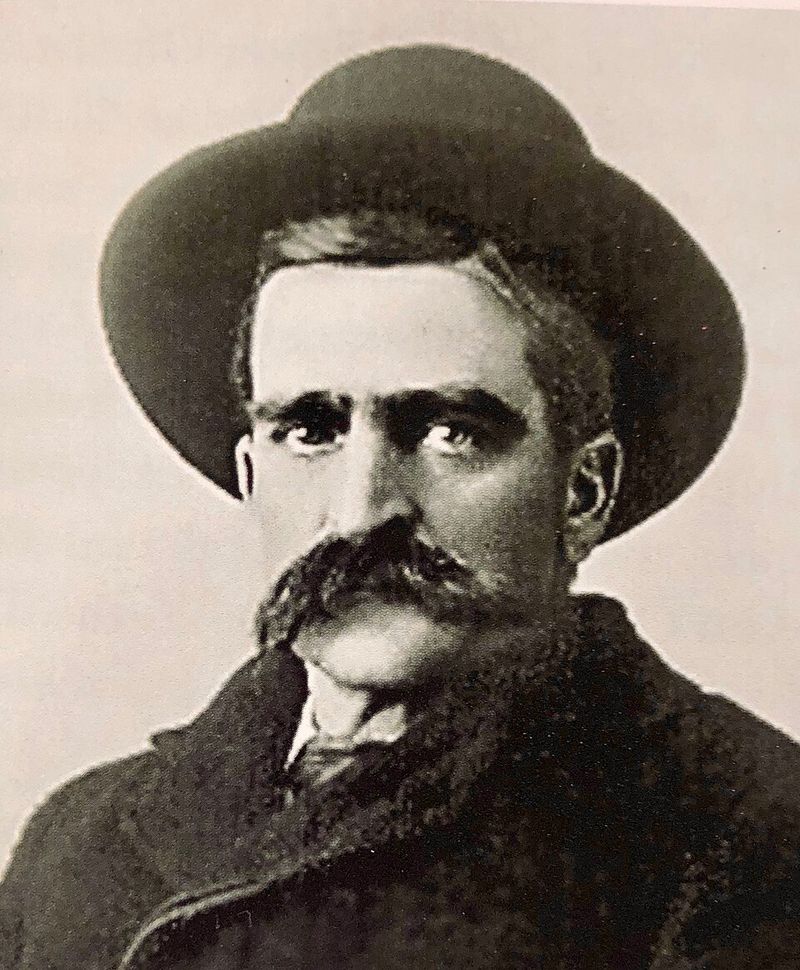
Timothy Olyphant brought raw intensity to this complex lawman in HBO’s gritty Deadwood. Bullock wasn’t your typical white-hat hero—he wrestled with anger, moral gray areas, and the brutal realities of taming a lawless mining town.
His internal struggles made him feel incredibly real and human. Watching Bullock try to maintain order in Deadwood was like watching someone build a sandcastle during a hurricane—difficult, frustrating, but absolutely compelling.
The show’s unflinching look at frontier justice through Bullock’s eyes revolutionized how modern audiences viewed Western heroes.
5. Lucas McCain

Chuck Connors created television history as the widowed rancher raising his son alone in The Rifleman. His modified Winchester rifle could fire rounds faster than most gunslingers could draw their pistols—a skill that kept his family safe but never defined who he was.
What made Lucas special was his dedication to teaching young Mark about integrity and compassion. Every episode balanced action-packed shootouts with heartfelt father-son moments.
McCain showed that being tough didn’t mean being heartless, and that protecting your family sometimes meant knowing when not to pull the trigger.
6. Will Sonnett
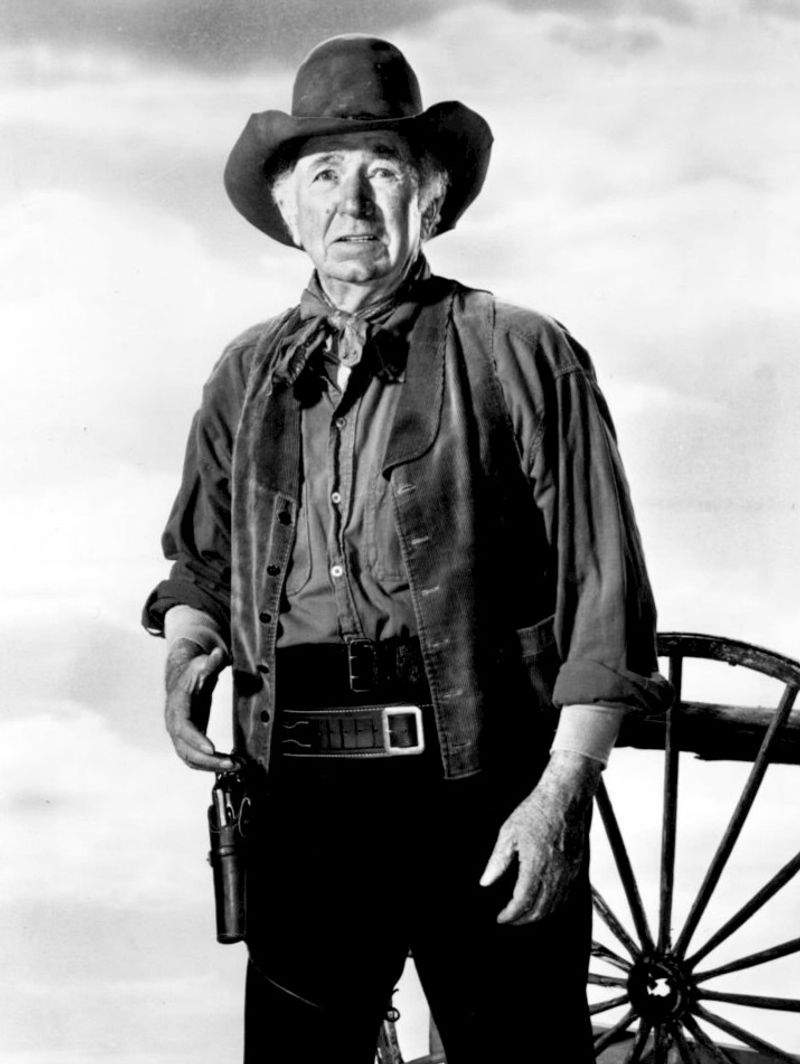
Walter Brennan brought genuine emotion to this aging gunfighter searching desperately for his estranged son across the frontier. The Travels of Will Sonnett wasn’t just about shootouts—it was about regret, redemption, and family bonds tested by time and distance.
His famous catchphrase “No brag, just fact” became legendary among Western fans. Though his gun hand remained steady, Will’s real strength came from his determination to reconnect with his son before time ran out.
This bittersweet quest gave the show surprising emotional depth rarely seen in action-focused Westerns of that era.
7. Josh Randall
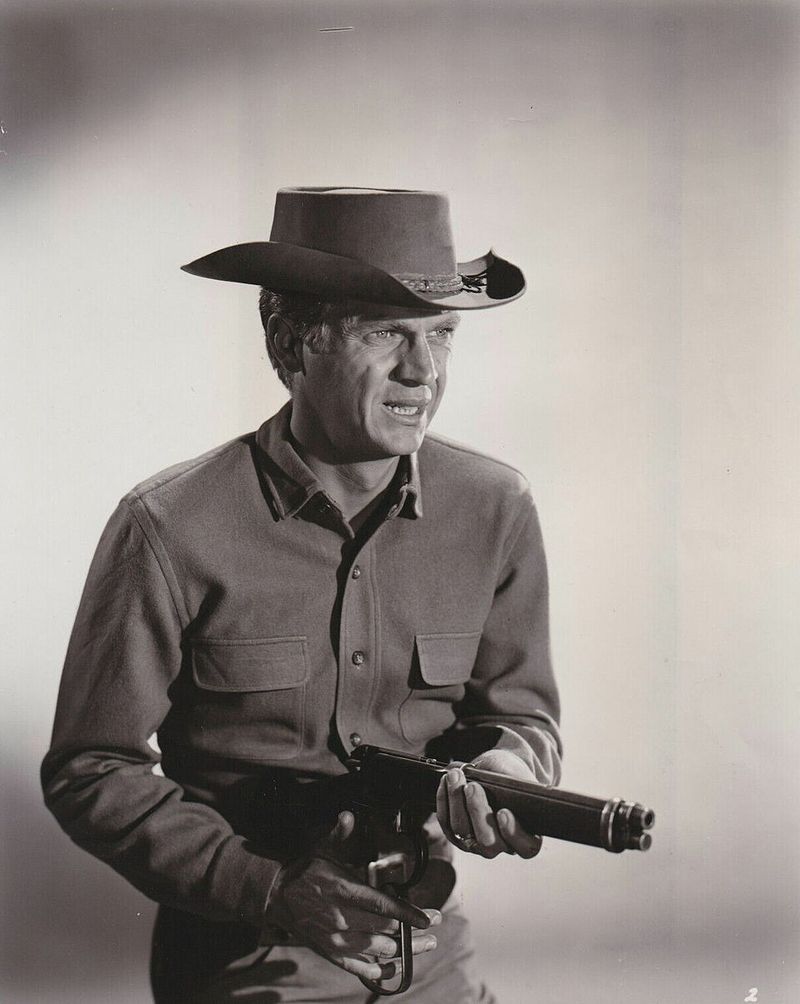
Before Steve McQueen became a movie superstar, he made bounty hunting cool as Josh Randall in Wanted: Dead or Alive. His weapon of choice—a sawed-off Winchester carbine called a Mare’s Leg—became instantly iconic and wildly popular with fans.
Randall operated in the moral gray zone between lawman and outlaw. He hunted criminals for money, not justice, which made him fascinatingly different from badge-wearing heroes.
McQueen’s natural charisma transformed what could have been a one-dimensional role into something memorable, launching his career into the stratosphere and cementing the Mare’s Leg in pop culture forever.
8. The Man With No Name
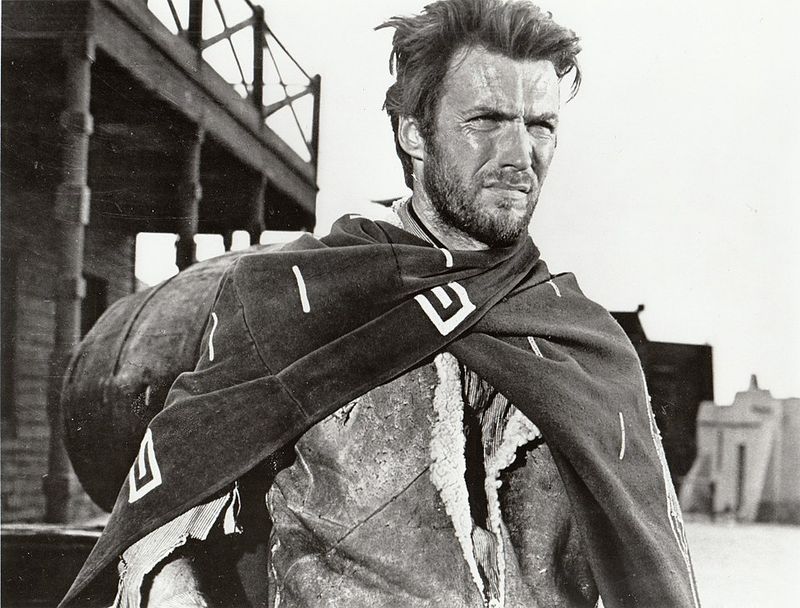
Though Clint Eastwood’s poncho-wearing drifter appeared in Sergio Leone’s films rather than weekly television, his influence on Western TV heroes cannot be overstated. That squinting stare, mysterious past, and lightning-quick draw became the blueprint countless shows copied.
His minimalist approach to heroism—speak softly, shoot accurately—revolutionized the genre completely. Every antihero gunslinger who followed owed something to this enigmatic character.
From A Fistful of DollarsThe Good, the Bad and the Ugly to , Eastwood redefined what a Western protagonist could be, influencing television Westerns for generations to come.