11 Legendary HBO Series That Set The Standard
Some TV shows entertain, while others completely redefine storytelling, leaving a lasting mark on audiences. HBO has consistently produced series so bold, gripping, and brilliantly written that years later, they feel like companions that never left.
What separates a legendary show from the rest? It is not just lavish sets, star-studded casts, or high production values.
It is the ability to make viewers feel something deeply real, to create moments that linger long after the credits fade. Across crime dramas, dark comedies, fantasy epics, and haunting true stories, HBO has repeatedly pushed the boundaries of what television can achieve.
Every series on this list transformed expectations, proving the small screen can deliver narratives as powerful and emotionally resonant as blockbuster films. HBO’s legacy is built on shows that challenge, thrill, and inspire, ensuring they remain unforgettable cultural milestones in the history of modern entertainment.
1. The Sopranos
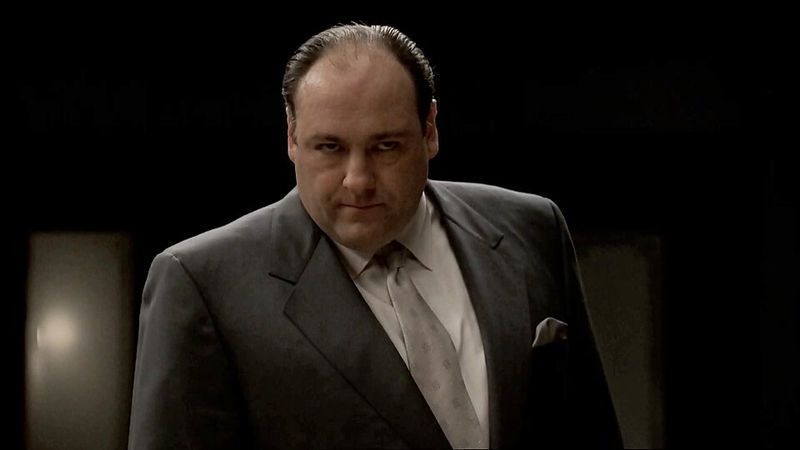
Few shows in television history have landed as hard as The Sopranos. Premiering in 1999, it followed Tony Soprano, a New Jersey mob boss juggling crime, family, and a surprising number of therapy sessions.
Creator David Chase turned what could have been a simple gangster story into a deeply human portrait of anxiety and power.
How do you root for someone who does terrible things? Ask any Sopranos fan, and they will tell you it felt completely natural.
James Gandolfini’s performance was so raw and real it redefined what a TV lead could do. No show before it made darkness feel so oddly relatable.
2. The Wire
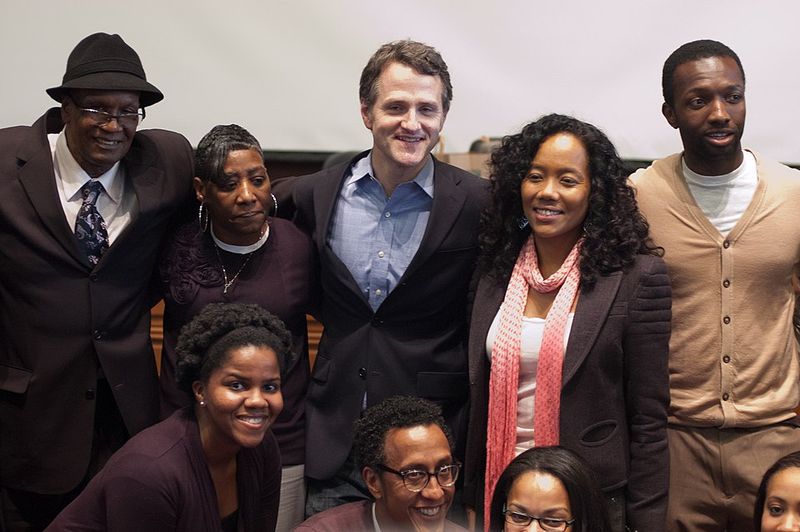
Forget flashy car chases and loud explosions. The Wire, which debuted in 2002, took a completely different route, building one of the most detailed portraits of an American city ever put on screen.
Creator David Simon used Baltimore’s streets, schools, docks, and newsrooms to show how systems shape lives.
Each season zoomed in on a different institution, and somehow every single one felt urgent and alive. Critics were slow to notice at first, but word spread fast.
Now it is regularly ranked among the greatest shows ever made. If patience had a TV show, it would look exactly like this.
3. Game of Thrones
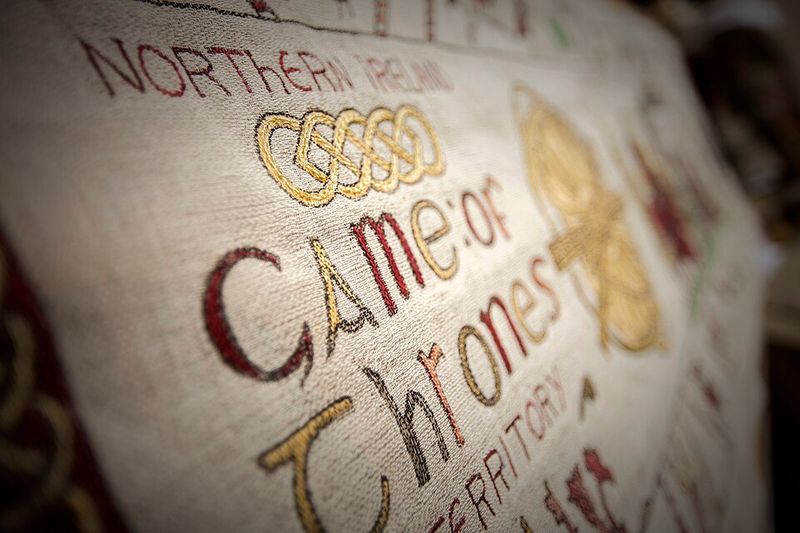
Nobody was safe. That was the unspoken rule of Game of Thrones, and it kept millions of viewers glued to the screen for eight seasons.
Based on George R.R. Martin’s sprawling novel series, the show brought dragons, political betrayal, and jaw-dropping battles to life on a scale TV had never seen before.
Premiering in 2011, it quickly became a global phenomenon. People threw watch parties, debated theories online, and mourned favorite characters like real losses.
Even after a controversial finale divided fans, the show’s impact on pop culture remains undeniable. Winter came, and honestly, it was spectacular.
4. Chernobyl
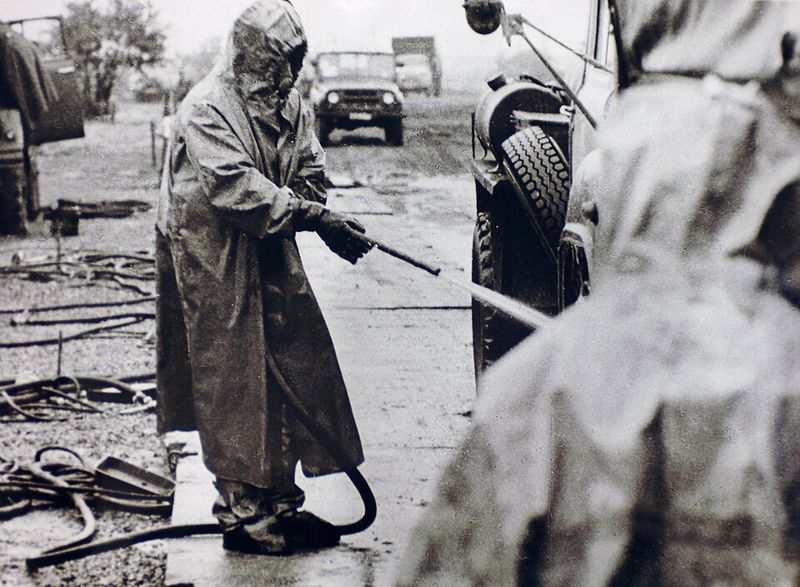
Five episodes. Just five.
Yet Chernobyl managed to leave a mark so deep that viewers still describe it as one of the most intense things they have ever watched. Released in 2019, the miniseries dramatized the catastrophic 1986 nuclear disaster at the Chernobyl power plant in Soviet Ukraine.
What made it extraordinary was its commitment to honesty. Writer Craig Mazin and director Johan Renck refused to look away from the horror or the human cost.
Every scene felt earned. Every choice felt real.
Jared Harris and Stellan Skarsgard delivered career-best performances in a story about what happens when truth gets buried for too long.
5. Succession
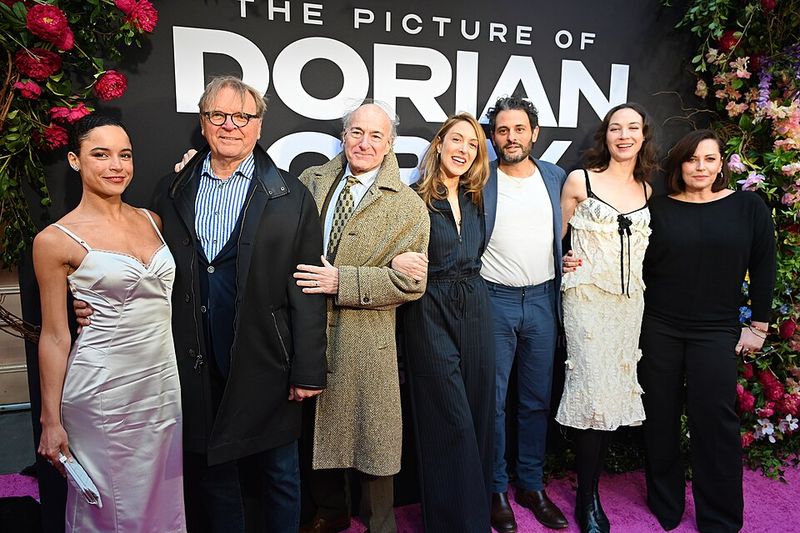
Rich people being absolutely terrible to each other has never been so entertaining. Succession, which ran from 2018 to 2023, followed the Roy family as siblings and parents clawed at each other for control of a massive media empire.
Creator Jesse Armstrong wrote dialogue so sharp it could cut glass.
Somehow, despite every character being deeply flawed, viewers could not stop watching. Was it the performances?
The writing? The sheer chaos of every family dinner scene?
Probably all three. Brian Cox as patriarch Logan Roy was ferocious and magnetic.
Succession won the Emmy for Outstanding Drama Series four times, which feels just about right.
6. The Larry Sanders Show
Long before mockumentaries ruled television, The Larry Sanders Show was quietly rewriting the rules of comedy. Running from 1992 to 1998, the show followed a fictional late-night host named Larry Sanders, played brilliantly by Garry Shandling, as he navigated the insane world of network television.
Backstage drama, ego clashes, and hilariously awkward celebrity cameos made every episode feel like a peek behind a curtain no one was supposed to pull back. Shows like Curb Your Enthusiasm and The Office owe a serious creative debt to Larry Sanders.
Groundbreaking barely covers it. It was the quiet revolution that changed comedy television forever, one cringeworthy green room moment at a time.
7. Boardwalk Empire
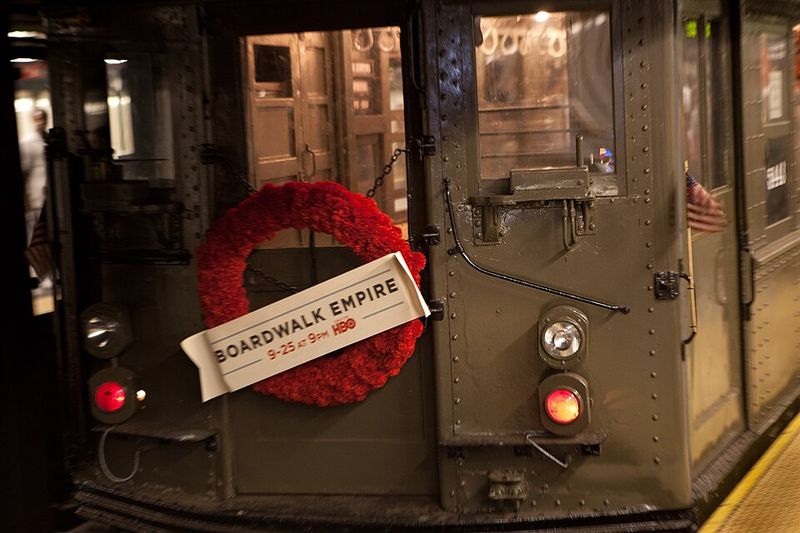
Atlantic City during Prohibition was a playground for gangsters, politicians, and opportunists, and Boardwalk Empire brought every glittering, dangerous detail to life. Premiering in 2010, the show followed Nucky Thompson, a corrupt Atlantic City treasurer played with cool authority by Steve Buscemi.
Scorsese directed the pilot, and the production quality never dipped from that cinematic standard. Costumes, sets, and period details were so meticulously crafted the show felt like a museum exhibit you could actually get lost in.
Real historical figures like Al Capone and Lucky Luciano appeared alongside fictional characters, blending fact and drama in a way few period shows have managed so successfully.
8. True Detective

Season one of True Detective arrived in 2014 and immediately felt like nothing else on television. Matthew McConaughey and Woody Harrelson played two Louisiana detectives investigating a ritualistic fatality across a span of seventeen years.
The atmosphere was thick, dark, and absolutely hypnotic.
Nic Pizzolatto’s writing mixed philosophical monologues, Southern Gothic imagery, and tight crime plotting in a way that sparked endless online discussion. McConaughey’s Rust Cohle became an instant cultural icon, inspiring countless memes and philosophy class debates.
Each new season brings a fresh cast and story, but season one set a bar so high the whole anthology format had to stretch to reach it.
9. Oz
Before The Sopranos changed everything, Oz was already proving HBO could do bold, unflinching drama. Premiering in 1997, it became the first hour-long drama series HBO ever produced, and it arrived swinging hard.
Set inside the fictional Oswald State Correctional Facility, the show explored prison life with a rawness that shocked viewers.
Creator Tom Fontana refused to sanitize anything. Inmates, guards, and administrators were all portrayed as complex human beings capable of both cruelty and unexpected compassion.
Oz launched careers, pushed boundaries, and proved that prestige television could exist outside of traditional network rules. It was the groundbreaker that made everything else on this list possible.
10. Big Little Lies

Monterey, California looks like paradise from the outside. Big Little Lies spent two seasons peeling back that perfect surface to reveal all the secrets, tensions, and raw emotions underneath.
Based on Liane Moriarty’s novel, the 2017 premiere brought together Reese Witherspoon, Nicole Kidman, and Shailene Woodley in a story about friendship, lies, and one very dramatic school fundraiser.
Director Jean-Marc Vallee gave the show a dreamy, sun-soaked visual style that perfectly contrasted the dark subject matter. Kidman’s portrayal of an abusive relationship earned widespread critical acclaim and important cultural conversation.
Big Little Lies proved that limited series could pack as much power as a full multi-season run.
11. Band of Brothers
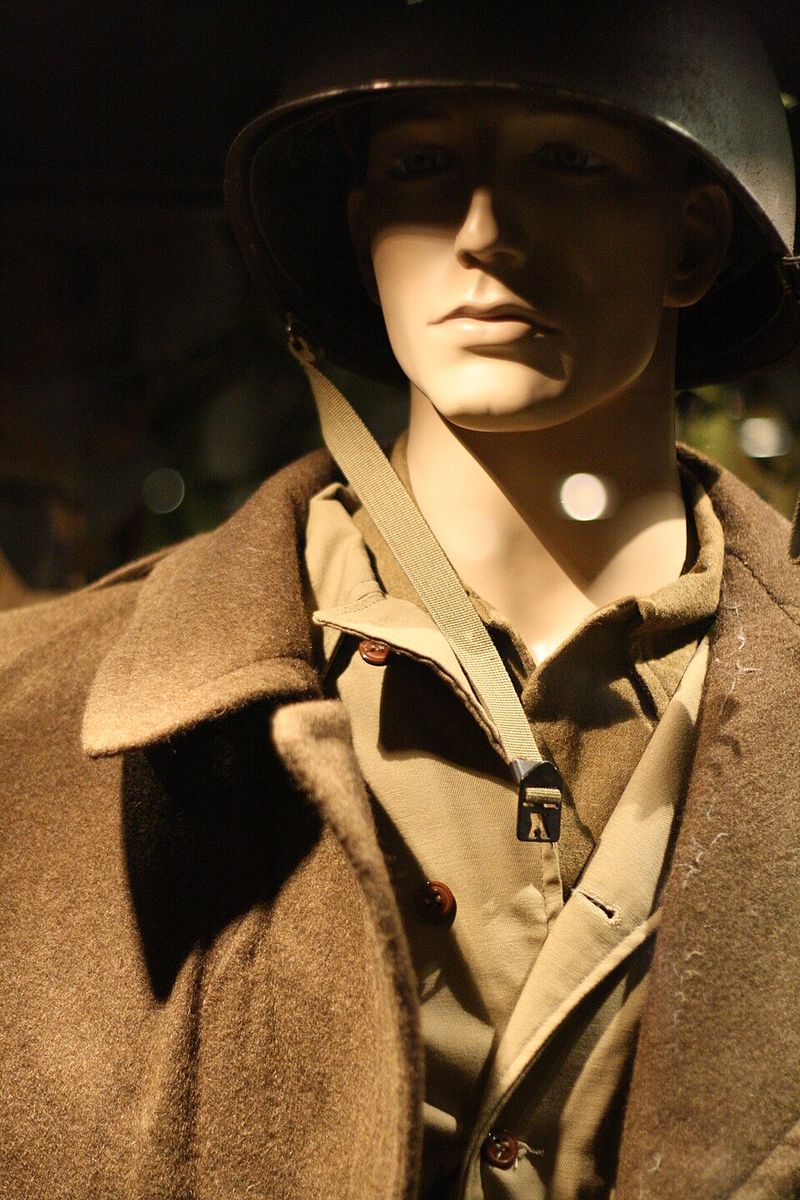
Produced by Steven Spielberg and Tom Hanks, Band of Brothers set a standard for war storytelling that still has not been matched. Airing in 2001, the ten-part miniseries followed Easy Company, 506th Regiment of the 101st Airborne Division, from training in Georgia all the way to the heart of Nazi Germany.
Every episode was crafted with extraordinary care and respect for the real men whose stories were being told. Battles were staged with cinematic precision, but the emotional core was always the bond between soldiers.
Viewers laughed, cried, and held their breath across the entire run. Honor, sacrifice, and brotherhood rarely get told this well on any screen.