26 Legendary Movies And TV Pets That Were Shaping Adoption Plans
Growing up watching movies and TV shows meant falling head over heels for some seriously amazing animal sidekicks.
From dogs who could talk to cats with attitude, these fictional pets stole the spotlight and made every kid dream about bringing them home.
Whether they were solving mysteries, going on wild adventures, or just being the best furry friends ever, these creatures became part of our childhood in the most magical way.
They weren’t just background characters, they had personalities, loyalty, and charm that often outshined the human leads.
Many of them taught us lessons about friendship, bravery, and unconditional love without ever saying a word.
Long after the credits rolled, these unforgettable pets stayed with us, shaping our imaginations and setting the bar impossibly high for real-life companions.
Disclaimer: This article celebrates fictional animals from movies and television. No animals were harmed, adopted, or taught to talk in the making of this list.
1. Lassie The Collie
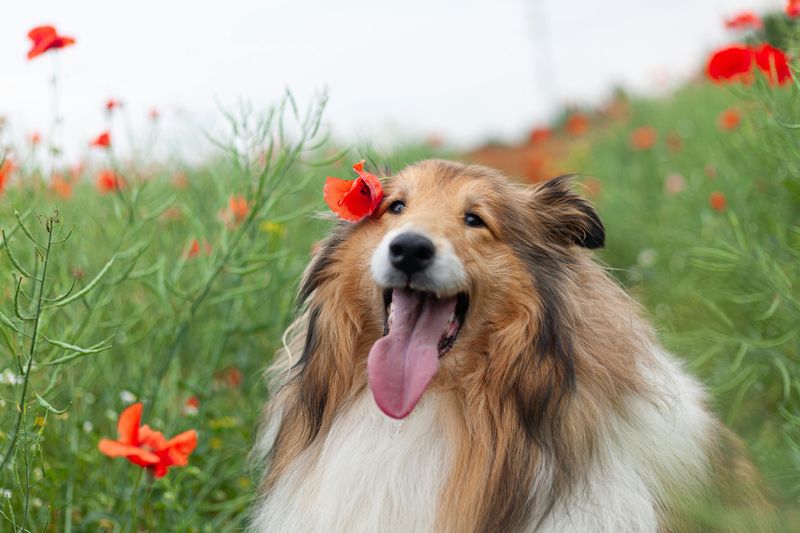
Lassie became the gold standard for what every kid thought a dog should be.
This Rough Collie wasn’t just pretty with that flowing golden coat.
She was basically a four-legged superhero who could rescue people from wells, alert families to danger, and somehow always knew exactly what humans needed before they even asked.
The original film, Lassie Come Home from 1943, showed this incredible dog traveling hundreds of miles to reunite with her family.
Talk about dedication that would put most GPS systems to shame.
Later, the TV series made Lassie a household name, proving that loyalty and smarts beat fancy tricks any day.
Every episode felt like watching your dream pet in action.
Lassie could track scents, understand complex situations, and communicate in ways that made you believe dogs really could be that intuitive.
Kids everywhere begged their parents for a Collie, hoping to find their own hero in fur form.
What made Lassie truly special was the emotional connection she shared with her human family. She wasn’t just a pet.
She was a protector, a friend, and proof that sometimes the best family members have four paws and a wagging tail.
2. Scooby-Doo The Mystery Solver
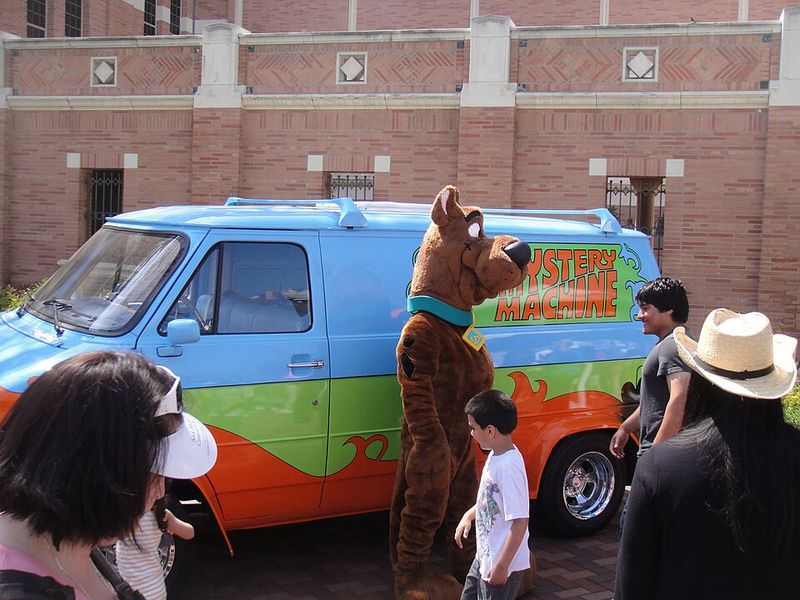
Picture this: a Great Dane who loves snacks more than solving crimes but somehow ends up being the hero anyway.
Scooby-Doo made being a scaredy-cat, or rather scaredy-dog, totally relatable and hilarious.
Since 1969, this lovable goofball has been running away from monsters while accidentally uncovering clues that crack the case wide open.
His trademark “Scooby-Dooby-Doo!” and ability to communicate with his best pal Shaggy made kids wish they could have conversations with their own pets.
Imagine having a dog who could tell you exactly which snacks they wanted or warn you about creepy masked villains lurking around.
The dream was real, folks.
Scooby wasn’t brave in the traditional sense, but his heart was enormous.
He’d face his fears for a Scooby Snack or to help his friends, teaching kids that courage doesn’t mean never being scared.
It means doing the right thing even when your knees are knocking together like maracas at a birthday party.
Plus, who wouldn’t want a pet that could ride in a groovy van, wear disguises, and accidentally trip bad guys?
Scooby-Doo proved that imperfect pets are actually the most perfect companions of all.
3. Dug From Up

Squirrel! Anyone who has watched Pixar’s Up knows that one word captures everything wonderful about Dug.
This Golden Retriever wore a special collar that translated his thoughts into human speech.
Giving audiences a hilarious peek into what dogs might actually be thinking.
Spoiler alert: it’s mostly about squirrels, food, and loving their humans unconditionally.
Dug’s childlike enthusiasm and pure heart made him instantly adorable.
He wasn’t the smartest dog in the pack, and the other dogs definitely picked on him.
But his unwavering optimism and eagerness to please made viewers want to reach through the screen and give him all the belly rubs.
What kid wouldn’t want a dog who could tell them “I have just met you and I love you”?
Dug represented everything wonderful about dog ownership without any of the communication barriers.
He could explain when he was hungry, share his excitement about new adventures, and express his devotion in actual words instead of just tail wags.
His friendship with Carl and Russell showed that sometimes the best family members are the ones who choose you.
Dug didn’t need to be fancy or highly trained.
He just needed to be himself, which was more than enough to steal every heart watching.
4. Lady And Tramp
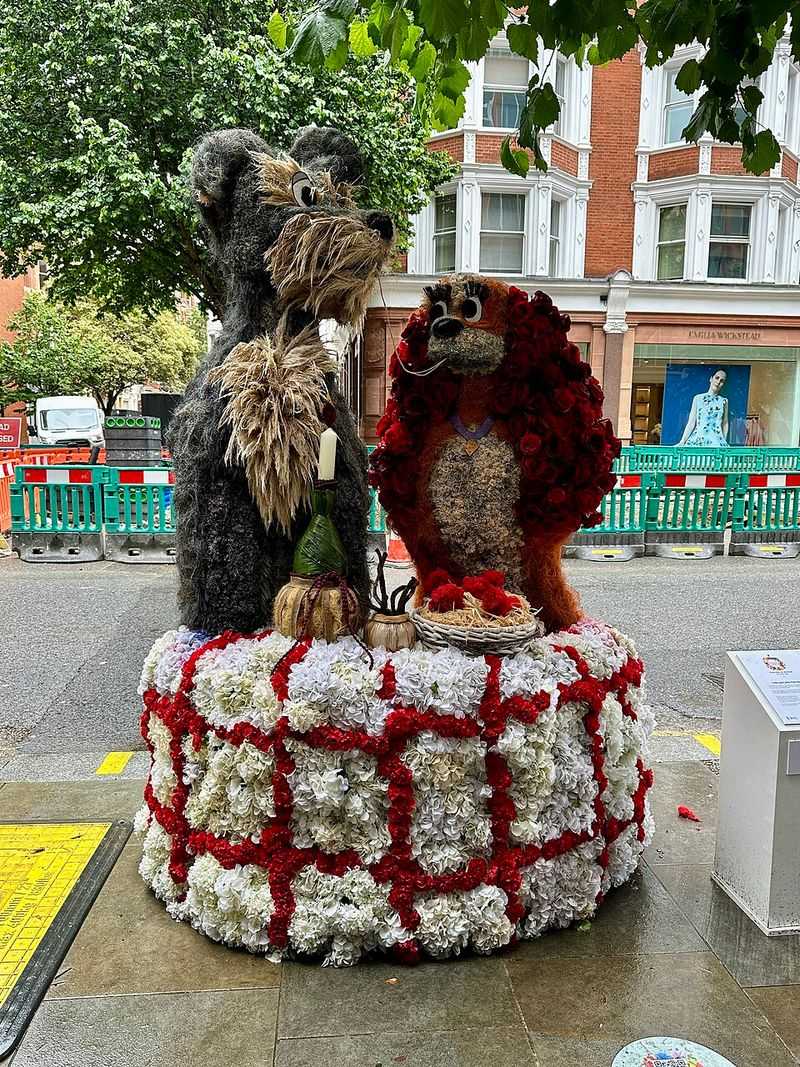
Disney’s 1955 classic gave us not one but two dogs worth dreaming about.
Lady, the refined Cocker Spaniel with those impossibly silky ears, represented everything posh and proper about pet ownership.
Tramp, on the other hand, was the street-smart mutt with a heart of gold hiding under that scruffy exterior.
Their romance over a plate of spaghetti became one of cinema’s most iconic moments.
That scene taught kids that love could happen anywhere, even in the alley behind an Italian restaurant.
But beyond the romance, these two dogs showed different sides of what makes pets special.
Lady brought comfort, loyalty, and the warmth of a pet who’s always been loved and cared for.
She was the dog who’d sleep at the foot of your bed and greet you with gentle enthusiasm every single day.
Tramp offered adventure, street smarts, and the thrill of a companion who’d experienced the world beyond white picket fences.
Together, they proved that opposites really do attract and that every dog deserves a loving home.
Kids watching this film didn’t just want one of these dogs.
They wanted both, imagining a household where fancy meets fearless and every day brings new adventures with the perfect canine duo.
5. Shadow, Chance And Sassy
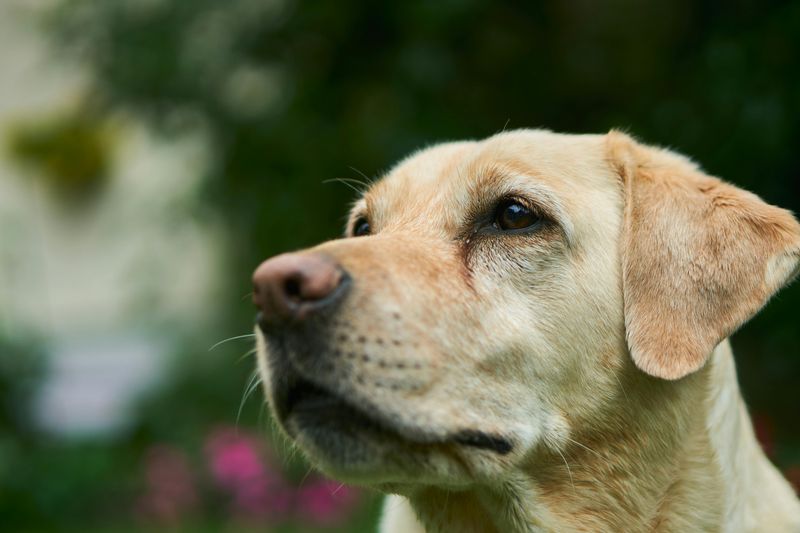
Homeward Bound: The Incredible Journey gave us a triple threat of pet perfection in 1993.
Shadow, the wise Golden Retriever, led the pack with experience and calm determination.
Chance, the goofy American Bulldog puppy, brought energy and comic relief that had audiences giggling in their seats.
Sassy, the sassy (naturally) Himalayan cat, proved felines could be just as heroic as their canine counterparts.
Watching these three journey across mountains, rivers, and wilderness to find their family was basically an emotional rollercoaster.
Their distinct personalities created the perfect dynamic: Shadow’s leadership, Chance’s enthusiasm, and Sassy’s sass balanced each other beautifully.
Kids related to their bickering, their teamwork, and ultimately their deep love for each other and their humans.
The film showed that pets would literally cross mountains for the people they love.
Every obstacle they faced together demonstrated problem-solving, bravery, and the kind of friendship that transcends species.
Shadow’s wisdom helped when things got tough. Chance’s optimism kept spirits high.
Sassy’s independence reminded everyone that cats are heroes too, even if they do things their own way.
Wanting to adopt all three became every kid’s fantasy.
Imagine having this ready-made adventure squad in your own backyard, complete with built-in personality conflicts and heartwarming resolutions.
6. Brian Griffin
Family Guy introduced the world to Brian, a white Labrador who walks on two legs, drinks martinis, and has opinions on just about everything.
He’s basically the most sophisticated dog in animation history, complete with a struggling writing career and complicated love life.
While definitely geared toward older audiences, Brian became iconic for being the anti-typical TV pet.
Unlike most fictional dogs who exist purely to be cute and loyal.
Brian has flaws, ambitions, and a personality that’s sometimes more human than the actual humans around him.
He’s the voice of reason in the chaotic Griffin household, though his own life is often just as messy.
Kids growing up watching this show (with parental guidance, of course) saw a pet portrayed as a full family member with thoughts, dreams, and struggles.
Brian’s relationship with baby Stewie became one of television’s most beloved odd couples.
Their adventures together showed that friendship can bloom in the weirdest circumstances.
His intellectual pursuits, from writing novels to discussing politics, made him fascinating beyond typical pet behavior.
What made Brian adoption-worthy wasn’t his ability to talk or walk upright.
It was seeing a pet treated as an equal, someone whose opinions mattered and whose presence genuinely shaped the family dynamic in meaningful ways that went beyond fetching newspapers.
7. Hedwig The Snowy Owl
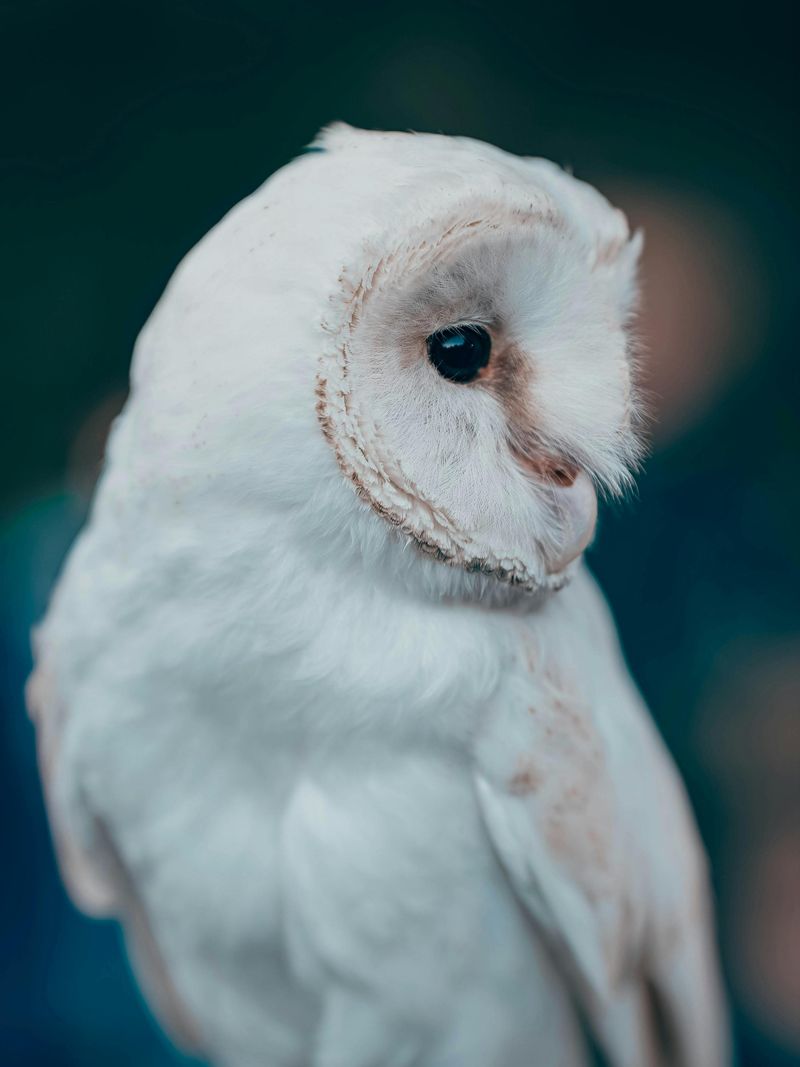
Harry Potter’s Hedwig wasn’t just a pet.
She was his first real friend, his connection to the wizarding world, and honestly, one of the most loyal companions in all of literature.
This stunning snowy owl delivered mail, sure, but she also provided comfort during Harry’s darkest moments at the Dursleys’ house and throughout his Hogwarts adventures.
Owls became instantly cooler after the Harry Potter series took off.
Every kid suddenly wanted their own Hedwig to deliver messages and look absolutely magnificent while doing it.
The bond between Harry and Hedwig showed a different kind of pet relationship, one based on mutual respect and understanding rather than commands and tricks.
Hedwig’s intelligence shone through in every appearance.
She knew when Harry needed cheering up.
When to nip Ron for being insensitive, and how to navigate complex magical situations.
Her snowy white feathers and amber eyes made her visually striking, but her personality made her unforgettable.
The emotional weight Hedwig carried in the story reminded readers that pets aren’t just accessories or background characters.
They’re family members whose presence shapes our lives in profound ways.
Losing Hedwig hit fans hard because she represented innocence, loyalty, and the unconditional love that animals bring into our worlds, magical or otherwise.
8. Abu The Monkey
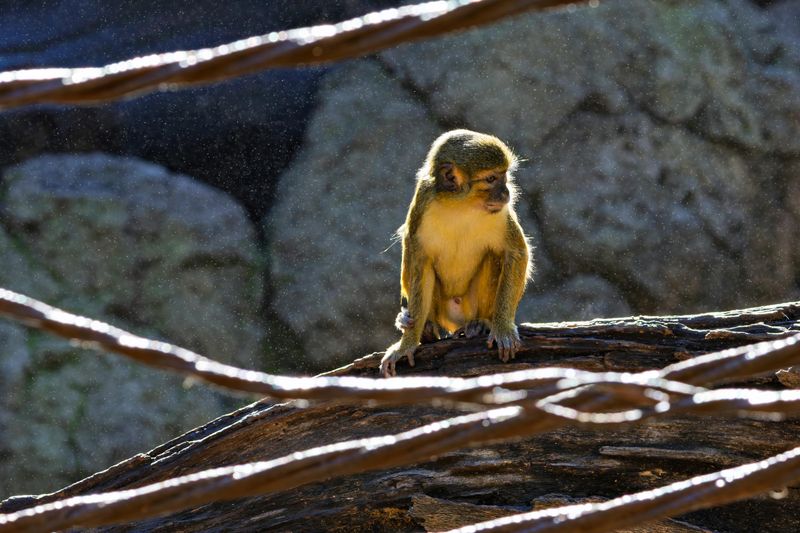
Aladdin’s partner in crime.
Abu was the ultimate sidekick with a penchant for shiny objects and getting into trouble.
This little monkey in his adorable vest and fez brought comedy gold to every scene.
His chattering, his expressions, and his unwavering loyalty to Aladdin made him way more than just a pet.
He was a true friend who stuck around through thick and thin.
Abu’s personality was huge despite his small size.
He was greedy, yes, but in that relatable way where you understand exactly why he’d pocket that giant ruby even though it would definitely cause problems later.
His reactions to situations were so expressive that you didn’t need subtitles to understand exactly what he was thinking or feeling at any moment.
The dynamic between Aladdin and Abu showed genuine friendship.
They bickered like siblings, protected each other like family, and celebrated victories together.
Abu wasn’t just following orders.
He was actively participating in adventures, offering input, and sometimes saving the day with his quick thinking and nimble paws.
Kids watching Aladdin dreamed of having a monkey companion who could ride on their shoulder, help with schemes, and provide constant entertainment.
Abu represented the fun, mischievous side of pet ownership where every day brings surprises and laughter.
9. Rin Tin Tin
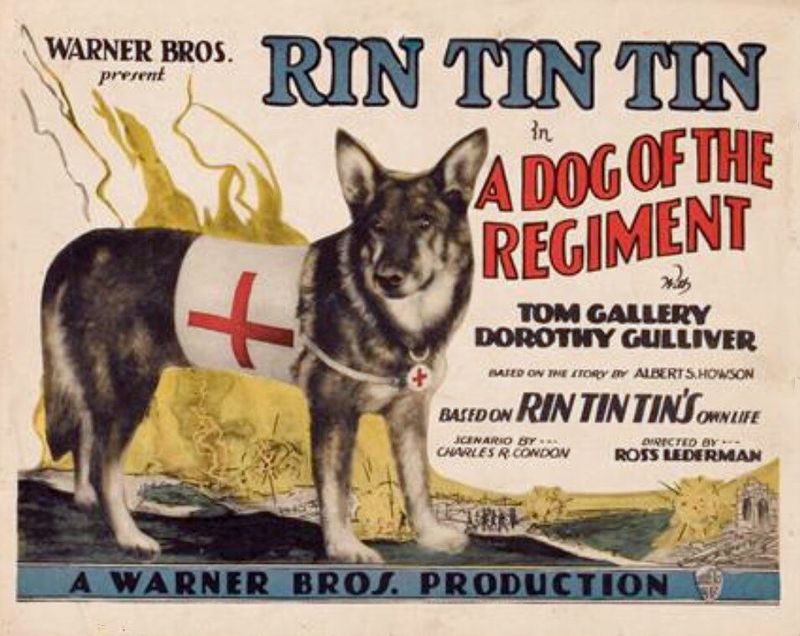
Before most modern TV pets existed, Rin Tin Tin was already a legendary German Shepherd saving the day on both big and small screens.
This incredible dog started in silent films during the 1920s and later starred in his own television series during the 1950s.
Rinty, as fans called him, set the standard for heroic animal actors everywhere.
What made Rin Tin Tin exceptional was his genuine talent and training.
This wasn’t just a cute face.
This was a dog who could perform complex stunts, convey emotions through body language, and hold audience attention without speaking a single word.
His adventures typically involved rescuing people, catching bad guys, and being an all-around good boy who deserved all the treats.
The original Rin Tin Tin was actually rescued from a World War I battlefield, which adds a layer of real-life heroism to his fictional exploits.
His legacy continued through multiple generations of German Shepherds who carried on the name and tradition.
Kids who grew up watching Rinty learned about bravery, loyalty, and the incredible bond between humans and dogs.
Wanting a dog like Rin Tin Tin meant wanting a protector, an adventurer, and a companion who could handle any situation.
He represented the ideal working dog, smart enough to think independently but devoted enough to always come home.
10. Salem Saberhagen
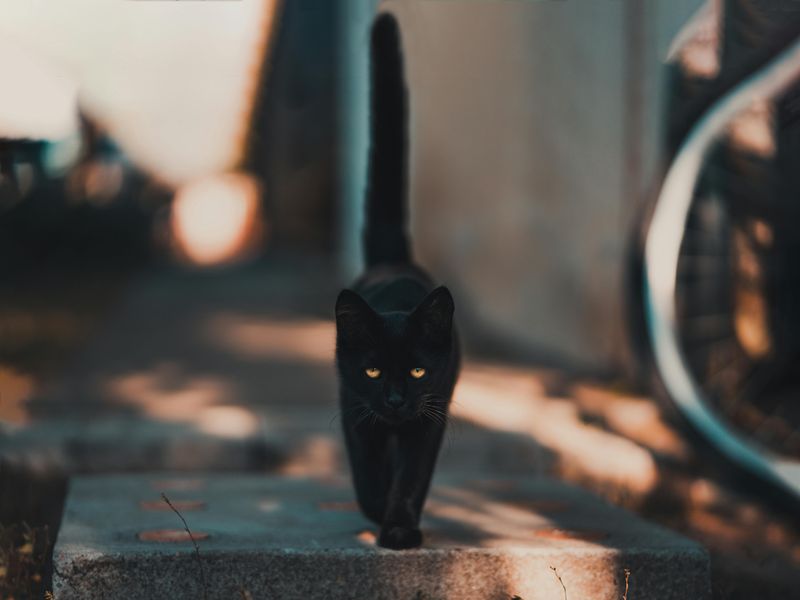
Salem from Sabrina the Teenage Witch brought sarcasm, wit, and cat-titude to 1990s television.
This wasn’t your ordinary black cat.
Salem was actually a warlock sentenced to live as a feline for 100 years as punishment for trying to take over the world.
Because apparently, even in the magical community, world domination attempts have consequences.
His snarky commentary on everything happening in the Spellman household made him comedy gold.
Salem didn’t just sit around looking mysterious like typical TV cats.
He schemed, he complained, he offered terrible advice, and he somehow made audiences love him despite his many, many flaws.
His human-level intelligence trapped in a cat’s body created endless entertainment.
Kids watching Sabrina wanted a cat who could actually talk back and share opinions on homework, family drama, and what to wear to school dances.
Salem represented the fantasy of having a pet who was also a friend you could have real conversations with.
Those conversations often involved him complaining about being denied tuna or plotting minor revenge schemes.
Beyond the humor, Salem showed genuine affection for Sabrina and her family.
Underneath all that sarcasm lived a cat who cared deeply about his people, even if he’d never admit it without making a joke first.
That combination of snark and heart made him irresistible.
11. Marley The Labrador
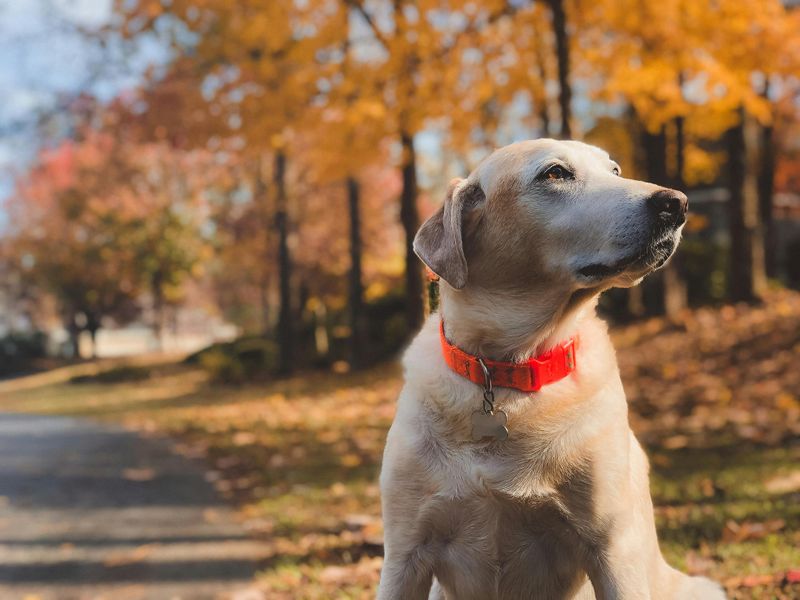
Marley & Me showed audiences the reality of pet ownership in all its messy, chaotic, wonderful glory.
This yellow Labrador wasn’t a perfectly trained show dog or a heroic rescue animal.
Marley was a disaster on four legs who ate everything, destroyed furniture, failed obedience school spectacularly, and somehow remained the most lovable dog imaginable.
What made Marley so relatable was his imperfection.
He represented what most real pets are actually like: enthusiastic, well-meaning.
Occasionally destructive in ways that test your patience and your home insurance policy.
Watching his antics onscreen made families laugh in recognition because they’d lived through similar chaos with their own pets.
Despite being labeled the world’s worst dog.
Marley gave his family unconditional love and taught them lessons about patience, acceptance, and what really matters in life.
His presence during their biggest life changes, from new babies to career moves, showed how pets become woven into our life stories whether they’re perfectly behaved or not.
The emotional ending reminded everyone that pets don’t live as long as we wish they would.
Marley’s story celebrated the messy middle parts of pet ownership while acknowledging the heartbreak that comes with loving something so completely.
Kids who watched wanted Marley because he was real, flawed, and absolutely worth every chewed shoe and knocked-over plant.
12. Comet From Full House
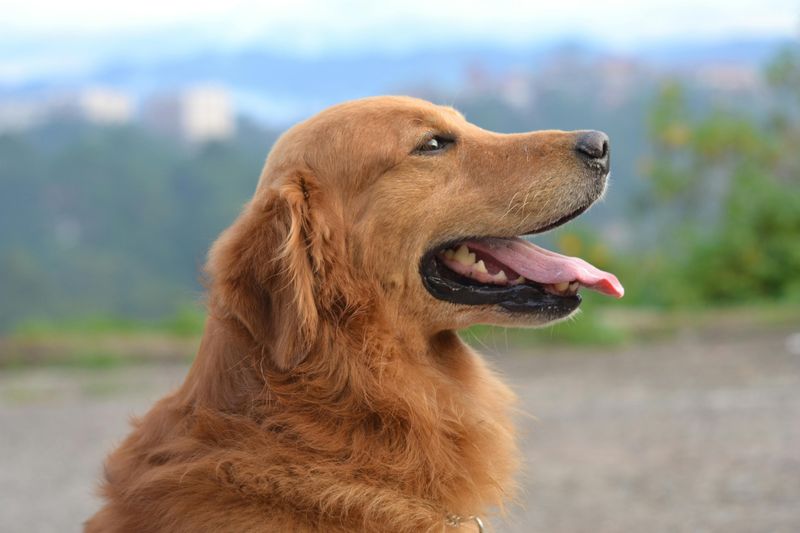
Full House introduced Comet as the Tanner family’s Golden Retriever.
He instantly became part of the household chaos in the best possible way.
This dog lived in a house packed with people, from three little girls to three adult father figures.
Somehow he maintained his calm, friendly demeanor through all of it.
That’s impressive when you consider how loud and hectic that household could get.
Comet represented the classic family dog that everyone dreams about.
He was patient with the kids, friendly with visitors, and always ready for whatever adventure or mishap came next.
Whether it was comfort during tough times or excitement during celebrations.
Comet was there, tail wagging, ready to participate in whatever the Tanners had going on.
Golden Retrievers became even more popular as family pets partly because of dogs like Comet showing how wonderful they could be with children.
His presence in episodes was often subtle but meaningful. He didn’t need to talk or do tricks to be important.
He was simply there, being a steady, loving presence in a family that definitely needed some stability.
Kids watching Full House wanted their own Comet because he seemed like the easiest, most rewarding pet ever.
He fit perfectly into family life, adapted to whatever was happening, and provided that special kind of comfort that only a good dog can offer after a long day.
13. Pongo And Perdita
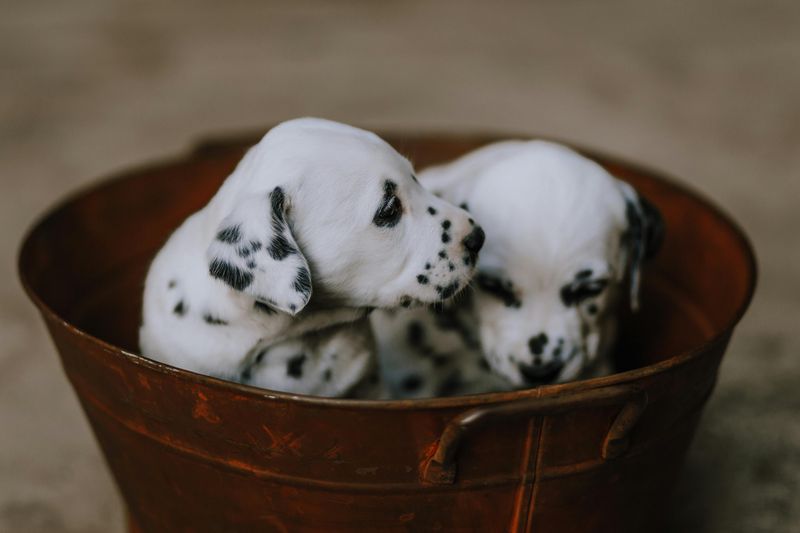
101 Dalmatians gave us Pongo and Perdita, the ultimate parent goals in dog form.
These two Dalmatians weren’t just pets.
They were heroes who orchestrated a massive rescue operation to save their puppies from the absolutely terrifying Cruella de Vil.
Talk about protective parents who’d do anything for their kids.
Pongo started the whole story by essentially playing matchmaker for his human Roger, proving that sometimes dogs know what’s best for their people.
His intelligence and problem-solving skills showed throughout the film.
From the initial puppy rescue planning to the clever ways they evaded Cruella’s henchmen.
Perdita matched his smarts with fierce maternal instincts and unwavering courage.
What made this pair special was watching them work together as a team.
They communicated through the Twilight Bark, rallied other dogs to their cause, and never gave up despite overwhelming odds.
Their partnership showed kids what real teamwork and devotion looked like, whether between dogs or any family members.
The ending, where they adopt not just their own 15 puppies but all 99 Dalmatian puppies, showed hearts as big as their spots were plentiful.
Kids dreamed of having dogs like Pongo and Perdita who were smart, brave, and capable of creating the most chaotic but loving household imaginable.
Plus, those spots were seriously cool.
14. Toto From The Wizard Of Oz
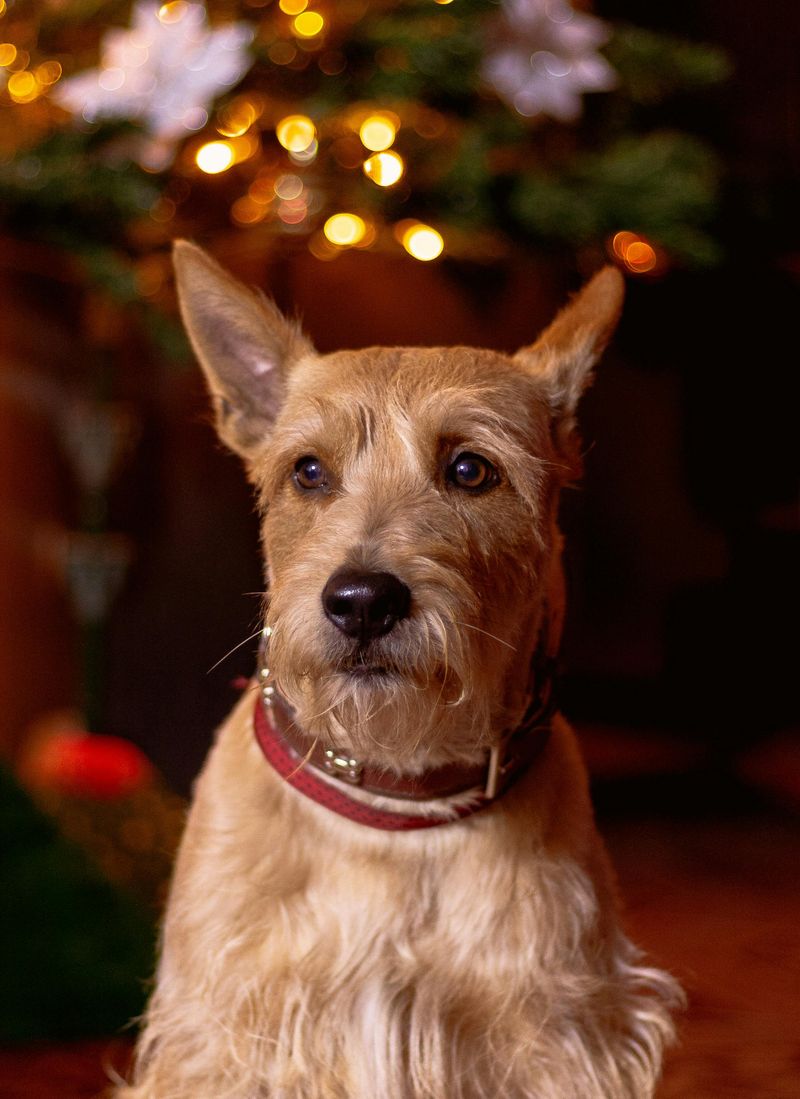
Toto might be small, but this Cairn Terrier from The Wizard of Oz packed serious importance into his tiny frame.
Without Toto chasing after Miss Gulch’s cat, Dorothy might never have ended up in Oz.
Without Toto pulling back the curtain, the Wizard’s secret would have stayed hidden.
This little dog literally changed the course of the entire story multiple times.
His devotion to Dorothy was absolute.
He stayed in that basket during the tornado, followed her down the Yellow Brick Road, and never hesitated when danger appeared.
Toto didn’t have special powers or magical abilities.
He was just a regular dog with extraordinary loyalty and surprisingly good timing when it came to revealing important plot points.
The 1939 film made Toto iconic, showing audiences that size doesn’t determine bravery or importance.
This scrappy little terrier held his own against flying monkeys, wicked witches, and talking lions.
His presence provided comfort to Dorothy when she was far from home and scared in a strange land.
Kids connected with Toto because he represented the kind of companion who’d stick with you through absolutely anything.
Tornadoes, evil witches, bizarre magical lands where everything talks? No problem.
Toto would be right there in your basket, ready for whatever came next.
That’s the definition of ride-or-die friendship in dog form.
15. Clifford The Big Red Dog
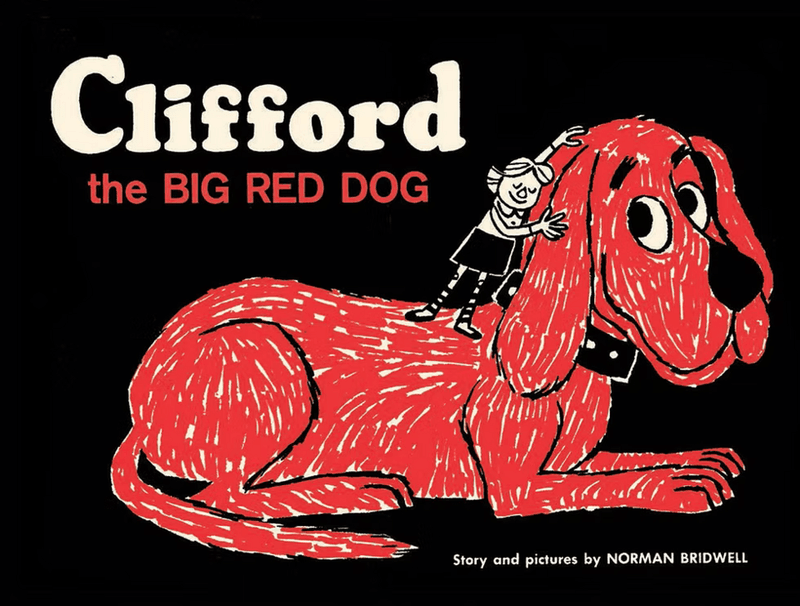
Clifford wasn’t just big.
He was house-sized, which created both the charm and the chaos that made this character unforgettable.
Emily Elizabeth’s love made her puppy grow to enormous proportions, teaching kids that love makes everything bigger, even if usually not quite so literally.
This gentle giant became a beloved fixture on PBS, teaching lessons while being absolutely adorable.
The logistics of owning a dog the size of a building fascinated kids. Where does he sleep? What does he eat?
How much does dog food cost when your pet needs several tons per meal?
These questions added to the fun, making Clifford feel both fantastical and somehow grounded in the reality of pet ownership challenges, just super-sized.
Despite his massive size, Clifford was gentle, kind, and careful around his tiny human friends.
He represented the ideal of a powerful creature who uses strength to help others rather than cause problems.
His adventures on Birdwell Island taught social-emotional lessons about friendship, sharing, and doing the right thing, making him educational and entertaining.
Every kid secretly wanted their own Clifford, even knowing the practical impossibilities.
The fantasy of having a dog so big you could ride on his back, slide down his tail, or use him as a jungle gym was irresistible.
Plus, nobody would ever mess with you at school if your dog was literally the size of the school building.
16. Hooch From Turner And Hooch
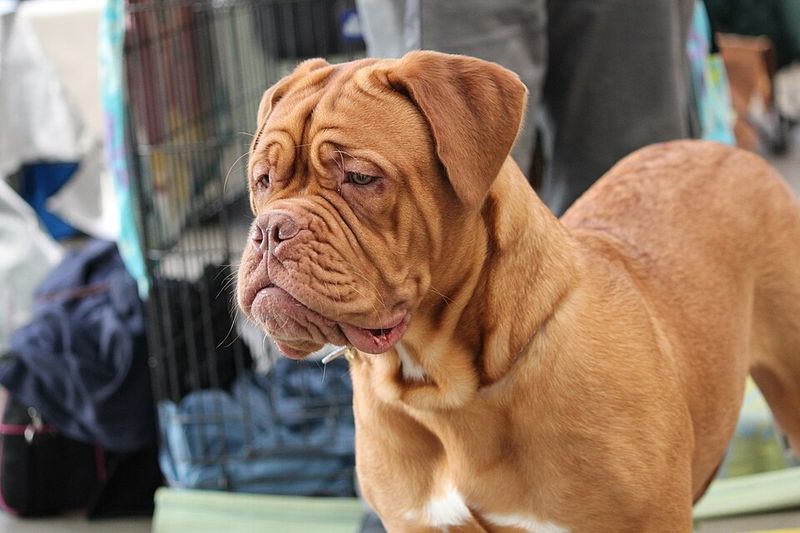
Turner & Hooch paired Tom Hanks with possibly the slobberiest, messiest, most destructive dog in film history.
Hooch, a Dogue de Bordeaux, was the only witness to a murder, which made him both essential to solving the case and a complete nightmare for neat-freak detective Scott Turner.
Their relationship started rocky but evolved into something genuinely touching.
Hooch wasn’t winning any obedience awards.
He drooled constantly, destroyed Turner’s pristine car and house, and had zero concept of personal space or boundaries.
But underneath all that chaos lived a loyal, protective dog who’d literally take a bullet for his human.
The film balanced comedy with genuine emotion, showing how even the most unlikely pets can change our lives.
The breed itself gained attention from this movie.
Dogue de Bordeaux dogs, with their wrinkled faces and massive jowls, weren’t common in American households before Hooch made them famous.
Suddenly, people wanted these gentle giants despite their drool production that could fill swimming pools and their tendency to take up entire couches.
Kids watching saw past the mess to the heart underneath. Hooch proved that perfect pets don’t exist, but perfect matches do.
Sometimes the dog who drives you craziest is also the one who understands you best and loves you most fiercely.
That message resonated beyond the comedy and action.
17. Seabiscuit The Racehorse
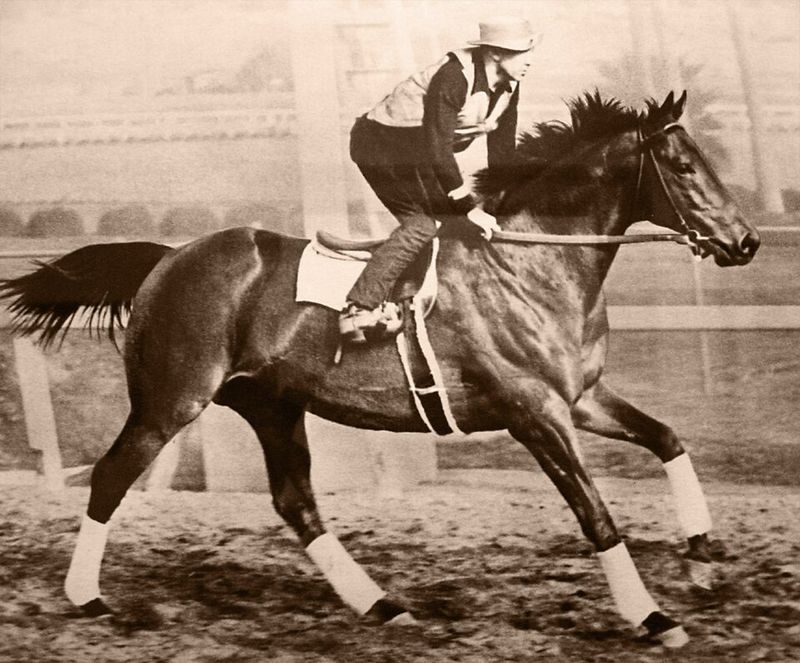
Okay, so Seabiscuit wasn’t exactly a traditional pet.
This undersized racehorse captured hearts in a way that made people wish they could have their own champion in the backyard.
The 2003 film told the true story of an unlikely Depression-era hero who proved that size and pedigree don’t determine greatness.
Sometimes the scrappy underdog, or underhorse, wins the race.
Seabiscuit’s story resonated because he was overlooked, underestimated, and written off before he got his chance to shine.
Kids relate to feeling underestimated, making this horse’s triumph especially meaningful.
His relationship with jockey Red Pollard, trainer Tom Smith, and owner Charles Howard showed that success comes from believing in each other when nobody else does.
The real Seabiscuit became one of America’s most beloved athletes during the 1930s, giving people hope during incredibly tough times.
His races drew massive crowds and radio audiences, proving that sometimes we need heroes with four legs just as much as those with two.
His legacy showed that animals can inspire nations and change lives.
Wanting to adopt Seabiscuit meant wanting that underdog spirit in your life.
While most kids couldn’t actually keep a racehorse in their garage, they could admire his determination, courage, and refusal to accept limitations.
His story taught that with the right support and belief, anyone can exceed expectations and achieve greatness.
18. Meeko The Raccoon
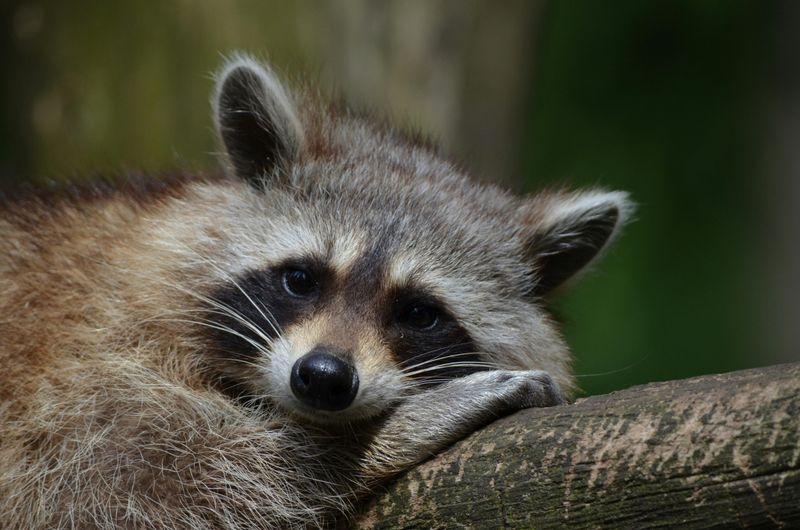
Pocahontas introduced Meeko, a raccoon whose love of food and shiny objects made him instantly relatable.
This little bandit was constantly getting into trouble, stealing John Smith’s compass, and eating everything in sight.
His expressions and physical comedy provided much of the film’s humor, proving that you don’t need dialogue to be hilarious.
Meeko’s friendship with Pocahontas showed a different kind of pet relationship, one based on mutual respect for nature and freedom.
He wasn’t trained or domesticated in traditional ways.
He was wild but chose to stick around because of genuine connection and affection.
That independence made him appealing to kids who appreciated animals with their own minds and agendas.
His rivalry with Flit the hummingbird and Percy the pug created comedy gold throughout the film.
Watching Meeko scheme, steal, and cause chaos while somehow remaining adorable was entertaining on every level.
His tiny hands grabbing food or treasures tapped into something universally funny about raccoons and their grabby nature.
Kids dreamed of having a Meeko because raccoons are objectively cute with those mask markings and fluffy tails.
The reality of keeping wild animals as pets aside, the fantasy of a raccoon companion who could join adventures and share snacks was incredibly appealing.
Meeko represented the wild, free-spirited side of nature that many kids longed to connect with.
19. Beethoven The Saint Bernard
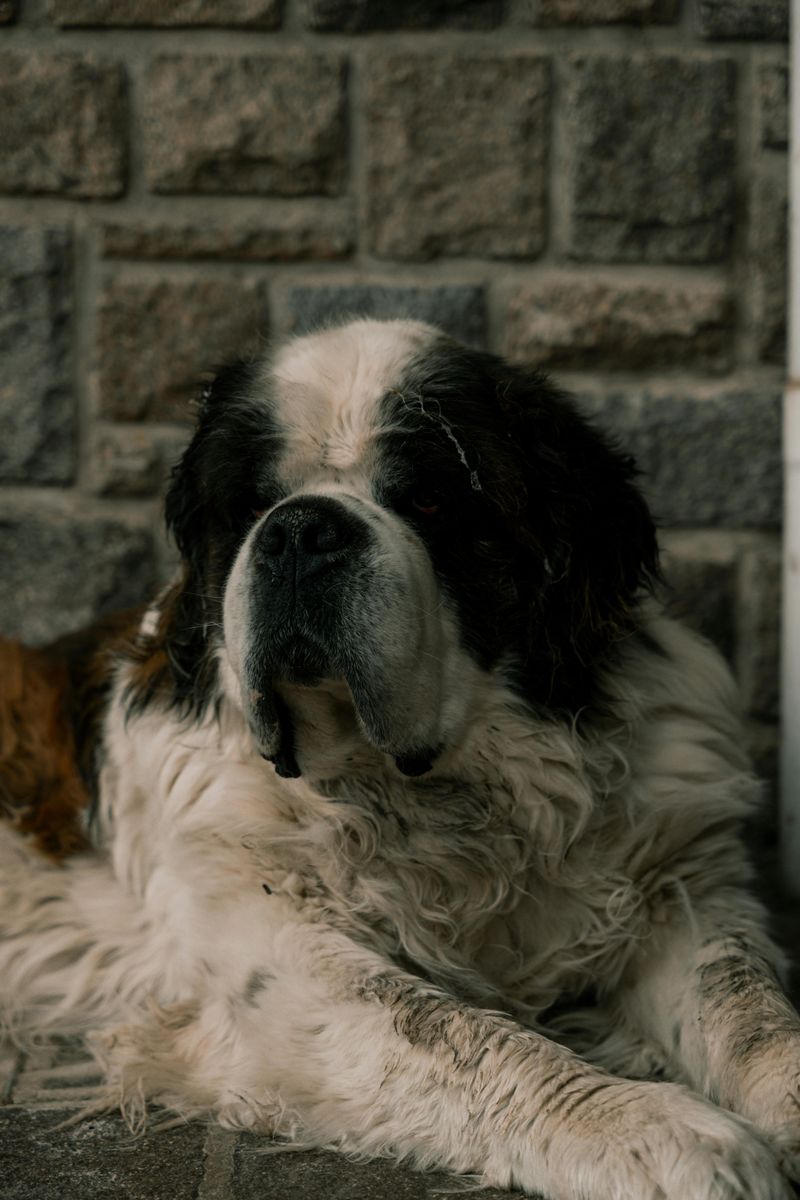
The 1992 film Beethoven introduced a Saint Bernard puppy who grew into a massive, drooling, furniture-destroying force of nature that somehow became the heart of the Newton family.
This dog was chaos incarnate, causing disasters in nearly every scene, yet his love for his family, especially the kids, made every bit of mayhem worthwhile.
Beethoven represented every parent’s nightmare and every kid’s dream pet.
He was too big, too messy, and too expensive to maintain, but he was also protective, loving, and absolutely hilarious.
The film’s comedy came from watching this gentle giant navigate a world that was definitely too small for him.
Knocking over everything in his path while remaining completely lovable.
Saint Bernards gained massive popularity after this movie, with families wanting their own oversized cuddle monster.
The breed’s reputation as gentle with children and naturally protective made them appealing beyond just the film’s influence.
Beethoven showed these traits while adding enough slapstick comedy to keep audiences laughing throughout.
The sequels kept the magic going, proving that audiences couldn’t get enough of this slobbery saint.
Kids watching wanted Beethoven because he represented unconditional love packaged in the biggest, fluffiest, most huggable form imaginable.
Yes, he’d destroy your house, but he’d also defend your family fiercely and provide enough love to make up for every broken vase.
20. Baloo The Bear
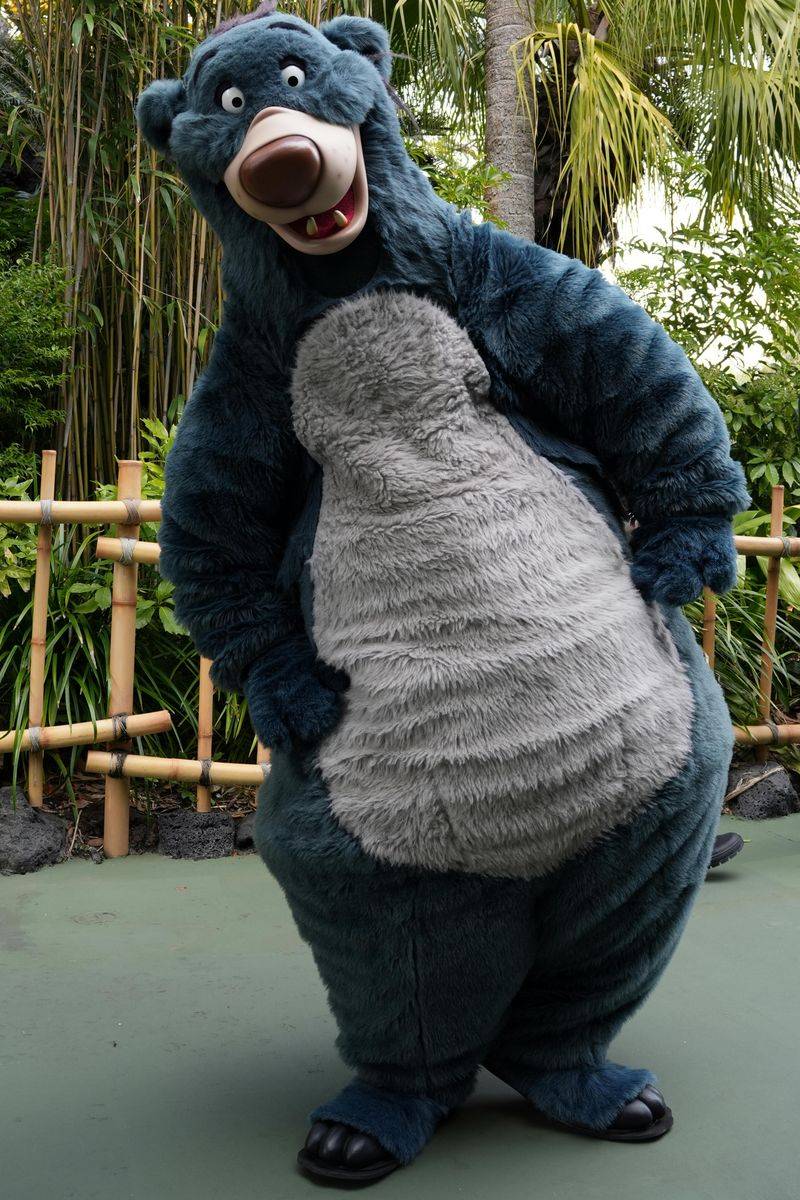
Baloo from The Jungle Book wasn’t technically a pet, but this laid-back bear made every kid wish they could adopt him anyway.
His philosophy of “The Bare Necessities” taught relaxation, enjoying life’s simple pleasures, and not worrying so much about everything.
As life coaches go, a singing bear who advocates for naps and fruit isn’t a bad choice.
His relationship with Mowgli showed a different kind of adoption story, where the animal adopts the human rather than the other way around.
Baloo became Mowgli’s protector, teacher, and best friend, all while maintaining his easygoing attitude about life.
He proved that you don’t need to be serious or strict to be a positive influence on kids.
The 1967 Disney version made Baloo iconic with Phil Harris’s voice performance bringing warmth and humor to every line.
Baloo’s jazz-influenced musical numbers and his genuine care for Mowgli’s wellbeing created a character who balanced fun with responsibility.
He’d play and joke around, but when danger threatened, Baloo fought fiercely to protect his man-cub.
Kids wanted Baloo because he represented the fun, adventurous side of life without losing sight of what really matters.
Having a bear who could teach you to float down rivers, find the best fruit, and stand up to tigers?
That’s basically the ultimate package deal in the adoption fantasy department.
21. Max From The Little Mermaid
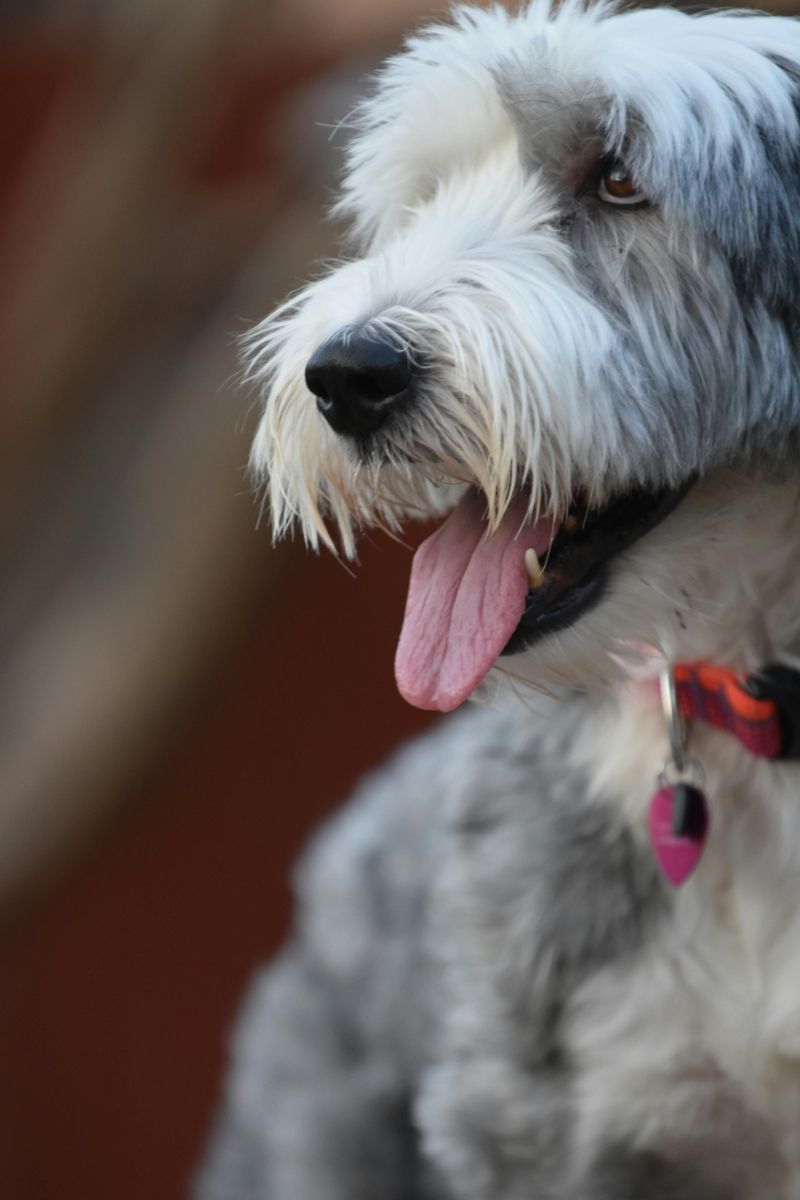
Prince Eric’s Old English Sheepdog Max didn’t get tons of screen time in The Little Mermaid, but he made every second count.
This big fluffy dog helped Eric recognize Ariel as his mystery girl through scent and intuition, basically playing matchmaker for the whole romance.
Without Max’s enthusiastic face-licking and tail-wagging approval, Eric might not have figured things out quite so quickly.
Old English Sheepdogs are basically walking carpets with personalities, and Max embodied the breed’s playful, friendly nature perfectly.
His shaggy coat and bouncy energy made him visually distinctive and completely huggable.
Kids watching immediately wanted to bury their hands in all that fluff and take this good boy on beach adventures.
Max represented the kind of dog who’s just happy to be included in whatever’s happening.
Royal duties? Great. Beach walks? Awesome.
Dramatic revelations about your owner’s love interest being a formerly-finned princess?
Excellent, let’s celebrate with more face licks.
His enthusiasm was infectious and his loyalty to Eric was absolute.
The fantasy of having a dog who could hang out at a castle, run on beaches, and potentially sail on ships made Max especially appealing.
He combined the best parts of royal pet life with the freedom of seaside adventures.
Plus, that hair was seriously impressive even by Disney standards.
22. Eddie From Frasier
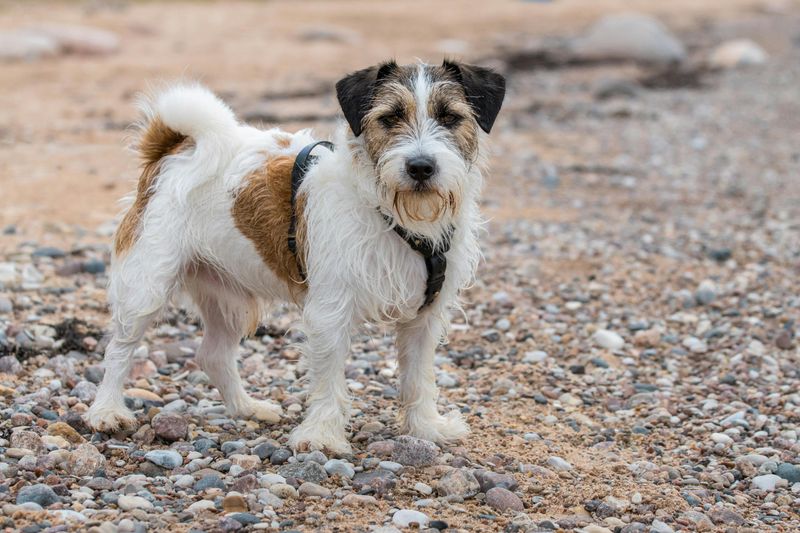
Eddie, the Jack Russell Terrier from Frasier, became famous for one specific talent: staring at Frasier Crane with an intensity that made the uptight psychiatrist completely uncomfortable.
This small dog provided some of the show’s best comedy without ever speaking or doing typical dog tricks.
His stare became legendary, suggesting deep judgment or possibly just extreme focus on potential treats.
The dynamic between Eddie and Frasier was comedy gold.
While Frasier preferred opera and fine wine, Eddie was a working-class dog who belonged to Martin, Frasier’s down-to-earth father.
Eddie represented everything Frasier didn’t understand about normal life, creating a class commentary that was hilarious when delivered through a tiny terrier’s unwavering gaze.
Jack Russell Terriers are known for their intelligence and energy, and Eddie showcased both.
Behind the scenes, the dog actor Moose performed complex tricks and hit marks perfectly, showing the breed’s trainability.
On screen, Eddie appeared to be silently judging everyone while being undeniably cute about it.
Kids who watched Frasier with their parents loved Eddie because he was the everyman’s dog in a show full of fancy people and complicated relationships.
He provided straightforward affection, loyalty, and comic relief.
The fantasy of having a dog who could communicate volumes with just a look appealed to anyone who’d ever felt misunderstood or judged themselves.
23. Bolt The Superdog
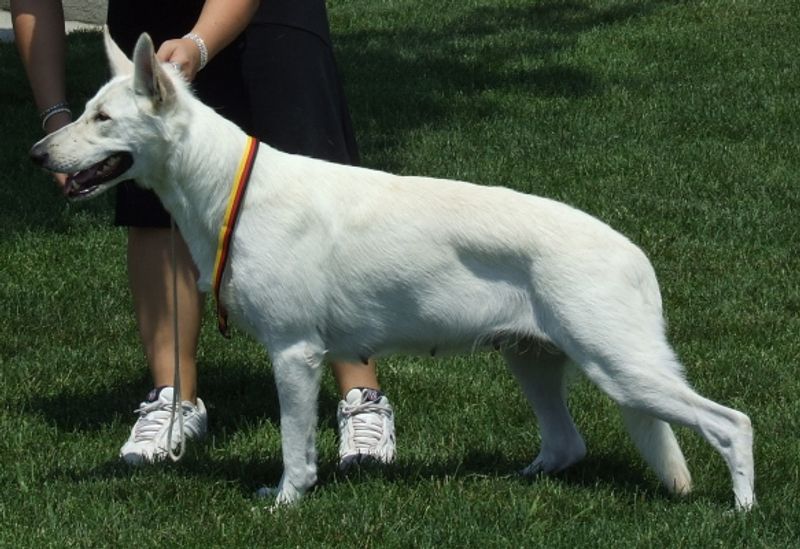
Disney’s 2008 film Bolt told the story of a dog who believed he actually had superpowers because he’d spent his entire life on a TV show set.
This white German Shepherd mix thought his lightning bolt marking gave him actual abilities.
Leading to a hilarious and touching journey of self-discovery when he accidentally ended up in the real world.
Bolt’s character arc showed what happens when reality doesn’t match expectations, something every kid can relate to.
He went from confident superhero to confused regular dog, eventually learning that being ordinary doesn’t mean being worthless.
His determination to rescue his person Penny drove the plot and showed that love and loyalty are superpowers in their own right.
The film’s animation made Bolt absolutely stunning to watch, with expressive eyes and body language that conveyed every emotion perfectly.
His relationships with Mittens the cat and Rhino the hamster showed that friendship comes in unexpected packages.
That sometimes the family you choose matters more than the powers you thought you had.
Kids wanted to adopt Bolt because he represented both the fantasy of having a superhero pet and the reality of loving a regular dog.
His journey taught that you don’t need special abilities to be special to the people who love you.
Lightning bolt marking was undeniably cool.
24. Nana From Peter Pan
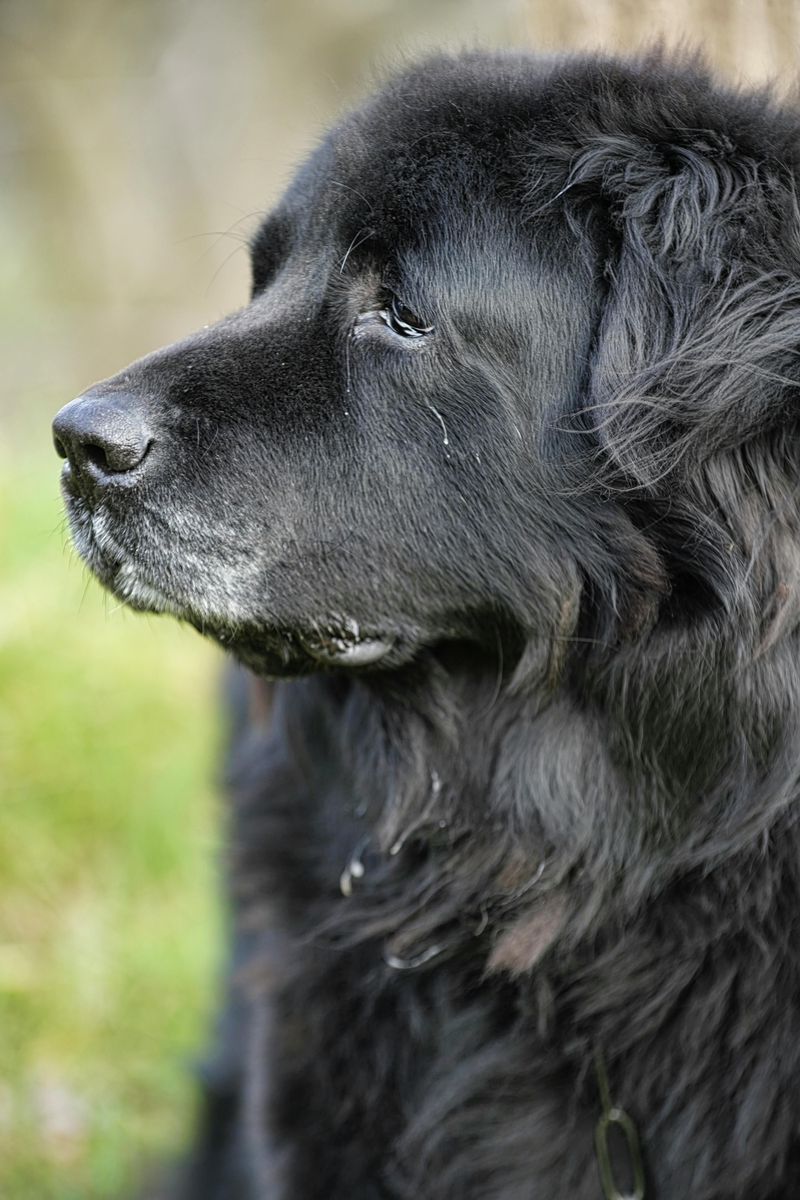
Peter Pan’s Nana broke the mold by being the Darling family’s nanny who just happened to be a Newfoundland dog.
She tucked children into bed, administered medicine, and took her childcare responsibilities incredibly seriously.
The concept of a dog nanny was both hilarious and oddly believable given how protective and gentle Newfoundlands are with children.
Nana’s dedication to the Darling children showed throughout the story, from her attempts to warn the parents about Peter Pan to her distress when the children disappeared.
She wasn’t treated as just a pet but as a legitimate member of the household staff with important duties.
That respect for her abilities and intelligence made her character special.
Newfoundlands are known as gentle giants with natural lifesaving instincts, originally bred to help fishermen.
Nana embodied these traits perfectly, showing strength combined with tenderness.
Her size meant she could physically protect the children, while her temperament made her patient with their antics and bedtime resistance.
Every kid watching wanted a Nana because the idea of a dog who could also be a caretaker was fascinating.
She represented security, comfort, and unconditional care all wrapped up in one massive, fluffy package.
Plus, the mental image of a dog wearing a bonnet and carrying a medicine bottle was adorably unforgettable.
25. Winn-Dixie The Stray
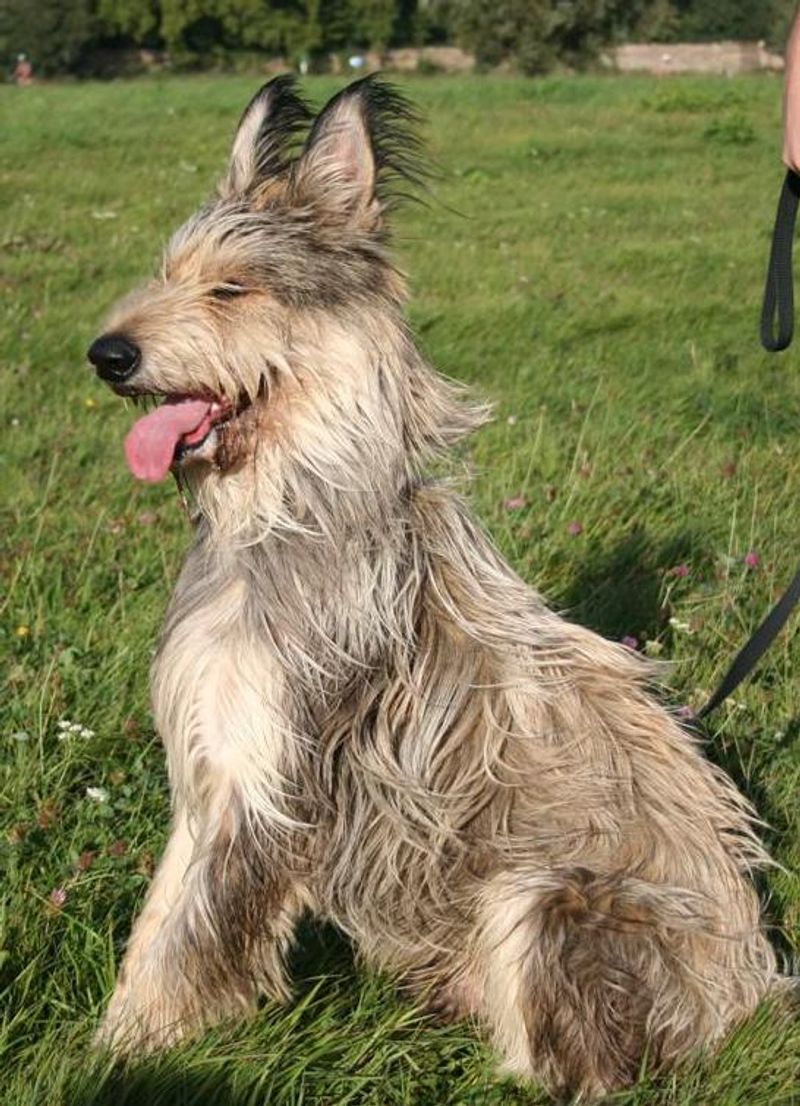
Because of Winn-Dixie gave audiences a stray dog who smiled like a human and brought an entire community together.
This big, goofy mutt wasn’t fancy or purebred.
He was just a homeless dog who wandered into a grocery store and changed lonely ten-year-old Opal’s life completely.
His pathological fear of thunderstorms made him relatable, showing that even rescue dogs come with quirks and challenges.
Winn-Dixie’s talent for making friends wherever he went drove the story forward.
He helped Opal connect with various townspeople, from the librarian to the pet store owner to the mysterious woman everyone called a witch.
The dog became a bridge between isolated people, proving that sometimes the best conversation starters have four legs and wagging tails.
The film, based on Kate DiCamillo’s beloved novel, showed the reality of adopting strays. Winn-Dixie wasn’t perfect.
He had fears, he caused some chaos, and he needed patience and understanding.
But his capacity for love and his genuine enjoyment of life made every challenge worthwhile.
He taught Opal about acceptance, forgiveness, and opening your heart even when you’re scared.
Kids watching wanted their own Winn-Dixie because he represented second chances and the magic of rescue animals.
He showed that the best pets aren’t always found in fancy stores or breeders.
Sometimes they’re waiting in unexpected places, ready to change your life if you’re brave enough to take them home.
26. Slinky Dog
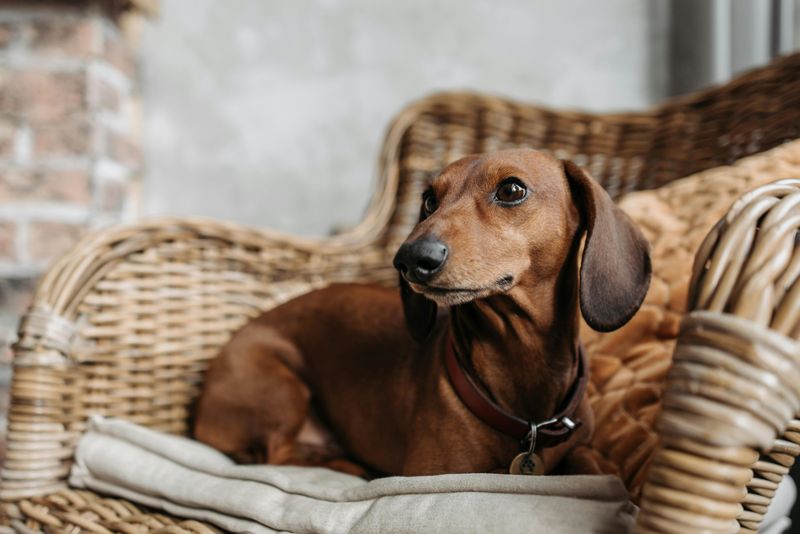
Toy Story’s Slinky Dog combined the loyalty of man’s best friend with the stretchy functionality of a classic toy.
Voiced by Jim Varney in the original films, Slinky was Woody’s most faithful companion, always believing in his cowboy friend even when others doubted.
His stretchy middle came in handy during countless rescue missions and adventures.
Slinky represented the ideal friend: loyal, helpful, and always willing to stretch himself, literally and figuratively, to help those he cared about.
His Southern drawl and easygoing personality made him instantly likeable.
Unlike some of the more anxious toys in Andy’s room, Slinky maintained a calm, supportive presence that grounded the group during stressful situations.
The character’s design was genius, taking a real toy that many kids owned and giving it personality and heart.
Dachshunds already look somewhat slinky with their long bodies and short legs, so the toy version felt natural.
Slinky’s ability to extend his body for rescues or bridges added practical value to his friendship, though his real worth came from his unwavering loyalty.
Kids playing with their own Slinky toys after watching these films imagined them coming to life with the same faithful, friendly personality.
The fantasy of having a pet who was also a functional tool during playtime adventures made Slinky Dog especially appealing.
He proved that the best friends stick with you through everything, no matter how far they have to stretch.