20 Lesser-Known Facts About Alfred Hitchcock
Alfred Hitchcock had a rare ability to make even ordinary images feel quietly threatening.
The Master of Suspense had a talent for making audiences jump, spill popcorn, and whisper “I didn’t sign up for this” while he calmly sipped tea and plotted the next perfectly timed scare.
Hitchcock proves that sometimes the man behind the movie is just as fascinating, clever, and surprisingly hilarious as the films themselves.
Disclaimer: This article is a subjective editorial roundup of biographical details and career milestones connected to Alfred Hitchcock, based on widely cited film-history references and archival sources.
1. Born In Leytonstone, London
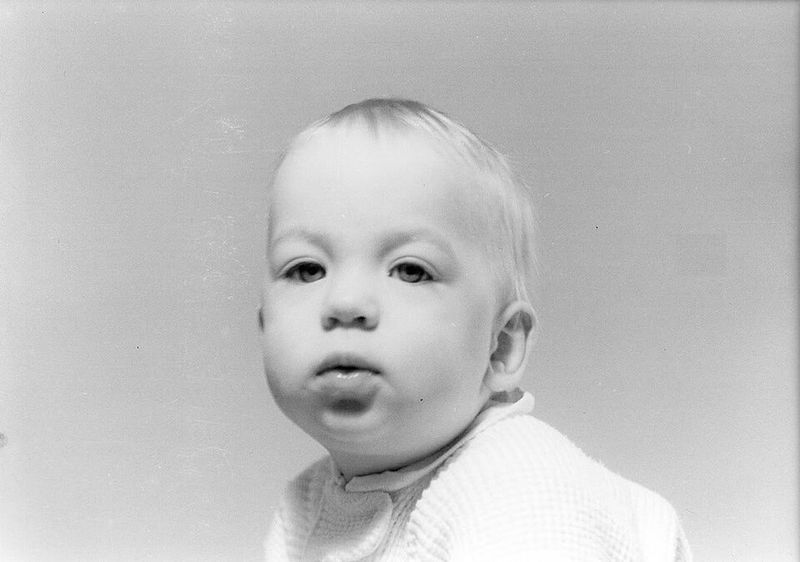
History quietly turned a corner on August 13, 1899, when a future legend arrived in Leytonstone, East London.
Brick houses and busy streets defined the neighborhood, giving no hint that its newest resident would one day send chills through movie audiences around the world.
Today, a blue plaque marks the spot. A small sign now honors a remarkably large legacy.
2. An Unlikely Technical Education

Before filmmaking became his career, Hitchcock studied engineering-related subjects and navigation in night classes at the London County Council School of Engineering and Navigation.
St. Ignatius College came first, giving him a Jesuit education strong on discipline and precision. Those two schools together built a mind that loved structure.
That technical wiring would later show up in every meticulously planned frame.
3. Art Classes Shaped His Eye
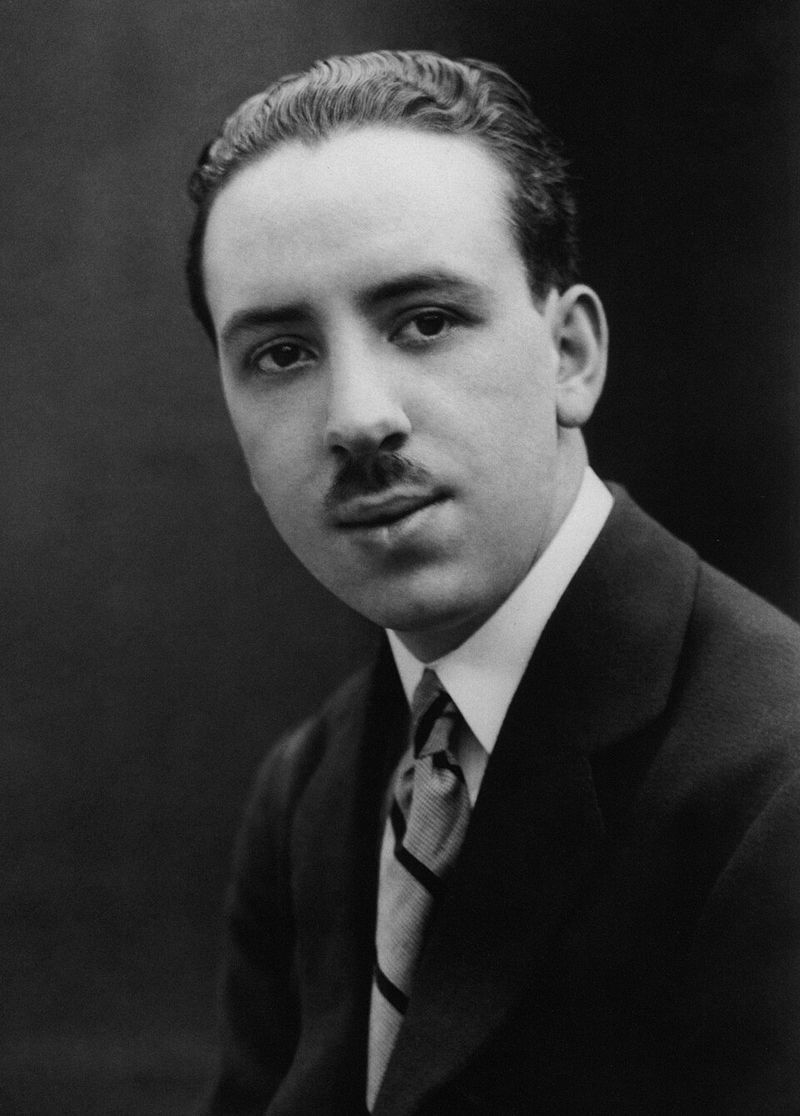
While clocking in at W.T. Henley’s Telegraph Works, Hitchcock continued taking evening classes in subjects including art-related study while working at Henley’s.
Most directors learn on set. He learned at a drafting table, sketching with the same care he later gave to storyboards.
Every precise camera angle owed something to those early art sessions.
4. Title Cards Were His First Gig
Designing title cards for silent films became Alfred Hitchcock’s first foothold in the movie industry at the London studio of Famous Players-Lasky around 1919–1920.
Work on those cards demanded careful typography, visual creativity, and a sense of storytelling rhythm so audiences could follow the plot without spoken dialogue. Hitchcock quickly showed he had the instincts for that craft.
Early studio work lacked the glamour of directing, yet it placed him exactly where a future filmmaker needed to start.
5. The Pleasure Garden Launched Him

The Pleasure Garden, released in 1925, stands as Hitchcock’s first solo credited feature, the official starting line of one of cinema’s greatest careers.
Earlier work existed, but much of it was unfinished or uncredited. This one had his name on it, clean and clear.
It remains the clearest starting point for his directorial career.
6. A Film Lost To Time

Alfred Hitchcock’s 1926 film The Mountain Eagle carries a haunting distinction. No known copy of the movie survives anywhere in the world.
British Film Institute archivists keep it on their Most Wanted missing films list, a reminder that early film preservation often failed to protect silent-era work.
Perhaps a forgotten reel still waits in an unmarked can somewhere.
7. The Lodger Felt Like Home
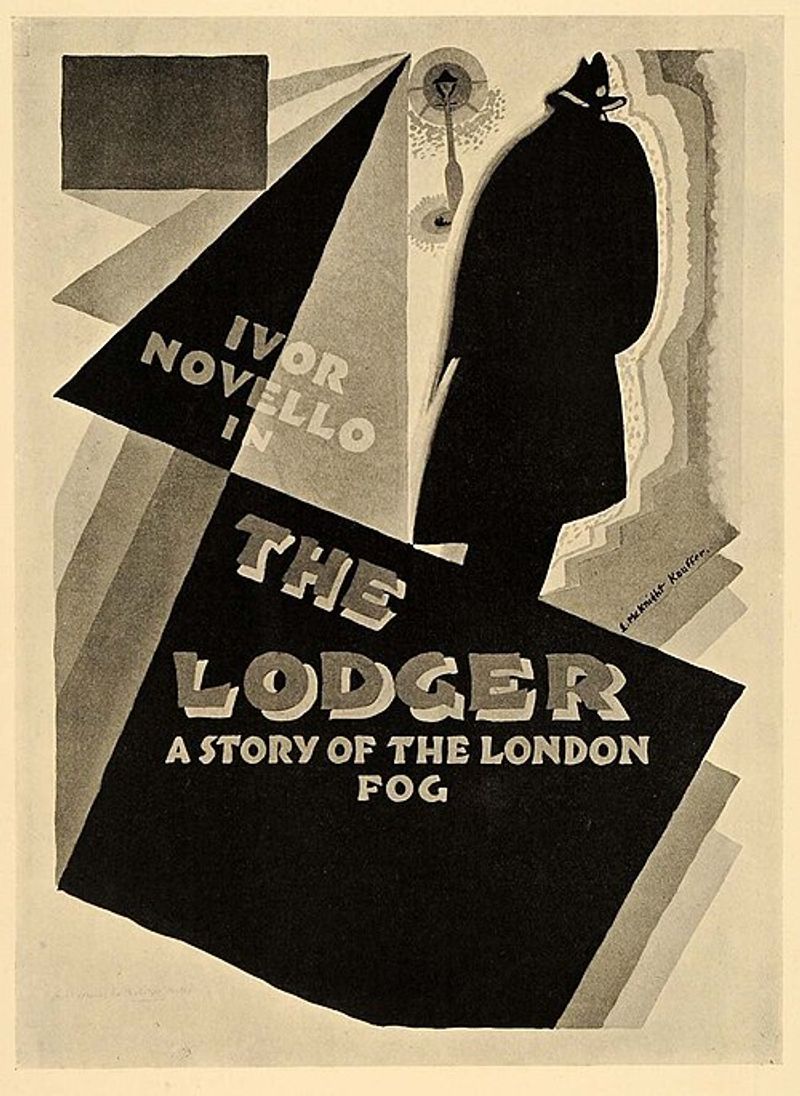
Later reflections placed The Lodger as the first film that truly felt like a Hitchcock creation, a striking self-assessment from a filmmaker not known for handing out easy compliments.
Suspense, wrong-man tension, and creeping atmosphere finally locked together in one place. That same film also introduced the tradition of his quick on-screen cameos.
Moments like that mark the point when a director’s signature style starts coming into focus.
8. Blackmail Broke The Sound Barrier
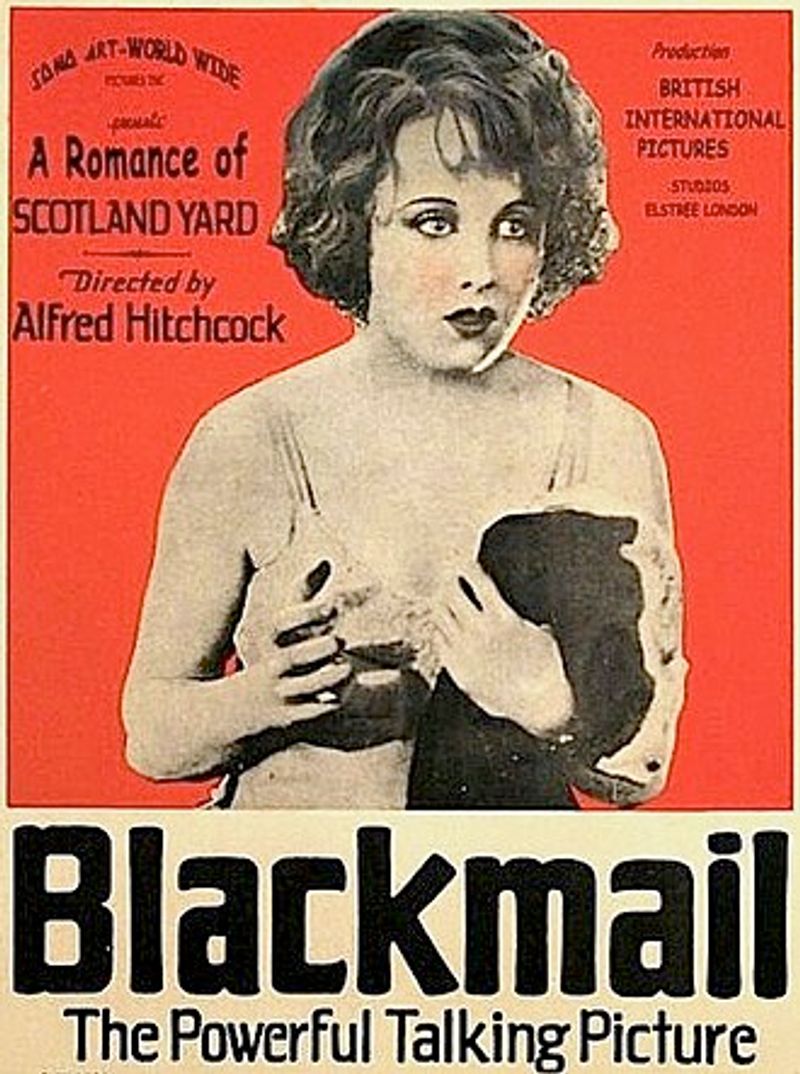
Blackmail in 1929 started life as a silent film and then transformed mid-production into something brand new: a talking picture.
That pivot made it one of Britain’s most historically significant films almost by accident. The timing was perfect, landing right as audiences were hungry for synchronized sound.
The film showed how quickly Hitchcock could adapt to major technological change.
9. Britain’s First True Talkie
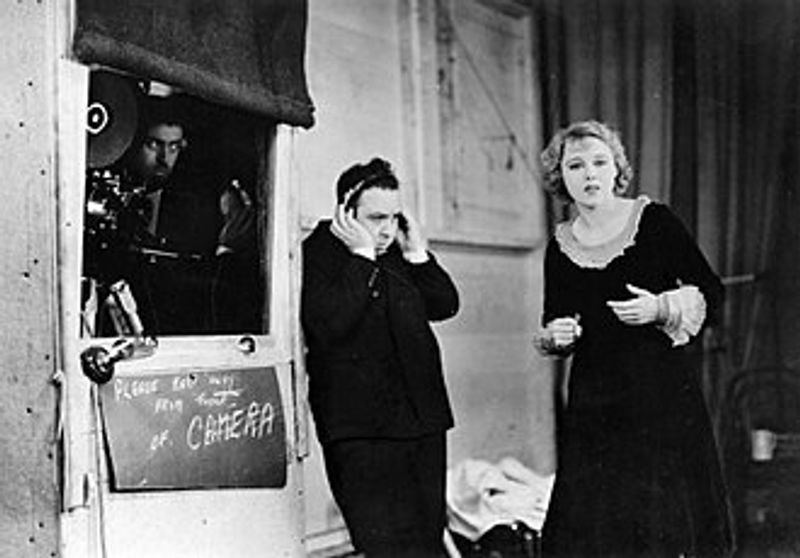
Film historians often point to Blackmail as Britain’s first talkie, a milestone the British Film Institute highlights with real weight in cinema history.
Synchronized dialogue in 1929 created technical chaos and creative risk. Hitchcock managed to pull it off anyway.
Confidence with emerging technology soon became one of his defining professional habits.
10. A Marriage Made In Film
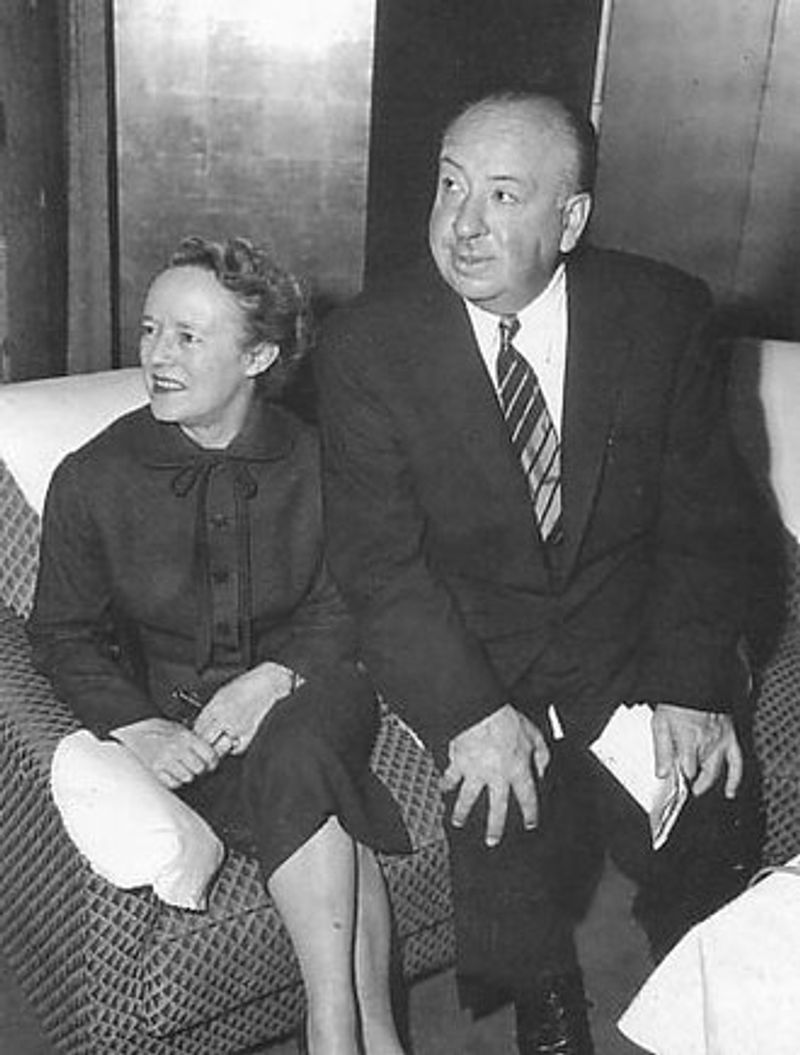
Marriage to Alma Reville marked the beginning of what film historians often describe as one of cinema’s most creatively productive partnerships.
Already respected as a skilled film professional, Reville entered the union with sharp editorial instincts and deep industry experience, bringing two formidable creative minds together under one roof.
Few Hollywood love stories also functioned as such a strong working partnership.
11. Alma Was More Than A Wife
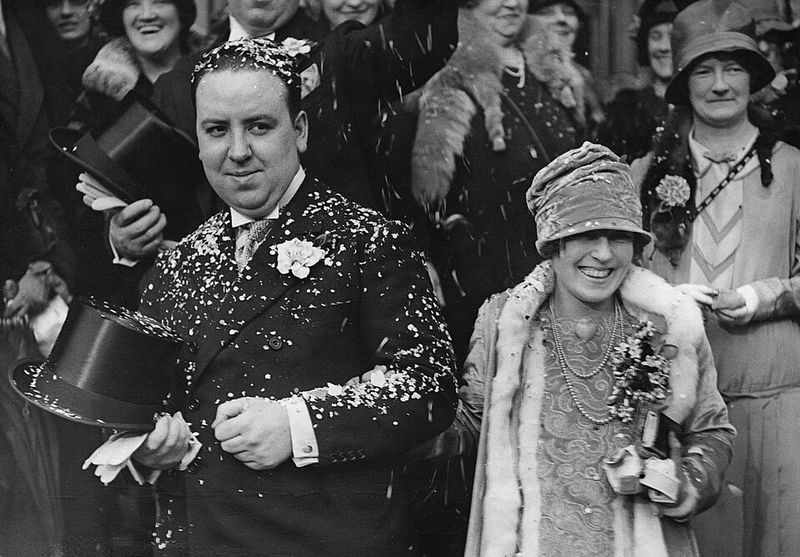
Calling Alma Reville just the director’s wife would be like calling a co-pilot just a passenger.
She edited films, supervised scripts, and caught continuity errors that others missed entirely. A frequently repeated example of Alma Reville’s sharp eye is that she noticed a small movement from Janet Leigh in the Psycho shower sequence that others had missed.
That sharp eye saved one of cinema’s most iconic scenes from a glaring mistake.
12. Rebecca Won Best Picture
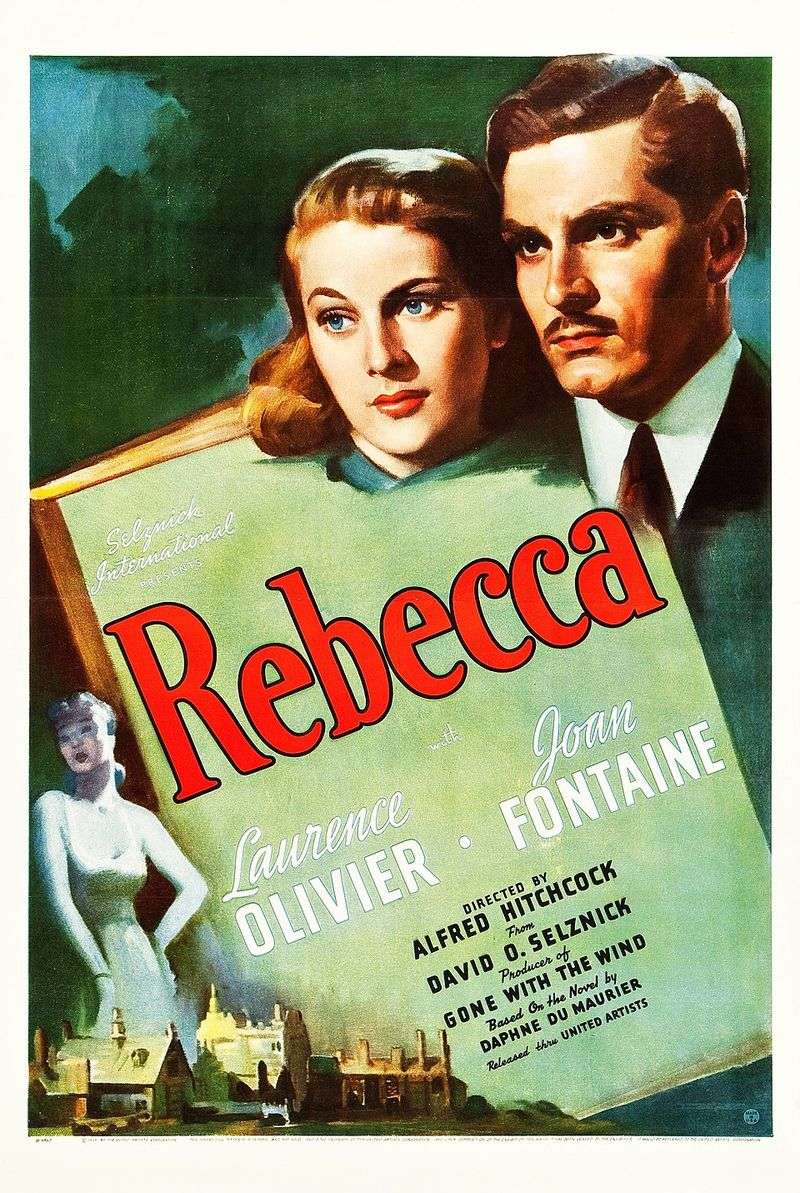
When Rebecca won Best Picture at the 13th Academy Awards, a significant milestone was reached.
Hitchcock received his first Best Director nomination for the film but left the ceremony without the directing trophy.
John Ford ultimately claimed that honor for The Grapes of Wrath. Success with Rebecca proved Hitchcock could deliver work at the Academy’s highest level.
13. Five Nominations, Zero Directing Wins
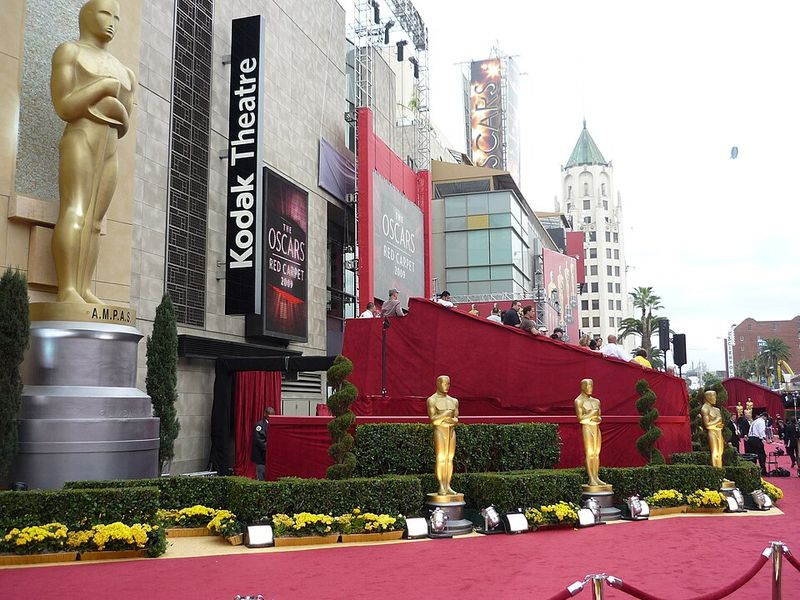
Across a legendary career, five Best Director nominations arrived without a single competitive Oscar win.
Recognition from the Academy came for Rebecca, Lifeboat, Spellbound, Rear Window, and Psycho, a group of films many directors would be thrilled to claim. Hollywood history still points to that missing directing trophy as one of the industry’s more puzzling oversights.
14. An Honorary Oscar Instead
The Irving G. Thalberg Memorial Award arrived in 1968 at the 40th Oscars, the Academy’s way of finally putting something golden in Hitchcock’s hands.
Honorary awards carry real prestige, but Hitchcock’s acceptance speech was famously brief: just five words long. The room laughed, and he sat back down.
Classic Hitchcock: maximum impact, minimum fuss.
15. He Became An American Citizen

1955 finally made Alfred Hitchcock an American citizen, putting official paperwork on a life that had already stretched across the Atlantic since his Hollywood move in 1939.
British roots never loosened their grip, showing up in dry humor, devotion to English pubs, and an accent that refused to soften for anyone.
Citizenship changed the passport. Personality remained completely non-negotiable.
Belonging to two countries became his permanent condition.
16. Television Made Him Iconic

Television audiences welcomed Alfred Hitchcock into their living rooms every week when Alfred Hitchcock Presents aired from 1955 to 1965.
Iconic elements quickly became recognizable everywhere: the unmistakable silhouette, the theme music, and the perfectly dry introductions before each story began. Even viewers who had never seen Psycho could instantly recognize him.
Small-screen exposure created a different kind of fame that movies alone could never deliver.
17. Psycho Was All About the Shower

Curiosity about why Hitchcock made Psycho leads to a surprisingly precise answer: the infamous shower murder scene. The shower scene became the film’s defining set piece and one of the best-known moments in cinema.
Everything else became architecture constructed around one unforgettable minute of cinema.
Because of its iconic status, the scene frequently takes center stage, obscuring everything else in the picture.
18. The Birds Had No Musical Score
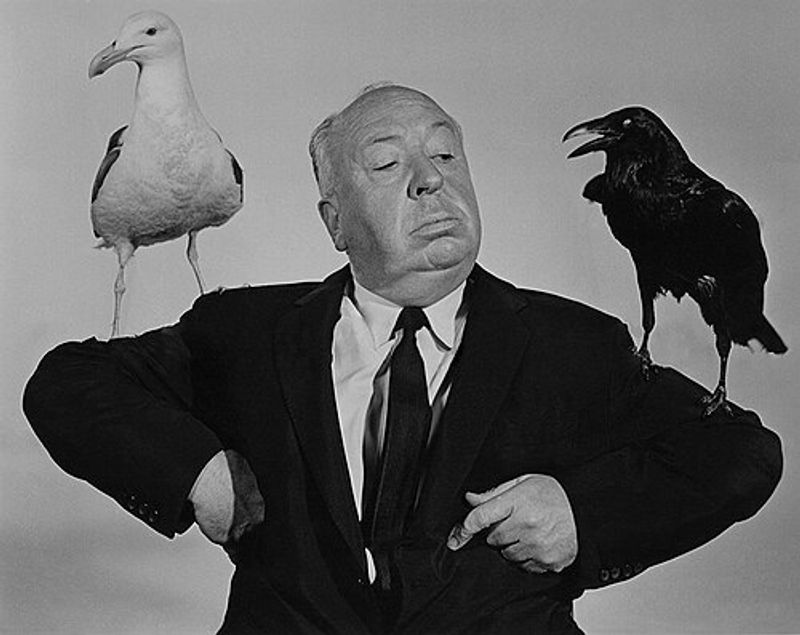
Silence can be louder than any orchestra, and The Birds proved it in 1963 by ditching a conventional score entirely.
Mechanical bird sounds and stretches of quiet replaced what would normally be a dramatic musical soundtrack. That choice made the film feel genuinely unnerving rather than theatrically scary.
Hitchcock trusted his audience to feel the tension without being told when to feel it.
19. Shadow Of A Doubt Was His Favorite

Personal reflections from Hitchcock often singled out Shadow of a Doubt as his favorite among all the films he directed, a choice that tends to surprise many listeners.
Conversations about his greatest work usually circle around Psycho, Vertigo, and Rear Window. Shadow of a Doubt, set in a bright California town with something deeply unsettling beneath the surface, rarely receives the same attention.
Quiet menace running beneath an ordinary setting may have been exactly what appealed to him most.
20. Pat Hitchcock And A Knighthood

Pat Hitchcock, his daughter, developed her own screen presence with appearances in Strangers on a Train and several other projects that kept the family name firmly in the credits.
Late in life, Hitchcock was appointed KBE in the 1980 New Year Honours, becoming Sir Alfred Hitchcock.
April 1980 arrived only months later. The knighthood came almost too late.