
LGBTQ+ Actresses Who Later Acknowledged Problems With Earlier Roles And Projects
Oh honey, gather ‘round because even the fiercest queens in Hollywood have moments that make them clutch a rhinestone and whisper, “Child, what was I thinking?”
Owning those missteps with all the grace, sass, and sparkle they’ve got shows growth, power, and a whole lot of “I’m still fabulous, thank you very much.”
Now sashay through these actresses and see why their honesty is serving us lessons we all need, darling.
1. Sarah Paulson
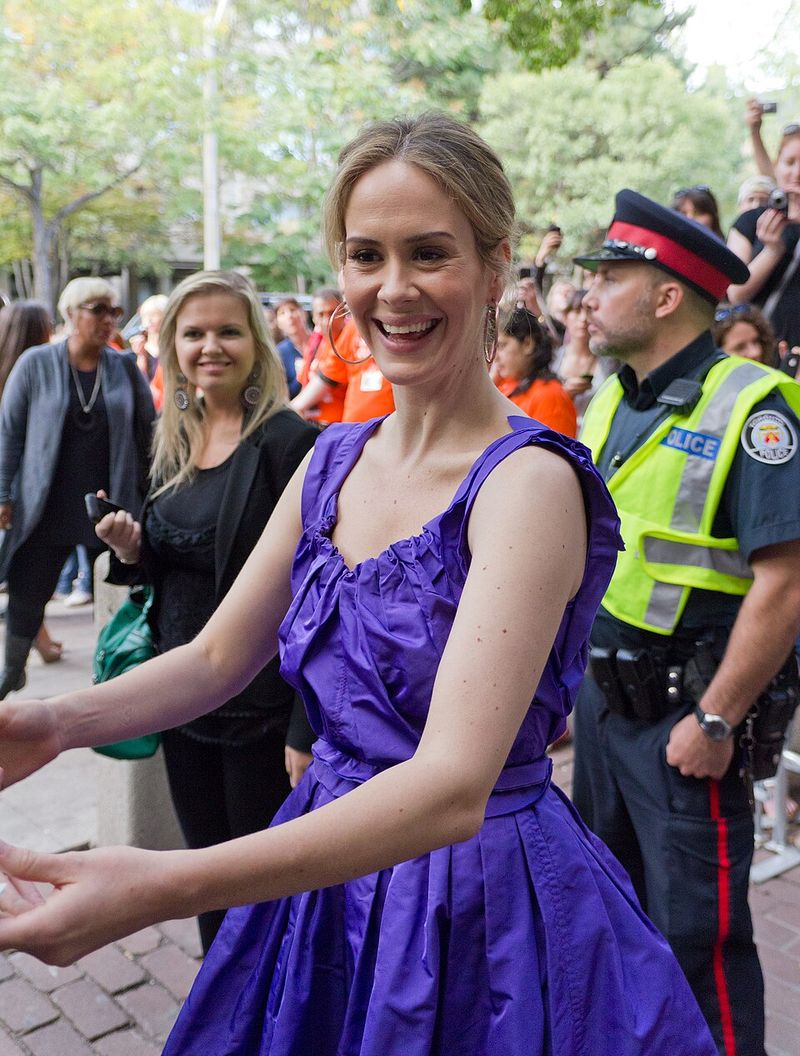
Wearing another person’s body as a costume carries complicated implications, something Sarah Paulson has since acknowledged publicly.
Portrayal of Linda Tripp in Impeachment: American Crime Story involved a f*t suit that sparked criticism.
Paulson later said the backlash was understandable. Acknowledgment of real concerns about fatphobia became part of her response.
Public honesty without hedging or spin lands very differently than a carefully crafted statement.
2. Evan Rachel Wood
Regret sometimes arrives quietly, like a calendar reminder you forgot you set.
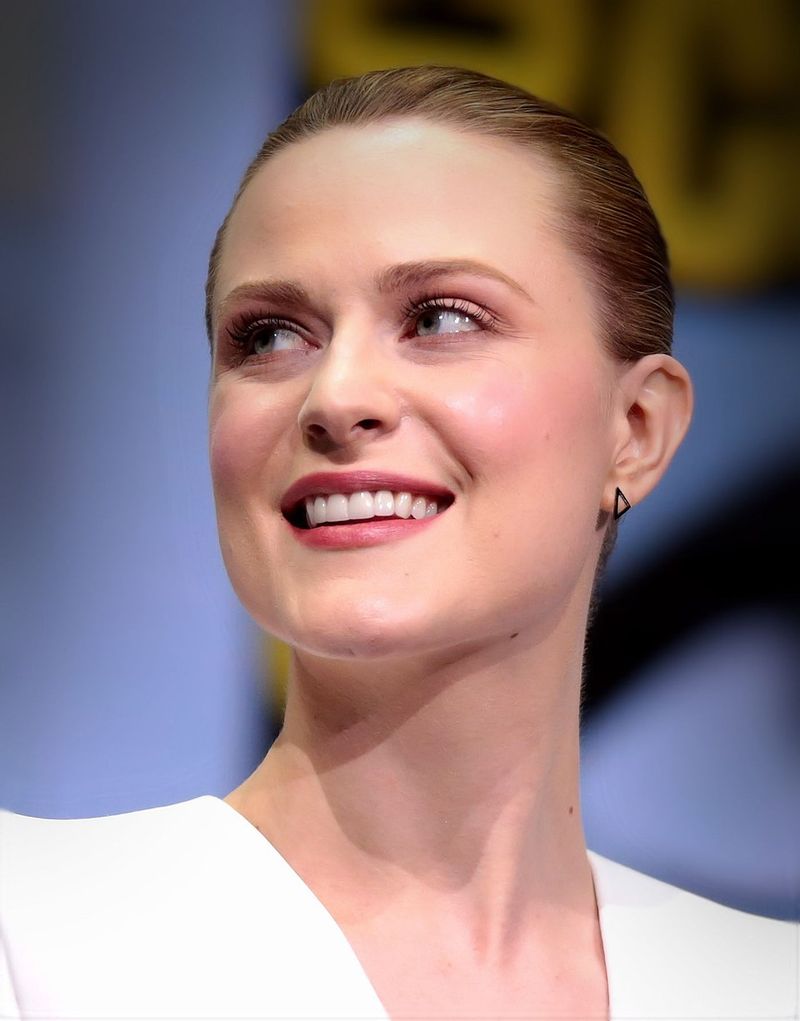
Evan Rachel Wood has openly said she regrets working with Woody Allen on Whatever Works, viewing that collaboration through a much sharper moral lens today.
Later on, she declared that she would never make the same decision again, yet Wood has since spoken clearly about where she stands. Owning that shift without excuses takes real courage.
3. Drew Barrymore
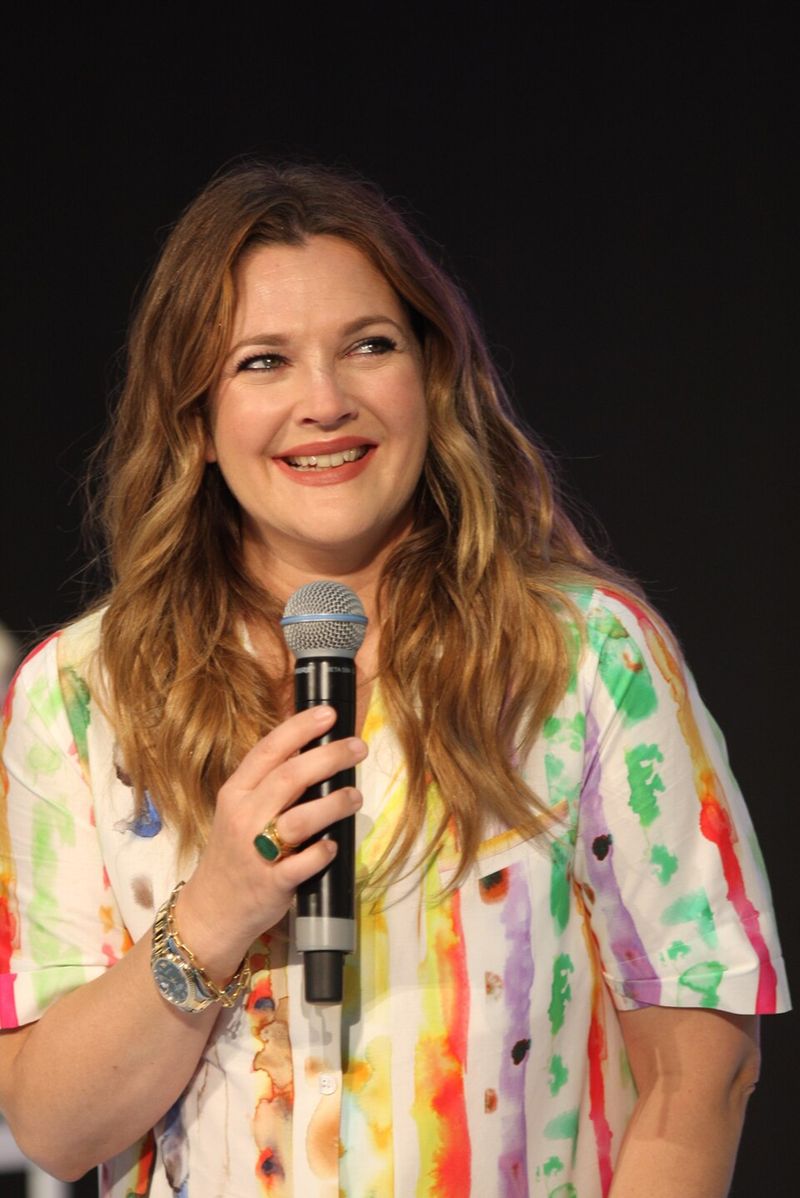
Drew Barrymore has always carried a kind of open-book charm, so her regret over Everyone Says I Love You felt genuine rather than rehearsed.
Working with Woody Allen is a decision she has since said she wishes she had not made. The film was a musical romp on the surface, but the name attached to it now carries a much heavier weight.
For a public discussion about previous work, her remarks were remarkably forthright.
4. Margaret Cho
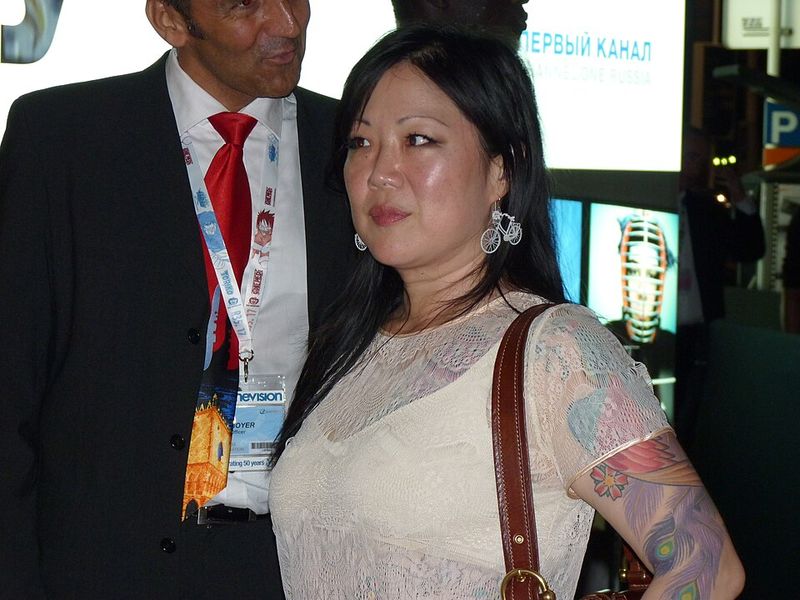
All-American Girl marked a milestone as the first American sitcom centered on an Asian-American family, and the project carried enormous pressure.
Margaret Cho has later spoken with regret about how All-American Girl was shaped by outside pressures and about how she responded to criticism from the Asian community.
Looking back, she now sees both the cultural weight of that moment and the ways the series fell short. Her candor about that chapter helps explain why audiences trust her voice today.
5. Alison Brie
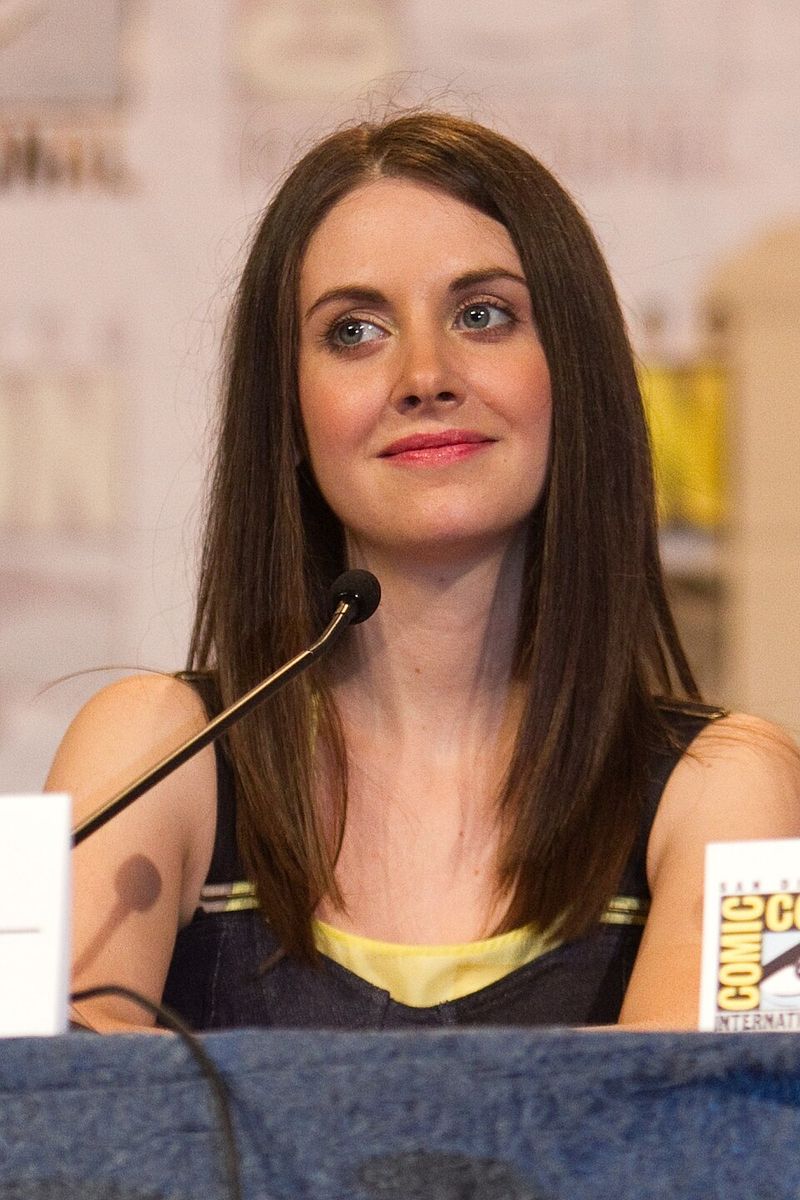
Voicing a beloved animated character sounds like a dream gig, until you realize the role was never yours to take.
Alison Brie said she regrets voicing Diane Nguyen on BoJack Horseman, stating plainly that the role should have gone to a Vietnamese actor. Representation behind the microphone matters just as much as what appears on screen.
There was a larger discussion in the business over representation and voice casting after her statement.
6. Cynthia Nixon
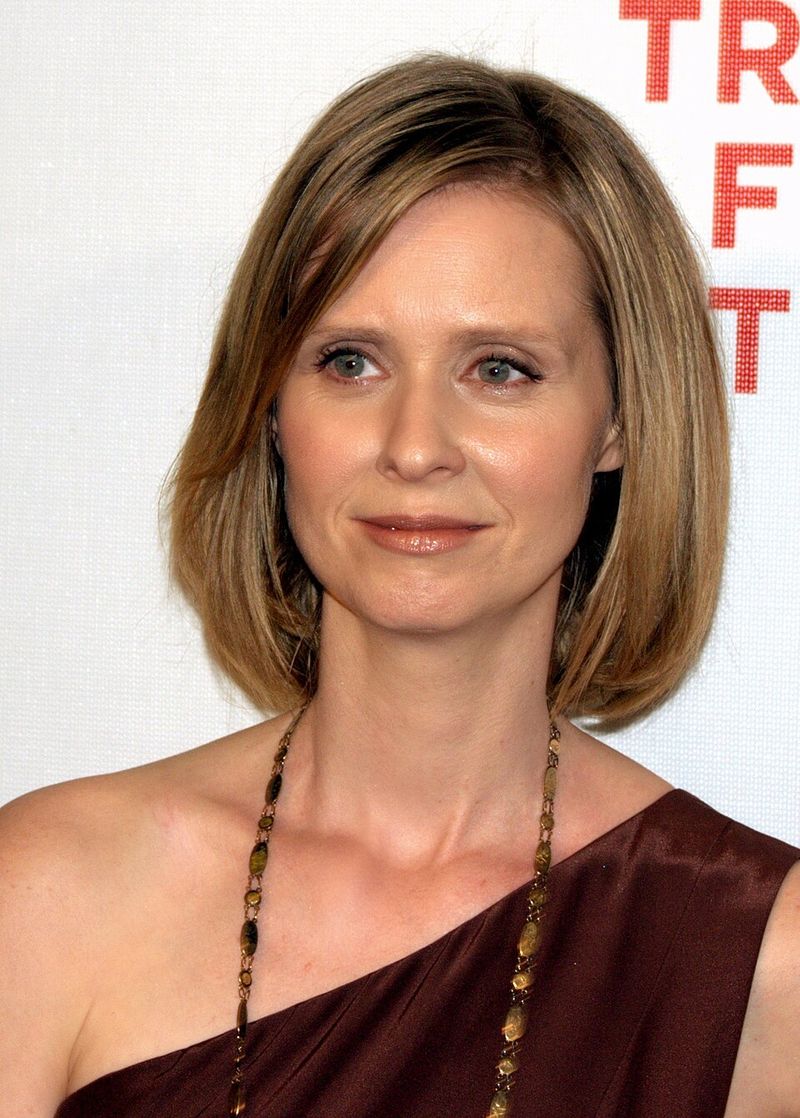
Years of progressive activism surrounded Cynthia Nixon’s career while she also defended a series many viewers felt overlooked entire communities.
Later reflections brought a different tone, with Nixon acknowledging that the original Sex and the City could sometimes be tone-deaf on issues of race and gender.
When the revival arrived, she supported changes rather than repeating familiar patterns. Growth that shows up in the work itself carries the most meaning.
7. Jenny Slate
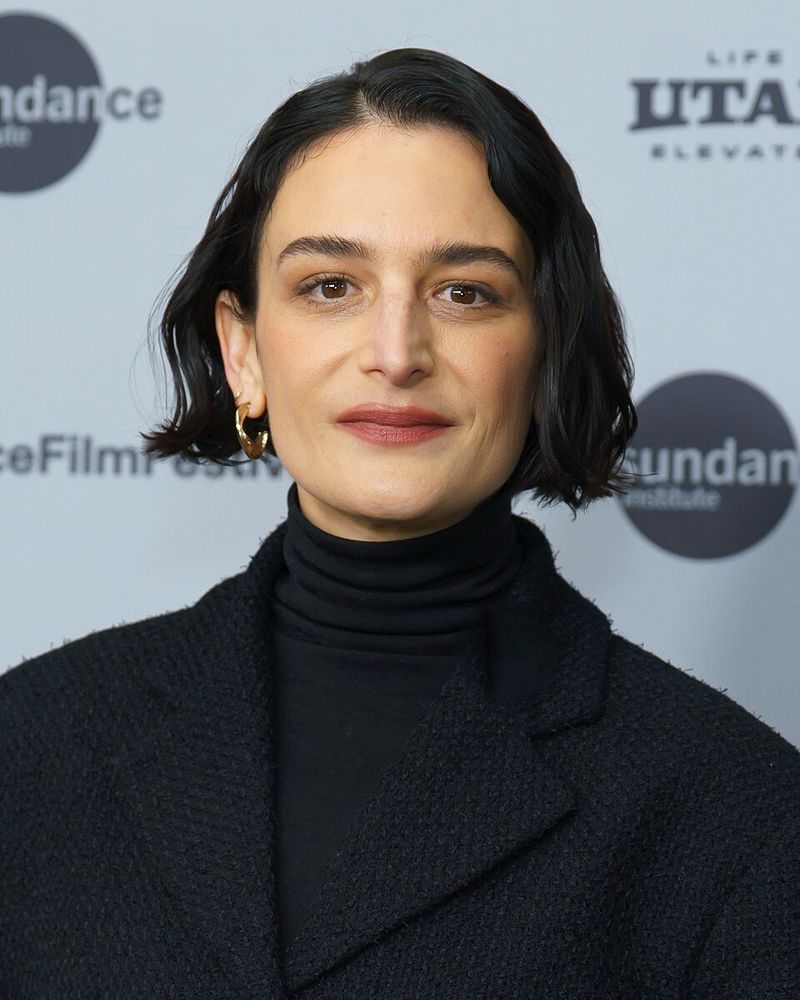
Decision came from Jenny Slate herself, without anyone forcing the change. She apologized and stepped away from voicing Missy on Big Mouth, calling the original casting an example of white privilege.
A Black character deserved a Black voice, and she said so clearly without sounding defensive.
Hers was one of the first notable instances of actors openly rejecting voice parts that were racially incompatible.
8. Lena Dunham
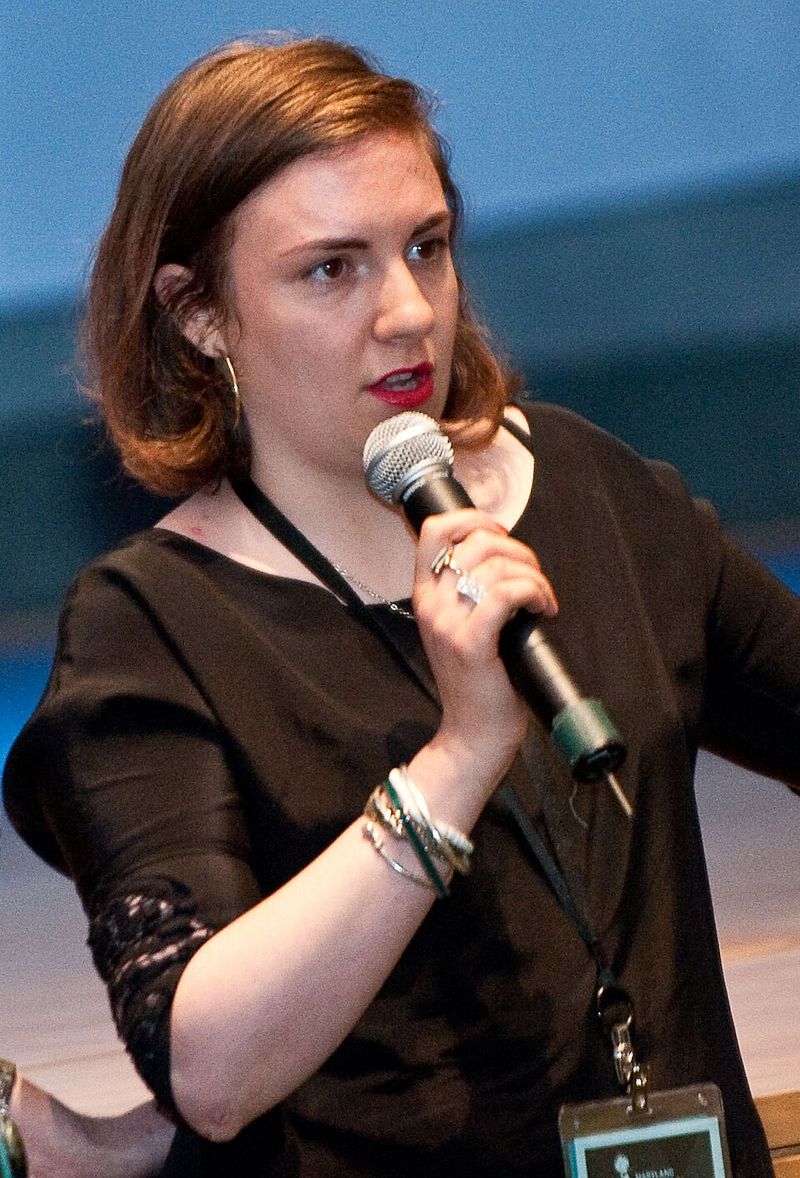
Girls premiered to both praise and pointed criticism, and the lack of racial diversity was a conversation that never really went away.
Lena Dunham later acknowledged and regretted that blind spot, saying she now understands why the show disappointed people who deserved to see themselves on screen. The admission came slowly, but it came.
Understanding why something hurt matters, even when the apology arrives a little late.
Note: This article discusses public statements by LGBTQ+ actresses about earlier roles, projects, casting choices, or industry decisions they later viewed differently.
Because these reflections often involve evolving standards around representation, collaboration, and accountability, the summaries here focus on publicly documented comments rather than private intent.


.jpg)
.jpg)