20 LGBTQ Movies That Left A Mark On Audiences
LGBTQ films tend to stay with people because they don’t just tell a story, they give a feeling somewhere to land.
Sometimes that’s the recognition of a life that rarely gets centered on screen. Sometimes it’s the relief of seeing joy treated as real and ordinary, not as a punchline or a problem to solve.
Even when a movie leans into heartbreak, audiences often connect to the honesty of it, the specificity of the details, and the way a character’s choices feel human instead of symbolic.
Plenty of titles earn their place through word of mouth, repeat viewings, and the quiet way a scene keeps resurfacing in someone’s memory years later.
The common thread is resonance, the kind that sparks conversation and makes people feel a little less alone.
Disclaimer: Selections reflect editorial judgment based on cultural impact, critical conversation, and audience resonance, and individual favorites may vary by viewer experience and personal preferences; the content is provided for general informational and entertainment purposes.
1. Happy Together (1997)
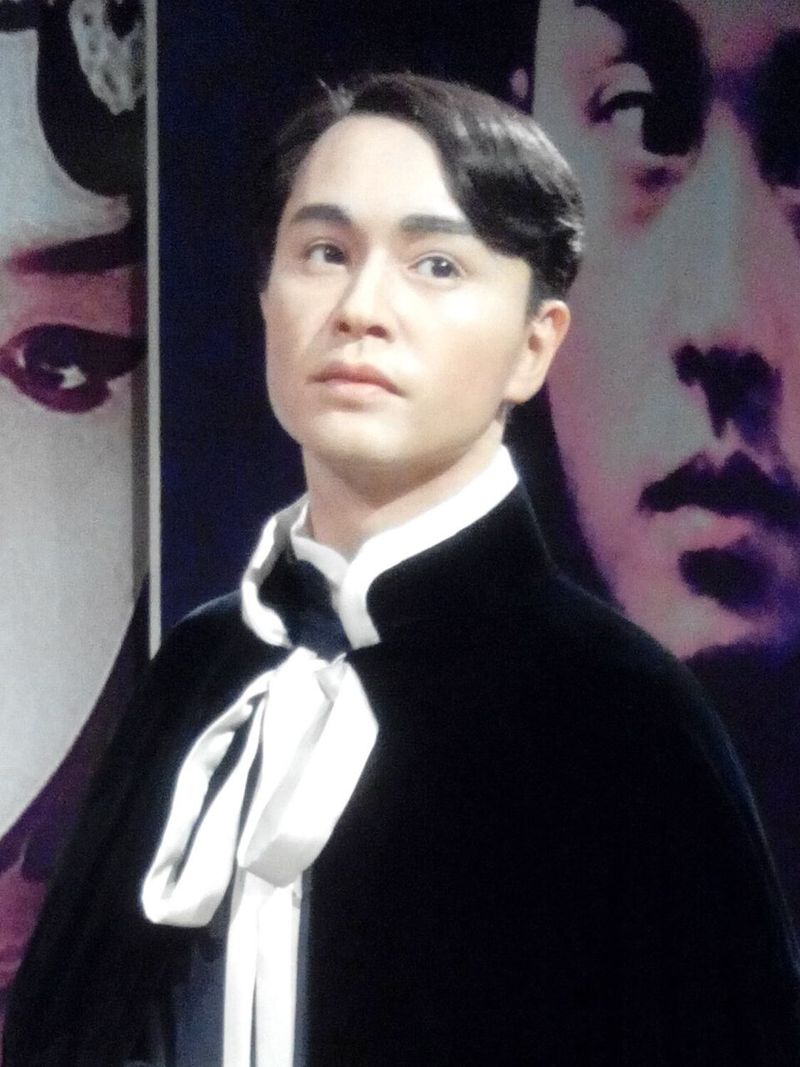
Wong Kar-wai filmed this relationship drama in Argentina, where two men from Hong Kong tried to make love work despite everything pulling them apart.
The cinematography dripped with longing – every frame felt like a bruise or a kiss.
Mood matters in romance, and this film was proof that style isn’t shallow when it mirrors emotional truth.
The way light hit faces, the way characters moved through spaces – it all became a visual language for heartbreak that filmmakers still study.
2. Paris Is Burning (1990)
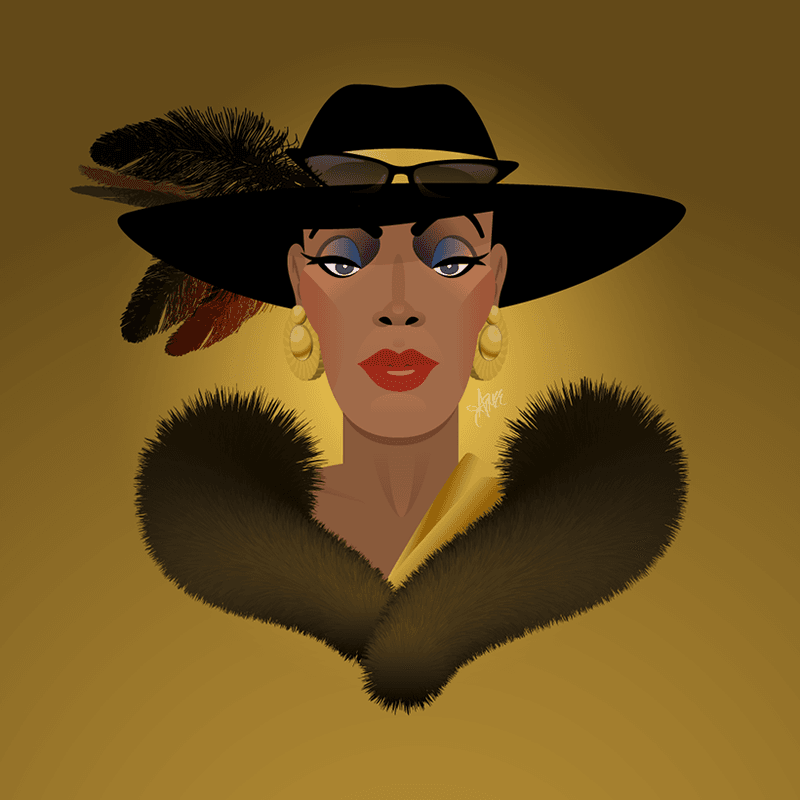
Ballroom culture wasn’t just a New York underground scene – it was a lifeline, a family, and a language all its own.
This documentary captured the fierce creativity and resilience of Black and Latino LGBTQ folks who turned runway walks into art forms.
Words like “shade,” “realness,” and “throwing shade” came straight from these ballrooms into everyday conversation.
Decades later, pop stars still borrow moves and phrases that were born on those floors, proving that culture vogues up.
3. My Own Private Idaho (1991)
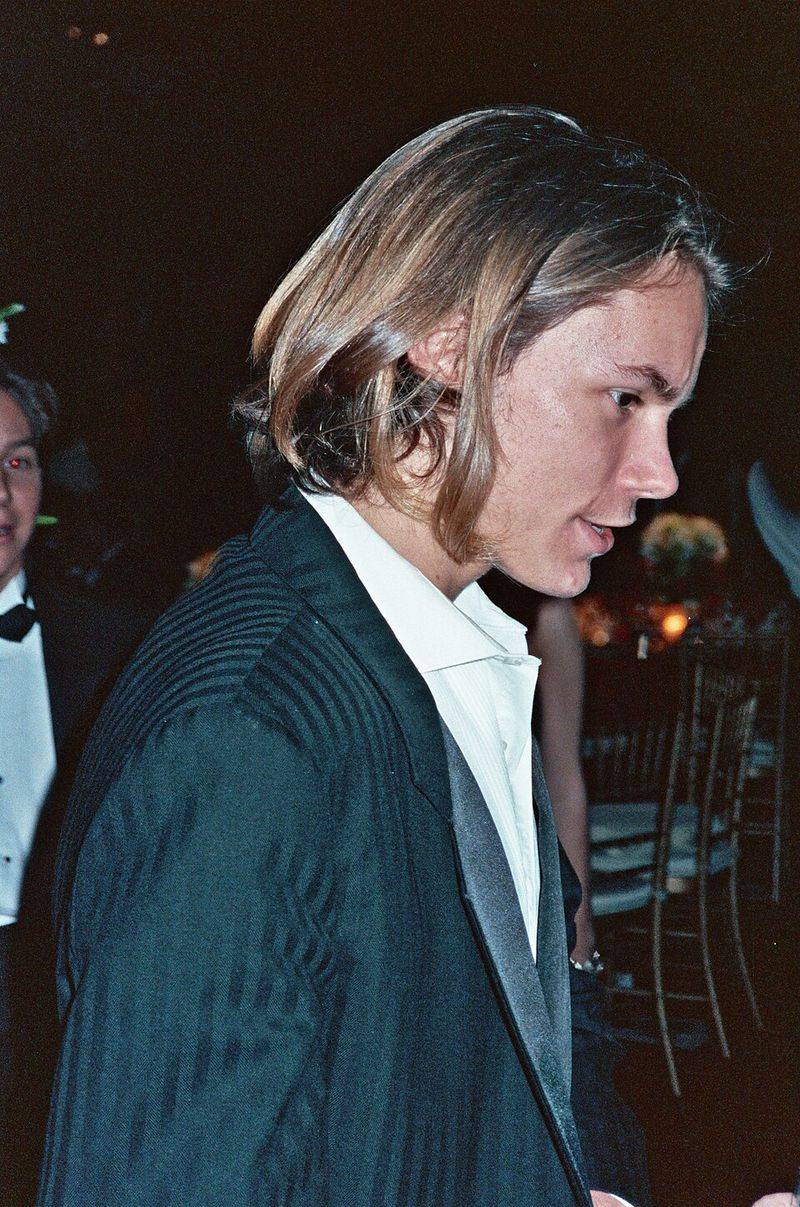
River Phoenix and Keanu Reeves played two friends wandering through the Pacific Northwest, searching for home, identity, and something they couldn’t quite name.
The film mixed Shakespearean dialogue with raw street life, creating something totally unexpected.
Longing doesn’t always come with a script, and this movie showed queer desire as messy, tender, and real.
It influenced indie filmmakers for years, showing that love stories don’t need happy endings to matter deeply.
4. The Adventures of Priscilla, Queen of the Desert (1994)
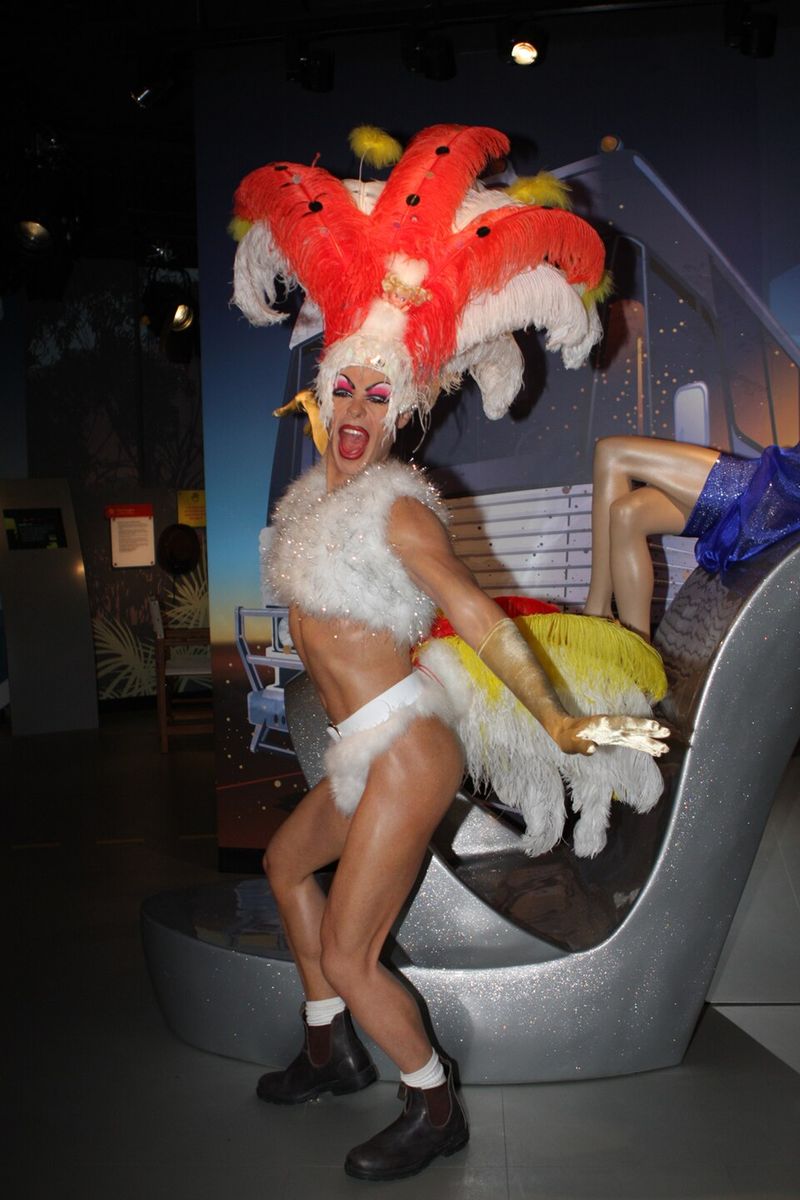
Three drag performers road-tripped across the Australian outback in a bus named Priscilla, bringing sequins, sass, and serious heart to every dusty town they passed.
The costumes alone could make you cry – glitter, feathers, and pure imagination.
Beyond the glamour, the film tackled acceptance, fatherhood, and finding your tribe in the most unexpected places.
It became a worldwide phenomenon, showing that chosen families can sparkle brighter than anything biology hands you.
5. The Birdcage (1996)
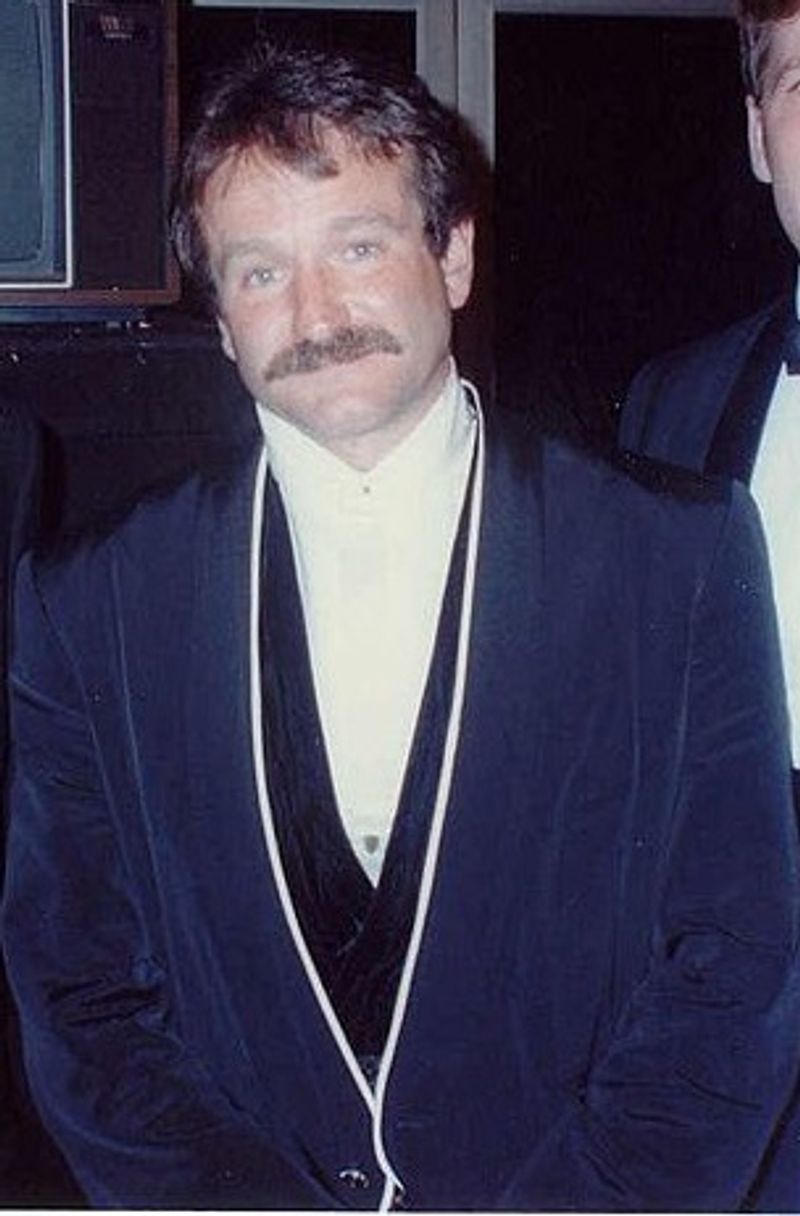
Robin Williams and Nathan Lane ran a drag club in Miami Beach, and when their son brought home his conservative in-laws-to-be, chaos became comedy gold.
The film took a potentially awkward situation and turned it into something warm and hilarious.
Mainstream audiences fell in love with this gay family, laughing with them instead of at them.
It arrived at a cultural moment when many folks had never seen LGBTQ characters portrayed with such affection and humor on the big screen.
6. Boys Don’t Cry (1999)
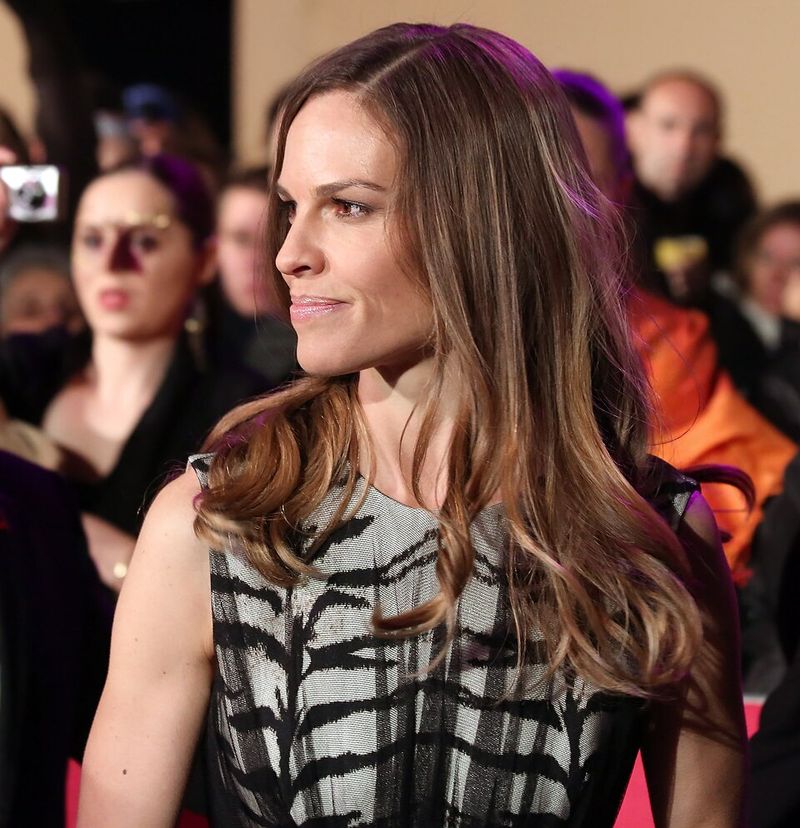
A remarkable transformation turns Hilary Swank into Brandon Teena, a trans man navigating life and love in rural Nebraska before violence brings his story to a tragic end
The performance was raw, vulnerable, and impossible to forget.
This film brought trans experiences into mainstream conversation in ways that were both necessary and painful.
It sparked debates about safety, identity, and representation that continue today, reminding us that visibility comes with both power and risk.
7. But I’m a Cheerleader (1999)
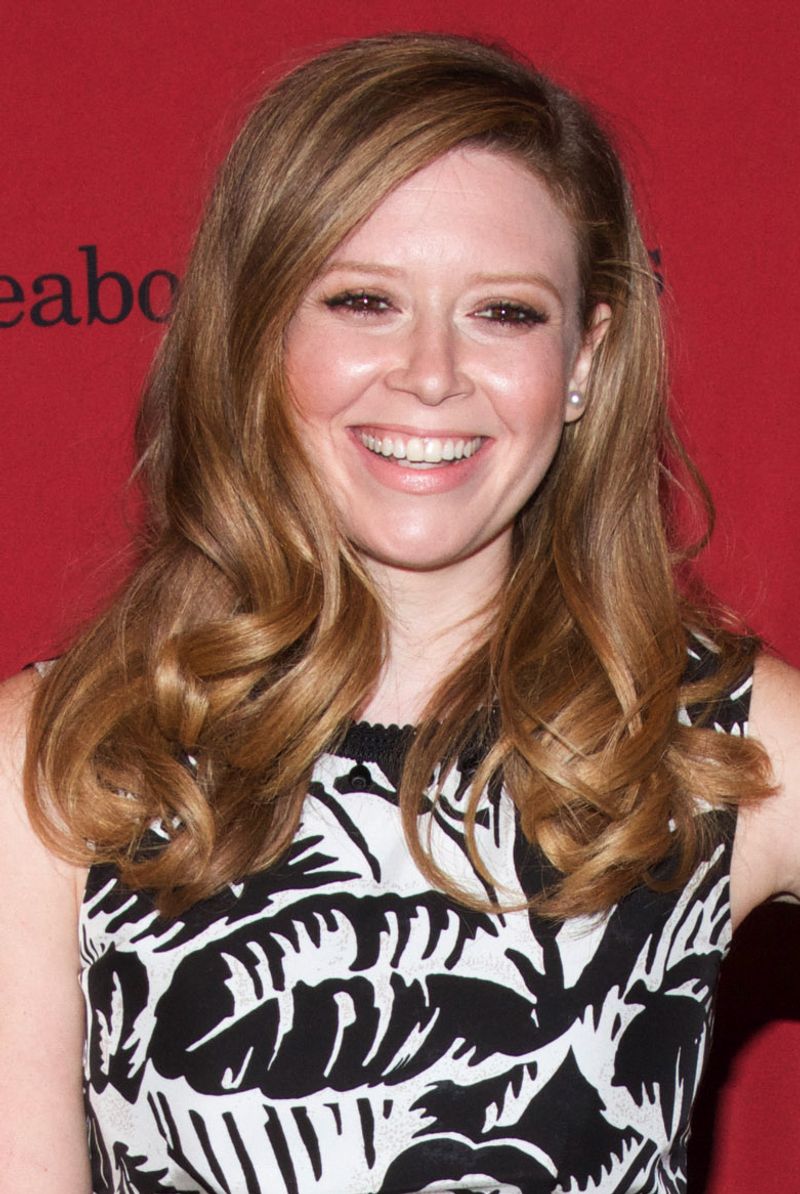
A teenager gets sent to a conversion-therapy camp after her parents suspect she might be gay, only to face pink uniforms, absurd gender lessons, and an unexpected connection with another girl.
The film turned a dark topic into candy-colored satire. Camp aesthetics met serious commentary, and somehow it worked perfectly.
For many young viewers, this became a comfort movie that made them feel less alone, highlighting how humor can be a form of resistance and healing all at once.
8. Hedwig and the Angry Inch (2001)
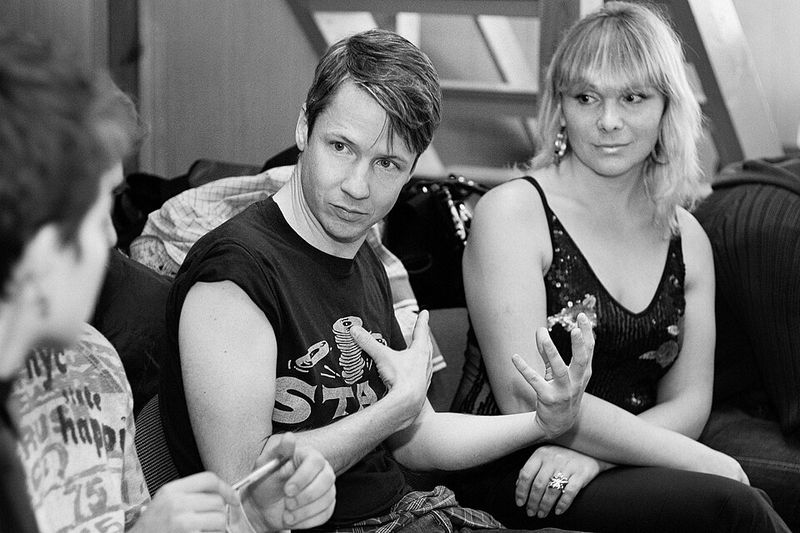
Hedwig left East Germany with a botched surgery and a dream of rock stardom, singing about love, identity, and the other half that makes you whole.
John Cameron Mitchell created a character who was messy, brilliant, and unapologetically herself.
The songs became anthems for anyone who ever felt incomplete or misunderstood.
Audiences sang along to stories about reinvention and survival, turning a small indie film into a cult phenomenon that still packs theaters during sing-along screenings.
9. Y Tu Mamá También (2001)
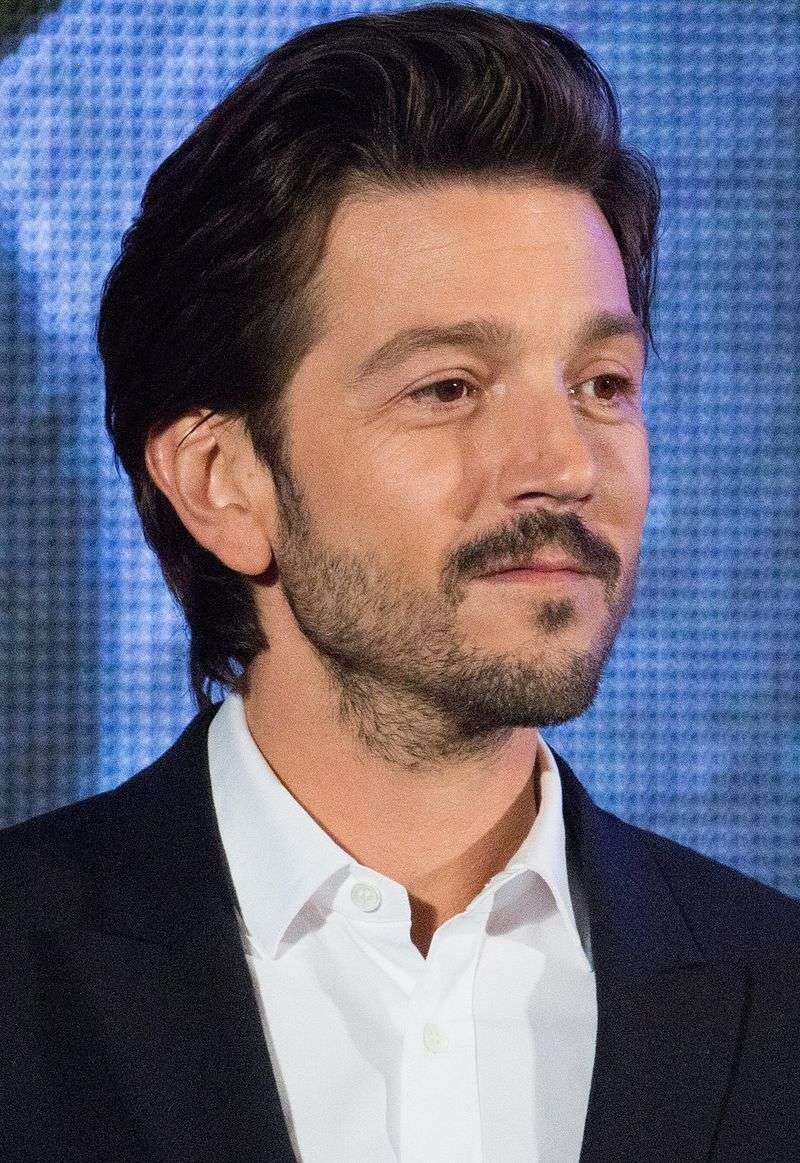
Two teenage boys and an older woman took a road trip through Mexico, and what started as a fun adventure became something much more complicated and honest.
Alfonso Cuarón filmed it all with an unflinching camera that caught every awkward, beautiful moment.
Friendship, desire, and self-discovery collided on dusty roads and hidden beaches.
The film didn’t shy away from showing how messy figuring yourself out can be, especially when feelings don’t follow the rules you expected.
10. The Handmaiden (2016)

Park Chan-wook adapted Sarah Waters’ novel to 1930s Korea, crafting a twisty thriller where a con artist and her mark developed unexpected feelings while plotting against a cruel uncle.
Every reveal peeled back another layer of deception and desire.
The sapphic romance at the center was passionate, complex, and central to the plot – not a subplot or afterthought.
Stunning cinematography and shocking twists made it endlessly rewatchable, with audiences catching new details on every viewing.
11. Brokeback Mountain (2005)
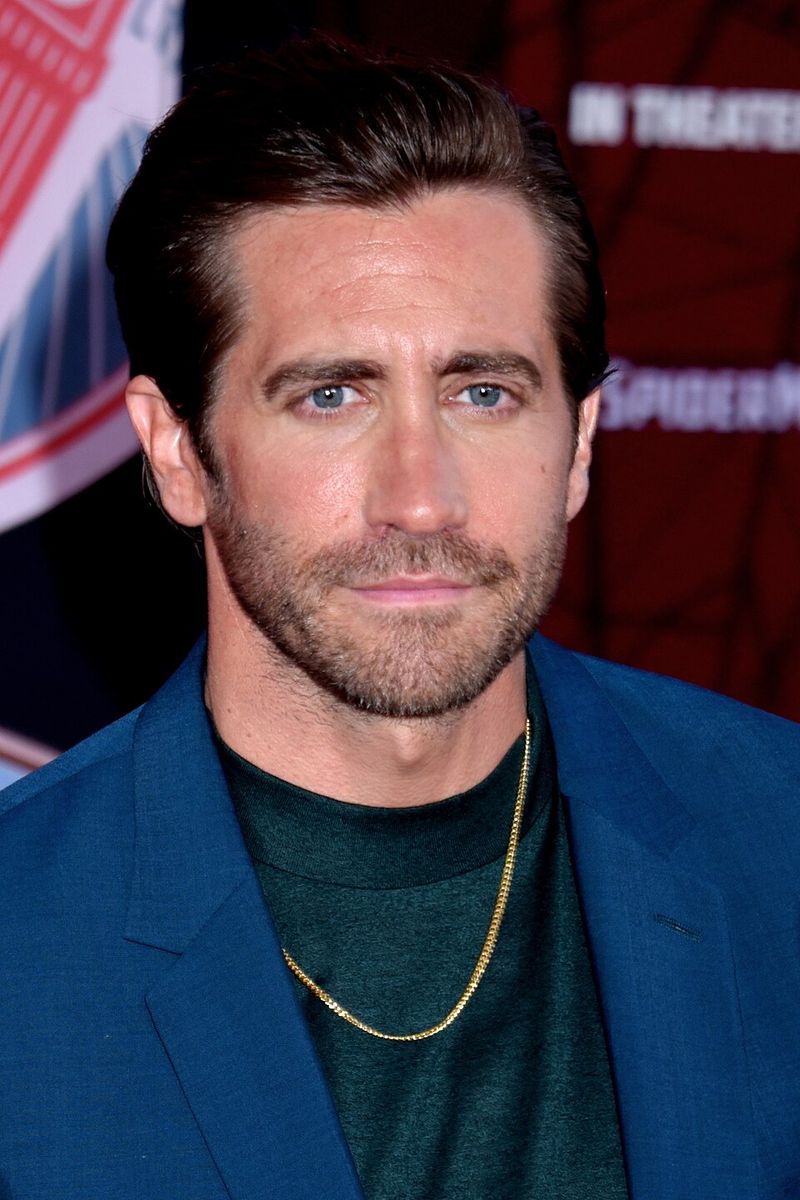
Two cowboys fell in love on a mountain in Wyoming, then spent decades trying to navigate a world that wouldn’t let them be together.
Ang Lee directed it with such quiet power that even the landscapes seemed to ache.
This was a cultural earthquake. Suddenly, queer love stories were Oscar bait and water-cooler conversation, showing that mainstream audiences were ready for stories they’d been told didn’t exist or matter.
12. Transamerica (2005)
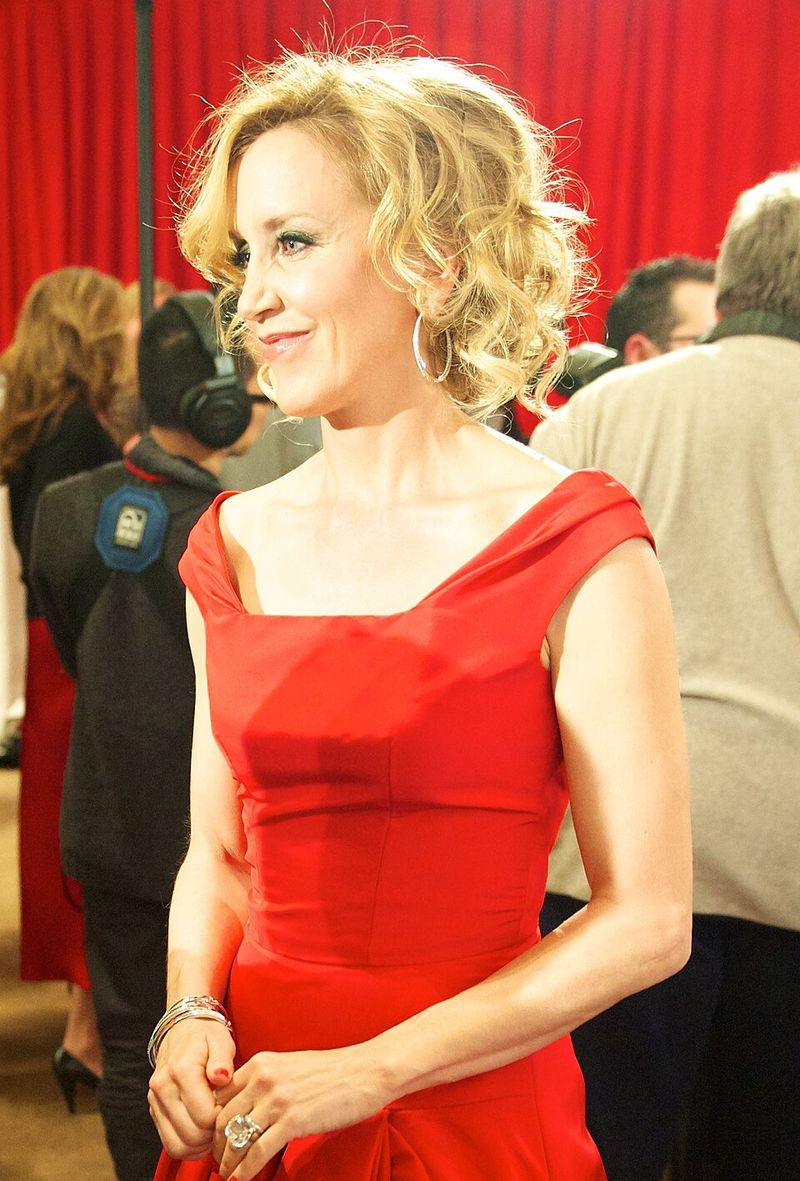
One week away from her final surgery, Bree discovers she has a teenage son, sparking an unexpected road trip across America.
Felicity Huffman brought depth and dignity to a role that introduced many viewers to a trans protagonist for the first time.
The film balanced humor and heart while tackling serious themes about identity and family.
It arrived when trans representation in major releases was practically nonexistent, making it a significant milestone even as conversations about authentic casting continued.
13. Milk (2008)

Harvey Milk became California’s first openly gay elected official, using his camera shop as a community hub and his political platform as a megaphone for LGBTQ rights.
Sean Penn disappeared into the role, capturing both Milk’s humor and his urgency.
The film brought queer political history to awards season, reminding audiences that progress requires sacrifice and courage.
For younger viewers, it was often their first introduction to the battles fought so they could live more freely today.
14. Carol (2015)
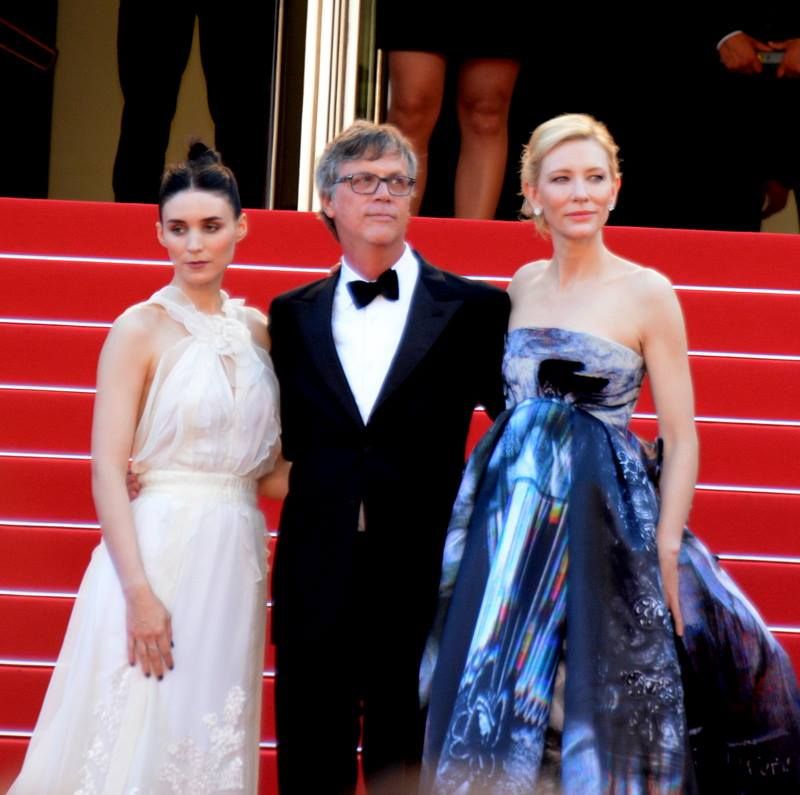
Todd Haynes brought Patricia Highsmith’s novel to life with a story about forbidden love in 1950s New York.
Cate Blanchett and Rooney Mara played two women whose connection defied every rule society tried to force on them.
The cinematography looked like it was shot through frosted glass – beautiful but slightly out of reach. Every glance between the characters carried weight because words couldn’t always be spoken.
Desire simmered beneath perfect manners and tailored coats. The film reminded audiences that love has always existed, even when the world refused to see it.
15. A Single Man (2009)
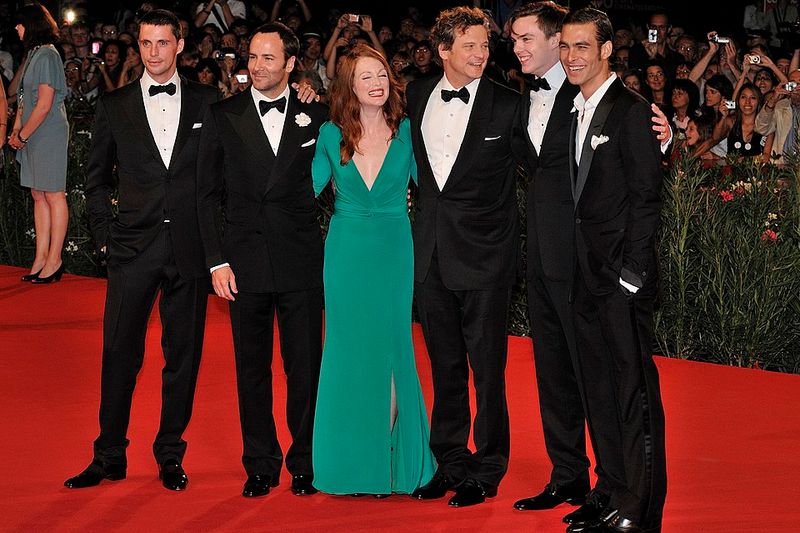
A college professor in 1960s Los Angeles planned to end his life after losing his longtime partner, moving through one final day with devastating beauty.
Tom Ford’s directorial debut was a masterclass in visual storytelling – every color shift reflected George’s emotional state.
Grief rarely looks this elegant on screen, but the film never let style overshadow substance.
Colin Firth’s restrained performance showed how isolation can feel even when surrounded by people, creating a portrait of loss that resonated far beyond the LGBTQ community.
16. Moonlight (2016)
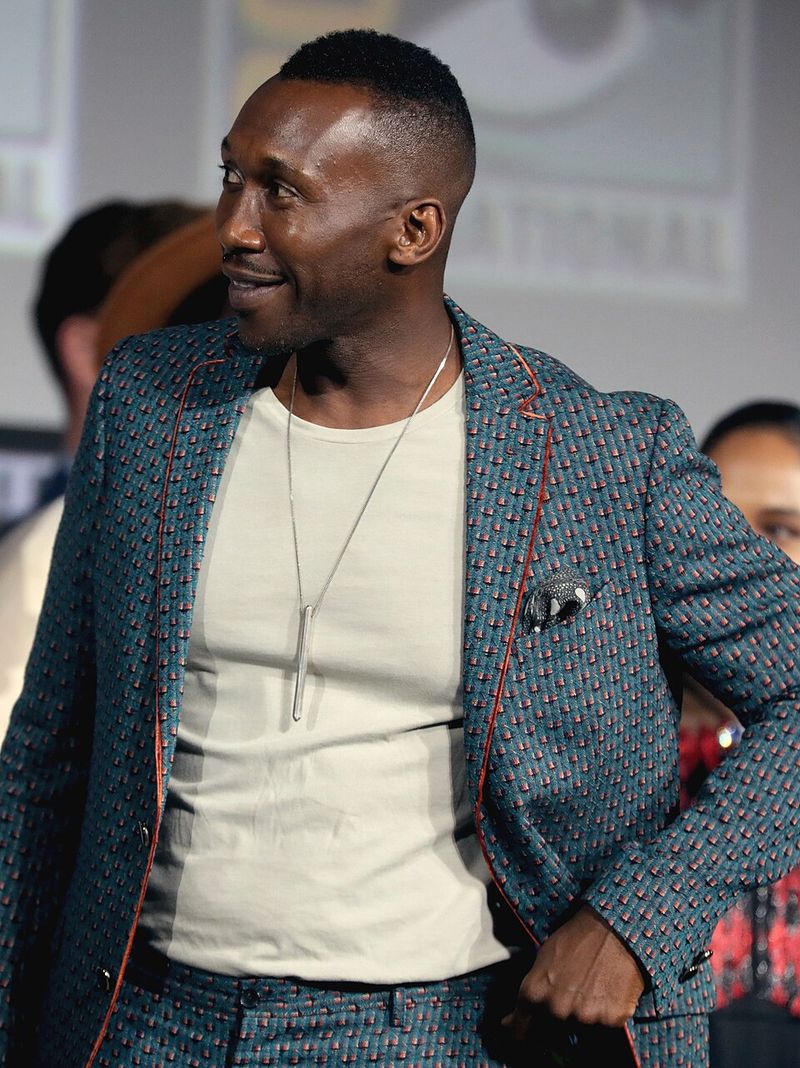
Chiron grew up in Miami, navigating poverty, bullying, and his own identity across three chapters of his life.
Barry Jenkins crafted each frame like a painting, using light and color to tell stories that dialogue couldn’t quite reach.
When it won Best Picture, the moment felt seismic – not just because of the envelope mix-up, but because a quiet, Black, queer story had reached the pinnacle of mainstream recognition.
17. The Favourite (2018)
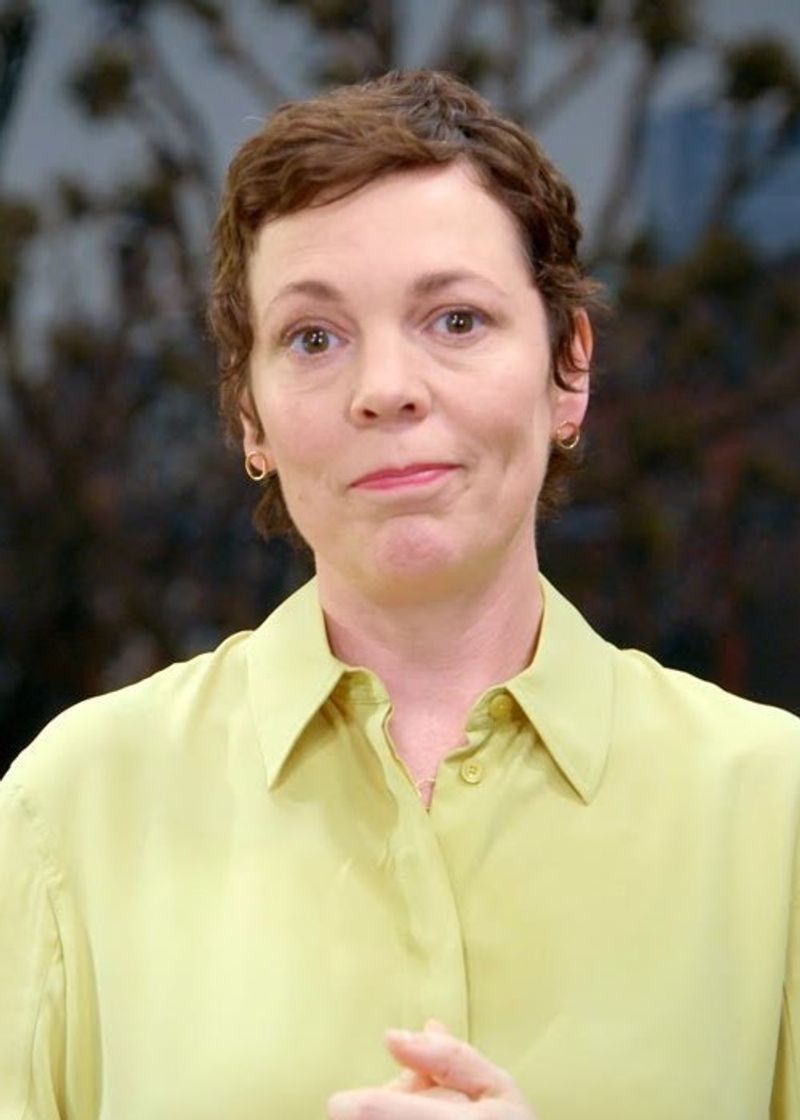
Royal favor turns Queen Anne’s court into a battleground, as two cousins compete through charm, sharp strategy, and whatever else gets results.
Yorgos Lanthimos turned historical drama into something darkly funny and delightfully weird.
Queer desire wove through the power games without ever becoming the sole focus – it was just part of the messy, human chaos.
The performances were razor-sharp, the dialogue was wickedly smart, and the whole thing felt like a costume drama that actually understood how power and attraction really work.
18. Call Me by Your Name (2017)
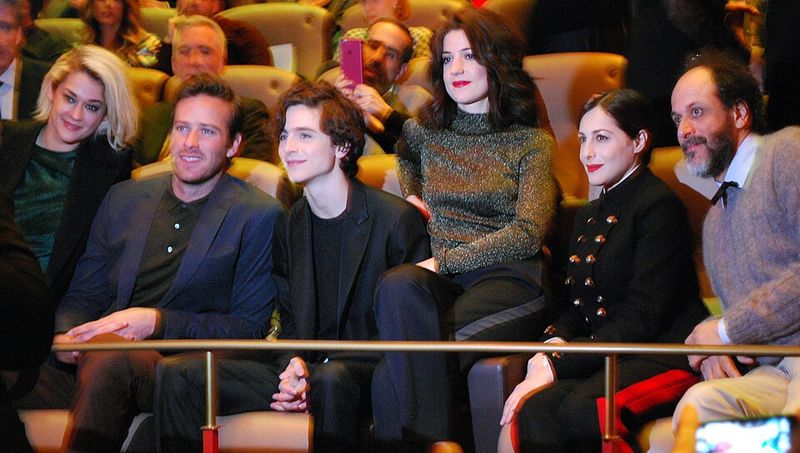
One perfect summer in Northern Italy becomes unforgettable as Elio falls for Oliver, his father’s research assistant, in a story that captures first love with aching precision.
Timothée Chalamet and Armie Hammer created chemistry that felt both innocent and electric.
The film became a cultural touchstone almost instantly, with audiences quoting lines and seeking out the soundtrack.
That final shot of Elio by the fireplace – just watching his face process everything – became one of the most discussed endings in recent cinema history.
19. Portrait of a Lady on Fire (2019)
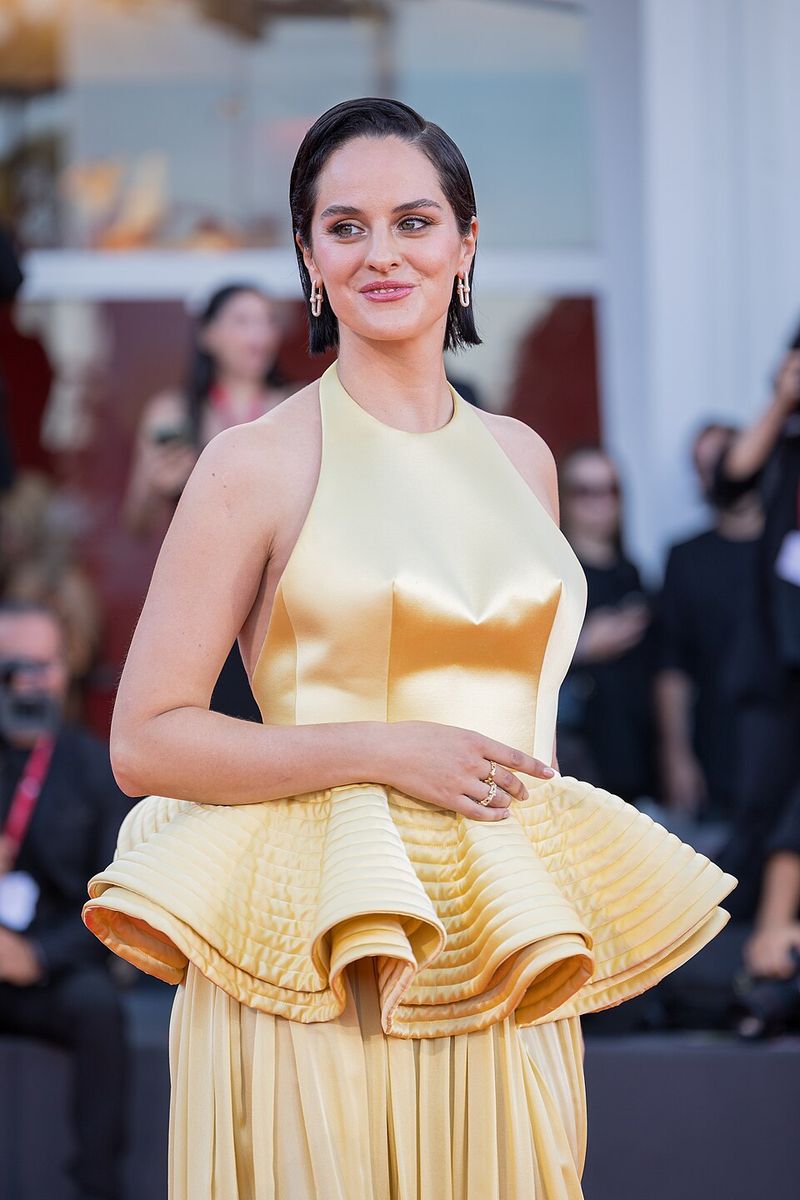
Marianne traveled to a remote island to paint Héloïse’s portrait, and what unfolded was a romance told almost entirely through glances, gestures, and the space between words.
Céline Sciamma directed with restraint that made every small moment feel monumental.
The film hit audiences like a memory – something you experienced rather than just watched.
Its final scene at the concert became instantly iconic, proving that sometimes the most powerful love stories are the ones that live in stolen moments and lingering looks.
20. Love, Simon (2018)
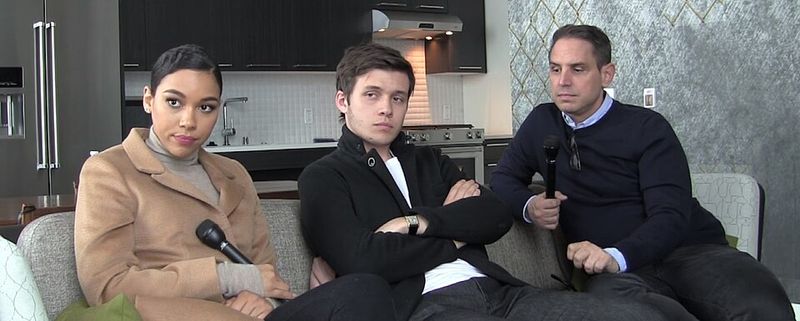
Homework and friend drama already keep life busy, but an even bigger secret sits in the background for Simon: he hasn’t come out yet. Everything shifts when an anonymous email pen pal enters the picture.
The film took the teen rom-com formula and centered a gay protagonist, which somehow hadn’t happened in a major studio release before.
Representation matters, and seeing a coming-out story get the full Hollywood treatment meant the world to young viewers.
It was sweet, funny, and affirming without being preachy or tragic.