16 LGBTQ+ Musicians Who Shaped Music History
Music has always been a powerful force for change, and some of its brightest stars have been LGBTQ+ artists who dared to be themselves. Blues pioneers and pop superstars didn’t just create unforgettable songs—they broke down barriers and opened doors for future generations.
Courage, talent, and authenticity transformed entire genres and inspired millions around the world.
1. Freddie Mercury: The Voice That Rocked the World
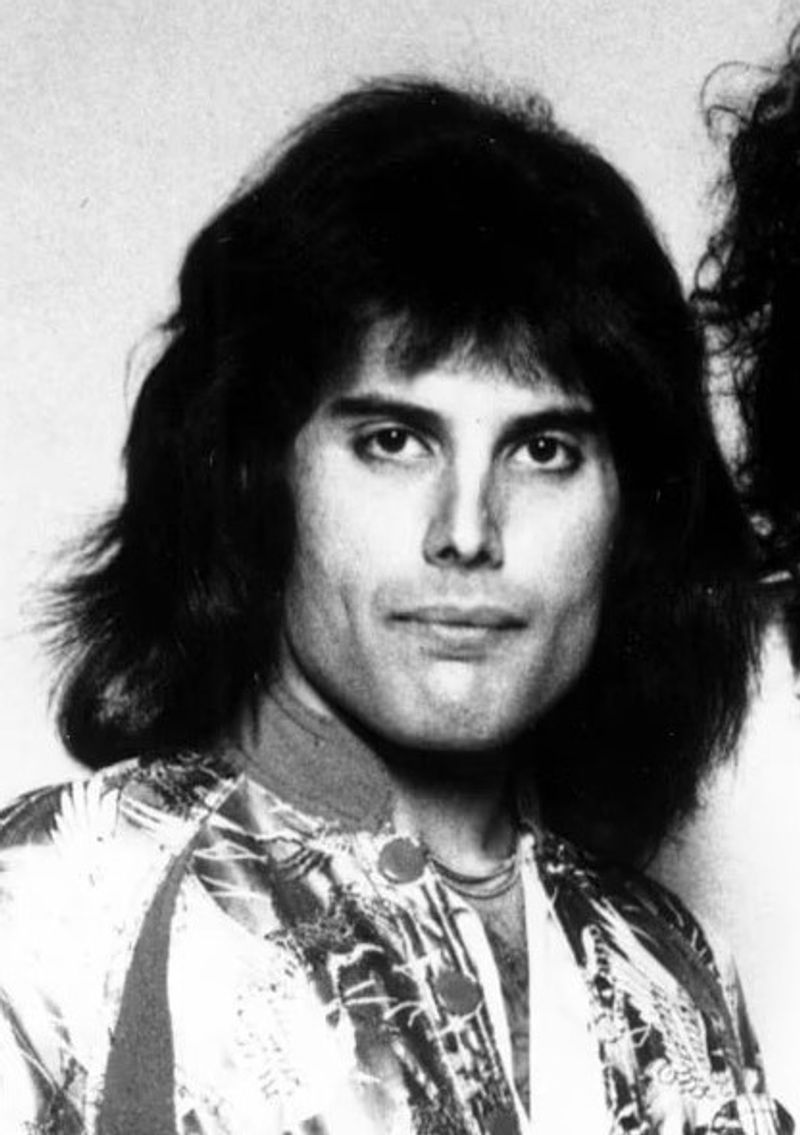
When you think of rock royalty, one name stands tall: Freddie Mercury. As Queen’s legendary frontman, he possessed a four-octave vocal range that could make stadiums shake and hearts soar.
His theatrical performances were like nothing audiences had ever seen before. Songs like “Bohemian Rhapsody” and “We Are the Champions” became timeless anthems that still echo through arenas today.
Though he faced challenges with his identity in a less accepting era, his legacy brought global attention to the AIDS crisis and inspired countless artists to embrace their authentic selves on stage.
2. Elton John: Piano Man Extraordinaire
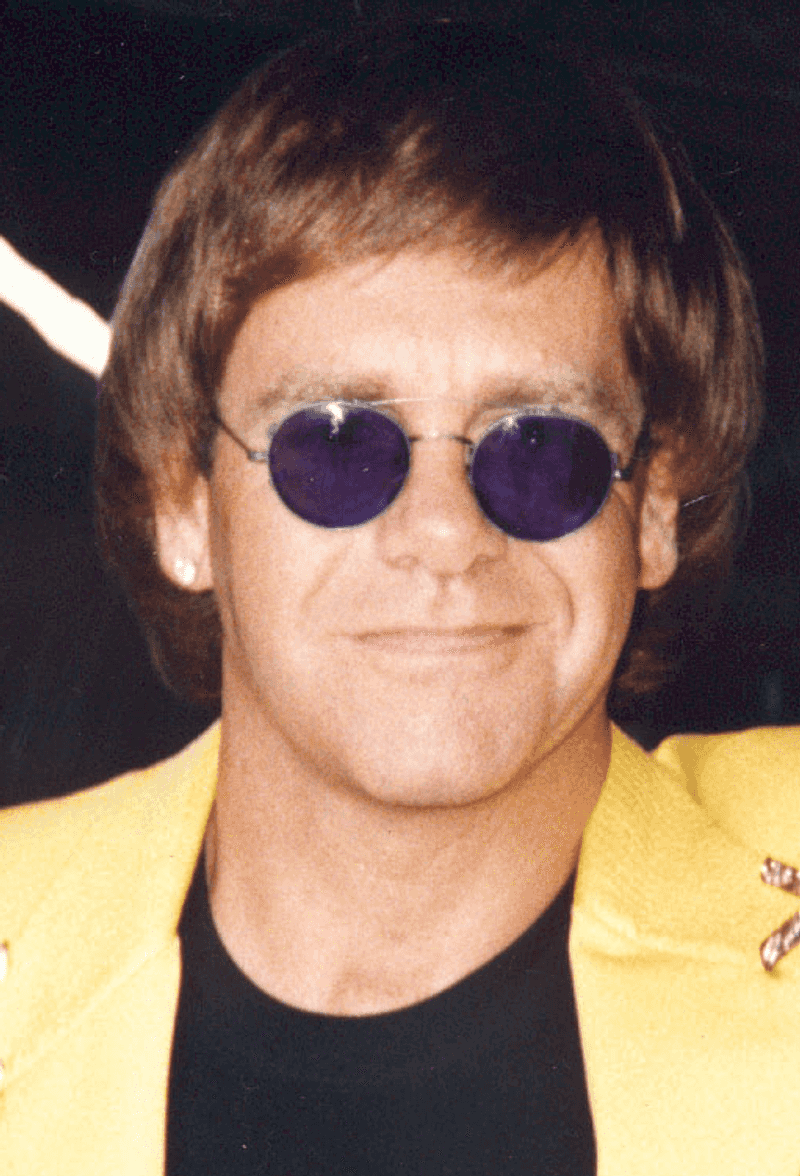
Picture this: a man in sparkly glasses and platform boots selling over 300 million records worldwide. That’s Sir Elton John for you!
His piano skills and songwriting partnership with Bernie Taupin created masterpieces like “Rocket Man” and “Tiny Dancer.” Fun fact: his 1997 tribute “Candle in the Wind” became the best-selling single ever recorded.
Beyond his musical genius, he’s been a tireless advocate for LGBTQ+ rights and AIDS research. His openness about his sexuality helped normalize conversations that were once considered taboo in mainstream entertainment.
3. David Bowie: The Starman Who Changed Everything
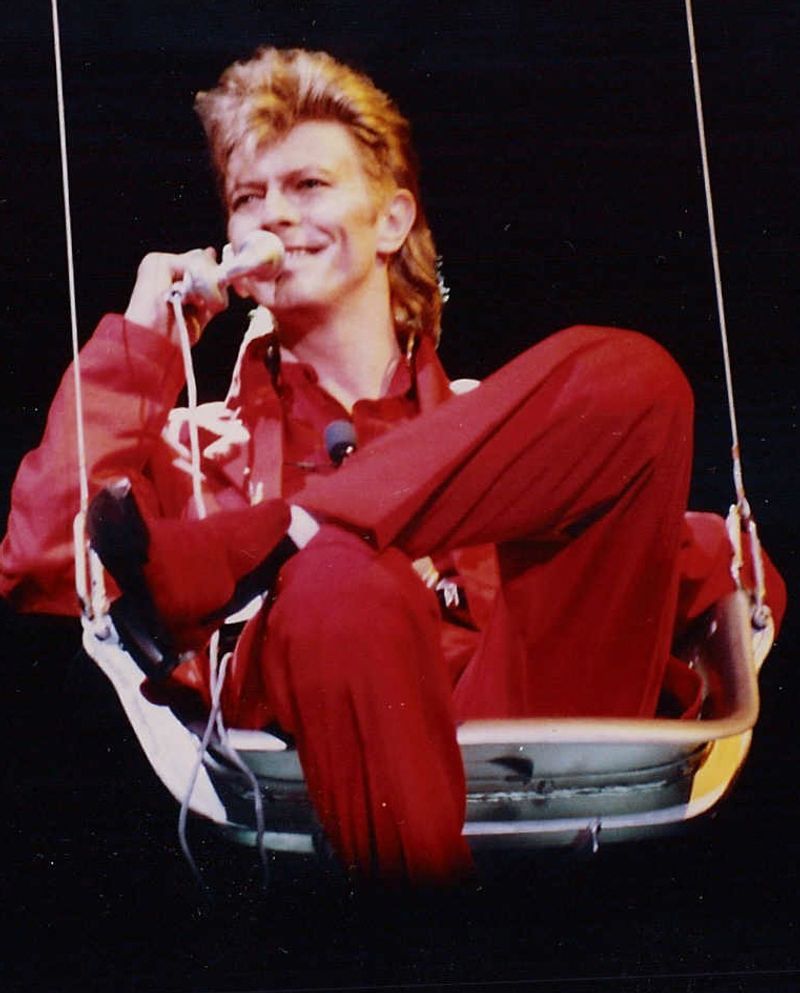
If music had a chameleon, it would be David Bowie. His ever-changing personas—especially the androgynous alien Ziggy Stardust—challenged every rule about how rock stars should look and act.
Bowie’s openness about his bisexuality in the 1970s was revolutionary, happening at a time when most artists hid their true identities. His experimental sound influenced genres from glam rock to electronic music.
Songs like “Space Oddity” and “Heroes” weren’t just hits; they were cultural earthquakes that reshaped what popular music could be and who could make it.
4. Ma Rainey: Mother of the Blues
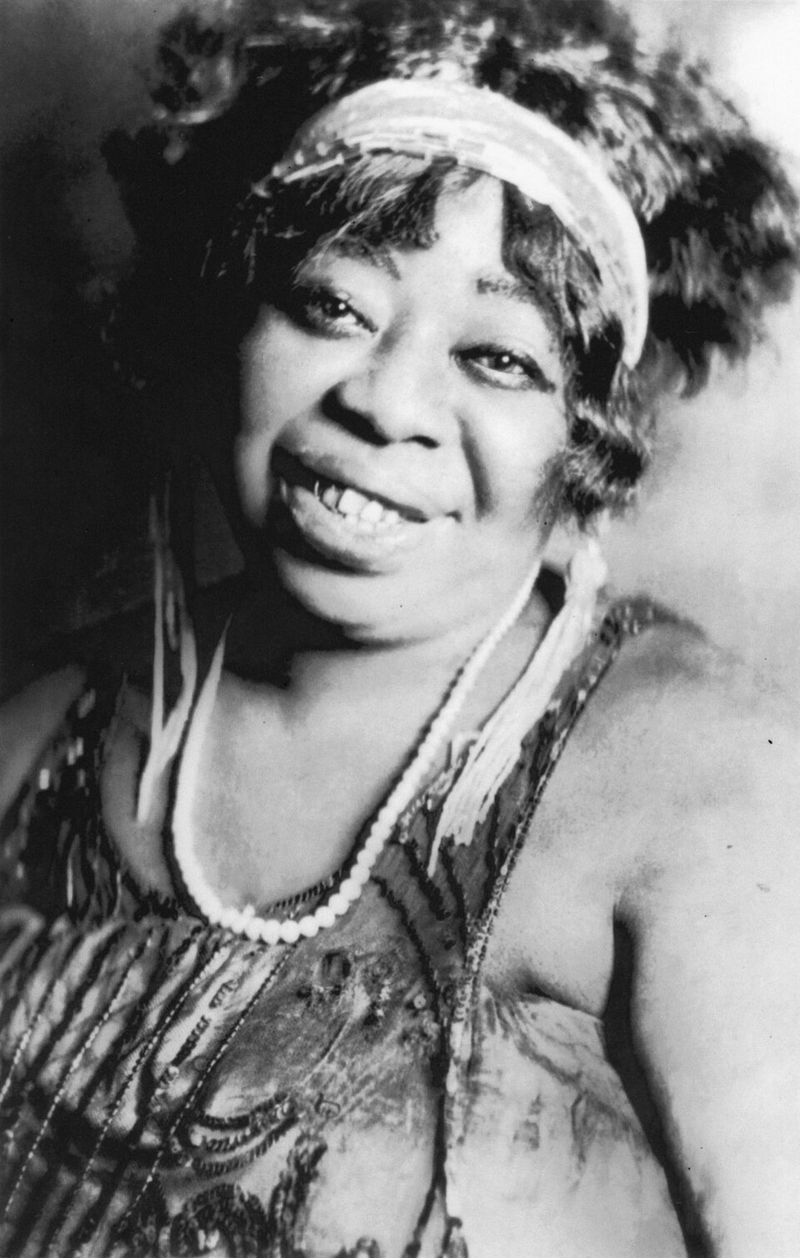
Long before anyone used terms like “trailblazer,” Ma Rainey was doing exactly that. Born in the 1880s, she became one of the earliest professional blues singers, touring with legends like Louis Armstrong.
Her powerful, gravelly voice told stories of heartbreak, resilience, and everyday life that resonated with audiences across racial lines. As an openly bisexual Black woman in early 20th-century America, her courage was extraordinary.
Songs like “See See Rider” helped establish blues as a legitimate art form and paved the way for every blues, jazz, and rock artist who followed.
5. Frank Ocean: The Introspective Storyteller
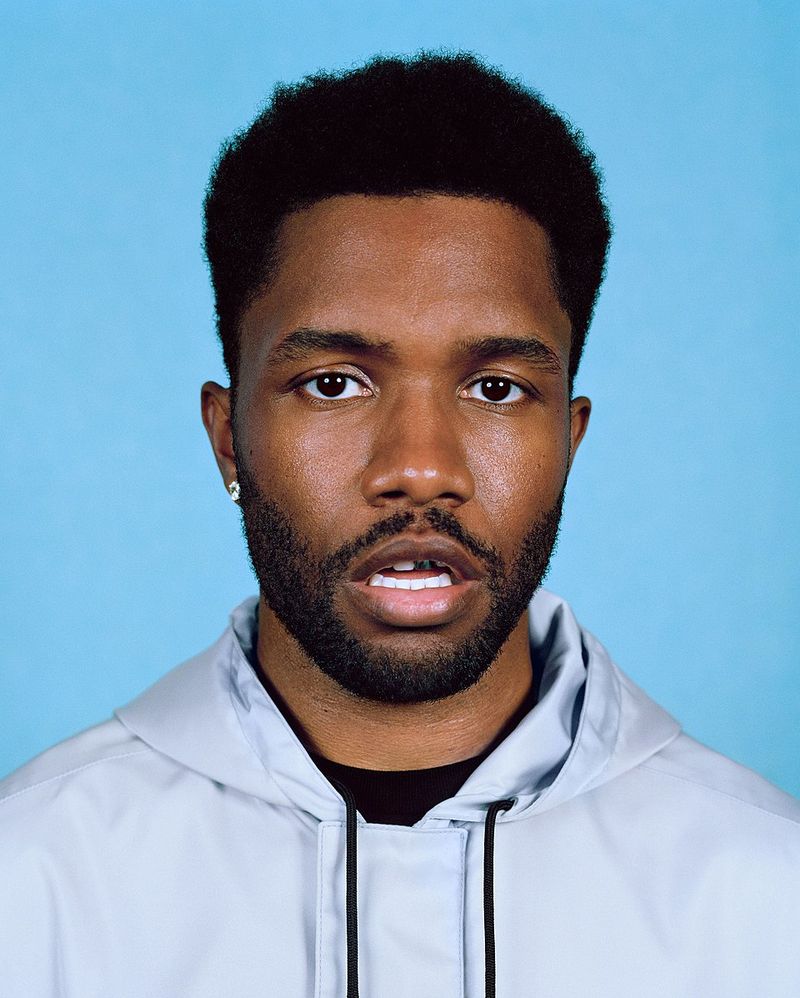
In 2012, Frank Ocean did something rare in hip-hop and R&B: he opened up about his same-sex relationship. This candid revelation in a genre often criticized for homophobia was groundbreaking.
His albums “Channel Orange” and “Blonde” showcase deeply personal lyrics about love, identity, and vulnerability. Ocean’s poetic approach to songwriting elevated R&B to new artistic heights.
Though he’s famously private and releases music on his own schedule, every project he drops becomes an instant cultural event. His courage inspired a new generation of artists to share their authentic stories without fear.
6. k.d. lang: Country’s Smooth Rebel
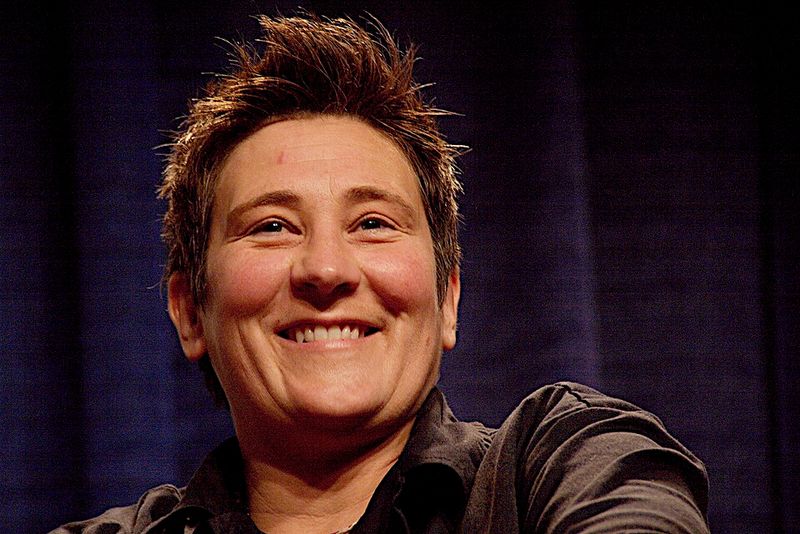
With a voice like velvet and the courage of a lion, k.d. lang challenged country music’s conservative traditions. Her smooth, powerful vocals won hearts even in a genre that wasn’t always welcoming to LGBTQ+ artists.
When she came out as lesbian in 1992, it was a bold move that cost her some country radio airplay but earned her respect as an authentic artist. Her cover of “Crying” with Roy Orbison remains hauntingly beautiful.
Lang proved that talent transcends labels and genres, influencing country, pop, and jazz musicians who followed in her fearless footsteps.
7. Rob Halford: Metal’s Leather-Clad Icon
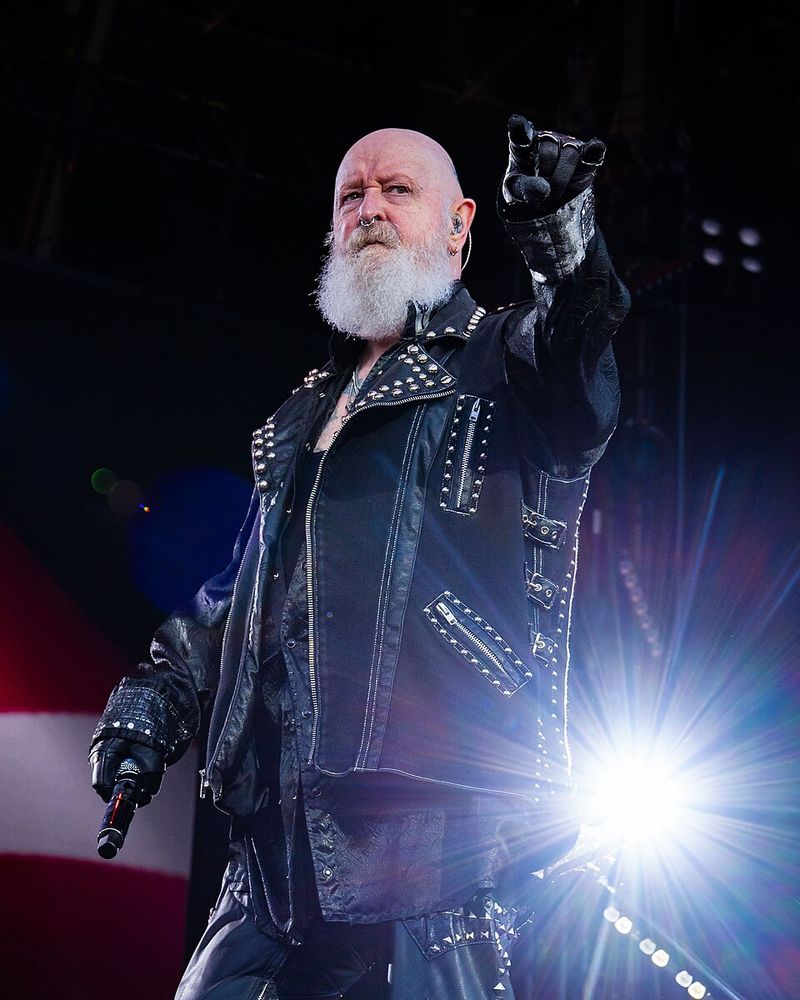
Heavy metal and LGBTQ+ identity might seem like an unlikely combination, but Rob Halford made it work magnificently. As Judas Priest’s lead vocalist, his powerful screams and leather-and-studs look defined metal aesthetics.
When he came out as gay in 1998, it shattered stereotypes about masculinity in one of music’s most traditionally macho genres. Songs like “Breaking the Law” and “You’ve Got Another Thing Comin'” became metal classics.
Halford’s openness showed that strength, power, and authenticity can coexist beautifully, changing perceptions within the metal community and beyond.
8. Lady Gaga: Born This Way and Proud
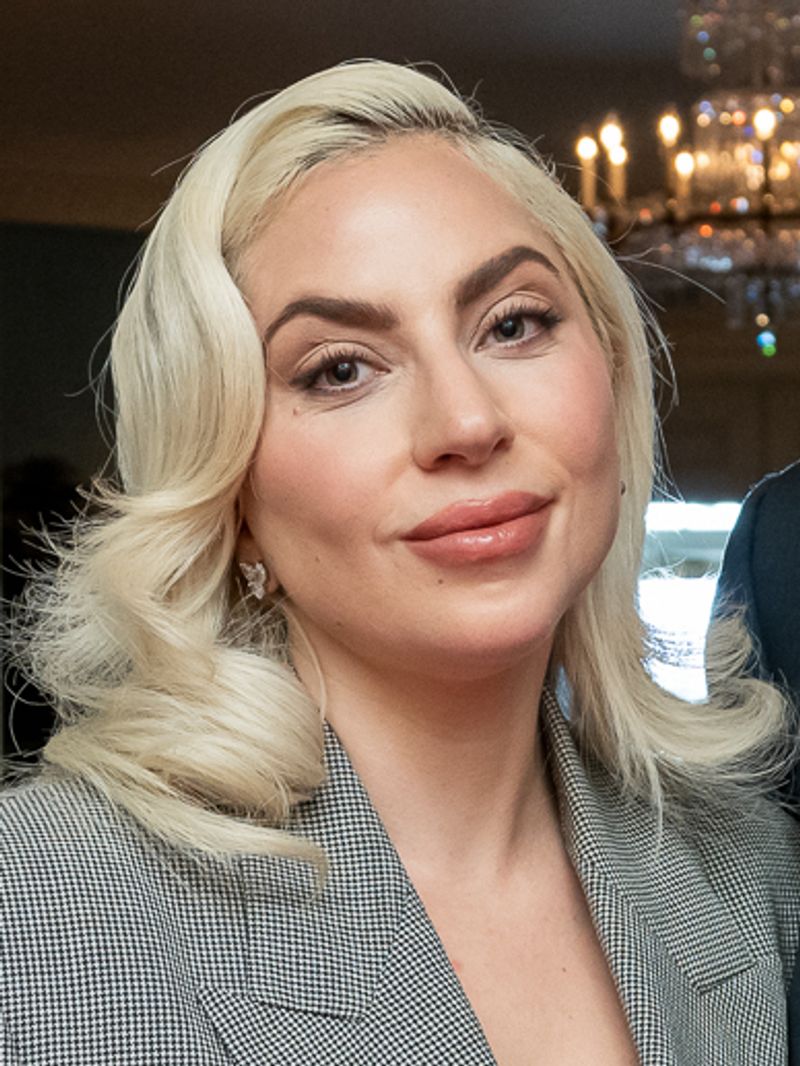
Few artists have championed LGBTQ+ rights as loudly and proudly as Lady Gaga. Her 2011 anthem “Born This Way” became an instant rallying cry for self-acceptance and equality.
Known for her outrageous fashion choices—remember the meat dress?—Gaga uses her platform to advocate for marginalized communities. She’s won multiple Grammys and an Oscar while staying true to her message of inclusivity.
Whether she’s wearing a dress made of Kermit the Frog dolls or performing at the Super Bowl, Gaga reminds everyone that being different is something to celebrate, not hide.
9. Lil Nas X: The Viral Cowboy Who Broke Boundaries
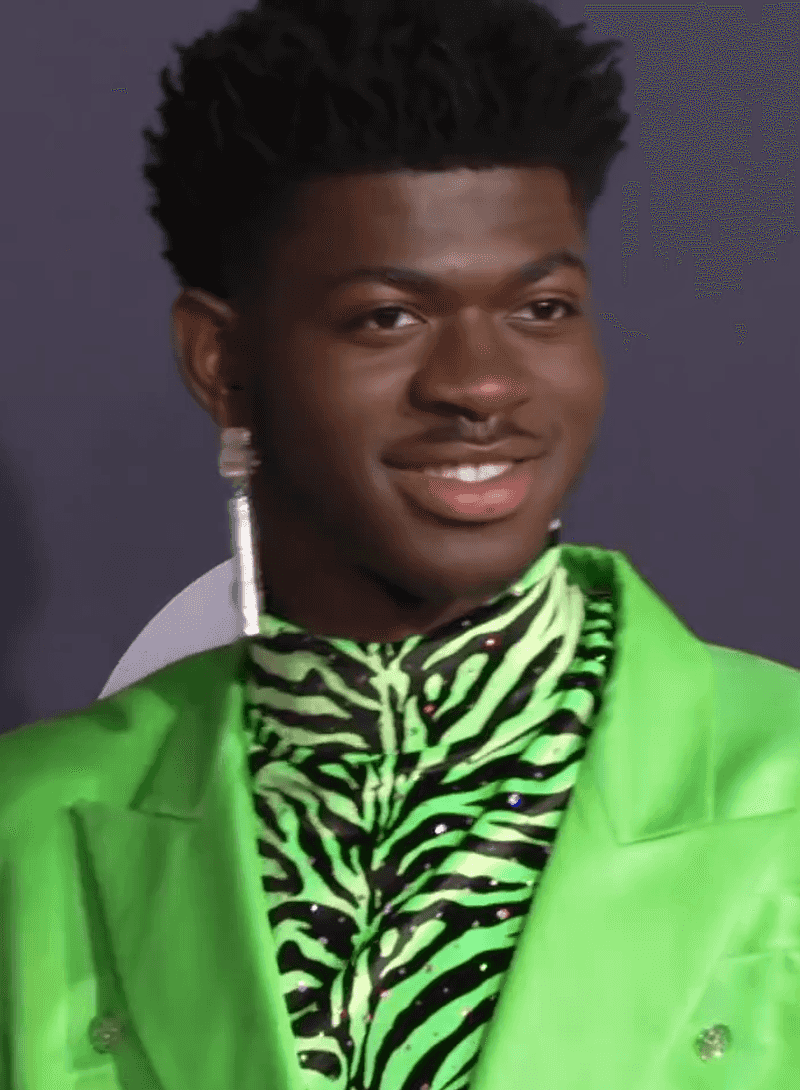
From a bedroom producer to a chart-topping sensation, Lil Nas X’s journey started with “Old Town Road,” a country-rap mashup that broke the internet and Billboard records.
What makes him truly revolutionary is his unapologetic queerness in hip-hop, a genre still grappling with homophobia. His provocative music videos sparked conversations about sexuality, religion, and artistic freedom.
By combining humor, controversy, and undeniable talent, he’s redefining what it means to be a Black, gay artist in mainstream music. His social media savvy and fearless authenticity resonate powerfully with younger generations.
10. Melissa Etheridge: Rock’s Heartland Voice
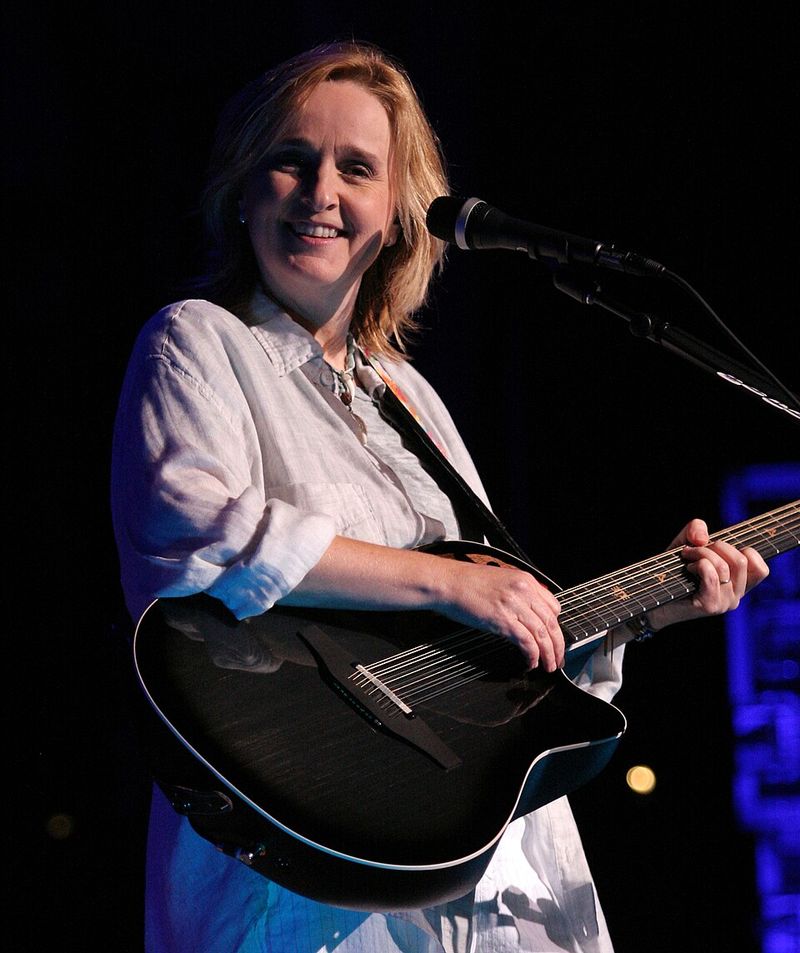
With her raspy voice and guitar skills, Melissa Etheridge brought raw emotion to rock music. Hits like “Come to My Window” and “I’m the Only One” showcased her powerful songwriting about love and longing.
When she came out as lesbian at a 1993 presidential inauguration event, it was a watershed moment for LGBTQ+ visibility in mainstream rock. Her openness cost her some fans but gained her respect as a role model.
Throughout her career, she’s balanced commercial success with activism, proving that rock stars can be both authentic and widely beloved.
11. George Michael: Pop’s Soulful Superstar
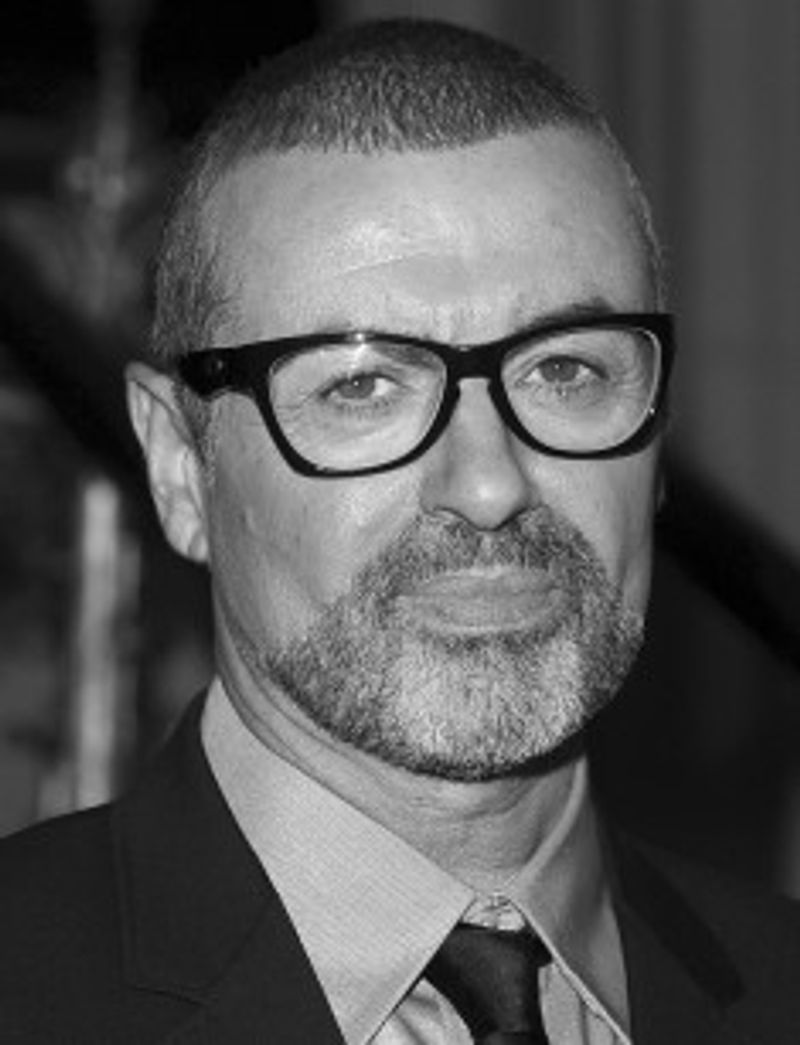
From Wham! to solo stardom, George Michael’s smooth vocals and sophisticated pop songs dominated the 1980s and 90s. “Faith,” “Careless Whisper,” and “Freedom! ’90” became soundtrack staples for an entire generation.
After being outed in 1998, he transformed from reluctant celebrity to outspoken LGBTQ+ advocate. His honesty about his struggles with fame and sexuality helped destigmatize conversations about coming out.
Beyond his chart success, Michael’s philanthropic work and willingness to challenge industry norms made him a beloved figure whose influence extended far beyond catchy melodies.
12. Ani DiFranco: Folk-Punk’s Independent Spirit

Armed with an acoustic guitar and fierce independence, Ani DiFranco built her career entirely on her own terms. She founded her own record label, Righteous Babe Records, refusing to compromise her artistic vision for major labels.
Her rapid-fire lyrics tackle politics, sexuality, and social justice with unflinching honesty. As an openly bisexual artist, she’s been a longtime advocate for LGBTQ+ rights and feminist causes.
DiFranco proved that artists don’t need corporate backing to succeed, inspiring countless musicians to take control of their own careers and speak their truths boldly.
13. Wendy Carlos: Electronic Music Pioneer
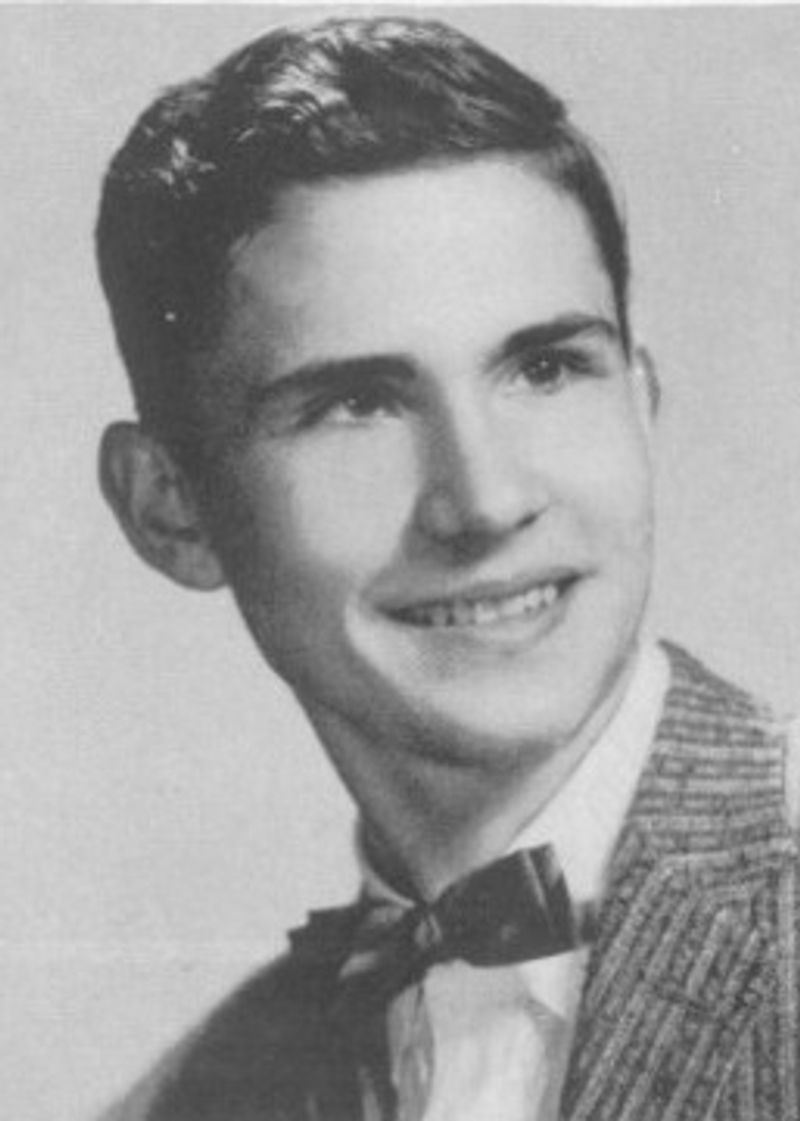
Before synthesizers became mainstream, Wendy Carlos was creating sonic landscapes that seemed to come from another dimension. Her groundbreaking album “Switched-On Bach” brought classical music into the electronic age.
She composed iconic film scores for “A Clockwork Orange,” “The Shining,” and the original “Tron,” proving that electronic music could be cinematic and emotionally powerful. As the first transgender person to win a Grammy, her achievements broke barriers in multiple ways.
Carlos’s technical innovations and artistic vision laid the foundation for modern electronic music, influencing everyone from ambient artists to EDM producers.
14. Tegan and Sara: Twin Indie Pop Powerhouses
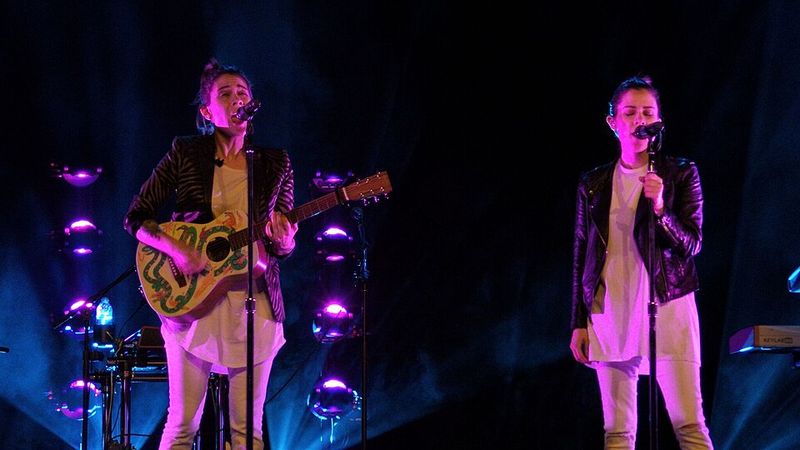
Identical twins Tegan and Sara Quin turned their bedroom recordings into an international indie-pop phenomenon. Their vulnerable lyrics about heartbreak, identity, and growing up resonated with fans worldwide.
Both openly gay, they’ve used their platform to advocate for LGBTQ+ rights through their Tegan and Sara Foundation, which supports queer girls and women. Albums like “The Con” and “Heartthrob” showcase their evolution from folk-rock to synth-pop.
Their willingness to discuss their personal lives and sexuality in their music has made them role models, proving that authenticity creates the deepest connections with audiences.
15. Brandi Carlile: Americana’s Grammy Queen
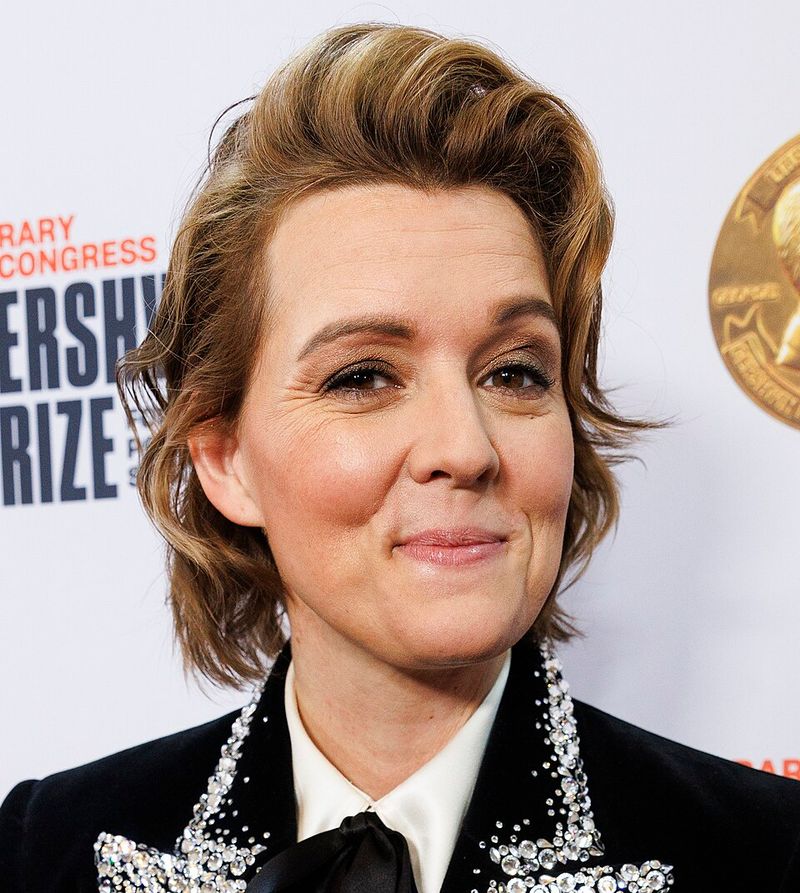
With a voice that can whisper or roar, Brandi Carlile has become one of Americana music’s brightest stars. Her six Grammy wins and bestselling memoir showcase her multifaceted talents.
She made history as the first female songwriter to receive two Grammy nominations for Song of the Year in the same year—talk about overachieving! Her powerful ballads like “The Joke” address social justice and acceptance.
As an openly gay woman married with children, Carlile represents LGBTQ+ family life in mainstream country and folk music, expanding what audiences expect from the genre and its artists.
16. June and Jean Millington: Fanny’s Founding Sisters
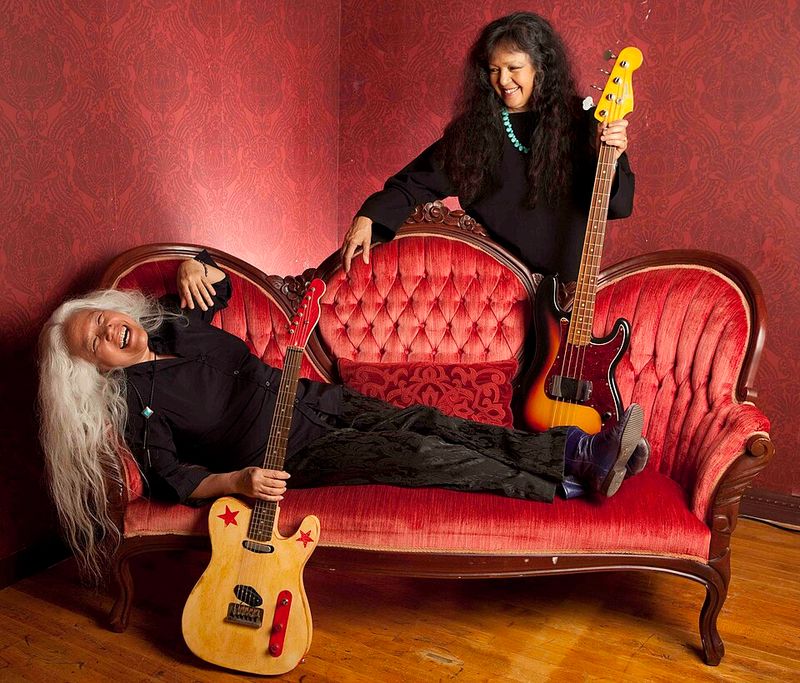
As founders of Fanny, June and Jean Millington created one of the first all-female rock bands to achieve major label success in the early 1970s. Their guitar skills and songwriting challenged the male-dominated rock world.
Both sisters are openly gay, though they navigated their identities privately during their commercial peak. Fanny opened for bands like Slade and Jethro Tull, earning respect from their peers.
Though underappreciated in their time, the Millington sisters paved the way for female and LGBTQ+ musicians in rock, proving that talent and determination can break through even the toughest barriers.