7 LGBTQ+ Stars Who Opened Up About Industry Pressure Early In Their Careers
Bright lights and red carpets once hid a harsh reality for many LGBTQ+ performers trying to build careers in Hollywood.
Many LGBTQ+ performers have described pressure to keep their private lives quiet early on, worried that openness could affect casting and career momentum.
Today, many of those stars have shared their stories, revealing the personal toll of those years and reminding us how much progress has been made, and how much work still remains.
Disclaimer: This article draws on publicly available interviews and reported accounts in which the individuals discussed privacy, identity, and professional pressures in the entertainment industry. Experiences are personal and can vary widely by person, era, and workplace, and this piece is intended for general informational and entertainment purposes.
7. Kristen Stewart
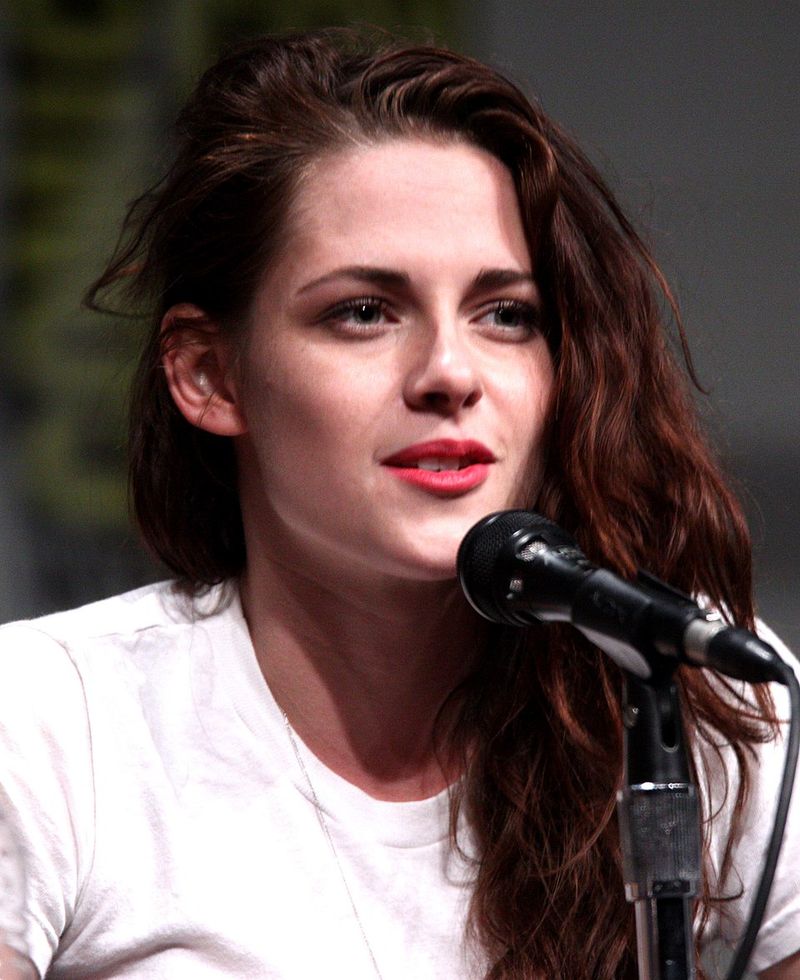
Twilight made her a household name overnight, but fame came with strings attached.
Stewart has said she was advised not to be publicly affectionate with a girlfriend, with the suggestion it could affect mainstream casting opportunities. That kind of pressure can weigh heavily on anyone, especially early in a career.
Fortunately, she eventually chose authenticity over Hollywood’s outdated playbook. Stewart’s visibility has resonated with many fans.
6. Billy Porter
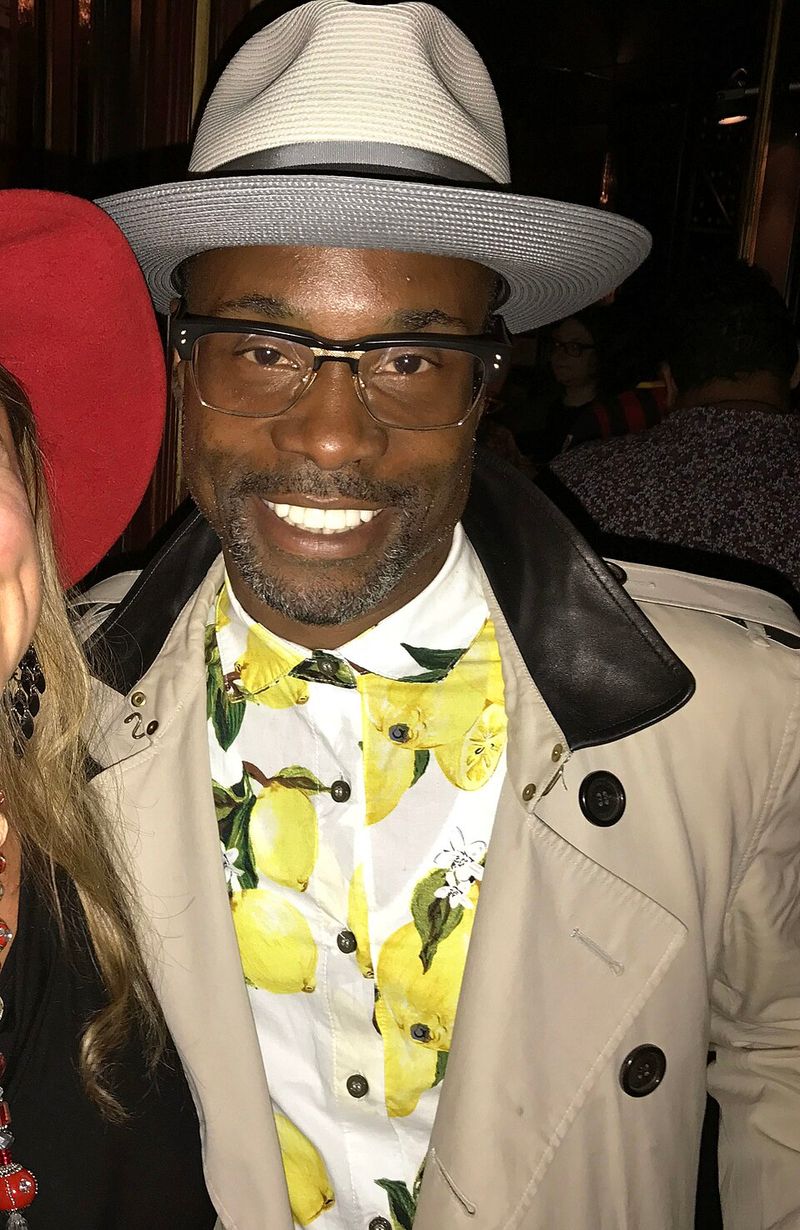
Porter has spoken about spending years trying to fit industry expectations in order to keep working. He has described feeling pressure to present himself in ways he believed decision-makers expected.
He has described the experience as exhausting and emotionally difficult.
Now, as an Emmy winner and fashion icon, Porter uses his platform to champion authenticity. His journey proves that being yourself is the ultimate power move.
5. Kate Moennig
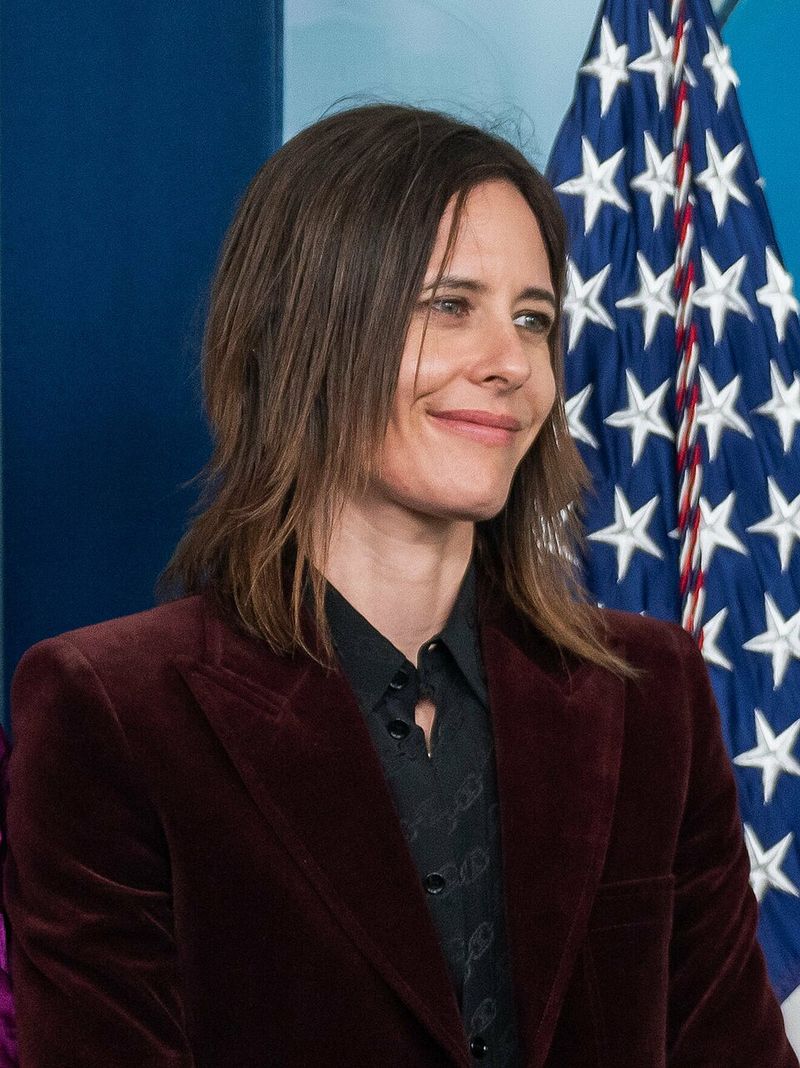
As The L Word gained attention, Moennig has described feeling intense pressure to define her sexuality publicly on someone else’s timeline. Moennig has spoken about feeling intense pressure to label and define sexuality on someone else’s schedule, not her own.
She has described persistent questioning that made privacy feel hard to maintain. That kind of scrutiny can feel suffocating, especially when you’re still figuring things out for yourself.
Ultimately, she chose to share on her own terms.
4. Leisha Hailey
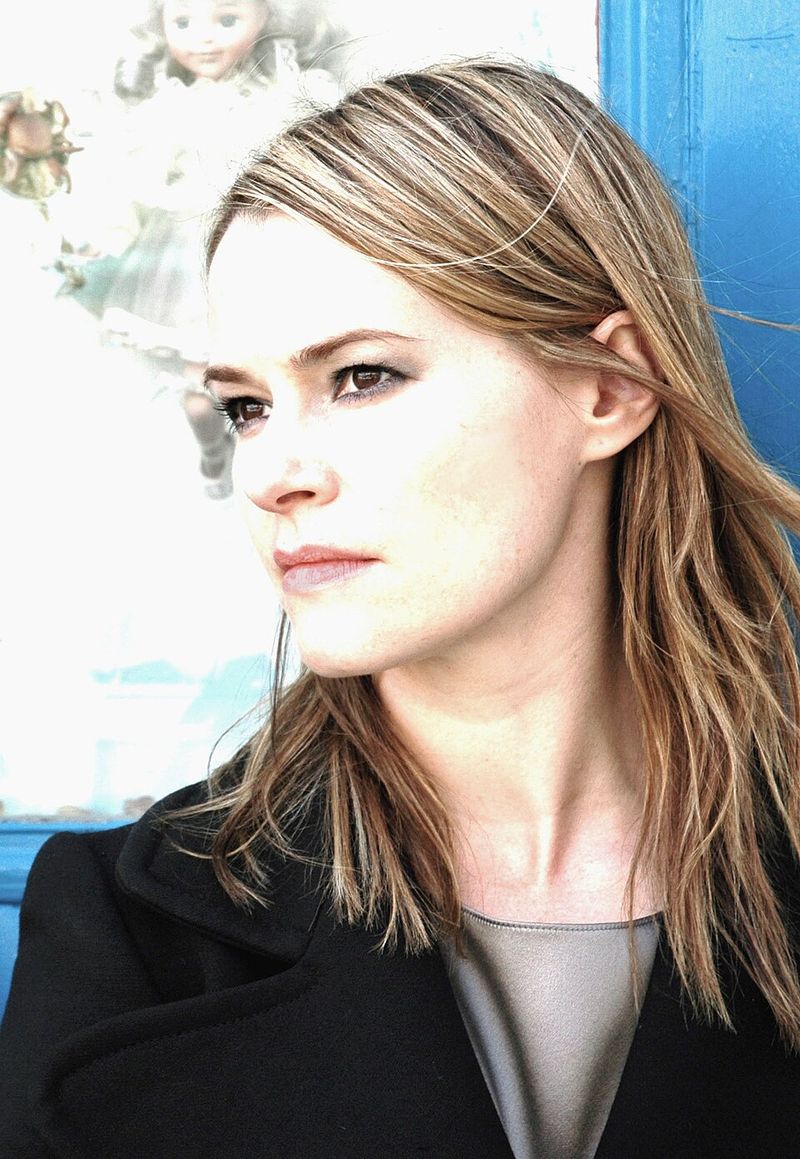
Visibility can be a double-edged sword.
Hailey became a beloved face on The L Word, but that spotlight also meant constant media scrutiny around her personal life and relationships. Hailey has described reporters repeatedly pressing her about cast members’ sexuality during the show’s early run.
Such relentless attention made it hard to separate the character from the person behind it. Despite the challenges, Hailey remained true to herself and continues to advocate for LGBTQ+ representation in entertainment.
3. Portia De Rossi

Rising through Hollywood’s ranks meant carefully managing every interview and red carpet appearance.
De Rossi has been open about the fear of being outed before she was ready, knowing that a single headline could derail everything she’d worked for. De Rossi has described fearing career consequences and feeling pressure to stay quiet.
That constant vigilance was exhausting and isolating. Today, she’s a powerful voice for living truthfully and supporting others on their own journeys.
2. George Takei
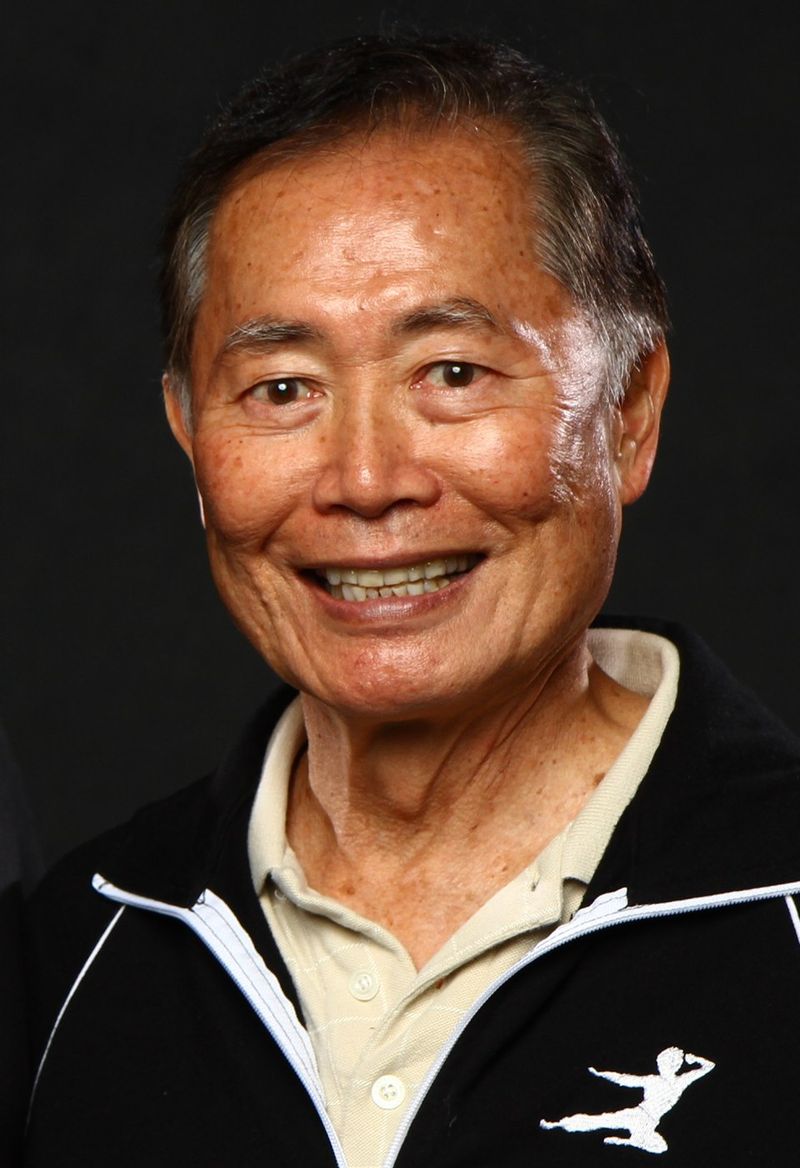
Star Trek made him a science fiction legend, but behind the scenes, Takei spent decades hiding a fundamental part of who he was.
Hollywood in the mid-20th century was far less accepting, and the fear of being outed loomed large over many careers. He has described his “closet years” as a time of constant fear of exposure and pressure to maintain a public front.
Eventually, he found the courage to live openly and has since become a tireless advocate for equality.
1. Rupert Everett
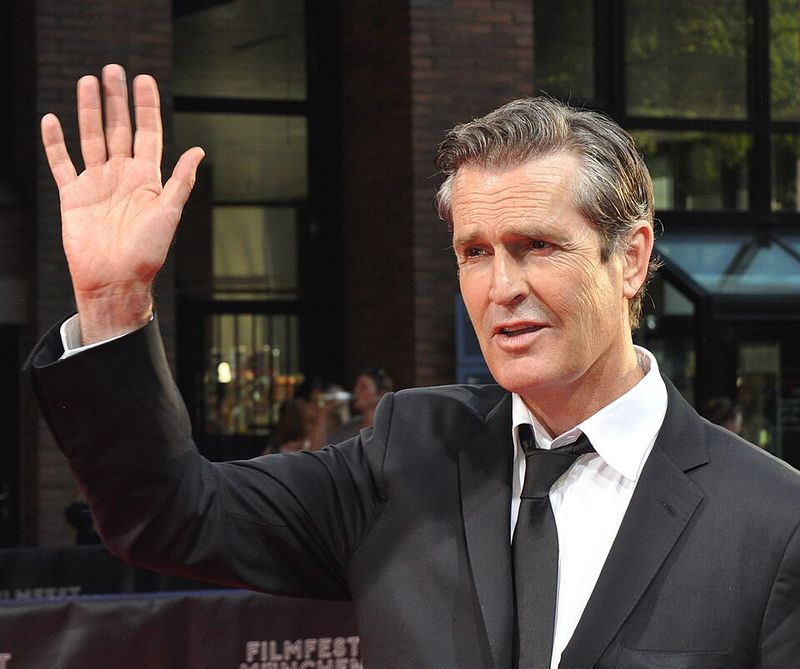
Talent alone wasn’t enough to protect a career when Hollywood wasn’t ready for openly gay leading men. Everett has said being out cost him major opportunities, including roles he believes he would have been considered for if he were not openly gay.
Studios worried that audiences wouldn’t accept him in romantic or heroic parts, a reflection of the industry’s outdated attitudes.
That rejection stung, but it also fueled his activism.
Everett’s honesty paved the way for future generations to demand better treatment and representation.