LGBTQ+ Superheroes And Villains Seen On Television
Capes fly, arrows land, and suddenly saving the world comes with way more personality than anyone signed up for. Heroes and villains show up, handle business, and still find time to serve looks, feelings, and a little bit of attitude along the way.
Representation lands differently here, because watching queer characters save the day still carries a special kind of power.
1. Batwoman (Kate Kane)
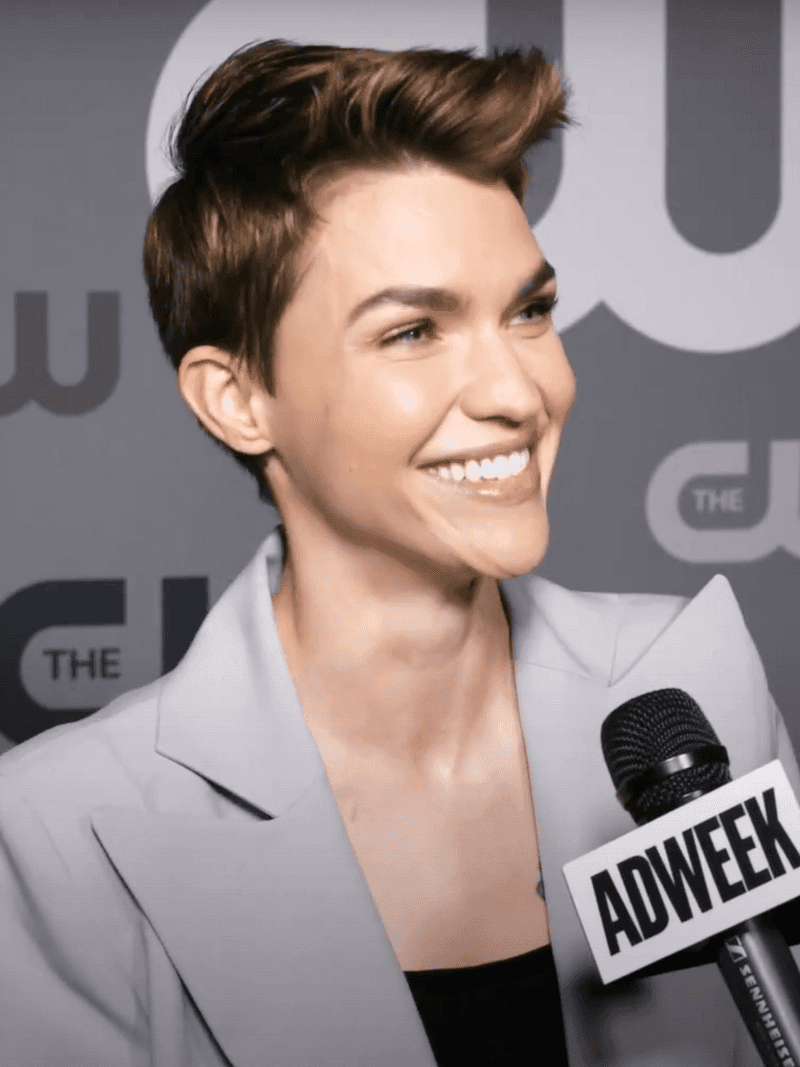
Red and black armor hit Gotham’s skyline and flipped the script on what a hero in that city could look like.
Leather-jacket edge and a guarded intensity shaped the performance, with identity as a lesbian woman placed at the center of the story instead of pushed aside.
For many viewers, a Bat-symbol finally reflected something personal back at them. Television history shifted with a superhero series led by an openly gay main character.
2. White Canary (Sara Lance)
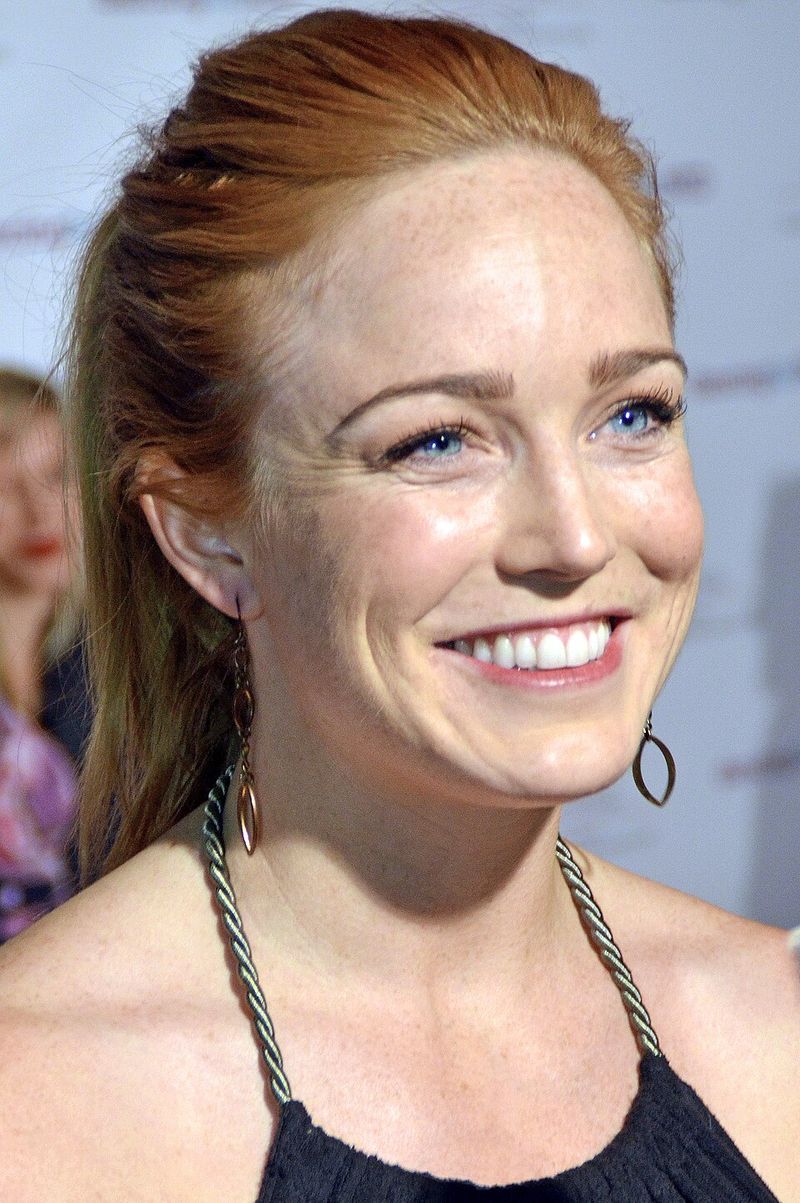
Passing through two major losses still did not stop Sara Lance from finding time to fall in love, crack jokes, and lead a time-traveling crew of misfits. A wink paired with a warrior’s grace in Caity Lotz’s performance made Sara’s bisexuality feel fully woven into the character rather than treated as a side note.
Her identity and her heroism never competed with each other.
Sara comes across as the kind of confident, reassuring presence many queer viewers were glad to see on screen.
3. Sentinel (Alex Danvers)
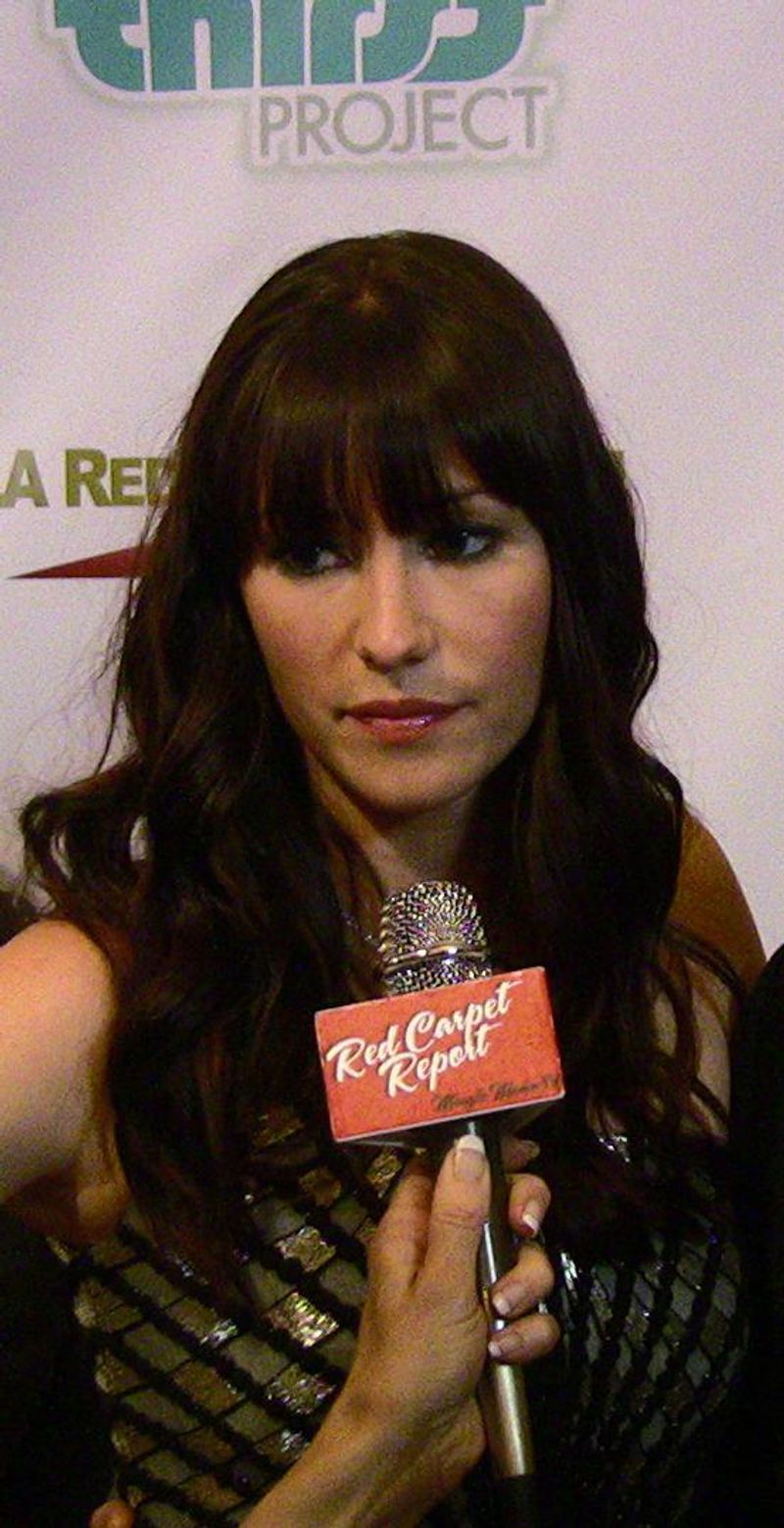
Years passed with Alex Danvers as the dependable, brilliant sister before the story opened space for a coming-out arc that felt achingly real.
Quiet, honest emotion shaped every scene, with Chyler Leigh turning that journey into one of television’s most celebrated LGBTQ+ storylines.
Becoming the hero Sentinel followed naturally, showing how personal courage and physical courage move together. Watching her figure herself out felt like reading a letter written just for you.
4. Thunder (Anissa Pierce)
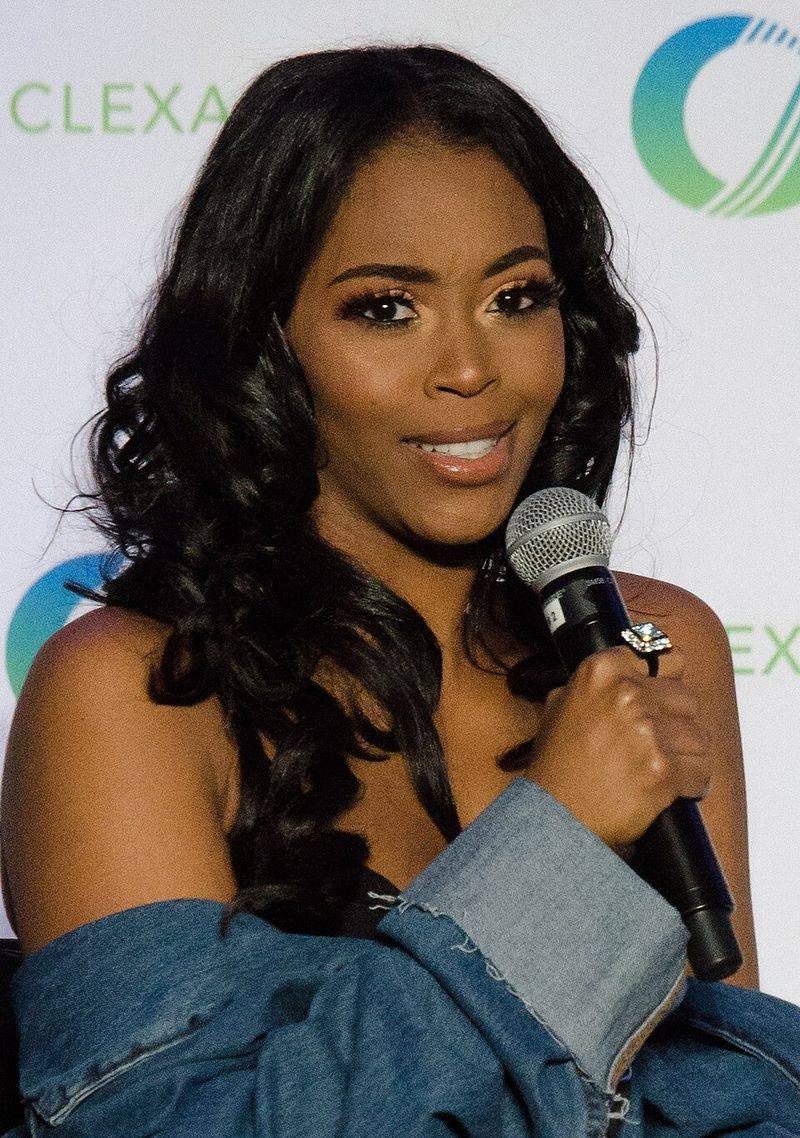
Anissa Pierce shattered the ground with her fists while opening the door for representation at the same time.
Historic presence came with Thunder being widely recognized as a major Black lesbian superhero milestone on network television, and Anissa carried that cultural weight with effortless cool.
Warmth and fire defined Nafessa Williams’s performance, balancing family drama, romance, and full-on superpowered battles without missing a beat. Each scene landed as both a statement and a celebration.
5. Dreamer (Nia Nal)
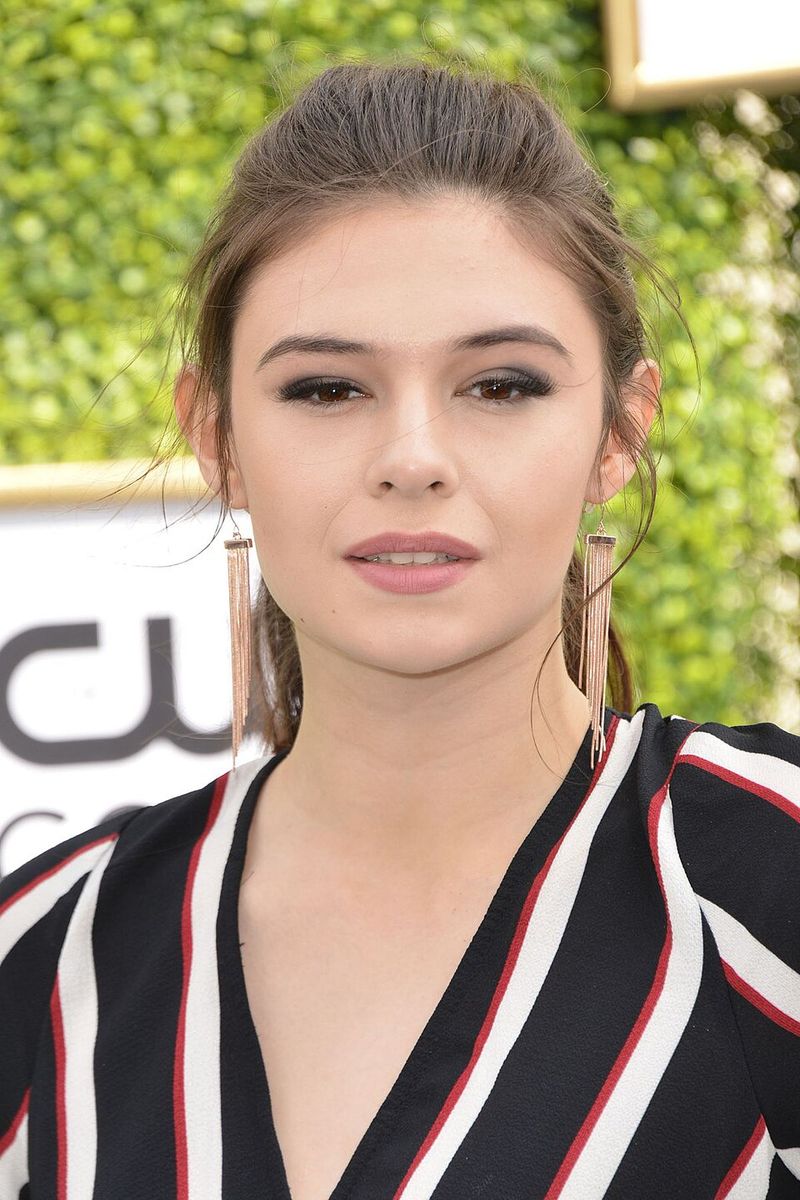
Arrival of Nia Nal on screen quietly made history, with Nicole Maines introduced as television’s first transgender superhero.
Powers rooted in dreams feel like a fitting metaphor for a character carrying so much hope. Story never framed her identity as a twist, letting it exist as a natural part of who she is, woven into the narrative with care.
Dreamer turned into a rallying symbol almost overnight.
6. John Constantine
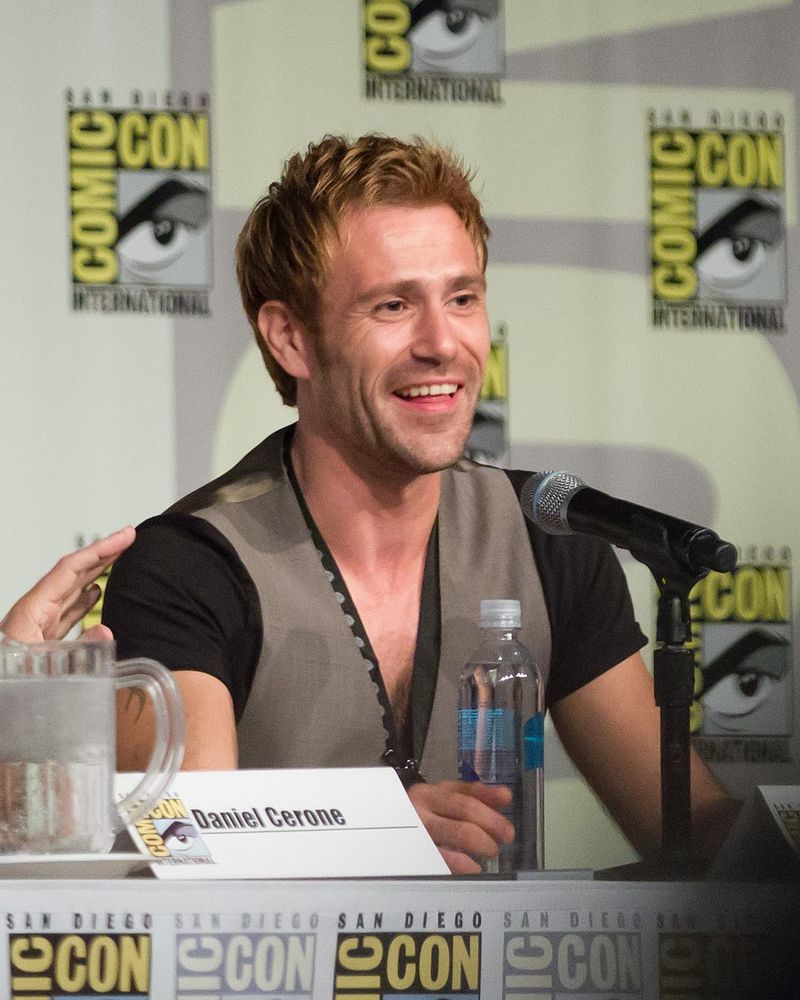
Slightly wrinkled trench coat and a perpetually smoldering cigarette set the tone for a man who might show up at 2 a.m. with a demon problem and somehow make it charming. Matt Ryan’s portrayal brought Constantine’s established bisexuality onto television more directly, adding a fuller, messier, more human dimension.
Flirting with danger and with people of any gender comes with equal enthusiasm.
Effortless style somehow follows, even when the occult is involved.
7. Batwoman (Ryan Wilder)
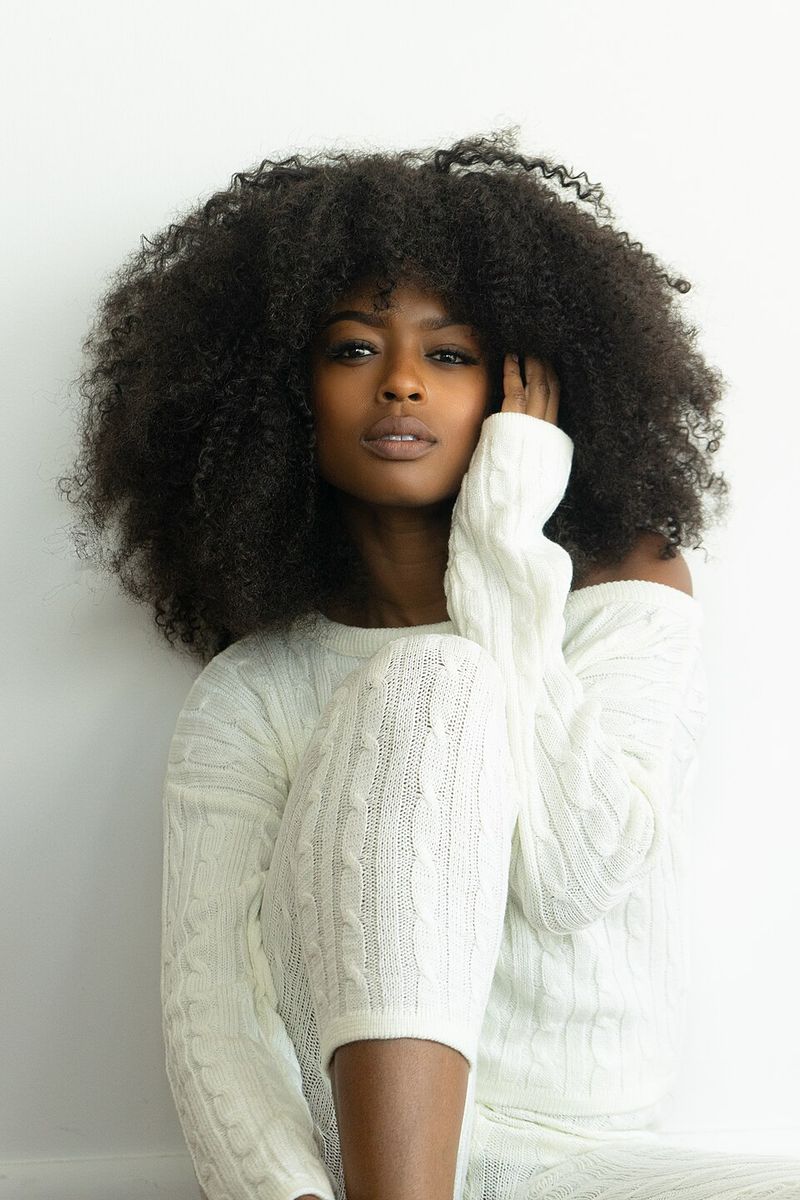
Ryan Wilder grabbed the cowl and made it her own, stitching her own story into the Batwoman legacy with style to spare.
Javicia Leslie brought fresh energy to the role, playing Ryan Wilder as a Black queer woman whose backstory felt grounded and real. Ryan grew up without privilege, which made her empathy her sharpest weapon alongside all the gadgets.
She is the Batwoman Gotham needed, full stop.
8. Queen Maeve
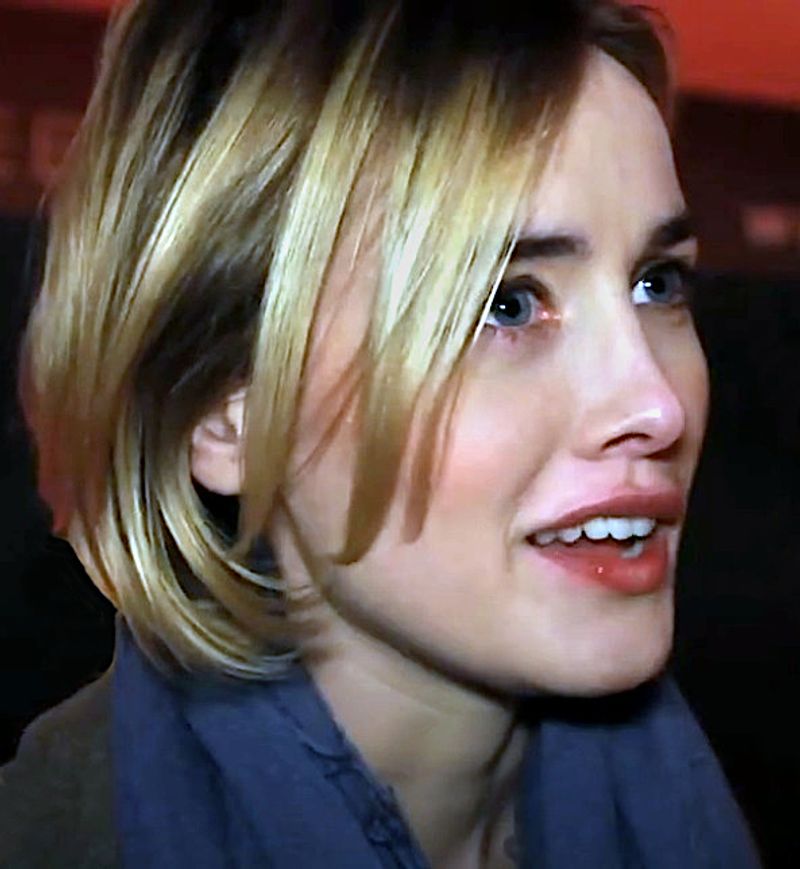
Poster campaigns, branded merchandise, and a perfectly practiced smile built the image, while exhaustion from pretending sat just beneath the surface.
Performance carries a quiet steel, with Dominique McElligott shaping a woman slowly reclaiming her backbone and letting her bisexuality become part of that shift.
Corporate spin turns identity into a product, and her arc cuts through it with sharp humor and moments that land hard. Every cheer feels earned the hard way.
9. Loki
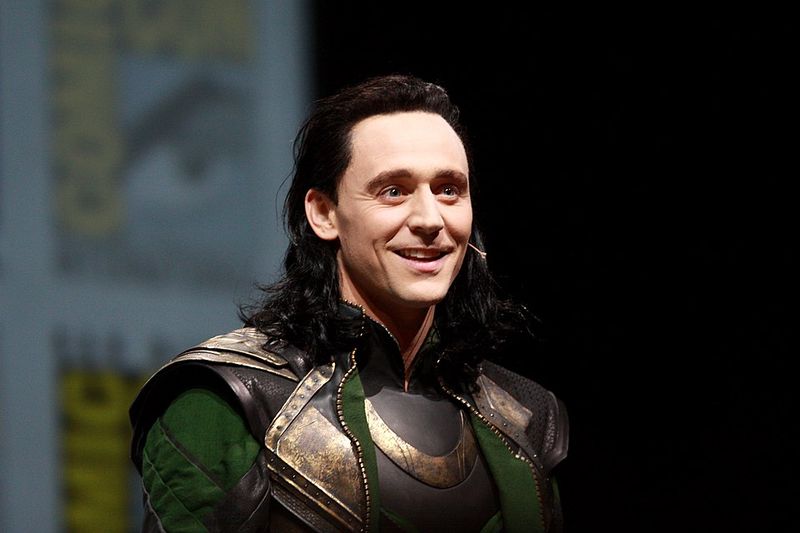
Bisexuality and gender fluidity were acknowledged as canon for Loki in the Disney+ series, and the response online was immediate.
More than a decade of Tom Hiddleston’s performance laid the groundwork, while the Disney+ series made parts of Loki’s identity explicit in a way the films had not. Multitudes fit naturally inside a god of mischief, making that reveal feel completely on brand.
Even a villain-turned-antihero earns a complete and honest story here.
10. Nyssa Al Ghul
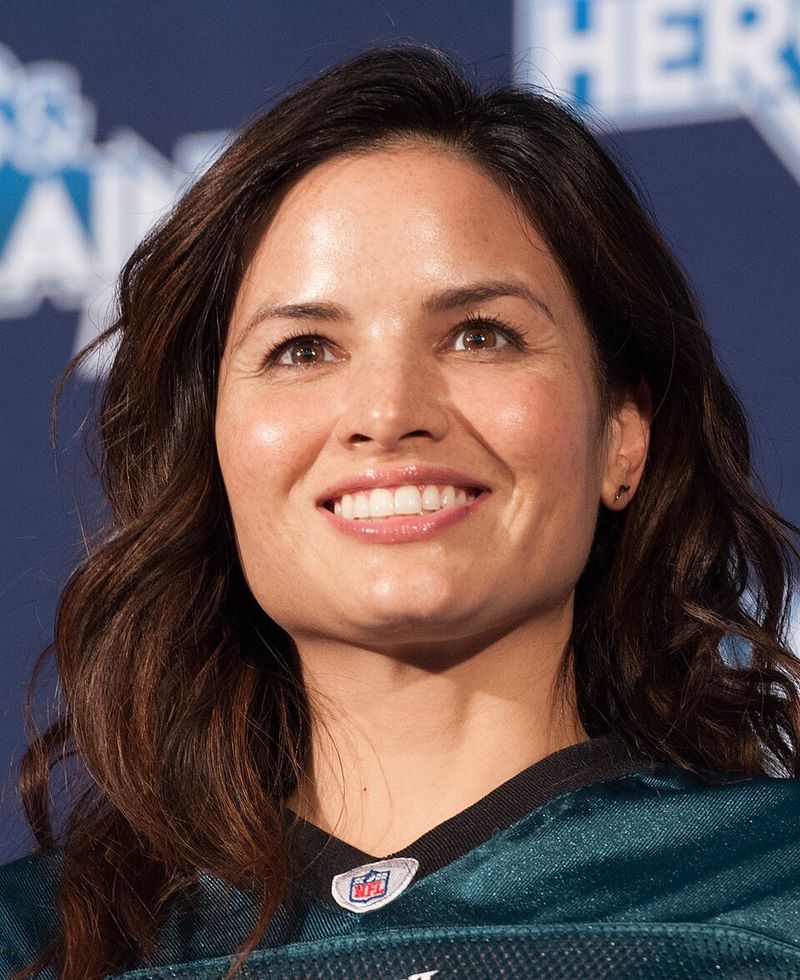
Raised inside the League of Assassins and trained as one of its fiercest fighters, Nyssa al Ghul entered Arrow as one of its most compelling characters.
Katrina Law’s performance blends controlled intensity with genuine grief, especially in moments tied to her love for Sara Lance.
Tenderness defines Nyssa’s relationship with Sara, something that stood out clearly in a show built around action and conflict. Depth like that makes a villain land differently.
Note: This article is intended for general informational and entertainment purposes and reflects an editorial look at LGBTQ+ superhero and villain representation on television, drawing on publicly discussed character arcs, casting milestones, and series portrayals.