9 Literary Rebels With The Most Banned Works
Some books have been so powerful, raw, and honest that governments, schools, and communities tried to silence them. Banning a book often achieves the opposite of what censors hoped, turning a story into a legend.
Throughout history, certain authors dared to write about topics others refused to touch and paid a serious price for it. Racial trauma, war horror, religious controversy, and LGBTQIA+ identity all landed on banned lists around the world.
Far from being forgotten, these writers became icons, their words resonating across generations. A banned book is basically a dare wearing a library card.
It challenges norms, provokes thought, and refuses to be ignored. These stories remind readers that ideas cannot easily be contained and that literature holds power to change minds.
Discover nine literary rebels whose writing was so impactful that attempts to silence them only amplified their influence, leaving a lasting mark on culture and freedom of expression.
1. Judy Blume
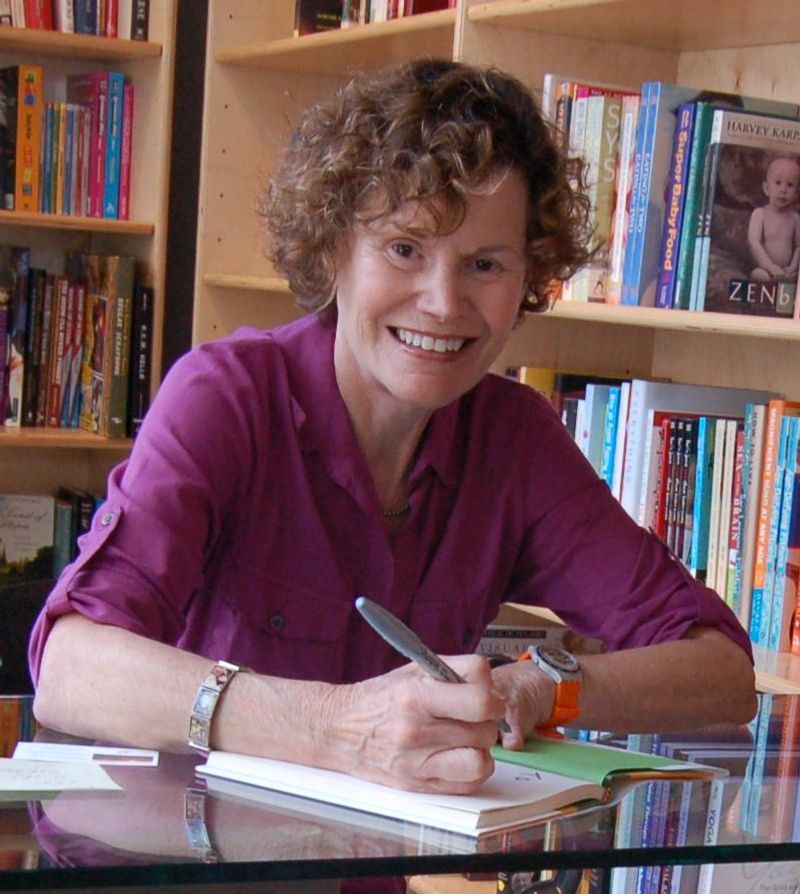
Few authors have been banned as consistently as Judy Blume, and honestly, her readers are glad she never stopped writing. Books like ForeverAre You There God? and
It’s Me, Margaret tackled puberty, faith, and sexuality in ways no one had dared before. Schools and libraries across America pulled her books from shelves, calling her content inappropriate.
However, millions of young readers called it life-changing. Blume spoke directly to teenagers without talking down to them.
If anything, banning her books only made curious readers hunt harder for copies, turning each banned title into a rite of passage.
2. Toni Morrison
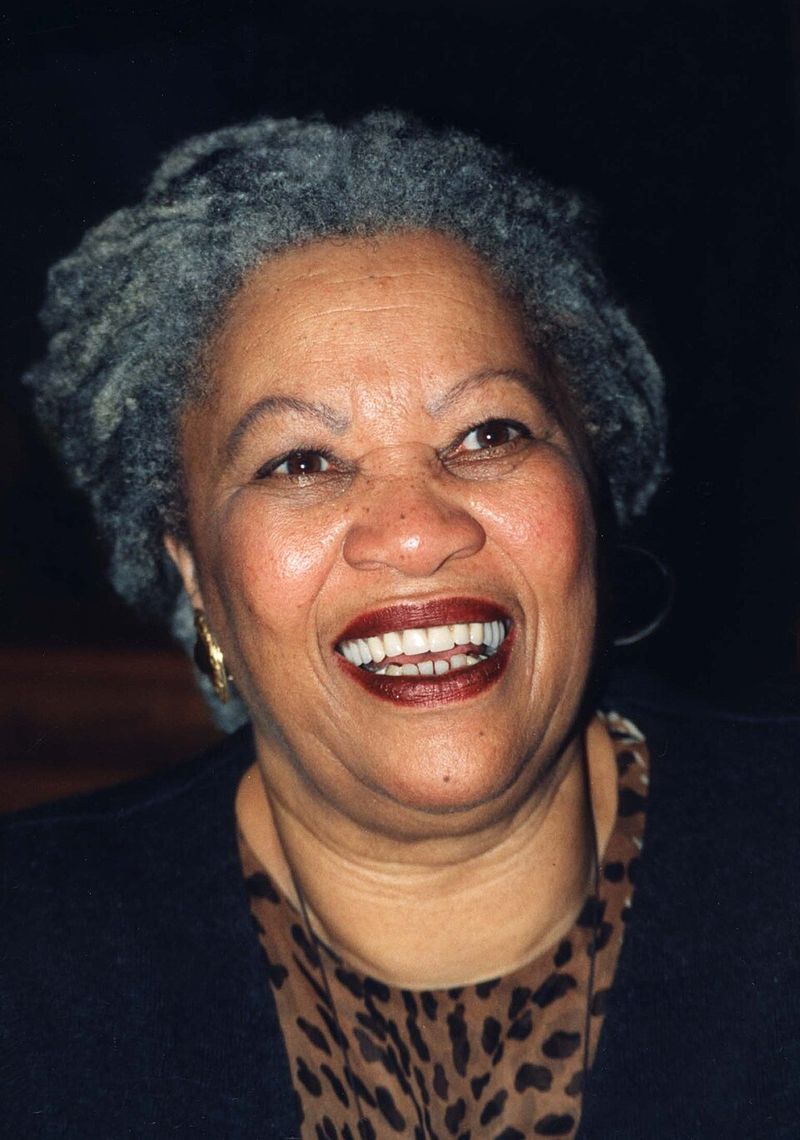
Nobel Prize winner Toni Morrison wrote stories so honest and emotionally devastating that censors genuinely panicked. The Bluest Eye, a heartbreaking look at racial self-hatred and abuse in 1940s America, has been challenged in schools for decades.
Critics called it too dark. Supporters called it essential.
Morrison never apologized for writing difficult truths, arguing that the stories most people want hidden are exactly the ones that need to be told. How do you measure the power of a novel?
Count how many times someone tried to ban it. By that measure, Morrison is practically untouchable.
3. John Steinbeck
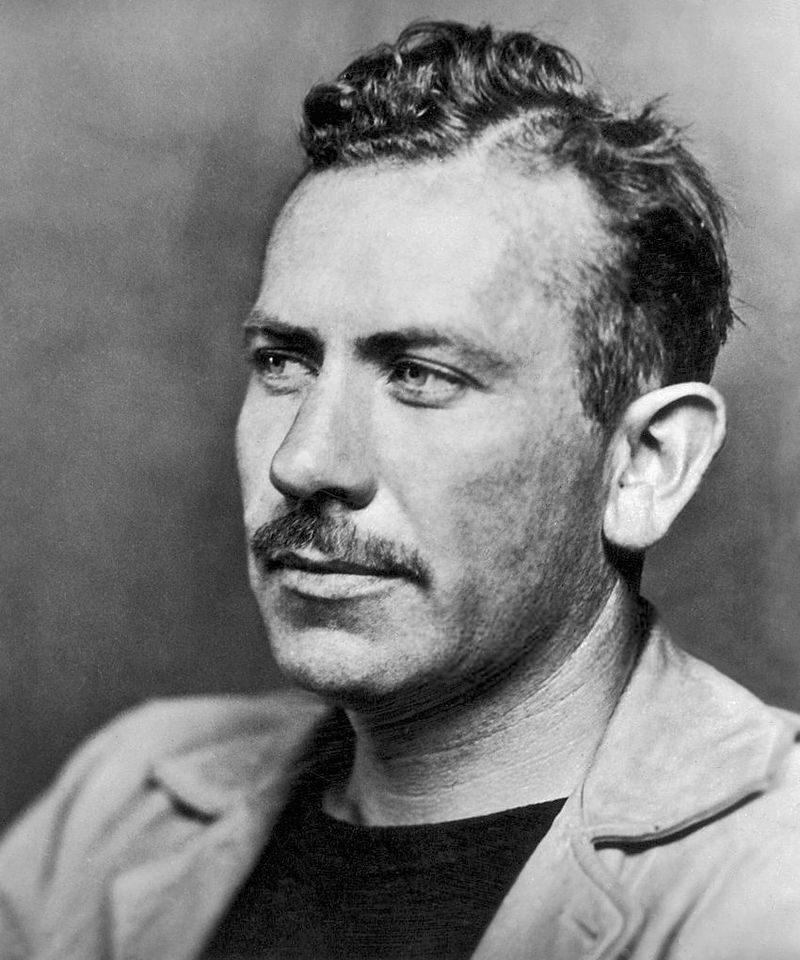
Steinbeck wrote about workers, poverty, and the American Dream’s darker side, and plenty of powerful people did not appreciate the spotlight. Of Mice and Men has been one of the most challenged books in American schools for over 80 years.
Objections ranged from racial slurs to its heavy themes of mercy and loss. However, stripping away uncomfortable language would strip away the entire point.
Steinbeck wanted readers to feel the weight of lives lived on society’s margins. Banning Of Mice and Men is a bit like banning a mirror because you dislike what you see.
4. George M. Johnson
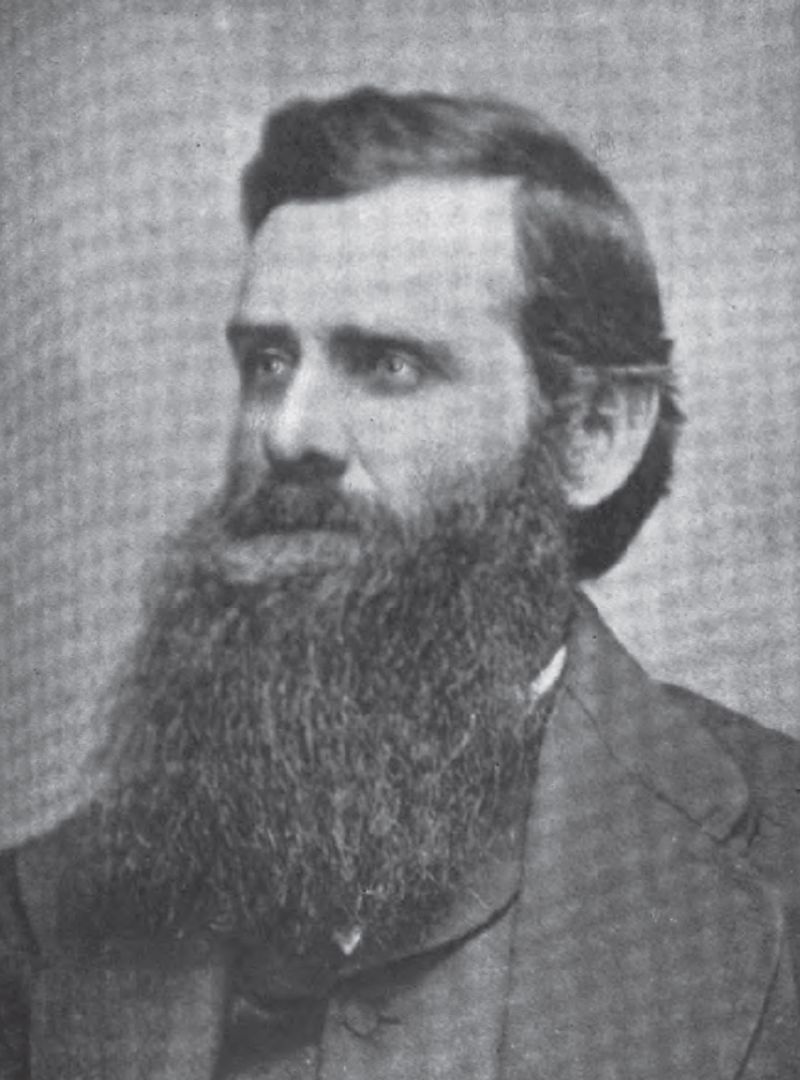
Bold, personal, and unapologetically real, All Boys Aren’t Blue is a memoir-manifesto that lit up school board meetings across the United States. George M.
Johnson wrote about growing up Black and queer in America, covering experiences many students had never seen reflected in any book before.
Naturally, censors came running. Johnson’s memoir became one of the most banned books in America almost overnight after its 2020 release.
If a book makes someone feel seen for the very first time, banning it does not erase the need. It just proves the book was necessary all along.
5. Rudolfo Anaya
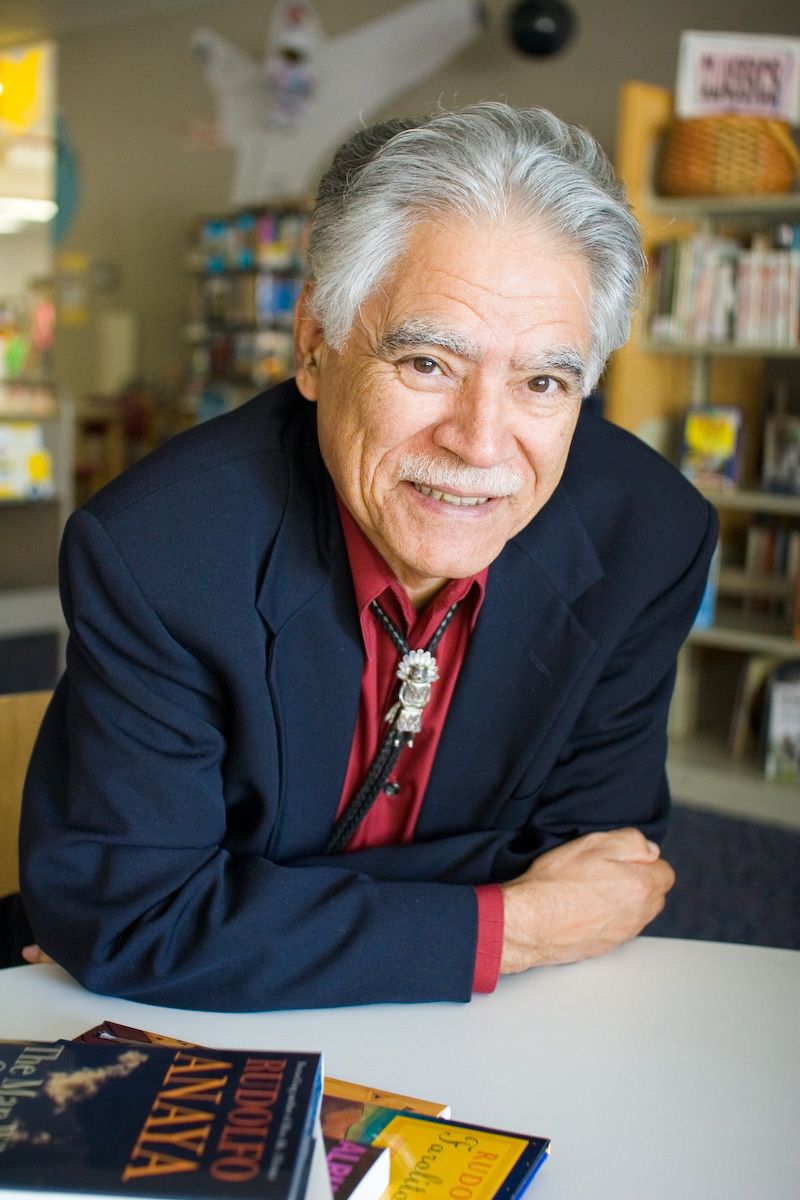
Rudolfo Anaya is often called the godfather of Chicano literature, and Bless Me, Ultima is his masterpiece. Set in New Mexico after World War II, it follows a young boy navigating faith, identity, and the mystical powers of a folk healer named Ultima.
School boards challenged it for depicting witchcraft and questioning Catholic doctrine. Yet the novel is deeply spiritual, exploring how people make sense of a complicated world.
Anaya once said he wrote to preserve a culture often ignored by mainstream America. Banning his book did not erase Chicano identity.
If anything, it demanded the world pay closer attention.
6. Vladimir Nabokov
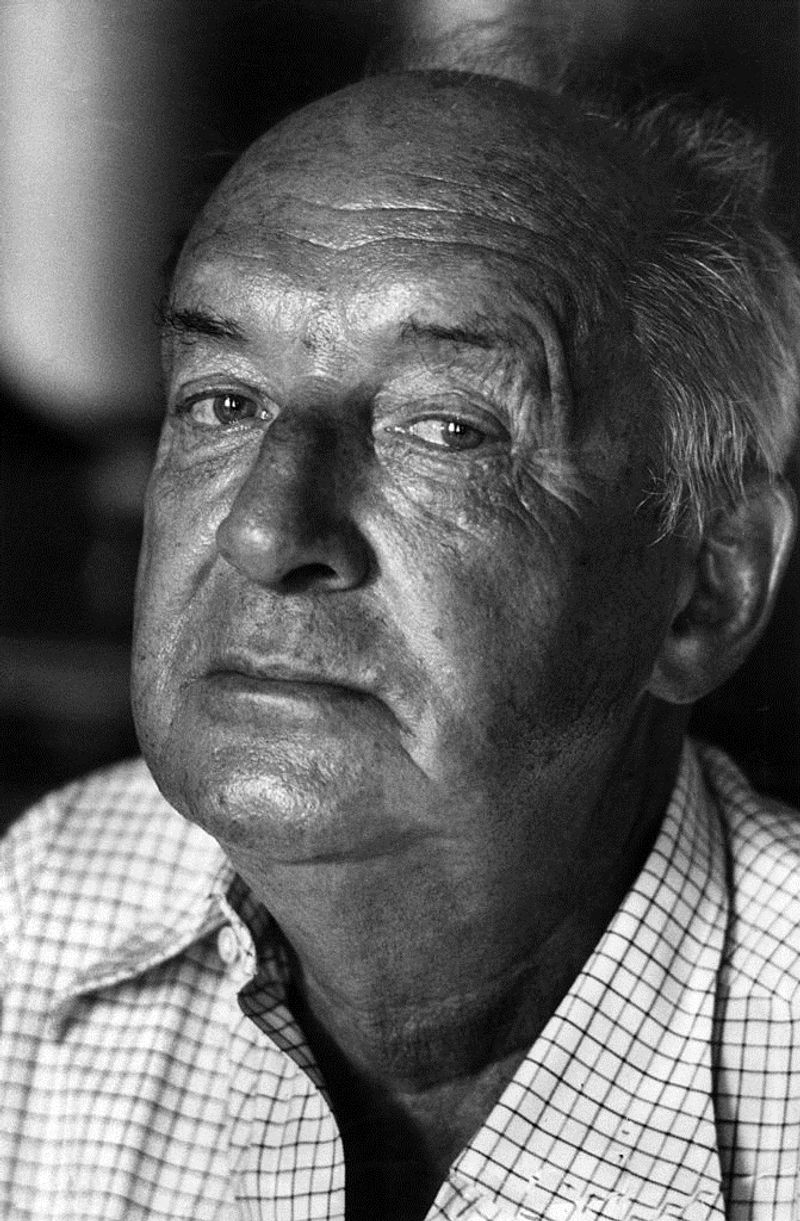
Few novels have stirred as much global controversy as Lolita. Published in 1955, Nabokov’s story is narrated by an unreliable, deeply disturbing character who convinces himself his obsession is romantic.
Nabokov’s genius was making readers uncomfortable on purpose.
Countries including France, the UK, Argentina, and New Zealand banned it outright. Publishers refused it for years.
However, Lolita is not a celebration of its narrator but a sharp, dark critique of him. Nabokov crafted beautiful, precise prose around a monstrous point of view.
Understanding the difference between author and narrator is exactly what great literature demands of its readers.
7. Salman Rushdie
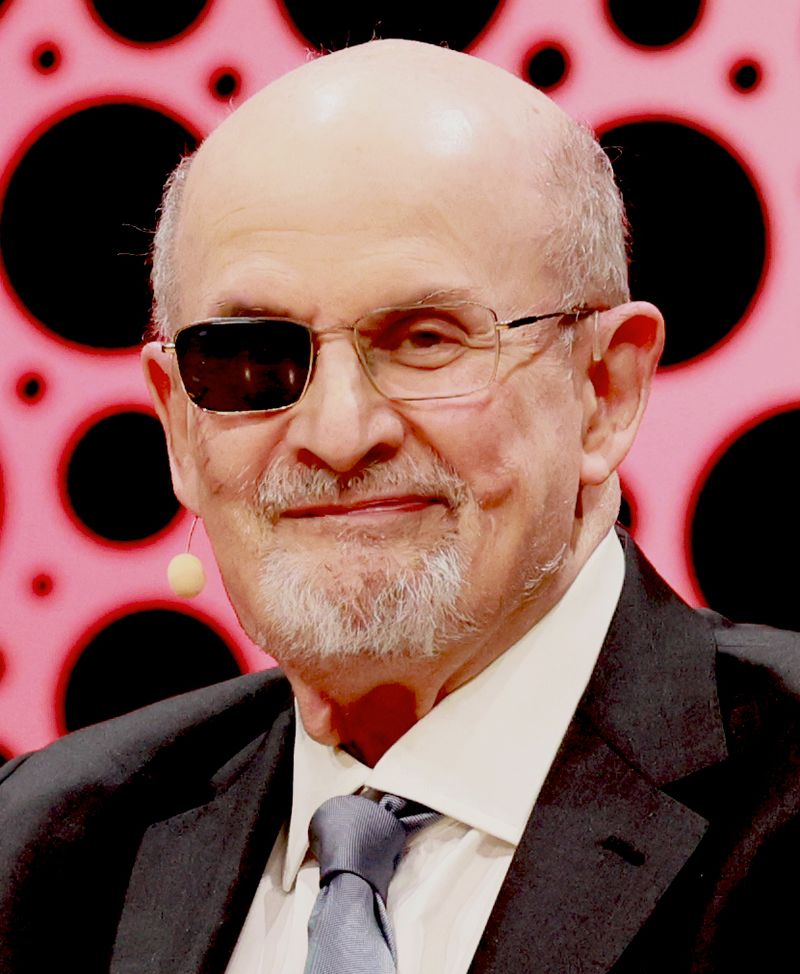
In 1988, The Satanic Verses sparked one of the most dramatic censorship events in modern history. Salman Rushdie’s novel blended magical realism, Islamic history, and sharp satire in ways that outraged religious leaders across multiple countries.
Iran’s Supreme Leader issued a fatwa against Rushdie. Several countries banned the book entirely.
Rushdie spent years in hiding under British police protection. Remarkably, he kept writing.
The Satanic Verses became a worldwide symbol of free expression and the extreme dangers writers sometimes face. Rushdie’s story is a reminder that words carry enormous power, and not everyone is comfortable being challenged.
8. Kurt Vonnegut
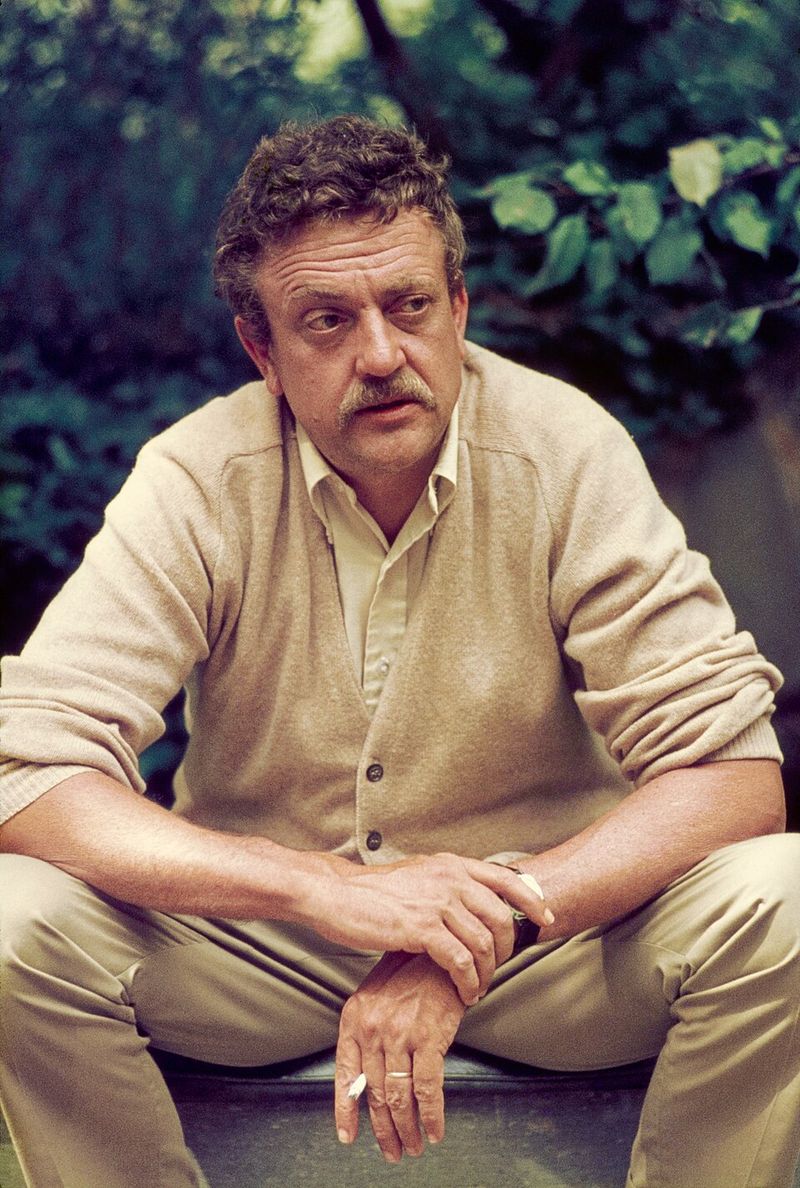
He survived the firebombing of Dresden during World War II by hiding in a meat locker underground. Vonnegut later wrote Slaughterhouse-Five about it, and school boards across America decided it was too anti-war and too explicit for students.
Irony alert: a book written by a war survivor was banned for showing the harsh realities of war. Vonnegut had a sharp, darkly comedic way of exposing absurdity, which is probably why authority figures found him so threatening.
His famous phrase, “So it goes,” repeated throughout the novel, carries more emotional weight per syllable than most full chapters ever could.
9. Stephen King
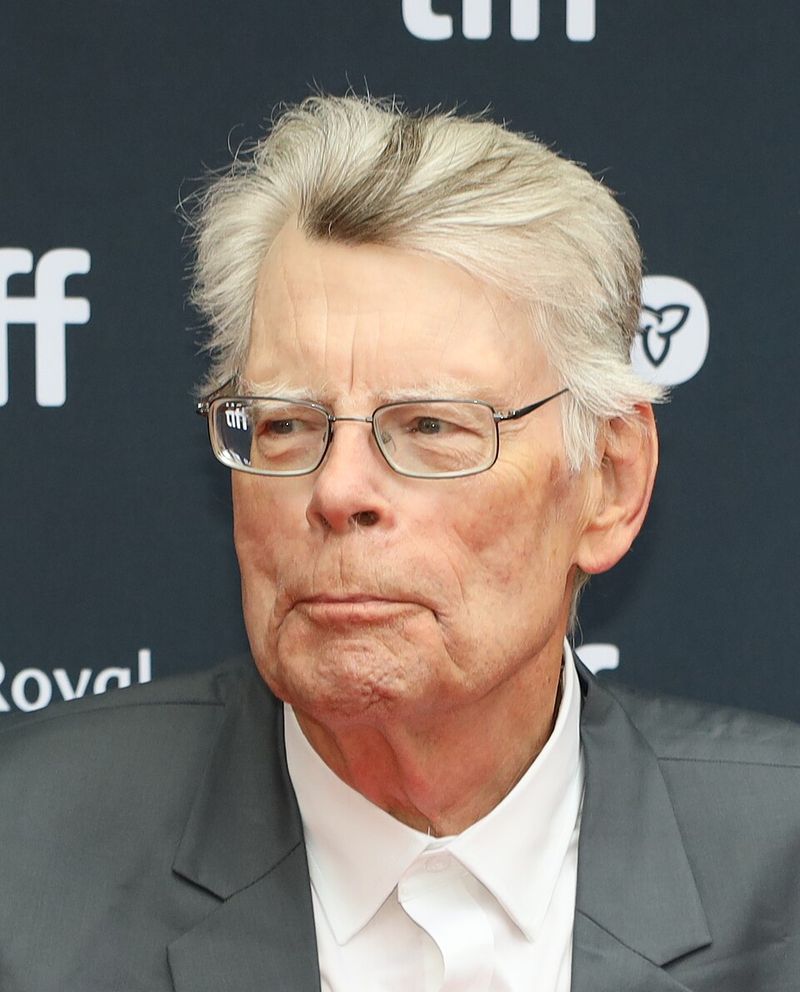
Stephen King has sold over 350 million books worldwide, making him arguably the most widely read author alive. So it is both hilarious and fascinating that his books keep landing on banned lists.
Titles like CarrieThe ShiningIt, , and have been challenged for graphic violence and supernatural content.
King himself has been a vocal critic of book banning, calling it intellectually cowardly. Horror fiction forces readers to confront fear in a safe space, which is actually one of the healthiest things storytelling can do.
If a book keeps you up at night, maybe it was just doing its job exceptionally well.