7 Little-Known Italian Desserts Worth Traveling For
Most people picture Italian desserts and immediately think of tiramisù or cannoli, yet Italy’s sweet side runs far deeper. Across the country, every region guards its own signature creations, shaped by local ingredients, time honored techniques, and recipes passed down like treasured secrets.
Sardinia leans into bold contrasts, pairing rich cheese with delicate pastry in a way that feels both rustic and indulgent. In Mantua, almond cakes bring a crumbly texture and deep flavor that speaks to centuries of baking tradition.
Rome keeps things playful, filling soft buns with cream and treating dessert as a morning ritual. These sweets reflect more than flavor.
They carry history, culture, and a sense of place in every bite. Each recipe tells a story, from coastal kitchens to mountain villages, where ingredients are chosen with care and methods remain unchanged through generations.
Exploring these lesser known desserts feels like unlocking a hidden map of Italy, one spoonful at a time. Share a favorite Italian treat and see which hidden gems others are ready to discover next.
1. Torta Caprese
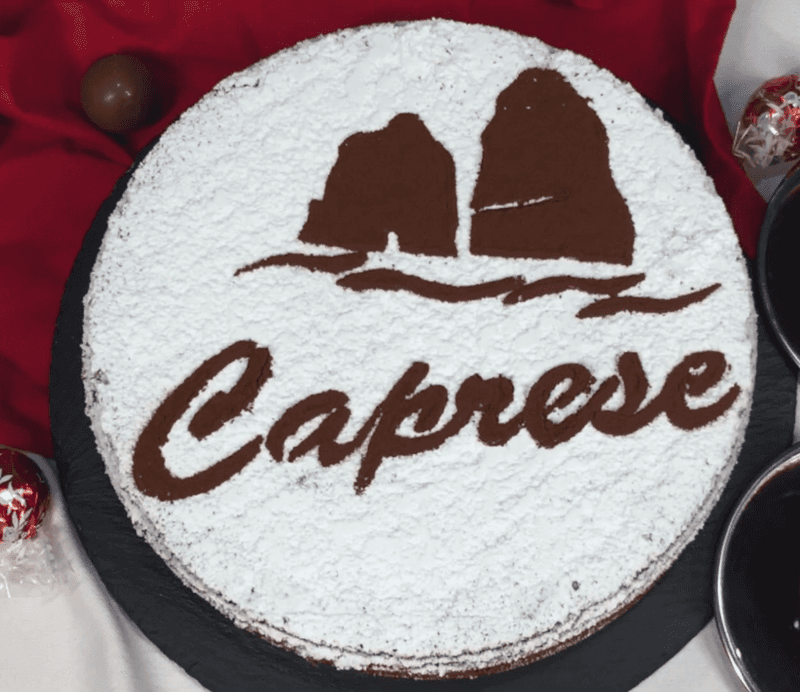
Born on the sun-drenched island of Capri, off the coast of Naples, Torta Caprese is proof that sometimes forgetting an ingredient is culinary genius. Legend says a baker accidentally left out the flour, and instead of disaster, he created magic.
Ground almonds and dark chocolate come together in a dense, fudgy cake that stays moist for days. No flour needed, no apologies offered.
How often does a mistake taste this incredible? Naturally gluten-free before gluten-free was even a trend, Torta Caprese is a bold, nutty, chocolate-forward dessert worth every single calorie.
2. Zuppa Inglese
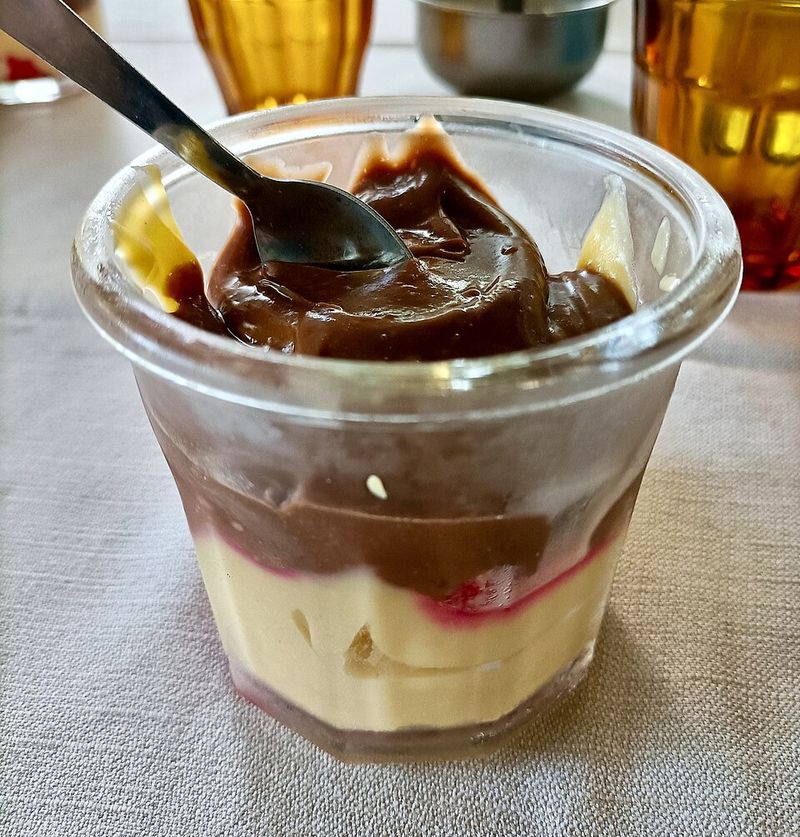
Despite the name translating to “English Soup,” absolutely nothing about Zuppa Inglese is soupy or English. Italians borrowed the concept of layered trifle and made it dramatically better.
Sponge cake soaked in Alkermes, a bright red Italian liqueur, alternates beautifully between layers of vanilla and chocolate custard. The result looks like a sunset trapped in a bowl.
Popular across Emilia-Romagna and Tuscany, Zuppa Inglese dates back to Renaissance banquets where impressing guests was basically a competitive sport. If dessert had a drama major, it would absolutely be Zuppa Inglese.
3. Bonet
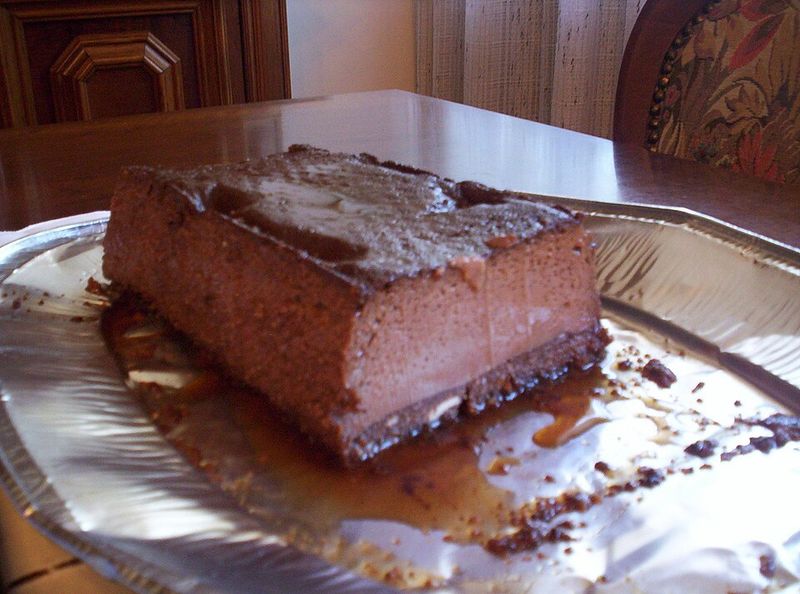
Straight out of Piedmont in northern Italy, Bonet is the brooding, sophisticated cousin nobody talks about at the dessert table. Rich, dark, and impossibly silky, it is a baked chocolate custard studded throughout with crushed amaretti biscuits.
Amaretti adds a satisfying crunch and almond flavor hiding inside every spoonful. The name likely comes from the Piedmontese word for hat, because it was traditionally unmolded upside-down, wearing its caramel crown proudly.
Served chilled after a long Sunday meal in a Piedmontese farmhouse, Bonet feels like a warm hug disguised as chocolate. Absolutely unmissable.
4. Sbrisolona
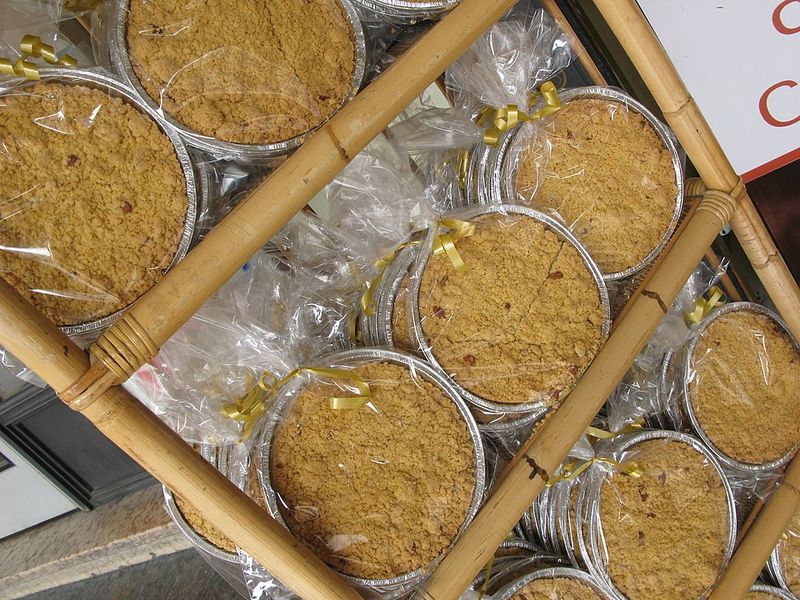
Sbrisolona is basically the rebel of Italian cakes. No neat slices allowed here.
Originating in Mantua in Lombardy, Sbrisolona is meant to be smashed apart by hand at the table, sending golden crumbs flying everywhere.
Made mostly of coarse cornmeal, almonds, butter, and lard, it has a sandy, crumbly texture unlike any other Italian bake. Historically a peasant food, it was once made entirely without eggs to save money.
Now it sits proudly in upscale Mantuan restaurants. How cool is it that a dessert famous for breaking is also one of the most beloved in all of northern Italy?
5. Seadas
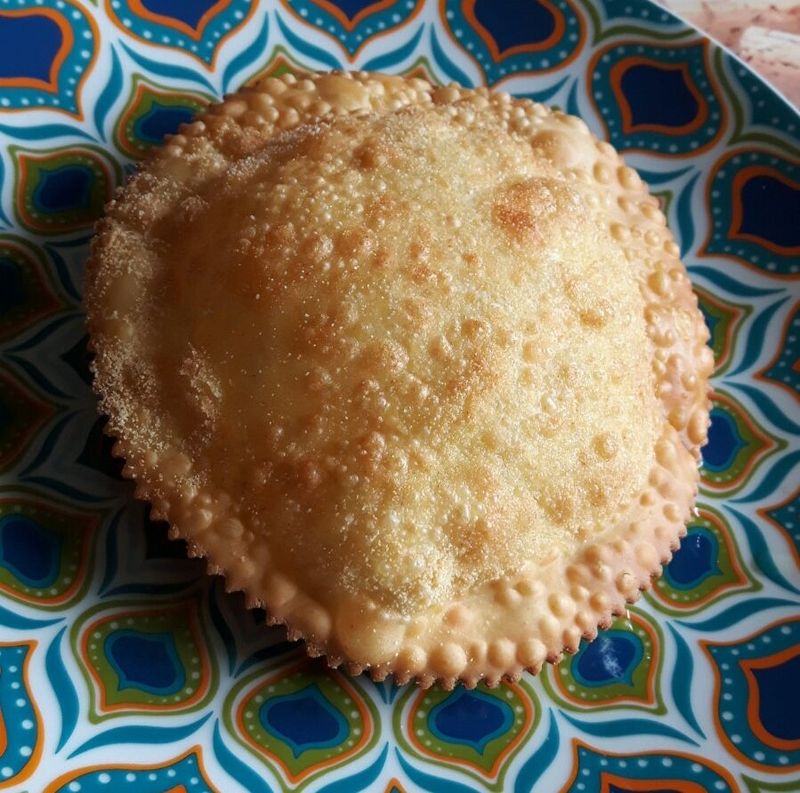
Sweet and savory collide beautifully in Seadas, a Sardinian pastry so unique it practically defies dessert logic. Crispy fried dough wraps around a filling of fresh, slightly tangy pecorino cheese and bright lemon zest.
Once fried to a gorgeous golden color, Seadas gets drizzled generously in local Sardinian honey, often bitter corbezzolo honey, creating a contrast of flavors that sounds wild but tastes absolutely brilliant. Sardinian shepherds historically carried Seadas as portable, energy-rich food during long days in the fields.
Finding the best Seadas in Sardinia is a delicious mission worth accepting, no spy skills required.
6. Maritozzi
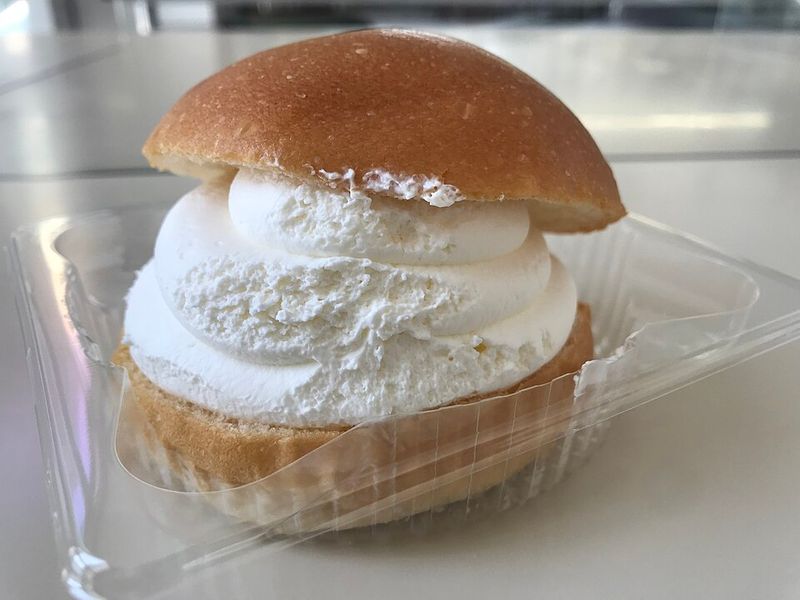
Rome does breakfast differently, and Maritozzi is the glorious proof. Soft, slightly sweet brioche-style buns get sliced open and stuffed so full of whipped cream it almost spills over the sides.
Almost.
Bakeries across Rome sell Maritozzi every morning alongside espresso, and locals eat them standing at the bar like it is the most normal thing in the world, because in Rome, it absolutely is. The name possibly comes from the Italian word for husband, maritto, since young men once gifted these cream-filled buns to sweethearts on Valentine’s Day.
Romantic, delicious, and dangerously easy to eat three in a row.
7. Torta della Nonna
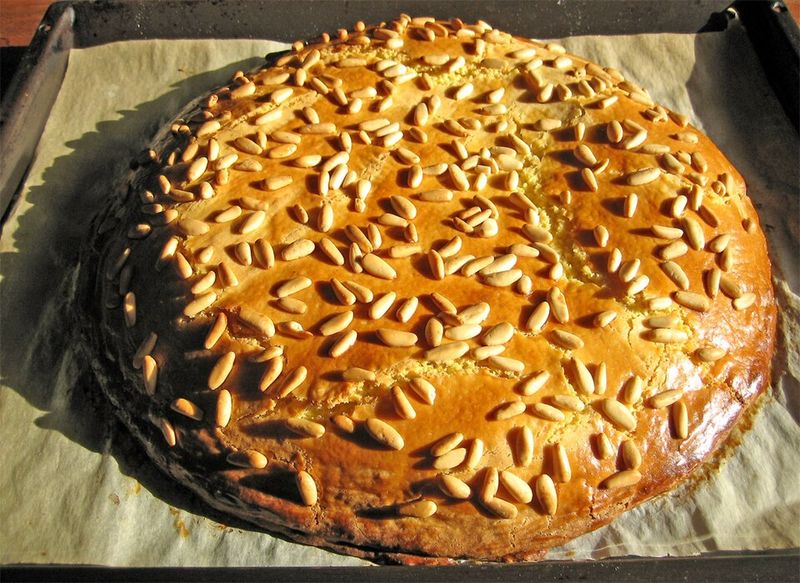
Every bite of Torta della Nonna tastes like a Sunday afternoon at an Italian grandmother’s house, even if you have never been to one. Translating directly to Grandmother’s Cake, this Tuscan tart is comfort food wearing a fancy hat.
A buttery shortcrust pastry cradles a thick, vanilla-scented custard cream, all topped beautifully pine nuts and a snowfall of powdered sugar. Simple, honest, and deeply satisfying, Torta della Nonna became a restaurant staple across Tuscany in the 1970s.
However, home-baked versions still reign supreme. If a dessert could give you a hug, Torta della Nonna would absolutely be first in line.