Little-Known Stories From The Making Of Seinfeld
Lean in a little, no, closer. The barista cannot hear this.
Everyone calls Seinfeld the show about nothing, but trust me, plenty was happening behind the scenes. Naming mix-ups, last-minute rewrites, production chaos that almost changed everything.
Anyway, sip slowly, because once you hear how close Seinfeld came to looking completely different, you might start watching those reruns with very suspicious eyes.
1. The Pilot Had Another Name

Early drafts and early marketing used a title far different from the one that later became famous.
NBC originally aired the 1989 pilot as “The Seinfeld Chronicles,” a name that felt closer to a documentary than a comedy about everyday absurdity.
Network executives later trimmed away “Chronicles” when ordering additional episodes. Shorter title stuck, transforming an awkward phrase into a household name and illustrating how simplicity can reshape history.
2. The Pilot’s Exact Filming Date
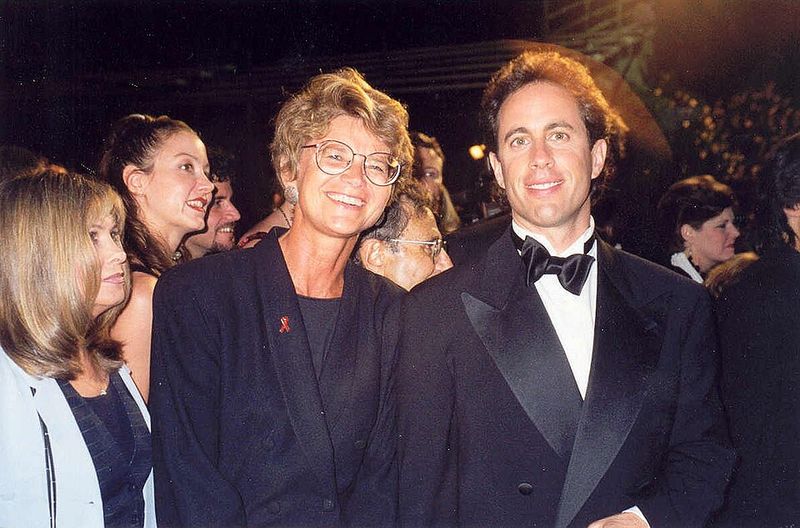
Filmed on April 27, 1989, in front of a live studio audience, the pilot debuted on July 5, 1989. The pilot episode was filmed as a pilot shoot in late April 1989, with cameras rolling and executives holding their breath.
Years later, cast members would joke about how ordinary that week felt. Nobody ordered champagne or predicted nine seasons of brilliance.
3. The Diner Set Was Repurposed
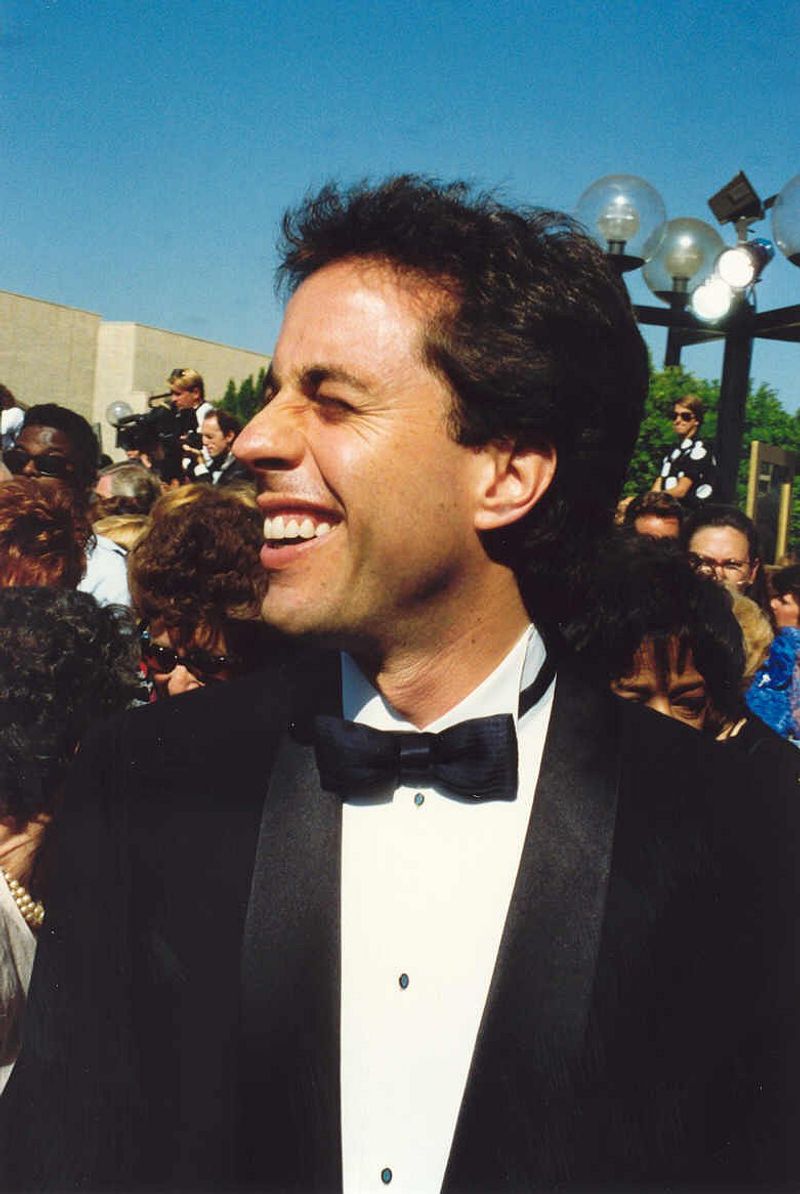
Beloved booth at Monk’s Café began as something entirely different. Production designers did not construct that familiar diner from scratch.
Instead, crew members repurposed an existing restaurant set from another series and transformed it with fresh details. New paint covered the walls, signage shifted, and tables found new positions.
Resourceful thinking turned recycled wood and vinyl into television real estate worth millions, a case of making lemonade from a set left behind.
4. Kramer Was “Kessler” First
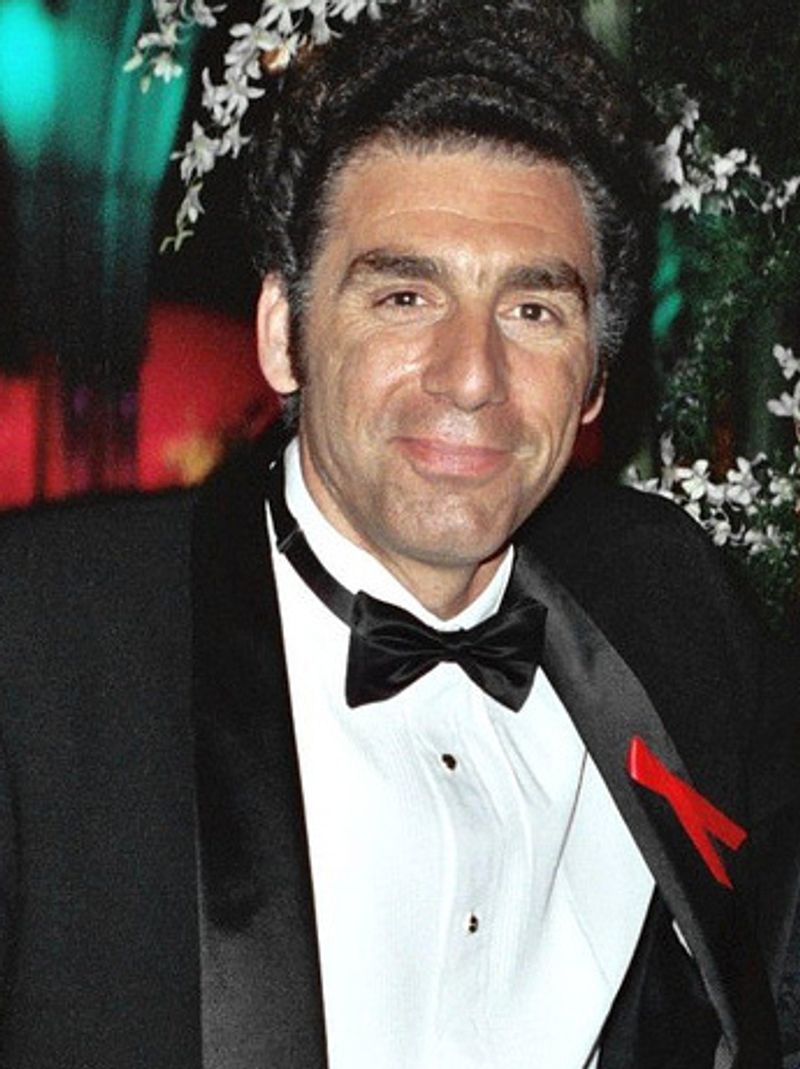
Sliding through Jerry’s door with wild hair and wilder ideas almost happened under a completely different name.
The pilot introduced the neighbor as Kessler, not Kramer. Kramer is ‘Kessler’ in the pilot; later accounts say the change to ‘Kramer’ came after securing the right to use the real-life inspiration’s surname.
Imagine shouting “Kessler!” instead. It just doesn’t have the same ring, does it?
That single syllable swap created one of television’s most recognizable character names.
5. George Was Larry’s Stand-In
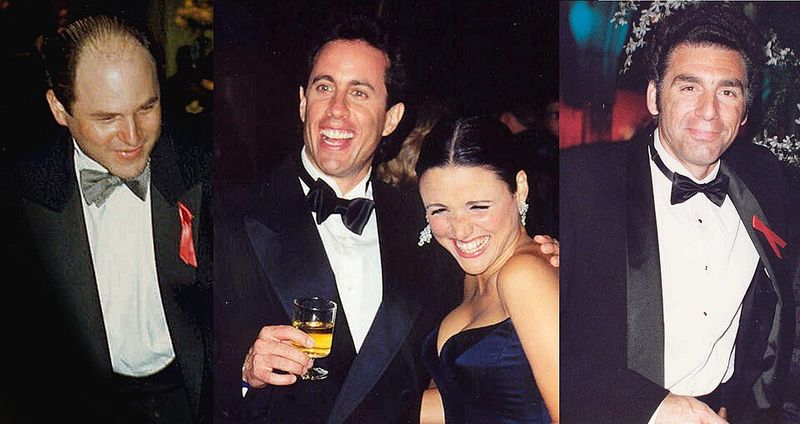
Performance went beyond simple portrayal. Jason Alexander channeled Larry David’s anxieties, insecurities, and uncanny talent for turning small inconveniences into towering disasters.
Co-creator David later acknowledged that George served as his on-screen alter ego, shaped by genuine stories drawn from misadventures in dating and professional life.
Many of George’s spectacular meltdowns traced directly back to episodes from David’s own experiences.
Few examples of art imitating life feel quite so pointed or uncomfortably precise.
6. Elaine Was Added After The Pilot

The pilot aired without Elaine Benes, leaving three guys and a waitress.
Network executives watched the test screening and immediately spotted the problem. Without a core female lead, the dynamic felt narrower, and NBC pushed for a stronger balance in the ensemble.
Julia Louis-Dreyfus joined the cast when NBC ordered more episodes, transforming the show’s entire dynamic. Suddenly Jerry had a sparring partner who could match his wit and call out his nonsense.
7. The Pilot Had Different Music
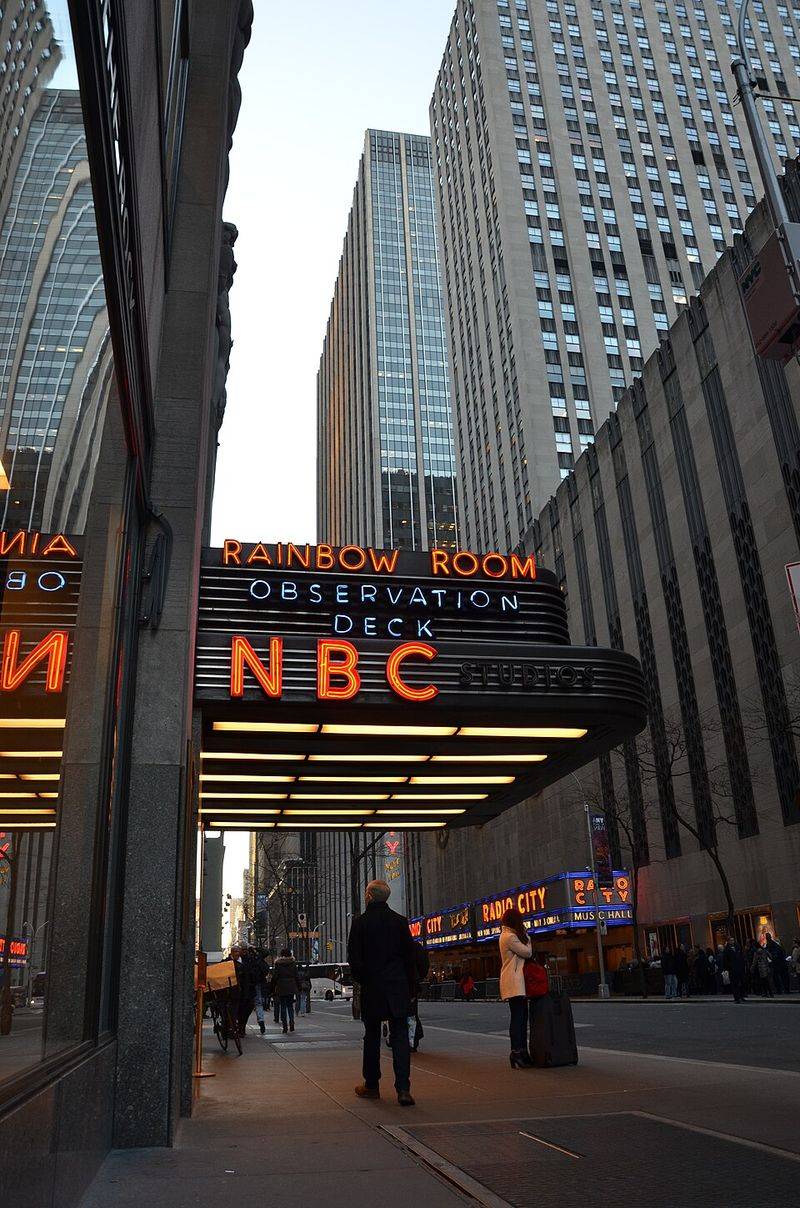
Iconic slap-bass theme nearly never made it to air. Early pilot used entirely different music, a forgettable track that vanished almost as quickly as Kramer borrowing sugar.
Composer Jonathan Wolff later crafted the signature bass line, timing every pluck and pop to match Jerry’s stand-up cadence.
Reruns with generic elevator music would feel strangely hollow. Half the show’s personality might have slipped away before the opening credits even finished.
8. The Theme Matched Jerry’s Cadence

Jonathan Wolff didn’t just write music.
He created a sonic shadow of Jerry’s voice, matching every bass note to the comedian’s speech patterns during those stand-up segments. When Jerry paused, the bass paused.
When his voice rose, so did the melody. This wasn’t background noise but a musical conversation between performer and composer, turning monologue into duet without anyone singing a single word.
9. NBC Argued Over The Music

Network executives first reacted to that unconventional bass line with visible alarm.
NBC leadership pushed for something safer and more traditional, closer to the familiar sitcom sound filling their Thursday schedule.
Jerry Seinfeld and Larry David resisted, arguing that the offbeat theme reflected the spirit of their series.
Negotiations dragged on for weeks before the network finally relented. What once sounded unusual soon became one of the most recognizable television themes in the world.
10. “The Contest” Survived With Euphemisms
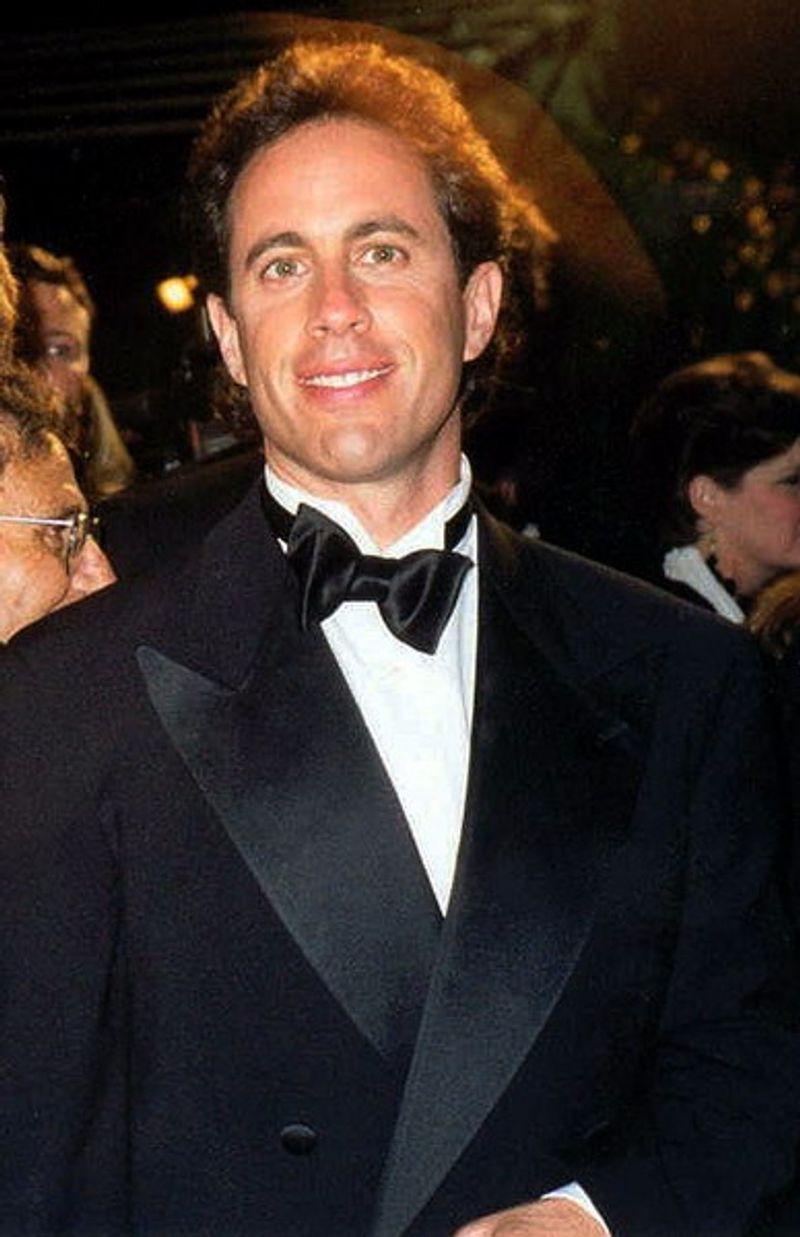
Writing an episode built around personal restraint without saying the actual words required linguistic gymnastics worthy of Olympic gold.
“The Contest” never once used explicit terms, instead dancing around the subject with phrases like “master of my domain.” Network censors scrutinized every line, but the euphemisms slipped past Standards and Practices.
The episode later won an Emmy for its writing, showing how implication can satisfy Standards and still land the joke. Subtlety for the win.
11. Monk’s Exterior Was A Real NYC Diner
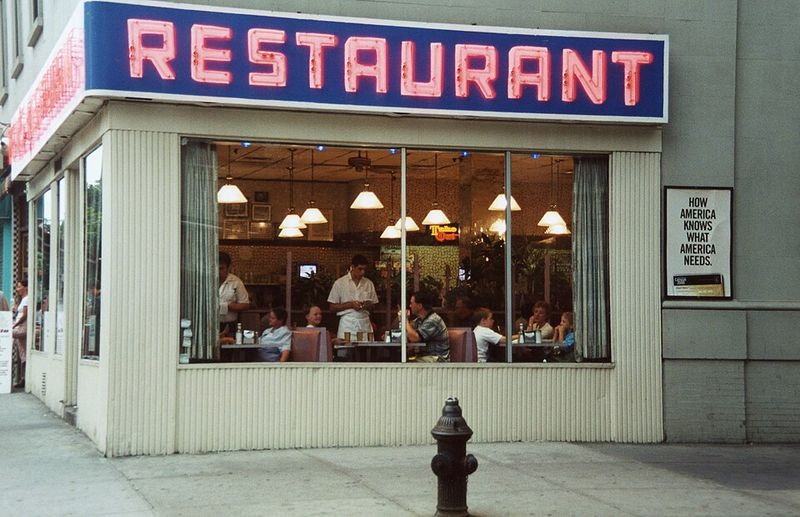
Familiar corner building was never a studio-built Hollywood façade. Exterior shots of Monk’s Café featured Tom’s Restaurant, an actual diner located at 2880 Broadway in Manhattan.
Fans soon treated the spot as a pilgrimage site, gathering on the same stretch of sidewalk where Jerry and friends were meant to sip coffee between neurotic misadventures. Interior bore little resemblance to the television set.
Tourists hardly minded, and simple geography ended up shaping the destiny of one fortunate restaurant owner.
12. The Real Kramer Became A Fixture
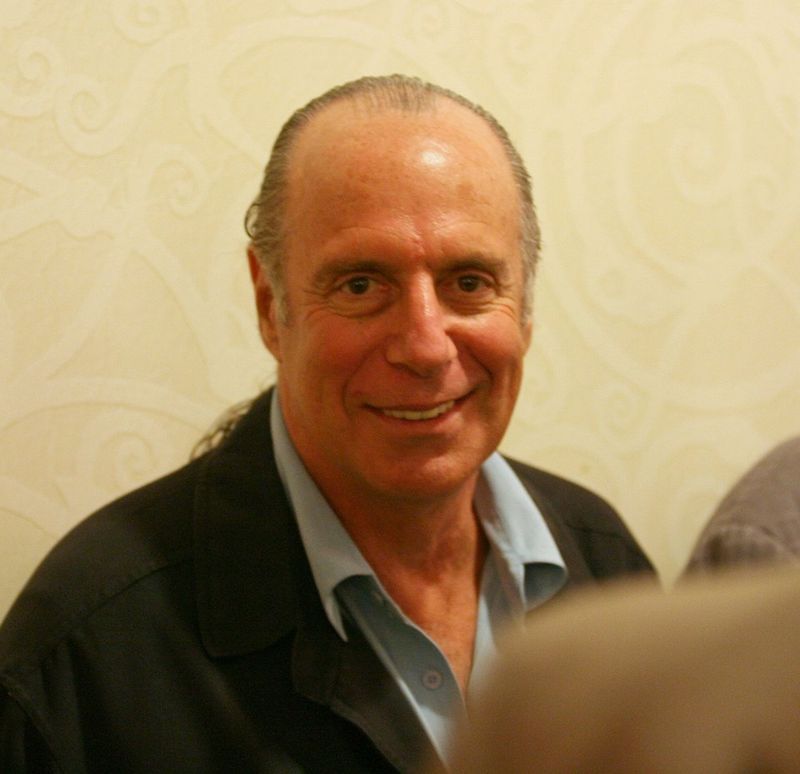
Kenny Kramer didn’t just inspire a character and fade into obscurity.
The real neighbor became a celebrity himself, launching “Kramer’s Reality Tour” in New York City. He’d walk groups around Manhattan, pointing out locations from the show and sharing stories about which plots came from his actual life.
Talk about turning your quirks into a business model. The man monetized his own eccentricity with zero shame and maximum hustle.
Important: This article reflects commonly reported behind-the-scenes anecdotes and production details connected to Seinfeld, drawing on documented pilot information and widely cited interviews and reporting.
Some recollections and “making-of” stories can vary across sources and retellings, so readers should treat non-documented production anecdotes as informational rather than definitive.