10 Looney Tunes Jokes That Fly Right Over Kids’ Heads
Looney Tunes cartoons are full of hidden tricks that adults notice long after childhood. Bugs Bunny’s smirks, Daffy Duck’s frantic antics, and every wild chase hide clever wordplay, cultural nods, and jokes only older eyes catch.
Kids saw slapstick and chaos. Adults saw sly humor layered in every scene.
Some jokes are bold and in-your-face, some hide in props or background details, and a few are cheeky enough to make grown-ups laugh out loud while kids remain clueless. Rewatching classic shorts transforms familiar cartoons into secret treasure hunts. Every blink, every prop, every whispered line could reveal a hidden gem.
Attention unlocks jokes, surprises, and clever references that make childhood favorites feel brand new. Fans returning to these classics find laughter in unexpected places.
Slapstick meets sophistication, chaos meets cleverness, and every frame brims with energy. Old Looney Tunes aren’t just cartoons: they are puzzles, jokes, and delights waiting for sharp eyes to notice.
Ready to see your favorite childhood cartoons in a completely new way? Pay attention closely.
Secrets are hiding everywhere.
1. Bugs Bunny Knows How to Multiply
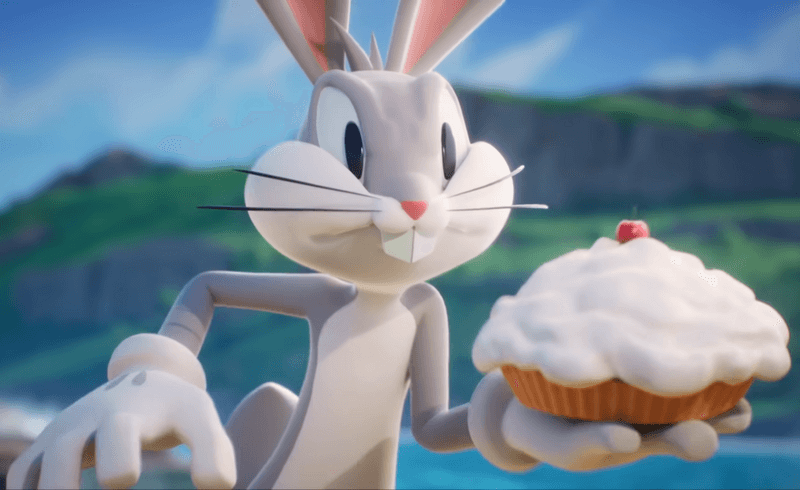
Back in 1959, Bugs Bunny dropped one of the smoothest double-meaning lines in cartoon history. On a hunting game show, he was asked a tricky math question.
Cool as ever, Bugs replied, “One thing we rabbits know how to do is multiply.”
Kids heard a math joke. Adults heard something else entirely, a winking nod to rabbits’ famous reputation for, well, reproducing at record speed.
Clever writers slipped biology class right past the censors.
Honestly, the line works on both levels, which makes it genius. Bugs always played it smart, outsmarting hunters and censors alike without breaking a sweat.
2. Elmer Fudd’s Hat Had a Reaction
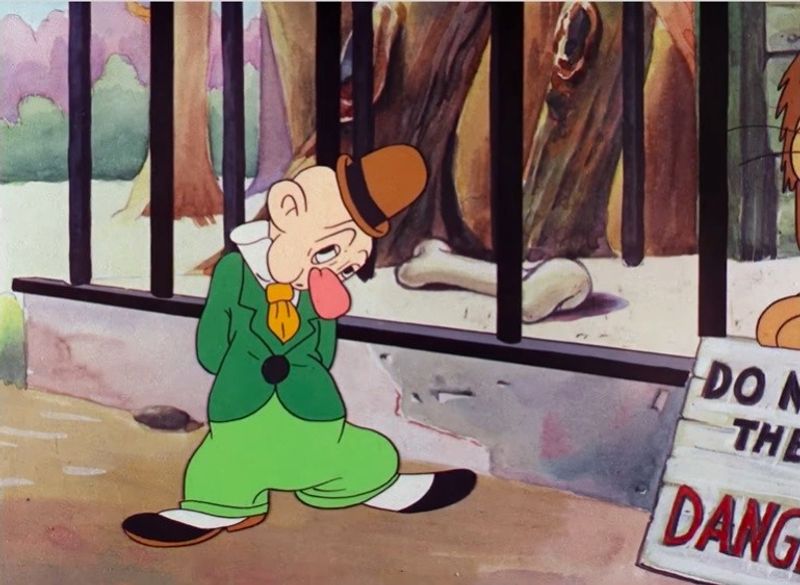
In the 1952 short “Rabbit Seasoning,” Bugs Bunny pulled off one of his sneakiest disguises yet. Dressed as a glamorous lady rabbit, Bugs planted a big kiss right on Elmer Fudd’s unsuspecting lips.
Immediately after, Elmer’s hat shot straight up into the air. Kids laughed at the silly visual gag.
Adults recognized exactly what the animators were suggesting, and it was not a magic trick.
How the censors missed it is honestly impressive. The whole sequence was animated so smoothly and innocently that it slipped past everyone except sharp-eyed grown-ups.
Bugs always knew how to leave an impression.
3. Wile E. Coyote’s Very Awkward Latin Name
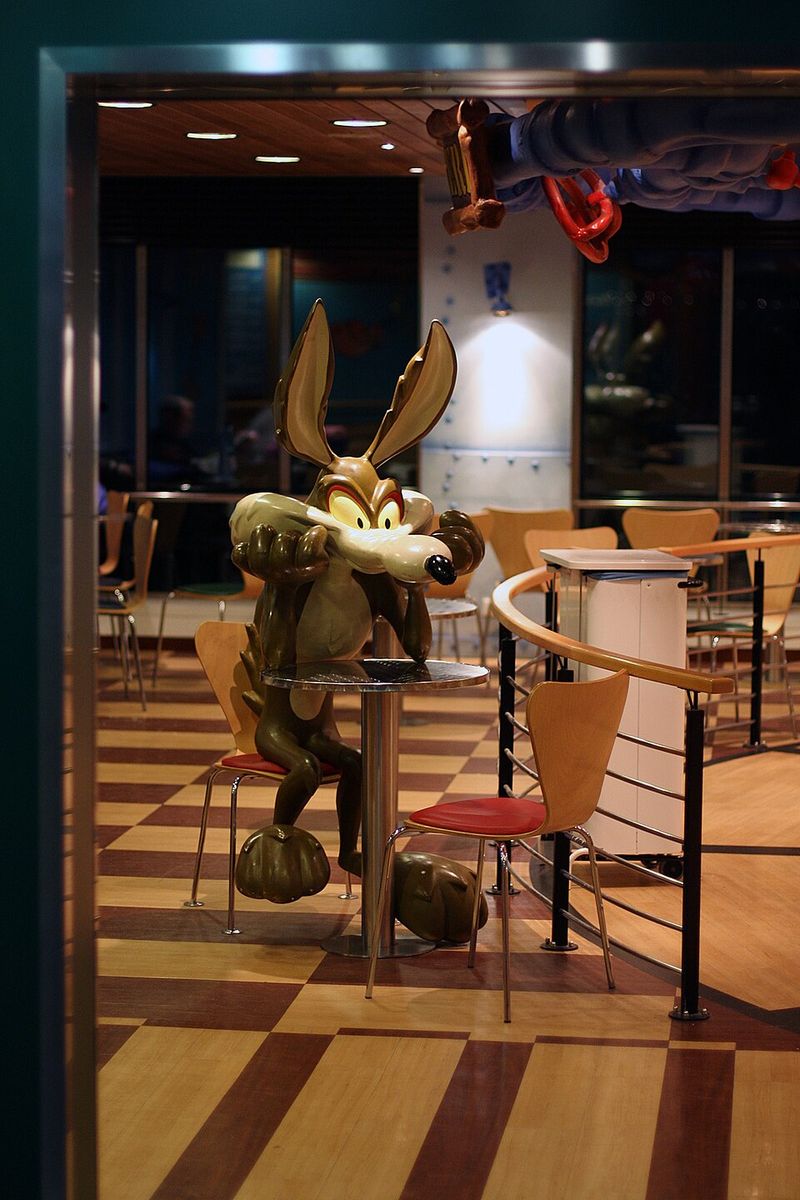
Most cartoon characters do not come complete scientific names, but Wile E. Coyote is not most characters.
In the 1959 short “Wild About Hurry,” his Latin name flashes on screen: Hardheadipus Oedipus.
Kids probably just giggled at the silly-sounding words. However, anyone who studied Greek mythology or classic literature caught the reference immediately.
Oedipus Rex is one of the most famously uncomfortable stories in all of ancient Greek tragedy, involving deeply complicated family relationships.
Slipping a mythology reference into a cartoon about a coyote chasing a roadrunner is peak Looney Tunes energy. Brilliant, absurd, and totally unexpected, just like Wile E. himself.
4. Carrotblanca’s Prison Scene Surprise

“Carrotblanca” from 1995 was Looney Tunes doing a full-on parody of the classic film “Casablanca.” Yosemite Sam, loud and hotheaded as always, ends up tricked into prison during the short.
Once inside, Sam suddenly finds himself face-to-face with an enormous, very affectionate cellmate. The size difference and the cellmate’s obvious interest in Sam hint at a prison relationship joke that flew completely over every child’s head in the room.
Adults watching, however, got the gag loud and clear. It was bold, borderline cheeky, and surprisingly well-hidden inside a cartoon parody.
Just another day of genius mischief at the Looney Tunes studio.
5. Pepe Le Pew Never Takes No for an Answer
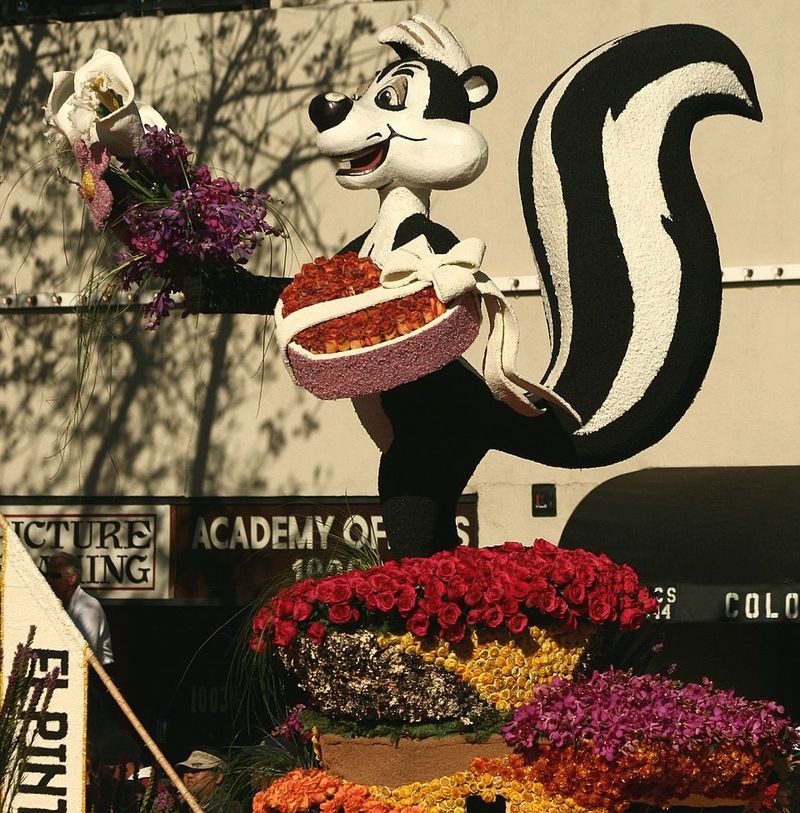
Few cartoon characters are as relentlessly romantic as Pepe Le Pew. Ever since “Odor-able Kitty” in 1945, Pepe has been chasing Penelope the cat across every backdrop imaginable, convinced she adores him.
Penelope, for her part, runs for her life at full speed every single time. She is not playing hard to get.
She genuinely wants nothing to do with him. Kids found the chase hilarious.
Adults recognized a much more uncomfortable message about ignoring someone’s very obvious signals.
Pepe’s romantic persistence reads very differently through grown-up eyes. Looney Tunes somehow turned a skunk’s lack of self-awareness into a surprisingly layered commentary on consent, all wrapped in a French accent.
6. Bugs Bunny Goes Full Drag Queen
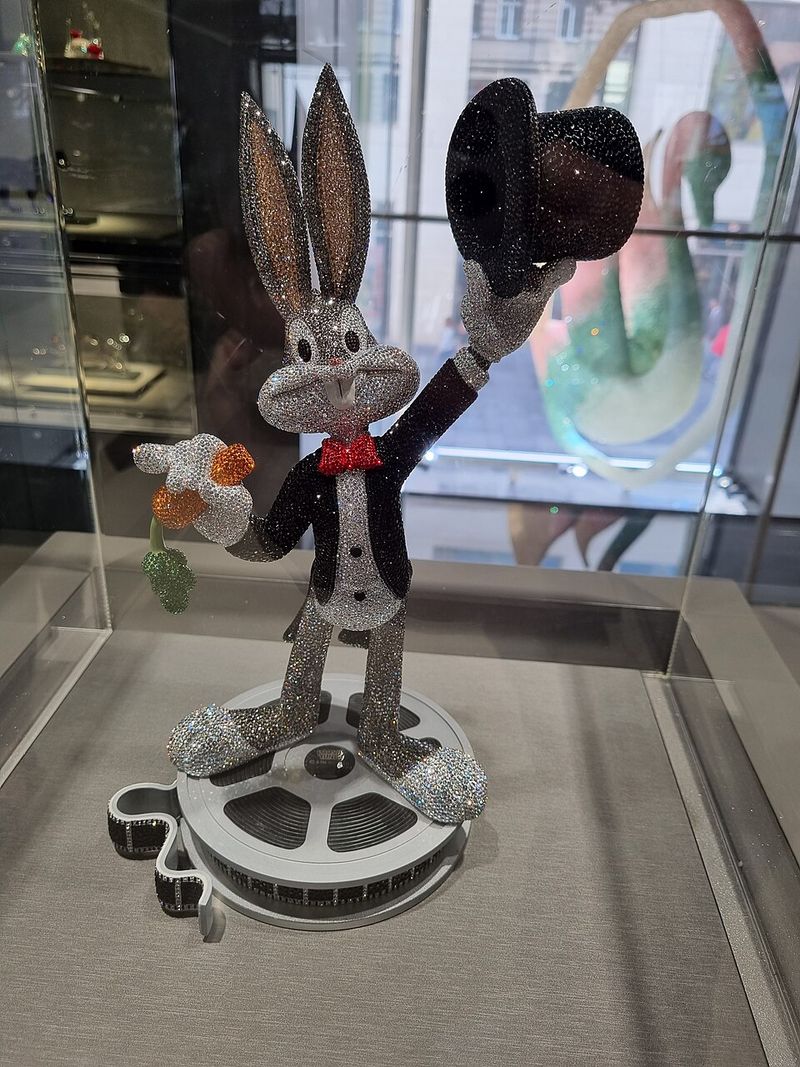
Bugs Bunny spent a remarkable amount of cartoon time dressed in full feminine disguise, complete with wigs, lipstick, fake eyelashes, and dramatic flirting. Kids accepted it as a funny costume gag.
Adults noticed something far more theatrical happening on screen.
Bugs was essentially performing drag, and doing it with total confidence and style. The joke was always that Bugs could fool literally anyone, including Elmer Fudd, Yosemite Sam, and even the audience for a second.
How a mid-century cartoon casually normalized gender-bending performances is genuinely fascinating. Bugs never seemed embarrassed by it either, strutting around like he owned every scene.
Honestly, a cultural icon way ahead of his time.
7. Daffy Duck’s Unemployment Commentary
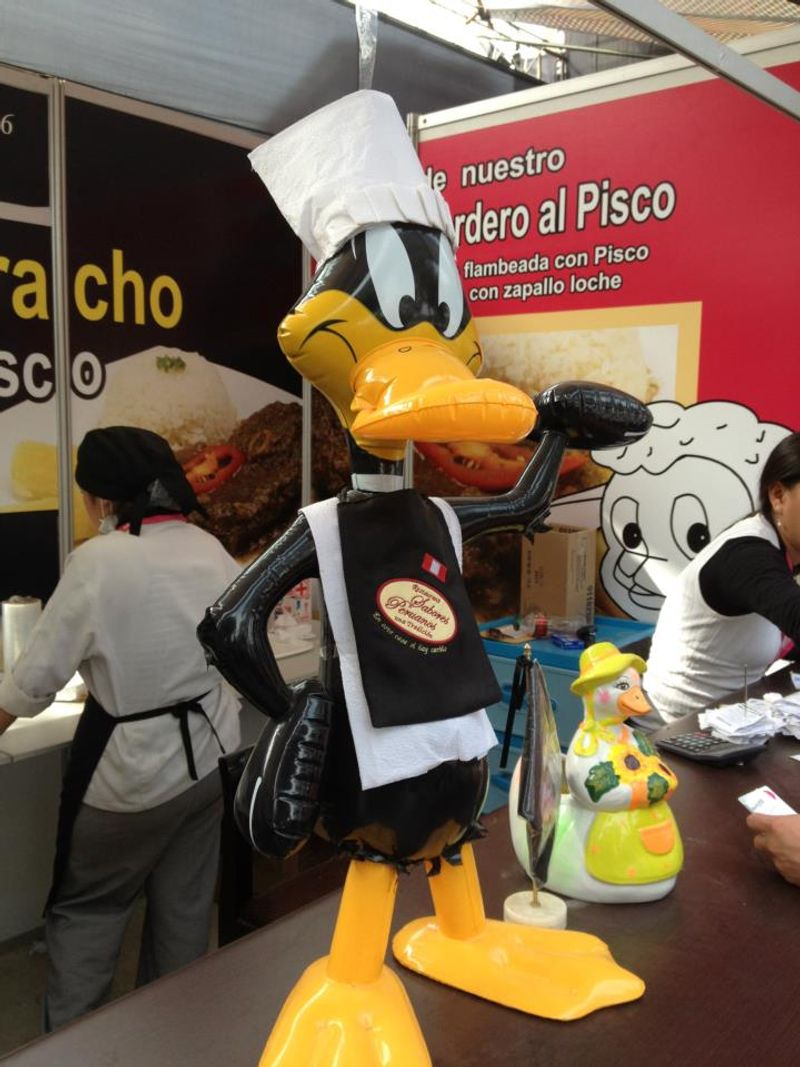
Daffy Duck’s whole career arc is basically one long comedy about workplace insecurity. Constantly upstaged by Bugs, frequently fired, perpetually frustrated, Daffy was basically living every adult’s worst Monday morning nightmare on repeat.
Kids saw a grumpy duck losing to a rabbit. Adults saw a deeply relatable portrait of professional jealousy and career anxiety dressed up in cartoon feathers.
Some of Daffy’s breakdowns hit surprisingly close to home for anyone who has ever felt overlooked at work.
“Pronoun Trouble” from 1953 even plays like a workplace argument about contracts and credit. Daffy’s existential fury was never just comedy.
Sometimes it felt like a cry for help in animated form.
8. The Roadrunner’s Highway Is Full of Physics Jokes
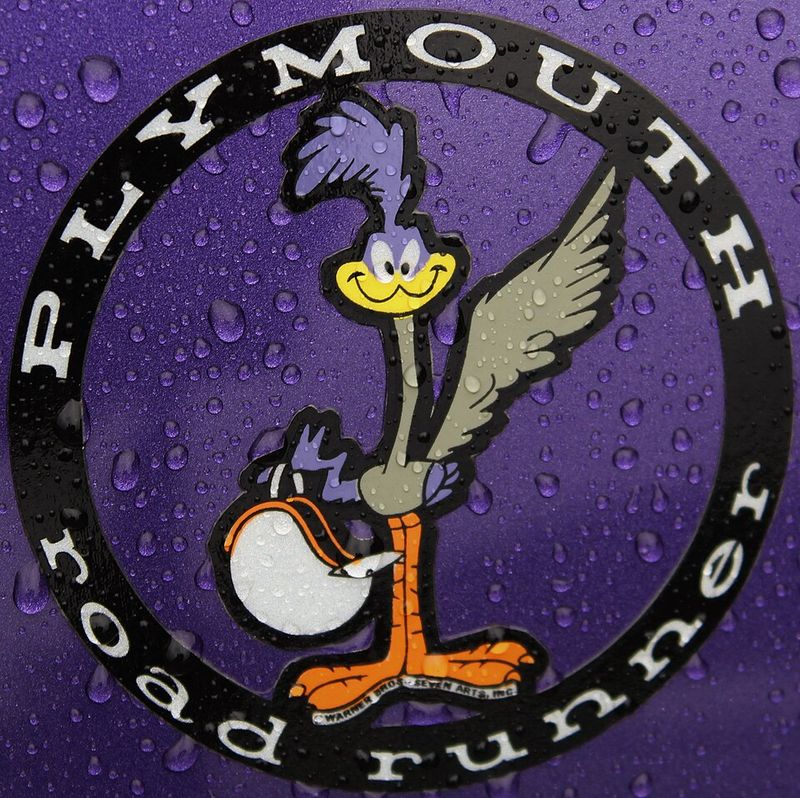
Every Roadrunner cartoon follows the same beautiful formula: Wile E. buys an Acme product, sets an elaborate trap, and physics immediately betrays him in the most spectacular way possible. Kids roared at the falling anvils and cliff drops.
However, sharp adults noticed the cartoons were secretly poking fun at consumer culture and blind brand loyalty. Wile E. keeps buying from Acme despite a 100% failure rate.
Sound familiar? It is basically a satire of advertising and how people keep trusting products no matter how badly they perform.
Chuck Jones and the creative team were sneaking economics and consumerism commentary into a cartoon about a hungry coyote.
9. Speedy Gonzales and the Cultural Tightrope
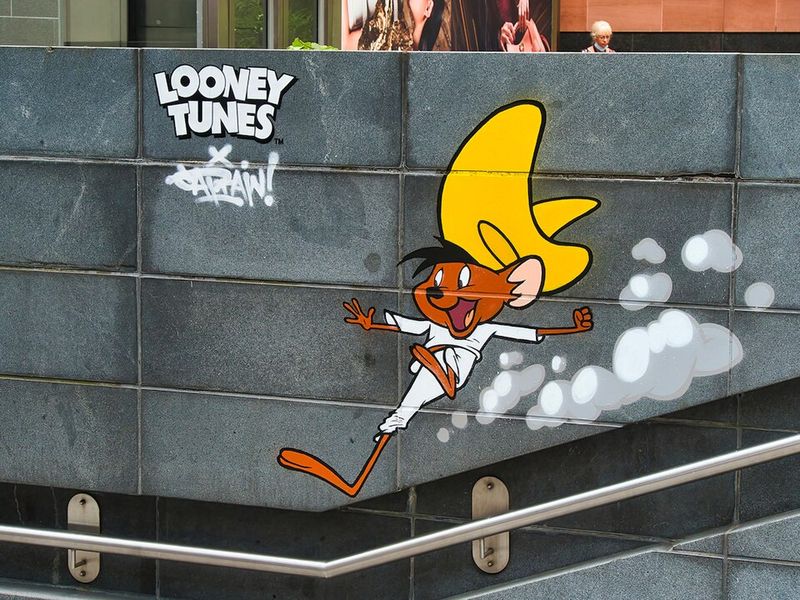
Speedy Gonzales ran faster than any other character in the Looney Tunes universe, and he did it all sporting an oversized sombrero and a thick accent. Kids loved his speed and cheerful energy.
Adults, especially Latino audiences, had more complicated feelings.
Some found Speedy’s portrayal a loving, if exaggerated, celebration of Mexican culture. Others saw stereotyping wrapped in cartoon enthusiasm.
Cartoon Network briefly pulled Speedy off the air in the late 1990s over cultural concerns, only to bring him back after massive fan outcry, particularly from Latin American viewers who adored him.
Few cartoon characters have sparked more genuine cultural conversation. Speedy Gonzales remains a fascinating, layered symbol of how representation in animation has always been messy and meaningful at the same time.
10. Porky Pig’s Stutter Was No Accident
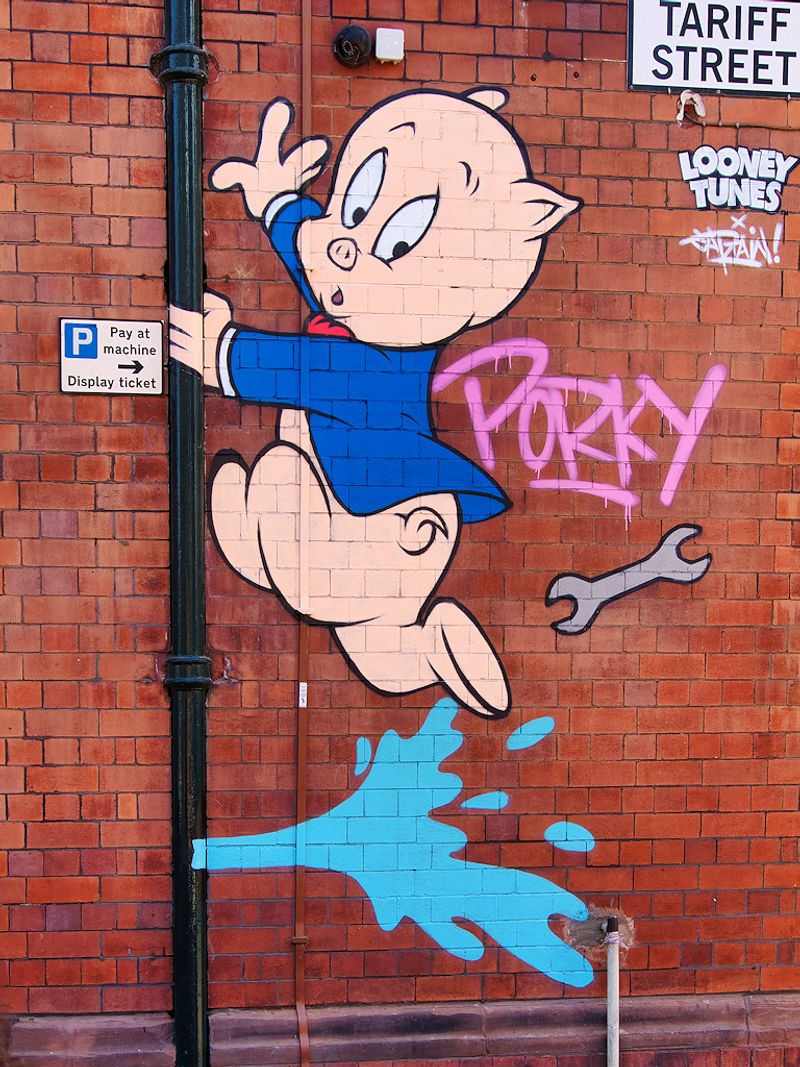
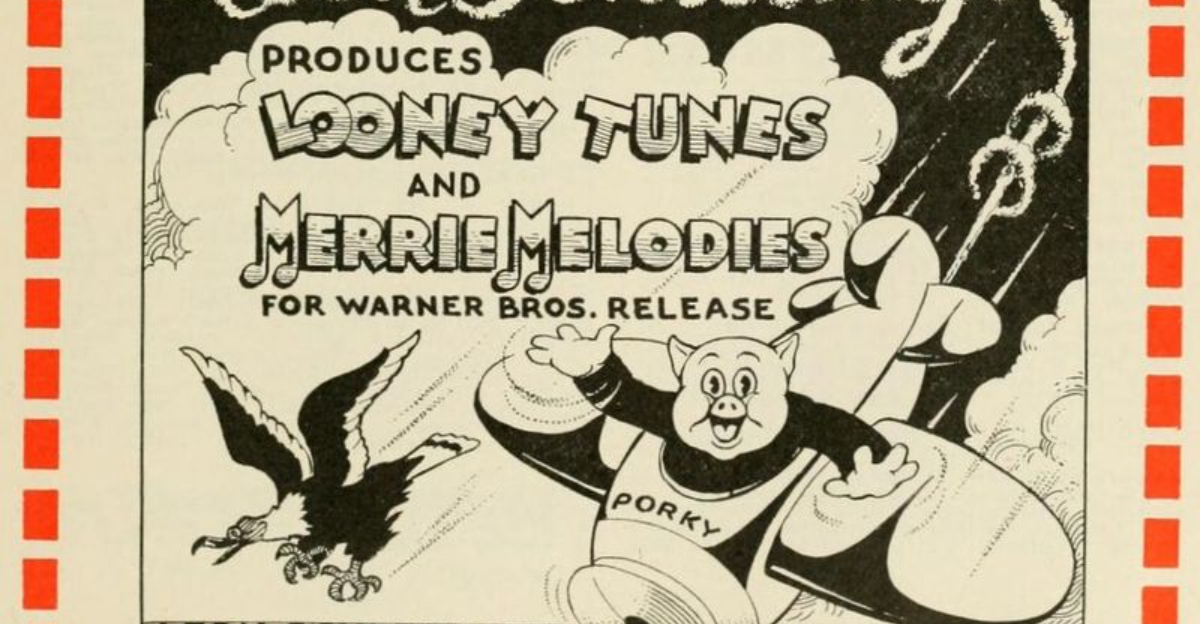
Porky Pig’s famous stutter started as a simple character quirk, but sharp-eyed adults noticed something more deliberate over time. Voice actor Mel Blanc, who voiced Porky for decades, actually had full control over the stutter.
Every stumble was carefully timed for comedic effect.
However, Porky’s stutter also made him a surprisingly sympathetic character in an era when speech differences were rarely shown with any warmth on screen. Kids found him funny and lovable.
Adults recognized a rare moment of mainstream media treating a speech impediment as charming rather than shameful.
Mel Blanc reportedly said Porky was one of his most challenging and rewarding characters. Behind every stuttered “Th-Th-That’s all, folks!” was extraordinary vocal craftsmanship hiding in plain sight.