15 Lost Hollywood Films And Their Wild Stories
Hollywood has always been a world of glamour, drama, and dazzling spectacle, yet not every story survived the passage of time. In the early days of cinema, countless films faded away, lost to fire, decay, or simple neglect.
Some once lit up grand theaters, starring names that drew crowds in droves, only to vanish without a trace. Others carried whispers of scandal, hidden details behind the scenes, and moments that shaped film history in ways that still echo today.
Black and white frames once flickered across silver screens, capturing eras that now feel like distant dreams. Silent stars, dramatic closeups, and early storytelling techniques built the foundation for everything that followed, yet many of those moments slipped into silence.
Film historians continue the search, chasing fragments, reels, and clues in hopes of uncovering pieces of cinema’s forgotten past. Each lost title adds a layer of mystery, turning history into a puzzle waiting to be solved.
The stories behind these vanished films can rival anything that ever made it to the screen. Ready to step into the archives and follow the trail of cinema’s missing reels?
Time to roll the film… if only it could be found.
1. The Story of the Kelly Gang (1906)
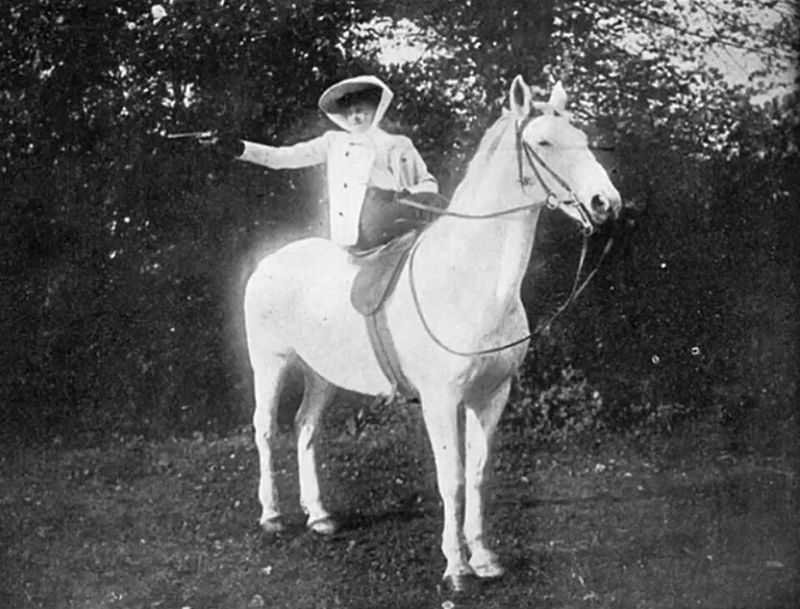
Long before superhero suits were a thing, one Australian outlaw wore homemade iron armor into battle, and a film crew decided to capture every moment of it. Released in 1906, this Australian production about bushranger Ned Kelly is widely considered the world’s first feature-length film.
Running over an hour, it was a massive achievement for its era.
For nearly seven decades, cinephiles assumed it was completely gone. However, fragments were eventually discovered, though much of the original footage remains missing.
How a film so historically important could nearly vanish entirely is one of cinema’s most baffling puzzles.
2. A Daughter of the Gods (1916)
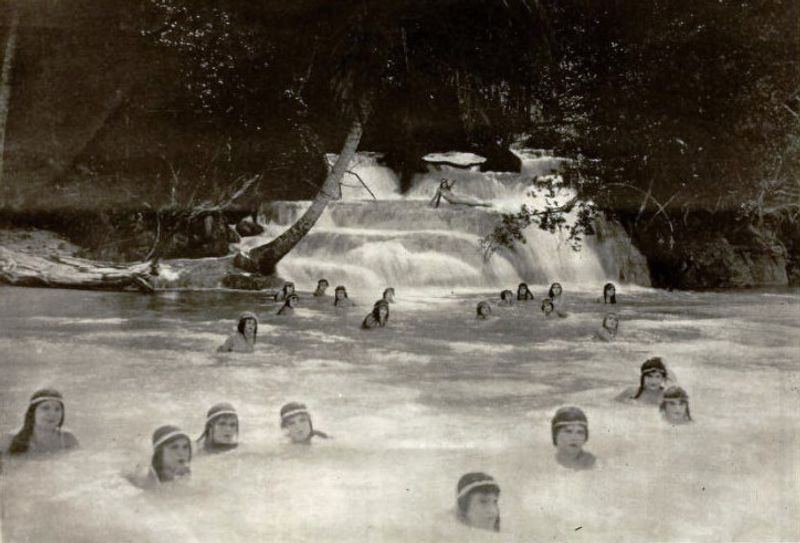
Bold, daring, and absolutely ahead of its time, this 1916 production starring Australian swimmer Annette Kellerman made headlines for all the right and wrong reasons. It featured one of the earliest nude scenes by a major actress in cinema history, which naturally sent shockwaves through polite society at the time.
Fox Film Corporation reportedly spent over one million dollars producing it, making it one of the most expensive silent films ever made. No copies are known to survive.
If a film costing a million dollars in 1916 can disappear completely, honestly, anything is possible in Hollywood.
3. Cleopatra (1917)
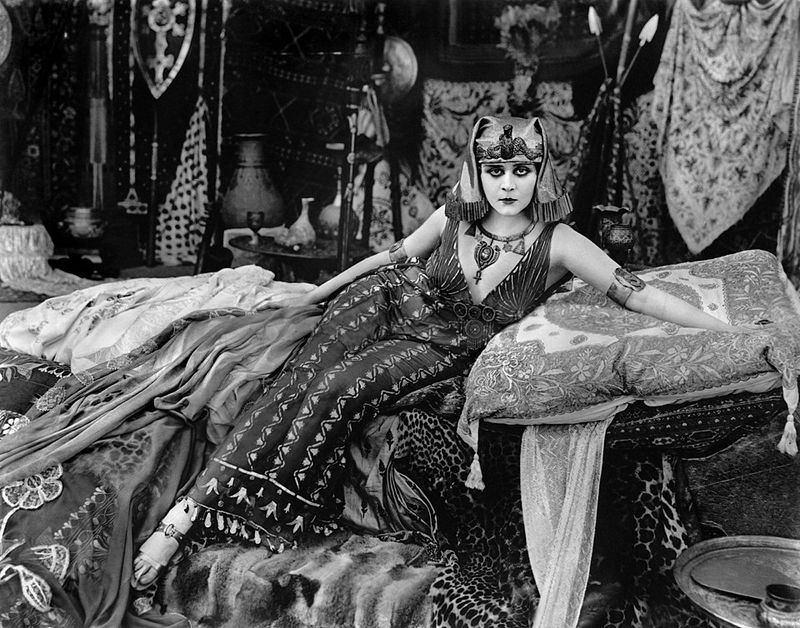
Theda Bara was one of silent Hollywood’s biggest stars, and her portrayal of Cleopatra in 1917 was an absolute sensation at the box office. Audiences packed theaters to watch her electrifying performance, and critics praised the film’s lavish sets and bold storytelling.
It was exactly the kind of epic spectacle that made early Hollywood legendary.
A devastating vault fire at Fox Film Corporation in 1937 destroyed almost all known copies. Only a small handful of frames survived.
Losing an entire performance by one of Hollywood’s first major female stars feels like losing a piece of cinematic DNA forever.
4. Hollywood (1923)
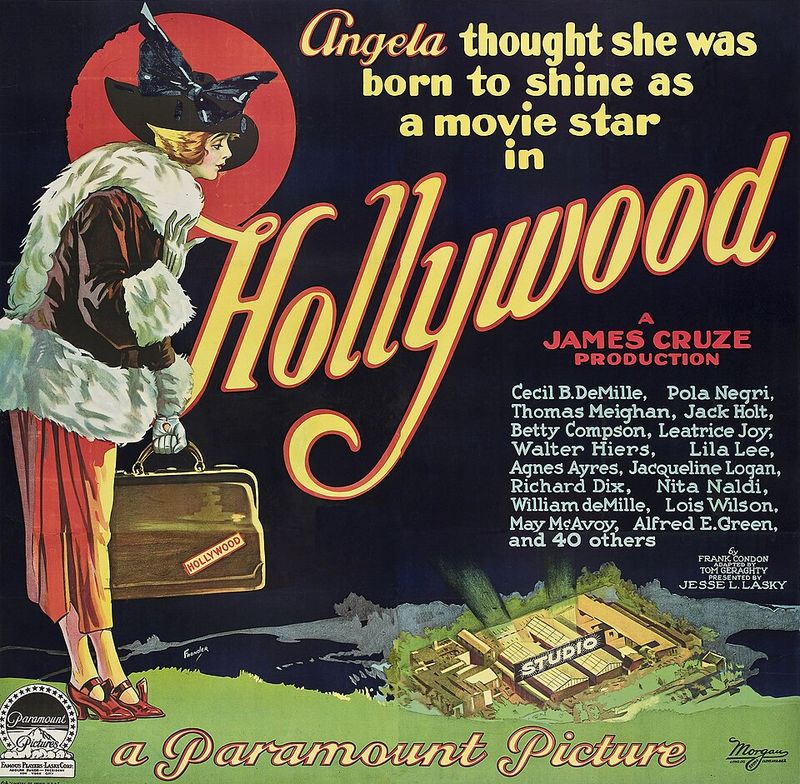
Satire and Hollywood have always had a complicated relationship, and back in 1923, a film simply called Hollywood decided to poke fun at the entire industry from the inside. Critics absolutely loved it, praising its sharp humor and clever jabs at fame-hungry hopefuls flooding into Los Angeles chasing stardom.
Paramount Pictures produced the comedy, and it even featured cameos by real silent-era celebrities, making it a fascinating time capsule of early Tinseltown culture. Sadly, no complete copies exist anymore.
How a critically celebrated film loaded with famous faces could vanish so completely is genuinely mind-boggling, just saying.
5. The Mountain Eagle (1926)
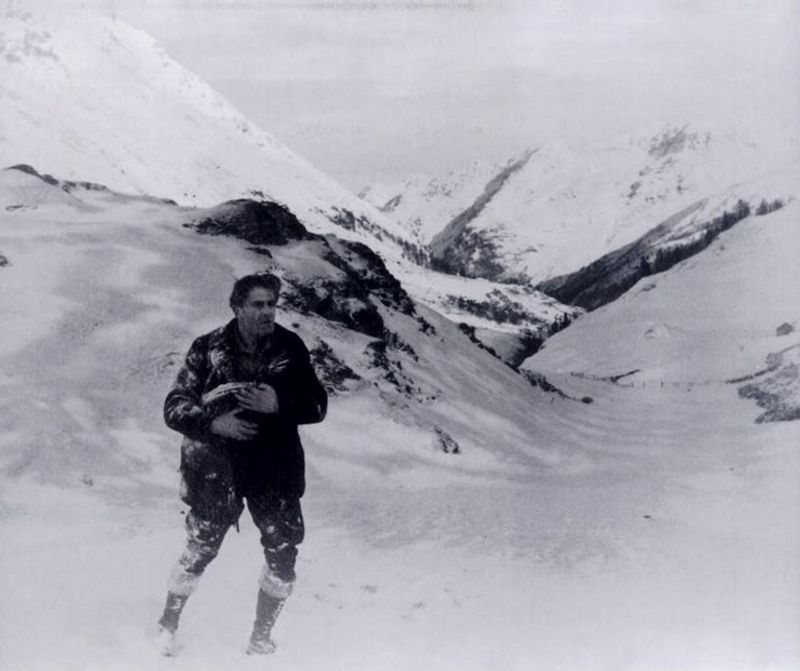
Alfred Hitchcock became one of the greatest directors who ever lived, but even legends have gaps in their story. The Mountain Eagle, his second directorial effort, is a ghost.
No copies have ever been found, making it the only surviving mystery in an otherwise well-documented career. Hitchcock himself reportedly disliked the film, calling it a very bad movie.
Filmed partly in Bavaria and partly in England, the story followed a Kentucky mountain community. Despite Hitchcock’s low opinion of it, film historians desperately want to see it.
Sometimes the films a director hates end up being the most fascinating ones of all.
6. London After Midnight (1927)
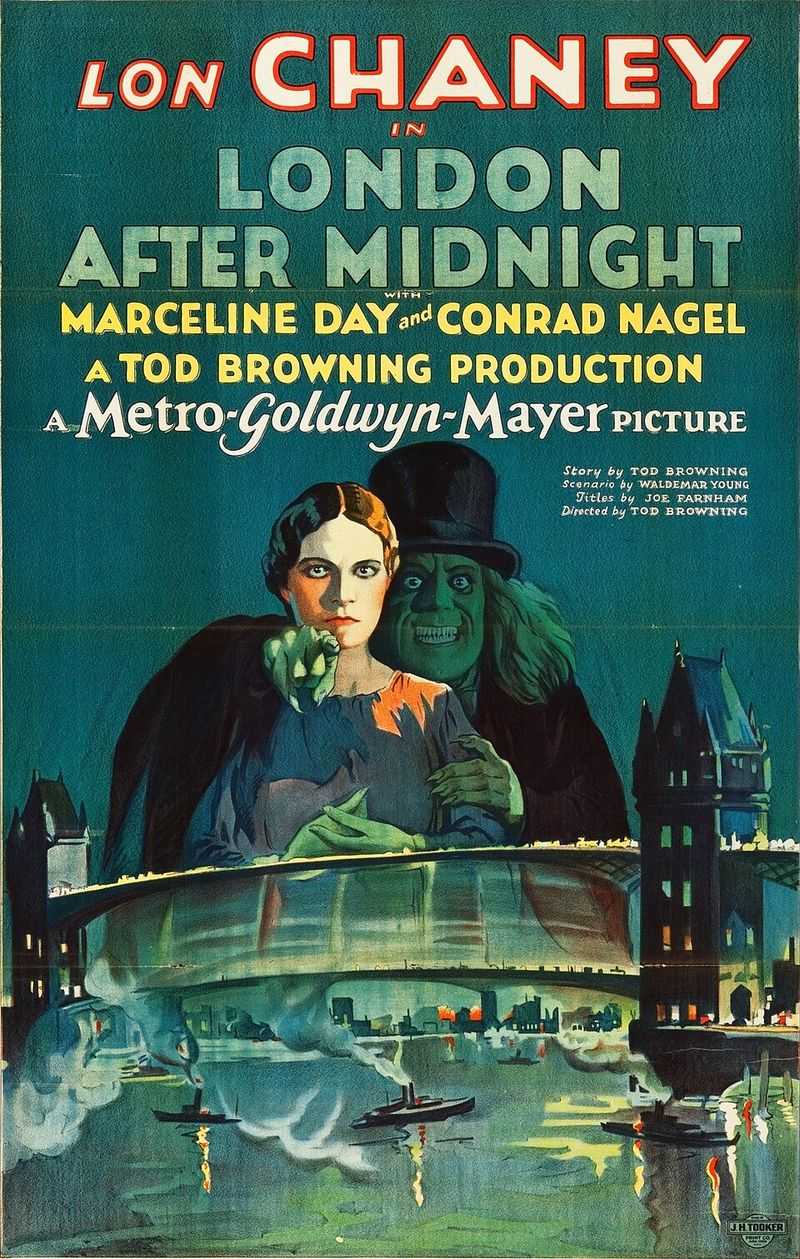
Collectors call it the holy grail of lost films, and honestly, that title fits perfectly. London After Midnight starred the legendary Lon Chaney, a master of physical transformation who created one of silent horror’s most terrifying on-screen characters using wire, bulging eyes, and sharp fake teeth.
Directed by Tod Browning, the film blended mystery and supernatural horror in a way audiences had never experienced.
A 1967 fire at an MGM vault destroyed the last known copy. A photo reconstruction was created in 2002 using surviving stills.
However, nothing replaces actually watching Chaney work his spine-chilling magic in motion.
7. The Cat Creeps (1930)
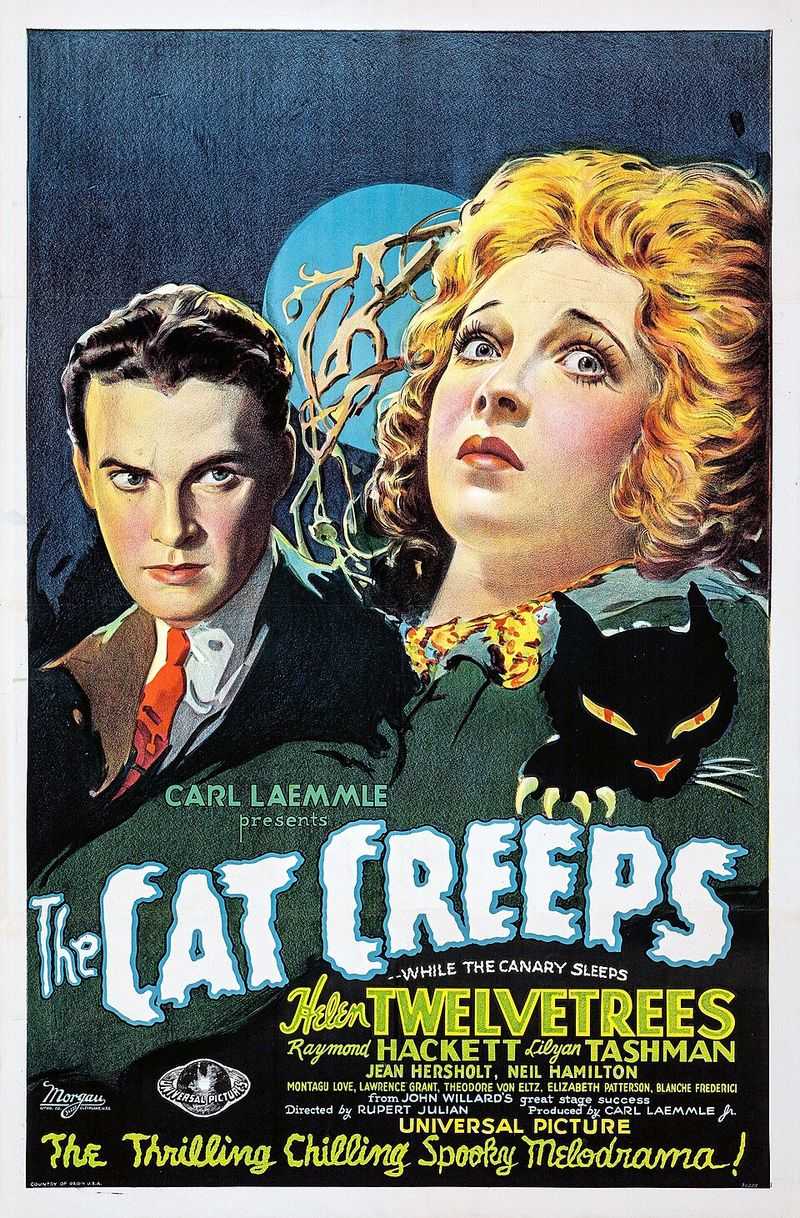
Universal Pictures built its monster movie empire on films exactly like this one. Released in 1930, The Cat Creeps was one of Universal’s early sound horror films, adapted from a popular stage play that had already frightened people across the country.
Sound technology was still brand new, making every creak and whisper even more terrifying for moviegoers.
Almost all of the original footage is gone. The only surviving clips appear inside a 1932 short comedy called Boo!, where scenes were repurposed for laughs.
It is a strange fate for a horror film to survive only as a punchline inside someone else’s comedy short.
8. The Conqueror (1956)
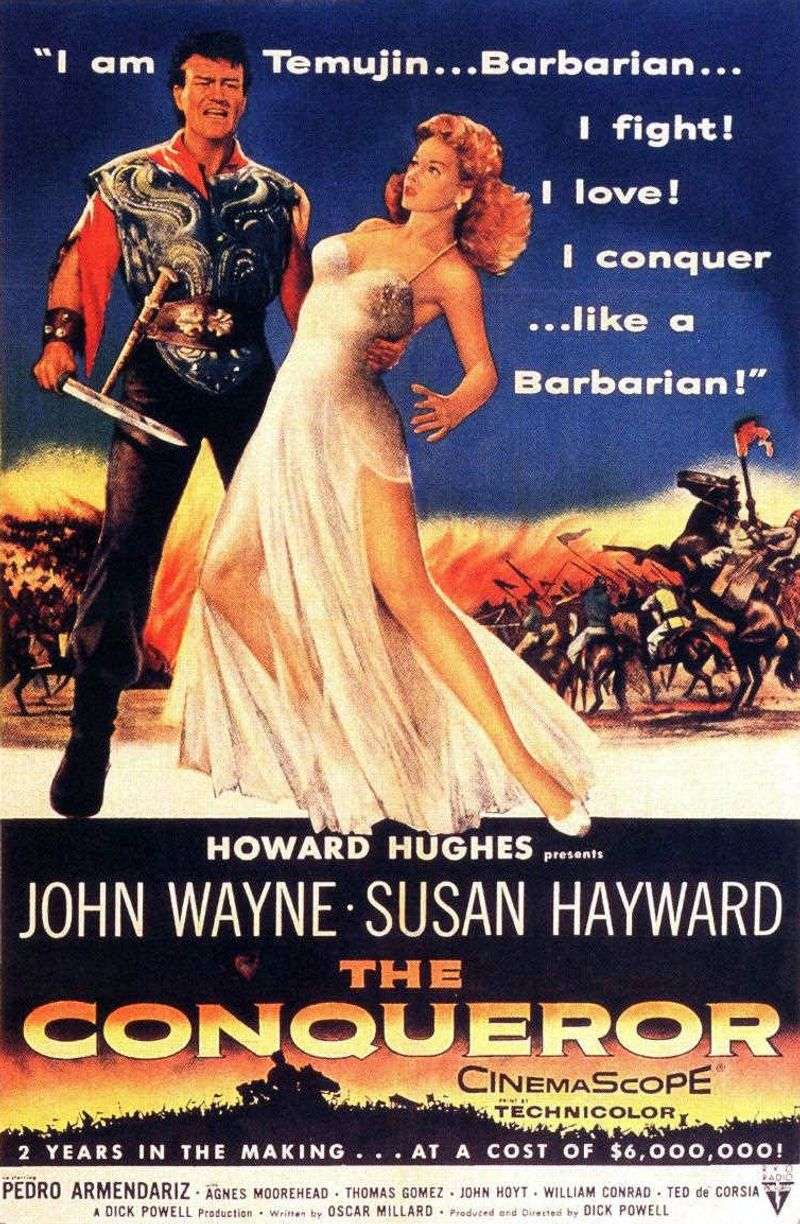
John Wayne playing Genghis Khan sounds like the setup for a comedy sketch, but it was a real movie, and the story behind it is deeply unsettling. Filmed near St. George, Utah, the production site was dangerously close to where the United States government had conducted nuclear weapons tests just years earlier.
Cast and crew spent weeks on location breathing contaminated dust.
Over 90 of the approximately 220 cast and crew members eventually developed cancer. More than half of those individuals passed.
Howard Hughes, who produced the film, reportedly felt so guilty afterward that he bought up every available print and kept it locked away for years.
9. The Gold Rush (1925)
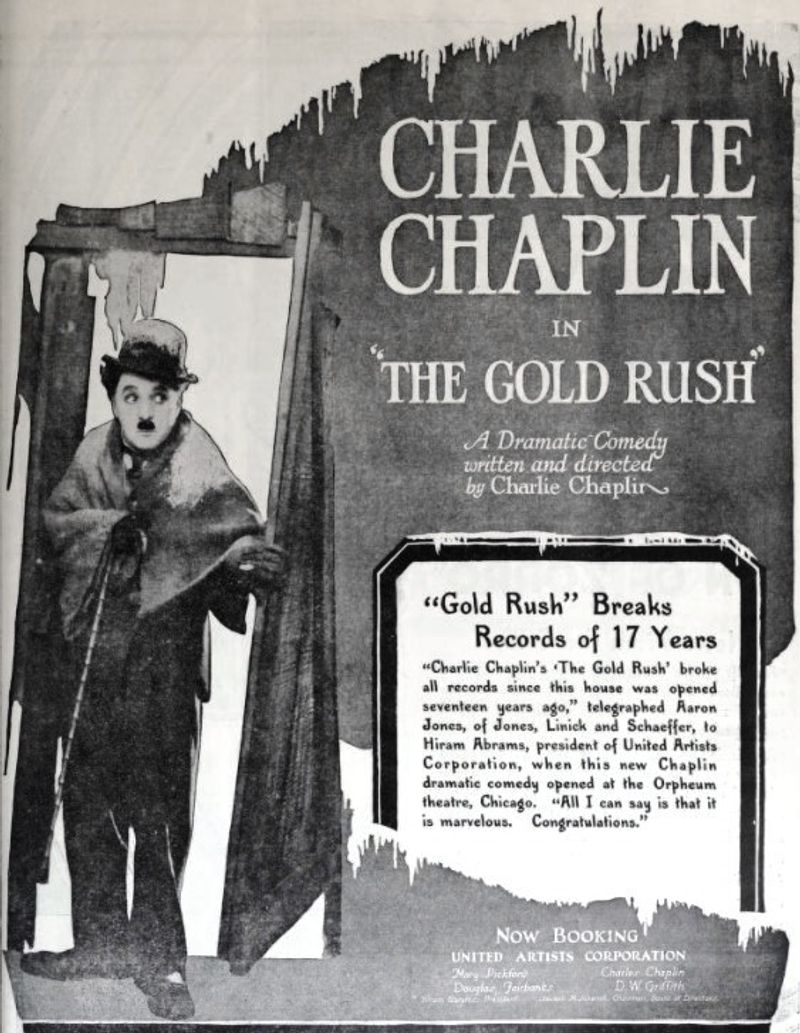
Charlie Chaplin was a perfectionist who once spent 342 takes filming a single scene, so naturally he was not going to let his beloved Gold Rush disappear quietly. Originally released in 1925 as a silent film, Chaplin re-released it in 1942 completely reworked, adding a musical score and his own narration over the original footage.
Ironically, that re-release helped preserve the film when many silent movies were being lost or destroyed. Chaplin’s obsession with controlling his own legacy accidentally saved one of cinema’s most beloved comedies.
Sometimes the most controlling artists end up being the best accidental archivists in history.
10. The Battle of Hearts (1916)
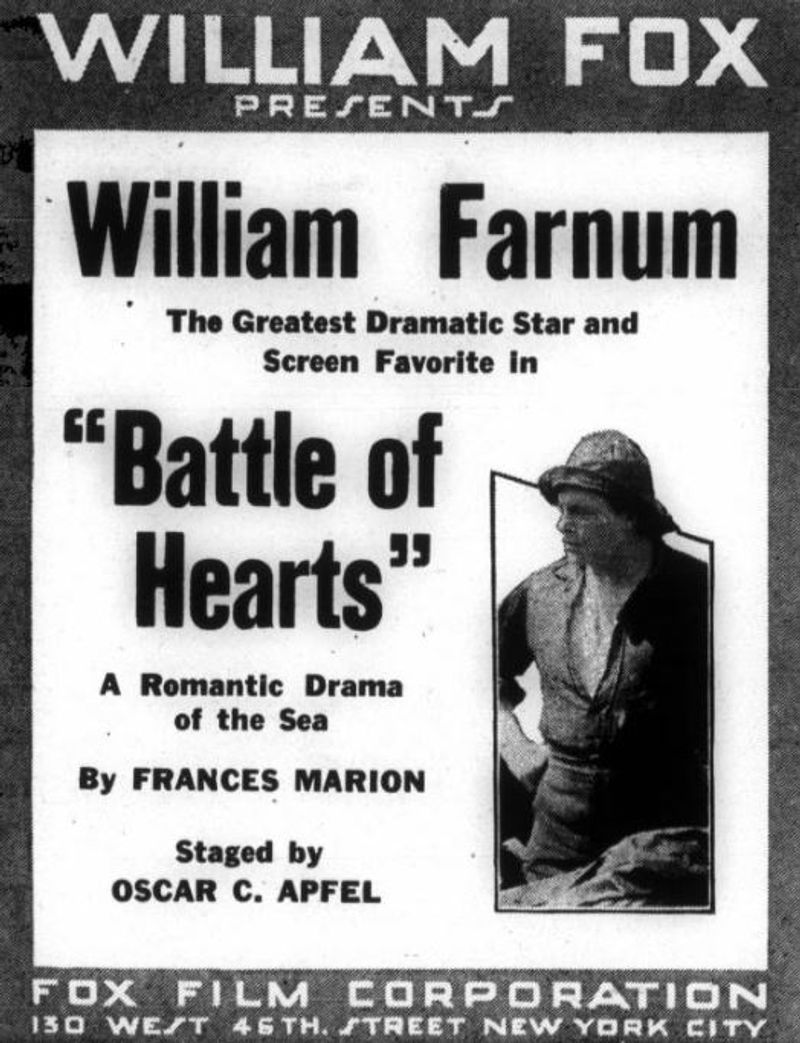
Before Hedda Hopper became Hollywood’s most feared gossip columnist, capable of making or breaking careers with a single sentence, she was just another actress trying to make it in silent films. The Battle of Hearts marked her screen debut in 1916, a small but historically interesting footnote in the life of someone who later wielded enormous power over the very industry she once tried to crack.
The film was rediscovered briefly in 1942 but has since vanished again. Finding a copy would offer a fascinating before-and-after look at one of Hollywood’s most complicated and powerful personalities in her most vulnerable, hopeful moment.
11. The Third Eye (1920)
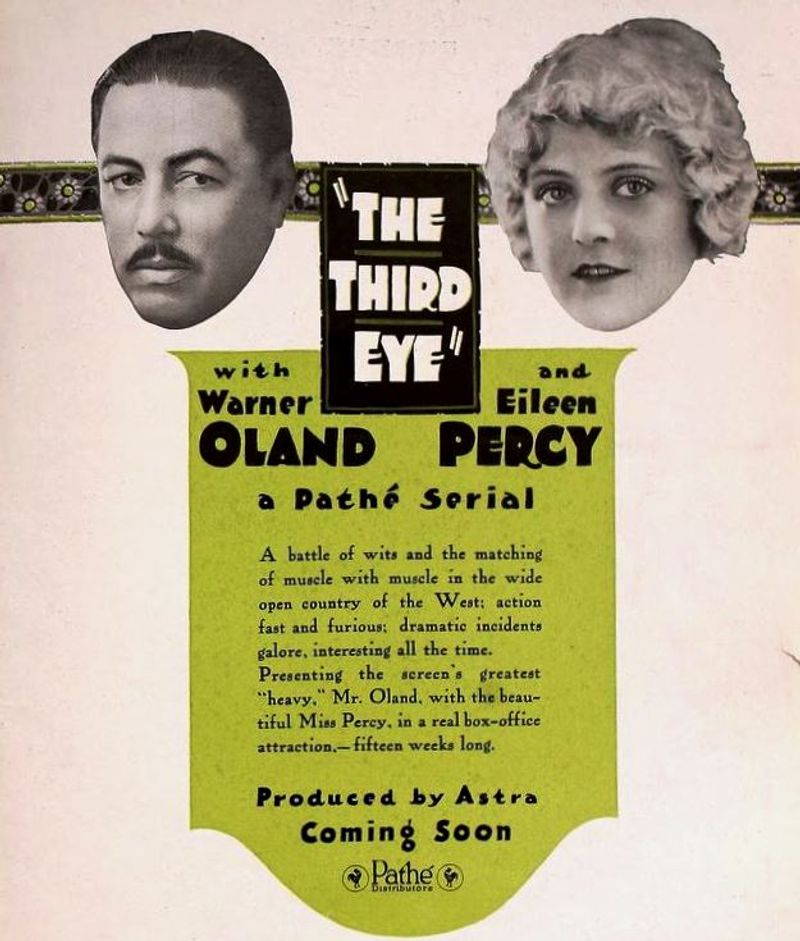
Silent-era serials were the binge-worthy content of their day, released chapter by chapter to keep audiences coming back week after week like the cliffhanger episodes of a cartoon series. The Third Eye, directed by James W.
Horne in 1920, starred Warner Oland and Eileen Percy in a multi-chapter mystery adventure that gripped early moviegoers.
Only fragmentary prints survive today, meaning parts of the story exist while others have dissolved into history. Oland went on to fame playing Charlie Chan in later sound films.
However, his earlier silent work like The Third Eye remains largely inaccessible, leaving a significant chunk of his career in the dark.
12. The Adventures of Tarzan (1921)
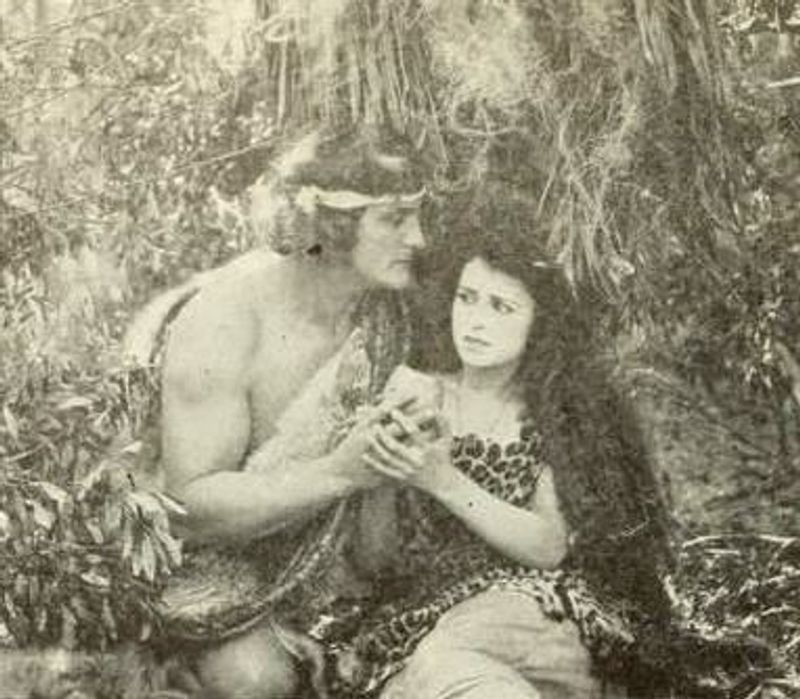
Tarzan was already a pop culture phenomenon by 1921, so turning his story into a 15-chapter film serial made perfect commercial sense. Viewers lined up every week to watch the jungle hero swing through vines, battle villains, and rescue the helpless, much like fans today binge superhero sequels without blinking.
Only the shortened 10-chapter re-release version created in 1928 survives today. The original five missing chapters are completely gone, meaning a significant portion of one of early cinema’s most popular serials simply no longer exists.
Losing five episodes of Tarzan feels a bit like finding out your favorite show deleted half a season.
13. Greed (1924)
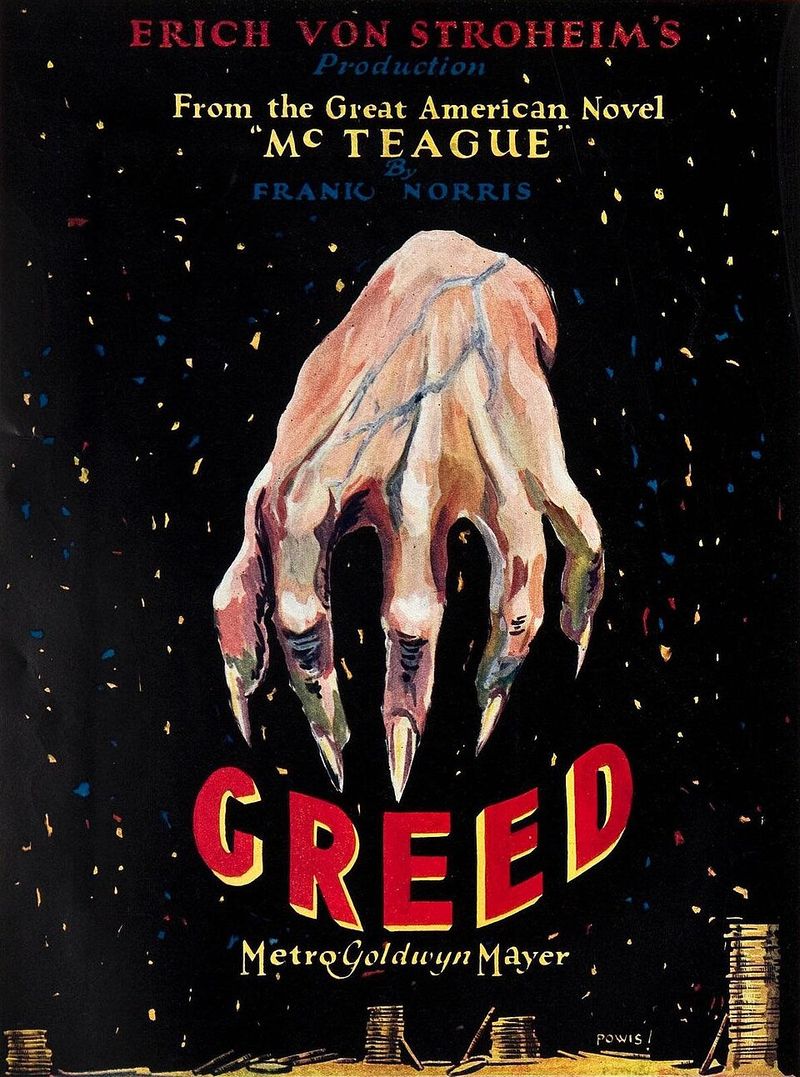
Director Erich von Stroheim originally cut Greed to an absolutely staggering nine hours and forty-two minutes. Yes, you read that correctly.
MGM executives were horrified, and after a brutal editing battle, the studio slashed it down to just over two hours and destroyed the cut footage. What fans saw in theaters was essentially a highlight reel of von Stroheim’s original masterpiece vision.
Film scholars consider the lost footage one of cinema’s greatest tragedies. The surviving version still packs a powerful punch, but knowing an eight-hour cut once existed and was deliberately destroyed makes the whole story feel like a cinematic crime scene worth solving.